Purakaunui Falls
Purakaunui Falls, New Zealand
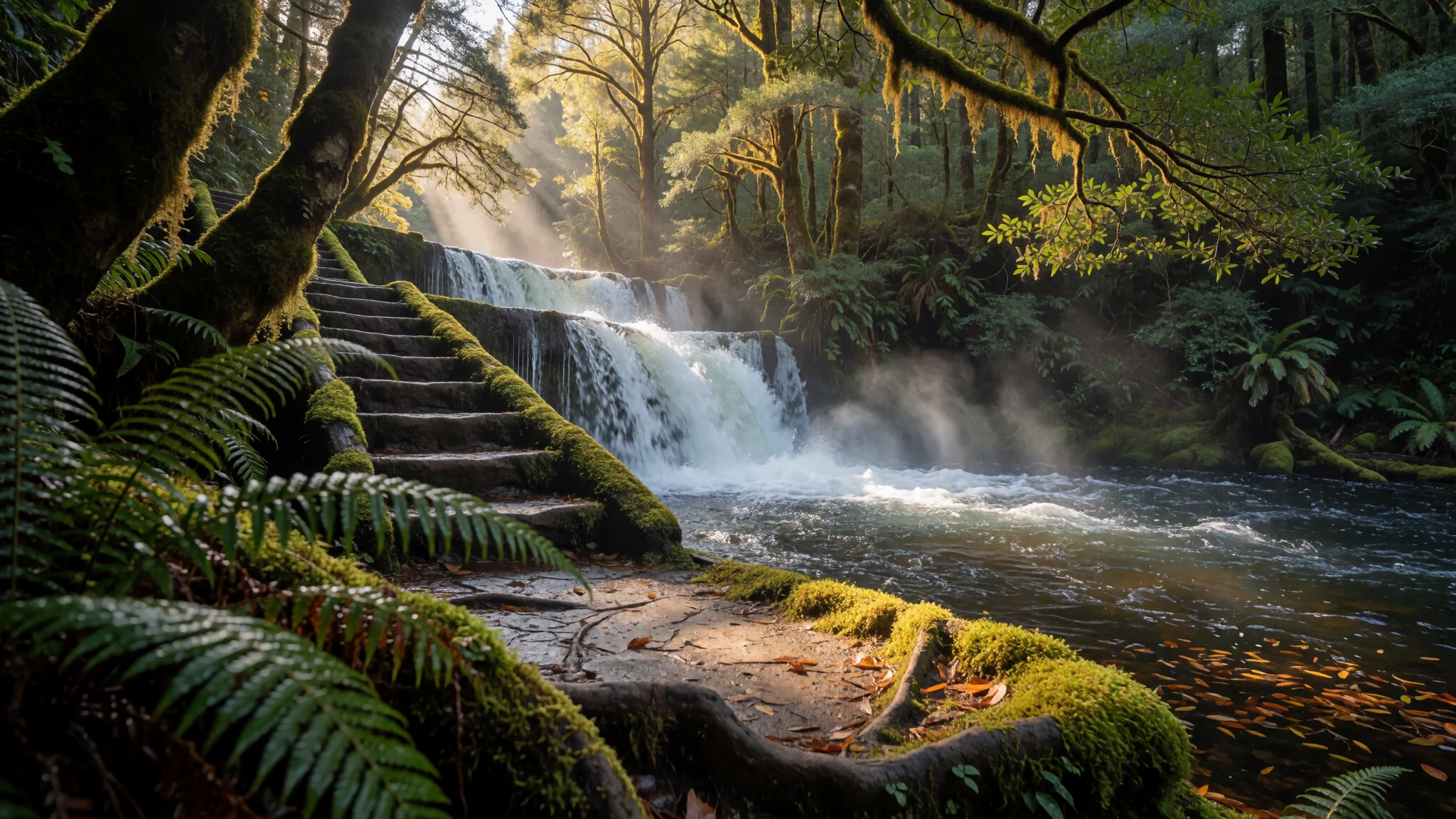
Visit Purakaunui Falls to experience a stunning three-tiered cascade nestled within ancient podocarp and silver beech forest in the southern reaches of New Zealand.
The place
Purakaunui Falls sit gracefully on the Purakaunui River within the rolling, wooded landscape of The Catlins on the southern South Island of New Zealand. As one of the country's most celebrated non-alpine waterfalls, this three-tiered cascade drops through a protected scenic reserve surrounded by dense native bush made up of towering podocarp and silver beech trees. The atmosphere beneath the dense forest canopy is damp and shadowed, scented with decaying moss and damp earth, punctuated only by the steady rush of water over mossy stone steps. Visitors arrive via a short, gentle bush walk from the nearby gravel road, stepping onto viewing platforms that jut out into the green embrace of the forest. The upper tier features a viewing area easily reached by wheelchair, while further timber steps descend towards the main wooden platform directly opposite the lowest drop. Unlike the dramatic, glacier-fed torrents found further west in the Southern Alps, Purakaunui Falls offer a gentler, deeply immersive encounter with southeastern New Zealand's temperate rainforest ecology. The surrounding reserve acts as a tranquil sanctuary where fantails flit through the undergrowth and ferns unfurl beside the winding riverbanks. Though compact in geographical footprint, the site captures the essence of coastal Otago's natural geography, sitting just a short distance upstream from where the river finally empties its fresh waters into the wide, restless expanse of the Pacific Ocean. Travellers exploring the wider coastal route frequently pause here, drawn by the timeless symmetry of the tiered drop and the surrounding quiet of the southern bush.
Its story
Purakaunui Falls have long occupied a cherished place in the cultural imagination and photographic history of New Zealand. Long before gravel roads and timber viewing platforms made the spot accessible to modern drivers, Māori travelled through the dense forests of The Catlins, utilising the river corridors for food gathering and coastal transit. European settlement arrived in the nineteenth century, bringing timber milling and farming to valleys that had stood undisturbed for millennia. As roads were cut through the heavy podocarp and beech forests, travellers began to notice the exceptional beauty of the tiered river cascade. By the mid-twentieth century, the falls had evolved into an essential stop along the southern coastal routes, celebrated by landscape photographers who sought out its elegant proportions. In recognition of its iconic status across the nation, Purakaunui Falls were famously featured on a New Zealand postage stamp, cementing their place in the domestic consciousness long before international tourism brought global visitors to the region. Unlike sites governed by rigid alpine conservation parks, the local protection of these falls reflects a grassroots effort to preserve pockets of native forest amid cleared pastoral land. Generations of travellers have paused beside the rushing water, leaving behind a legacy of travel diaries, hand-tinted photographs, and fading postcards sent back to families in distant towns. Today, the story of Purakaunui Falls continues as an ongoing dialogue between human appreciation and the enduring, slow-growing majesty of New Zealand's southern temperate wilderness, where every generation finds the same quiet solace beneath the green forest canopy.
What to see
- Moeraki Boulders — Coastal Otago
Moeraki Boulders are a fascinating geological formation featuring remarkably large, spherical grey rocks scattered across the sandy beach near the fishing settlement of Moeraki. Formed over millions of years through coastal erosion of ancient mudstone cliffs, these striking natural spheres draw curious photographers and coastal walkers exploring the shores between Oamaru and Dunedin.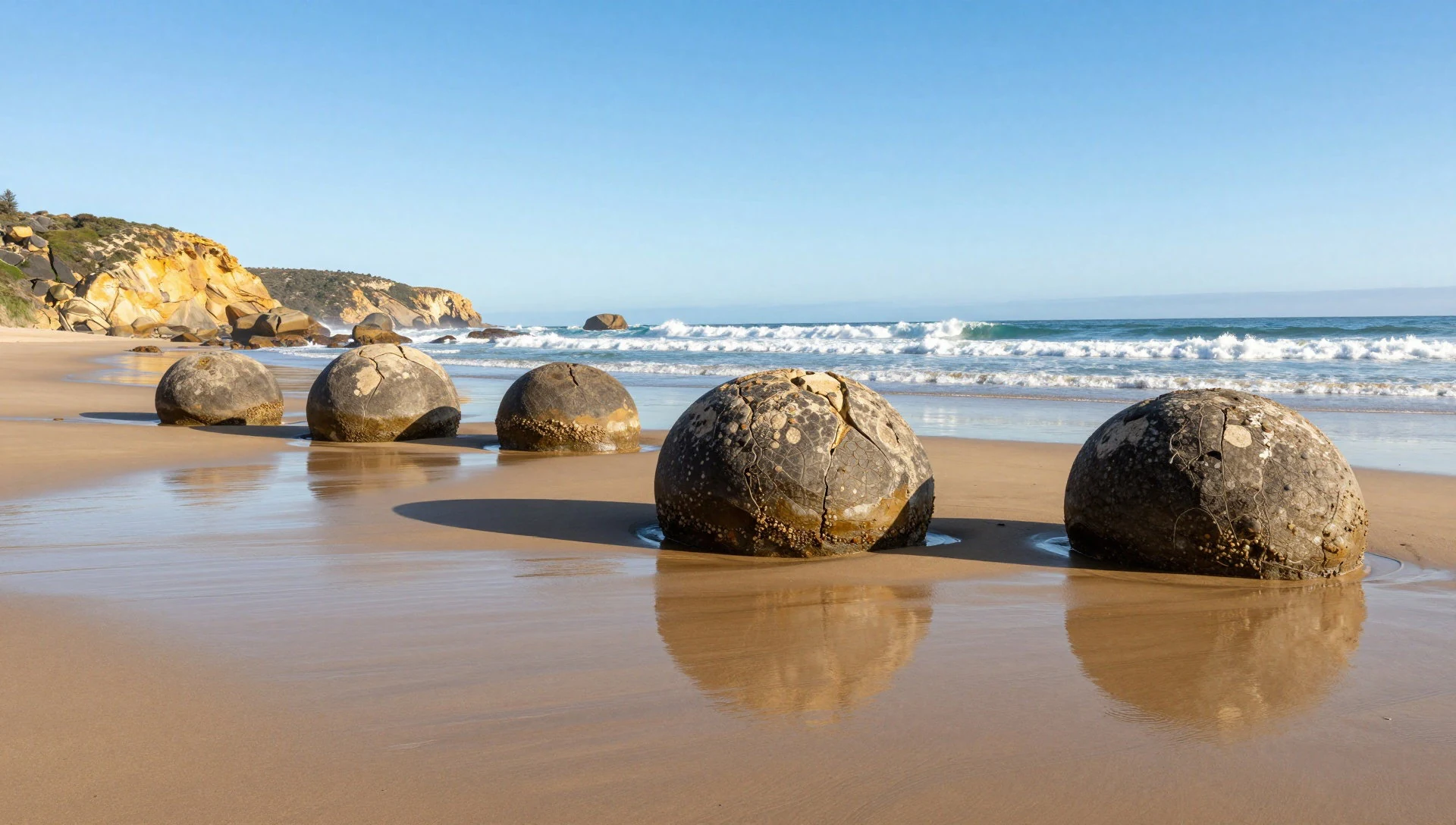
- Otago Central Rail Trail — Central Otago
The Otago Central Rail Trail provides a magnificent multi-day walking, cycling and horse-riding route following the bed of the historic railway through the dry interior valleys. Stretching across sweeping pastoral landscapes and past abandoned goldfields, the track allows visitors to experience the striking geographical transition from coastal Otago into the wide skies of Central Otago.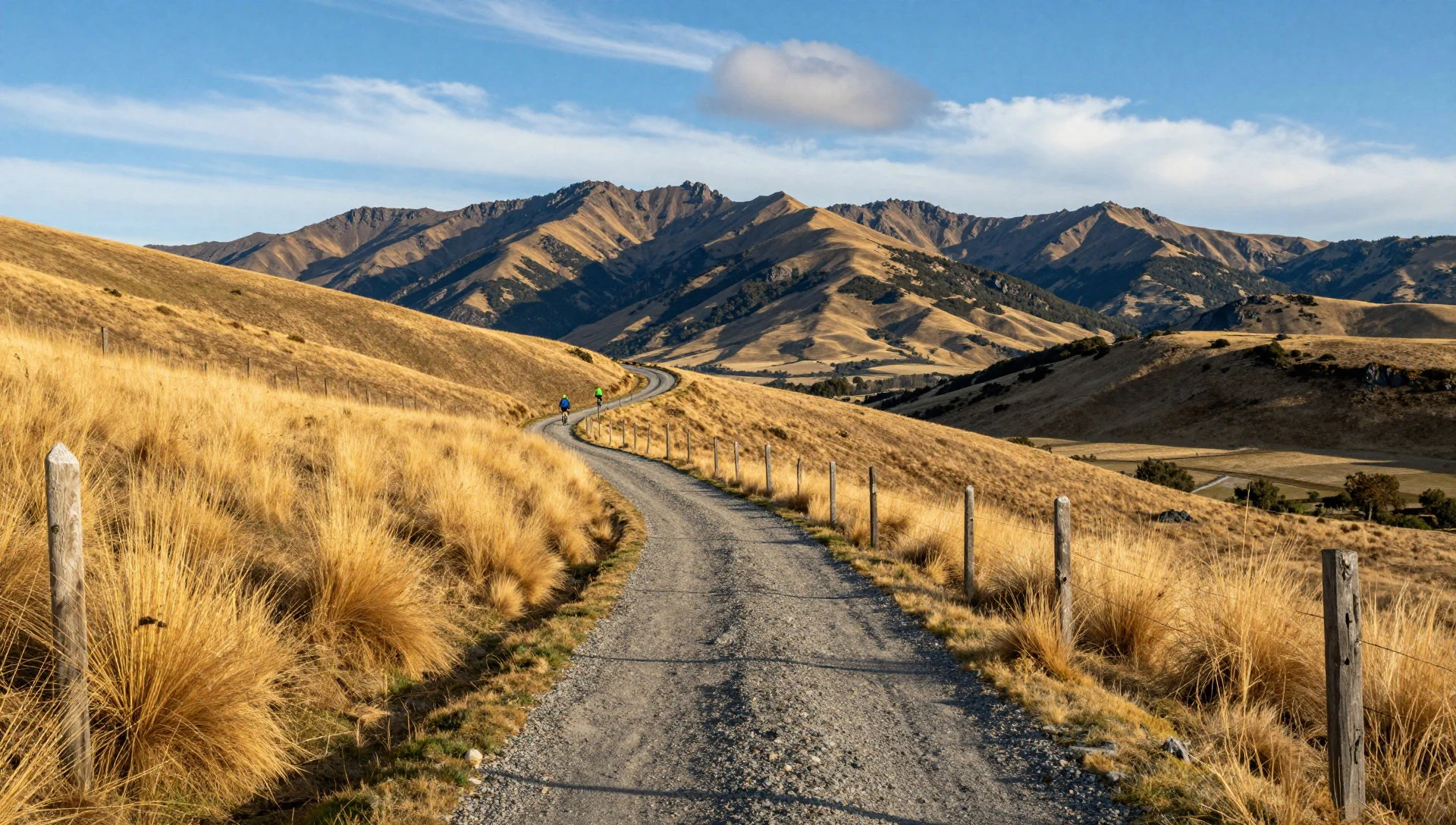
- Vanished World Centre — Waitaki District
The Vanished World Centre in Duntroon is a specialized museum showcasing the remarkable fossil heritage and ancient marine ecosystems of the surrounding district. Visitors can examine fossilised remains of ancient whales, dolphins, giant penguins, and sharks dating back millions of years, or follow a self-guided trail to view local geology and authentic Māori rock art.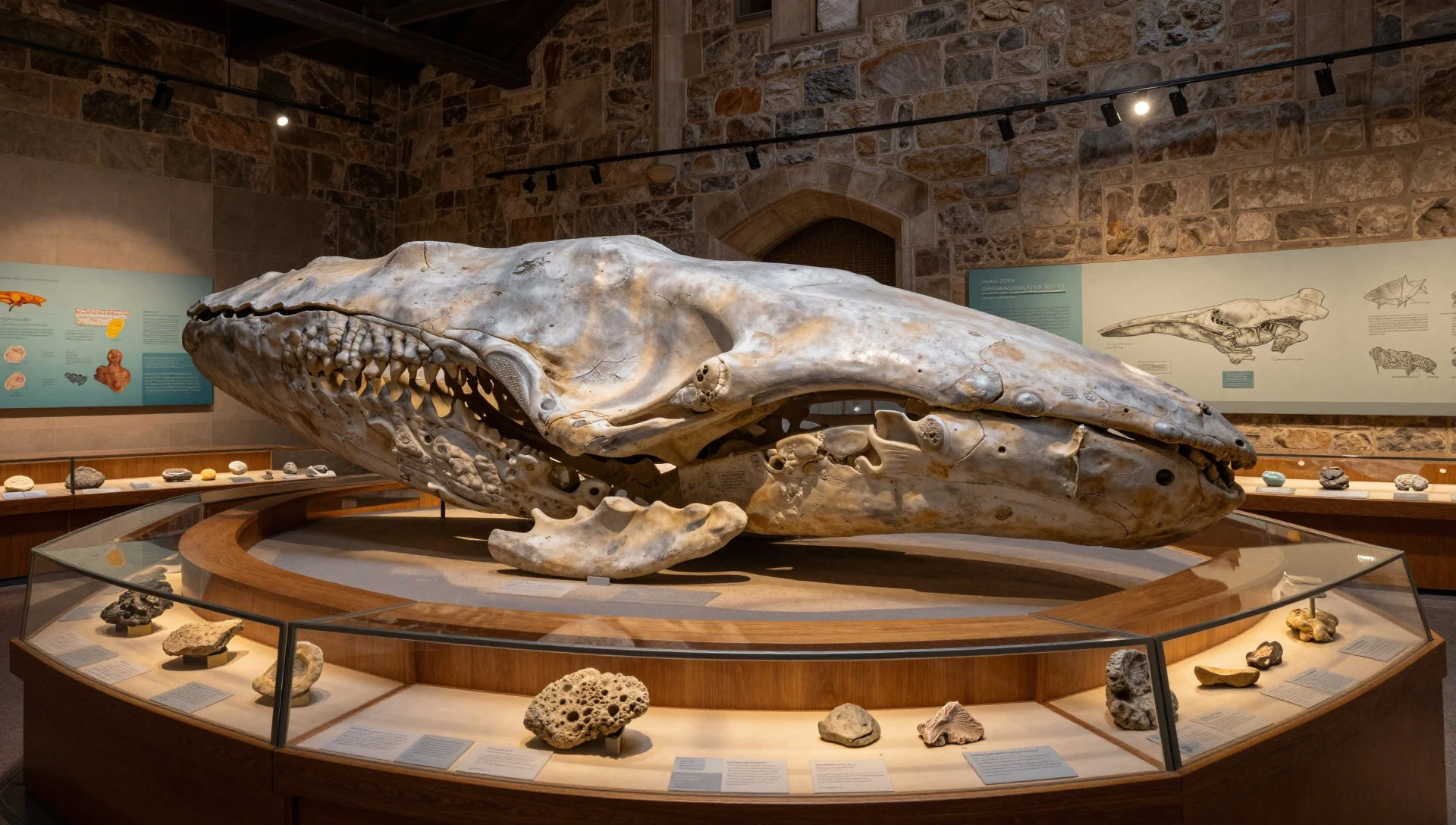
- Otago Peninsula Wildlife — Dunedin Coast
The rugged coastline of the Otago Peninsula near Dunedin offers extraordinary opportunities to observe rare and unique southern marine wildlife in their natural habitats. Visitors can join specialized eco-tours to spot nesting colonies of royal albatrosses, rare yellow-eyed penguins, and basking fur seals along dramatic ocean cliffs.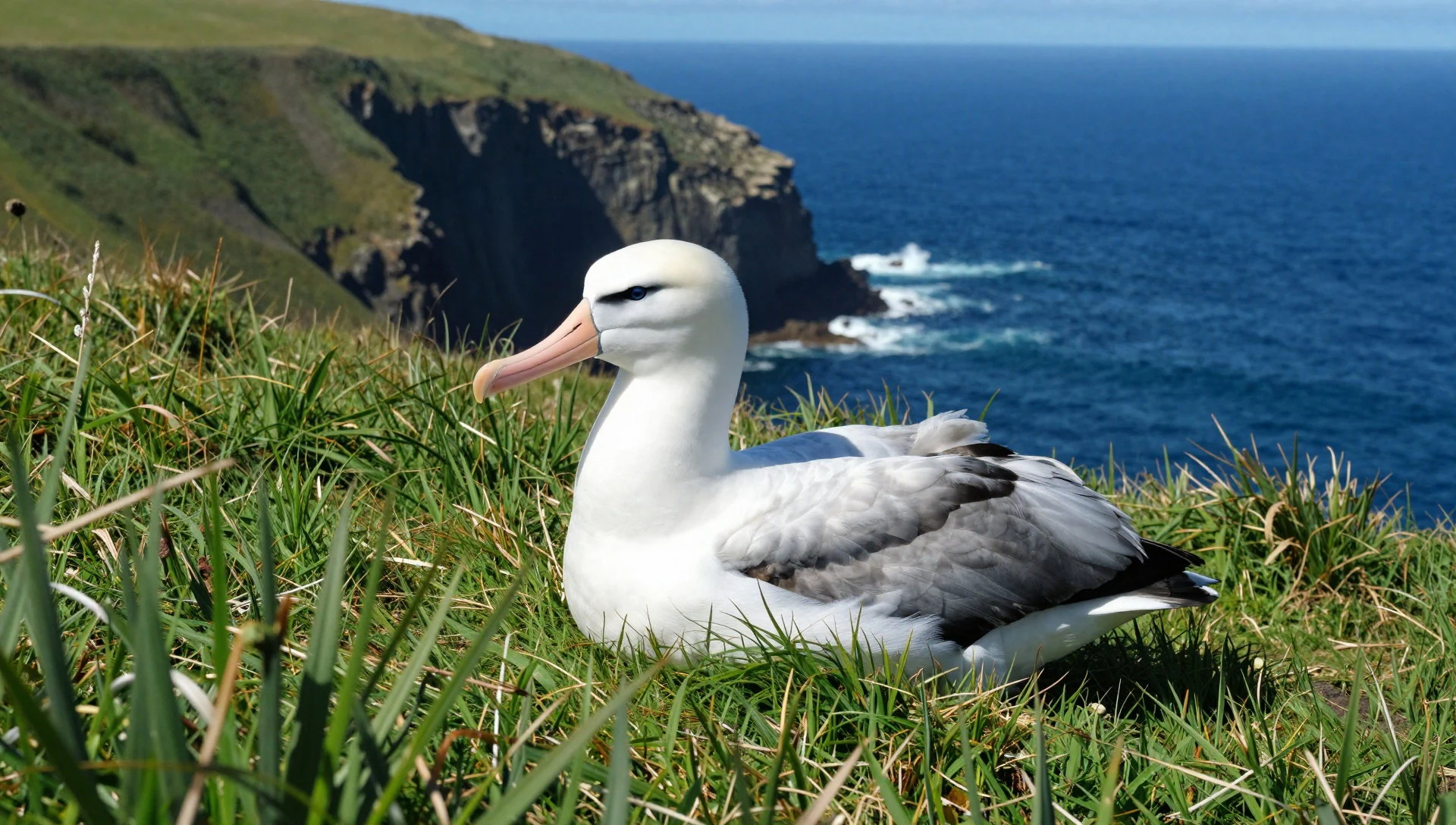
- Historic Stone Architecture of Central Otago — Central Otago
The small inland towns of Central Otago preserve remarkable nineteenth-century stone buildings constructed by European pioneers during the frantic gold rush era. Towns such as Naseby and St Bathans feature weathered schist architecture that tells the gritty story of early settlement, harsh winters, and fleeting fortunes in the southern interior.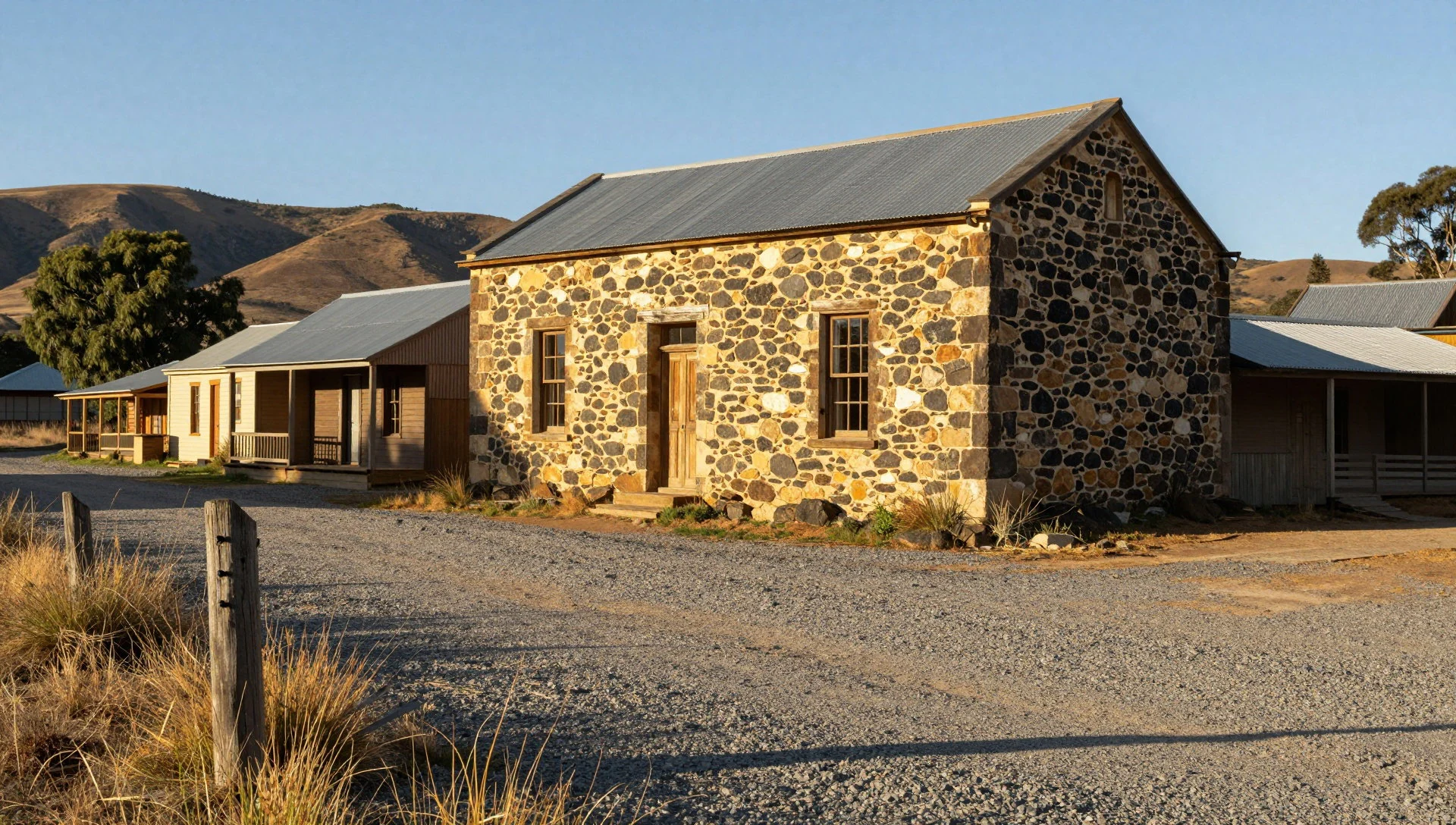
Culture
Purakaunui Falls and the wider Otago region reflect a distinct blend of early Scottish pioneer heritage, indigenous Māori history, and a modern outdoor-focused Kiwi lifestyle. The communities scattered across coastal and central districts maintain a strong connection to the land, shaped by generations of farming, fishing, and gold prospecting. In local townships, a quiet, unpretentious warmth prevails, where strangers readily exchange greetings at roadside stalls and country bakeries. Māori cultural traditions remain deeply rooted across the landscape, visible in ancient rock art sites, traditional place names, and an ongoing guardianship of local waterways and forests. Environmental stewardship is a core value for residents and visitors alike, with immense care taken to protect delicate native flora, birdlife, and fragile coastal ecosystems from invasive species and human disturbance. Visitors are warmly welcomed into this rural society, provided they approach the environment with respect and consideration for local landowners and conservation rules. Always stay on designated walking tracks around Purakaunui Falls to protect vulnerable root systems and prevent erosion of the surrounding native forest floor.
What to wear
Traditional dress in Purakaunui Falls and the surrounding Otago region reflects the practical demands of working in rugged coastal and rural environments rather than formal historical costumes, though indigenous Māori wear traditional woven flax cloaks during significant ceremonial gatherings. In daily life, locals and visitors alike dress for comfort, utility, and shifting weather conditions, favouring durable denim, woollen jumpers, and waterproof layers. Because southern New Zealand weather can transition rapidly from warm sunshine to cold coastal squalls, layering is an essential local habit. Modern wardrobes prioritize high-performance outdoor apparel, fleece jackets, and sturdy footwear suited to damp bush tracks and muddy farm paths. Travellers visiting Purakaunui Falls should pack practical, weather-resistant clothing including a waterproof rain jacket, warm merino wool base layers, and comfortable walking boots with reliable grip. Smart-casual attire is suitable for regional eateries and farm shops, but heavy-duty outdoor gear is necessary for exploring coastal headlands, forest reserves, and inland trails.
What to eat
- Central Otago Cherries and Stone Fruit — Central Otago roadside orchards and fruit stalls
Grown in the sheltered inland valleys around Roxburgh and Cromwell, sweet cherries and juicy apricots are regional staples harvested during the warm summer months. Roadside stalls and orchards throughout the district offer fresh seasonal produce directly to travellers driving along the local highways. - Coastal New Zealand Seafood — Coastal towns and highway eateries across Otago
Coastal Otago provides exceptional opportunities to sample fresh local seafood, including locally caught fish, mussels, and shellfish harvested from the cold southern ocean waters. Traditional fish and chip shops along the main coastal highway serve classic catches fried in light, fluffy batter. - Artisanal Otago Cheese — Evansdale Cheese Factory and regional farm shops
Regional dairies produce exceptional specialty cheeses crafted from rich local milk, available for sampling and purchase at dedicated farm gate cheese factories and country stores. These artisanal cheeses highlight the fertile pastures of the surrounding coastal plains and river valleys. - Central Otago Pinot Noir — Local vineyards and regional winery cellar doors
Cultivated in the world's most southerly wine-producing region on glacial valley floors, Central Otago Pinot Noir is internationally renowned for its complex fruit flavours and distinct dry profile. Vineyards situated at high altitudes produce exceptional vintages that pair wonderfully with regional dining. - Country Bakery Savouries — Small town bakeries throughout Otago and The Catlins
Traditional New Zealand bakeries dotted across rural towns serve comforting hot meat pies, savoury pastries, and sweet slices baked fresh daily. These unpretentious local bakeries are beloved stops for travellers seeking a hearty, traditional bite while exploring remote rural roads.
Plan it
Best time. November through April offers the most pleasant weather for exploring the forest walks and coastal roads, with long daylight hours in summer; winters can bring cold temperatures and occasional snow on surrounding alpine routes.
How long. 2–3
Getting there. Fly into Dunedin Airport, then rent a car to drive south through coastal Otago towards Owaka and the gravel access road leading to Purakaunui Falls.
Budget. mid
Tips
- Rent a reliable vehicle as many rural roads in The Catlins are narrow and unsealed
- Carry cash for small roadside fruit stalls and country honesty boxes
- Pack a waterproof jacket and sturdy boots regardless of the season
- Check local driving conditions before crossing inland mountain passes in winter
Etiquette
- Stay strictly on marked walking tracks to protect native tree roots and delicate undergrowth
- Take all rubbish away with you as public bins are rare in remote forest reserves
- Respect private farmland boundaries and close farm gates behind you if exploring rural trails
Nearby
Sources
- Wikidata Q38448 (CC0)
- Wikipedia (rev 1362225414) (CC BY-SA 4.0)
- Wikivoyage (rev 5259450) (CC BY-SA 4.0)