Punta Arenas
Punta Arenas, Chile
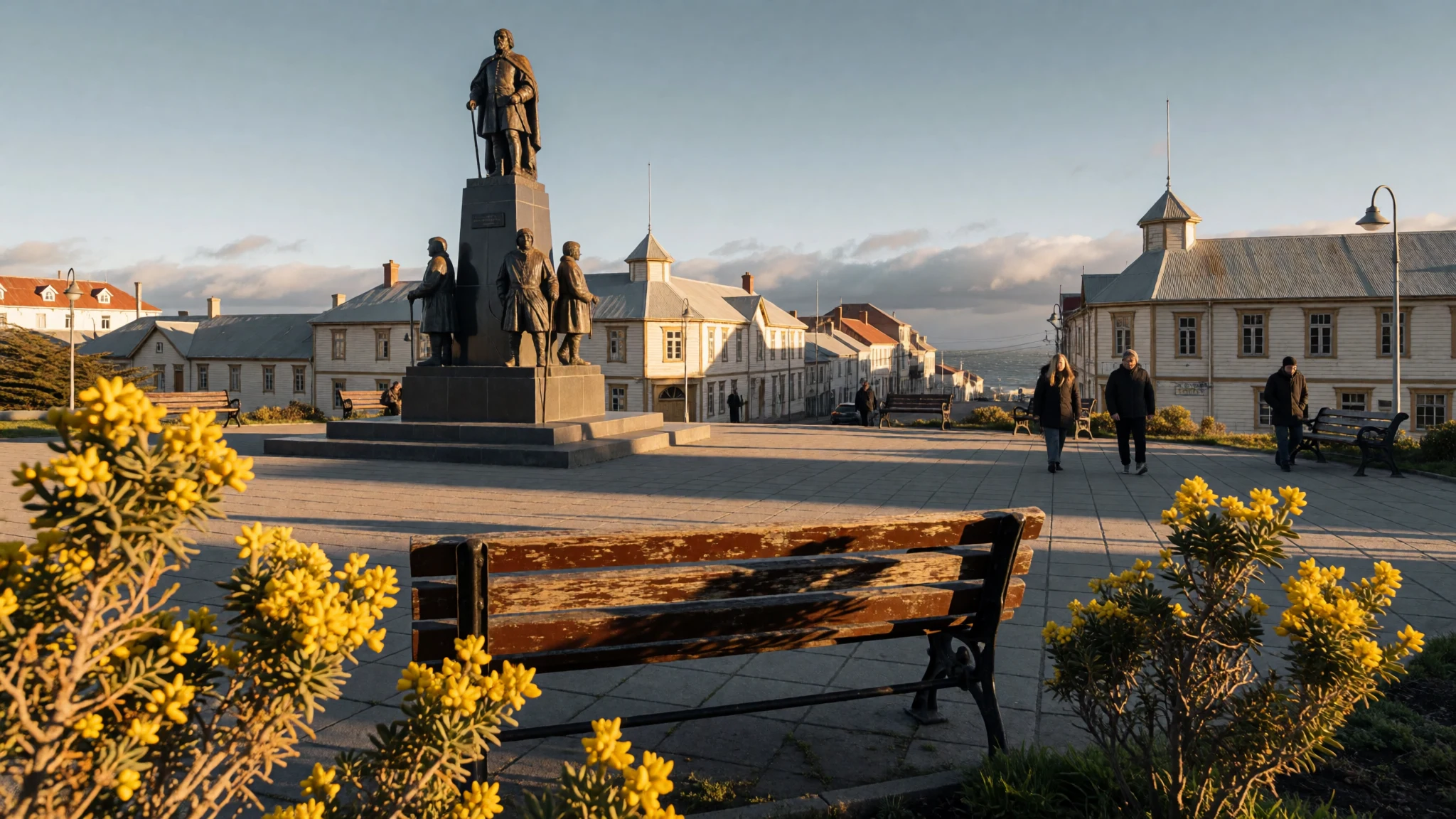
Punta Arenas is the ultimate southern port at the edge of the world, serving as a historic gateway to the Patagonian wilderness and Antarctica.
The place
Punta Arenas sits along the Brunswick Peninsula, facing the grey, windswept waters of the Strait of Magellan. As the principal urban centre in the far south of Chile, the settlement developed into a crucial maritime stopover during the nineteenth century, driven by steamship traffic rounding the continent before the Panama Canal opened. The layout features wide avenues lined with corrugated iron houses painted in striking primary colours, designed to withstand the fierce Patagonian gales that sweep across the Magellanic plains. Historic mansions built by wealthy sheep-farming barons stand near the central square, reflecting a golden era when wool and maritime trade dominated the local economy. Today, the community functions as a vital supply hub for expeditions heading further south towards the polar ice, while retaining its distinct frontier character shaped by decades of maritime isolation, maritime heritage, and European immigration from Croatia and Spain. Visitors wandering through the historic core will notice the weathered architecture and maritime monuments that pay tribute to early navigators, sealers, and naval officers who braved the treacherous southern channels.
Its story
Long before permanent habitation took hold, early Spanish monarchs attempted to fortify the treacherous Strait of Magellan to protect their shipping lanes from English privateers. The earliest attempt in fifteen eighty-four, named Nombre de Jesús, collapsed entirely due to ferocious weather and starvation. A second fort, Ciudad del Rey don Felipe, met an identical grim fate further south, earning the grim moniker Puerto del Hambre, or Port Famine, after nearly all settlers perished from lack of provisions before English privateers arrived years later. Centuries passed before the Chilean administration formally established a secure outpost here in the middle of the nineteenth century, dispatching a small naval expedition aboard a schooner to assert sovereign control over the strategic waterway. Initially functioning as a penal colony to maintain territorial claims, the settlement gradually expanded as maritime traffic increased around the southern tip of the continent. The arrival of European immigrants transformed the remote garrison into a prosperous hub for sheep ranching and maritime commerce, laying the architectural and cultural foundations of the modern city seen today.
What to see
- Cerro de la Cruz — Hillside residential district
An easy walk uphill from the central plaza leads to this elevated viewpoint, offering sweeping panoramic vistas over the brightly painted tin roofs of the city, the open expanse of the Brunswick Peninsula, and the grey waters of the Strait of Magellan.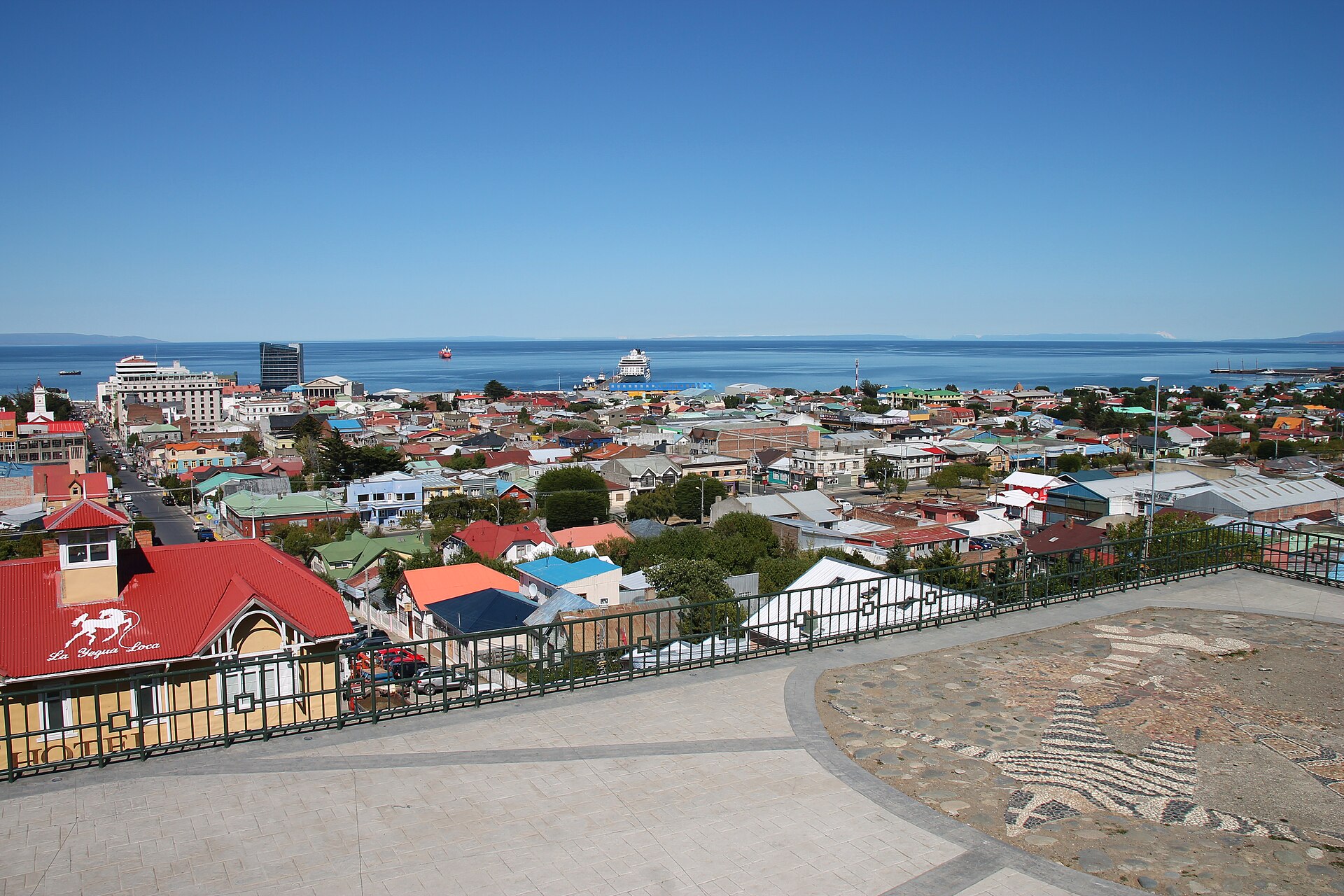
- Austral Brewery — Industrial heritage quarter
Tour the southernmost commercial brewery in operation today to discover traditional brewing methods using crisp southern water and local ingredients, culminating in a guided tasting session of regional craft lagers and ales within their historic fermentation halls. - Museo Regional de Magallanes — Historic city centre
Housed inside the opulent Braun-Menéndez Mansion, this cultural institution preserves period interiors, imported European furnishings, and historical artifacts that illustrate the golden age of elite sheep-farming families who once controlled the regional economy.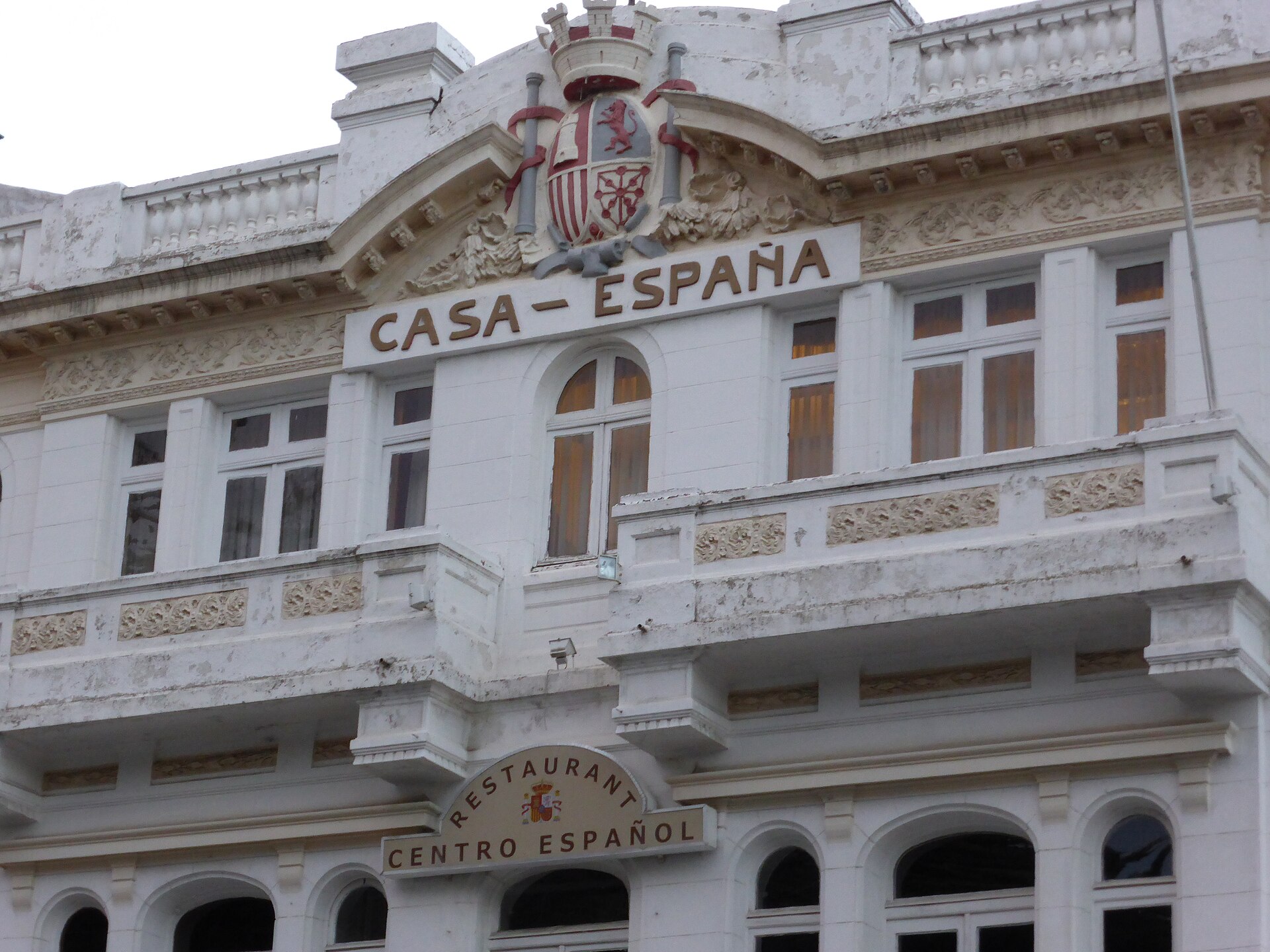
- Museo del Recuerdo — Northern agricultural campus
Located at the agricultural institute grounds, this sprawling open-air collection exhibits vintage steam engines, horse-drawn carriages, early automobiles, historic wooden houses furnished in nineteenth-century style, and heavy rural farm machinery. - Museo Maggiorino Borgatello — Avenida Bulnes corridor
Operated by the Salesian religious congregation, this comprehensive museum displays ethnological collections detailing the indigenous Selk'nam and Yaghan cultures, alongside natural history specimens, regional fauna, and exhibits touching upon Antarctic exploration.
Culture
The cultural fabric of the far south is shaped by a mixture of Chote traditions, maritime heritage, and European roots, particularly from Croatian and Spanish settlers who arrived during the wool boom. Local communities take immense pride in their geographic isolation and resilience against harsh weather conditions. Museums and cultural centres actively preserve the memory of indigenous groups such as the Selk'nam and Kawésqar, while annual festivals celebrate regional folklore, maritime history, and pioneering spirit. When interacting with local residents, a warm greeting is customary, and patience is appreciated in shops and eateries where life moves at a deliberate, unhurried pace. Always ask for permission before photographing local residents or indigenous heritage displays in community spaces.
What to wear
Traditional dress in the far south reflects practical survival against biting winds and freezing temperatures rather than elaborate ceremonial costumes, historically relying on heavy woollen ponchos, durable leather boots, and thick sheepskin garments worn by gauchos and early settlers. Today, locals dress in practical, weather-resistant urban wear, prioritising warmth and windproofing over fashion trends. Down jackets, thermal layers, sturdy walking boots, and windproof shells are daily necessities regardless of the calendar month. Visitors must pack layered clothing, including fleece jackets, waterproof outer layers, woollen hats, and gloves, as sudden squalls and dropping temperatures are common throughout the year.
What to eat
- Choripán and Leche con Plátano — Kiosko Roca near Plaza de Armas
A legendary local combination served at a tiny downtown counter near the central square, featuring grilled sausage tucked inside crusty French bread paired with a sweet, frothy blended banana and milk beverage. - Barros Luco and Rhubarb Juice — Dino's Pizza downtown
A classic comfort sandwich made with thin slices of warm beef and melted cheese pressed between fresh bread, traditionally accompanied by a tart, refreshing glass of freshly pressed local rhubarb juice. - Traditional Seafood Stews — Mercado Municipal food stalls
Hearty coastal broths prepared using fresh catches from southern waters, including local shellfish, white fish, and aromatic herbs simmered slowly at communal food stalls. - Patagonian Lamb — Restaurante La Luna and traditional eateries
Tender free-range lamb roasted slowly over open wood fires until the skin turns crisp, served simply with local potatoes and chimichurri sauce in traditional dining rooms.
Plan it
Best time. November to February offers the longest daylight hours and milder temperatures, though powerful winds remain a constant factor year-round.
How long. 2–3
Getting there. Arrive by commercial flight into the local airport connected from Santiago, or travel overland via bus routes crossing through Argentina from Puerto Natales or Río Gallegos.
Budget. mid
Tips
- Pack windproof and waterproof outer layers regardless of the season
- Book accommodation well in advance if visiting during the peak summer months
- Carry cash for smaller market stalls and rural transport
- Allow extra travel time when planning cross-border bus journeys
Etiquette
- Greet shopkeepers and service staff politely upon entering any establishment
- Ask permission before photographing people in public markets or museums
Nearby
Sources
- Wikidata Q51599 (CC0)
- Wikipedia (CC BY-SA 4.0)
- Wikivoyage (CC BY-SA 4.0)