Pu'uhonua o Hōnaunau National Historical Park
Pu'uhonua o Hōnaunau National Historical Park, United States
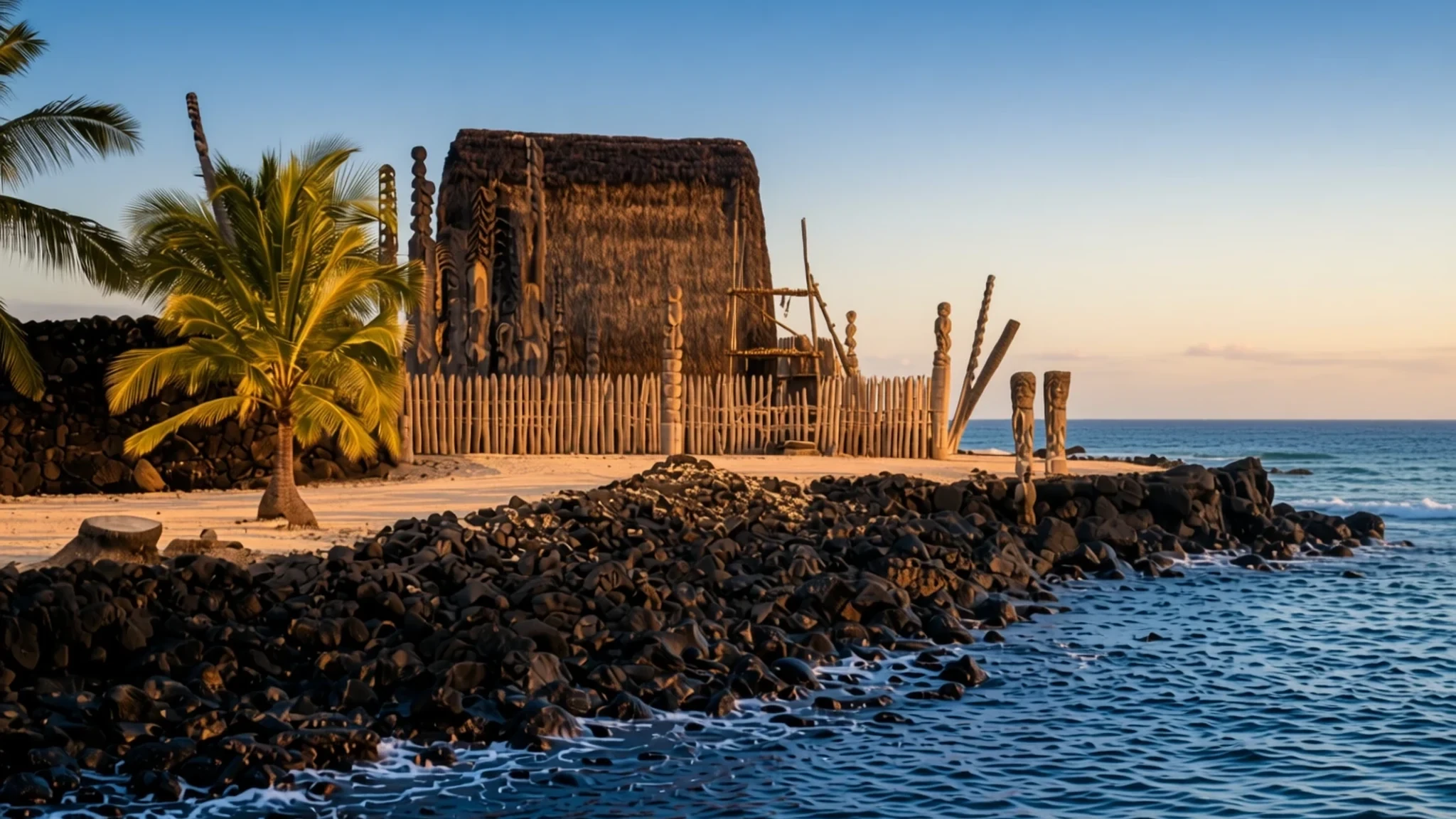
Pu'uhonua o Hōnaunau National Historical Park preserves an ancient Hawaiian sanctuary where lawbreakers and defeated warriors found absolute safety.
The place
Pu'uhonua o Hōnaunau National Historical Park sits quietly on the rugged black lava coastline of the South Kona district on the island of Hawaiʻi. This protected landscape shelters a remarkably intact complex of sacred temples, royal residence foundations, and ancient fishponds that convey the refined architectural and social engineering of traditional Polynesian society. Visitors walking these shores encounter striking thatched structures known as hale, alongside imposing carved wooden guardian figures that stand vigil against the brilliant blue of the Pacific Ocean. The atmosphere carries a profound stillness, shaped by the crashing surf against jagged volcanic rocks and the rustling fronds of coastal palms. Beyond the immediate sanctuary walls, the park encompasses coastal trails weaving through old agricultural terraces, tidepools brimming with marine life, and remnants of traditional villages that once thrived in this demanding yet bountiful environment. As one of the few locations in the islands permitted to fly the historical flag of Hawaii alone, the park maintains a deep connection to local identity and heritage. The grounds invite travellers to slow their pace, observe the delicate balance of endemic flora such as the noni tree, and reflect upon a complex societal framework built around spiritual law and sanctuary. While the tropical warmth and brilliant sunshine dominate the daytime hours, the shifting light across the dark lava fields offers an enduring sense of timelessness that draws visitors away from modern distractions into a deeply rooted Pacific landscape.
Its story
Pu'uhonua o Hōnaunau National Historical Park preserves a history deeply anchored in the strict social hierarchy and sacred laws of ancient Hawaii, known as the system of kapu. In this era, breaking a kapu—ranging from eating with the wrong person to treading on a chief's shadow—carried an automatic death sentence, leaving transgressors with only one desperate choice for survival: outrunning pursuers to reach the nearest place of refuge, or puʻuhonua. Once an offender crossed the boundary and completed rituals overseen by priests, they were absolved of their crime and permitted to return home safely. Defeated warriors and non-combatants likewise sought sanctuary here during times of tribal warfare, knowing that violence was strictly forbidden within the consecrated stone walls. Adjacent to the sanctuary lay the elite Royal Grounds, reserved for powerful chiefs whose residences were serviced by canoes arriving directly at Keoneʻele Cove. Within these royal bounds stood the Hale-o-Keawe temple, a sacred mausoleum housing the physical remains of twenty-three high chiefs. The immense spiritual power, or mana, emanating from these royal bones imbued the entire precinct with divine protection and sanctity. This legacy survived generations of political upheaval until the formal establishment of the protected area in nineteen fifty-five, ensuring that the remarkable heritage of the Hawaiian people remains safeguarded for future generations to understand and respect.
What to see
- The Puuhonua Sanctuary — Main Sanctuary Area
At Pu'uhonua o Hōnaunau National Historical Park, the inner sanctuary served as an absolute refuge where ancient lawbreakers and fleeing warriors found total protection from execution. A massive stone wall separates this sacred zone from the adjacent royal grounds, enclosing sacred temple foundations and ancient palms that frame the dramatic ocean views along the rugged volcanic shoreline.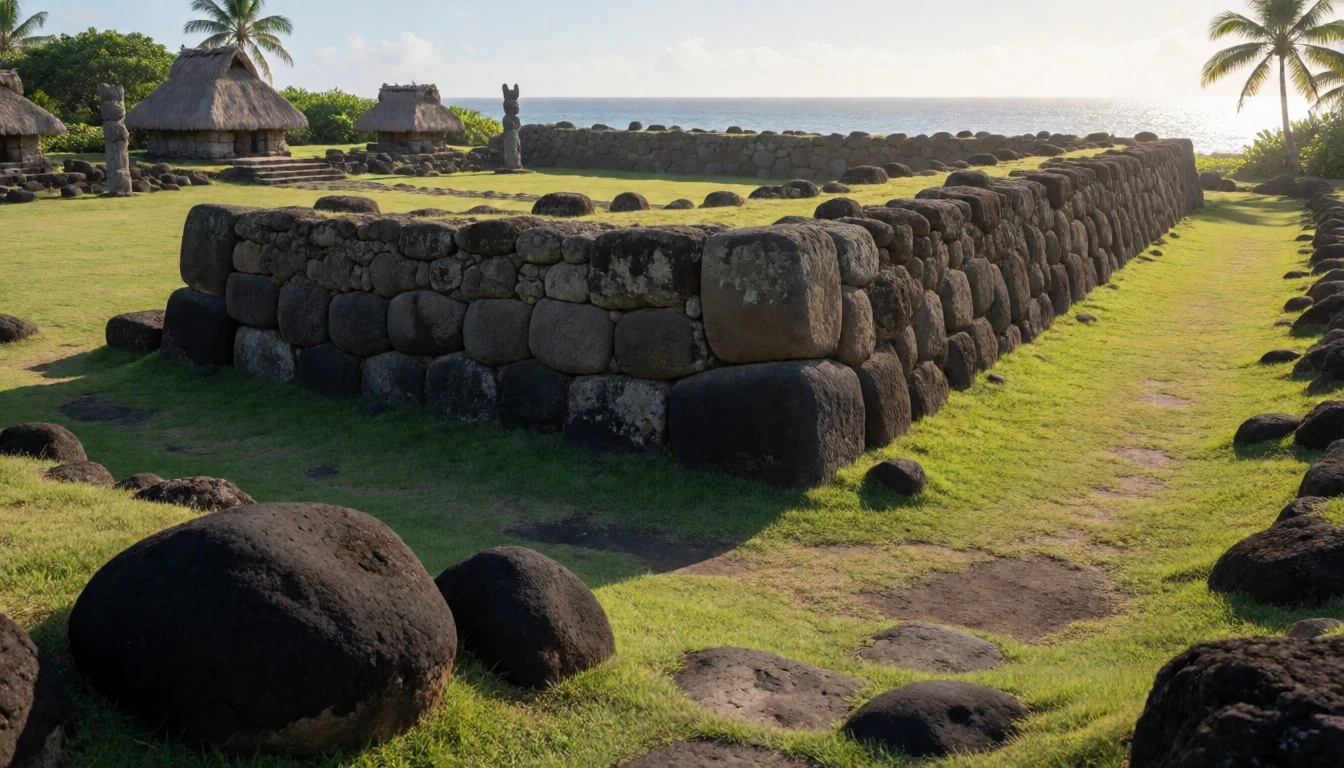
- The Royal Grounds — Adjacent to Sanctuary
At Pu'uhonua o Hōnaunau National Historical Park, the royal grounds accommodated powerful chiefs who governed the region and arrived directly by canoe at Keone'ele Cove. Traditional conch shells were once blown to announce their arrival, ensuring commoners shielded their eyes from sacred royalty, and today visitors can inspect reconstructed thatched hale buildings that illustrate domestic life among the ancient ali'i.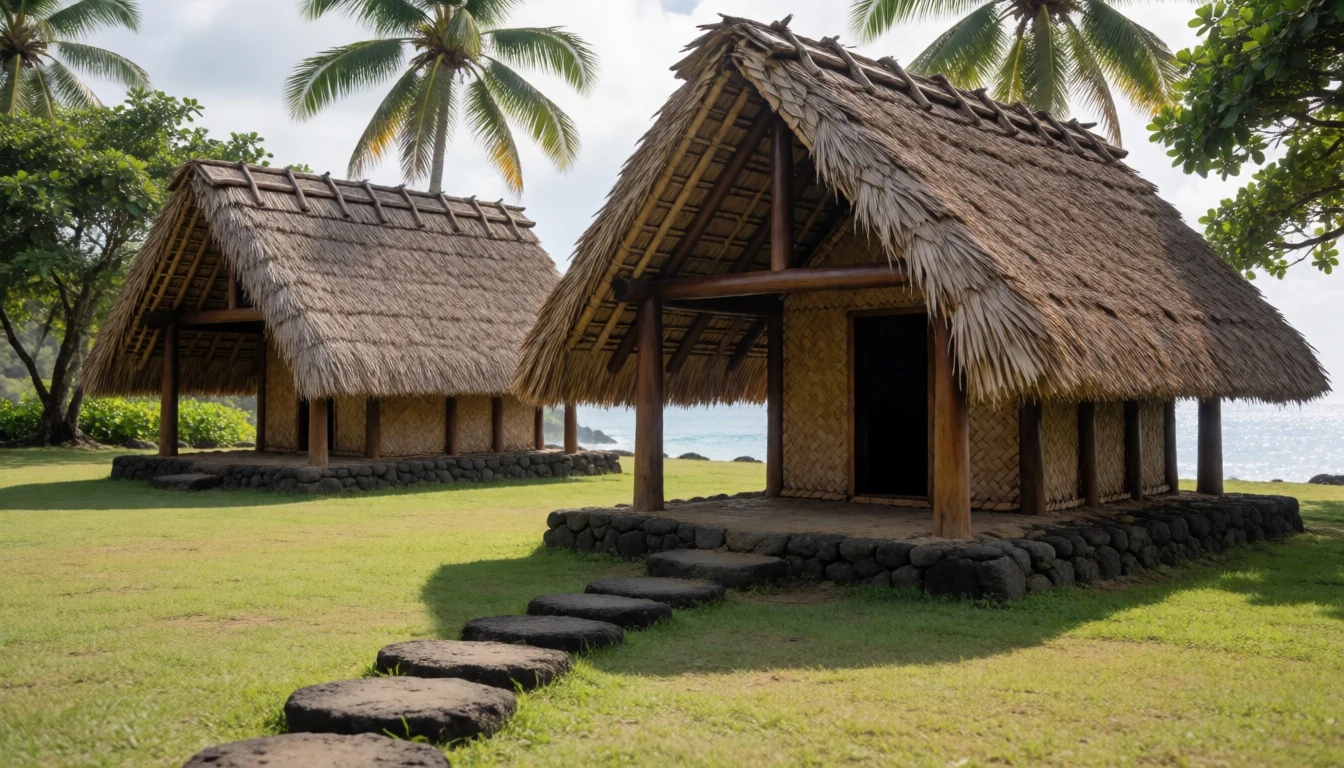
- Ki'ilae Village — Southern Coastal Trail
At Pu'uhonua o Hōnaunau National Historical Park, a scenic coastal path leads to the archaeological remains of Ki'ilae Village, which offers a fascinating window into rural Hawaiian life during a period of rapid historical transition. Walking among these stone walls and house sites reveals how families sustained traditional agricultural practices alongside changing modern influences before the settlement was gradually abandoned.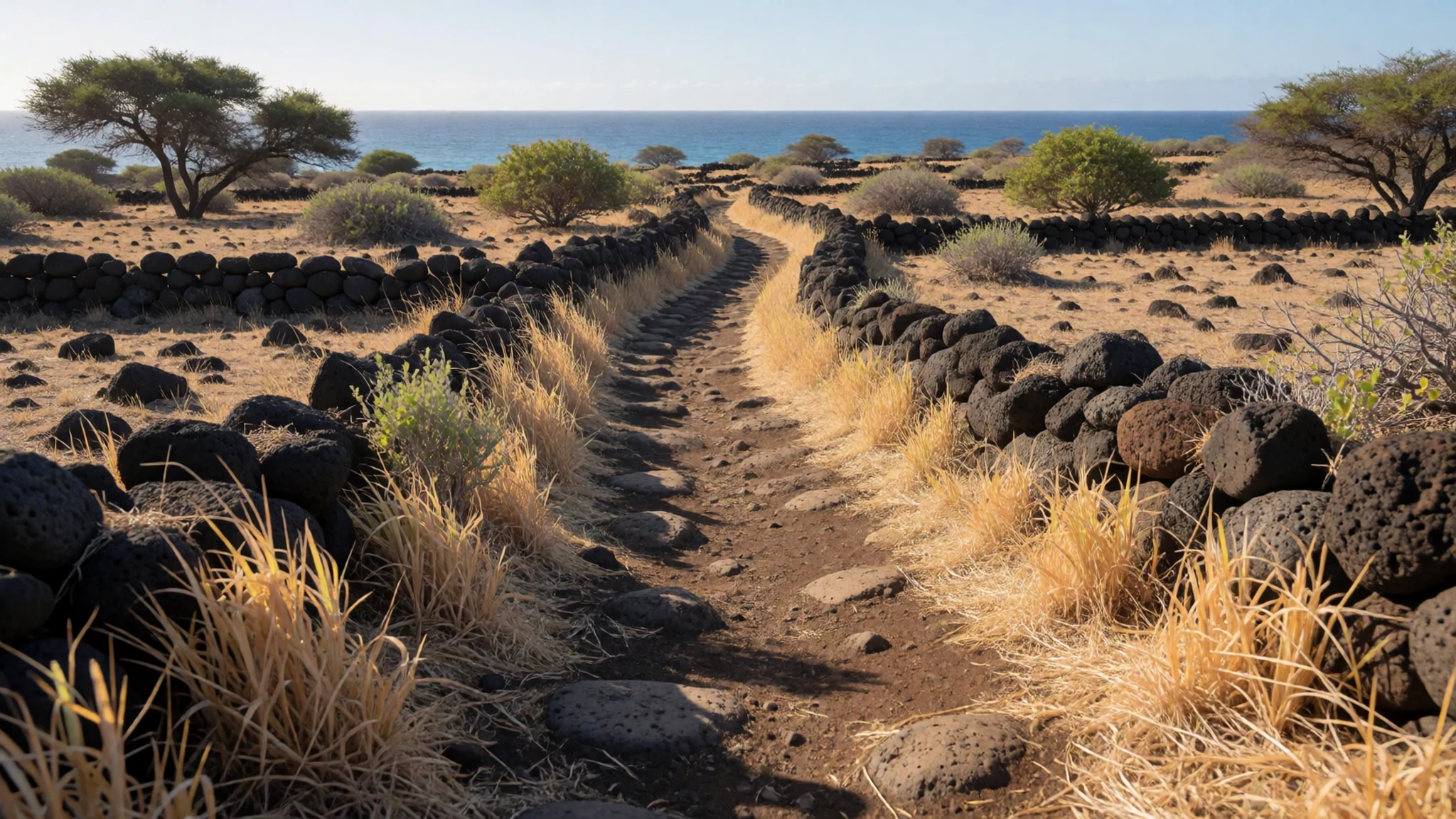
- Cultural Demonstrations — Visitor Centre Area
At Pu'uhonua o Hōnaunau National Historical Park, daily cultural presentations bring ancestral arts to life as skilled demonstrators weave intricate baskets from lauhala leaves, craft fresh flower lei, carve traditional dugout canoes, and demonstrate ancient Hawaiian games. These engaging sessions provide visitors with direct insight into the enduring craftsmanship and community traditions that continue to thrive across the islands today.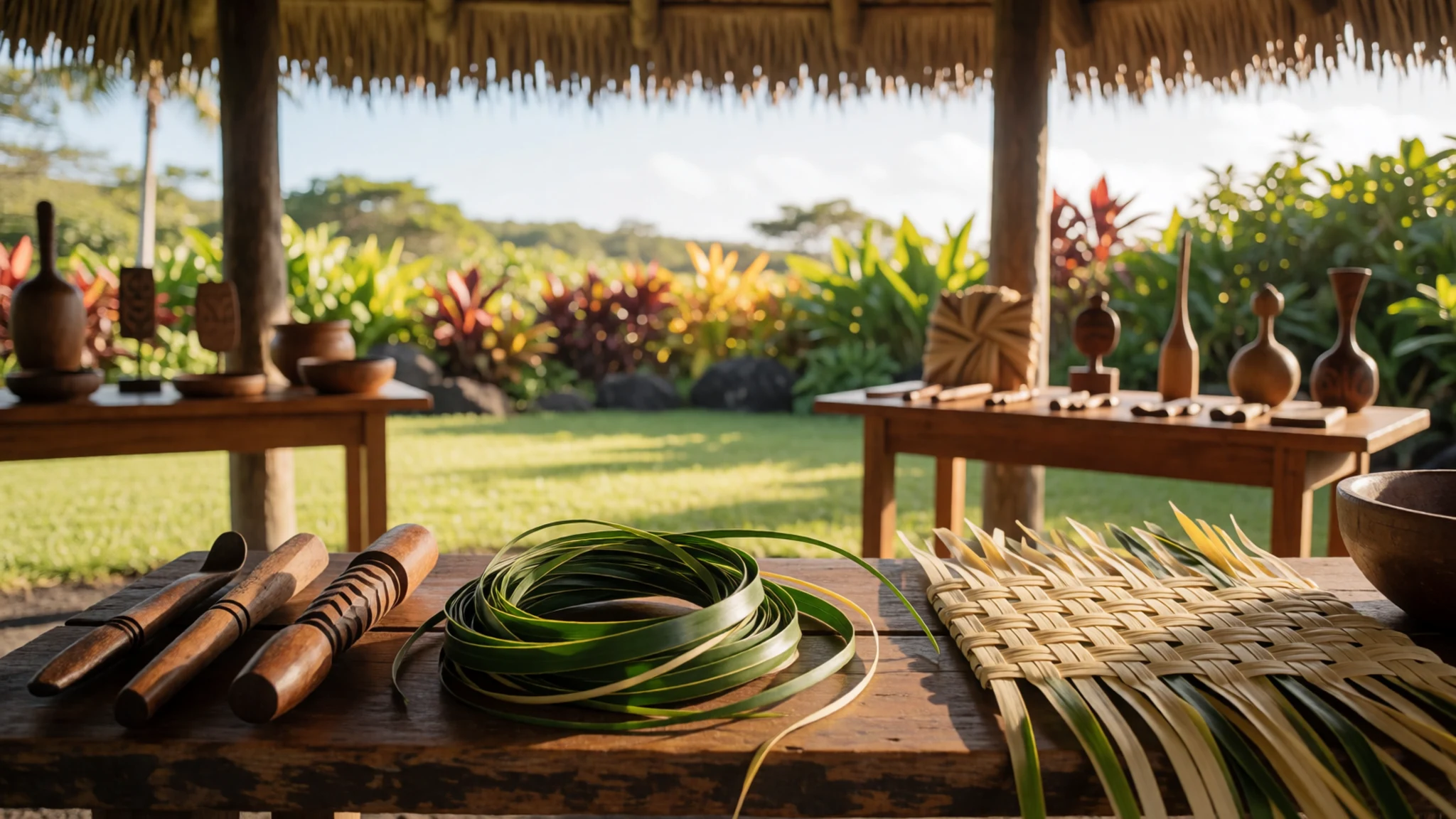
- Tidepools and Coastal Waters — Honaunau Bay Shoreline
At Pu'uhonua o Hōnaunau National Historical Park, jagged volcanic lava outcrops extend directly into the sea, forming numerous tidepools that teem with resilient marine organisms adapted to the surging tides. Just offshore, the protected waters of Honaunau Bay feature vibrant coral gardens where strong swimmers can observe resting sea turtles and colourful reef fish in their natural Pacific habitat.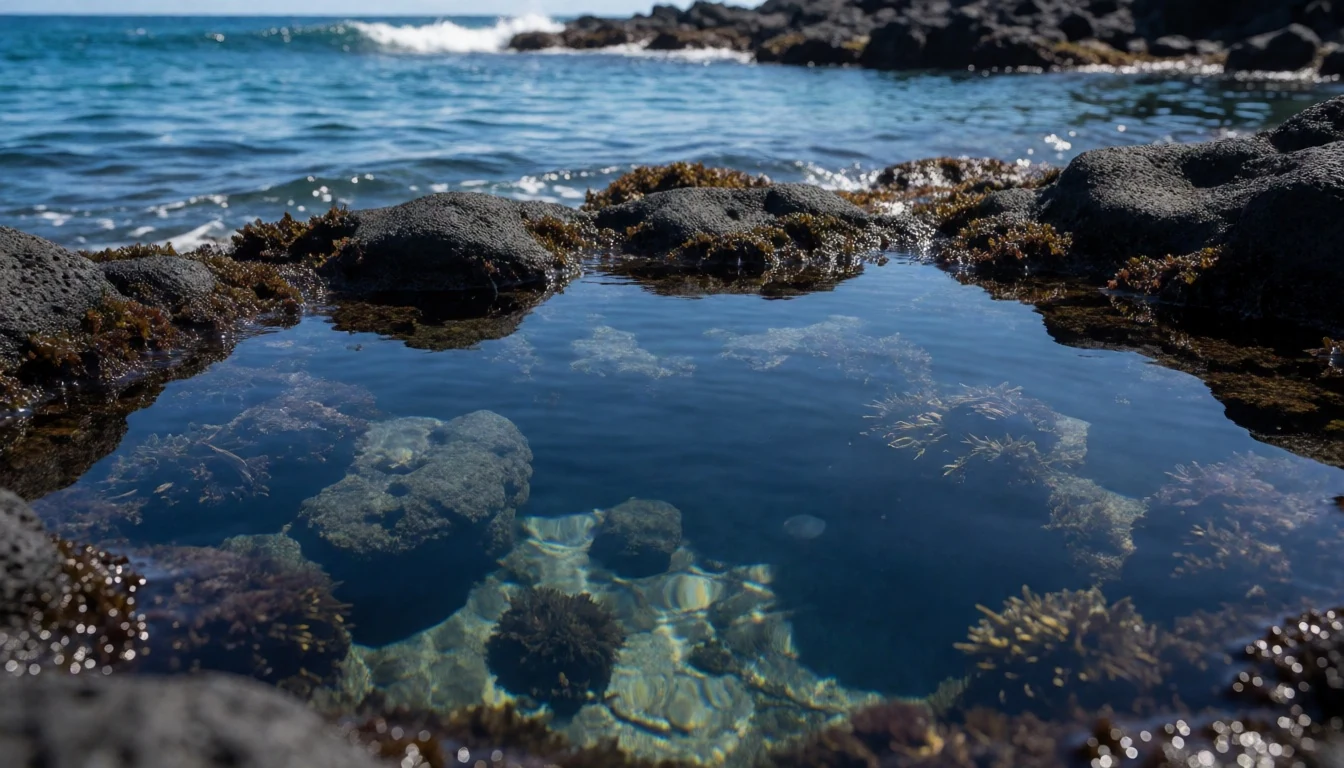
Culture
Pu'uhonua o Hōnaunau National Historical Park is steeped in the living heritage of Native Hawaiians, whose connection to the land and ocean remains unbroken across generations. Visitors to Pu'uhonua o Hōnaunau National Historical Park often notice an atmosphere of quiet reverence, as the grounds are treated with the utmost respect due to their sacred history as a final resting place for chiefs and a sanctuary for the vulnerable. Cultural practitioners maintain traditional arts, language, and spiritual protocols, demonstrating that this landscape is an active cultural center rather than a static historical exhibit. When engaging with local guides or attending demonstrations, listening attentively and showing genuine curiosity are deeply appreciated by the community. Travellers should familiarise themselves with the concept of aloha, which extends beyond a simple greeting to embody mutual respect, humility, and care for both people and the environment. It is essential to treat all archaeological features, stone walls, and wooden carvings with care, keeping a respectful distance and avoiding climbing on any historical structures within the park boundaries.
What to wear
Pu'uhonua o Hōnaunau National Historical Park reflects the practical and climate-adapted clothing traditions found across the Hawaiian Islands today. Traditional Hawaiian garments historically utilised beaten plant fibres such as tapa cloth made from wauke bark, fashioned into wraps and loincloths suitable for tropical warmth, while intricate feather cloaks denoted high chiefly status. Contemporary residents and cultural practitioners wear comfortable, breathable clothing often featuring modern aloha shirts and patterned fabrics that celebrate Pacific aesthetics. For visitors exploring Pu'uhonua o Hōnaunau National Historical Park, practical clothing is essential due to the intense tropical heat and exposed coastal environment. Lightweight, breathable fabrics such as cotton or linen shirts, shorts, or light trousers work best for daily wear. Sturdy walking shoes or hiking sandals are mandatory because the park grounds feature uneven volcanic rock, sharp lava terrain, and unpaved coastal trails. A wide-brimmed hat, polarized sunglasses, and reef-safe sunscreen are indispensable for managing the strong equatorial sun reflection off the dark basalt rocks and the sparkling ocean waters.
What to eat
- Fresh Poke — Local Kona fish markets
Cubed raw ahi tuna tossed with sea salt, limu seaweed, and roasted kukui nut relish, offering a quintessential taste of the islands found at local Kona fish markets and neighborhood grocery counters.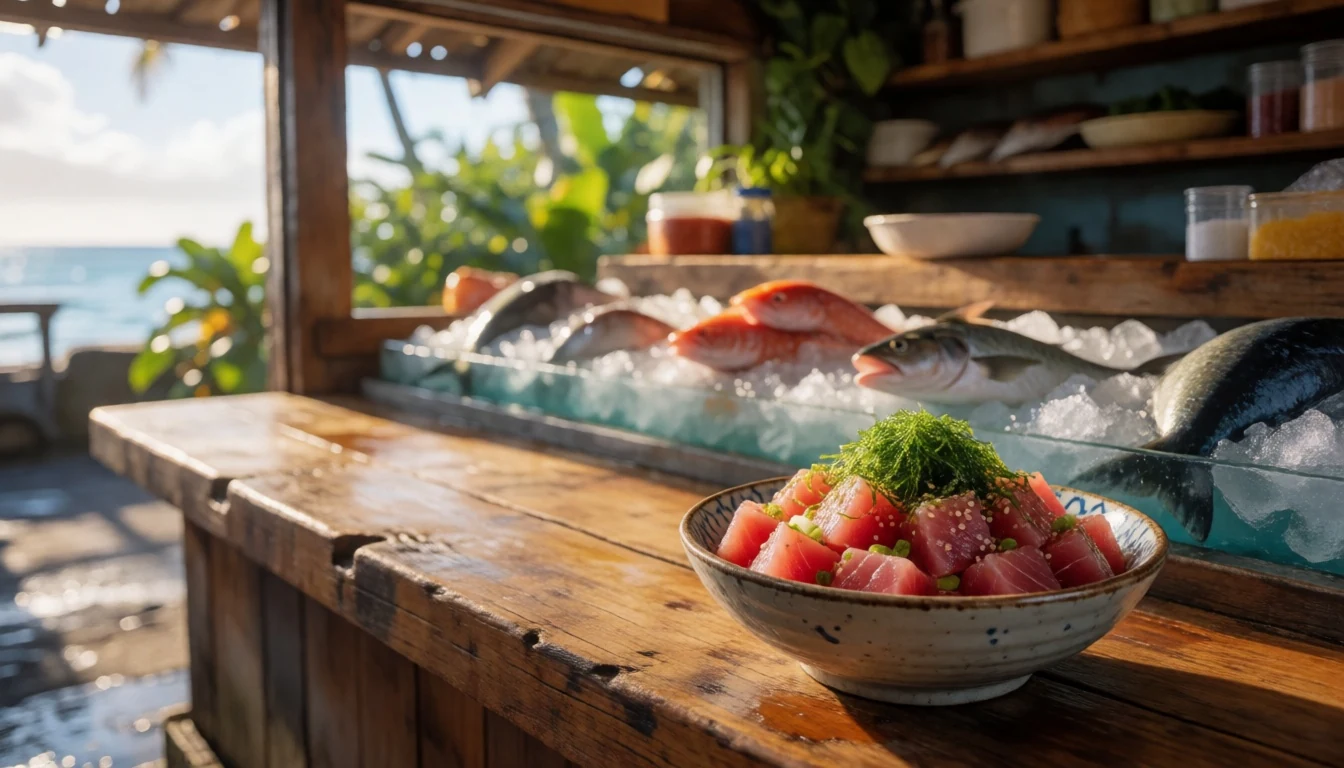
- Kona Coffee — South Kona farm stands and cafes
World-renowned single-origin coffee cultivated on the volcanic slopes above the South Kona coast, celebrated for its smooth, rich profile and available at farm stands and cafes throughout the region.
- Traditional Shave Ice — Roadside stands in Kona towns
Finely shaved ice piled high and drizzled with tropical fruit syrups such as passion fruit, guava, and coconut, served at roadside stands across the coastal towns north of the park. - Kalua Pork — Local plate lunch eateries
Tender, slow-roasted pork infused with smoky sea salt flavours, traditionally cooked in an underground imu oven and featured at local plate lunch eateries throughout West Hawaii. - Hawaiian Lauhala Plate — Community food stalls and cultural festivals
A hearty traditional meal featuring tender taro leaf packets stuffed with pork or fish, accompanied by mashed taro poi and sweet sweet potato, served at community gatherings and cultural festivals.
Plan it
Best time. January to December offers warm tropical weather year-round, though the drier months from May through October provide ideal conditions for coastal walks and outdoor exploration.
How long. 1
Getting there. Fly into Kona International Airport, rent a vehicle, and drive south on Highway 11 before turning toward the ocean on the coastal route toward Honaunau.
Budget. mid
Tips
- Arrive early in the morning to beat the midday heat and afternoon tour crowds
- Wear sturdy walking shoes with thick soles to navigate sharp and uneven lava rock safely
- Bring plenty of drinking water since beverage options inside the park are limited
- Apply reef-safe sunscreen and wear a wide-brimmed hat to protect against strong sun exposure
Etiquette
- Treat all ancient temples, walls, and wooden carvings with absolute respect and never climb on them
- Keep a respectful distance from resting Hawaiian green sea turtles along the rocky shoreline
Nearby
Sources
- Wikidata Q7262743 (CC0)
- Wikipedia (CC BY-SA 4.0)
- Wikivoyage (CC BY-SA 4.0)