Provence
Provence, France
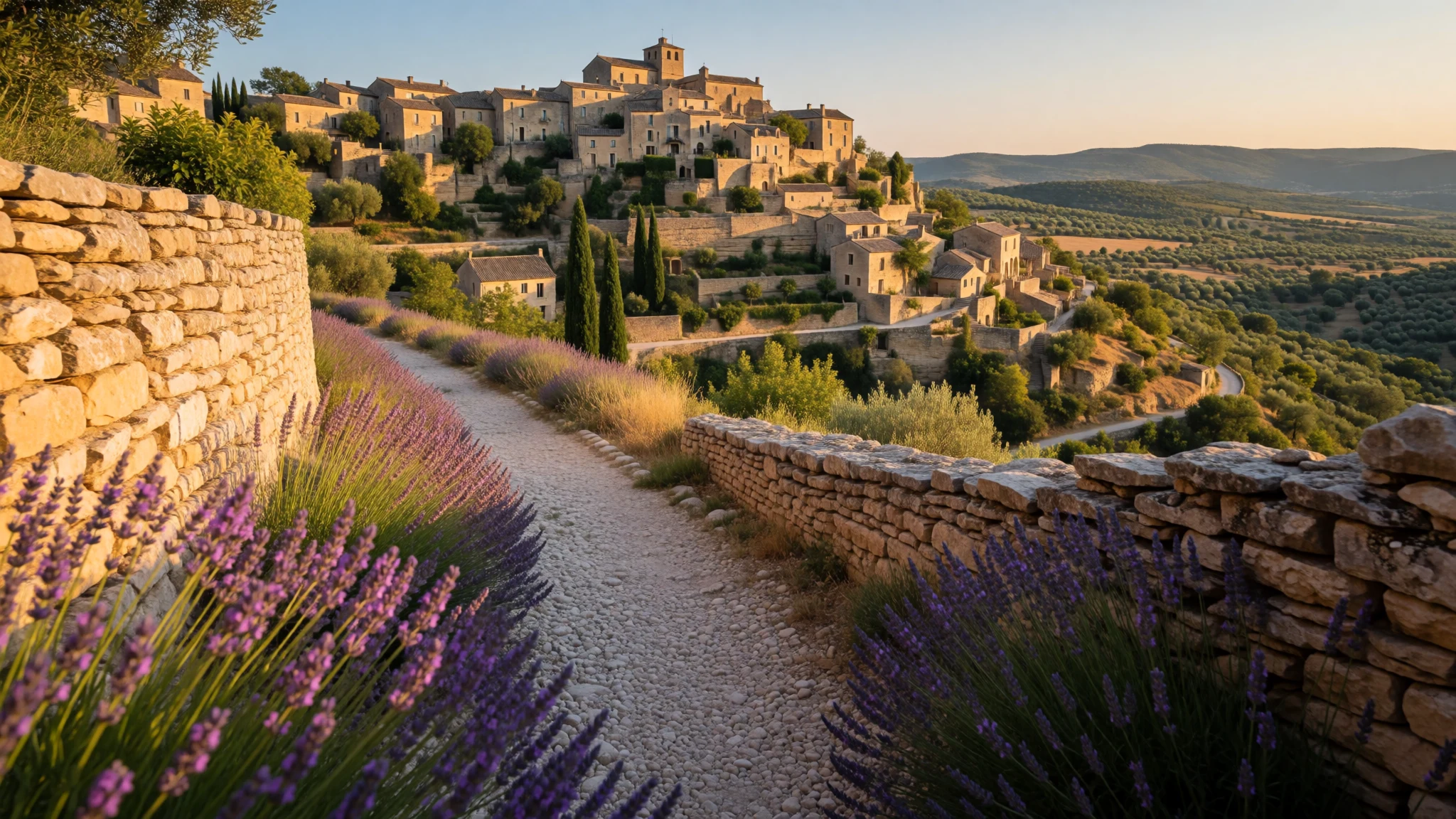
Sun-drenched lavender fields, ancient stone hilltop villages, wild limestone calanques, and rich Mediterranean dining make Provence an enduring countryside escape.
The place
Provence occupies the south-eastern corner of France, stretching from the eastern bank of the lower Rhône River across to the Italian border, with the Mediterranean Sea framing its southern edge. Marseille serves as the region's historic maritime capital, while the interior spreads into rolling limestone hills, wide agricultural plains, oak forests, and steep mountain ranges rising towards the Alps.
The region maintains a distinct rhythm shaped by intense Mediterranean sunlight and strong local winds. Summer heat brings high temperatures and dry days, drawing dense holiday crowds to coastal towns and famed inland valleys. Winters are noticeably quieter, with mild afternoons but nights that fall well below freezing, and are frequently swept by the mistral—a cold, dry wind that surges down the Rhône Valley, whipping through towns and scouring the skies to a sharp, brilliant blue.
Everyday life across the province shifts between the urban pace of port cities and the quieter patterns of hilltop villages, fruit orchards, and vineyard estates. In the inland valleys, small settlements cluster around shaded squares and weekly markets selling olives, herbs, and seasonal produce. Exploring the countryside requires careful planning, as public transport connects major hubs while smaller rural communes remain best reached by road. Between the busy coastal stretch and the rugged interior, Provence offers a landscape defined as much by its agricultural traditions as its dramatic terrain.
Its story
Provence holds some of the deepest human history in Western Europe, with prehistoric shelter sites along its coast recording human presence stretching back about a million years. Dramatically changing sea levels over prehistoric ice ages repeatedly submerged and revealed coastal caverns. In 1985, a deep-sea diver named Henri Cosquer uncovered the underwater entrance to a submerged cave near Marseille, located thirty-seven metres below the current sea level. Inside the dry upper chambers of Cosquer Cave, ancient artists had painted detailed depictions of horses, seals, bison, auks, and hand stencils on stone walls thousands of years ago.
During classical antiquity, Roman armies established their first major province beyond the Alps in this region, calling it Provincia Romana—the name from which Provence eventually derived. Roman engineers constructed roads, aqueducts, and stone arenas across the territory, leaving architectural monuments that still anchor towns like Aix-en-Provence, Arles, and Orange.
During the Middle Ages, the territory operated as an independent county before briefly hosting the Roman Catholic papacy in Avignon when the papal court moved from Italy. In 1481 the count’s title passed to Louis XI, and Provence was legally joined to the French royal domain in 1486. Despite centuries of central administrative rule from Paris, the southern region maintained its distinct Provençal dialect, architectural traditions, and independent cultural identity rooted deeply in its Mediterranean heritage.
What to see
- Marseille and the Calanques — Bouches-du-Rhône
Marseille combines a lively Mediterranean port with dramatic natural scenery along its southern coast. Steep limestone cliffs known as calanques drop into clear turquoise waters, forming narrow sea inlets best explored on foot or by boat. The city itself features historic harbour basins, vibrant markets, and modern cultural centres along its seafront.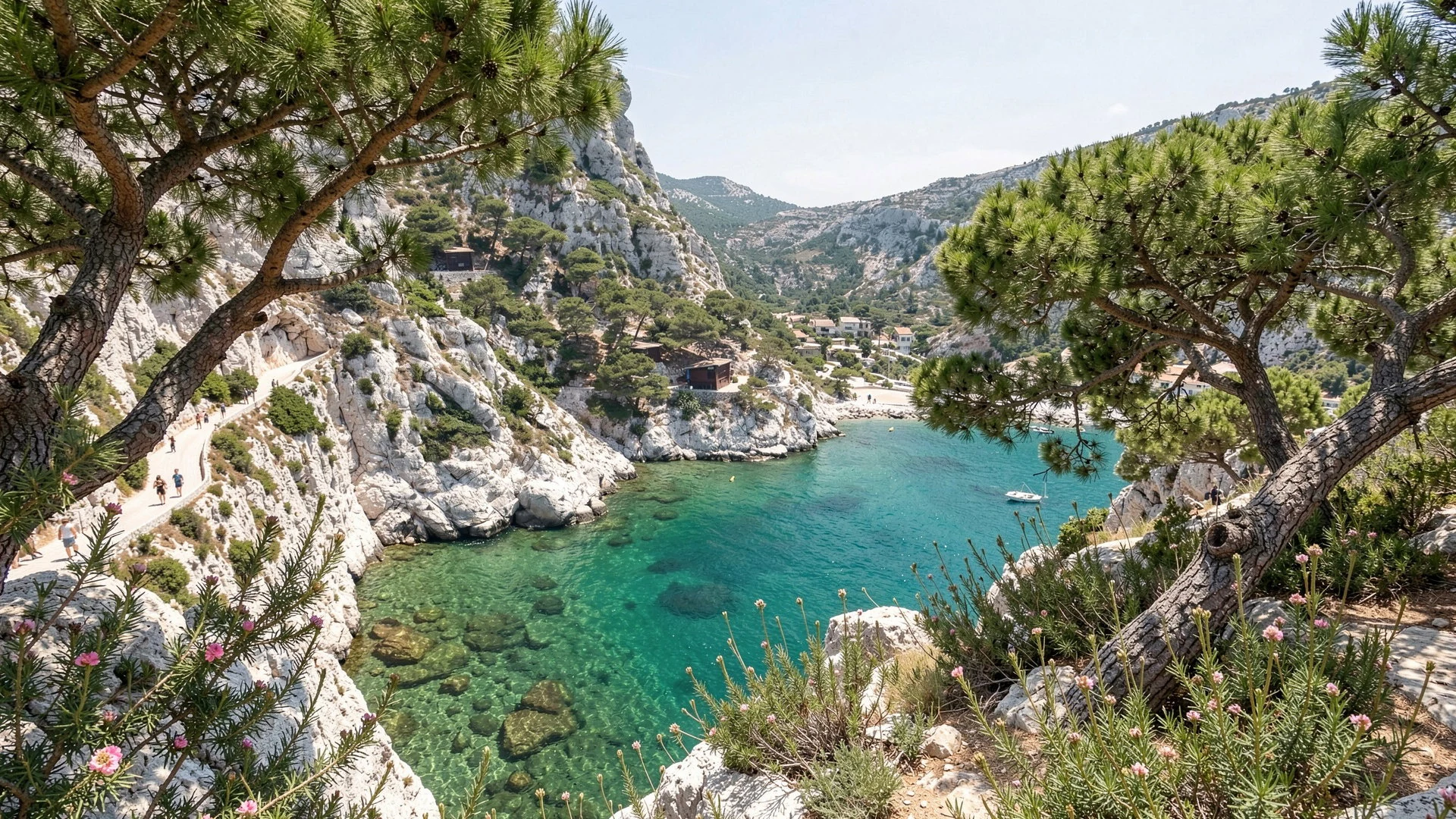
- Avignon — Vaucluse
Situated on the banks of the Rhône River, Avignon retains its medieval stone ramparts and majestic Papal Palace. The grand fortress served as the seat of western Christianity during the fourteenth century. Visitors can wander through paved plazas, explore historic gothic halls, and view the famous ruined stone bridge stretching into the river.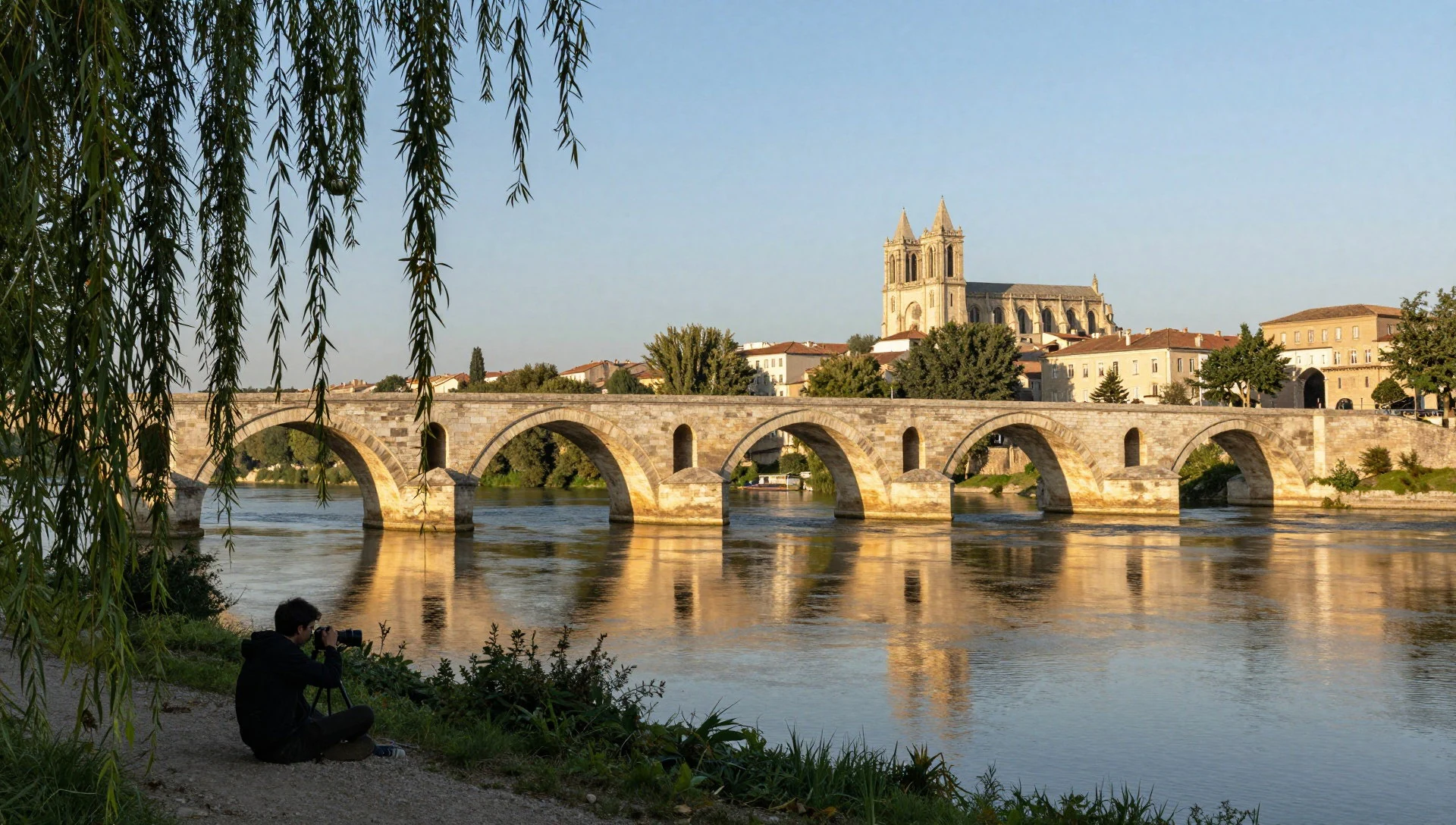
- Aix-en-Provence — Bouches-du-Rhône
Aix-en-Provence stands as the historic cultural heart of the region, renowned for its wide tree-lined boulevards, mossy stone fountains, and elegant seventeenth-century townhouses. Morning markets fill shaded plazas with fresh produce and flowers, while outdoor cafés along the Cours Mirabeau offer quiet spots to watch local city life unfold.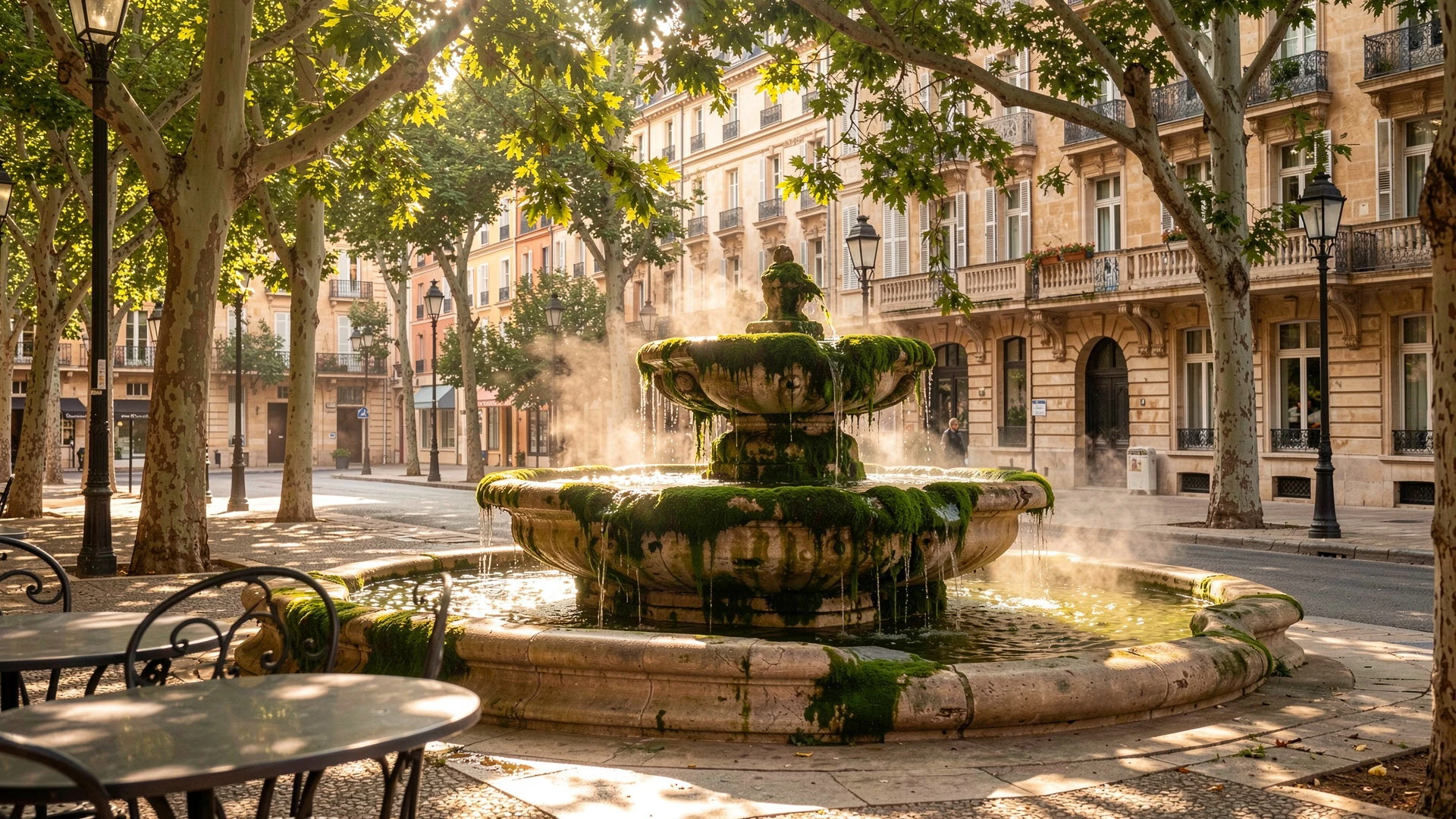
- The Luberon Villages — Vaucluse
Perched high above agricultural valleys, the hilltop villages of the Luberon feature honey-coloured stone cottages, narrow winding alleys, and sprawling valley views. Terraced settlements like Gordes and Roussillon are surrounded by cherry orchards, lavender fields, and striking red ochre cliffs, showcasing classic Provençal rural architecture and traditional countryside pace.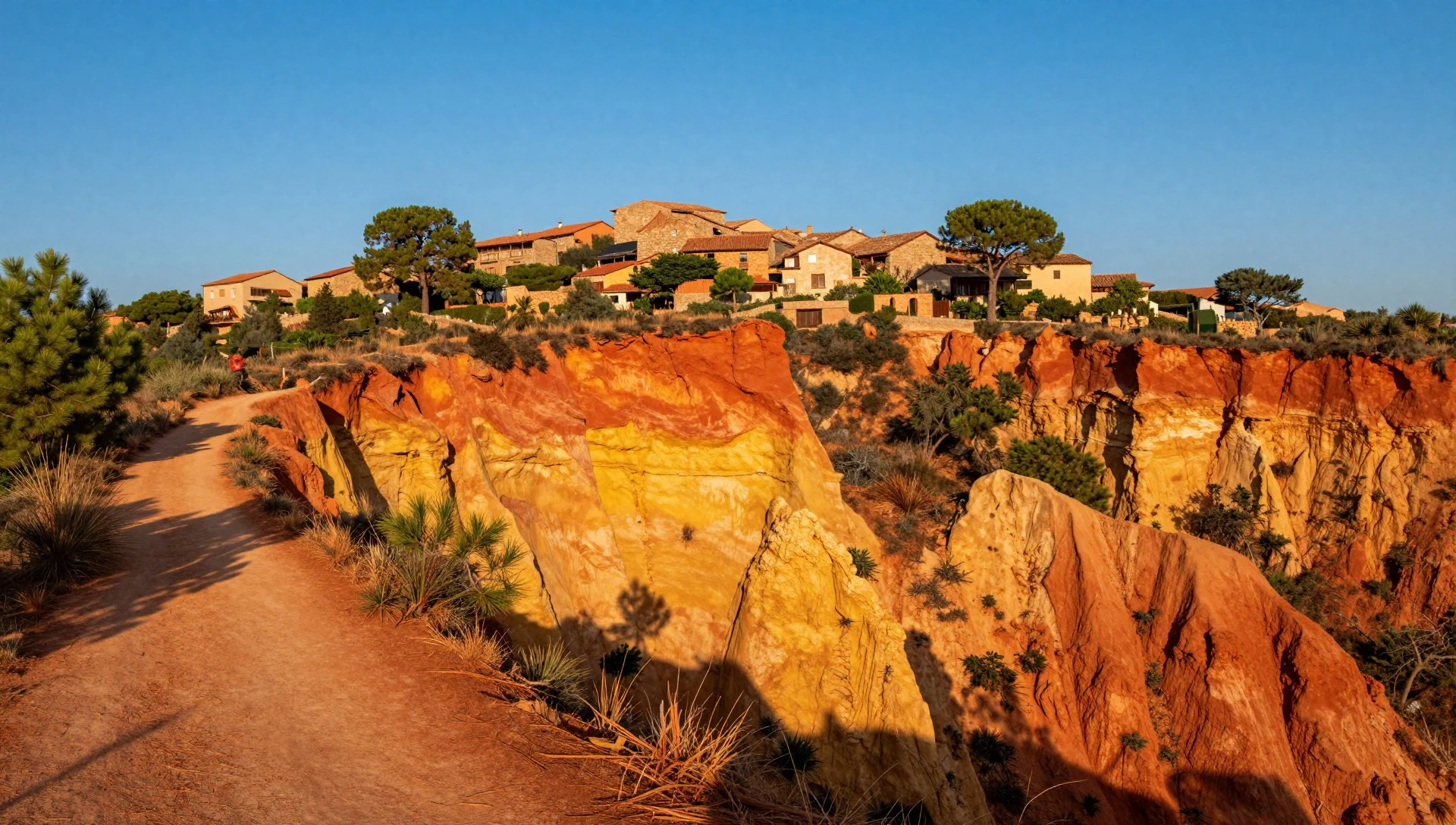
- Gorges du Verdon — Alpes-de-Haute-Provence
Carved by the Verdon River, this dramatic limestone canyon features sheer rock walls reaching hundreds of metres above emerald-green waters. Winding cliffside roads provide panoramic viewpoints across the gorge, while hiking trails and kayaking spots allow outdoor enthusiasts to explore the rugged river valley at water level.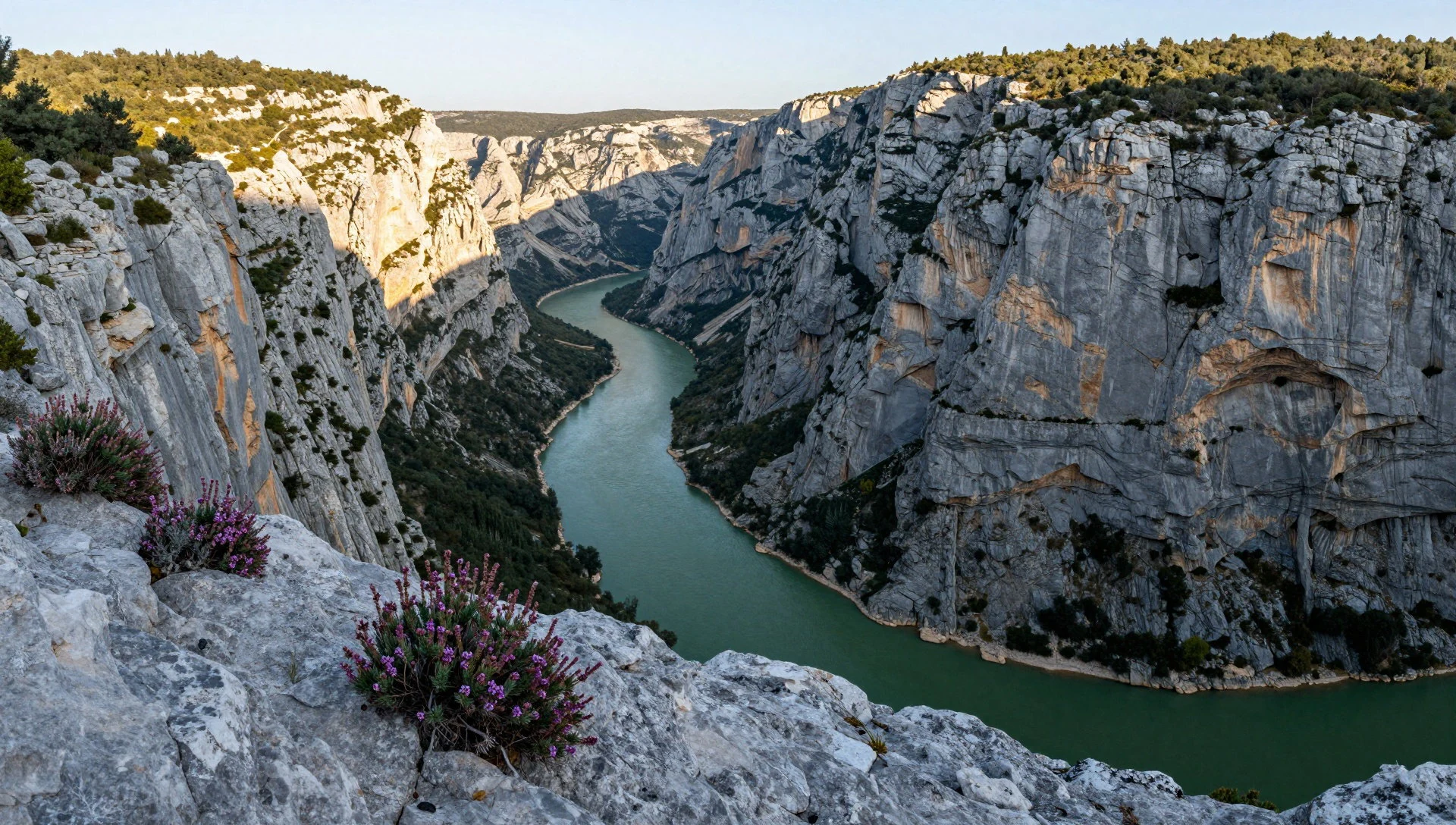
Culture
Provence possesses a rich artistic and cultural heritage rooted in its luminous light, varied terrain, and Mediterranean traditions. For centuries, painters, poets, and craftspeople have drawn inspiration from the countryside, capturing the contrast between blue skies, ochre earth, and silvery olive groves. Medieval churches across the territory house remarkable religious artworks, such as intricate wooden ceilings and Renaissance altarpieces, reflecting early regional craftsmanship. Village life centres around daily civic customs, weekly open-air markets, and summer festivals celebrating local harvests, traditional music, and regional folklore. Traditional pastimes like pétanque are played in village squares under the shade of plane trees. The regional Provençal language, though less common today, lives on in street names, poetry, and local songs. Respecting local daily schedules is essential, as small village shops and eateries frequently close for several hours during the middle of the afternoon. Always greet shopkeepers with a polite 'bonjour' upon entering a store or café before making any inquiry.
What to wear
Provence traditional attire reflects rural agricultural heritage, featuring printed cotton fabrics known as indiennes decorated with colourful floral and paisley patterns. Historically, women wore layered skirts, fitted bodice jackets, lace shawls, and white coiffe caps, while men wore linen shirts, wool waistcoats, and wide-brimmed felt hats. These historic garments are now worn primarily during seasonal folk festivals, market celebrations, and regional dance performances. In daily life today, residents dress in smart, casual Mediterranean attire suited to warm weather. Lightweight linen shirts, tailored trousers, casual cotton dresses, and leather sandals are standard throughout spring and summer, with warmer layers added when winter mistral winds arrive. Visitors should pack breathable cotton or linen clothing, strong sun protection, and comfortable walking shoes or sturdy trainers capable of navigating cobblestone streets and rocky country trails. When visiting historic churches and cathedrals, modest attire covering shoulders and knees is appreciated.
What to eat
- Bouillabaisse — Harbour eateries along the Marseille port
This classic Provençal fish stew combines local rockfish, saffron, garlic, tomatoes, and fennel in a rich broth. Traditionally served alongside crusty bread and garlic-chilli rouille mayonnaise, it offers a deep taste of Mediterranean maritime cuisine.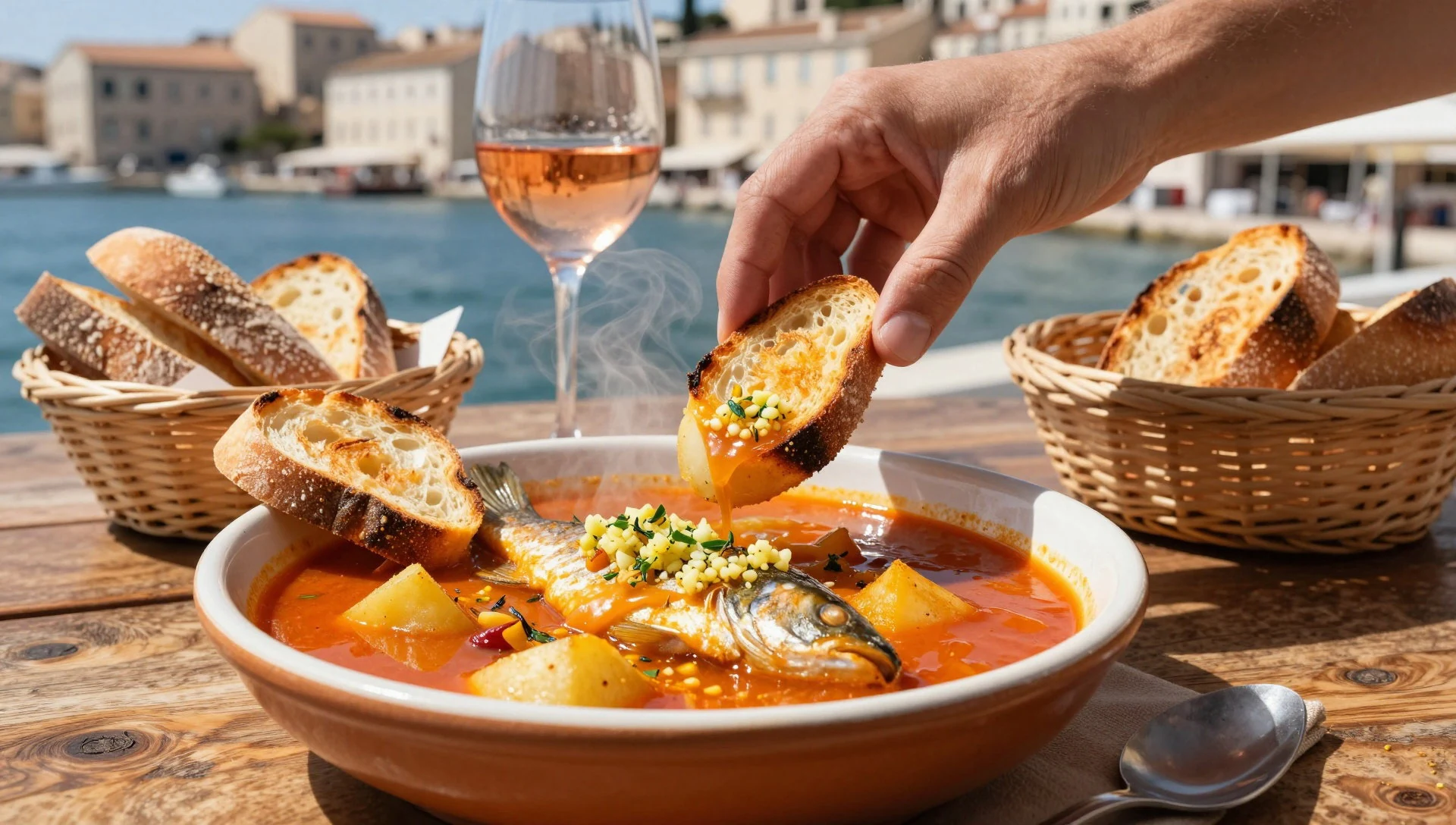
- Ratatouille — Bistros and market stalls across the region
A celebrated vegetable stew prepared by slow-simmering aubergines, courgettes, bell peppers, tomatoes, garlic, and fresh herbs in olive oil. Served warm or cold, it highlights the abundance of fresh summer produce harvested across local Provençal farms.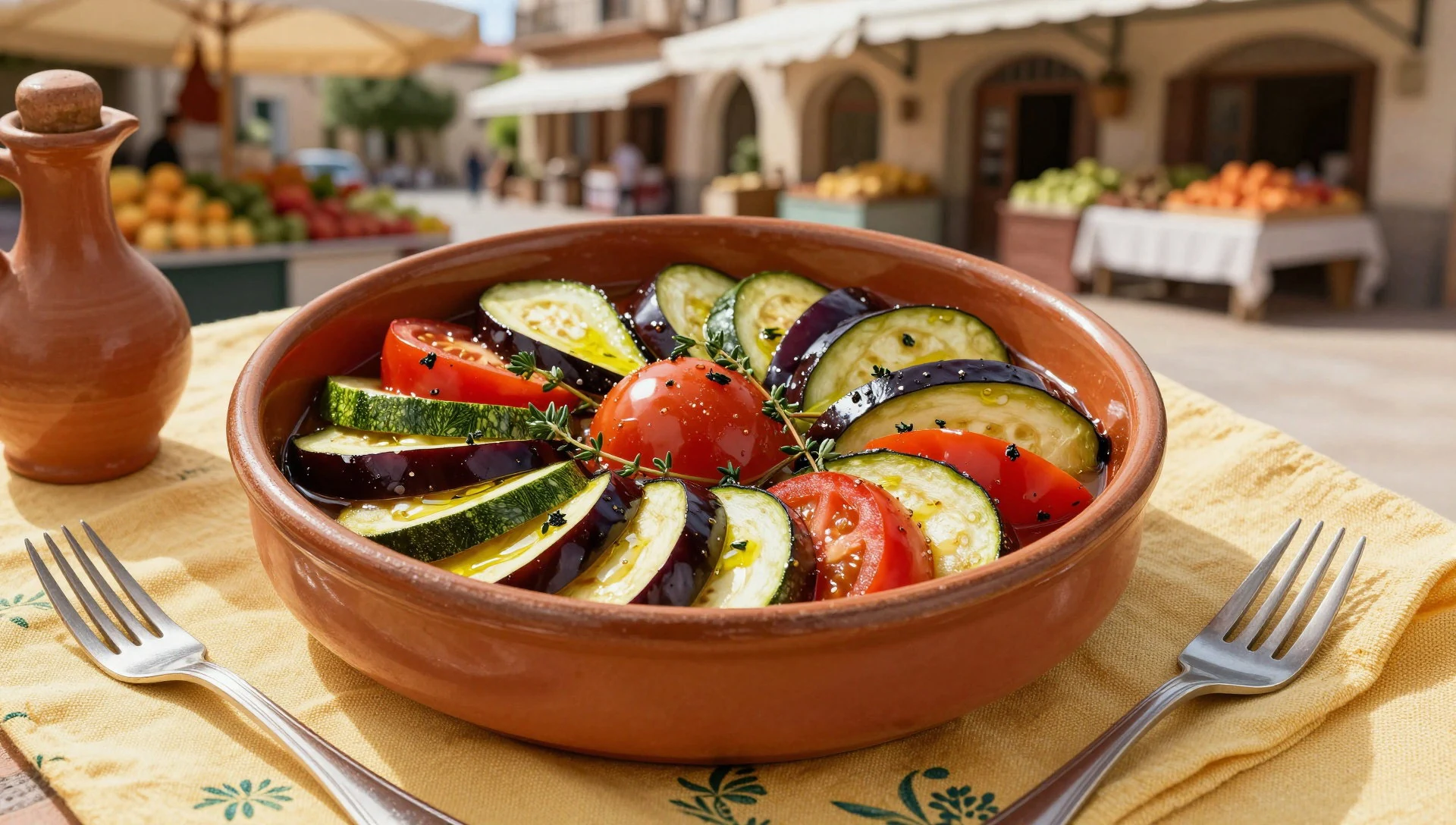
- Tapenade — Weekly open-air food markets
A savoury spread crafted from puréed black or green olives, capers, anchovies, garlic, and olive oil. Found at market stalls and village bakeries, it is typically enjoyed smeared over fresh baguette slices during evening aperitifs. - Salade Niçoise — Coastal cafés and lunch spots
A refreshing Mediterranean salad featuring crisp lettuce, ripe tomatoes, hard-boiled eggs, salted anchovies or tuna, black olives, and green beans tossed in olive oil. It makes a crisp, filling lunch during hot summer days along the coast. - Socca — Street food stalls and market stalls
A thin, crispy pancake made from chickpea flour, water, and olive oil, baked in large copper pans over open wood fires. Seasoned generously with cracked black pepper, it is served hot as a quick street snack.
Plan it
Best time. April and May for the most comfortable warmth, with June the hottest month and November the wettest; July and August stay very hot, dry, and crowded.
How long. 4–7
Getting there. Fly into Marseille Provence Airport or Nice Côte d'Azur Airport, or take the TGV high-speed train from Paris to Marseille or Avignon in about three hours; local trains and rental cars connect regional towns.
Budget. mid
Tips
- Rent a small car to explore inland hilltop villages and rural valleys efficiently
- Pack a windproof jacket to stay comfortable when the cold mistral wind blows
- Visit popular village markets early in the morning before car parks fill up
- Carry cash for small bakeries, fruit stands, and rural village markets
Etiquette
- Always say bonjour when entering a shop or greeting locals before speaking
- Keep your voice low on public transport and in quiet village residential lanes
- Dress modestly with covered shoulders and knees when entering active places of worship
Nearby
Sources
- Wikidata Q101081 (CC0)
- Wikipedia (rev 1378224139) (CC BY-SA 4.0)
- Wikivoyage (rev 5420192) (CC BY-SA 4.0)