Prince Edward Island
Prince Edward Island, Canada
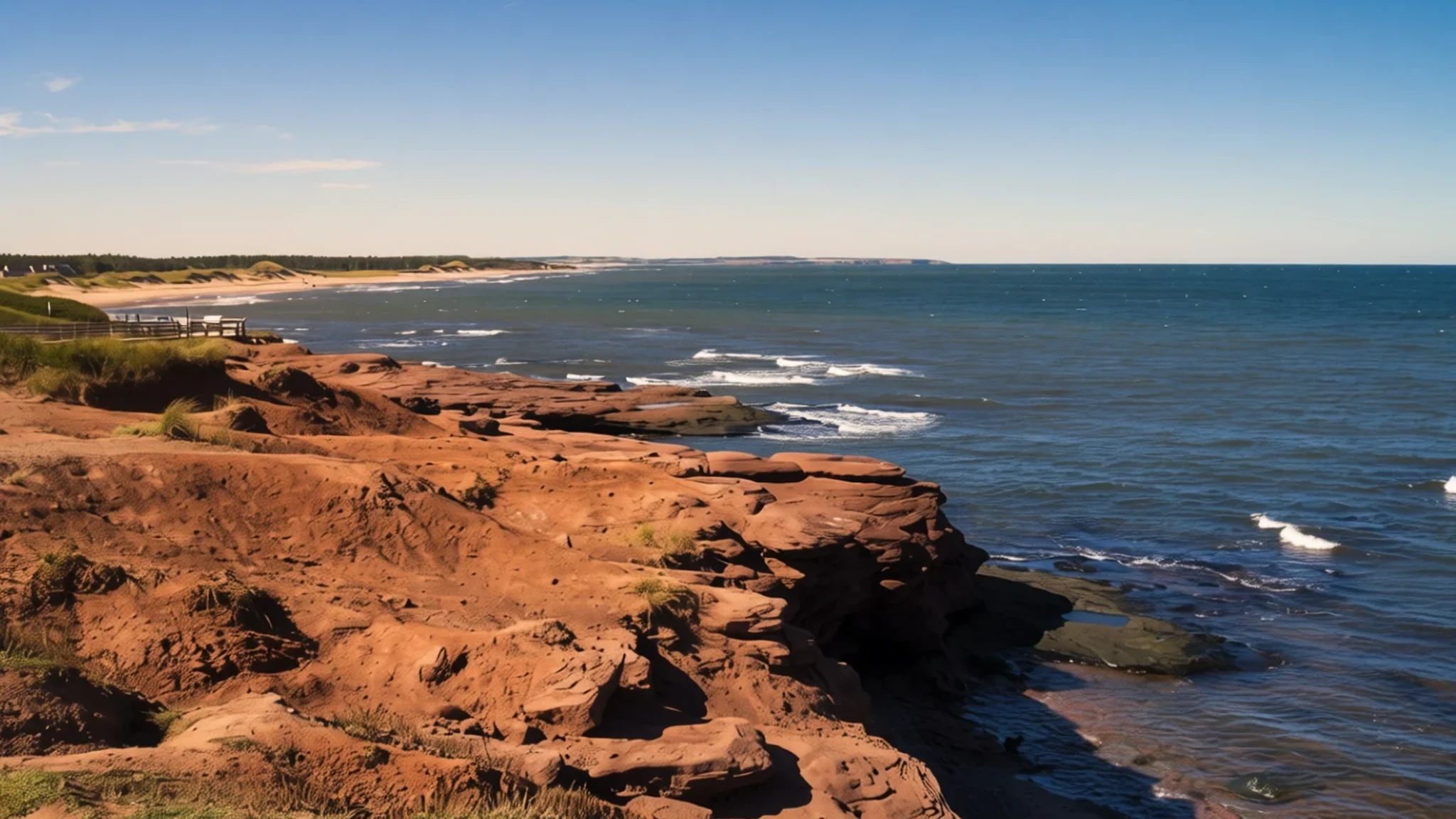
A small Gulf island of red sand, farmland and lobster suppers, reached by bridge and best enjoyed in the shoulder months.
The place
Prince Edward Island is a small island province of Canada, the smallest in both land area and population, yet the most densely populated province in the country. It has earned several nicknames. The Garden of the Gulf refers to its farmland, and the Birthplace of Confederation recalls the 1864 Charlottetown Conference, which started the talks that led to the country's union. Charlottetown, the capital and largest city, sits on a harbour on the south shore, and most of the island's government, shops and festivals gather there.
Away from the capital the island is mainly farmland, small villages and coastline. Red soil shows between rows of potatoes in summer, and church steeples and fishing harbours mark the Gulf shore. The north coast has long sand beaches and dunes, and at low tide the water pulls far back across the flats, so a walk can feel very wide. The south and east shores are more sheltered, with cliffs and a lighthouse at the far southeastern tip.
Most travellers come in July and August, when the beaches are busiest and accommodation in Cavendish and Charlottetown fills quickly. Early summer and early autumn are calmer, and cool sea breezes keep the days comfortable compared with many inland Canadian summers. Winter is quiet, with ice along the shore and many seasonal businesses closed until spring.
Its story
Prince Edward Island's history begins with the Mi'kmaq, whose homeland, Mi'kma'ki, covers a wide area of the Maritimes. The island formed part of the district called Epekwitk aq Piktuk, a name often rendered in English as Abegweit and understood to mean land resting on the waves. Before European rule, communities here were guided by local chiefs, a council of women and keepers of wampum records, with a grand chief at the head of the wider district.
The Mi'kmaq hold Peace and Friendship Treaties with the Crown, which still protect their rights across the homeland. Today the island's two Mi'kmaw communities, Abegweit and Lennox Island First Nations, run their affairs through band governments. Mi'kmaw oral tradition also reaches back to Glooscap, a figure who appears in Wabanaki stories as a hero and as the first person.
European claims began in 1604, when the French placed the island within Acadia and called it Isle St-Jean. Britain took it at the end of the Seven Years' War in 1763, and it was administered as part of Nova Scotia until it became a colony of its own in 1769. The island was renamed Prince Edward in 1798, and the new name stuck.
The island's most important political moment came in 1864, when delegates met in Charlottetown to discuss uniting the Maritime colonies. That meeting led to wider talks and to Canadian Confederation on July 1, 1867, which is why the island calls itself the Birthplace of Confederation.
Local legend adds a different kind of history. The Ghost Ship of the Northumberland Strait is said to appear at nightfall, wrapped in flames, and rescue crews who set out for it always find that it has drifted out of reach.
What to see
- Charlottetown Harbour — Charlottetown
Charlottetown Harbour is the working heart of the capital, where boats come and go beside a waterfront of shops and restaurants. Walk the boardwalk in the early evening, when the light softens and the water turns gold. The harbour is busiest on sunny summer afternoons, so an early stroll gives the quietest view.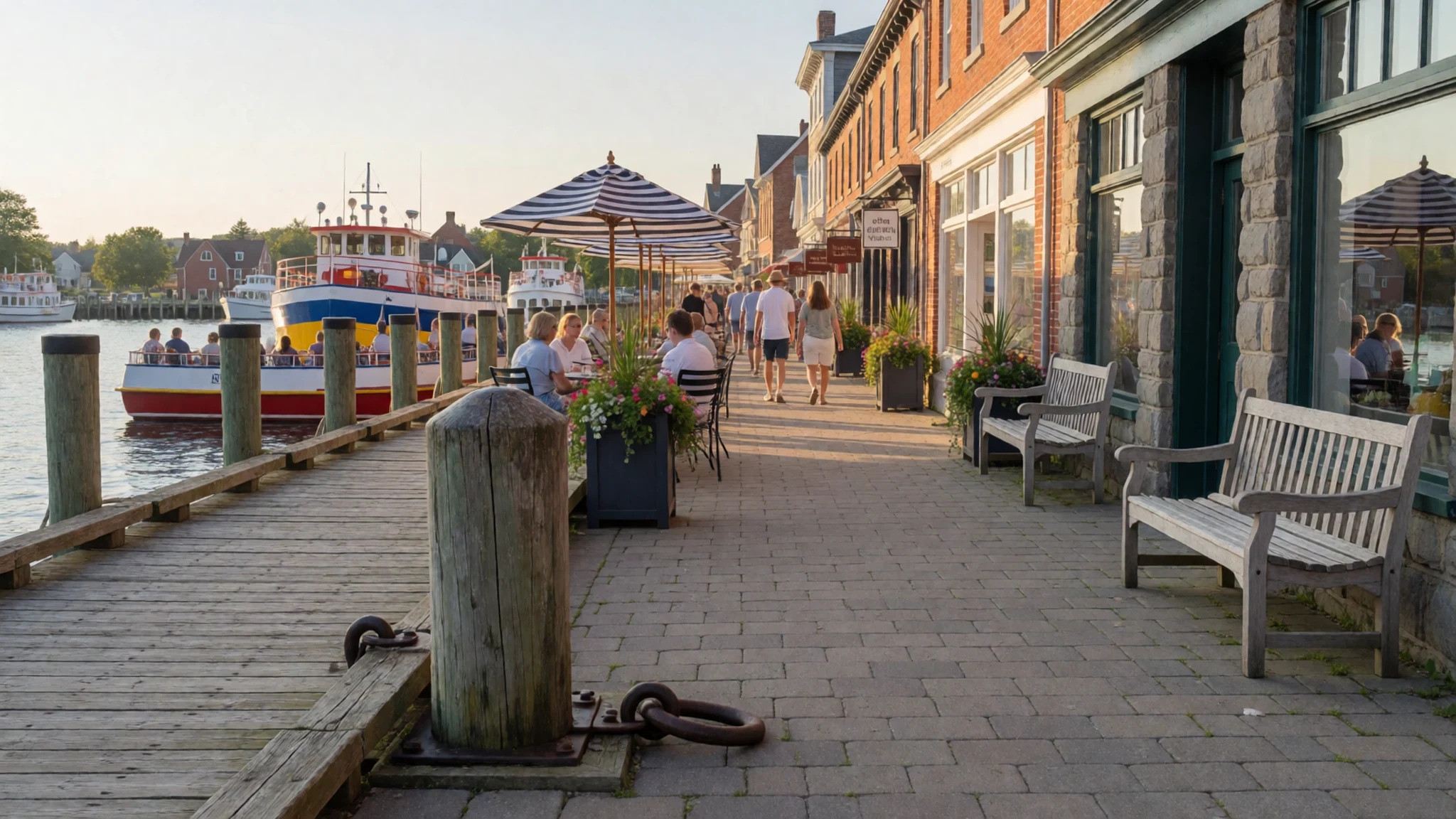
- Confederation Centre of the Arts — Charlottetown
This arts centre in downtown Charlottetown holds a theatre, an art gallery and the home of the summer Charlottetown Festival. The Anne of Green Gables musical runs in season, so check the official programme for dates and book seats early for July and August. Its name recalls the 1864 conference, making it a good first stop for the island's history.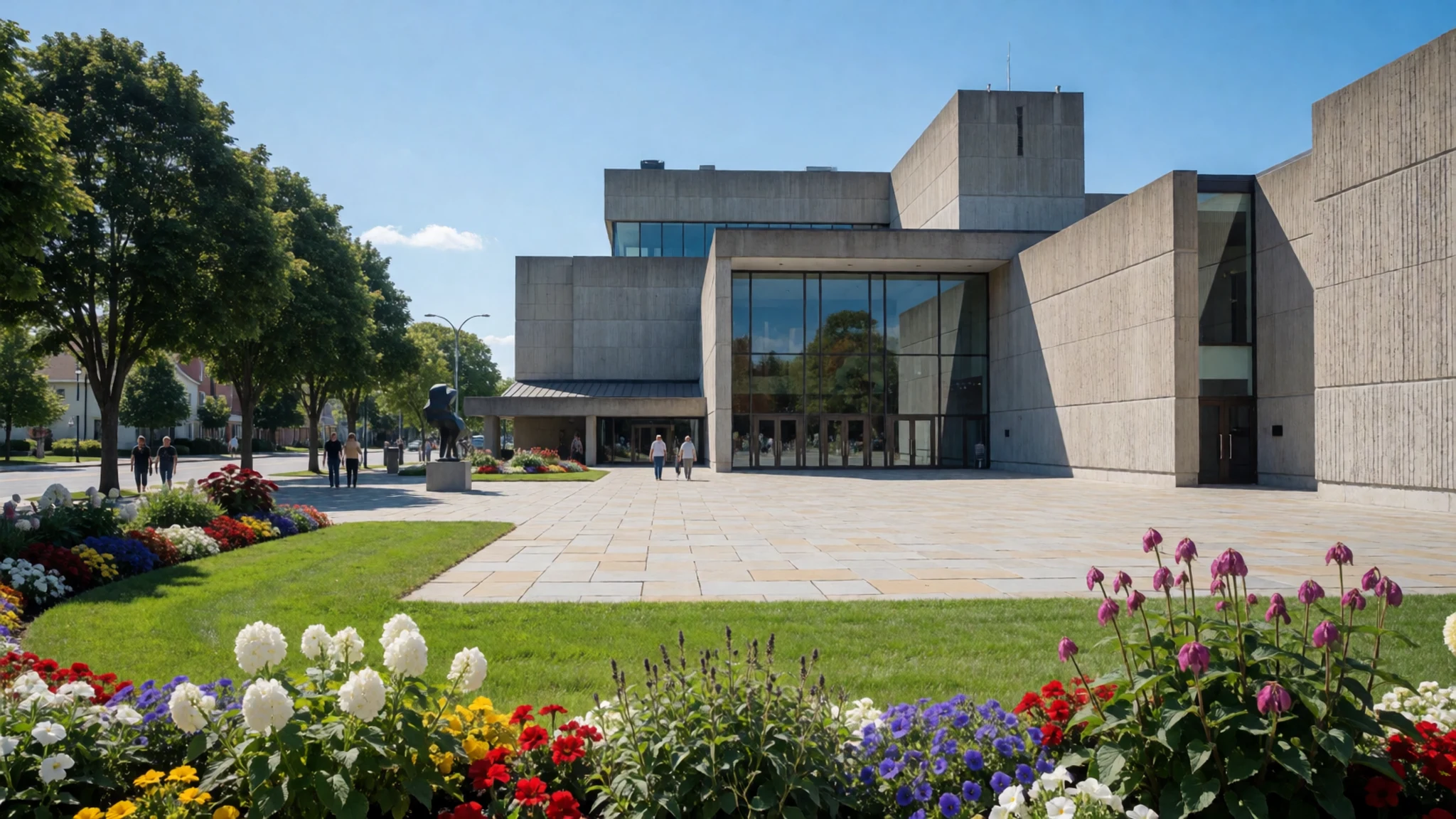
- Green Gables House — Cavendish, north shore
The farmhouse that inspired L. M. Montgomery's famous novel stands in Cavendish, close to the national park on the north shore. It draws large crowds, especially from Japan, so arrive at opening time or later in the afternoon. Check the official site for opening hours and ticket details before you go.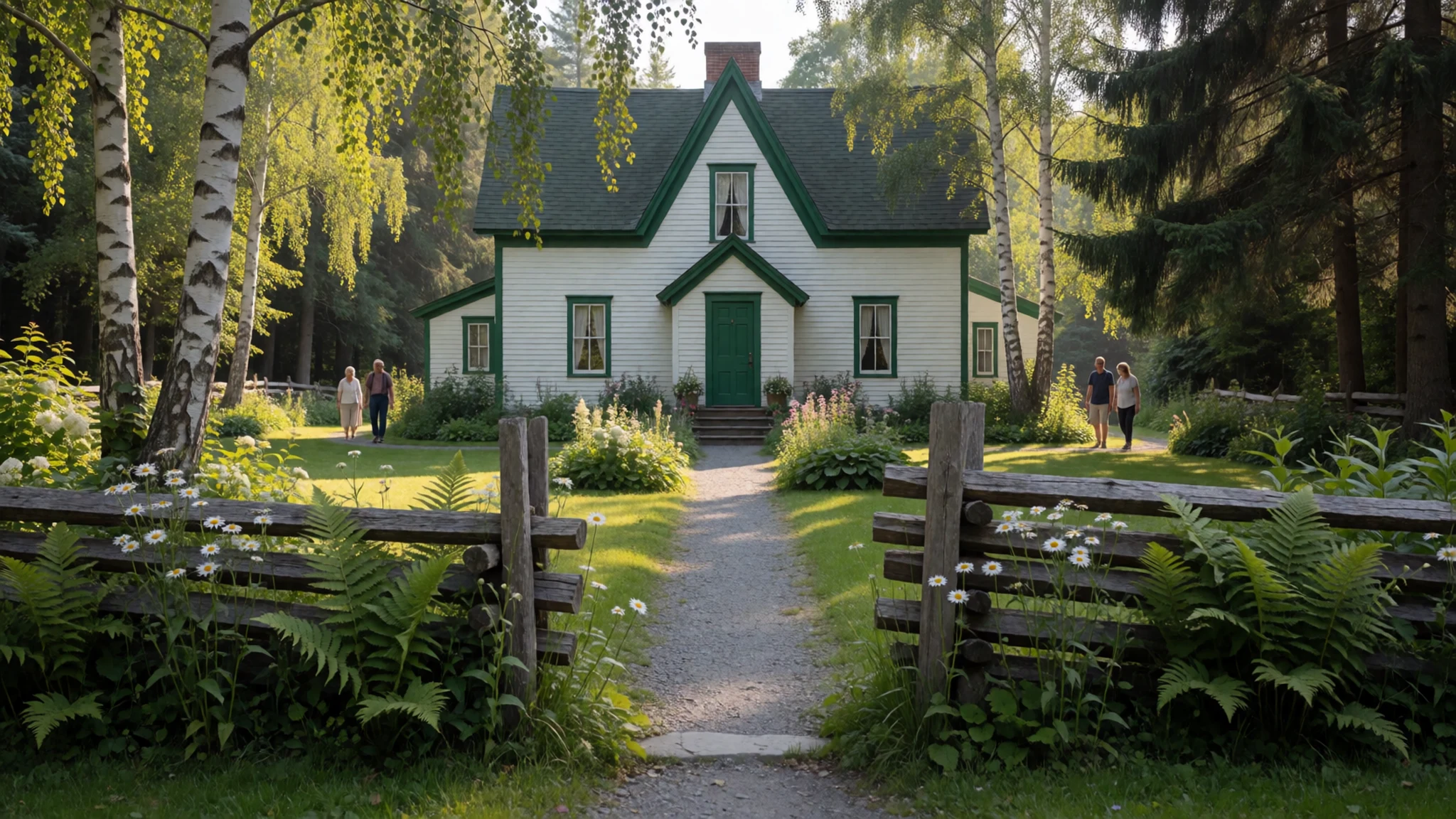
- Cape Bear — Southeastern tip of the island
High cliffs at the southeastern tip of the island make a fine vantage point for photographs and for watching seals on the rocks below. The lighthouse here watched for German submarines during the Second World War, and it was the first land station in Canada to pick up a distress call from the Titanic. Visit on a calm day, keep back from the cliff edge, and give resting seals plenty of room.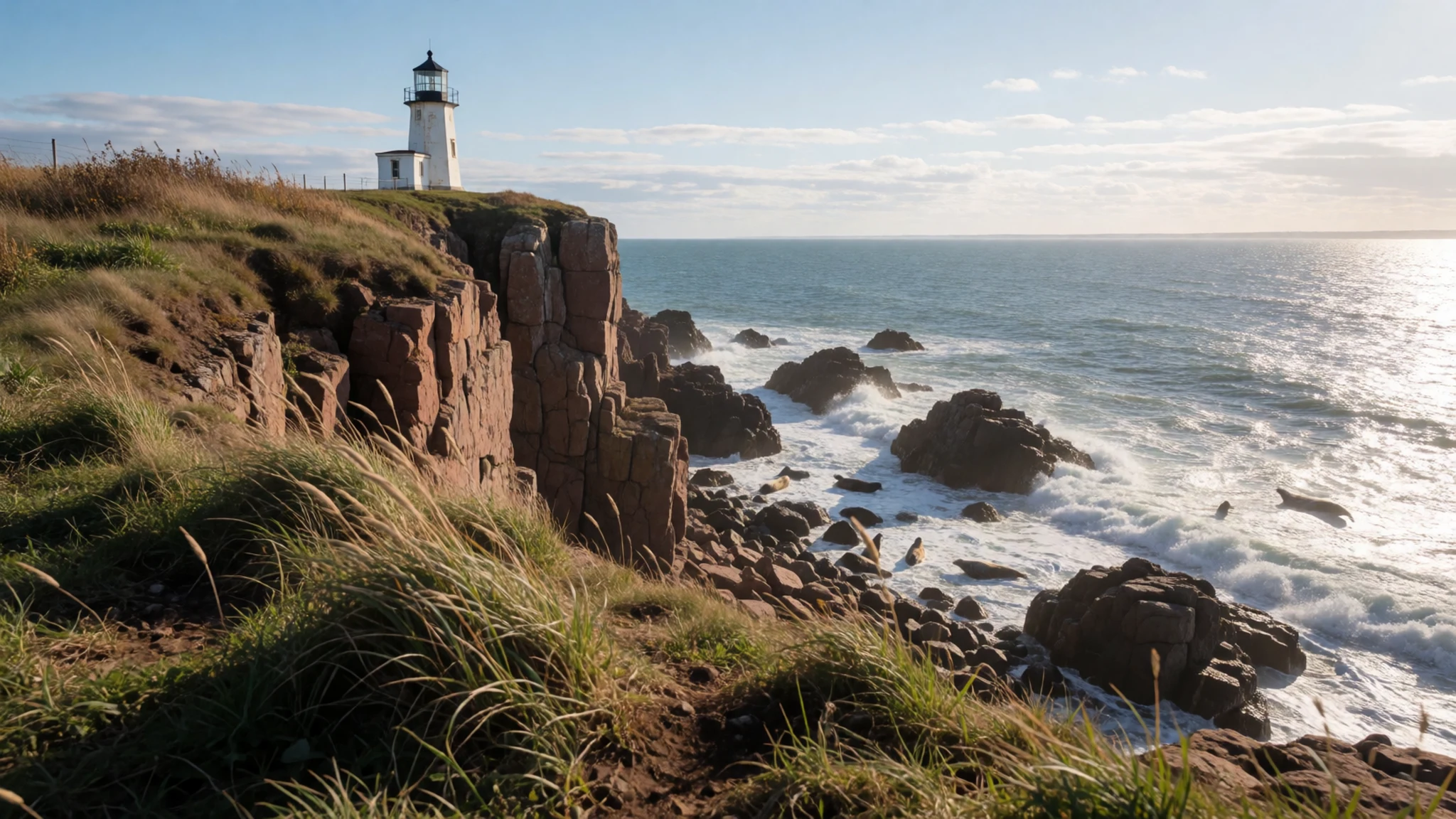
- Confederation Bridge viewing stations — New Brunswick side of the bridge
The bridge across the Northumberland Strait is almost a sight in its own right. Stop at the viewing stations on the New Brunswick side for photographs of the long span over open water before joining the island road. The passenger shuttle for walkers and cyclists makes a slower, more sociable crossing.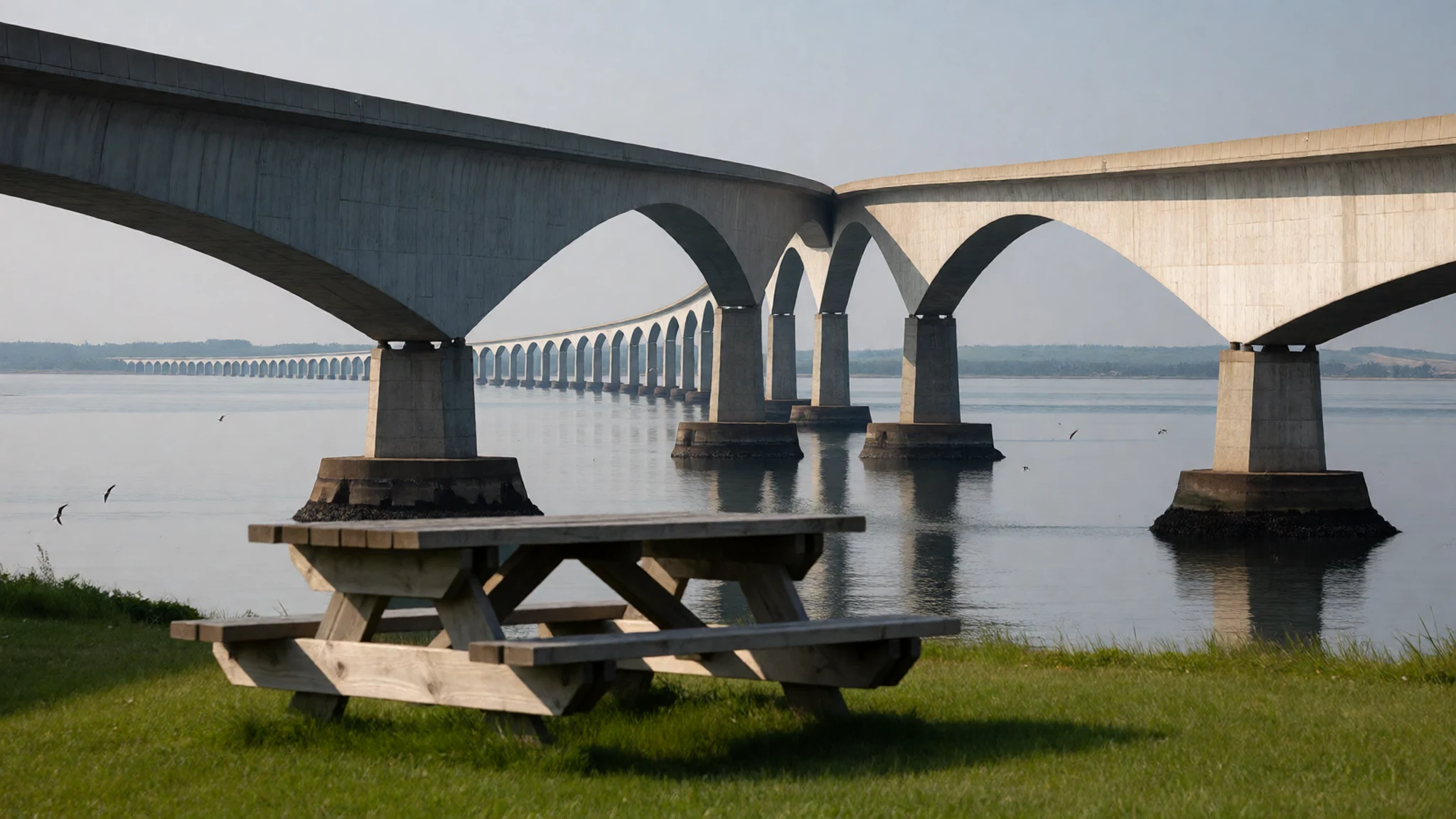
Culture
Culture on Prince Edward Island is shaped by its size, with small communities, strong local ties and a calendar of music, theatre and seasonal suppers. The arts are supported through the public schools, and the annual Charlottetown Festival, staged at the Confederation Centre of the Arts, keeps theatre and music at the centre of summer. Much of the island's identity also comes from the writer L. M. Montgomery, born in Clifton, now New London, whose novel took its setting from the land around her. A musical version has been staged at the Charlottetown festival for decades, and the sequel, Anne & Gilbert, premiered at the Playhouse in Victoria. Mi'kmaw culture is part of this picture too, and Mi'kmaw communities keep their own ceremonies, crafts and traditions alive. Visitors should expect a relaxed, neighbourly tone at church suppers and community events. Ask before photographing anyone at a community supper or Mi'kmaw event, and follow the hosts' lead on seating and when to help yourself.
What to wear
Traditional dress on Prince Edward Island is best understood through the island's Mi'kmaw and Acadian roots and the materials those communities worked with. Mi'kmaw craft is known for beadwork and quillwork, applied to clothing, bags and regalia, and worn at powwows and gatherings across the Maritimes. Acadian and other settler families relied on wool, linen and homespun cloth, and on knitted garments suited to damp Gulf winds. Today most people dress for work and weather: jeans, fleece, waterproof jackets and sturdy boots, with fishing crews in oilskins and rubber boots on the wharves. Community suppers and church events are casual but tidy. For a visit, pack for layers, because the wind off the Gulf can make a warm day feel cool. A windproof jacket, a light sweater and walking shoes with good grip suit dune paths and cliff tops. Dress modestly for churches and cemeteries, and keep swimwear for the beach.
What to eat
- Malpeque oysters — Oyster bars and seafood shacks around Malpeque Harbour, near Kensington
Malpeque oysters are valued for being large with a mild, sweet taste and soft texture, and they are best enjoyed fresh. Look for oyster bars and seafood shacks around Malpeque Harbour near Kensington, where the Malpeque Oyster Barn is one long-standing option. Ask which oysters came in that morning.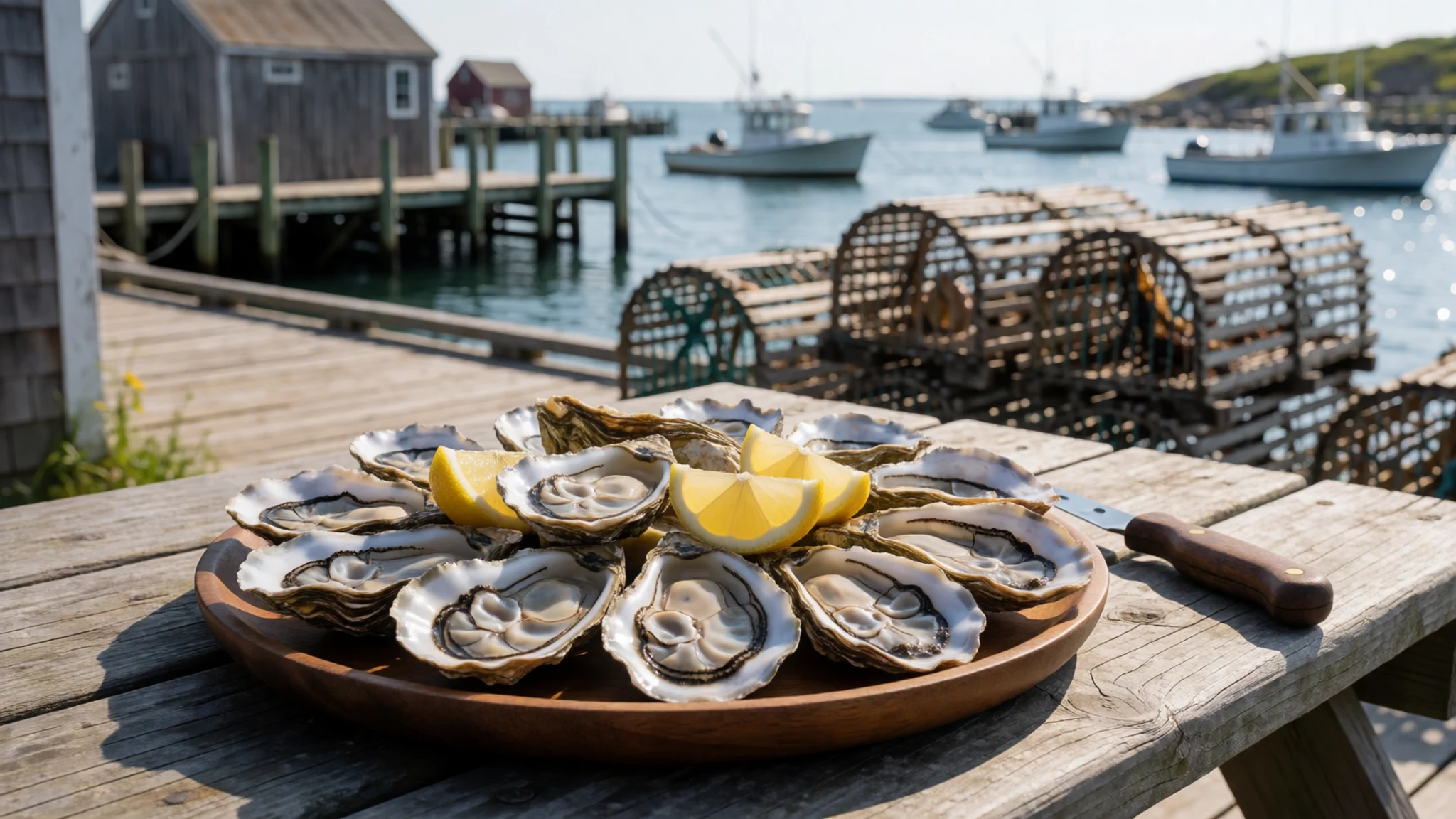
- Lobster supper — Church halls and social clubs, signed by a red lobster claw or a roadside sign
A lobster supper is the island's signature communal meal, built around locally caught lobster and usually served with soups, salads and desserts. Many are held in church halls and social clubs, and a large red lobster claw on a lawn or a hand-painted sign at a crossroads will point the way. Book ahead in peak season, as the suppers can fill up.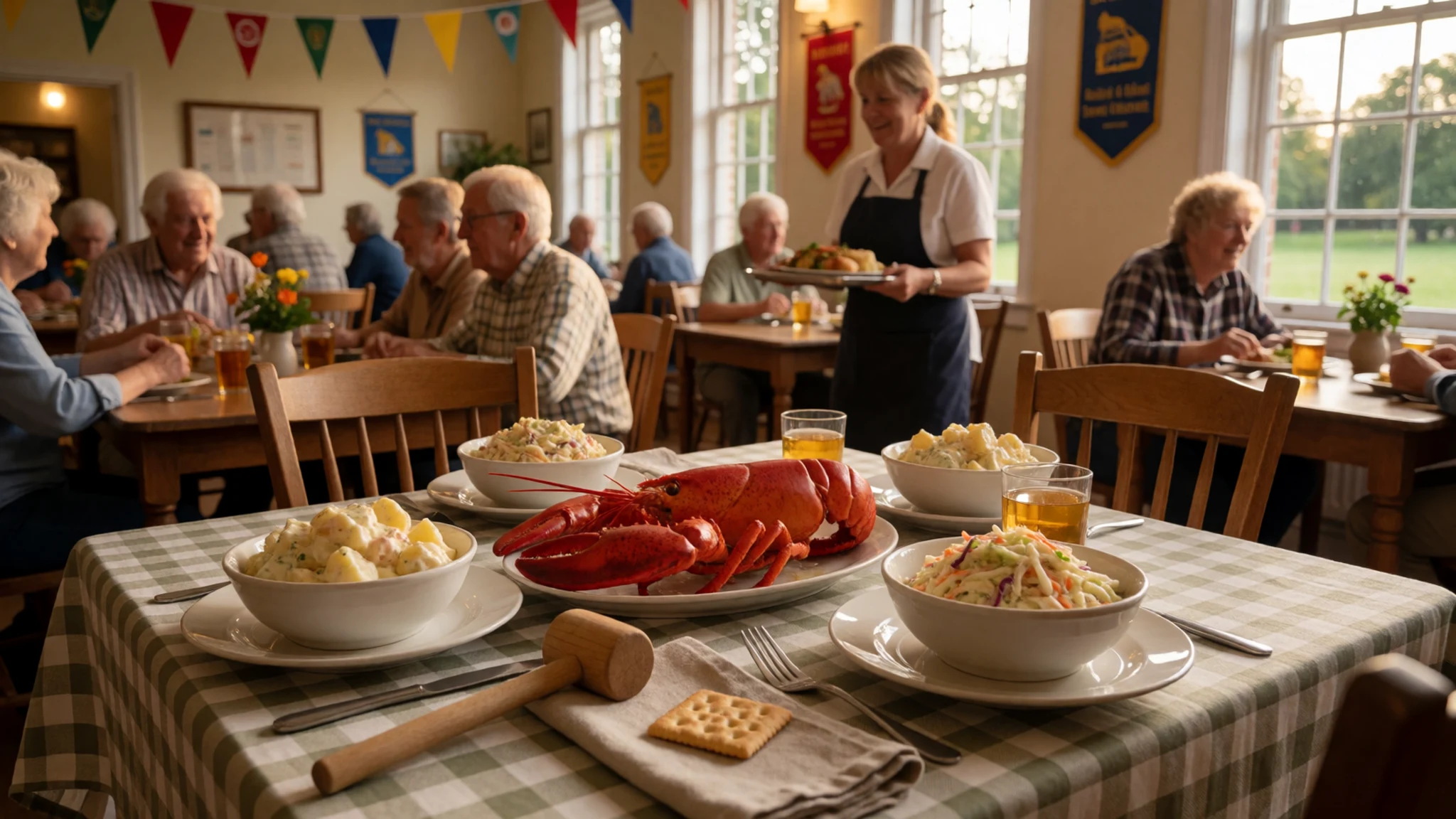
- Boiled lobster with coleslaw — Tourist restaurants in Charlottetown and along the north shore
The traditional tourist restaurants still serve boiled lobster with all-you-can-eat coleslaw, and the setting is informal and fun. It is a good choice for a relaxed family meal, with paper bibs and cracked shells on the table. Prices vary, so check menus before ordering. - Seafood chowder — Harbourside cafés and eateries in Charlottetown and the fishing villages
Seafood chowder is a practical way to try the Gulf catch in a bowl, usually thick with fish, shellfish and potato. It suits cool, windy days and makes a warm lunch after a coastal walk. Chowder appears on many menus, and it is often the best value on a harbourside board.
Plan it
Best time. June to September is the main season, with August the hottest month and July and August the busiest, while June is milder and September stays warm but calmer, with sea breezes easing the afternoons. Winter is quiet, with ice along the shore and many seasonal businesses closed.
How long. 3–4
Getting there. Drive across the Confederation Bridge from New Brunswick, the only fixed road link to the island; a passenger shuttle serves walkers and cyclists across the same span. Or fly into a larger mainland airport such as Halifax or Moncton and hire a car or take a shuttle for the final leg.
Budget. mid
Tips
- Book Charlottetown Festival tickets and Cavendish accommodation early for July and August
- The bridge toll is collected on the way off the island, so check the official site for current rates before you travel
- Visit Cape Bear and the north shore beaches early or late in the day to avoid midday crowds
- Carry some cash for roadside stalls and small harbour sellers, though cards work in most towns
- Pack layers and a windproof jacket even in summer, as the Gulf wind can be cool
- Plan drives with fuel and food stops in mind, since rural stretches are long
Etiquette
- Keep to marked paths and boardwalks through dune grass, which holds the sand together
- Give seals on the rocks at Cape Bear plenty of space and do not approach them
- Ask before photographing people at church suppers or Mi'kmaw events
- Leave lobster traps and fishing gear alone unless the owner invites you to look
Nearby
Sources
- Wikidata Q1978 (CC0)
- Wikipedia (rev 1381385465) (CC BY-SA 4.0)
- Wikivoyage (rev 5238044) (CC BY-SA 4.0)
- Charlottetown Harbour, Prince Edward Island (photo 01) (CC BY-SA 2.0)
- Prince Edward Island by Sentinel-2, 2020-09-05 (photo 02) (CC BY-SA 3.0 igo)
- Ice as far as the eye can see in the Gulf of St. Lawrence (photo 03) (CC BY 2.5)
- Winter River, PEI (photo 04) (CC BY 2.5)
- Deportation of the Acadians (photo 05) (CC BY-SA 2.0)
- Prince Edward Island map 1775 (photo 06) (Public domain)
- Charlottetown Conference Delegates, September 1864 (photo 07) (Public domain)
- Confederation Centre of the Arts (photo 08) (CC BY-SA 2.0)


