Prambanan
Prambanan, Indonesia
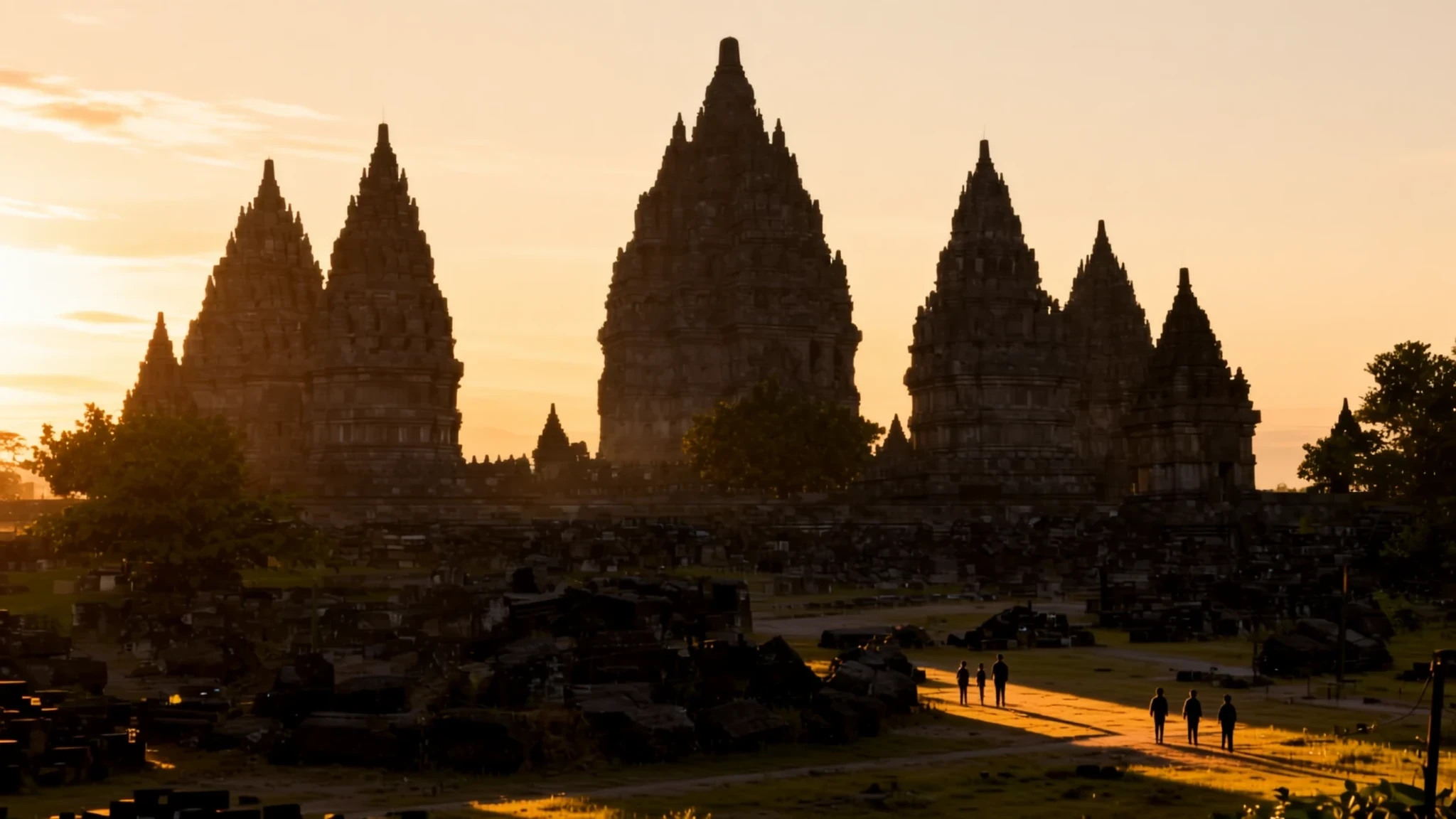
Prambanan offers a breathtaking encounter with ancient stone architecture, standing as an extraordinary monument to classical Hindu art and devotion in Java.
The place
Prambanan is situated in the southern part of Java, nestled within a district known for its rich agricultural landscape and the dramatic backdrop of Mount Merapi rising to the north. The wider area combines rural farming villages with significant historical remnants scattered across the verdant plains. Visitors arriving in Prambanan find themselves surrounded by fertile fields and traditional communities where local life moves at an unhurried pace, far removed from the denser traffic of nearby urban centres. The region experiences a tropical climate with warm temperatures throughout the year, balanced by distinct seasonal shifts between wetter and drier months that shape the rhythms of the local farming economy. Walking through the district reveals ancient shrines half-hidden among modern houses and small fields, reminding travellers of a profound historical past that persists alongside everyday village routines. The air carries the scent of damp earth and tropical vegetation, while narrow roads wind past bamboo groves, small corner shops, and open-air food stalls serving regional specialities to passers-by. Local residents maintain a warm and welcoming atmosphere, making it easy to explore the surrounding countryside on foot or by local transport. The landscape opens up dramatically as one approaches the major archaeological monuments, where manicured lawns surround towering stone structures that have dominated the local horizon for centuries. Whether wandering through quiet neighbourhood lanes or pausing at a roadside warung for a refreshing drink, travellers in Prambanan experience a unique blend of timeless Javanese hospitality, fertile agricultural traditions, and deeply rooted spiritual heritage that defines this remarkable corner of Yogyakarta Province.
Its story
Prambanan has a rich history tied to the shifting dynasties and religious patronage of ancient Java during a period of remarkable architectural ambition. The main temple compound was established as a grand Hindu sanctuary dedicated to the Trimūrti, reflecting the supreme deities of creation, preservation, and destruction within the Hindu pantheon. Historical analysis links the inception of the site to rulers of the Sanjaya dynasty, who sought to demonstrate their renewed dominance and spiritual authority in central Java after decades of Buddhist patronage by rival rulers. Epigraphic records provide fascinating details about the massive engineering efforts required to establish the sacred complex. During the construction phase, royal authorities undertook a major public water project to alter the course of the nearby river away from the main sanctuary walls. This hydrological modification was designed to protect the sacred buildings from potential flooding and volcanic lahar flows originating from the active volcano looming to the north. Over subsequent generations, successive monarchs expanded the sanctuary by adding hundreds of individual perwara structures around the towering central shrines, creating an immense architectural mandala of stone. Although time, seismic activity, and political shifts eventually led to the abandonment and partial collapse of the temple complex, systematic restoration efforts over the twentieth century gradually brought the ruined structures back to life. Today, these restored spires stand as an enduring testament to the artistic brilliance, engineering skill, and profound religious devotion of ancient Javanese civilization.
What to see
- Affandi Museum — Yogyakarta
This delightful museum is built directly around the former home and studio of one of Indonesia's most celebrated painters. Visitors can explore multiple distinct galleries showcasing a vast collection of expressive works, capturing the raw emotion and dynamic brushwork of the artist's prolific career.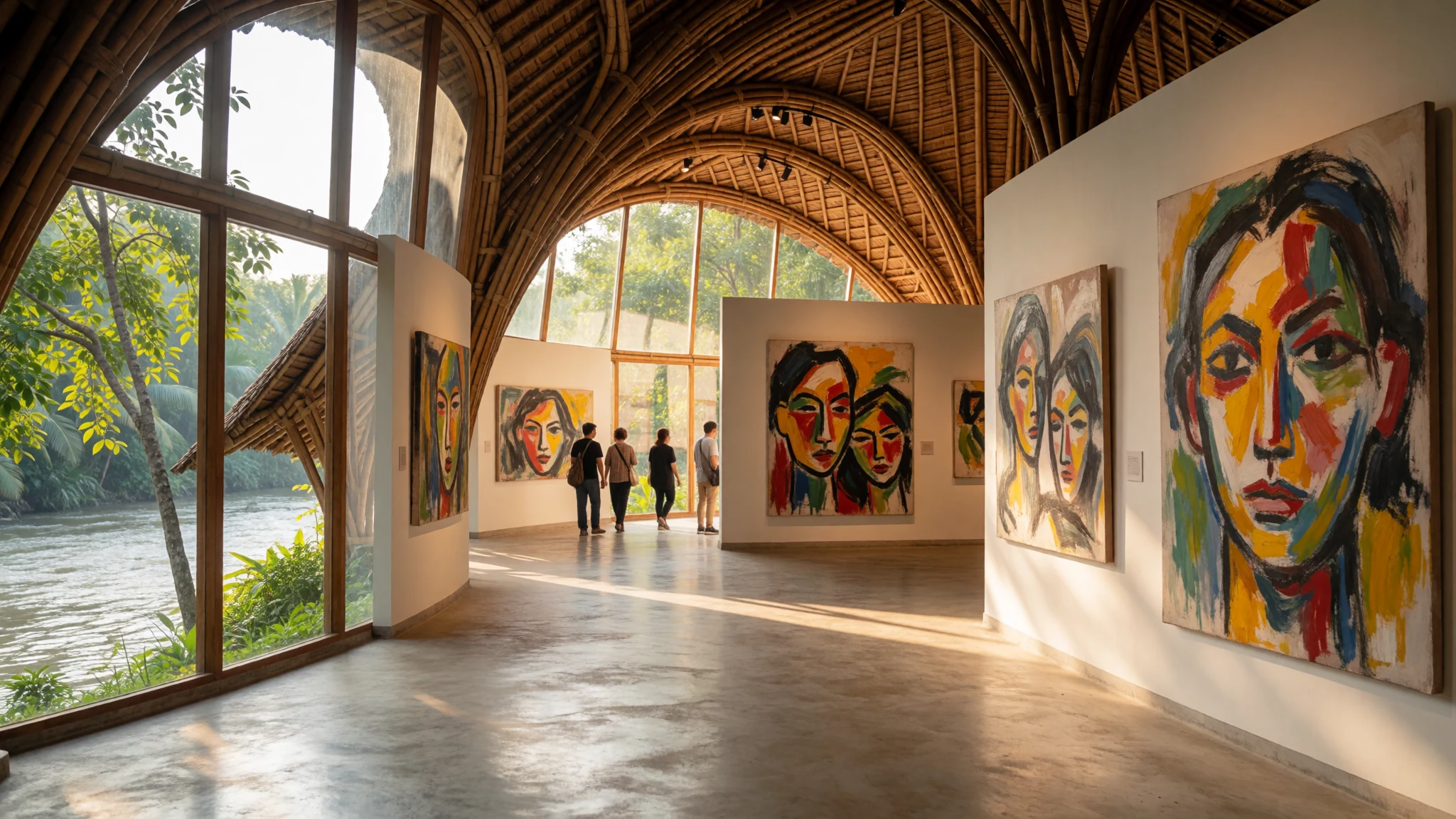
- Candi Kalasan — Kalasan
Recognised as the oldest Buddhist sanctuary in the surrounding region, this remarkable temple was established by a ruler of the Sanjaya dynasty. The structure demonstrates the remarkable religious harmony of the era, featuring intricate exterior reliefs and beautiful ornamentation carved into the dark volcanic stone.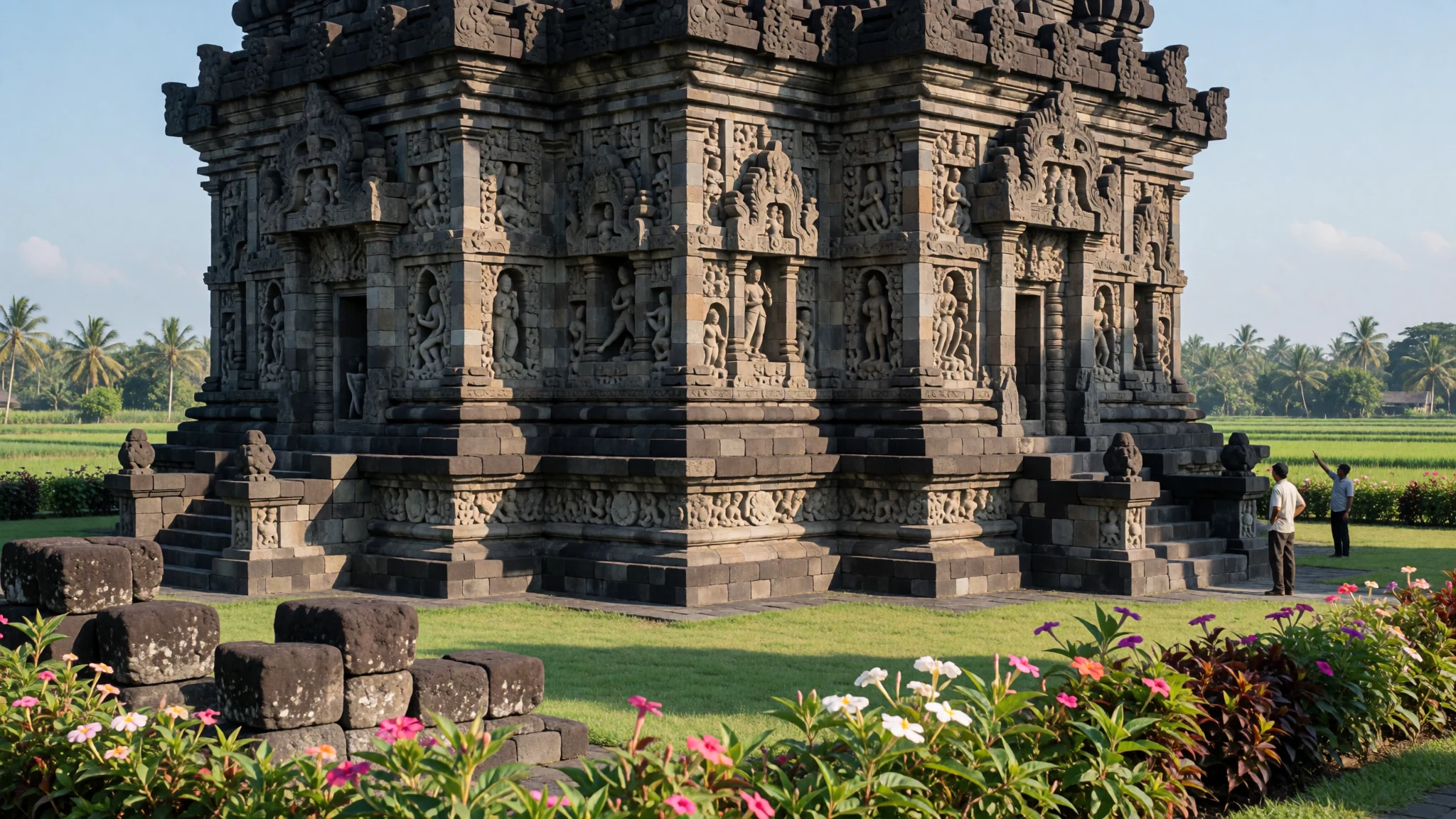
- Candi Sambisari — Kalasan
Discovered buried beneath layers of volcanic ash, this fascinating archaeological site sits in a sunken courtyard well below the current ground level. The main sanctuary preserves traditional ritual stones including a classic lingga and yoni pairing, offering a tangible connection to ancient temple worship rituals.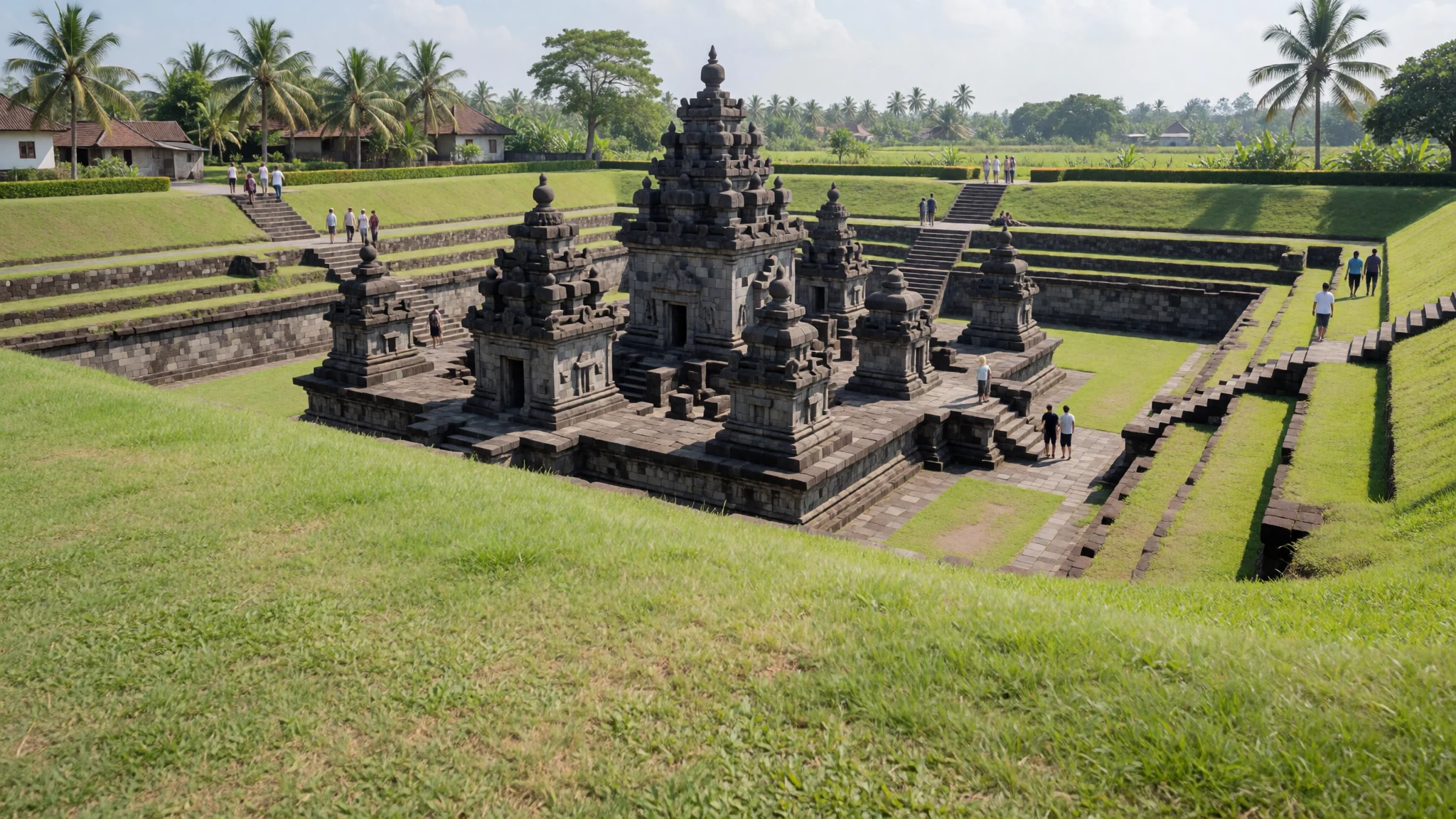
- Candi Sari — Kalasan
Originally constructed to serve as a residential dormitory for a monastic community, this two-storey building features multiple rooms and elaborate exterior carvings. The walls display preserved stucco remnants and artistic motifs that highlight the sophisticated craftsmanship of the classical period.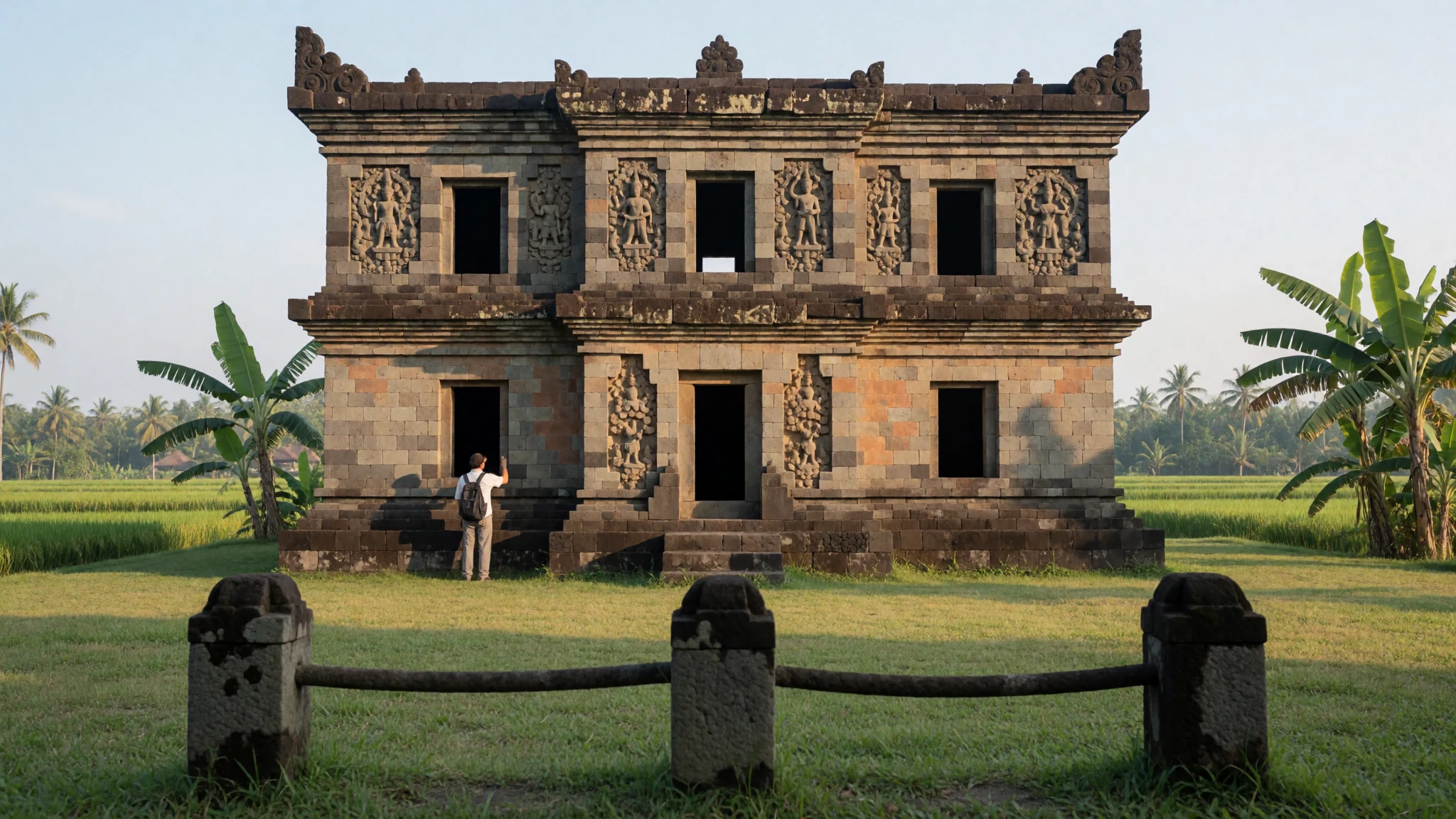
Culture
Prambanan and the surrounding Sleman district reflect a deeply courteous society shaped by traditional Javanese values, where community harmony, polite manners, and respect for elders remain paramount. Traditional arts such as classical gamelan music, shadow puppet performances, and intricate textile weaving continue to thrive as living expressions of local heritage, passed down through generations. Social interactions are typically gentle and restrained, accompanied by warm smiles and modest body language that avoid open confrontation. Religion plays an integral role in daily life, with communities blending local customs with Islamic traditions, while historical sites like the ancient temples are treated with immense cultural reverence. Visitors will find that social etiquette emphasizes modesty, patience, and a calm demeanor in all public spaces. When visiting temples, shrines, or local villages around Prambanan, always dress respectfully by covering your shoulders and knees, and remove your footwear before entering sacred or residential spaces.
What to wear
Prambanan showcases a diverse sartorial landscape where traditional Javanese garments exist side-by-side with modern everyday attire. Traditional dress in the region is anchored by batik textiles, featuring intricate hand-drawn or stamped geometric and floral patterns rich in cultural symbolism. Historically, batik fabrics were draped as wraps or tailored into formal garments worn during ceremonies, weddings, and official cultural gatherings, accompanied by traditional woven stoles and traditional headwear for men. In contemporary daily life, most local residents wear comfortable, casual modern clothing such as lightweight shirts, trousers, and modest dresses suited to the warm tropical climate. For visitors exploring Prambanan, practical and respectful dressing is essential. Lightweight, breathable fabrics like cotton or linen help manage the heat and humidity, while a light rain shell is useful during sudden downpours. Because the area encompasses active religious sites and traditional communities, travellers should wear clothes that cover the shoulders and knees, carrying a lightweight sarong or scarf to easily wrap up when entering temple courtyards.
What to eat
- Ayam Geprek — Local roadside stalls and neighbourhood warungs
This fiery local favourite consists of crispy fried chicken smashed with an abundance of sharp, freshly pounded chilli sambal, served alongside warm rice and fresh cucumber slices at casual roadside eateries.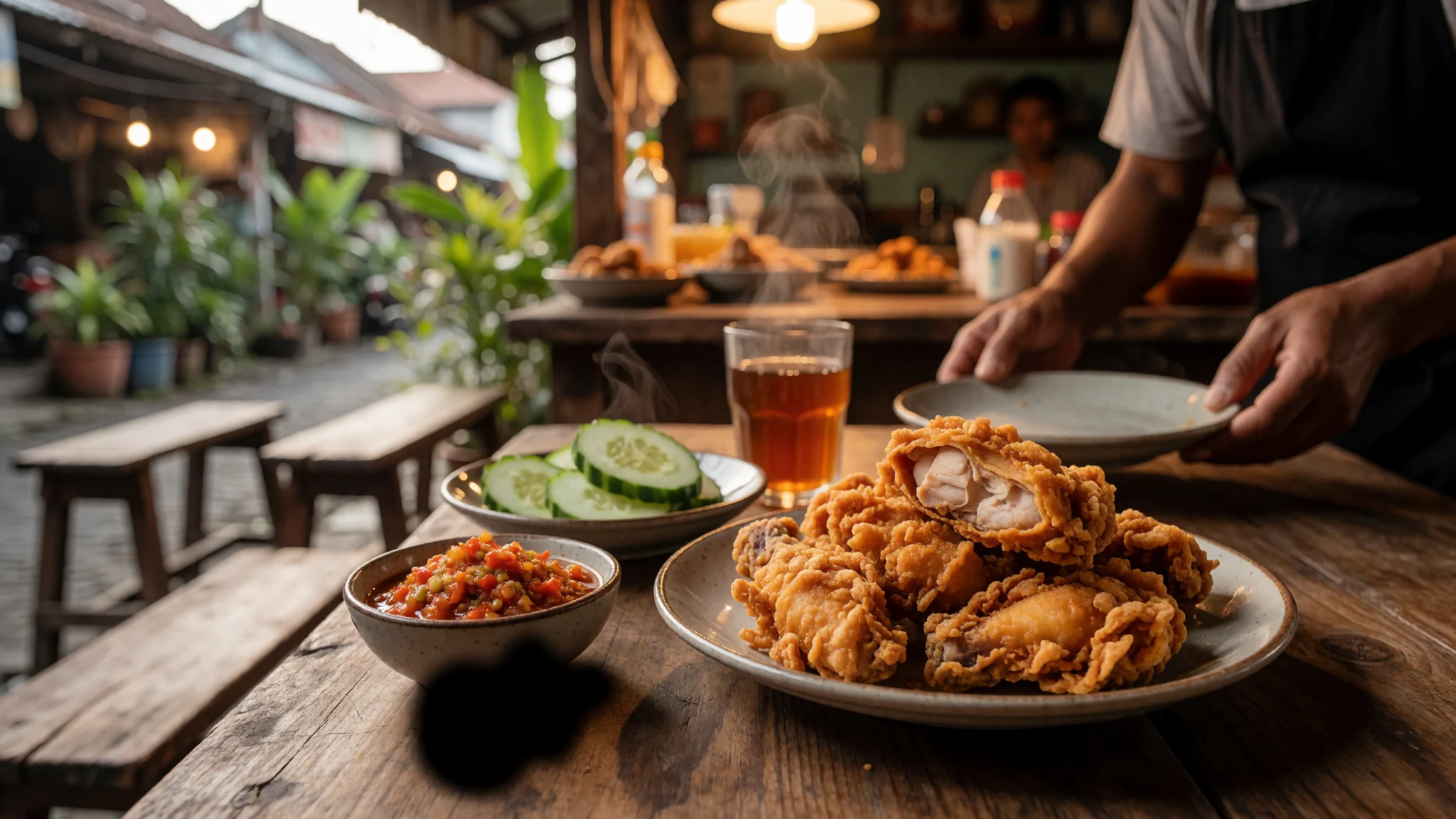
- Entok Slenget — Specialist rural eateries north of Yogyakarta
A distinctive regional specialty featuring tender Muscovy duck simmered in an intensely spiced, fiery broth that packs a powerful punch, found at specialist rural food houses.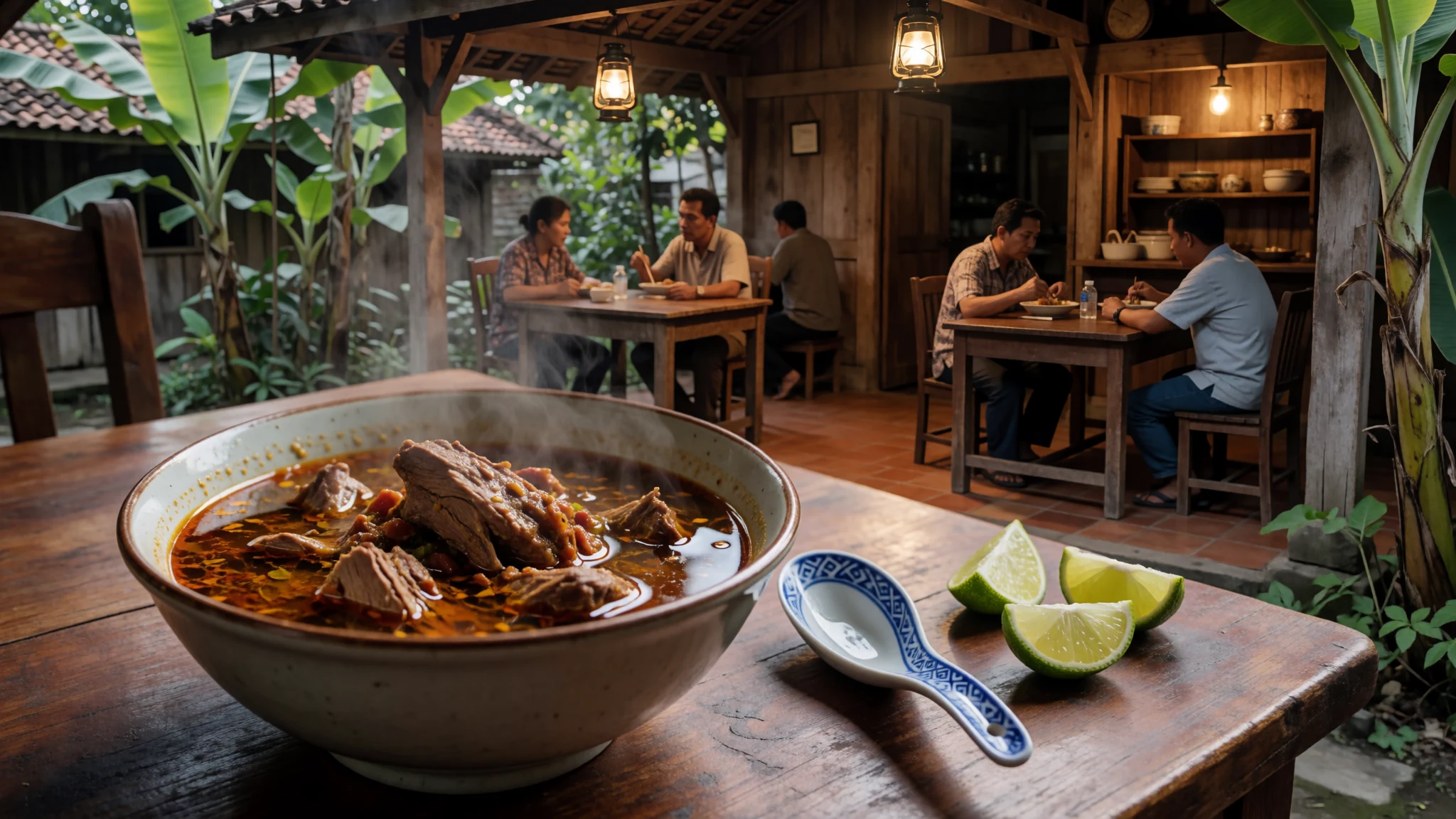
- Jejamuran — Dedicated garden restaurants in the Sleman district
A unique dining concept where an imaginative menu features mushrooms transformed into every conceivable dish, from crispy satay skewers to rich soups, served on a leafy terrace. - Soto Banjar — Traditional morning eateries and neighbourhood breakfast stalls
A comforting, fragrant chicken soup infused with warm spices such as star anise and cinnamon, served with rice noodles, shredded chicken, and boiled egg at traditional breakfast spots. - Mieyago — Local noodle shops and street food stalls
A delicious local twist on classic chicken noodles where yellow noodles are stir-fried with savoury seasonings rather than served in broth, accompanied by seasoned minced chicken.
Plan it
Best time. June to September offers the driest weather and clearest skies for exploring outdoor archaeological sites, whereas the wetter months from October to May bring lush green landscapes but frequent afternoon downpours.
How long. 2–3
Getting there. Fly into the airport in Yogyakarta, then take a local taxi, bus, or train connection for the final overland journey northeast toward the Prambanan district.
Budget. mid
Tips
- Arrive at the main temple gates early in the morning before the peak heat and tour groups arrive
- Carry sufficient cash in local currency for small village shops, entry fees, and local transport
- Drink plenty of bottled water throughout the day to stay hydrated in the tropical humidity
- Wear comfortable walking shoes with good grip for uneven stone paths and temple stairs
Etiquette
- Always cover your shoulders and knees when visiting temples and traditional villages
- Remove your shoes whenever entering sacred buildings or local homes
- Ask permission before photographing local residents during ceremonies
Nearby
Sources
- Wikidata Q5030623 (CC0)
- Wikipedia (rev 1373977502) (CC BY-SA 4.0)
- Wikivoyage (rev 5356516) (CC BY-SA 4.0)