Poznań
Poznań, Poland
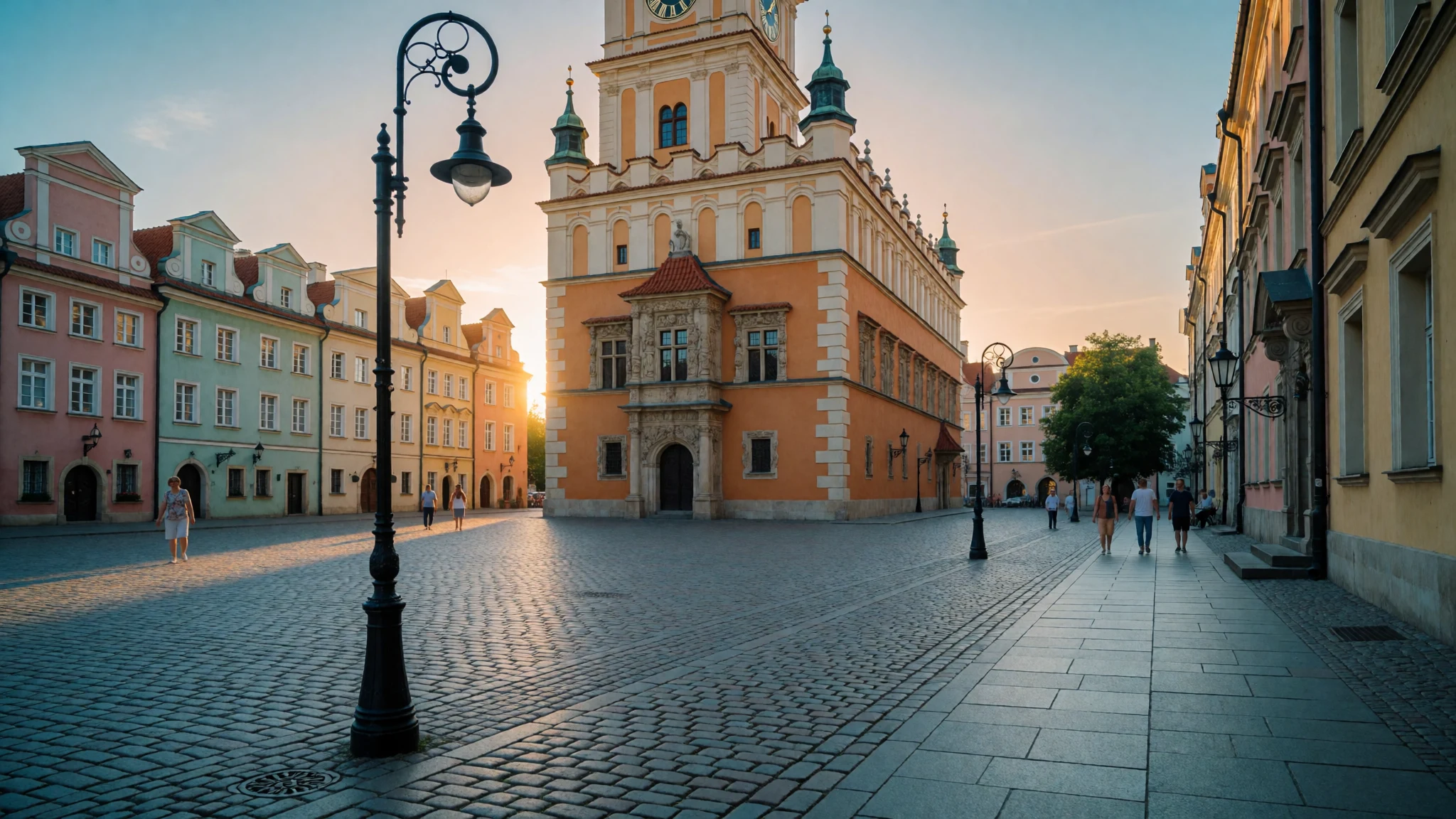
Poznań is a lively Polish university city where a rebuilt medieval square, the site of Poland's first cathedral and noon-time mechanical goats sit within an easy walk.
The place
Poznań is a river city in west-central Poland, set on the Warta and serving as capital of the Greater Poland Voivodeship. It has just over half a million residents, with a larger metropolitan area around it, so it feels like a working regional capital rather than a museum. Students give it a young pulse: Adam Mickiewicz University is a large presence, and term time fills the cafés around the centre. Trade is the other engine. The city hosts an international fair that draws business visitors through much of the year, which is why rooms can be scarce on fair weeks even in a quiet season. The historic core is compact and walkable. A market square lined with colourful merchants' houses sits at the middle, with a Renaissance town hall in its centre, and the streets around it were rebuilt after wartime destruction. A short walk east, across a branch of the river, the cathedral island of Ostrów Tumski keeps the oldest religious layer of the city. Local culture has its own flavours: a distinct dialect, a summer fair named for Saint John, and the crescent pastries baked for Saint Martin's day. Poznań suits a long weekend, and it also works as a calm pause on a route between Berlin and Warsaw. Rain and cold are possible outside summer, and the centre is busiest on fair days and summer weekends.
Its story
Poznań's story begins on Ostrów Tumski, the island between the Warta and Cybina rivers, where a fortified stronghold stood long before Poland was a Christian country. The local tribe, the Western Polans, established the area as a political and cultural hub, and Mieszko I, the earliest historically documented leader of the early Polish state, constructed a primary stronghold here. His baptism in 966 is seen as a turning point for the state, and it may have taken place in Poznań itself, though that is not certain. After it, work began on a cathedral on the island, regarded as the first in Poland, and the city became the seat of Bishop Jordan, the first missionary bishop sent to the country. The picture then shifts. The Congress of Gniezno in the year 1000 set up the first permanent archbishopric at Gniezno, widely seen as the capital of the period, yet Poznań kept bishops of its own and never faded into the background. That balance, close to power without being its only seat, runs through later centuries. Poznań is counted among the four historical capitals of medieval Poland, and its time under the Kingdom of Prussia, recorded in its Wikidata entry, left a second layer of German-style administration and architecture, visible in the imperial buildings west of the old town. The city of today is a rebuilt, lived-in version of all those pasts.
What to see
- Stary Rynek (Old Market Square) — Old Town
Poznań's Old Market Square is the place to begin, a broad rectangle of gabled, brightly painted merchants' houses around the town hall. Much of it was rebuilt after wartime destruction, and the work is careful enough that it reads as one coherent medieval-style square. Cafés spill onto it in summer, so mornings are calmer for photographs and slower coffee.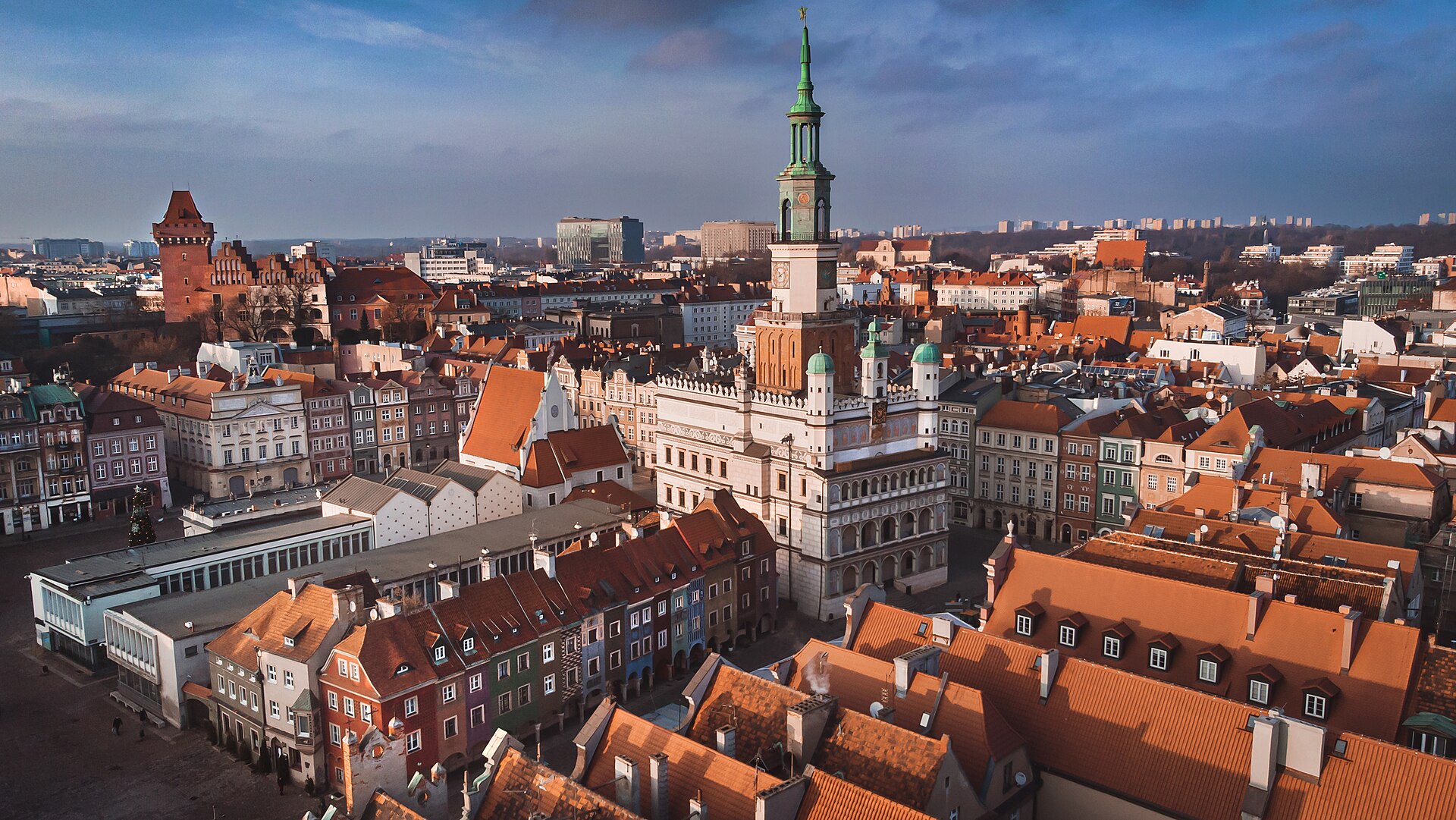
- Town Hall — Old Market Square
The Town Hall stands in the middle of the Old Market Square. It began as a Gothic building and was remodelled in Renaissance style by Giovanni Battista di Quadro, an architect from Lugano. The mechanical goats butt heads above the clock at noon each day, and a crowd gathers well beforehand, so arrive early to stand near the front.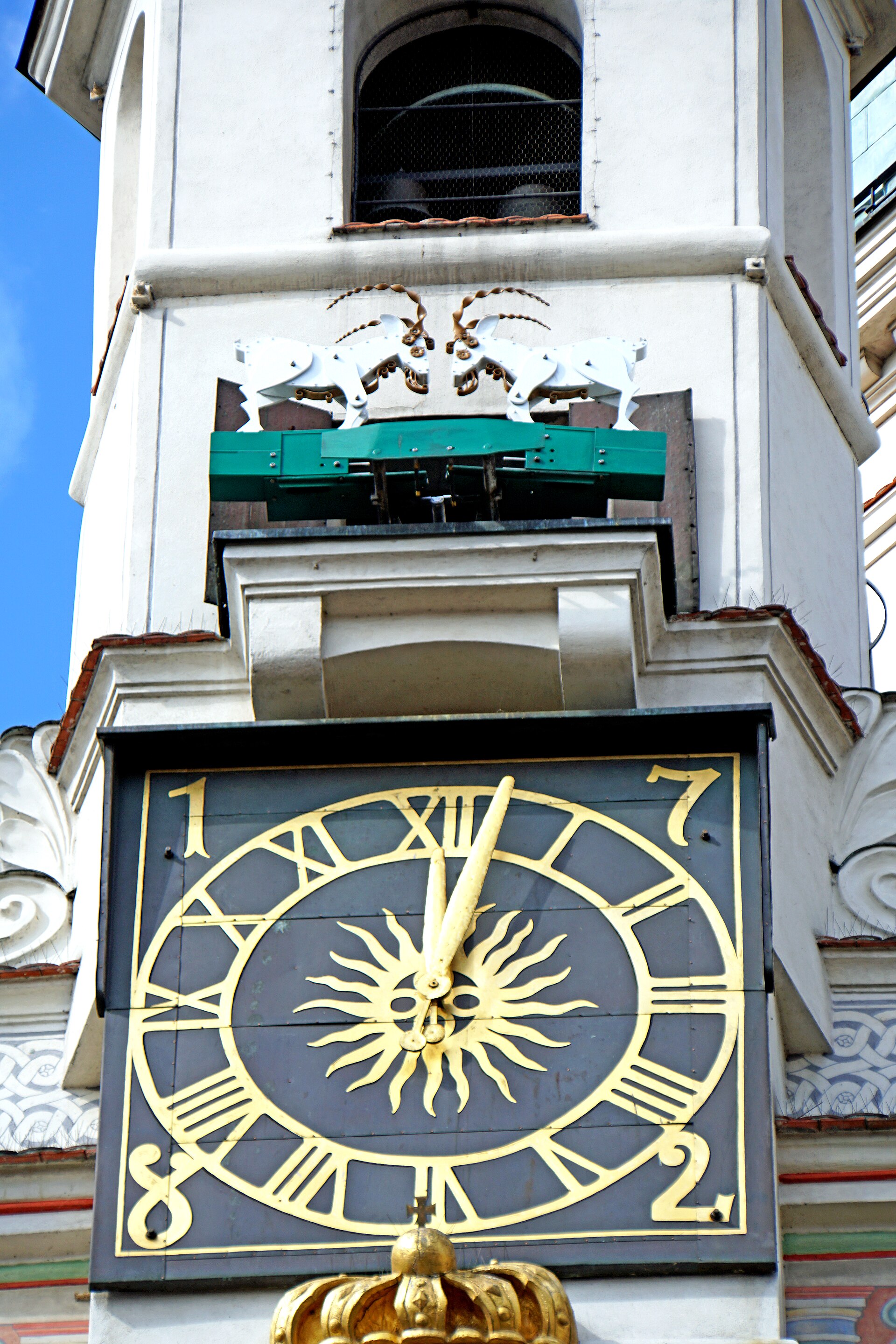
- City Church of St Stanislaus and Our Lady (the Fara) — South of the Old Town
The Fara is a baroque church a few minutes' walk south of the square. It reopened in 2007 after a full refurbishment, and the richly decorated interior rewards a slow visit. It is a working church, so check opening times around services before going, and keep visits quiet during worship.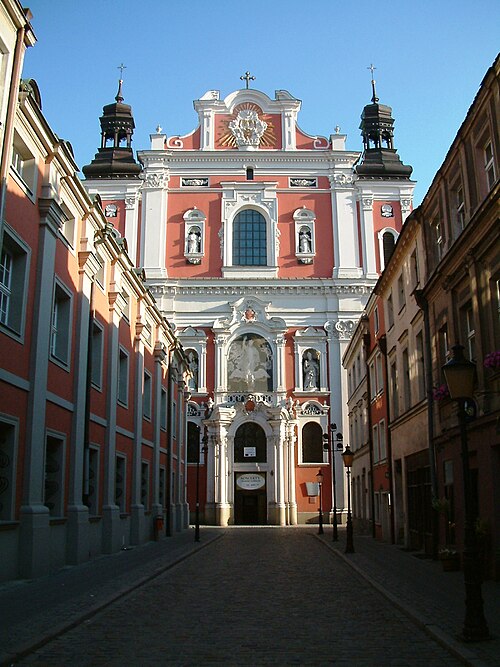
- Poznań Cathedral, Ostrów Tumski — Ostrów Tumski, east of the centre
The cathedral, dedicated to Saints Peter and Paul, stands on Ostrów Tumski, the river island where the city began, and is tied to the first cathedral in Poland. The walk from the square, over the water and past quiet greenery, moves from commercial bustle to a calmer, more reflective part of town. Check the cathedral's own site for visiting arrangements.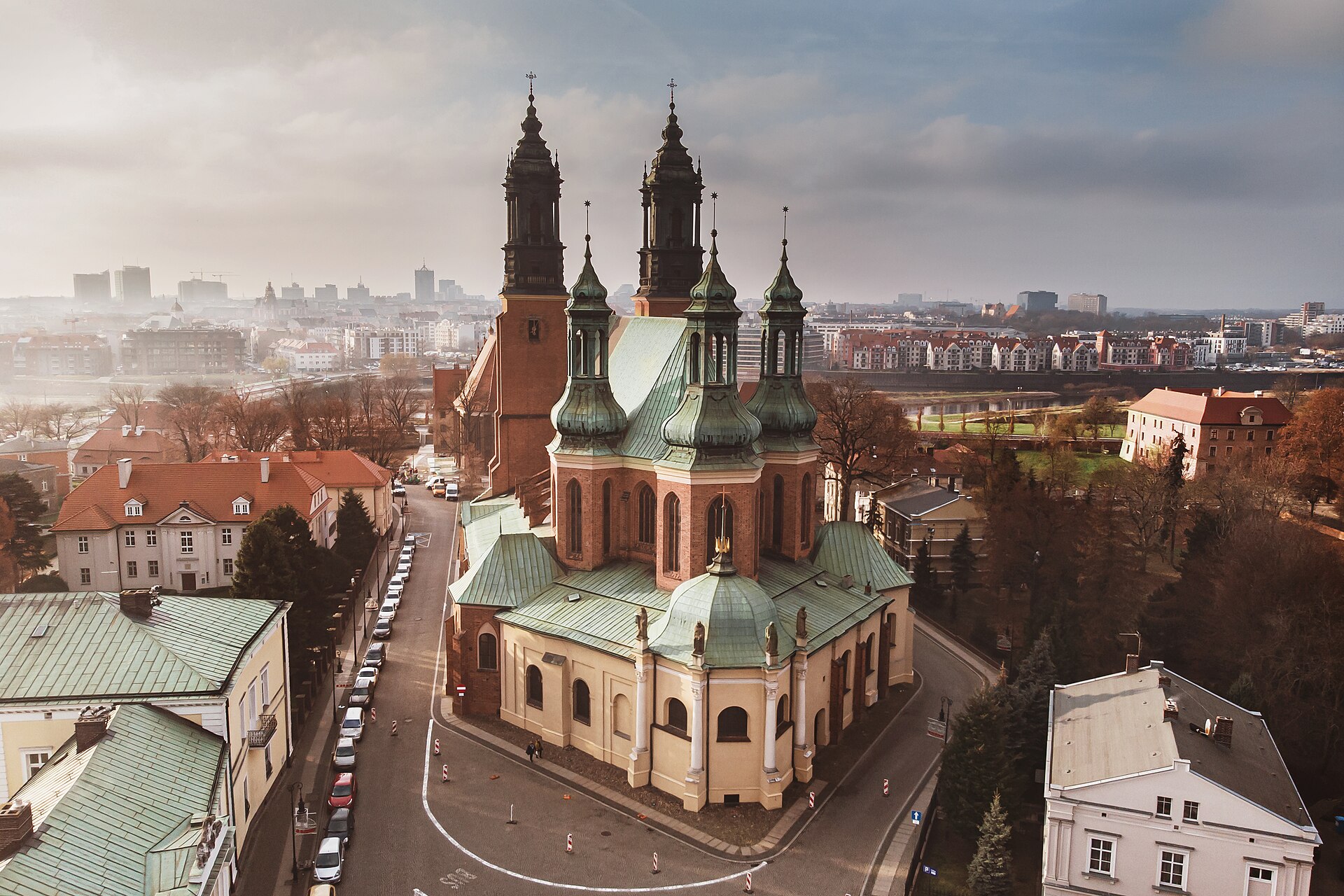
- Imperial Castle (Zamek Cesarski) — West of the Old Town
The Imperial Castle dates from the Prussian period and sits west of the old town, the clearest reminder that Poznań once belonged to the Kingdom of Prussia. Its garden-facing façade is worth walking round to see, and the building now works as a cultural centre. Look up the current programme before going.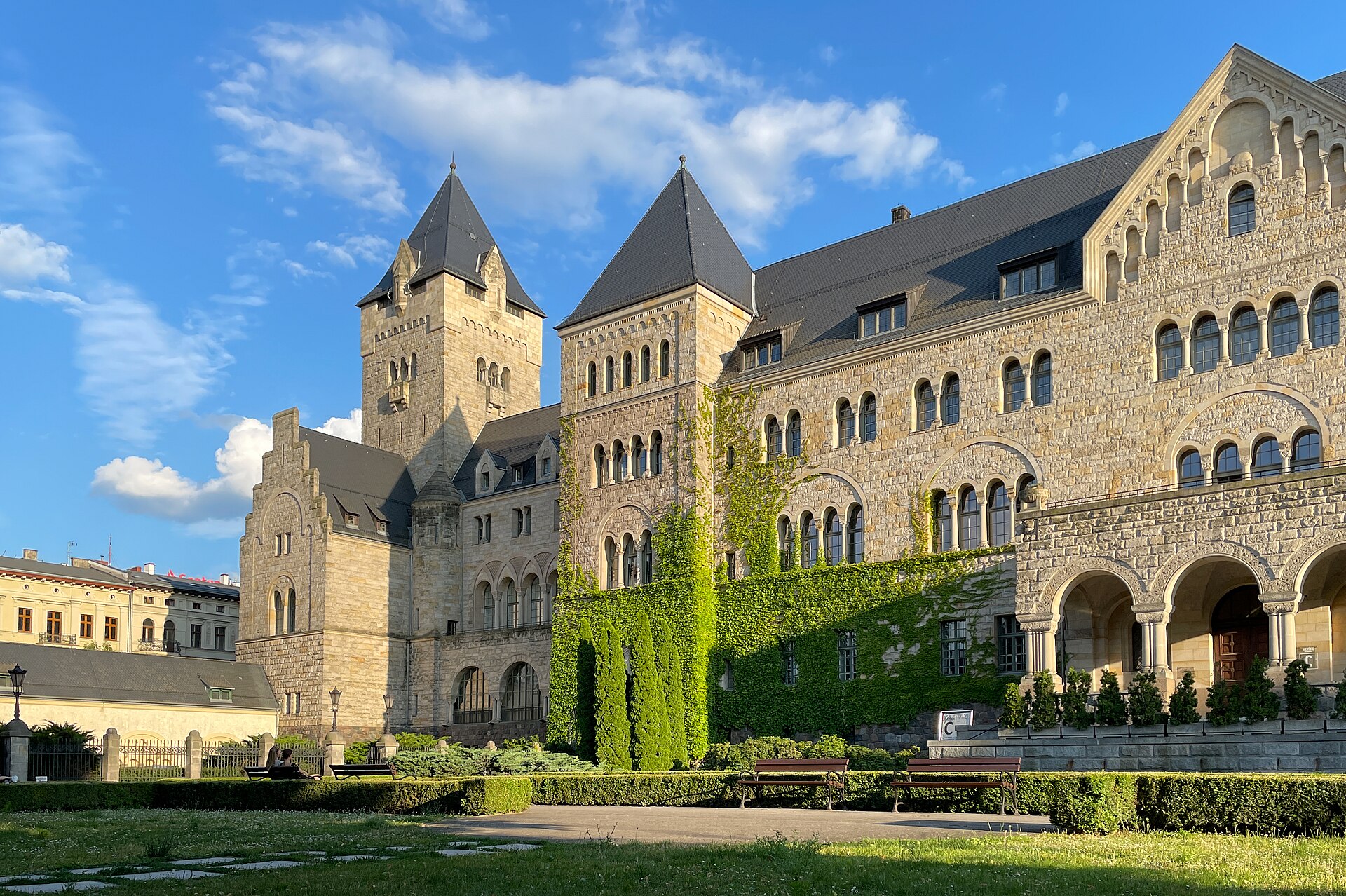
- Teatr Wielki (Grand Theatre) — City centre, Fredry street
The Teatr Wielki, on Aleksandra Fredry street, is one stage in a city with a busy theatre scene that also includes puppet and animation theatre, musical theatre and a dance theatre. Opera and ballet are the draw here, and the façade alone justifies a short detour on an evening walk through the centre.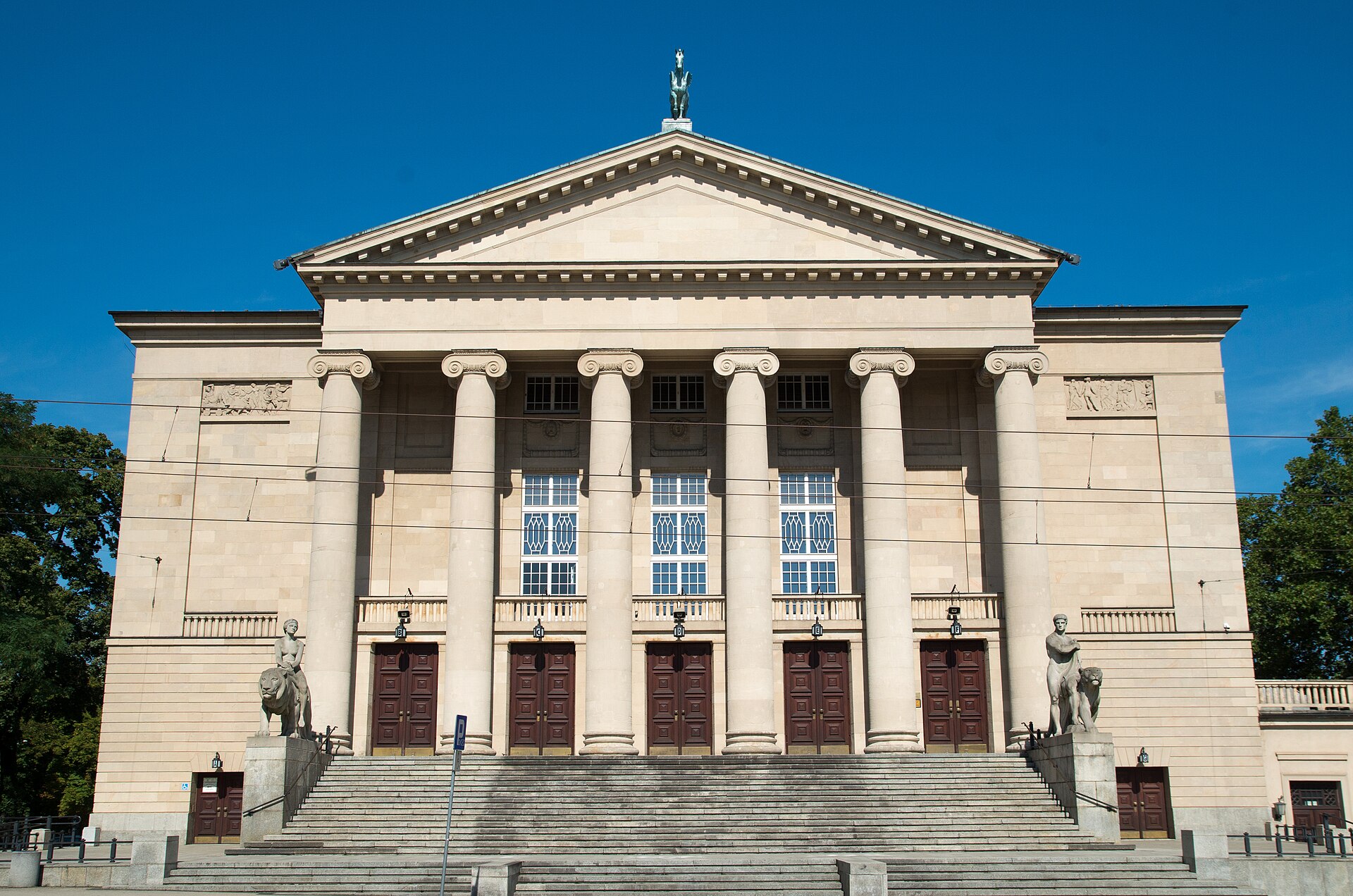
Culture
Poznań wears its history openly. Parts of the city centre and neighbouring historic quarters are protected as a national monument, and a marked walking trail called the Royal-Imperial Route threads through the main sights, taking in the royal, church and Prussian layers of the story. Theatre is a real strength: the Teatr Wielki, Teatr Polski and Teatr Nowy sit beside puppet and animation theatre, musical theatre, a dance theatre and a growing number of alternative groups, so something is usually on in the evening. Local identity shows in small, specific traditions. There is a regional dialect, which visitors will hear in markets and on trams, the Saint John's Fair held around midsummer, and the Saint Martin's croissants that bakeries sell around the saint's day in November. Students and academics give the city a relaxed, bookish character, and the pace is more measured than in Warsaw. Churches are working places of worship, and Catholic practice is visible, especially on feast days and Sunday mornings. Small courtesies count: a greeting when entering a shop or café is expected, and a modest round-up of the bill is the usual way to tip in a restaurant. When entering a church in Poznań, dress modestly, keep your voice low and do not photograph worshippers during a service.
What to wear
Poznań and the wider Greater Poland region have a folk dress tradition, worn today mostly at festivals, church celebrations, dance groups and heritage events rather than every day. Regional costume typically uses wool for skirts and waistcoats, linen for blouses and aprons, and embroidery, ribbon and lace for decoration, with colours and details varying from village to village. On the street, Poznań dresses like most mid-sized European cities: smart casual, dark coats in winter, trainers almost everywhere, and a student crowd in jeans and rucksacks near the university. Business visitors on trade-fair days often wear suits and are easy to spot. For a visit, think in layers. Summers are warm, spring and autumn change quickly, and winters are cold, so a waterproof jacket, a scarf and a warm mid-layer cover most trips. The cobbles around the Old Market Square are uneven, so comfortable closed shoes with good grip are better than thin soles. Churches, including the cathedral, expect covered shoulders and knees, so carry a light scarf or shawl. Smart casual is fine for the theatre, and nobody expects evening dress.
What to eat
- Rogal świętomarciński (Saint Martin's croissant) — Local bakeries and pastry shops across the centre, especially in November
A crescent pastry filled with white poppy seed paste, nuts and dried fruit, baked in large numbers around Saint Martin's day in November. It is the city's signature sweet, denser and richer than a French croissant, and best eaten fresh with coffee. - Pyry z gzikiem — Traditional Polish restaurants and milk bars
Boiled potatoes served with gzik, a cold dip of quark, onion and cream. Simple, filling and typical of Greater Poland home cooking, it works as a light lunch and is usually easy to find on regional menus. - Szneka z glonkiem — Neighbourhood bakeries
A sweet spiral bun with raisins and sugar icing, known by its dialect name in Poznań. It suits a mid-morning coffee break, and asking for it by name tends to earn a smile from the person behind the counter. - Czernina — Traditional regional restaurants
A sweet-and-sour soup made from duck blood, stock and vinegar, traditionally served with noodles in this region. It is rich, tart and slightly sweet, an acquired taste, but a real regional classic worth trying once, especially in autumn. - Pierogi at a milk bar — Milk bars in the city centre
Filled dumplings with cheese and potato, mushroom or cabbage, served in a milk bar (bar mleczny), the plain canteen-style eateries left over from the socialist era. Meals are cheap and simple, and the queue at lunchtime is mostly locals.
Plan it
Best time. May–June and September for mild weather and long evenings; July and August are warm and the squares are busiest; winters are cold and grey, though the old town is still pleasant for short walks.
How long. 2
Getting there. Poznań has its own airport, with flights from several European cities, including low-cost services from the UK and Ireland (check airlines for current routes). Public buses link it to the main railway station and run frequently, with a ticket machine by the stops that takes cash or cards. Berlin Brandenburg is an alternative, and trains from Berlin or Warsaw take about three hours.
Budget. mid
Tips
- Be at the Town Hall before noon to see the goats, as the crowd builds early
- Check the dates of the international fair before booking, because fair weeks fill rooms
- Cards are widely accepted, but carry a little cash for small bakeries and milk bars
- Wear comfortable shoes for the uneven cobbles around the Old Market Square
- Check the city's official site, https://www.poznan.pl/, for events and opening hours
Etiquette
- Greet staff when you enter a small shop or café
- Dress modestly and stay quiet inside churches
- Do not photograph worshippers during services
Nearby
Sources
- Wikidata Q268 (CC0)
- Wikipedia: Poznań (rev 1384436184) (CC BY-SA 4.0)
- Wikivoyage: Poznań (rev 5414906) (CC BY-SA 4.0)
- Photo: Stare Miasto w Poznaniu, Stanisław Szewczyk (CC BY 3.0)
- Photo: Stary Rynek w Poznaniu, widok z drona, Aneta Pawska (CC BY-SA 4.0)
- Photo: Bazylika archikatedralna Świętych Apostołów Piotra i Pawła, Aneta Pawska (CC BY-SA 4.0)
- Photo: Gmach Teatru Wielkiego w Poznaniu, Yasioszny (CC BY-SA 4.0)
- Photo: Fara Poznan Fasada (CC BY 3.0)
- Photo: Poland-00566 Legend, Dennis Jarvis (CC BY-SA 2.0)
- Photo: Muzeum Literackie Henryka Sienkiewicza, Muzeumhs (CC0 1.0)
- Photo: Zamek Cesarski w Poznaniu, Dawid Wdowczyk (CC BY-SA 4.0)


