Porto Alegre
Porto Alegre, Brazil
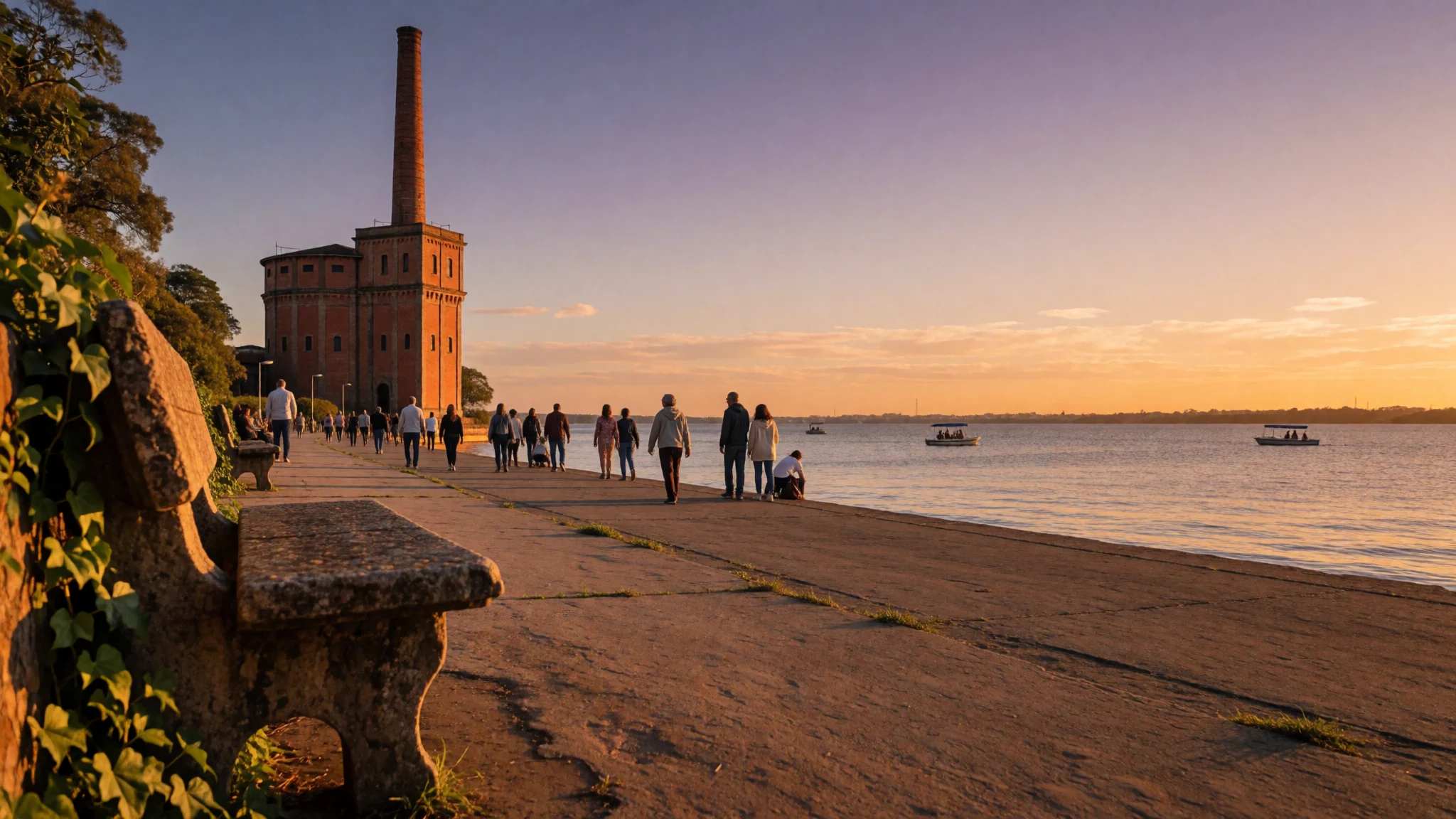
A vibrant southern Brazilian capital where riverfront promenades, gaúcho traditions, rich art spaces, and dramatic lake sunsets meet.
The place
Porto Alegre sits on the eastern shore of Lake Guaíba in southern Brazil, positioned at an altitude of just 10 metres above sea level where five distinct rivers merge into a vast navigable waterway. As the capital of Rio Grande do Sul, the city serves as the urban heart of the country's southernmost state. The landscape blends sweeping river vistas with leafy green parklands, rolling hills towards the outskirts, and a sprawling downtown core defined by administrative avenues and historic squares.
The city's geography is fundamentally tied to the lake, which shapes both local leisure and regional trade. Broad waterfront parkways provide public spaces where residents gather during late afternoon hours to watch light fade over the water. Beyond the riverbanks, residential neighbourhoods like Cidade Baixa and Moinhos de Vento feature tree-shaded streets lined with outdoor cafés, red-brick cultural centres, and small neighbourhood taverns.
Home to nearly 1.4 million residents, Porto Alegre acts as a vital commercial, academic, and cultural gateway between Brazil and its southern neighbours in the Plata basin. The climate brings distinct seasonal variation uncommon in northern parts of the country, with mild winters and humid summers. Throughout the year, public life remains closely tied to communal outdoor gatherings, civic gathering spaces, and a deep-seated pride in regional southern traditions.
Its story
Porto Alegre grew out of mid-eighteenth-century colonial realignments between the Portuguese and Spanish empires along the South American interior. Initial settlement began when families from the Azores archipelago were brought across the Atlantic Ocean under crown agreements to colonise territorial borderlands. These Azorean migrants established small homesteads along the river anchorage, forming a waterfront community that served as a critical landing point for livestock and river cargo.
By 1772, the settlement was formally recognised as an established parish, laying the foundation for its development as a provincial capital. The harbour location quickly turned the town into a strategic military base and trade hub, connecting inland agricultural valleys with maritime trade networks along the Atlantic coast. Over subsequent decades, waves of European immigration—particularly from German and Italian regions—further expanded the craft industries, agricultural markets, and architectural character of the growing urban centre.
During the nineteenth and twentieth centuries, the city developed a distinct political identity rooted in regional independence movements, civic debate, and social reform. Porto Alegre became famous internationally in more recent decades as a pioneer of innovative urban governance, notably introducing participatory municipal budgeting mechanisms that allowed local communities direct oversight of public expenditure. This tradition of public engagement was suspended in 2017 after funding cuts and declining government commitment, and its influence on civic life has faded since the mid-2000s.
What to see
- Usina do Gasômetro — Centro Histórico
Usina do Gasômetro is a former power station on the edge of Lake Guaíba that has been repurposed into a vibrant cultural space hosting cinemas and art exhibitions. The surrounding promenade is the city's favourite gathering spot in the late afternoon, where locals meet to watch dramatic sunsets over the wide expanse of water.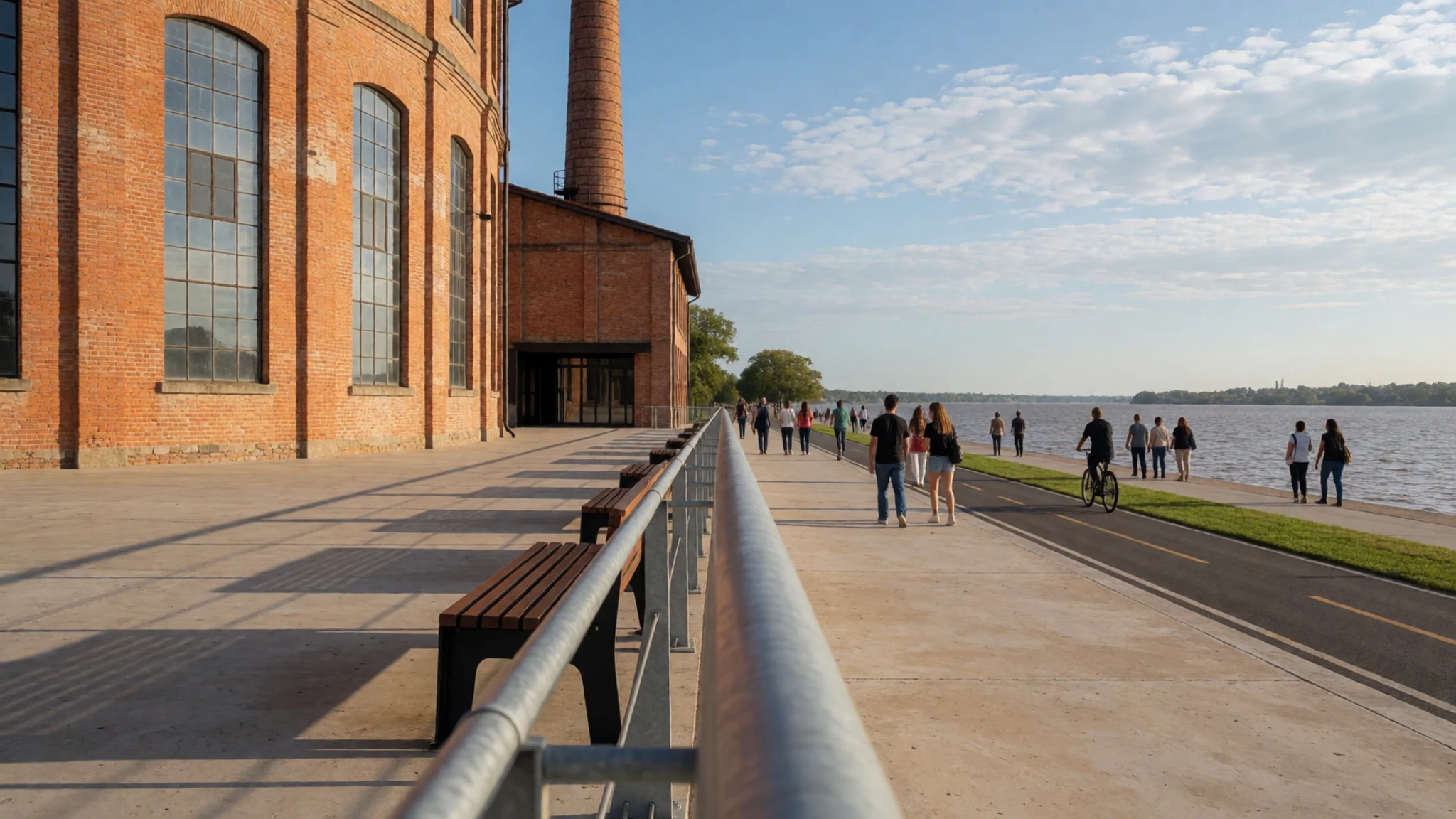
- Iberê Camargo Foundation — Cristal
Iberê Camargo Foundation occupies a striking modern white concrete building designed by Portuguese architect Álvaro Siza along the lake shore. Dedicated to preserving and exhibiting the works of painter Iberê Camargo, the museum features luminous gallery spaces overlooking the water and hosts rotating contemporary visual art exhibitions.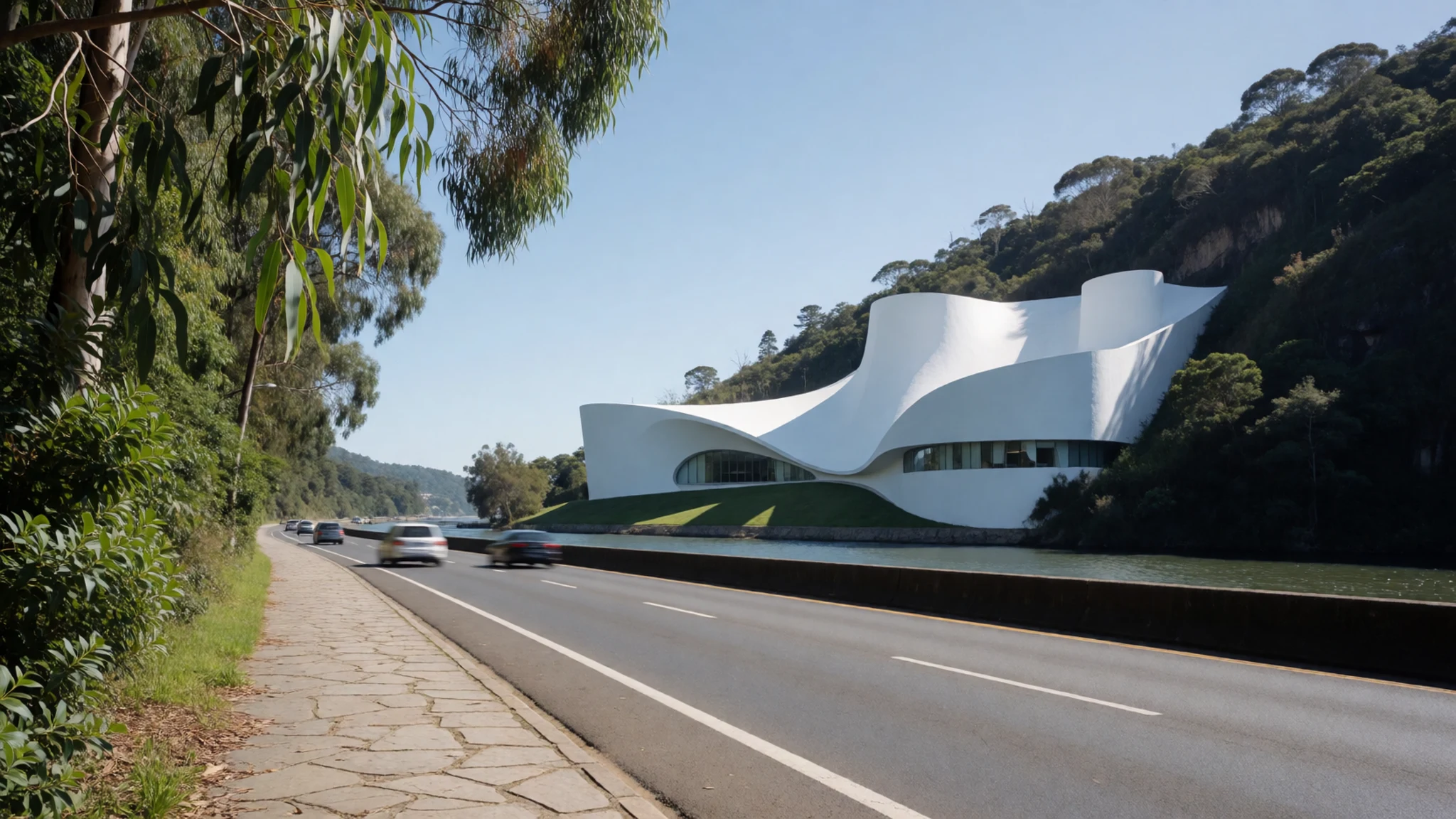
- Rio Grande do Sul Museum of Art (MARGS) — Centro Histórico
Located in the historic centre, the Museum of Art of Rio Grande do Sul occupies an elegant early-twentieth-century building originally built for federal revenue offices. It houses the premier public collection of fine art in the state, showcasing paintings, prints, and sculptures alongside visiting international exhibitions.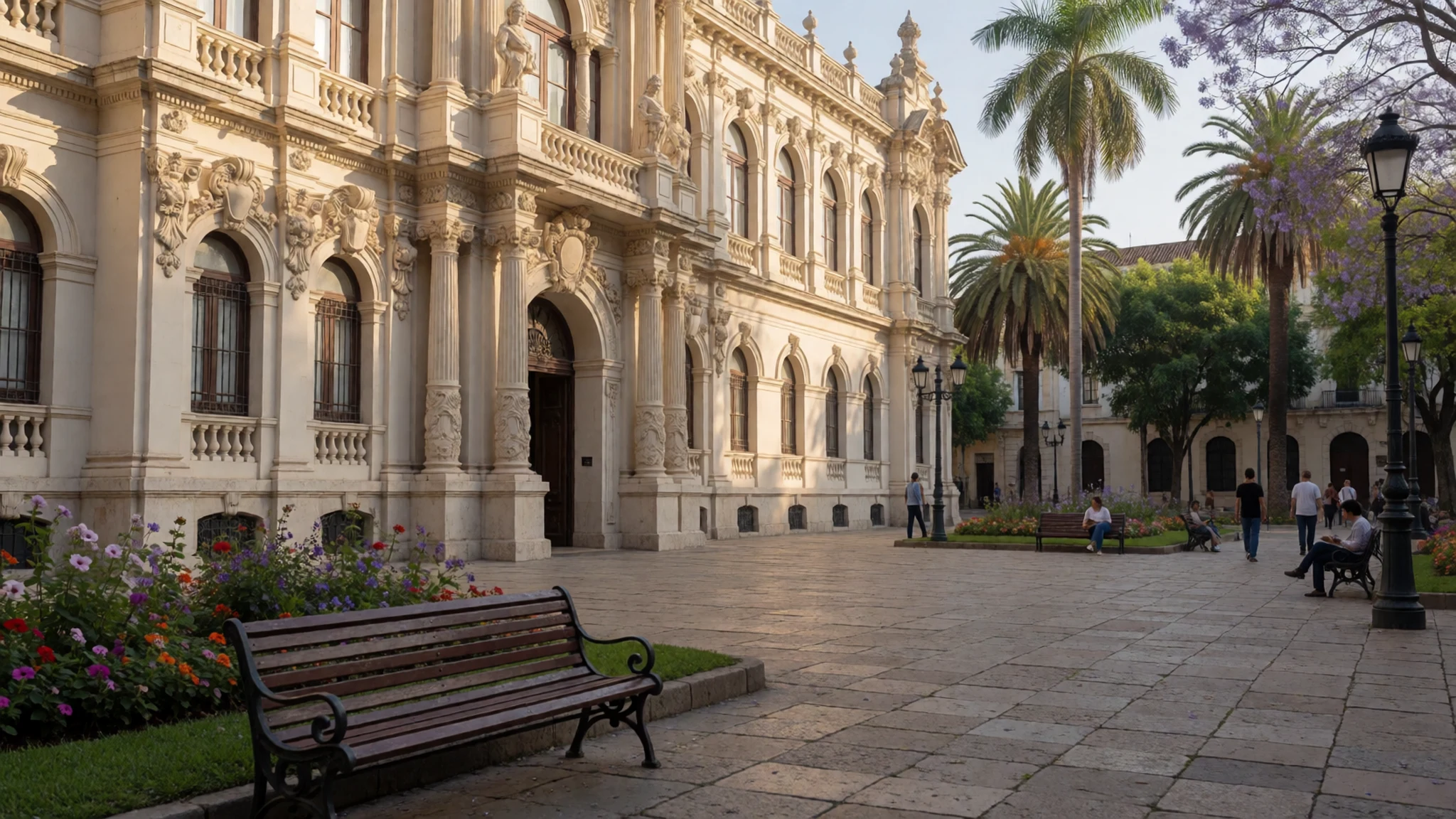
- Monument to the Azoreans — Centro Histórico
Monument to the Azoreans stands as a dramatic sculpted tribute to the island families who arrived in the eighteenth century to establish the original settlement. The metallic structure depicts intertwined human figures forming a soaring arch, symbolizing the migratory journey and foundation of Porto Alegre's distinct cultural heritage.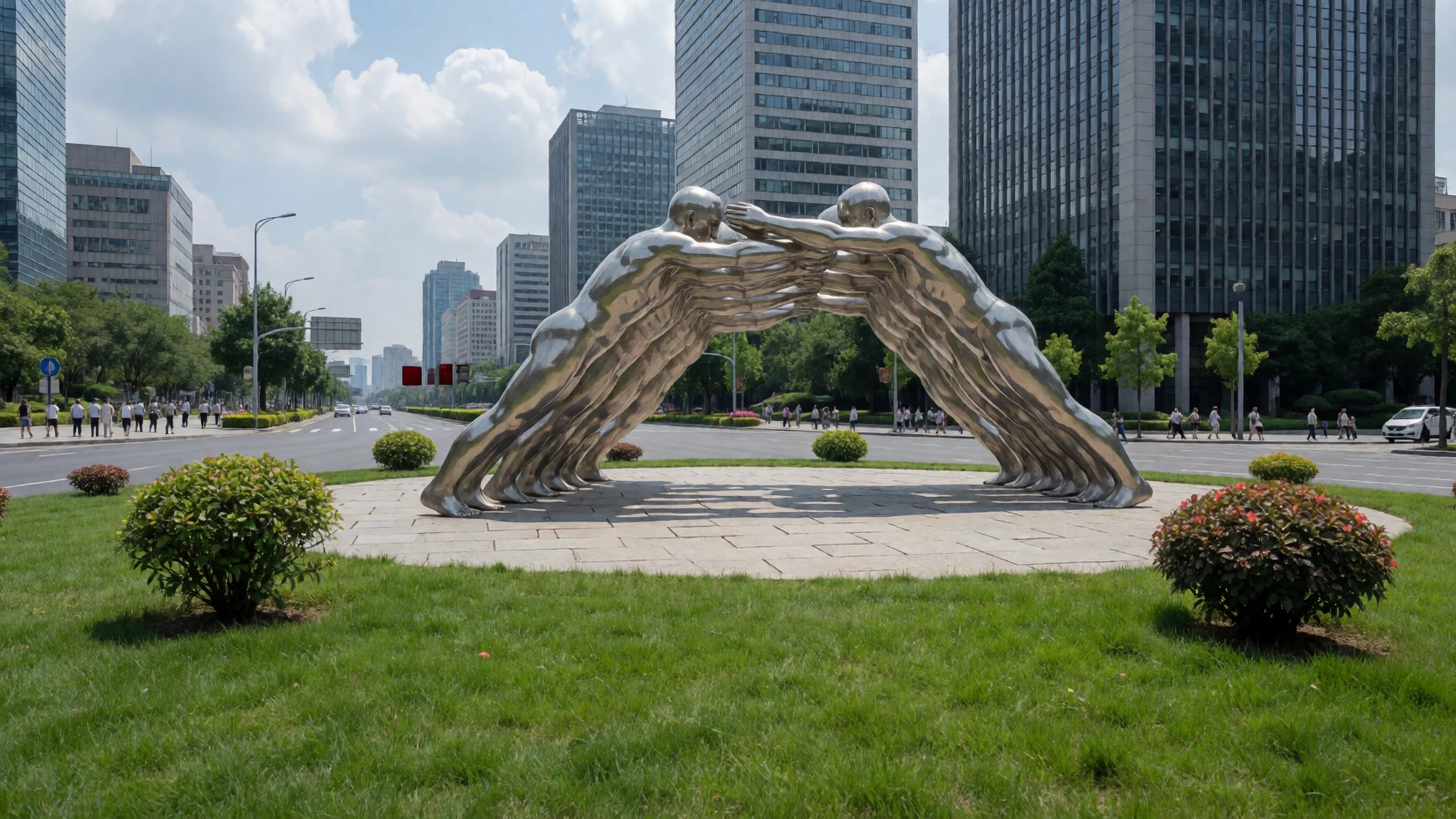
Culture
Porto Alegre boasts a rich cultural landscape grounded in its unique gaúcho heritage and a deep respect for regional history. The city's institutions capture this identity through extensive museum collections, including the Júlio de Castilhos Museum, which displays indigenous artifacts, historical relics from nineteenth-century territorial conflicts, and wooden sculptures from Jesuit mission settlements. Cultural life is equally animated by literary traditions, historic theatre venues, and community arts centres like the Casa de Cultura Mario Quintana, housed in a grand former hotel.
Social life in Porto Alegre often revolves around the shared consumption of chimarrão, a traditional hot yerba mate infusion sipped through a metal straw from a cured gourd. Passing the gourd among friends in public parks like Parque Farroupilha is a fundamental gesture of hospitality and community bonding. Music in the city spans traditional folk accordion melodies, regional poetry, and a lively independent rock scene supported by university venues.
When offered chimarrão in a group circle, accept the gourd with your right hand, drink the entire serving until the bombilla straw gurgles, and hand it back to the host without stirring the straw.
What to wear
Fashion in Porto Alegre bridges traditional South American cattle-ranching heritage with contemporary urban style. The traditional attire of the gaúcho includes bombachas—durable, loose-fitting cotton trousers gathered at the ankles—paired with leather riding boots, a wide-brimmed felt hat, a kerchief tied around the neck, and a woven woolen poncho for cooler weather. This traditional dress is proudly worn during regional festivals, civic parades, and formal cultural gatherings across Rio Grande do Sul.
In daily urban life, residents dress in modern casual attire suited to a temperate climate. During warmer months, light cotton clothing, shorts, jeans, and comfortable sandals are standard across the city's universities, parks, and outdoor cafés. Winters can feel surprisingly crisp and damp, prompting locals to layer heavy leather jackets, dark wool coats, and knitted scarves.
Visitors should pack versatile layers, including a light waterproof coat for sudden rain showers and warm knitwear if travelling between May and September. Comfortable walking shoes or sturdy sneakers are essential for navigating the cobbled streets of the historic centre and wide park tracks. Casual, neat attire is welcomed everywhere, though smart-casual clothing is preferred when visiting fine art museums or upscale neighbourhood restaurants.
What to eat
- Churrasco Gaúcho — Traditional churrascarias in the Cidade Baixa neighbourhood
Southern Brazilian barbecue features prime cuts of beef skewered and slow-roasted over open charcoal pits. Served continuously alongside fresh salads and side dishes, it is the quintessential regional dining experience across neighbourhood steak houses.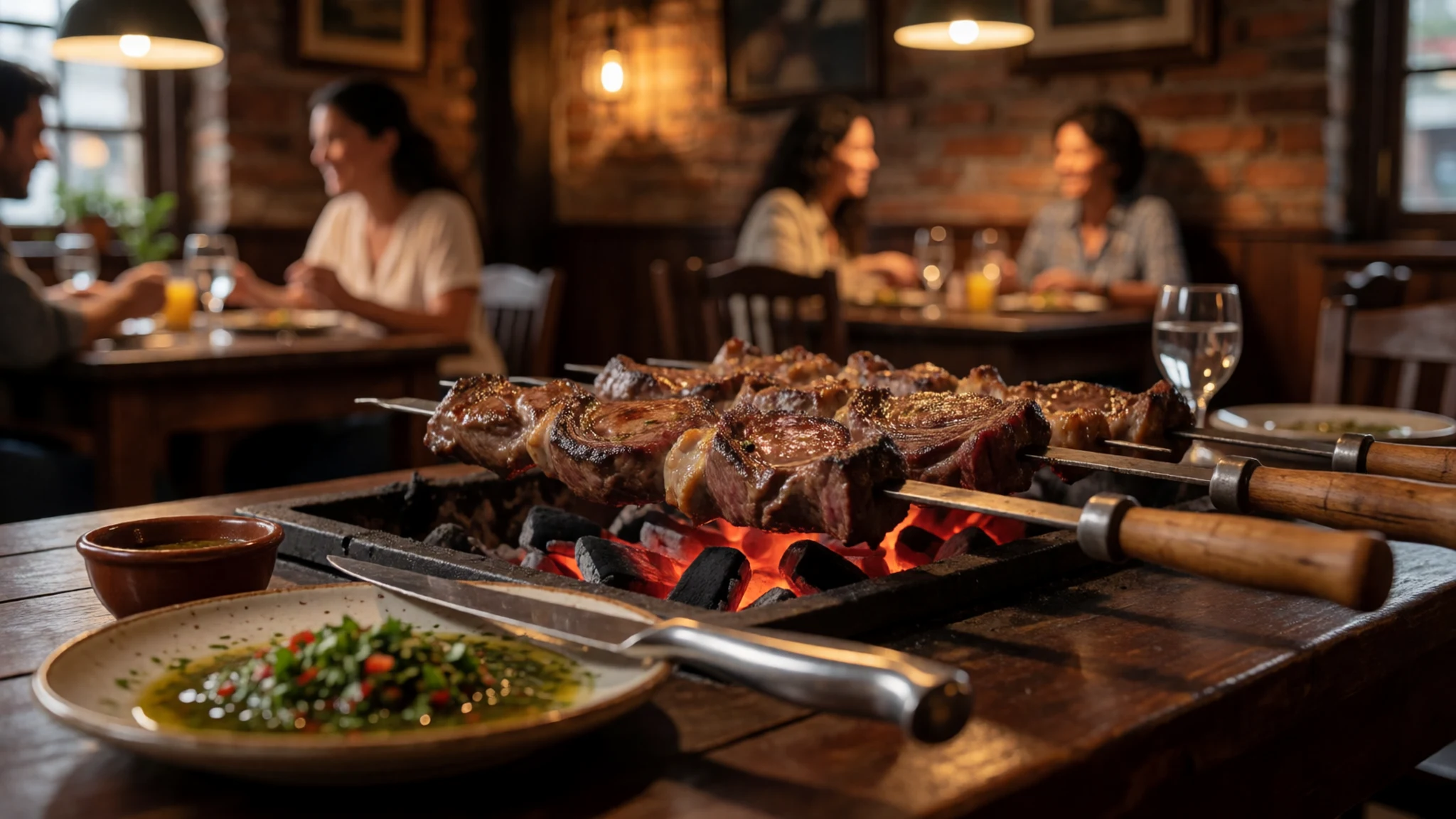
- Xis — Late-night snack bars and casual diners around the city centre
An iconic local sandwich pressed flat on a hot griddle, filled with seasoned beef or chicken, melted cheese, sweetcorn, peas, mayonnaise, and fried eggs inside a large toasted bun. It is Porto Alegre's ultimate street food comfort.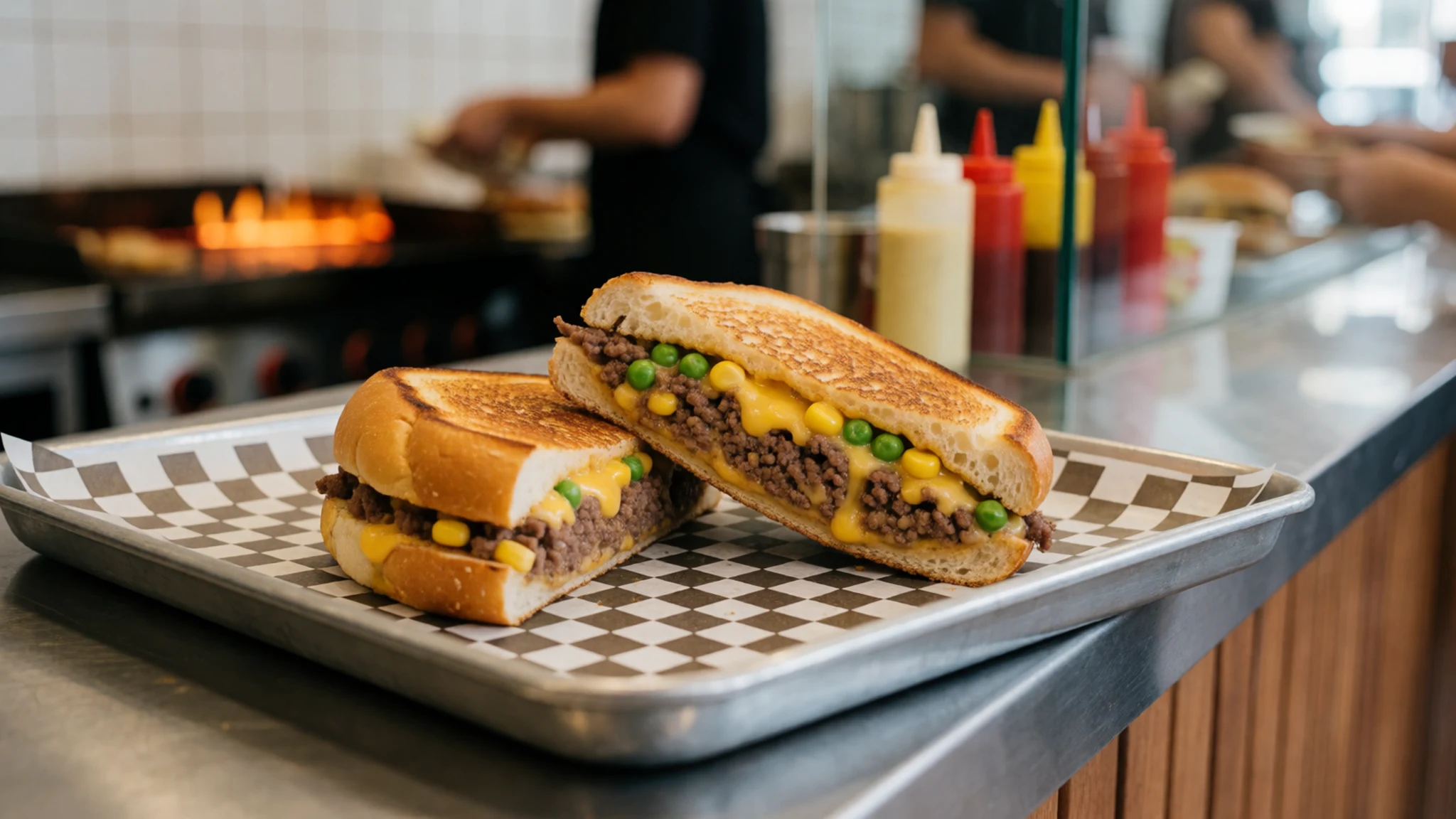
- Prato Feito Buffet — Traditional lunch spots and university eateries around Parque Farroupilha
A hearty daily lunch plate featuring rice, black beans, fried cassava flour, steak or grilled chicken, and fresh salad. Many central eateries offer this as an inexpensive self-service lunchtime buffet with fresh home-style cooking. - Filé com Fritas — Neighbourhood taverns and corner bars throughout Cidade Baixa
Tender grilled beef fillet served alongside crisp golden chips and a side salad. This simple, satisfying classic is served in informal neighbourhood pubs as a shared meal during late-evening gatherings.
Plan it
Best time. Autumn and spring are warm and changeable, with spring bringing the heaviest storms, hail and rain, often in September, the wettest month. June–August brings chilly, damp winter days, while January–February is the hottest and most humid time of year.
How long. 2–3
Getting there. Fly into Salgado Filho International Airport, located near the city centre. An automated people-mover connects the airport terminal directly to the local train network, which runs straight into the central bus and train station.
Budget. mid
Tips
- Take the automated airport train link into downtown to avoid heavy highway traffic
- Head to the Usina do Gasômetro waterfront promenade in late afternoon for sunset views over Lake Guaíba
- Carry a light jacket or sweater even in shoulder seasons as lake breezes can feel cool
Etiquette
- When participating in a chimarrão circle, return the gourd directly to the host who prepared it
- Maintain a polite, soft-spoken tone in public transport and museum spaces
Nearby
Sources
- Wikidata Q40269 (CC0)
- Wikipedia (rev 1381243709) (CC BY-SA 4.0)
- Wikivoyage (rev 5427629) (CC BY-SA 4.0)
- Aerial view of the point of Porto Alegre extending into Guaíba Lake (CC BY 3.0)
- Vista da Usina do Gasômetro do Guaíba (CC BY 3.0)
- Prédio histórico brasileiro e um centro cultural da cidade de Porto Alegre (CC BY-SA 4.0)
- Igreja Nossa Senhora das Dores em Porto Alegre (CC BY-SA 4.0)


