Portland, Maine
Portland, Maine, United States
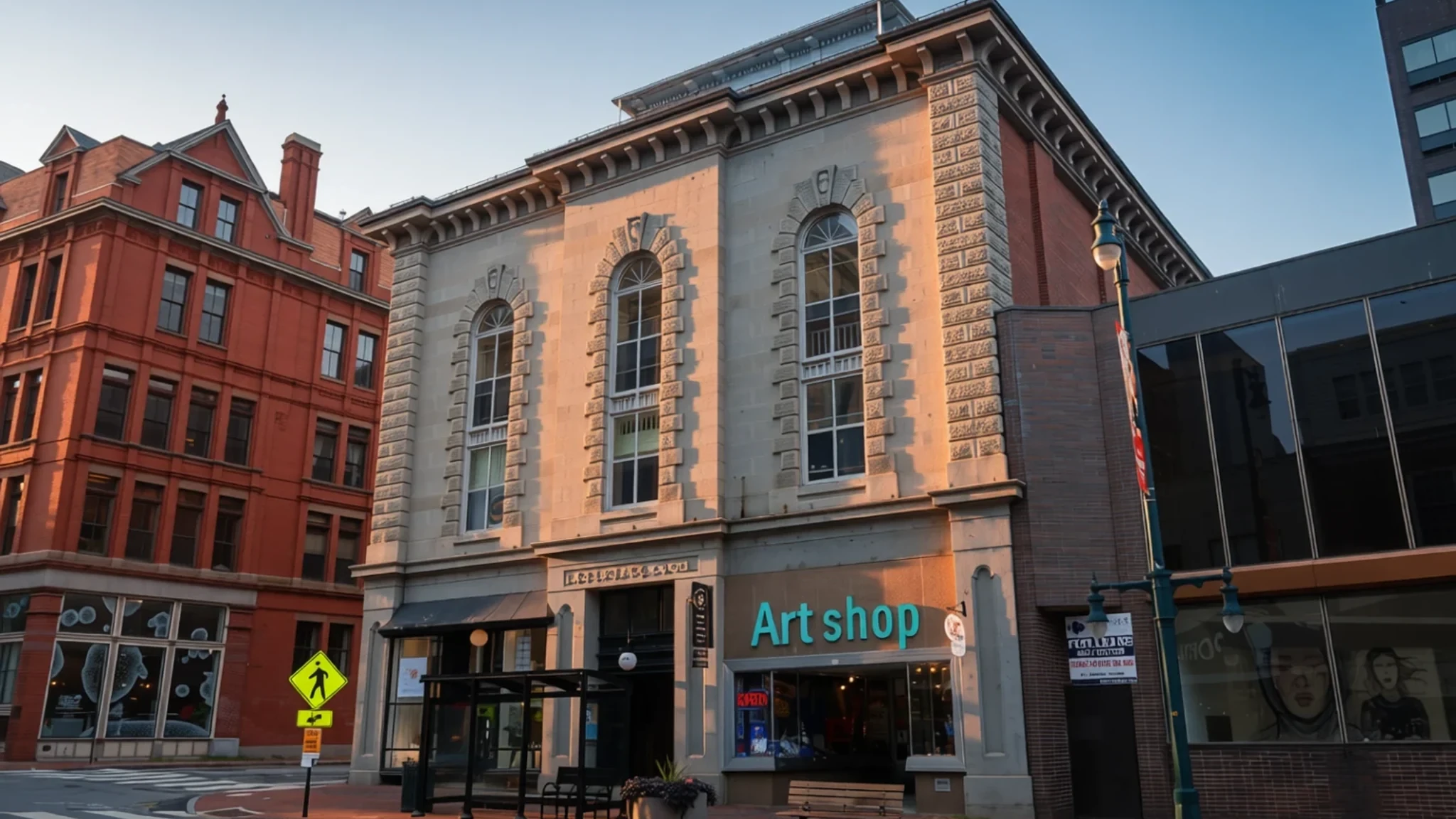
A walkable harbour city of brick warehouses, working boats and good food, best enjoyed in late summer and early autumn.
The place
Portland sits on a peninsula in Casco Bay on the southern coast of Maine, and it is the largest city in the state, with about 68,000 residents. The wider Greater Portland area holds roughly 550,000 people, which makes it the biggest metropolitan area in Maine. It is also the county seat of Cumberland County, so courts, county offices and lawyers cluster downtown.
For most of its history the city lived off the water. Shipping, fishing and the marine trades built the waterfront, and light industry followed. Today the economy leans heavily on services such as healthcare, education and tourism, but the harbour is still busy, and ferries and freight vessels pass the old brick warehouses every day.
Walking is the best way to see it. The compact downtown climbs gently from the harbour, and within a few streets you can move from stone-fronted banks to brick lofts to a row of seafood counters. The Old Port, a grid of cobbled lanes and restored warehouses, is busiest on summer evenings, when restaurants spill onto the pavement and boat tours queue at the piers. Further up the hill, Congress Street and the streets around the arts district feel quieter and more local.
The city is small enough that a long day covers most of it, but it rewards slow wandering: coffee on a bench by the water, a lunch eaten outdoors, a gallery in a converted house. Expect cool, damp weather for much of the year, and busy hotels in July and August.
Its story
Long before any European ship anchored here, the peninsula was known to the Abenaki peoples who lived along this coast. Their names for it describe the land itself: one translates roughly as 'great neck', a reference to the long finger of rock and marsh that reaches into the bay. Fishing, shellfish gathering and seasonal travel by water shaped life on the peninsula for generations before newcomers arrived.
The earliest recorded European claim came from an English naval officer who set out in the early seventeenth century to start a settlement on the bay. He put up a stone dwelling, left a small garrison of men there, and sailed home to write up his voyage in the hope of drawing backers. The colony did not last, and what became of the men who stayed remains unclear. A fort in the harbour carries his name today.
Settlement resumed within a decade or so as a fishing and trading village. Control of the bay passed between authorities in Massachusetts and elsewhere, and the village's name changed with them, at one point becoming Falmouth. Conflict was a constant backdrop, and during King Philip's War Abenaki forces destroyed the village. It was rebuilt afterwards.
Fire was the next great threat. Four serious fires swept through the town, and each time the city rebuilt, often in brick and stone. That is why so many downtown buildings look as solid as they do, and the phoenix on the city seal refers to this cycle of loss and recovery.
In the nineteenth century the port grew into one of New England's busiest, and merchants built the grand houses and warehouses that still stand. The Portland Observatory, built to watch for ships entering the harbour, is one reminder of that era.
What to see
- Portland Observatory — high ground above the eastern harbour
Built in 1807 on high ground above the harbour, the Observatory was used to signal ships coming into port. It is a National Historic Landmark, and its listing describes it as the only surviving historic maritime signal station in the United States. Climb to the top for views over the harbour and out across Casco Bay. Check the official site for current opening times.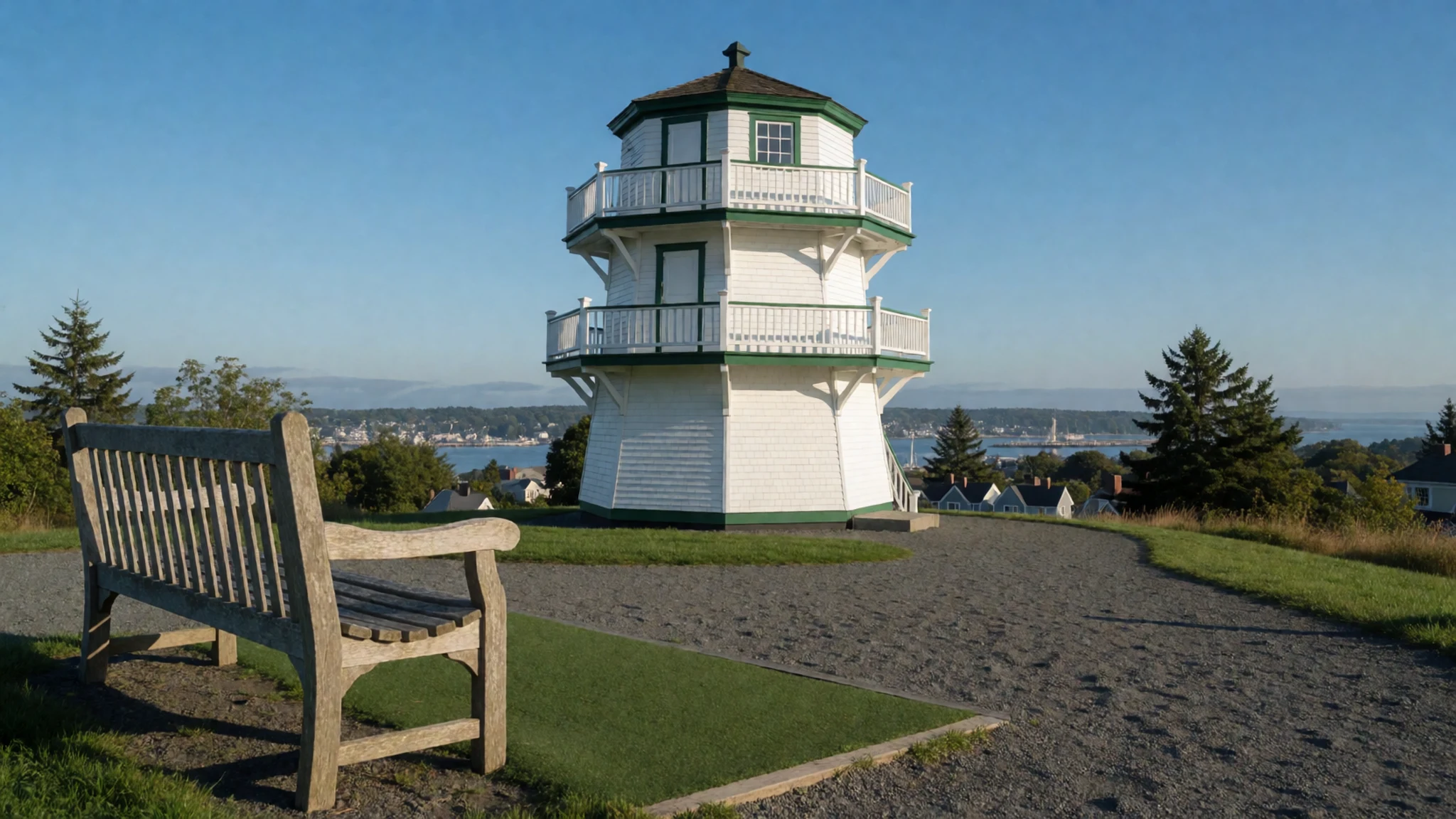
- Portland Museum of Art — Congress Street, downtown
The largest and oldest public art institution in Maine, housed in several linked buildings: the historic McLellan House, the L.D.M. Sweat Galleries and a modern wing designed by I.M. Pei. It holds a strong collection of works by Winslow Homer, the painter closely tied to the Maine coast, alongside sculpture and paintings from many periods. Allow a couple of hours.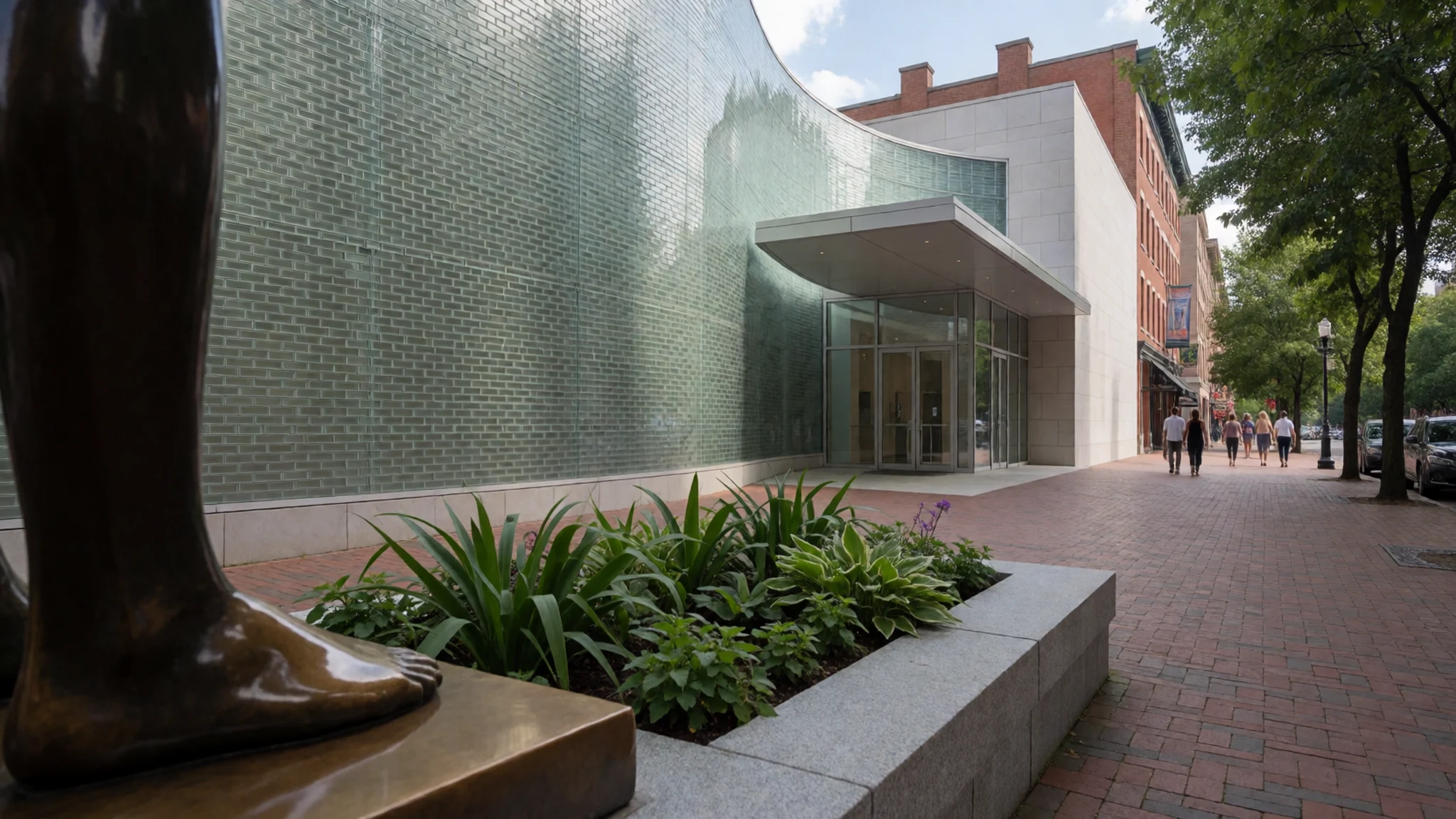
- Victoria Mansion — the West End
Also known as the Morse-Libby House, this Italianate mansion is described by Wikivoyage as the finest example of pre-Civil War residential design in America. Its painted interiors and decorative detail show how wealthy merchant families lived before the war. Guided tours are the best way in, so check the official site for times and booking.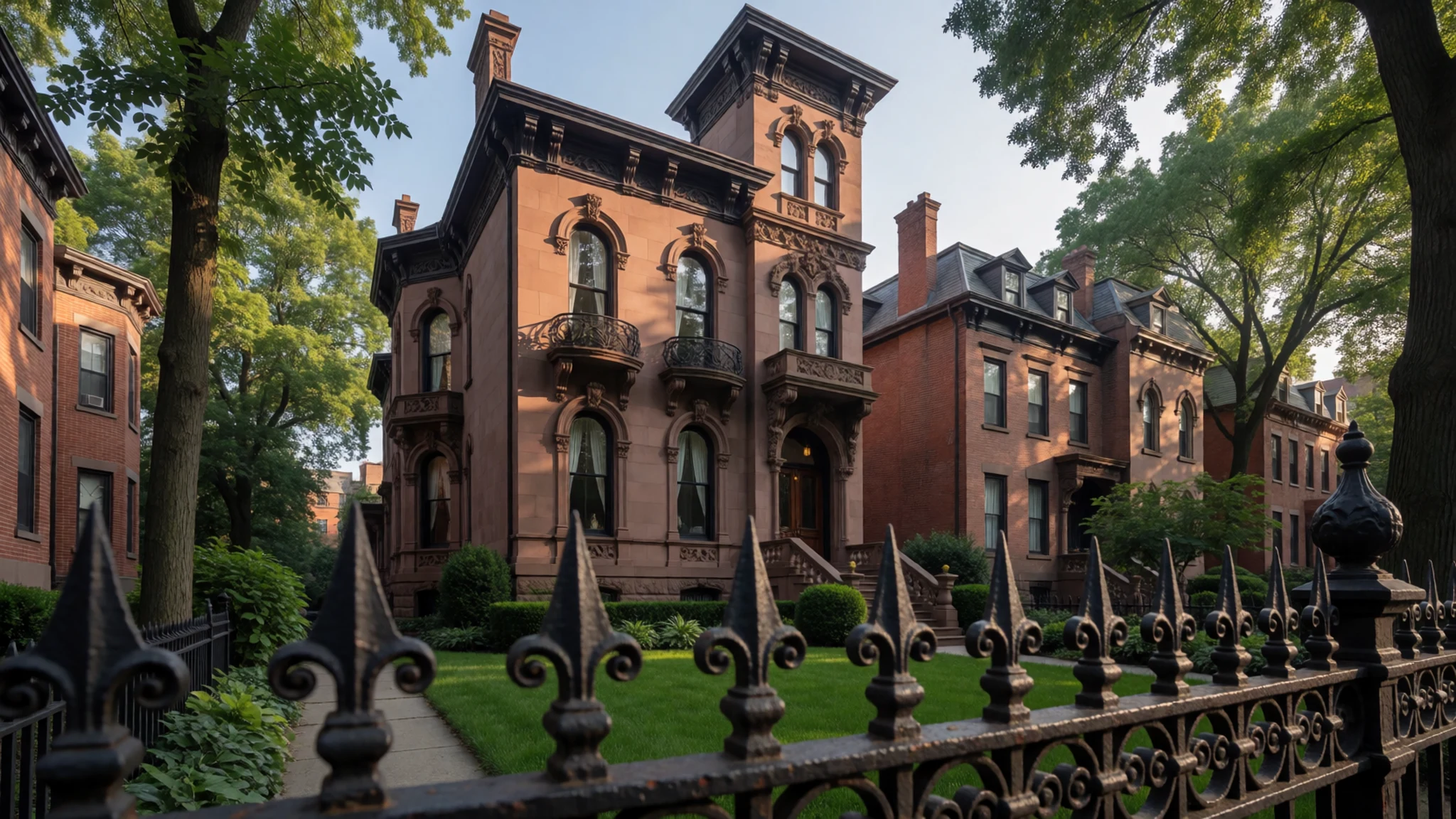
- Old Port — along Commercial Street by the waterfront
Cobblestone lanes and preserved brick warehouses run down towards Commercial Street and the water. Many of the buildings now hold shops, galleries, restaurants and bars, while working boats and ferries still use the piers. Walk it slowly in the morning or late in the evening, because summer afternoons are crowded.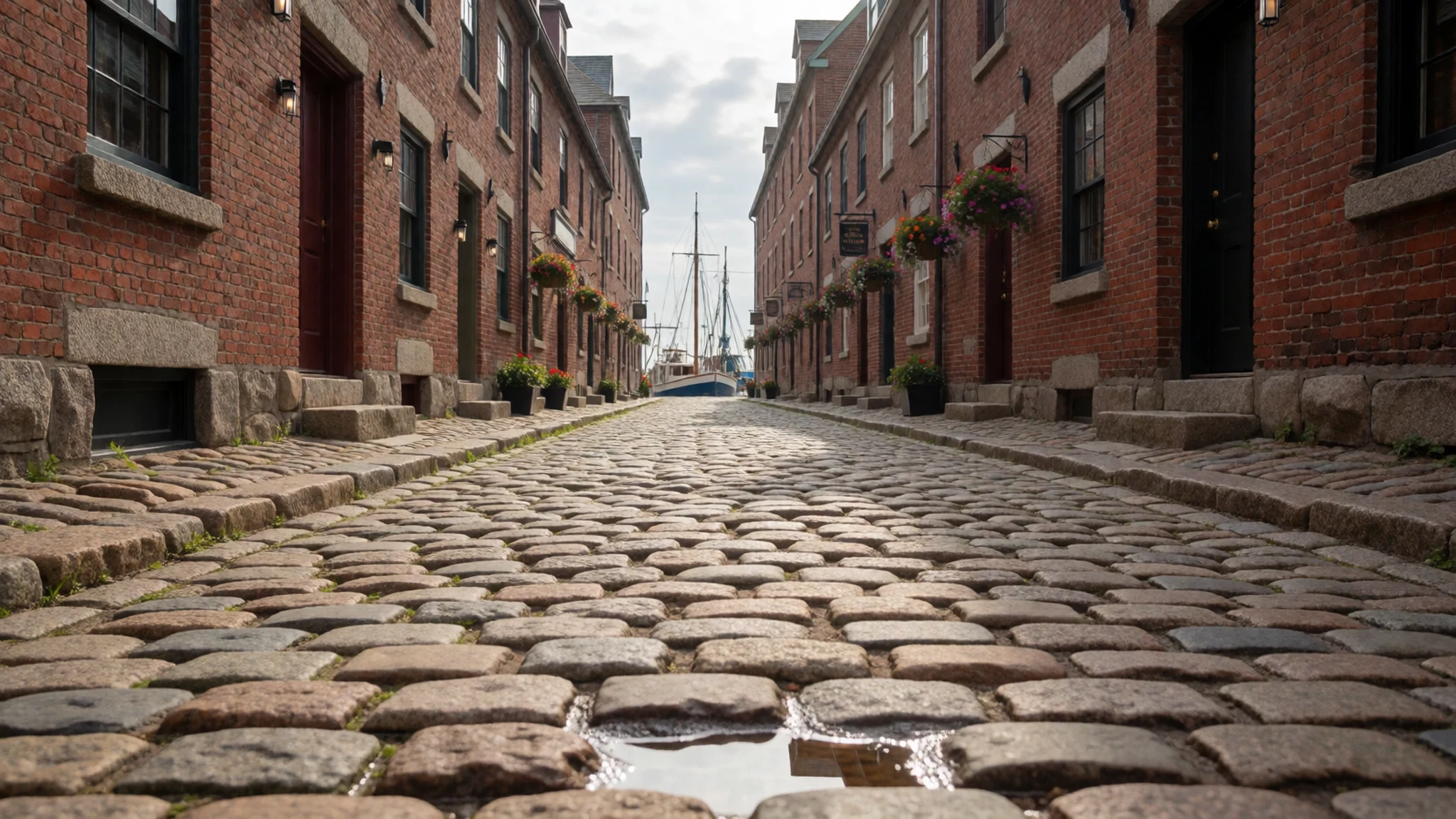
- Stroudwater Village — west of the peninsula
Just west of the peninsula, Stroudwater is among the state's oldest settlements, a quiet place of older houses and a small historic core. It offers a calm contrast to the busy downtown and makes a short trip out of the city. Go on a weekday if you want quiet streets and an unhurried look around.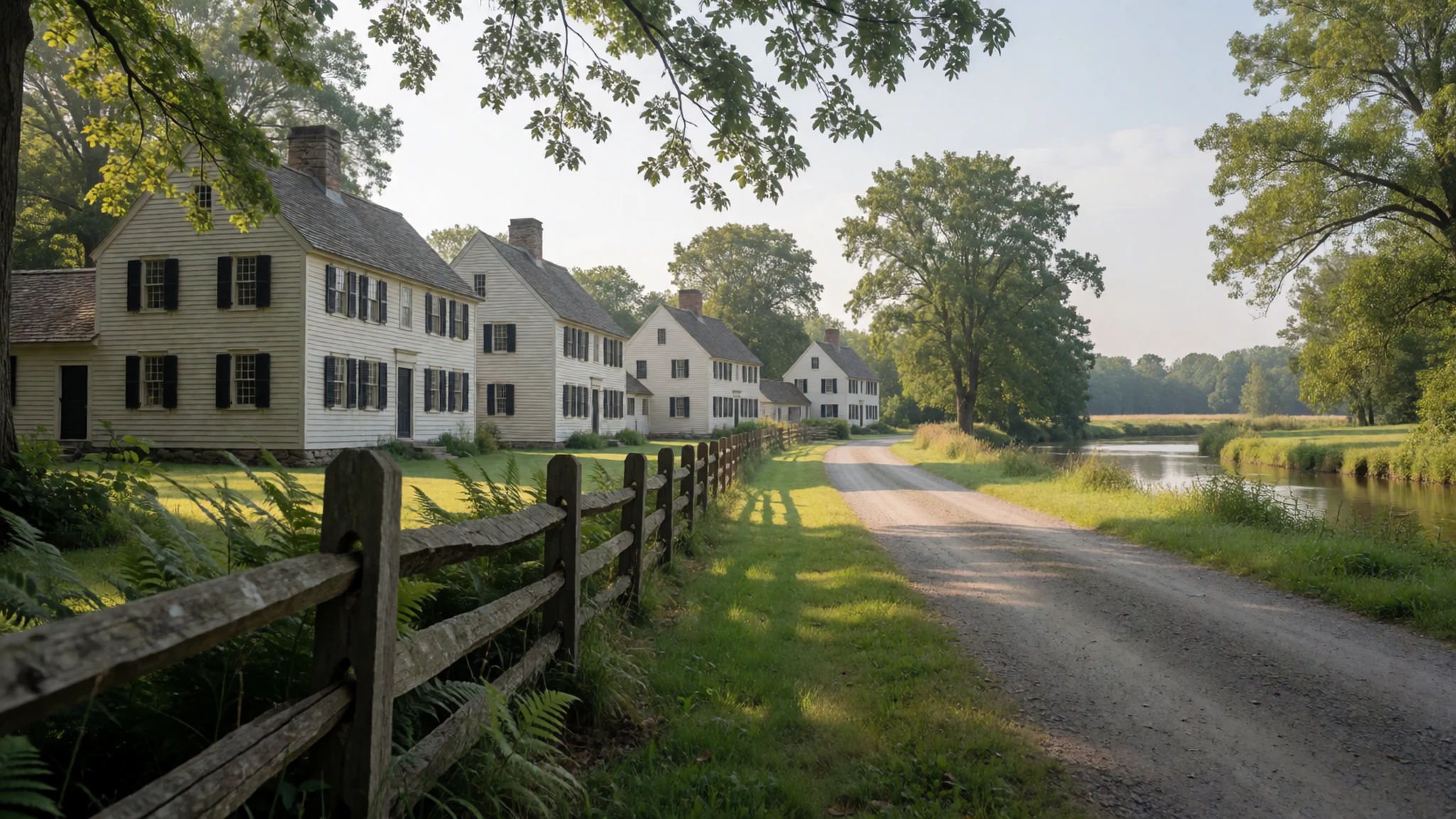
Culture
Portland has long taken its cultural life seriously. In the early nineteenth century it saw itself as a rival to Boston and New York rather than a satellite of either, and it produced writers who shaped American letters. Henry Wadsworth Longfellow began his career here, and his name is attached to the square and statue downtown. John Neal, a writer and campaigner, founded one of Maine's first literary periodicals and pushed for a distinctly American voice, and a circle of poets, painters and editors gathered around him.
Daily life is relaxed and neighbourly. Many people work in healthcare, higher education or small businesses, and the working waterfront still runs alongside the restaurants and galleries. Maine courtesy is real but understated: a friendly greeting goes a long way, and drivers are generally patient with pedestrians at crossings. The Old Port is lively on weekend nights, and locals tend to lower their voices once they are past the busiest blocks.
Tipping in restaurants follows the American custom of leaving a generous share of the bill, and it is expected. Respect for the coast matters as much as respect for people, since much of the shoreline is working habitat with lobster boats, nesting birds and fragile dunes. Please stay off working piers and the gear stacked along the quay unless someone invites you onto them.
What to wear
Portland has no single traditional dress, and its older clothing grew out of the working lives of fishing and shipping people. Heavy wool sweaters, knitted caps, canvas trousers, oilskin jackets and rubber boots were practical gear on the wharves, and similar textiles still appear in local shops. Wool and flannel shirts, a long-standing product of Maine's mills and knitters, are sold as everyday wear rather than costume. Wabanaki communities in Maine have long traditions of basketry, beadwork and quillwork, which you will see in museum collections, though they are not everyday dress in the city today.
What people wear now is casual and layered. Fleece, waterproof shells, jeans and sensible walking shoes are the norm, and many locals wear a wool jumper in winter. In summer the Old Port fills with shorts and sandals, though evenings can turn cool quickly once the breeze comes off the water.
For a visit, pack for changeable weather: layers you can add and remove, a waterproof jacket, and shoes with good grip for cobbles and wet piers. Smart-casual is enough for almost every restaurant. Churches and formal events need only tidy clothes, with shoulders covered. From autumn to spring bring a warm hat and gloves, because the wind off the bay is sharp.
What to eat
- Breakfast at Becky's Diner — the working waterfront, near the fishing piers
A long-standing diner on the working waterfront, good for an early breakfast of eggs, potatoes and strong coffee. The room fills with dock workers and regulars, so arrive early and expect to share a table. It is plain, fast and honest, which suits the harbour.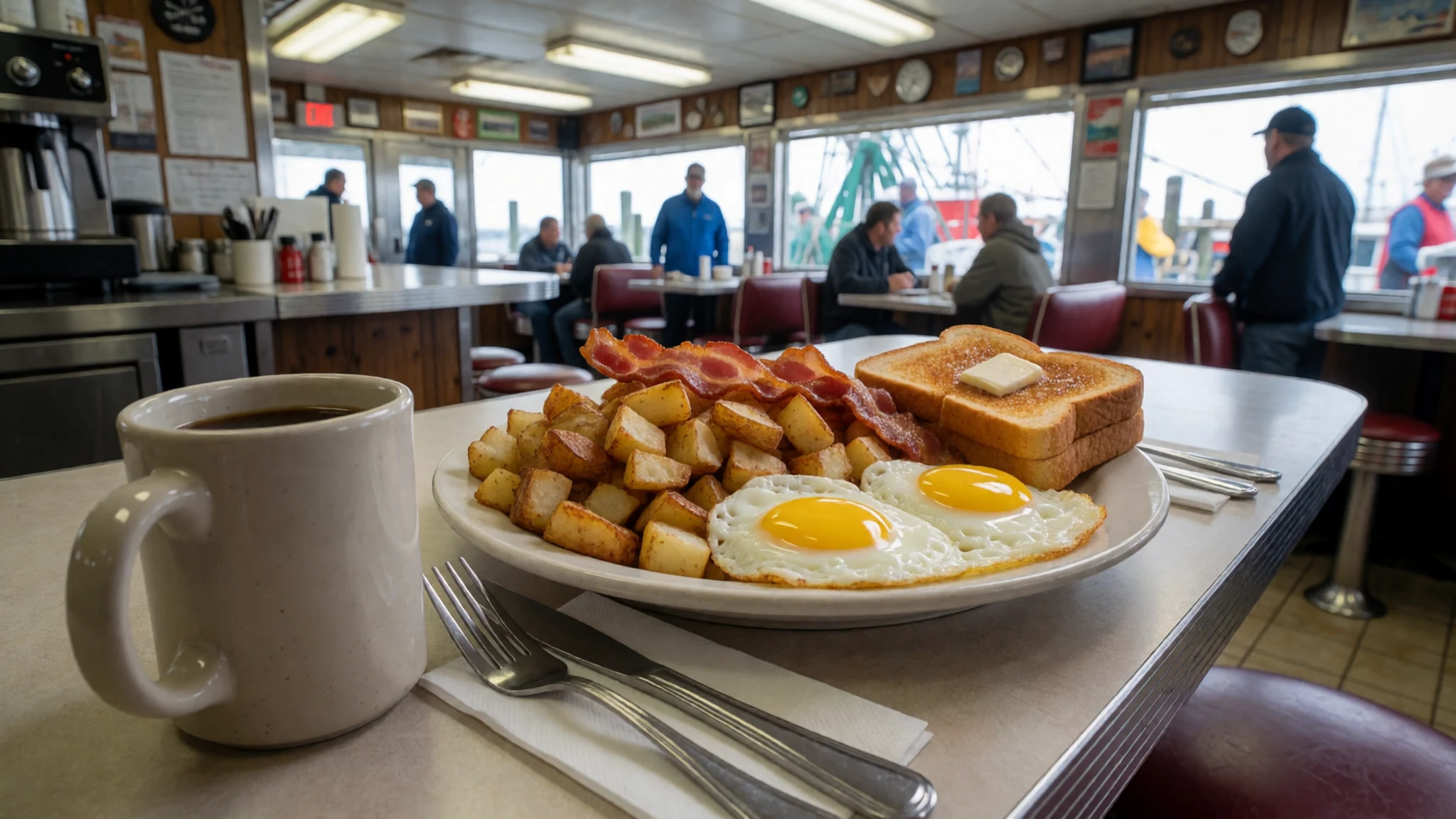
- Wood-fired pizza by the water — the Portland Harbor waterfront
A casual pizzeria right on the water, with some of the best views over the harbour and Casco Bay. Pizzas come out of a wood-fired clay oven, and the staff are friendly and playful. Go at a quieter time for a window seat. Expect a queue on sunny afternoons.
- Dinner at Fore Street — the Old Port
A well-known restaurant in the Old Port, popular for seasonal cooking. Tables are reserved weeks or sometimes months in advance, but many visitors get in by arriving near opening time and asking for a place on the walk-in list. Plan around the walk-in list if dinner there matters to you. - Gelato and hot chocolate — a small gelato shop downtown, near the Old Port
Authentic gelato made in the Italian style, with a good espresso and a rich Italian hot chocolate for cooler days. The owners are a friendly couple from Milan, and the shop is a pleasant stop between galleries and the waterfront. Take a cone to a bench by the harbour.
Plan it
Best time. Late June to September is the warm season, with July and August the hottest and busiest months. September and October bring mild days, autumn colour and fewer crowds, so they are the best balance of weather and value. Winters are cold and can be snowy, so check conditions before you travel.
How long. 2–3
Getting there. Portland International Jetport is the nearest airport, a short taxi or rental-car ride from downtown. The Downeaster train runs from Boston in about 2.5 hours and is the easiest rail link. By car, the Maine Turnpike brings you in; the exit closest to downtown carries a toll, and local drivers often use the toll-free exit a little further north.
Budget. mid
Tips
- Book hotels and restaurants well ahead for July and August, when the Old Port is at its busiest.
- Walk the Old Port early in the morning before the boat-tour crowds arrive.
- Carry some cash for small cafés and market stalls, though cards are widely accepted.
- Dress in layers, because a warm afternoon can turn cold on the waterfront by evening.
- Check the city website at www.portlandmaine.gov for current events and public information.
Etiquette
- Keep to marked trails and boardwalks on the dunes and shoreline, especially where birds nest.
- Ask before photographing people working on the wharves or aboard boats.
- Keep voices down on residential streets after dark.
Nearby
Sources
- Wikidata Q49201 (CC0)
- Wikipedia: Portland, Maine (rev 1381362479) (CC BY-SA 4.0)
- Wikivoyage: Portland (Maine) (rev 5397733) (CC BY-SA 4.0)
- Photo: Portland, Maine Montage (Karmos) (CC BY 3.0)
- Photo: Portland twilight (bd2media) (CC BY-SA 4.0)
- Photo: Old Port (PhilipC) (CC BY 2.5)
- Photo: Portland Observatory (Padmanah) (CC BY-SA 4.0)
- Photo: Soldiers' and Sailors' Monument (Seasider53) (CC BY 4.0)
- Photo: Fort Gorges (Quintin Soloviev) (CC BY 4.0)
- Photo: City logo of Portland (CC BY-SA 4.0)
- Photo: Longfellow Square (Hugh C. Leighton) (Public domain)


