Polonnaruwa
Polonnaruwa, Sri Lanka
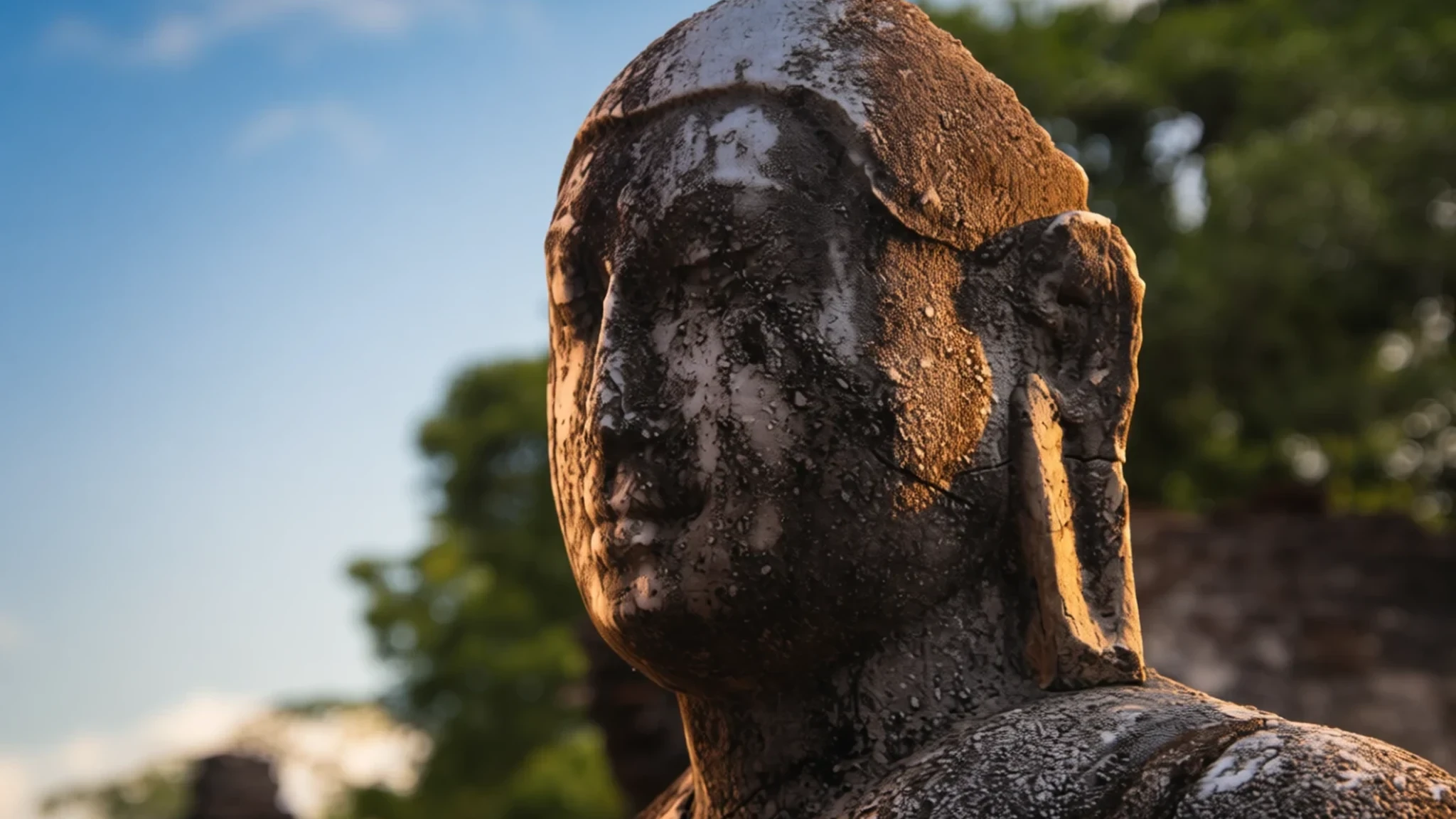
Polonnaruwa is a compact, well-kept ancient capital where royal palaces, shrines and a great irrigation tank sit within easy cycling distance.
The place
Polonnaruwa is a town in North Central Province, Sri Lanka, and the centre of the district that bears its name. The modern town, often called New Town, is where most visitors sleep and eat. The famous ruins lie a short distance to the north, spread across a wide green plain of stone platforms, shrines and monasteries. The area sits in the low-country dry zone, where the climate stays warm through the year and rain arrives mainly with the monsoon winds.
The town has carried several names. Ancient sources call it Pulathisipura and Vijayarajapura, and under the Chola dynasty it became Jananathamangalam. That history matters for the visit because the site is not one building but layers of kingdoms, each leaving its own temples, palaces and inscriptions behind.
Water shapes the whole landscape. Fields around the ruins depend on tanks and channels that were engineered centuries ago, and farming villages still work the same dry land. The reservoirs are as much part of the experience as the stonework, and their edges are good places to watch birds at the end of the day. The heat is the practical challenge. Open stone radiates warmth by midday, so the sensible rhythm is early start, a long rest, and a slower late afternoon.
Its story
Polonnaruwa began as a military post set up by the Sinhalese kingdom, and it grew into the second-oldest royal capital on the island. Its turning point came in the tenth century, when Chola forces from southern India invaded Sri Lanka and took over Anuradhapura, the earlier capital. The Cholas renamed the city Jananathamangalam and governed the northern and central regions as a province.
Chola patronage left its mark in stone and bronze. Raja Raja Chola I built a Shiva temple here and named it after his queen; today the building is called Siva Devale. It housed bronze statues of Ganesha and Parvati, a reminder of how far the empire's artistic traditions travelled.
Chola rule on the island ended after 1070, when Vijayabahu I, later known as Vijayabahu the Great, took the city. His campaign was carefully planned. He sent three armies from different directions, one along the western coast to head off reinforcements from South India, one from the east across the Magama area, and a main force led by the king himself. The city was besieged for seven months before his troops entered. In 1070 Vijayabahu I became ruler of Polonnaruwa, and the city grew again as a royal centre, with later kings adding palaces, monasteries and the great tank that still supplies the fields.
What to see
- The Royal Palace — Royal precinct, old city
The ruins of the grand palace of King Parakramabahu stand in the old royal precinct. Walk the open courtyards slowly to read the layout: the stone foundations show where halls, halls of audience and service rooms once stood. Local guides are useful here, because the site is large and the labels are sparse. Go in the morning for shade and softer light on the stonework.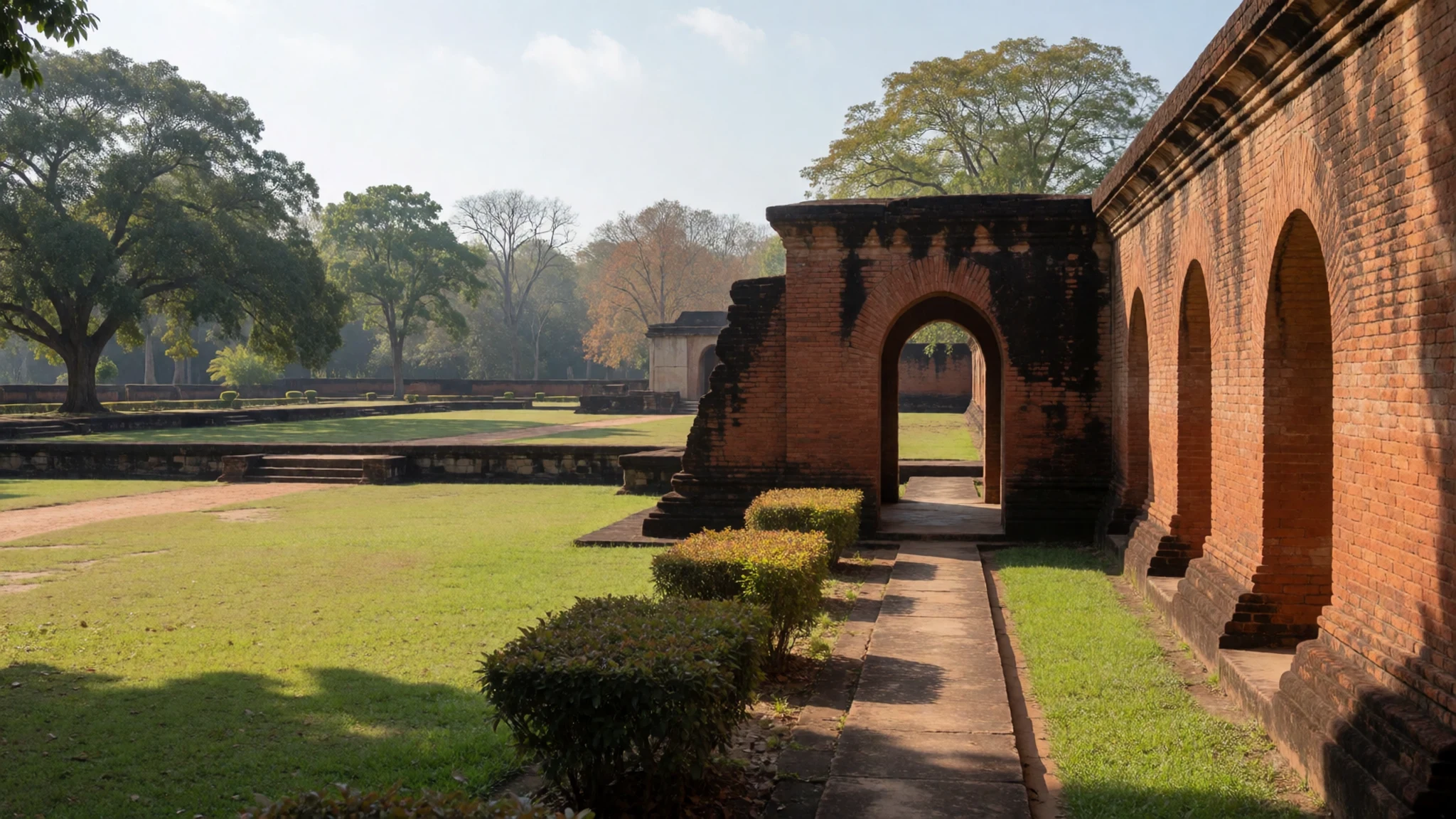
- Vatadage — Northern group, old city
The Vatadage is a circular relic house, a compact shrine built around a central stupa. Stone steps lead up to the centre, where carved seated Buddha figures face out from the ring of pillars. The building is small enough to take in at once, and its carving repays a close look at the pillars and balustrades. It is one of the most photographed spots in the ancient city.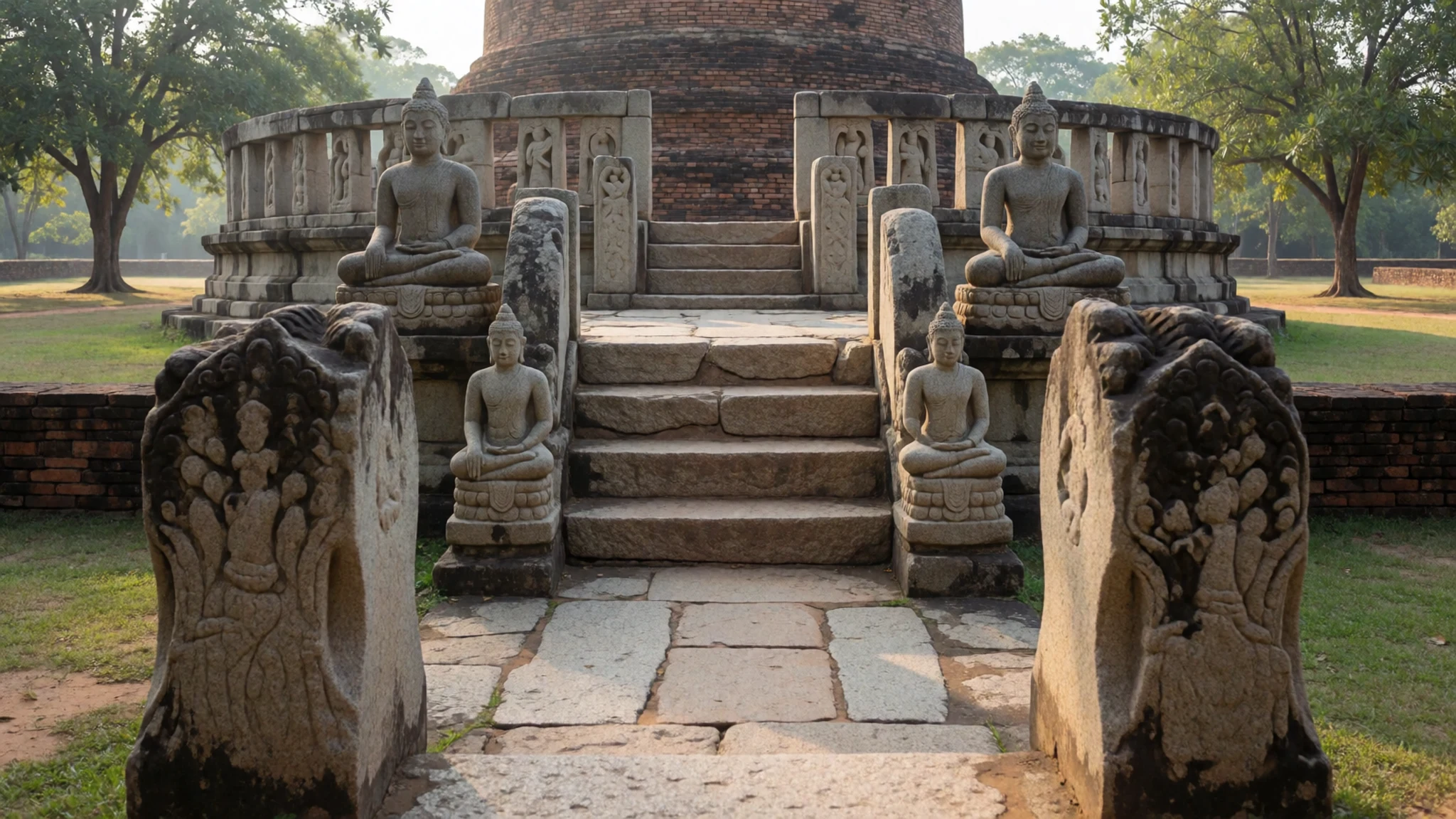
- Gal Pota — Northern group, old city
Gal Pota is a stone monument standing in the same northern cluster as the Vatadage, a short walk away. It is one of the carved stone pieces that give the old city its character, worth seeing as part of a loop rather than as a separate trip. Take water, since the paths between monuments are unshaded and the stone holds the heat well into the afternoon.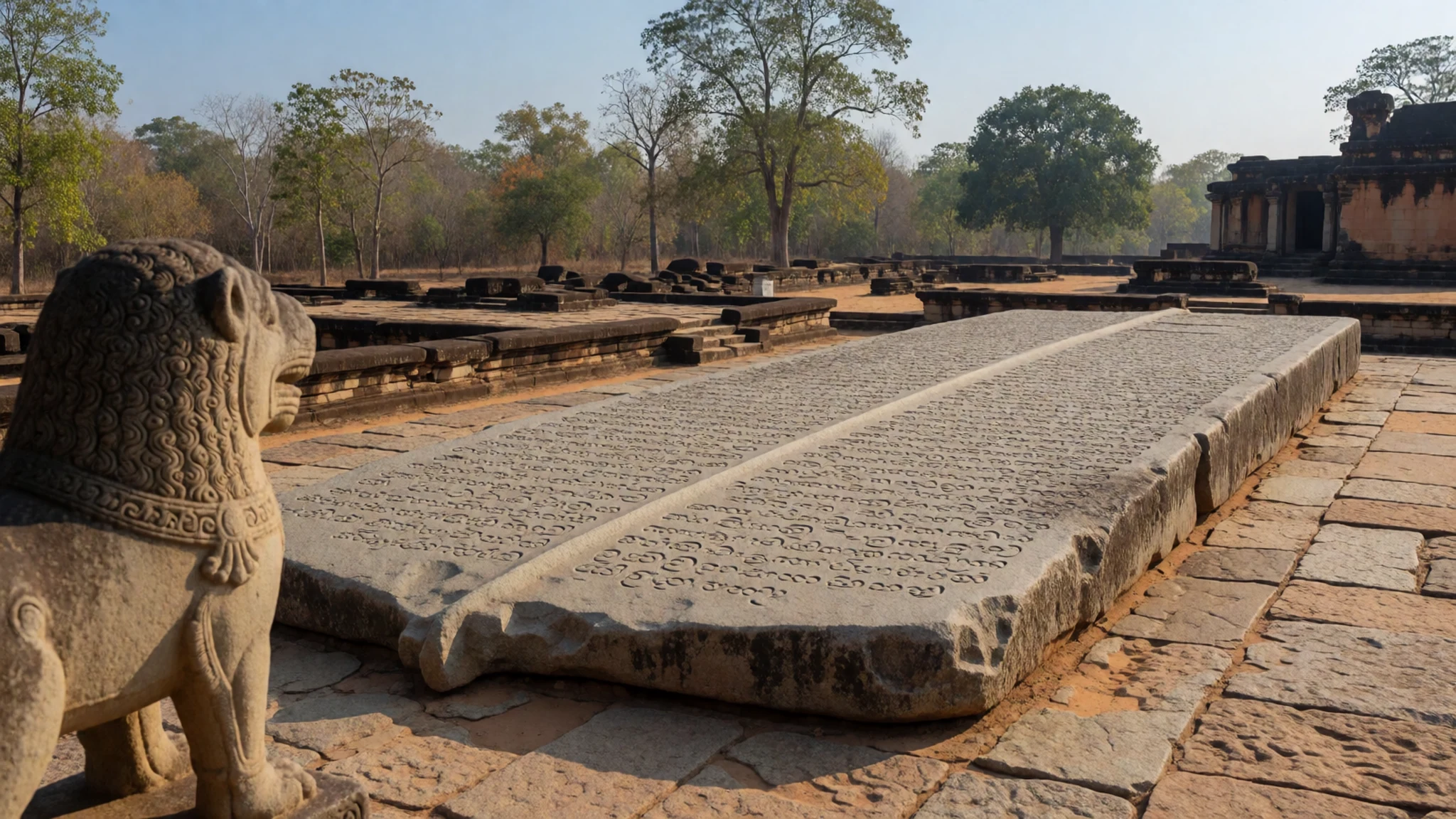
- Potgul Vehera — Southern group, old city
Potgul Vehera is the ruin of a monastery whose original name is not known. An inscription found at the site records later repair work carried out by a consort of King Parakramabahu. The monastery is quieter than the royal core and gives a clearer sense of how monks lived and worshipped. Allow a slow half hour and wear shoes with good grip, as the ground is uneven.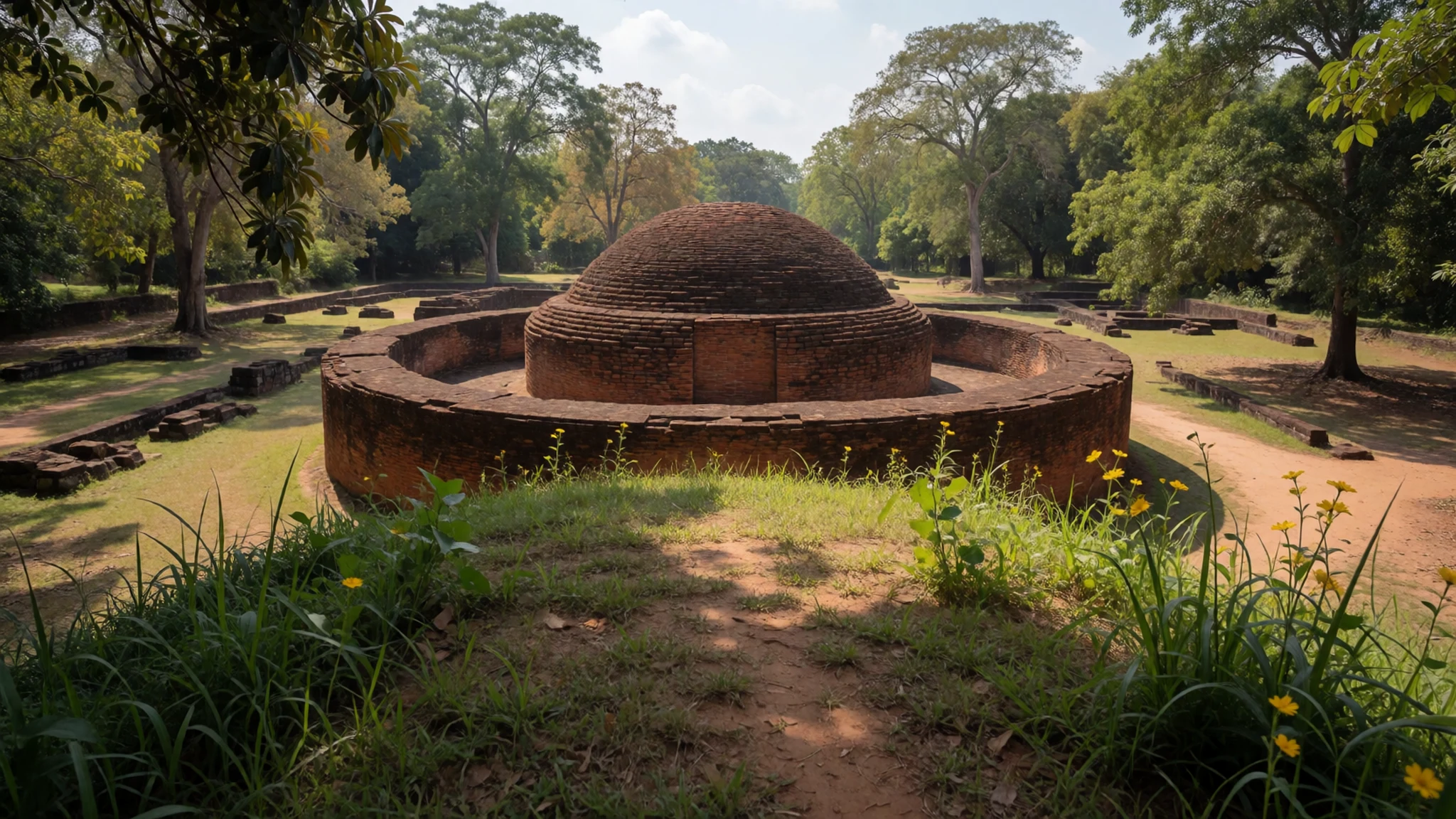
- King Parakramabahu I statue — Southern group, old city
A massive rock-cut statue of a Buddhist king stands near the ruins, carved from the living stone of the area. It is one of the most striking figures on the site, and its scale is best appreciated from a few metres back. Visit early, when the light falls across the face, and expect to share the view with guides and small groups.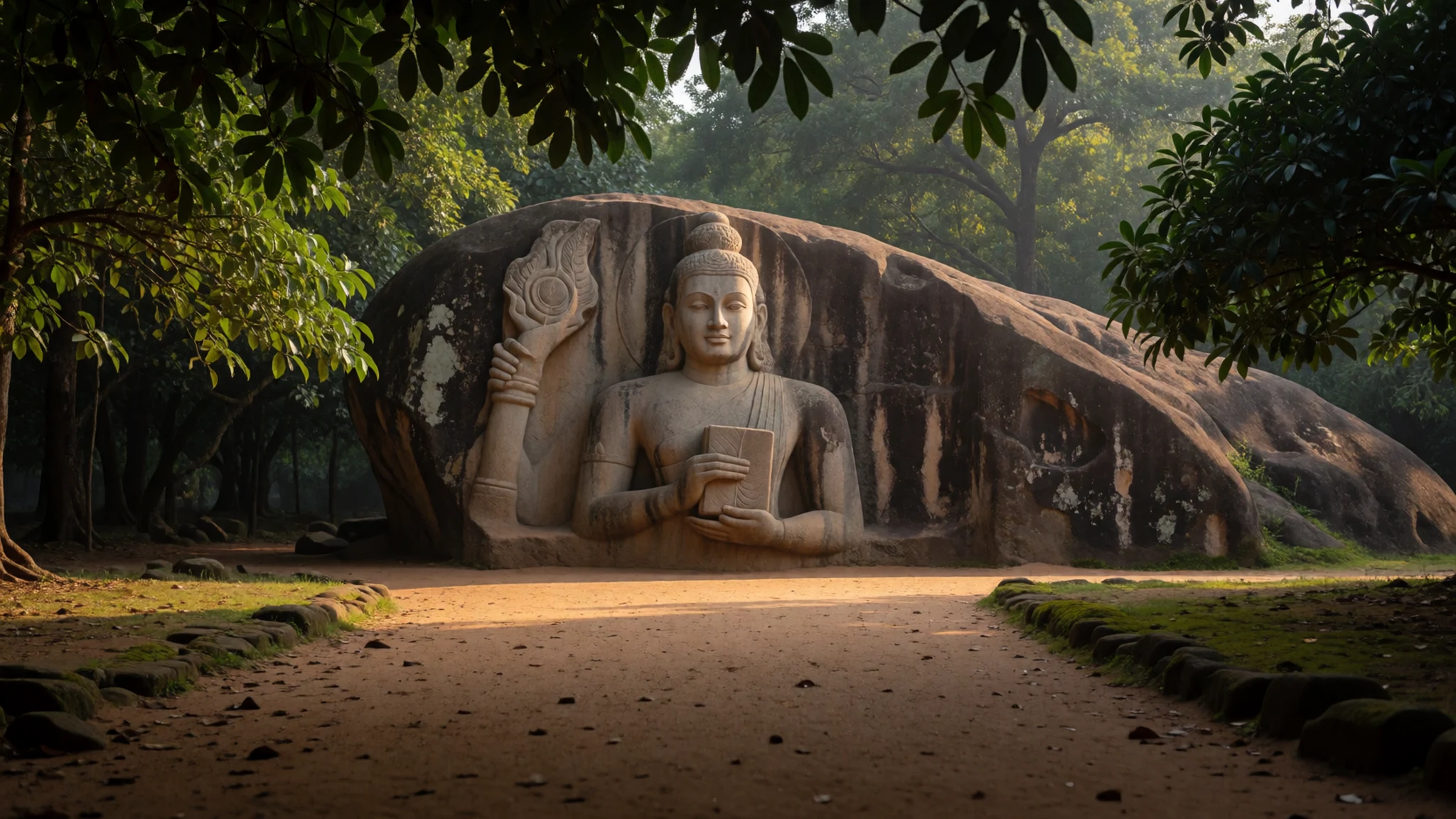
Culture
Polonnaruwa's ruins are active religious sites as well as archaeological ones, and many of the shrines still receive offerings. Buddhism shapes daily life across Sri Lanka, and the ancient monuments are treated with respect by pilgrims and locals alike. Visitors are expected to dress modestly, with shoulders and knees covered, and to keep voices low near the shrines.
The Vatadage and other relic houses have raised platforms where people sit or kneel to pray. Walking around stupas is traditionally done clockwise, and people often stop to make small offerings of flowers or lamps. Guides can explain the etiquette of each shrine, which helps when a monk or a family is praying nearby.
Photography is generally welcome outdoors, but ask before photographing monks, worshippers or families, and never pose with a Buddha image. Remove your shoes before stepping onto any sacred platform, and do not climb on stupas or carved figures.
What to wear
Polonnaruwa's traditional dress is the same as across the Sinhalese lowlands. Men wear the sarong, known as the sarama, a long cloth wrapped at the waist and often worn with a plain shirt in daily life. Women have traditionally worn the osariya, a draped cloth in the Kandyan style, with a blouse. Most of these garments are woven from cotton, and checks, stripes and simple borders in soft colours are common. Handloom weaving remains a living craft in many villages of the dry zone.
Day to day, people in the town mostly wear Western clothes: jeans or trousers, shirts, T-shirts and dresses. Sarongs are still common for men at home, at temples and on festival days, and many women wear the cloth for religious occasions, weddings and work in the fields.
For a visit, choose loose, light cotton or linen that covers shoulders and knees, especially for shrines and relic houses. Bring a wide-brimmed hat and sunglasses, since the open ruins give little shade. Shoes should be easy to remove, because you will take them off at the sacred platforms, but they also need grip for uneven stone. Pack a light scarf to cover your shoulders when you enter a temple.
What to eat
- Rice and curry — Local eateries in the New Town, near the Clock Tower
Rice and curry is the everyday meal of the island: a heap of rice served with several small curries, usually dhal, vegetables, and sometimes fish or chicken. Each curry tastes of coconut, curry leaves and chilli in different measures. Eat it with your right hand at a local eatery, where the curries are kept warm in pots on the counter.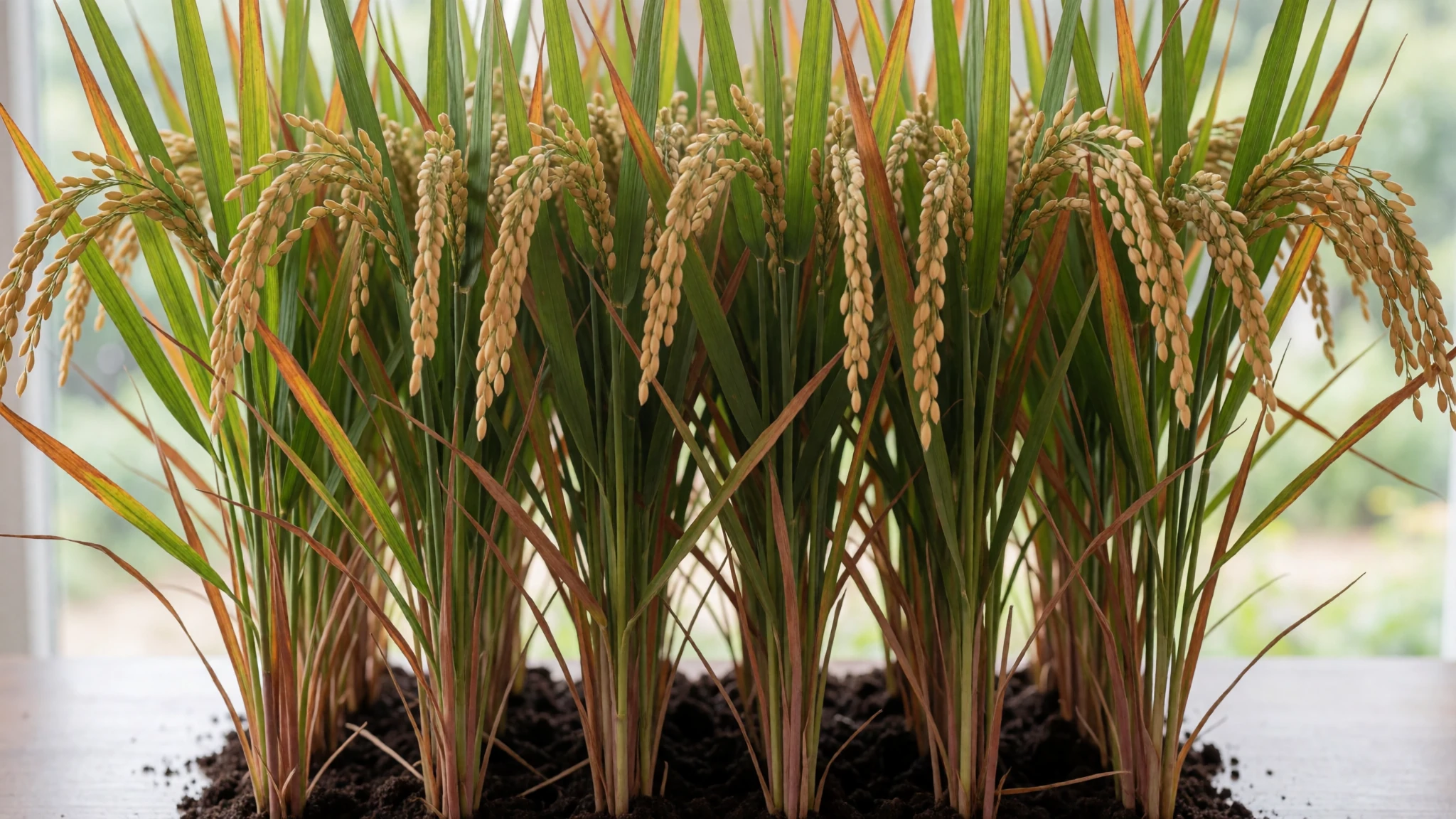
- Egg hoppers and string hoppers — Early-morning breakfast at a clean local eatery in the New Town, where you can see the kitchen from the street
Hoppers are bowl-shaped rice pancakes, often cooked with an egg in the centre, and string hoppers are nests of steamed rice noodles. Both come with coconut sambol and a dhal or curry on the side. They are a breakfast staple and best eaten hot.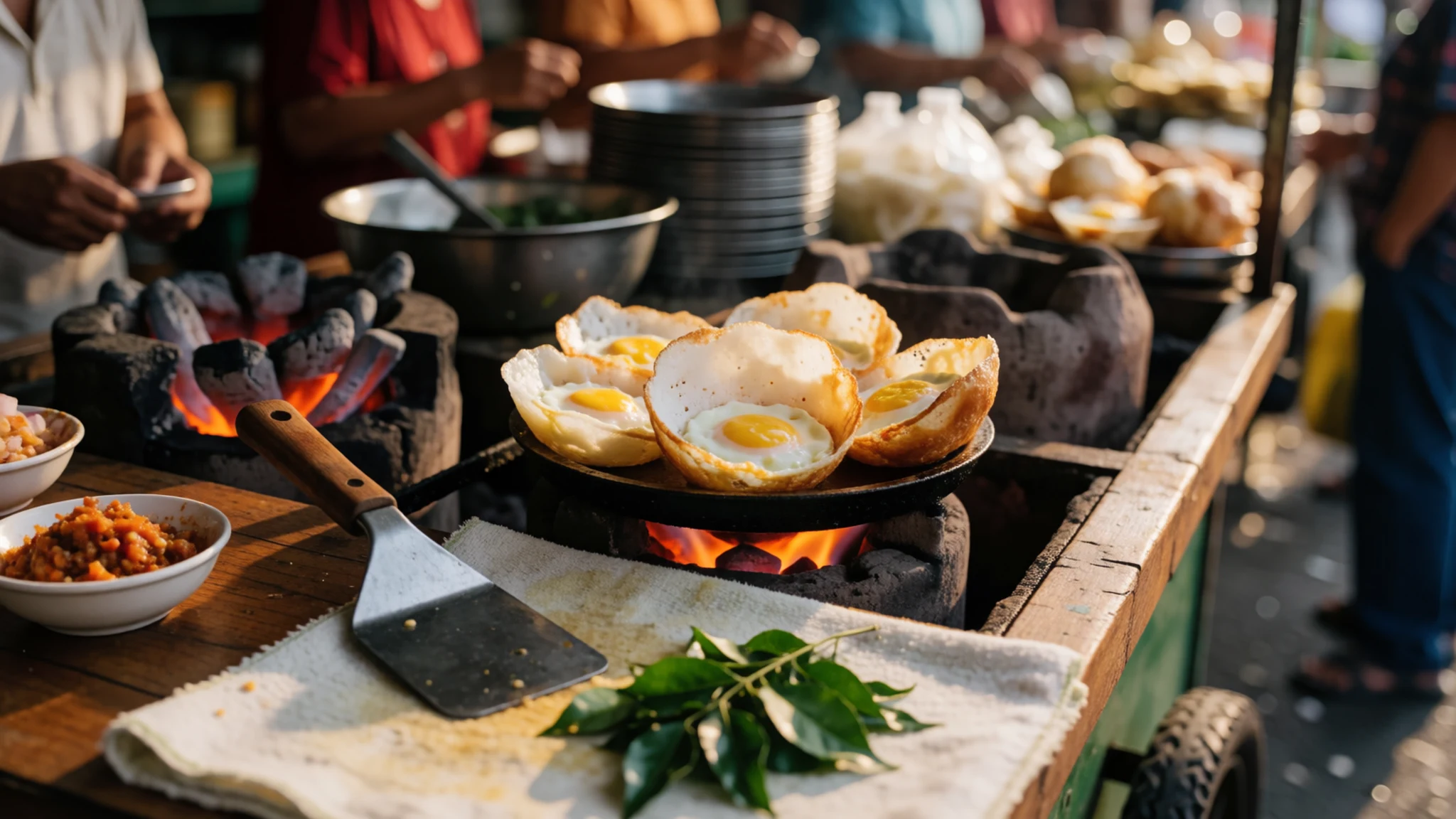
- Kottu roti — Night food stalls near the bus stand and main street
Kottu roti is chopped flatbread stir-fried on a hot griddle with egg, vegetables and spices, then chopped again with metal blades until it clatters. It is a late-evening favourite and the sound alone draws people to the stalls. Choose one with a busy queue of locals.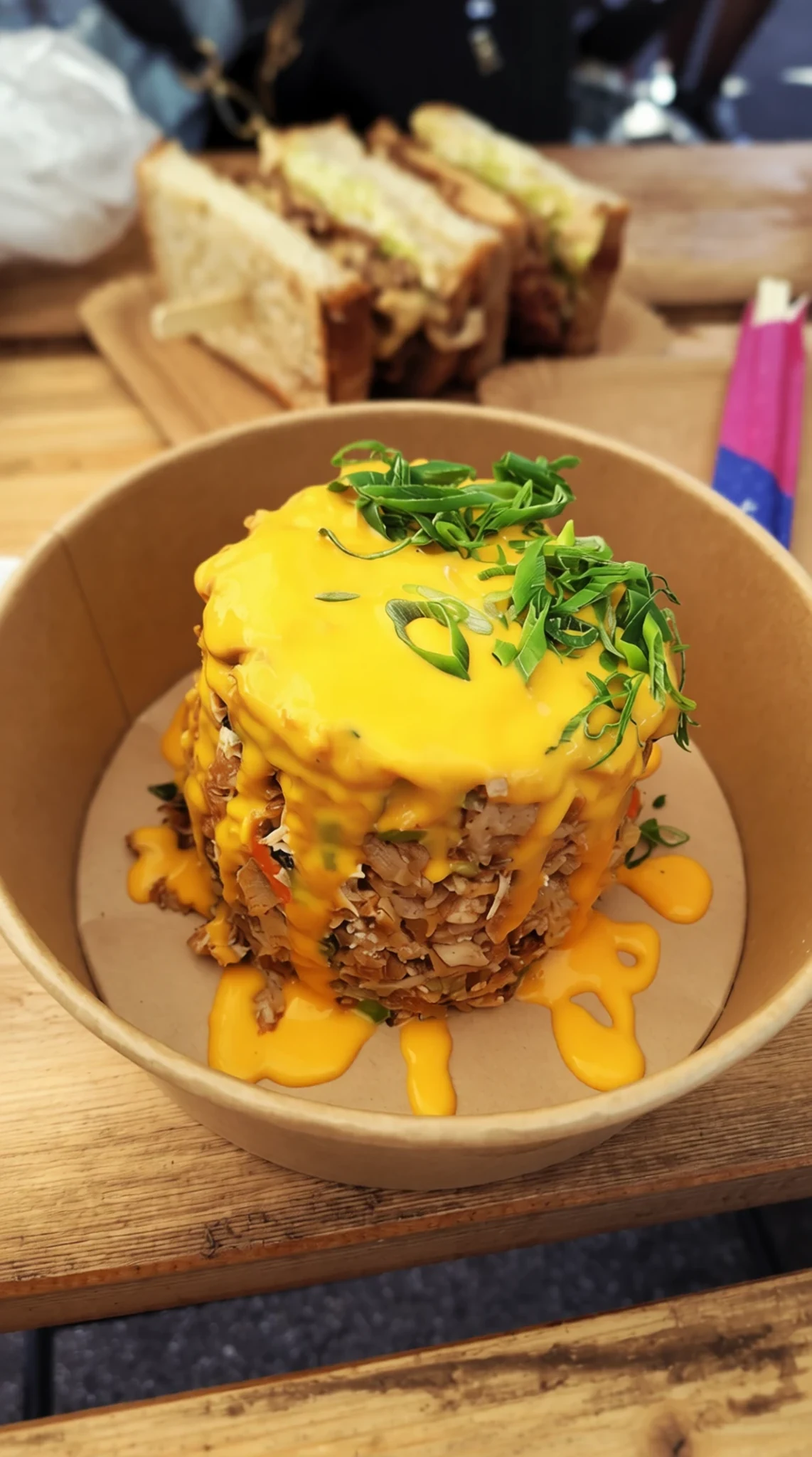
- Fish curry — Home-style eateries in the New Town that cook the day's catch
Fish curry is cooked in coconut milk with tamarind or goraka, a sour fruit, and often with curry leaves and fenugreek. Fish from the tanks and the coast is common on local menus. Ask for the day's catch, and eat it with rice and a vegetable side. - Watalappan — Small sweet shops and home-style eateries in the New Town
Watalappan is a rich, set custard made from coconut milk, jaggery and spices such as cardamom and nutmeg. It is a traditional sweet for celebrations, though small sweet shops sell it year round. A small serving makes a good finish after a heavy curry lunch.
Plan it
Best time. June to August are the easiest months for the ruins, with the least rain of the year, though the days stay hot. The northeast monsoon and inter-monsoon months bring the heaviest rain, roughly October to February, and paths and fields can become muddy. The climate stays warm all year, so plan for heat in any month.
How long. 2–3
Getting there. Fly into Colombo, then travel north by intercity bus, which takes most of a working day, or hire a private car or transfer. Buses also run from Anuradhapura and Kandy, with Dambulla on the way from Kandy. The main bus station is a fair walk east of the ruins, so ask to be dropped at the Clock Tower.
Budget. low
Tips
- Start at the ruins before about eight in the morning, when it is cooler and quieter
- Hire a bicycle or a tuk-tuk for the spread-out sites, and agree the price before you set off
- Carry cash in rupees for ticket checks, tuk-tuks and small stalls
- Carry more water than you think you need, and wear a hat and sunscreen
- Check current ticket arrangements locally before you go, as fees and the places tickets are checked can change
Etiquette
- Dress modestly at shrines, with shoulders and knees covered
- Remove shoes before stepping onto sacred platforms
- Ask before photographing monks, worshippers or families
Nearby
Sources
- Wikidata Q394443 (CC0)
- Wikipedia, Polonnaruwa (rev 1383137218) (CC BY-SA 4.0)
- Wikivoyage, Polonnaruwa (rev 5337041) (CC BY-SA 4.0)
- Polonnawura Royal Palace, Bernard Gagnon (CC BY-SA 1.0)
- Polonnawura Royal Palace, Bernard Gagnon (CC BY 3.0)
- Vatadage, PhilipNalangan (CC BY 4.0)
- Parakrama Samudra tank, Samal Nadeeshan (CC BY-SA 4.0)
- Deepa Uyana Royal Park, Gayan Chinthaka (CC0)
- Polonnaruwa city centre, PCC (CC0 1.0)
- Silumini seya senasanaya, Nodutudahama123 (CC BY-SA 4.0)
- Polonnaruwa, Udara Rathnayake (500px) (CC0 1.0)


