Penghu
Penghu, Taiwan
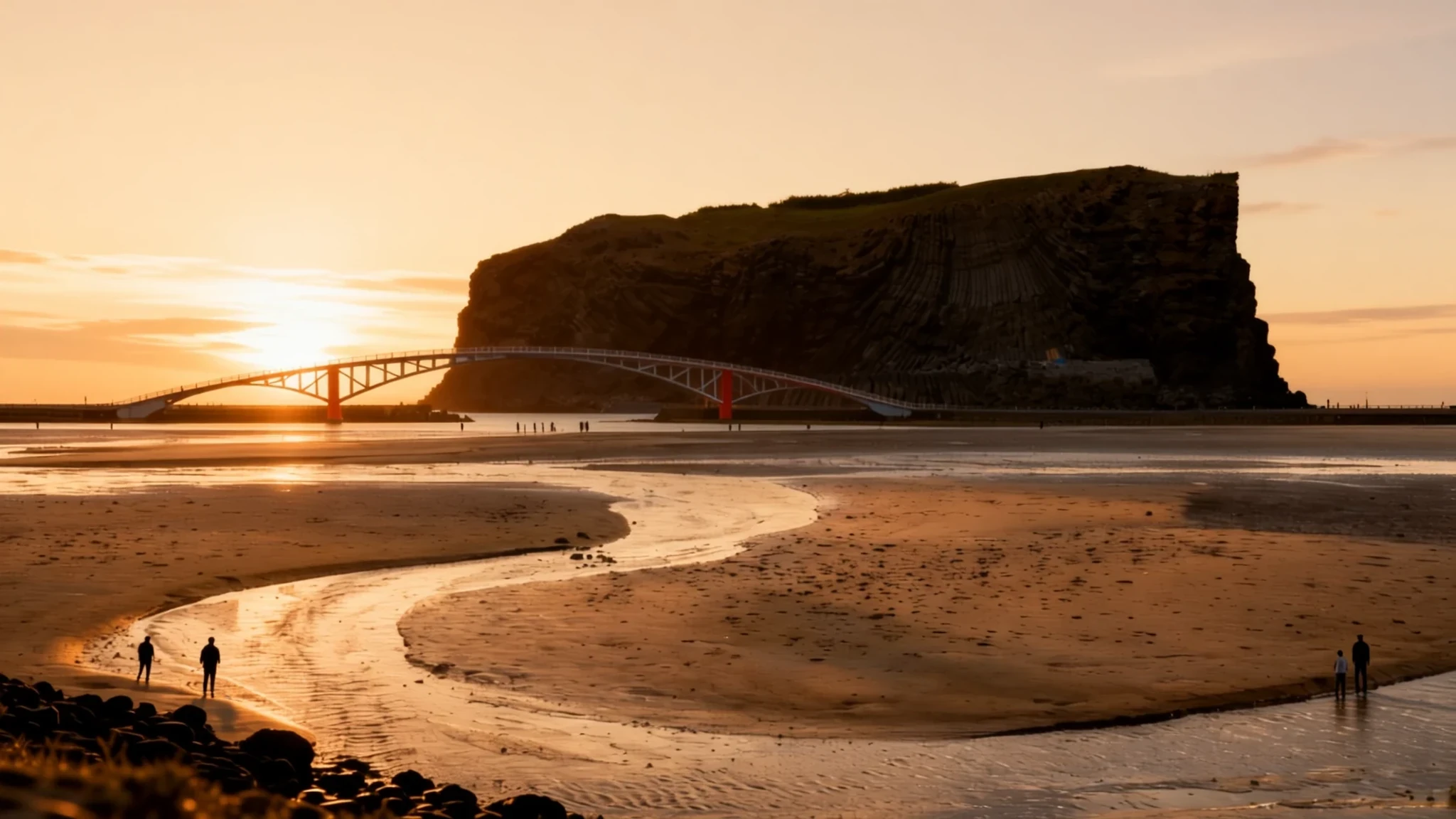
Penghu is an island group of about ninety islands where fishing heritage, temples and quiet beaches are a short boat or flight from Taiwan.
The place
Penghu is a chain of roughly ninety islands and islets in the Taiwan Strait, lying about fifty kilometres to the west of Taiwan's principal island, with the Penghu Channel between them. Together they form Penghu County, covering about 141 square kilometres. Magong, on the largest island, is the county seat and the place most visitors land, while nearly everything else is reached by boat or by a short domestic flight.
The islands are low and open, with dark volcanic rock showing along many shores and sandy beaches in sheltered bays. Fishing has shaped daily life for a long time, and harbours, fish markets and small stone fish weirs along the coast all reflect that. Much of the archipelago falls within a national scenic area, which helps keep development on the outer islands fairly restrained.
The climate is humid subtropical with dry winters. The cooler months are dry but very windy, and boats to outlying islands such as Qimei are often cancelled, while spring and autumn are the milder seasons for walking and cycling. Summers are hot and humid, and typhoon season can disrupt ferry and flight schedules from midsummer into early autumn. Most travellers base themselves in Magong for its restaurants, temples and bicycle routes, then take a boat to a quieter island for a night or two. Hiring a scooter or bicycle is the usual way to cover the main island at a relaxed pace.
Its story
Penghu's story begins long before any written record. A fossil jaw, found in the Penghu Channel in the late 2000s, belonged to an extinct human relative from the Middle or Late Pleistocene, possibly a Denisovan. Later, fine red cord-marked pottery found at Guoye, Huxi, shows that Austronesian visitors from south-western Taiwan came to the islands around 5,000 years ago, though they did not settle there permanently.
The first recorded settlers were Han Chinese from southern Fujian, who set up fishing communities on the islands from the 9th and 10th centuries. Chinese fishermen were living there by 1171, when a group described in the sources as the "Bisheye" landed, raided the fields of the migrants and sailed away. Song patrols began visiting each spring and summer, and an official named Wang Dayou built houses and stationed troops on the islands to deter further raids.
Formal control came slowly. The archipelago became an administrative unit of China in 1281, under Tong'an County, and it stayed under imperial authority for centuries. Brief European presences followed: a Dutch occupation in the seventeenth century and a short French one in the nineteenth. The islands passed to Japan in 1895, and after the Surrender of Japan in 1945 they came under the Republic of China.
Today that history is most visible at sea, in the fishing families, the stone weirs and the goddess Mazu, to whom sailors have prayed for safe passage for centuries.
What to see
- Tianhou Temple, Magong — Magong
Tianhou Temple in Magong is dedicated to Mazu, the sea goddess that fishermen and sailors have prayed to for centuries. Its halls and altars are busiest on festival days and at weekends, so arrive early for a quieter look. Move unhurriedly through the courtyards and ask before photographing anyone at prayer.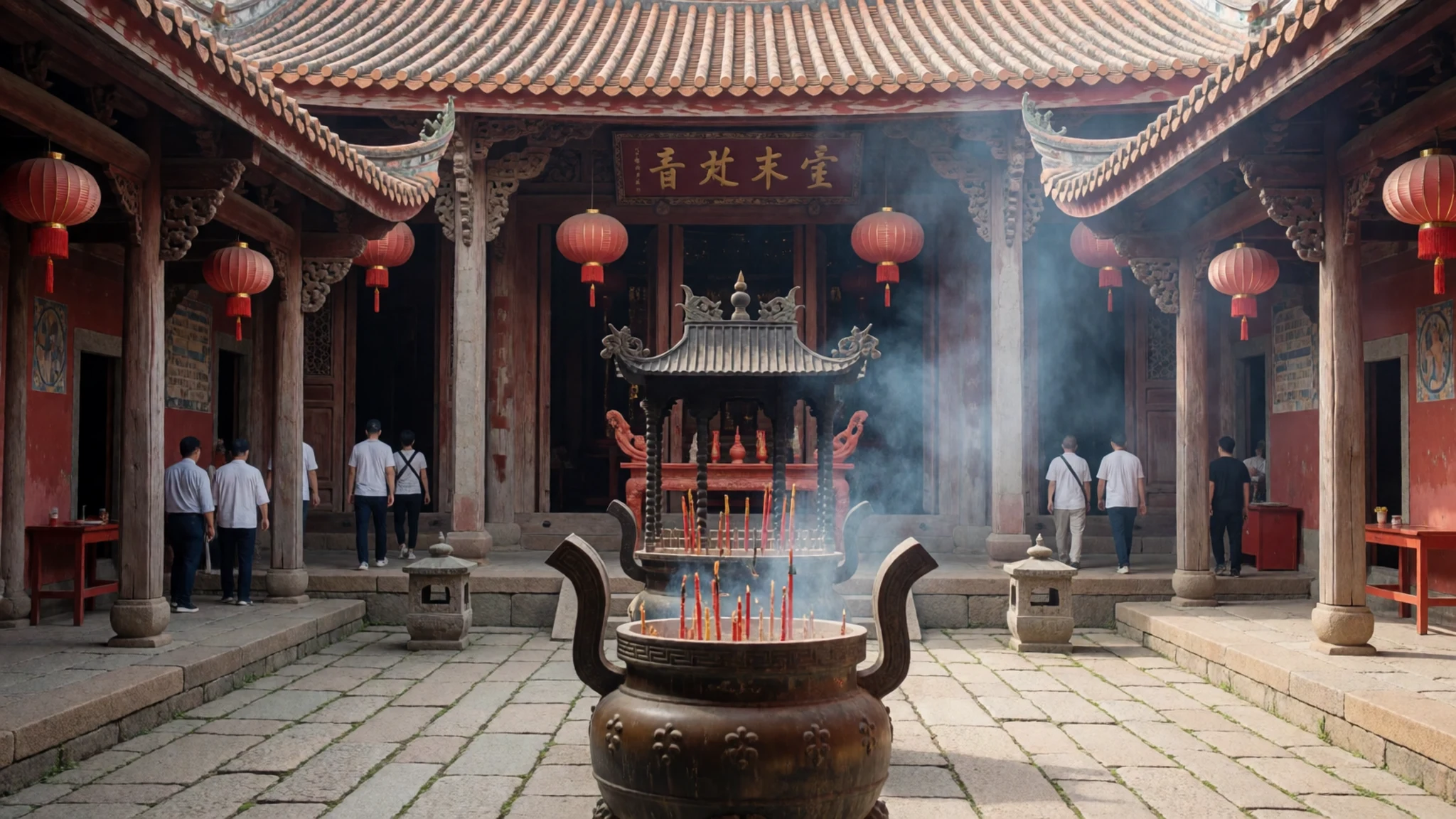
- Four Eyes Well and the old street — Magong old town
Four Eyes Well sits on a restored old street near the temple. It is a single well with four openings, so several people can draw water at once, a practical design that has served the neighbourhood for a long time. The street suits a slow walk between temple visits and a stop at one of the nearby cafés.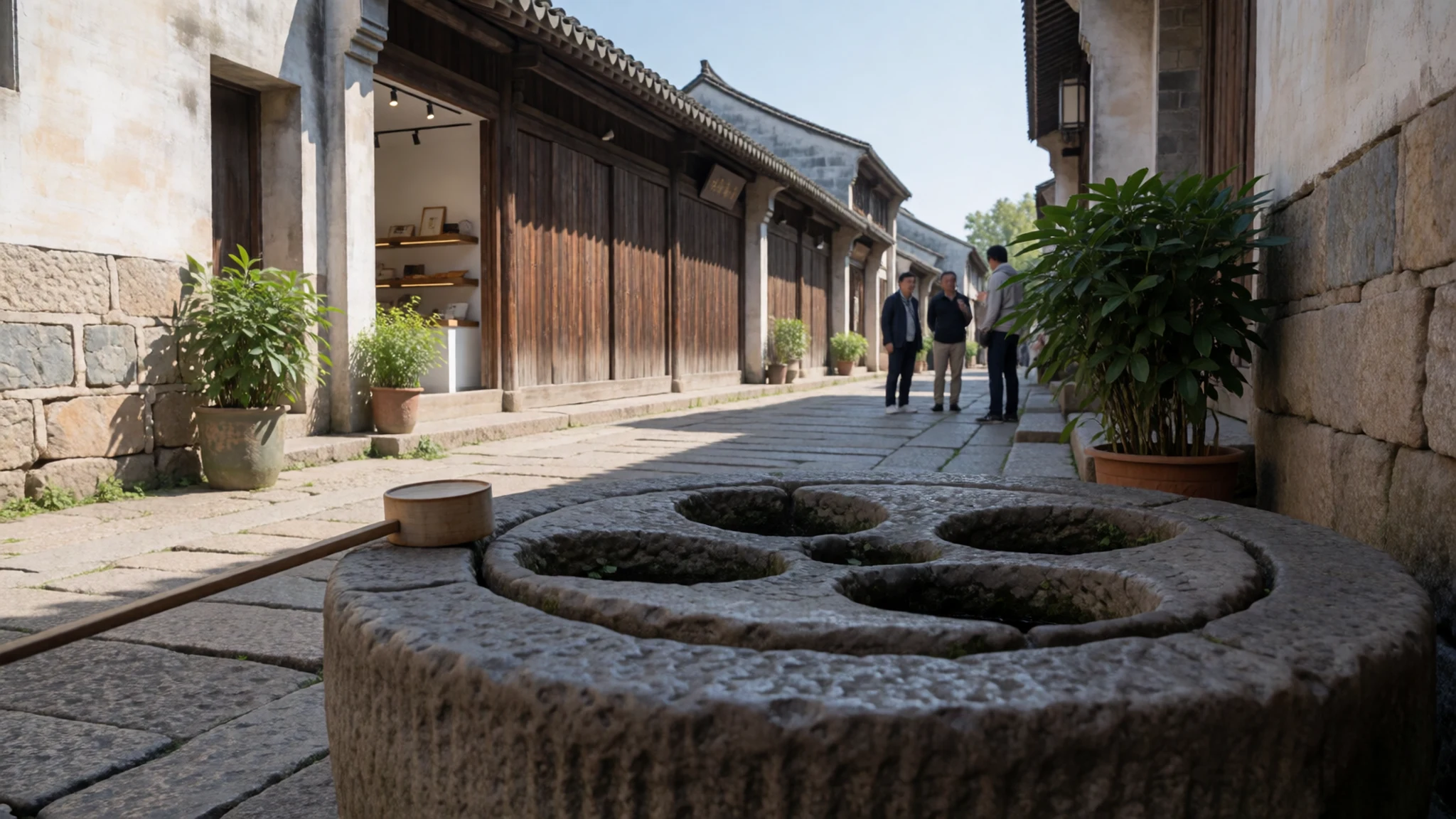
- Rainbow Bridge and the shore cycle path — Magong waterfront
From Magong's Rainbow Bridge, a bicycle path runs along the seashore with clear views across the water to Xiyu Island. It is one of the easiest ways to see the islands up close without a car, and it suits a leisurely half-day ride. Carry water and sun protection, because there is little shade along the open stretches.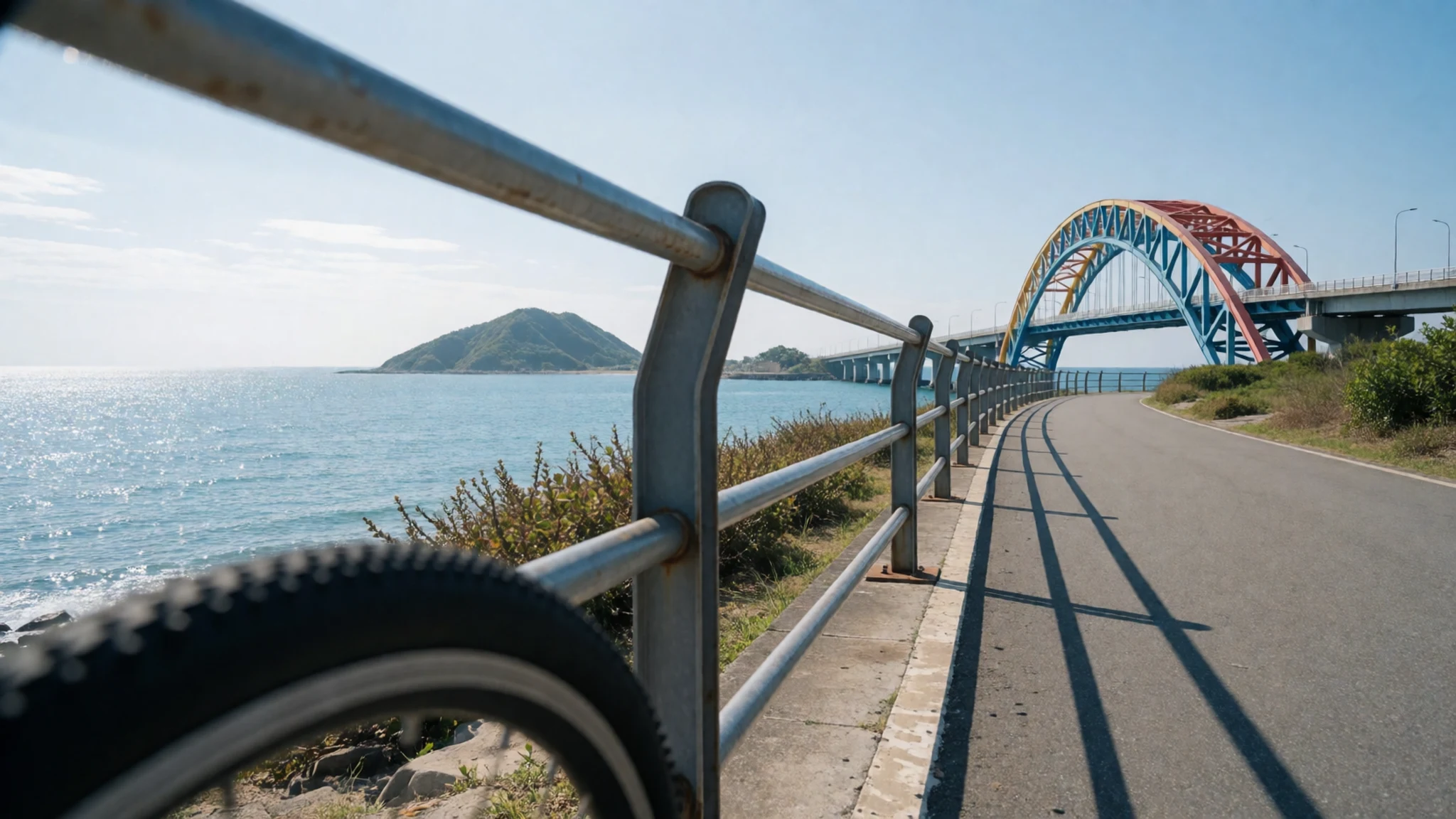
- Shan-shui Beach — Magong outskirts
Shan-shui Beach, a short taxi ride from Magong, feels more like a small, unhurried seaside town than a resort. Most visitors come for the sand, the sea and an easy lunch nearby. Ai-men Beach is a similar trip, and both make good daytime stops between temples and boat outings.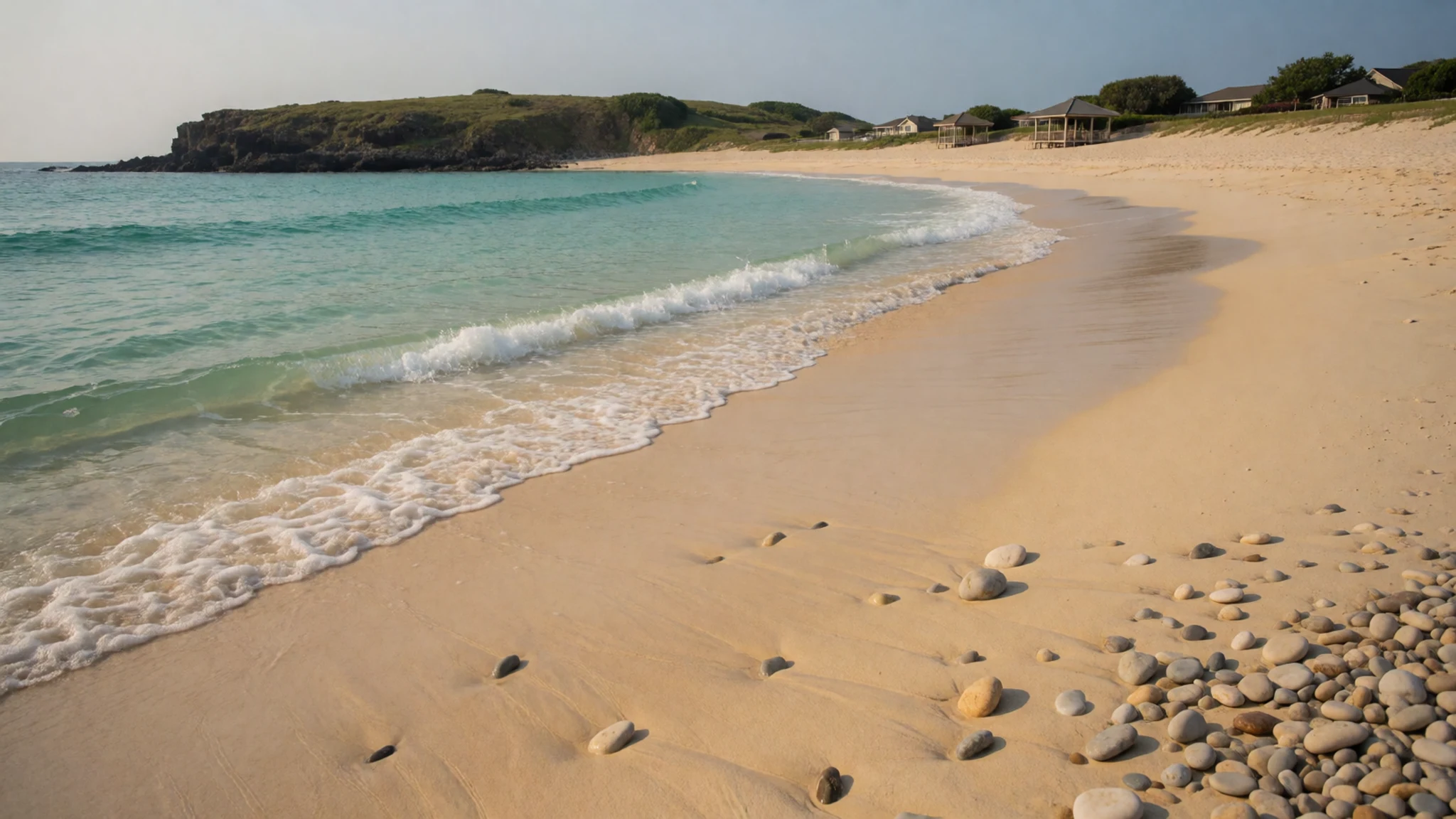
- Erkan Village, Xiyu — Xiyu Island
Erkan Village on Xiyu is known for traditional courtyard houses built from coral and local stone, some restored and others in ruin. Visitors can stay in bed-and-breakfasts in villages like this, which makes it a good place to spend a night and see the stonework up close. Walk the lanes quietly, since these are living homes.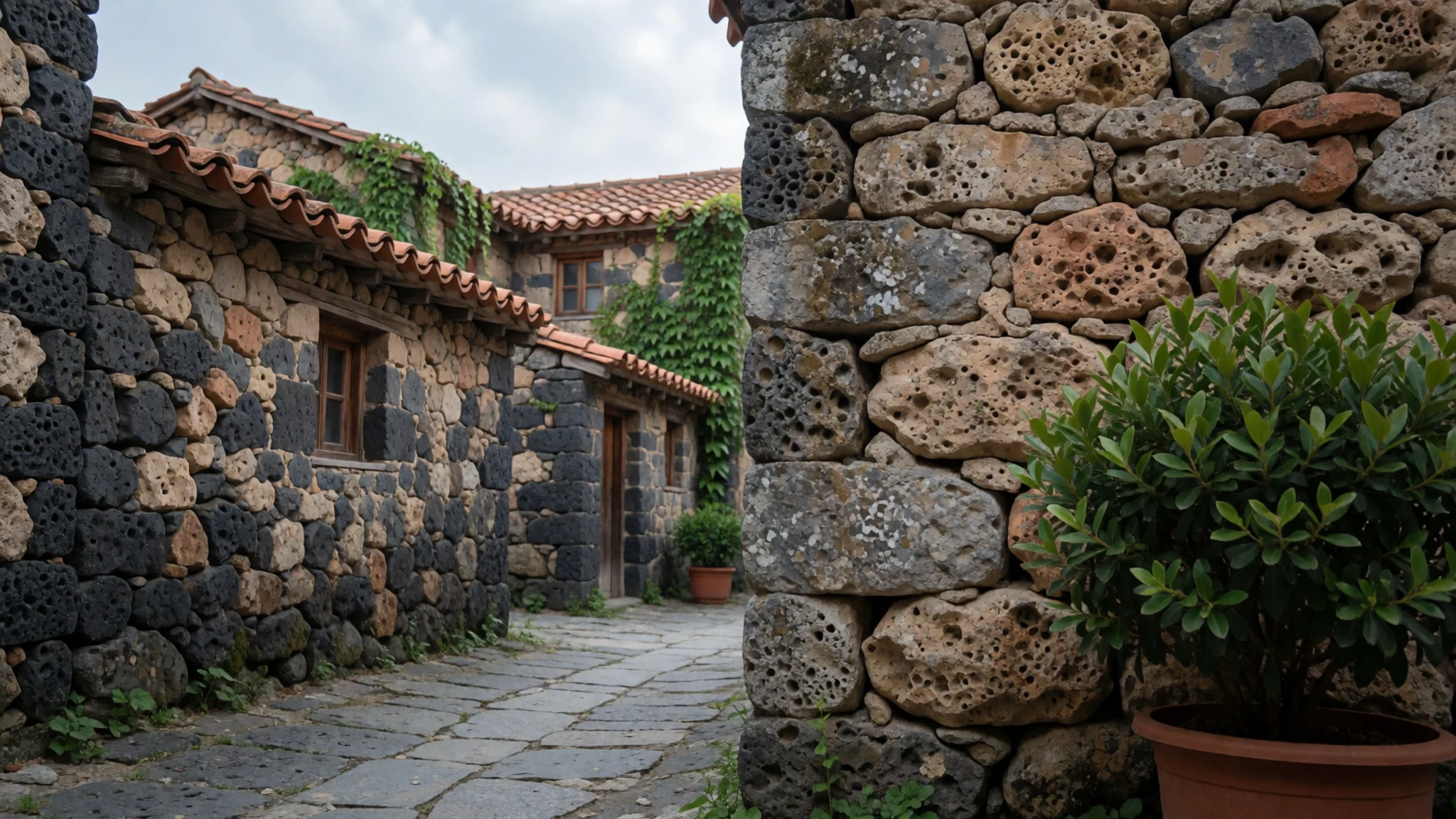
- Stone fish weirs of Qimei — Qimei Island
Qimei is reached by boat from Magong and is the island most visitors choose for an overnight stay. Its traditional stone fish weirs, including the double-heart design, are built from stacked rock to trap fish in the tides. Look at them at low tide and from a distance, and do not climb on the walls.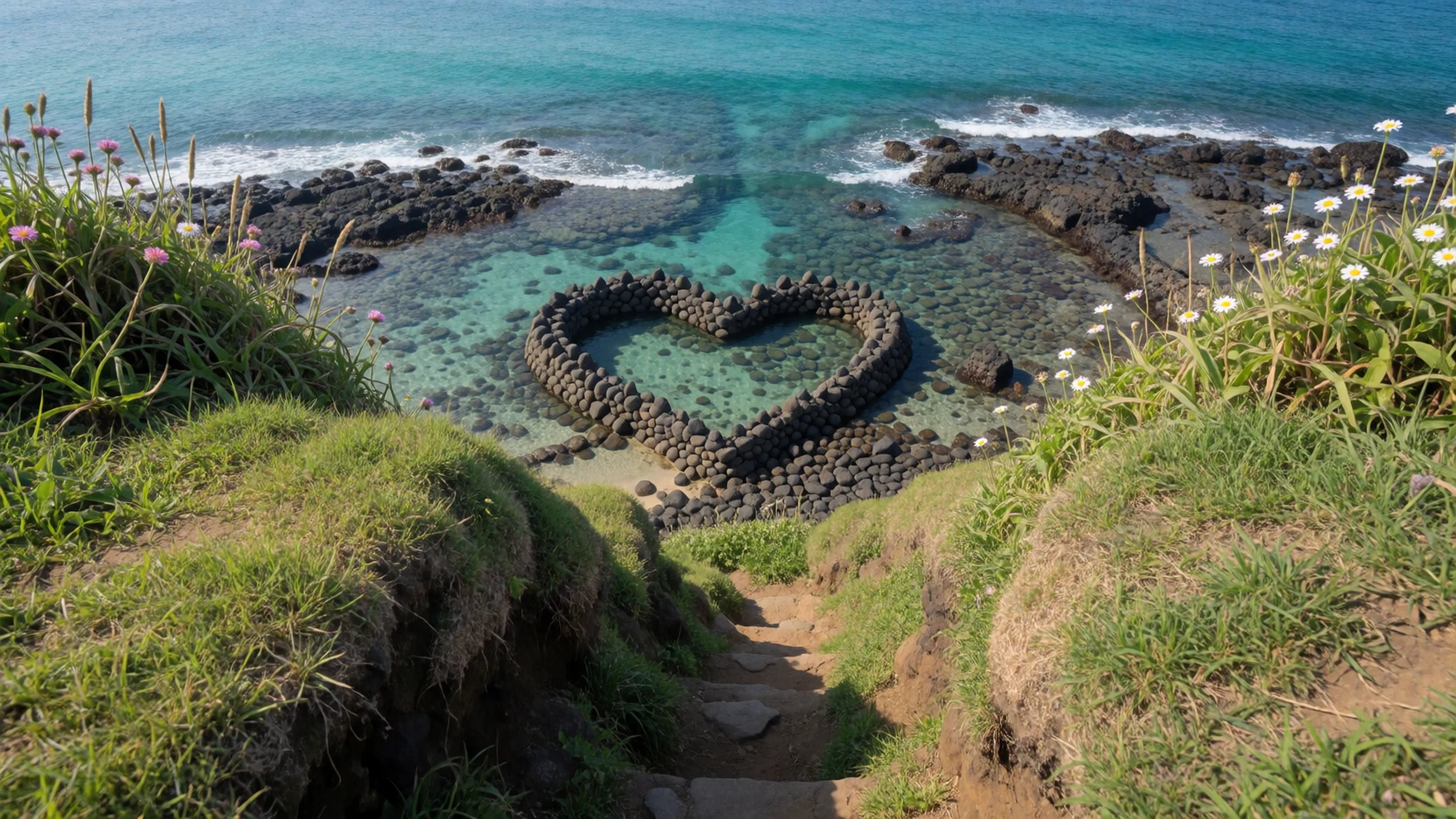
Culture
Penghu's culture is shaped by the sea and by the Mazu faith that fishing families brought from southern Fujian. Temples are working places of worship as well as landmarks, and the sea goddess is honoured with incense, offerings and festivals tied to the fishing calendar. Many older residents speak Hokkien alongside Mandarin, a legacy of those early migrants, and the islands' name carries a Hokkien pronunciation. Daily life revolves around the harbour, so mornings can be busy with boats and markets, while smaller villages settle quickly in the evening. Visitors are generally welcomed warmly, and a polite greeting goes a long way in shops and family-run eateries. Follow the lead of worshippers in temples: step back from the altars, keep your voice low, and ask before photographing anyone at prayer.
What to wear
Penghu does not have a single traditional costume that visitors will see today, and the surviving record of older dress is thin. The working clothes of fishing families were plain cotton, loose-fitting and hard-wearing, suited to hot days on boats and in the fields. Formal and festival dress followed the patterns of the Fujianese migrants who settled the islands, though examples are rare in everyday life.
What people wear now is much the same as anywhere in Taiwan: casual shirts, shorts, sandals and trainers, with smarter clothes for offices, weddings and family occasions. Scooters are common on the main island, so people often pick closed shoes and a light jacket for riding.
As a visitor, pack light, breathable clothing and a sun hat, because summers are hot and humid and the sun is strong on open coast. Bring a light layer for boat rides and sturdy closed shoes or trainers for the rocky shoreline and uneven village lanes. Cover shoulders and knees when you enter temples, and a long skirt or trousers are easy choices.
What to eat
- Xiaoguan (小管), small local squid — seafood eateries and street-food stalls in Magong
Xiaoguan is a small local squid and one of the more affordable seafood specialties on Penghu. It is added to soups and noodles, and it can also be fried or barbecued. Do not confuse it with the larger squid on sticks, which is mostly imported.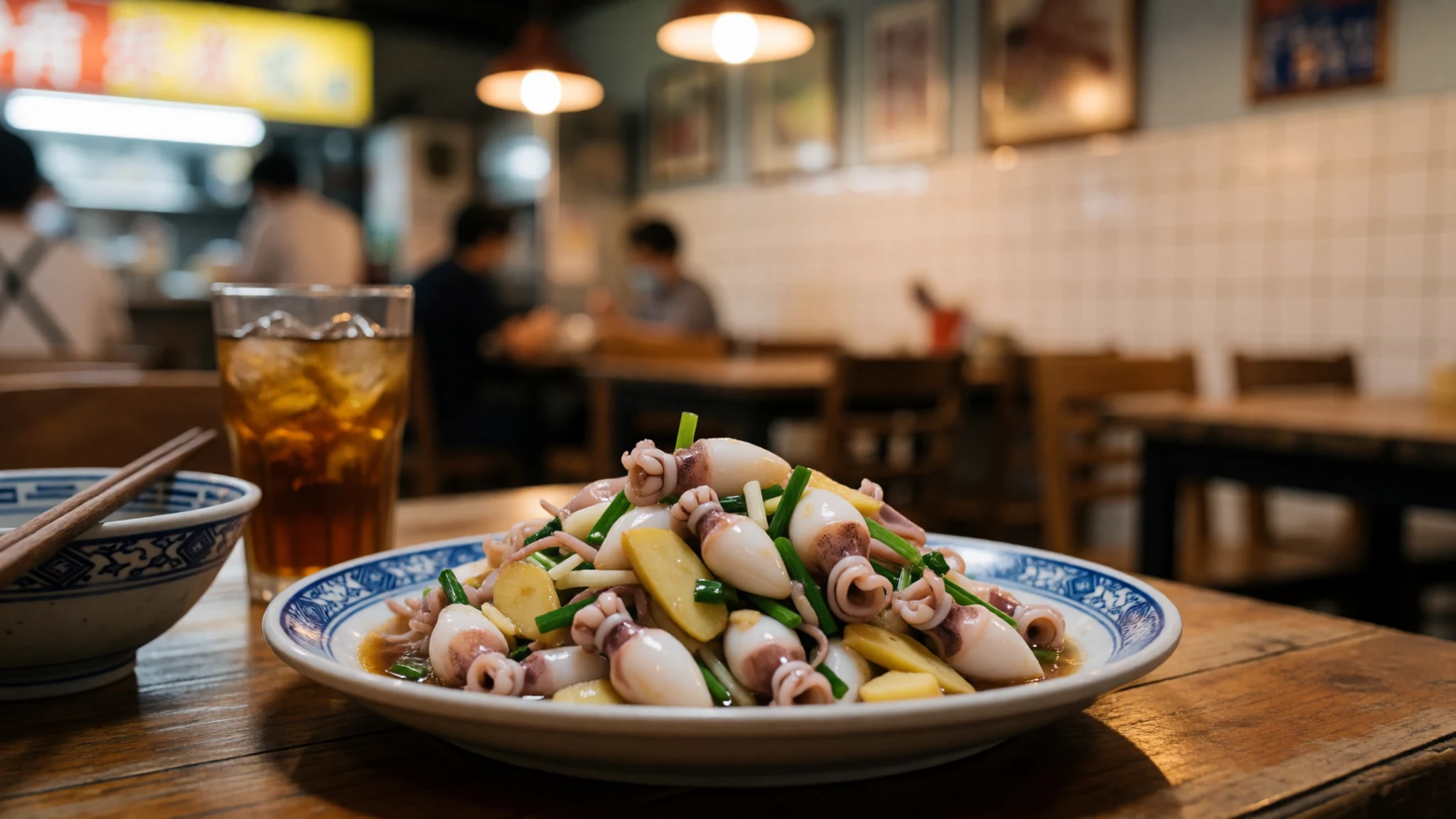
- Sea mushroom, a sea slug — seafood restaurants in Magong
The so-called sea mushroom is actually a kind of sea slug, and it is one of the islands' signature seafood delicacies. It appears on many seafood menus in Magong. Expect it to cost more than the everyday squid, so it is worth ordering as a shared dish.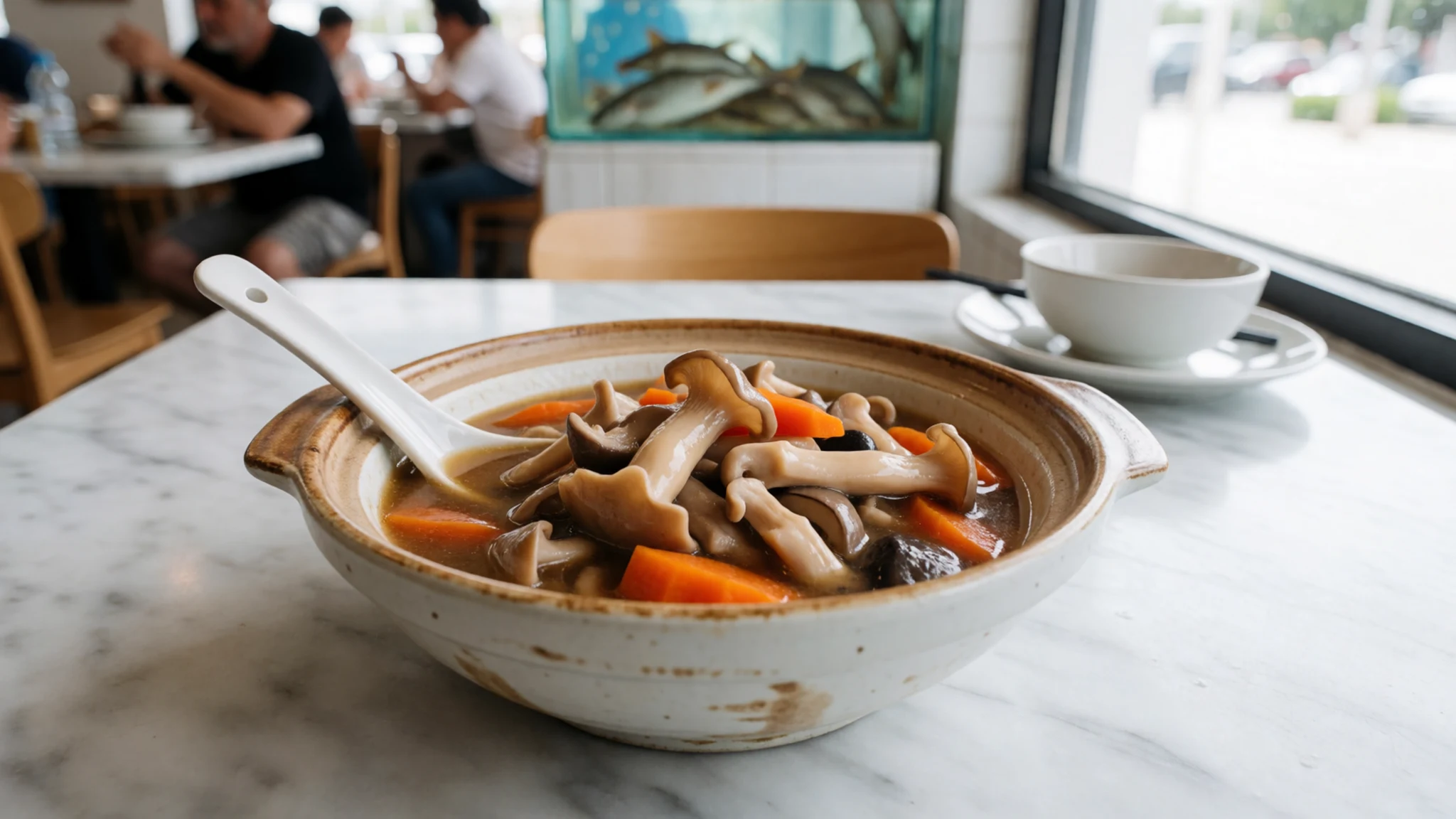
- Turban snails — seafood restaurants in Magong
Turban snails are a local seafood delicacy that appears on many menus across the islands. They tend to be a treat rather than a bargain, so order one or two to try alongside cheaper dishes. Ask the staff which ones are freshest that day. - Prickly-pear juice and sweets — cafés and dessert shops in Magong
Prickly pear is a cactus whose red-purple fruit grows across the islands, and it turns up in juices, jellies and sweets. The fruit's sweetness makes a refreshing counterpoint to salty seafood. Cafés and dessert shops around Magong are the easiest places to try it.
Plan it
Best time. Spring and autumn are the milder shoulder seasons, with March and April the most comfortable months for walking and cycling. Winter is dry but cool and very windy, and boats to outlying islands such as Qimei are often cancelled when the wind is strong. Summers are hot and humid, and typhoons can disrupt flights and ferries from midsummer into early autumn.
How long. 2–3
Getting there. Fly into Magong Airport, which is in the middle of the main island and about a 20-minute drive from Magong city. Flights run from several Taiwanese airports, including Taipei Songshan, and from Kinmen. Boats also connect Penghu with Taiwan's main island. Check the official site for current taxi and transfer information before you travel.
Budget. mid
Tips
- Book flights and boats early for public holidays and summer weekends.
- Hire a scooter or bicycle for the main island and start early to avoid the midday heat.
- Carry cash for small eateries and some taxis, as cards are not accepted everywhere.
- Bring water and sun protection for long coastal rides and the open rock shoreline.
- Plan at least one night on an outlying island, since boat times limit day trips.
Etiquette
- Dress modestly when visiting temples, covering shoulders and knees.
- Ask before photographing people, especially at prayer or during festivals.
- Keep noise down in villages, where homes sit close together.
Nearby
Sources
- Wikidata Q918799 (CC0)
- Wikipedia: Penghu (rev 1376239468) (CC BY-SA 4.0)
- Wikivoyage: Penghu (rev 5346323) (CC BY-SA 4.0)
- Penghu (201506), Wing1990hk (CC BY 3.0)
- Renovation of Taiwan's county chronicle Penghu public opinion map (1752), Wang Bichang et al. (Public domain)
- Taiwan AMS Topographic Maps, Army Map Service (Public domain)
- South Penghu Marine National Park (10), Tony kang peppy (CC BY-SA 4.0)
- Penghu County Hall, Wei-Te Wong (CC BY-SA 2.0)
- National Penghu University Education Building, Zf941087 (CC BY 3.0)
- Double-Heart of Stacked Stones, Zeze0729 (CC BY 3.0)
- Official Photo by Makoto Lin / Office of the President (12.30 series) (CC BY 2.5)


