Pemba Island
Pemba Island, Tanzania
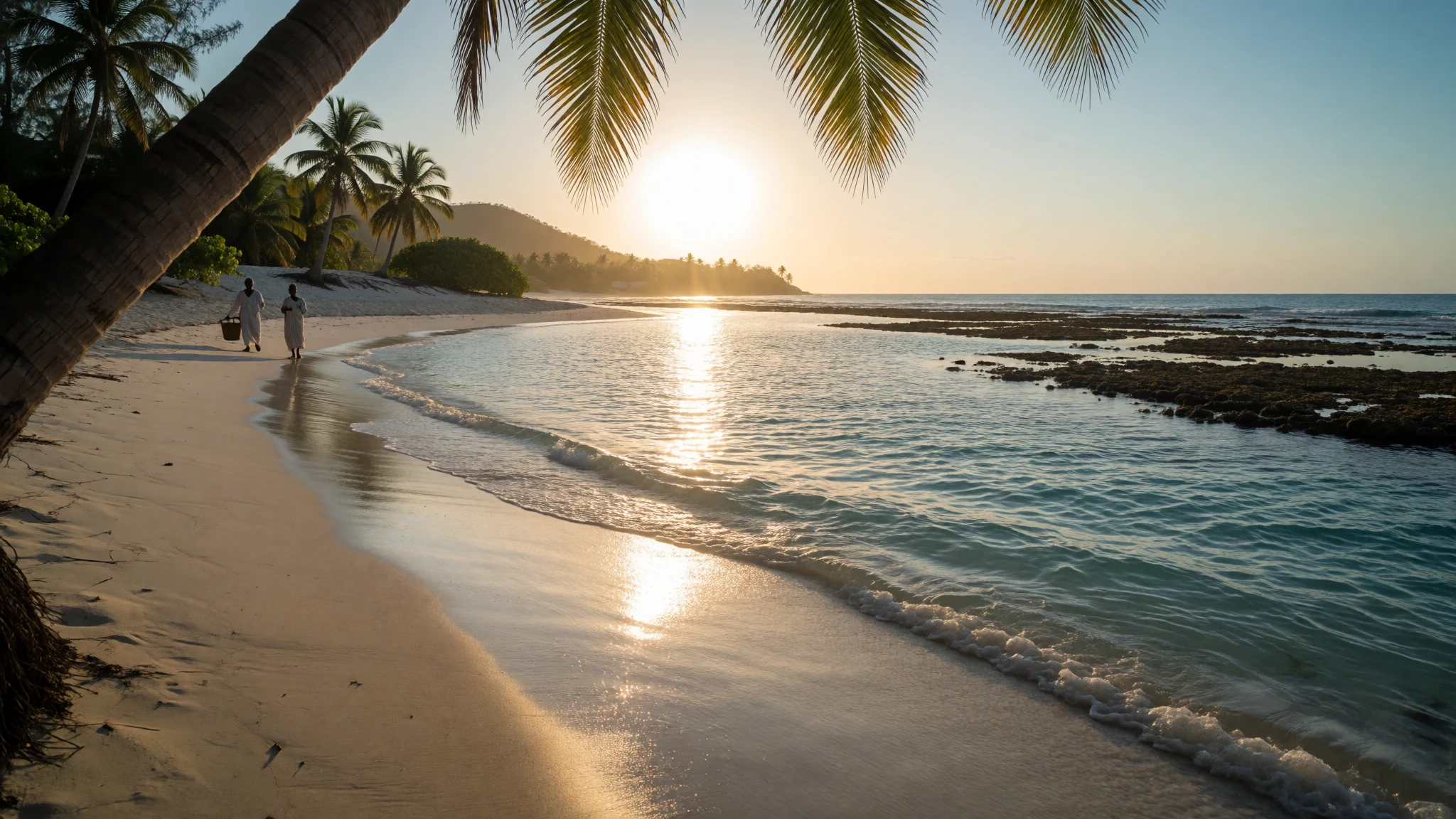
Pemba Island trades Zanzibar's crowds for clove hills, coral reefs and quiet northern beaches, for travellers happy to go slowly.
The place
Pemba Island is the northern of the two big islands of the Zanzibar Archipelago, a green, hilly part of Tanzania in the Indian Ocean off the Swahili Coast. Its Arabic name translates as the Green Island, and the label fits: clove and coconut groves, rice plots and small farms cover most of the interior, and the soil is richer than on Unguja, the archipelago's main island to the south. The land area is about 988 square kilometres and the population is about 407,000, a mix of Waswahili families, Shirazi communities and a sizeable Arab group with roots in Oman.
Deep water surrounds the island. It is thought to have broken away from the mainland along a rift about 10 million years ago, and today the Pemba Channel, roughly 50 kilometres across, separates it from the coast. Unguja lies about 50 kilometres to the south.
Pemba has never been set up for mass tourism. Chake Chake, the central town, has the airport close by; Mkoani, in the south, takes the ferries. The best beaches and most lodges built for foreign guests are in the north, near the forest reserves, while the west coast and the waters around Misali Island draw divers. Elsewhere there are market towns, crowded minibuses, village mosques and very few other foreigners. That is the appeal, and also the catch: formal restaurants are few, alcohol is hard to find outside the lodges, and plans often depend on conversations rather than websites.
The climate is tropical but a little milder than on the mainland, with Chake Chake averaging about 25.5 °C across the year.
Its story
Pemba Island has a past that is easier to read in its soil and its trade than in grand monuments. Geologically, it is thought to be a fragment of the African mainland that broke away along a rift roughly 10 million years ago. That left it ringed by deep water, and the isolation helped shape its wildlife, including the Pemba flying fox of the northern forests, as well as its long life as a place reached by boat.
Written records are thin. The Arab geographer Yaqut al-Hamawi reported that in the middle of the 13th century two independent sultans ruled different parts of the island, which points to small, competing coastal states trading across the Indian Ocean rather than a single power. Later settlers came from Oman, and their descendants remain part of the island's population alongside Waswahili and Shirazi families.
Cloves became the economic backbone. Pemba holds the largest concentration of clove trees in Zanzibar, about 3.5 million, and the crop is still the main export.
In 1964 Zanzibar joined the former colony of Tanganyika to form Tanzania. For years afterwards Pemba saw few visitors, partly because it was hard to reach and partly because of a reputation for political violence. The exceptions were people drawn by its standing as a centre of traditional medicine and witchcraft. In 2016 Australian officials said an item of aircraft debris found here might belong to the missing Malaysia Airlines Flight 370, a brief moment of world attention for an island that otherwise keeps to itself.
What to see
- Vumawimbi Beach — Northern Pemba
Vumawimbi Beach lies on Pemba's northern side, where the best sand and most of the foreigner lodges are found. It is an open, uncrowded stretch, so facilities are minimal; bring water and shade from your lodge. Ask locally about currents and tides before swimming far out, and dress modestly when walking to and from the shore.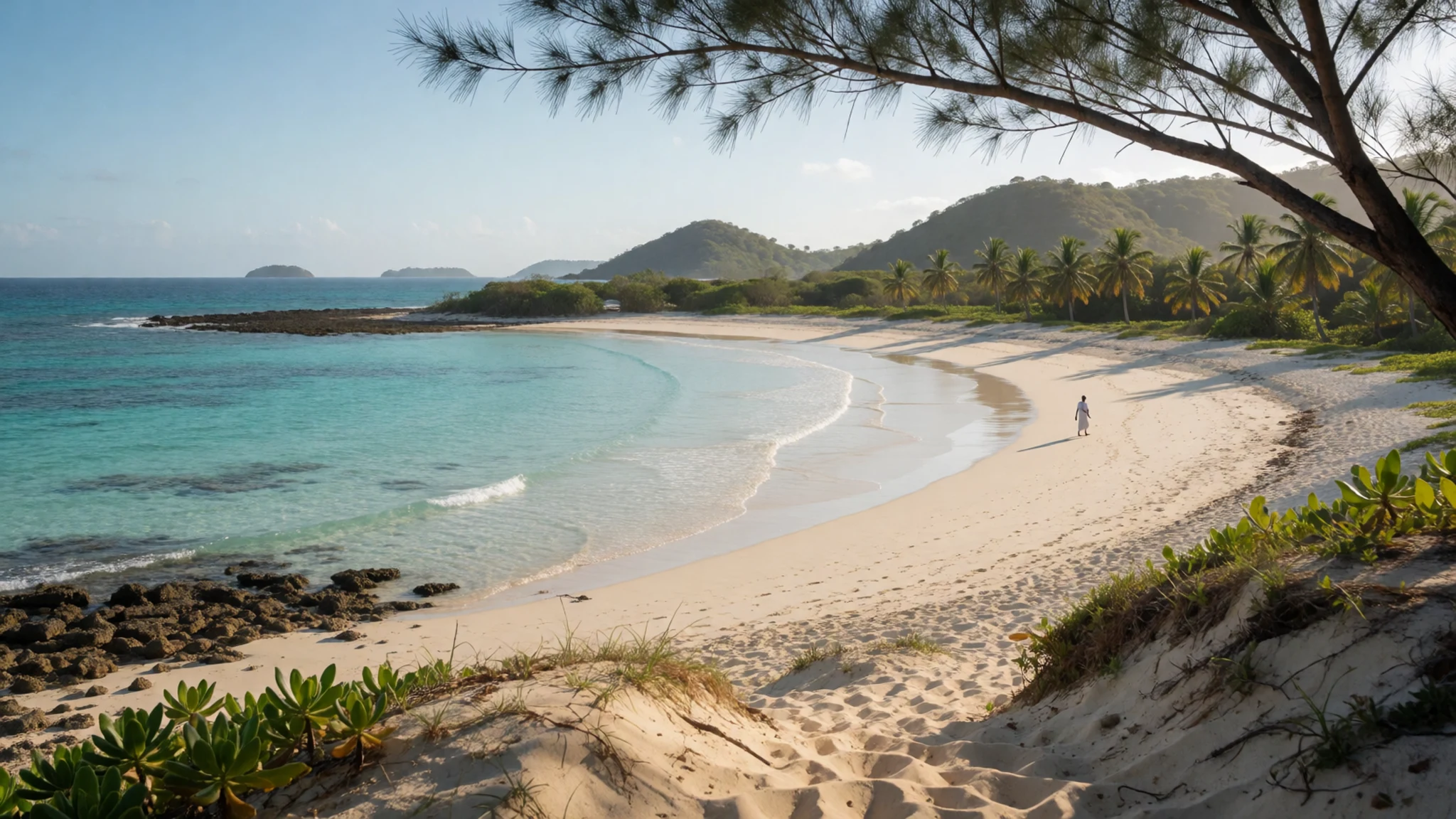
- Northern forest reserves — Northern Pemba
Pemba's northern forest reserves shelter animals found only on the island, among them the Pemba flying fox, a large fruit bat. Walks are best arranged through a lodge or local guide, and early morning is cooler. Expect humidity, mud after rain and insects; closed shoes and repellent matter more than fancy gear.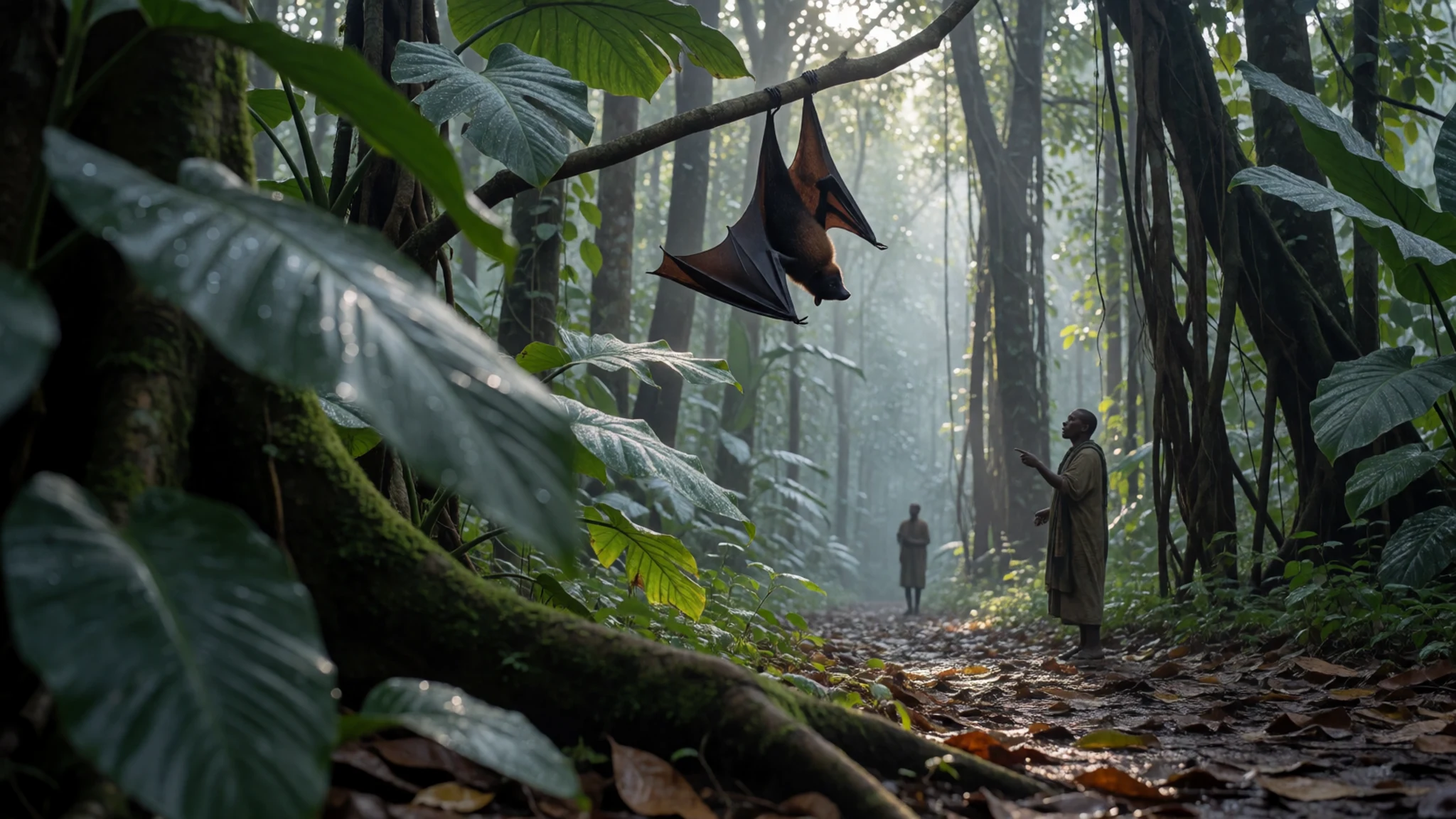
- Misali Island and the reefs — West of Chake Chake
Misali Island sits inside a marine reserve and is the main draw for divers and snorkellers. The west coast also has wide plate coral gardens that suit drift dives. At least two dive operators work under PADI and BSAC standards. Book ahead and ask about conditions, since visibility and currents shift with the season.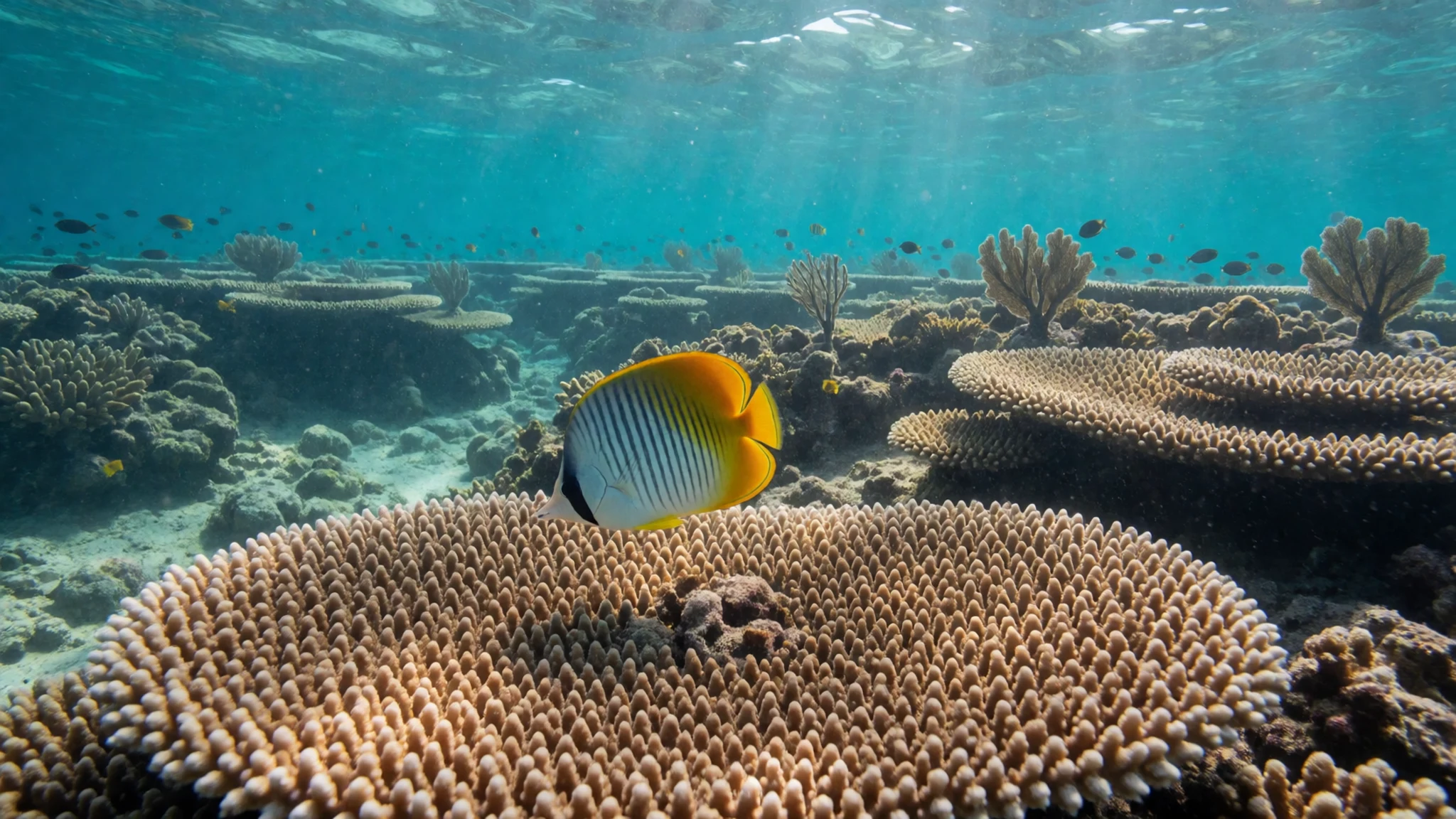
- Chake Chake town — Central Pemba
Chake Chake is where the practicalities happen: the airport is a short ride out, shops and street stalls line the main roads, and mangroves fringe the town on the seaward side. There is little formal sightseeing, but an hour on foot shows how the island works, from the market to the old colonial-era court house.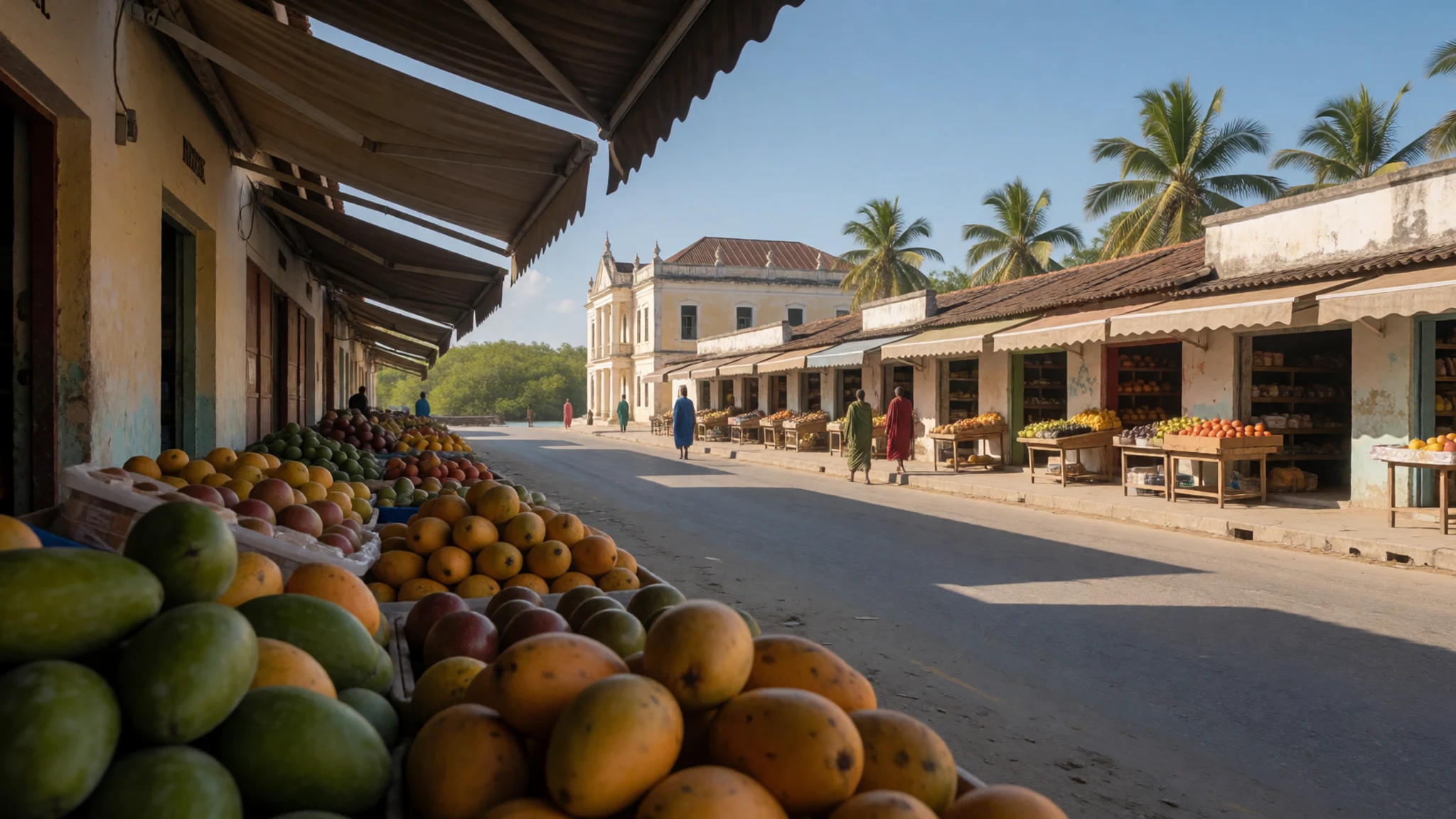
- Clove farms and spice tours — Interior Pemba
Spice tours visit working farms, where cloves, the island's main export, grow on trees that reach 10 to 15 metres and keep yielding for decades. Lodges and local guides arrange visits. Harvest and drying vary through the year, so ask what is actually happening on the day, and expect to taste fruit and other crops along the way.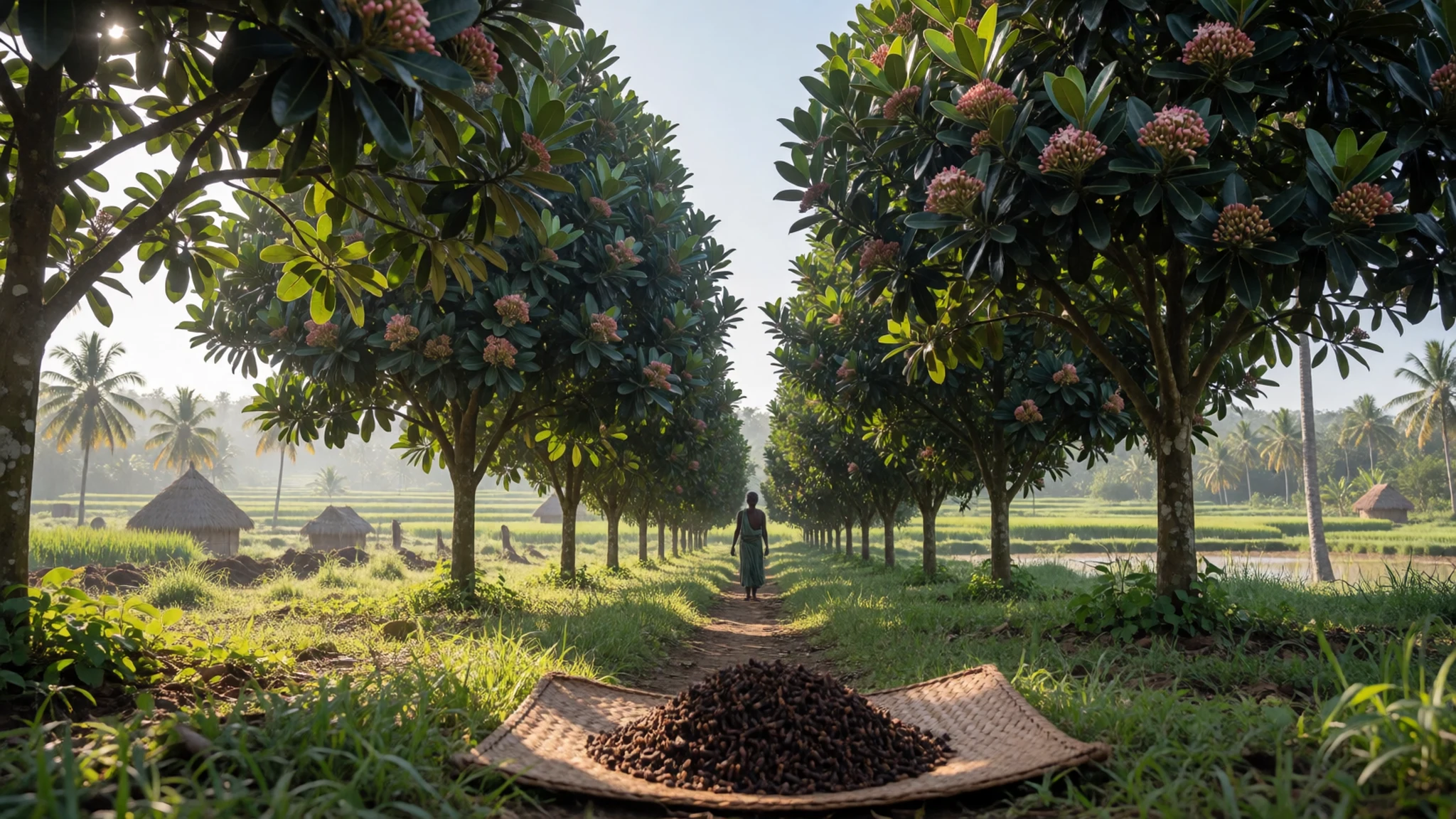
Culture
Pemba Island's culture is Swahili and Muslim, with Omani Arab and Shirazi threads running through it. The day follows the call to prayer, Friday gatherings at the mosque, and the demands of farming and fishing. Greetings matter: a handshake or a few words of Swahili opens more doors than any guidebook, and with so few foreign visitors, people tend to be openly curious and friendly rather than guarded.
The island has an old reputation as a centre of traditional medicine and witchcraft. Healers still practise, and it is part of local life rather than a show. Visitors who are interested are better off asking politely through a guide than turning up to watch.
Farming sets the calendar as much as festivals do. Cloves, rice, coconuts and cassava occupy families through the year, and the deep Pemba Channel makes fishing a major livelihood too. Alcohol is a lodge matter rather than a street matter, and Ramadan changes the pace of the whole island: stalls and eateries may close by day and public eating is discouraged.
Pemba is considered a very safe place to travel, and the main task for a visitor is to fit in. Dress modestly away from the lodges, avoid eating, drinking or smoking in public during daylight hours in Ramadan, and always ask before photographing people.
What to wear
Traditional dress on Pemba Island follows Swahili coastal custom. Men wear the kanzu, a long white cotton robe, often with an embroidered kofia cap, especially for Friday prayers and festival days. Women commonly wear the buibui, a dark over-garment, or wrap themselves in kanga: printed cotton cloths, usually sold in pairs, with a Swahili proverb along the border. A kanga serves as skirt, shawl, headscarf or baby carrier.
Day to day, people wear what suits farm, boat or market. Men often choose long trousers and shirts, football shirts or work clothes; women pair a kanga or long skirt with a loose top and a headscarf. Kanzu and buibui appear more often on holy days and in villages than in the busier parts of town.
Visitors should dress for heat, humidity and local modesty together. Loose cotton or linen that covers shoulders and knees works well in towns and villages and is the courteous choice outside the lodges, where revealing clothing draws attention. Keep swimwear for the beach and lodge pools. Bring sturdy closed shoes for forest paths and farms, sandals for town, and reef shoes if swimming from rocky shores. A hat, sun protection and a light rain jacket are worth packing, especially in the wetter months.
What to eat
- Rice with coconut-style curry — Lodge restaurants and small local eateries in Chake Chake and Mkoani
Rice with a fish, meat or vegetable curry is the base of a Swahili meal on Pemba. It is usually cooked to order, so expect a wait. Portions are generous, and the flavours lean on spice rather than heat. Ask what is fresh that day.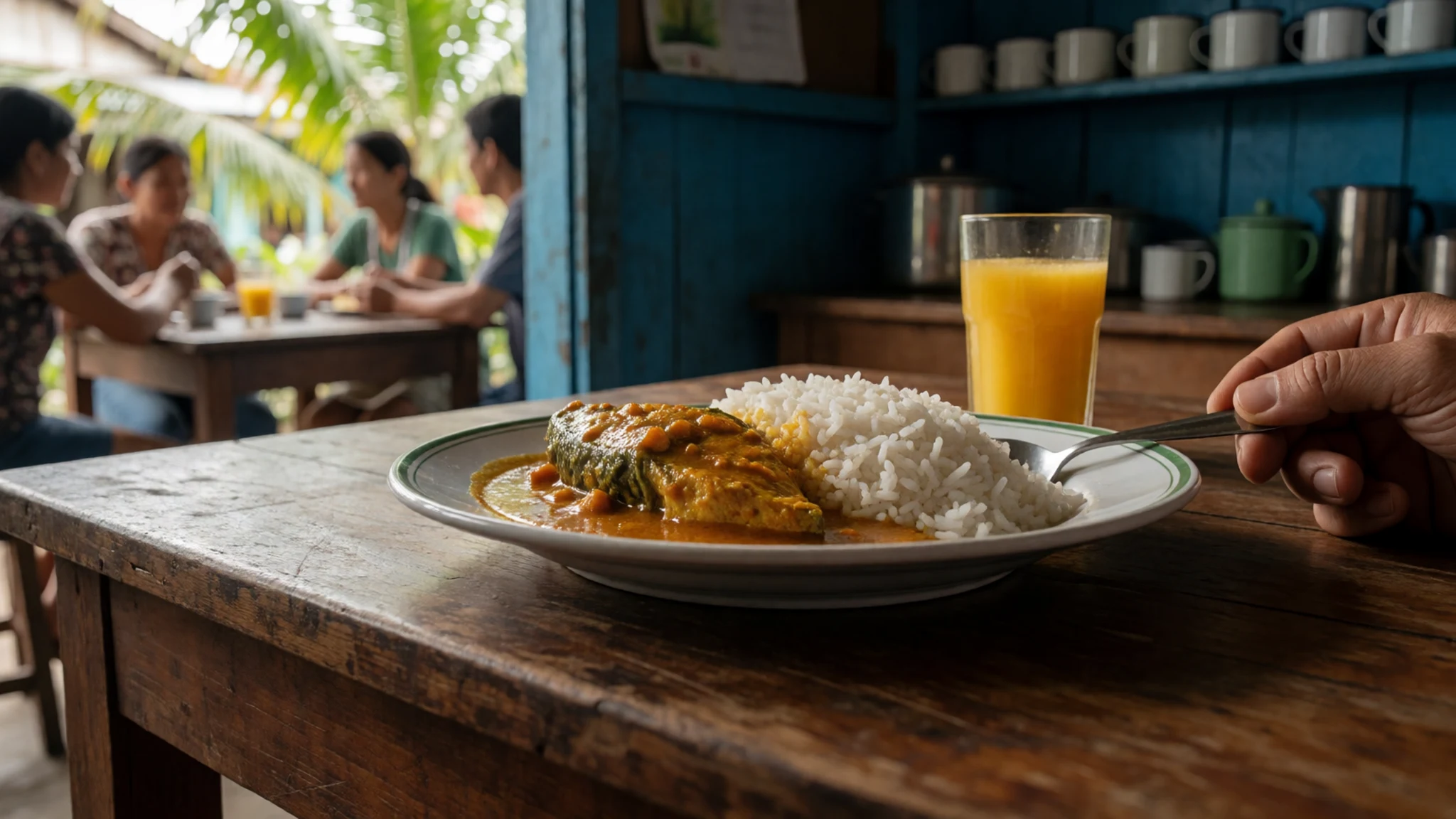
- Grilled and fried seafood — Lodge restaurants and fishing villages along the coast
Fresh fish and other seafood from the surrounding waters are the island's best-value meal. Grilled over charcoal or fried with a simple spice rub, they come with rice or chips. Choose whatever the cook says came in that morning.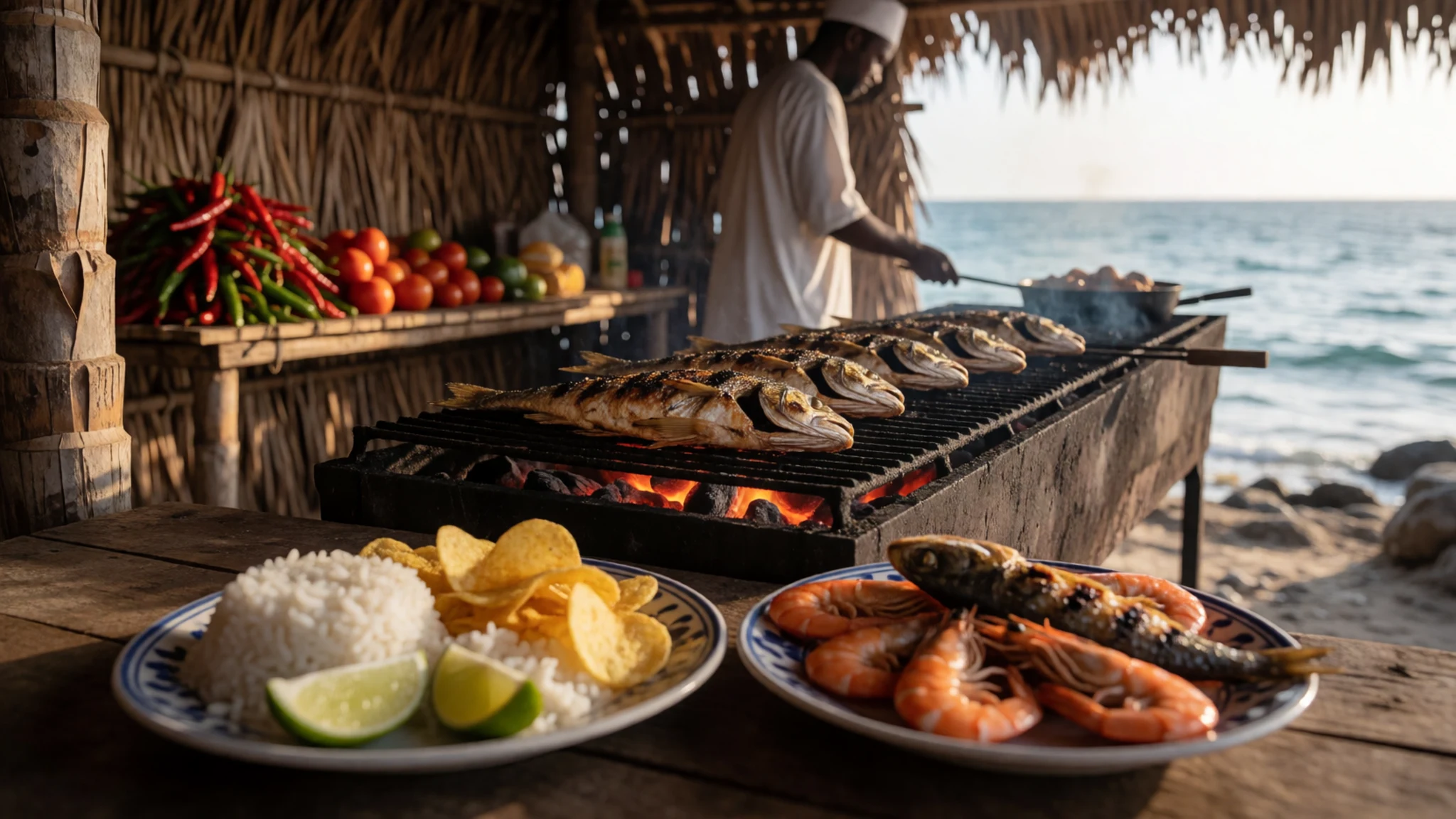
- Chapati — Roadside stalls and everyday eateries in the main towns
Chapati, a soft pan-fried flatbread of Indian origin, is eaten across the Swahili Coast and turns up on Pemba at breakfast and with curries. It is filling, cheap and good for scooping up sauces from a shared dish. - Fresh mango and passion fruit juice — Street stands and markets in Chake Chake and other towns
Mango and passion fruit are sold whole or pressed into juice. Mango depends on the season, while passion fruit is sharper and refreshing in the heat. Ask for the juice without ice if unsure about the water. - Grilled meat and chips — Stalls along the main roads of the larger towns
The standard street food in Pemba's towns is skewered or grilled meat with a pile of chips, often eaten standing at a roadside stall in the evening. It is simple, hot and filling, and a good way to see town life after dark.
Plan it
Best time. June to October is the longer dry season and the most comfortable for beaches and diving; January and February are also drier. The heaviest rain falls in April and May, with a lighter wet spell in November and December. Keep an eye on the eastern waters during July and August, when humpback whales make an appearance.
How long. 4–5
Getting there. Pemba's airport (PMA) is a short drive from Chake Chake, with daily small-aircraft flights from Zanzibar (about 30 minutes) and Dar es Salaam. Ferries run to Mkoani in the south from Dar es Salaam via Stone Town, and to Tanga on the mainland. They sail only a few times a week and often leave late, so check the operator's current timetable. The last leg is by taxi or lodge transfer.
Budget. mid
Tips
- Book flights and ferries ahead and allow slack in your plans, since ferries run only a few days a week and often leave late.
- Bring enough cash from Zanzibar or Dar es Salaam, and ask your lodge how card payments work.
- Arrange dives, forest walks and spice tours through your lodge or an established operator, and ask about conditions on the day.
- Carry drinking water and sun protection; the heat and humidity are steady all year.
- Stay in the north for the best beaches, or near Chake Chake if you want easier access to the airport and the towns.
Etiquette
- Dress modestly outside the lodges, and cover shoulders and knees in towns and villages.
- Do not eat, drink or smoke in public during daylight hours in Ramadan.
- Ask before photographing people, and do not expect alcohol outside the few lodges that serve it.
Nearby
Sources
- Wikidata Q208664 (CC0)
- Wikipedia: Pemba Island (rev 1364106810) (CC BY-SA 4.0)
- Wikivoyage: Pemba Island (rev 5424149) (CC BY-SA 4.0)
- Vincent van Zeijst, view from Chake Chake town centre over the mangroves (CC BY 3.0)
- Marcel Oosterwijk, Vumawimbi Beach (CC BY-SA 2.0)
- Pemba.mpimaji, Court House Chake-Chake (CC BY 3.0)
- Andrew Moir, Island and Diving (CC BY 2.5)
- Vincent van Zeijst, Wharf at Mkoani (CC BY 3.0)
- BernardP, Chaetodon auriga, Pemba (CC BY-SA 1.0)
- BernardP, Chaetodon kleinii, Pemba (CC BY-SA 1.0)
- BernardP, Chaetodon interruptus, Pemba (CC BY-SA 1.0)


