Peleș Castle
Peleș Castle, Romania
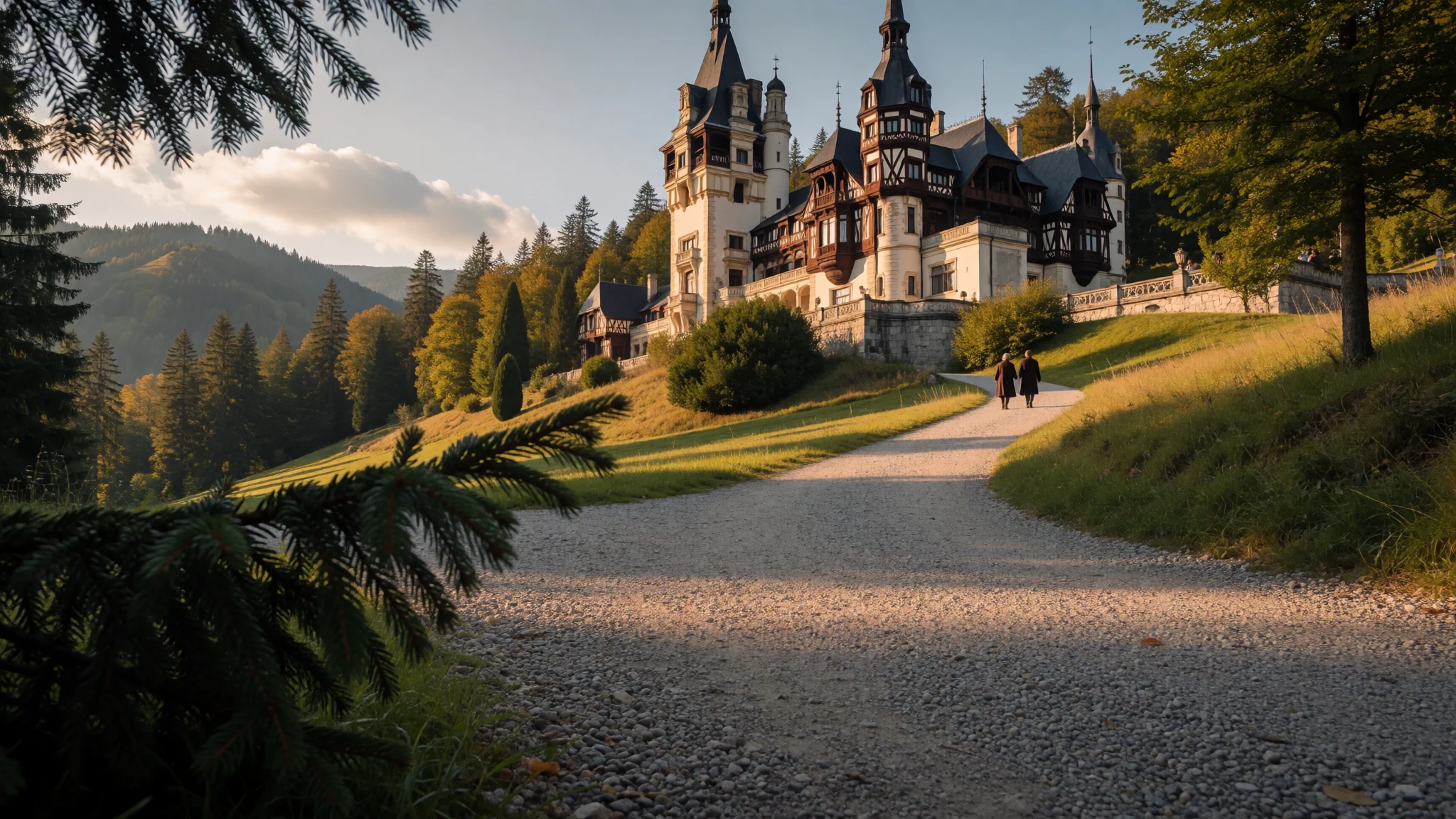
Peleș Castle is a turreted royal summer residence in the Carpathian forests, with richly decorated rooms and a mountain-resort town on its doorstep.
The place
Peleș Castle stands in the Carpathian Mountains just outside Sinaia, a resort town in Prahova County, Romania. The setting is a wooded valley on an old route that once linked Transylvania with Wallachia, and the castle's steep roofs, half-timbered upper floors and slender towers rise out of the trees like something from a storybook. Its style is Neo-Renaissance, with German and Italian touches, and it was built between 1873 and 1914 for King Carol I.
The castle is the centrepiece of a small royal domain with three buildings: Peleș itself, the smaller Pelișor Castle, and the Foișor hunting lodge. Sinaia sits 48 kilometres from Brașov and 124 kilometres from Bucharest, which makes the castle an easy day out from either, though the town rewards a longer stay.
Sinaia is named after a small monastery of 1690, whose founder, a Wallachian nobleman, had returned from a journey to Mount Sinai. A village grew around it, and once the king chose the valley for his summer home, the Romanian upper class followed with villas of their own. Casinos, grand guesthouses and shops arrived, and by the end of the nineteenth century the town was informally treated as the country's summer capital.
Today the mood changes with the seasons. Summer weekends bring crowds on the path up from town, autumn colours the forest, and winter turns the hills white and fills Sinaia with skiers. The grounds around the castle deserve time even before going inside. For opening days and entry rules, check the official site, https://peles.ro/.
Its story
Peleș Castle grew out of one king's affection for a mountain valley. Carol I of Romania, born in 1839, first visited the site in 1866 and was taken with the scenery. In 1872 the Crown bought about 5 square kilometres beside the Piatra Arsă river, and the foundation stone of the castle was laid on 22 August 1873. The aim was a hunting preserve and summer retreat.
Settling on a design took some effort. The first three proposals were modelled on palaces elsewhere in Western Europe, and Carol dismissed all of them as derivative and expensive. The German architect Johannes Schultz won the commission with a more original idea: an alpine castle that combined Italian elegance with German taste, on Renaissance lines. Carol Benesch helped direct the works. The castle was inaugurated in 1883, yet building continued for years. Between 1893 and 1914 the Czech architect Karel Liman added the towers, among them the main central tower, 66 metres high.
The estate grew around the castle. Guards' quarters, stables, the Foișor hunting lodge and a power plant were built alongside, so the castle ran on electricity generated nearby. Liman went on to supervise Pelișor Castle, later the home of King Ferdinand I and Queen Marie. Carol and Queen Elizabeth lived in the Foișor while their castle went up, and Ferdinand and Marie did the same during the building of Pelișor. The works between 1875 and 1914 were estimated at 16 million Romanian lei in gold.
What to see
- Peleș Castle — Royal Domain, northwest of Sinaia
The main castle is the reason for the trip: a cluster of steep roofs, timber-framed upper storeys and towers, the main central one 66 metres high. Seen from the forest path it looks almost too ornate to be real. Allow time to walk round the exterior and courtyard, and check peles.ro for entry details.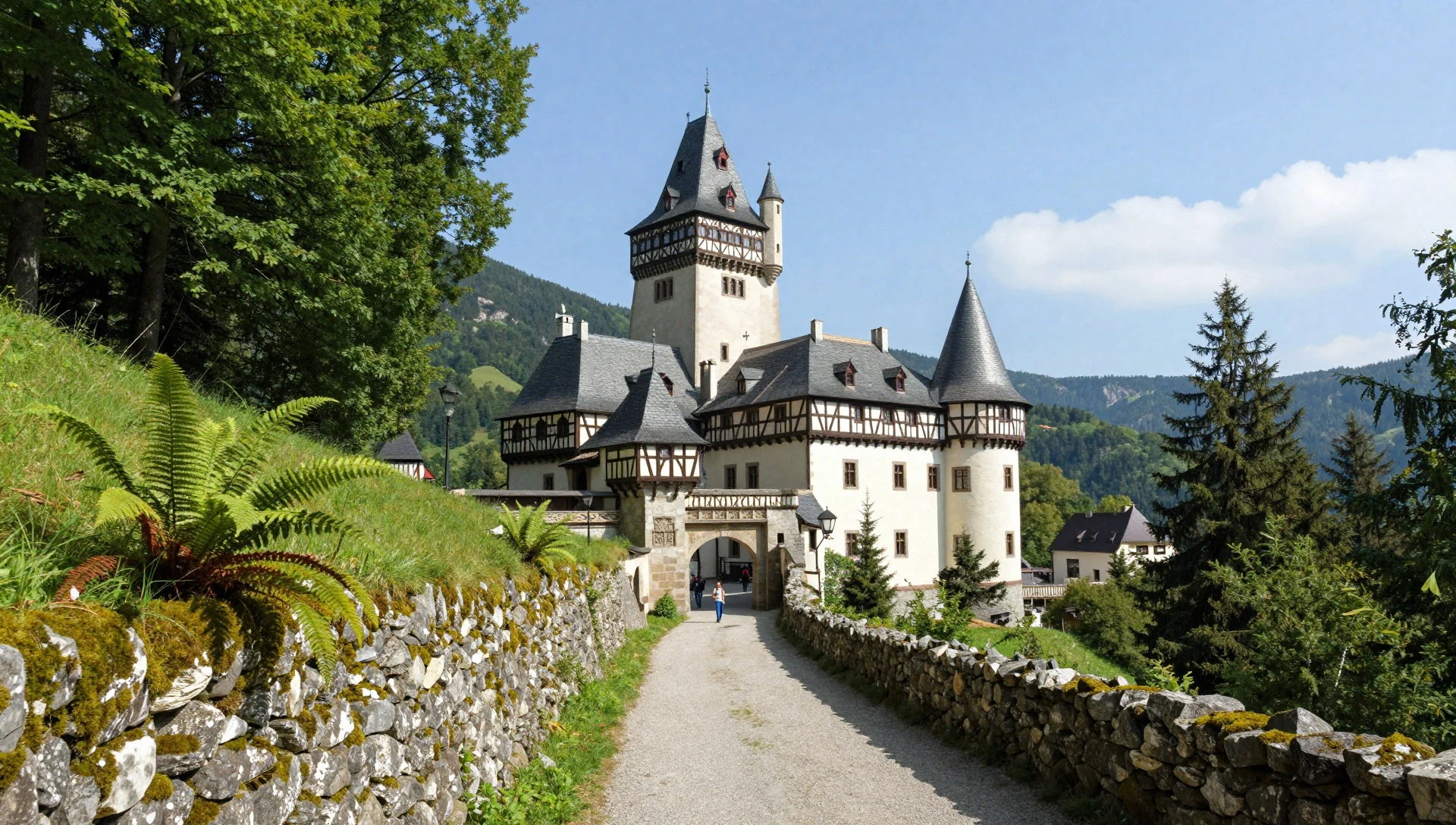
- The rooms inside Peleș — Peleș Castle
Inside Peleș the royal taste for variety shows room by room. The interiors mix styles, with an armoury of historic weapons and a Florentine Room in Italian manner among them. Rooms are visited on set routes, so check the official site for current arrangements and expect queues on summer weekends.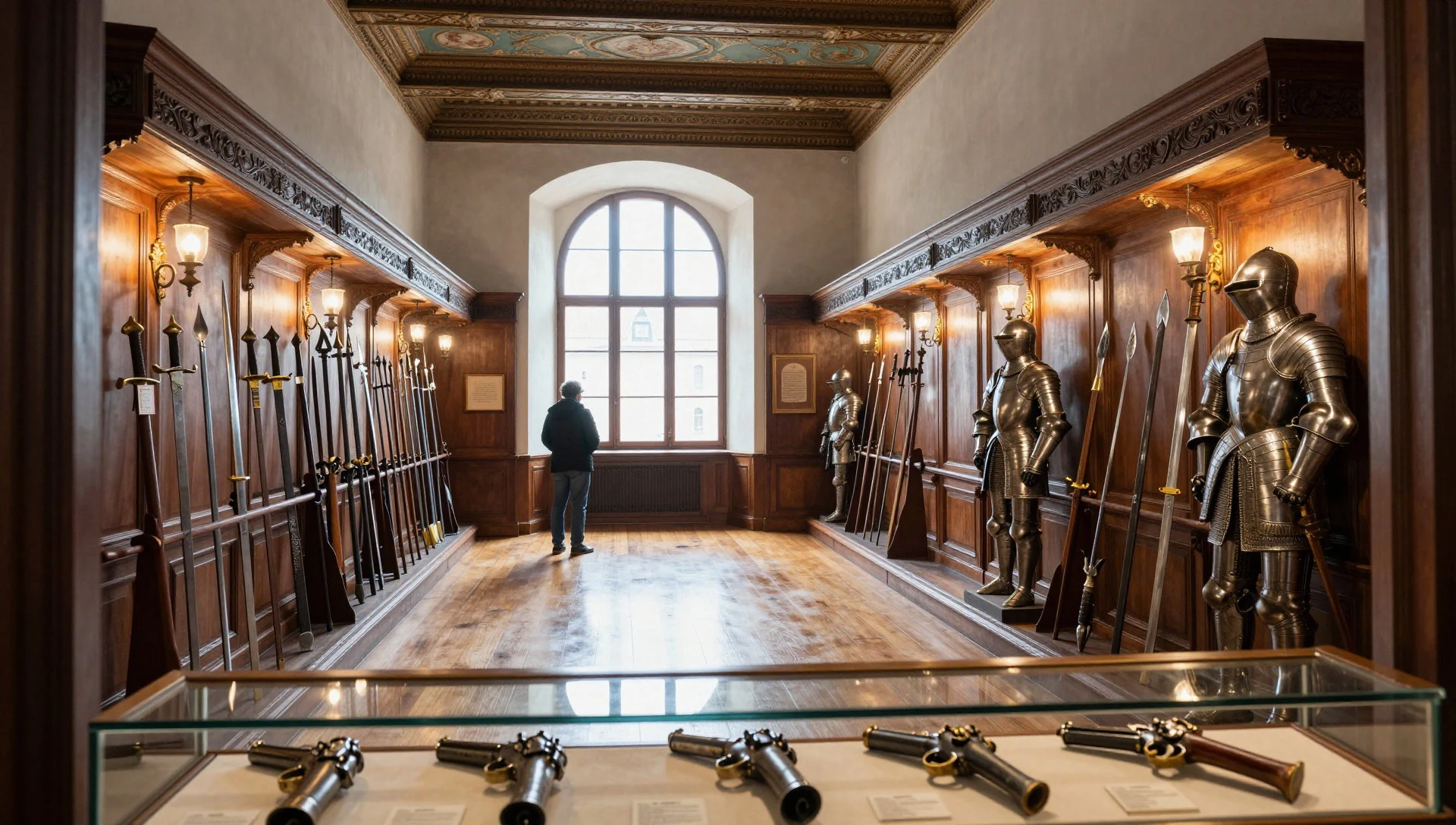
- Pelișor Castle — Royal Domain, Sinaia
Pelișor Castle stands a short walk through the trees from Peleș. It was built for the future King Ferdinand I and Queen Marie, and feels smaller and more intimate than the main castle. It adds a later chapter to the royal story; check the official site to see whether it is open.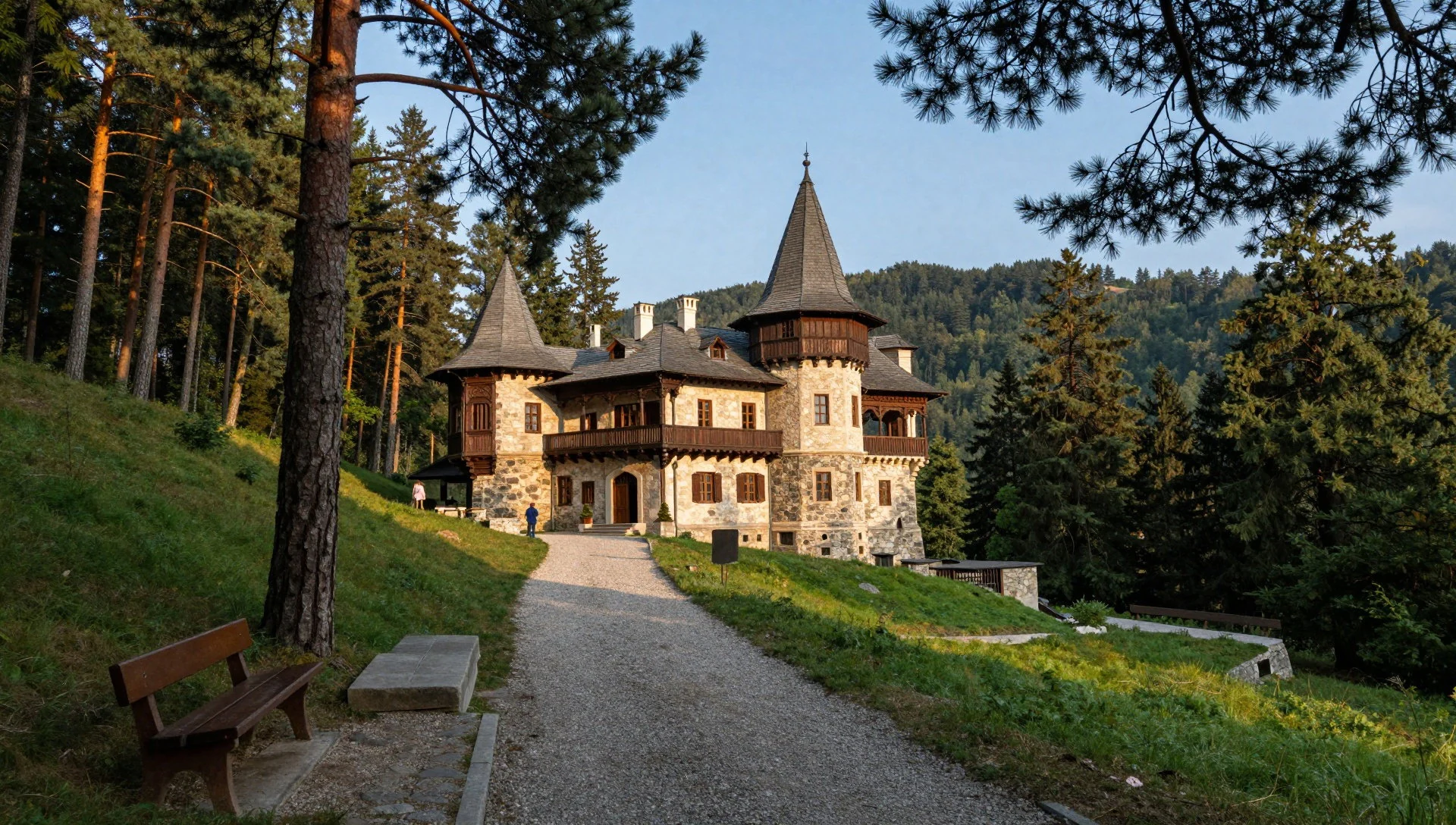
- Sinaia Monastery — Above the town centre, Sinaia
Sinaia Monastery, founded in 1690, gave the town its name. It has an older section and a newer one added in the nineteenth century. The museum of religious objects is modest, but holds a copy of the first Bible printed in Romania. It is a quiet counterpoint to the castle crowds.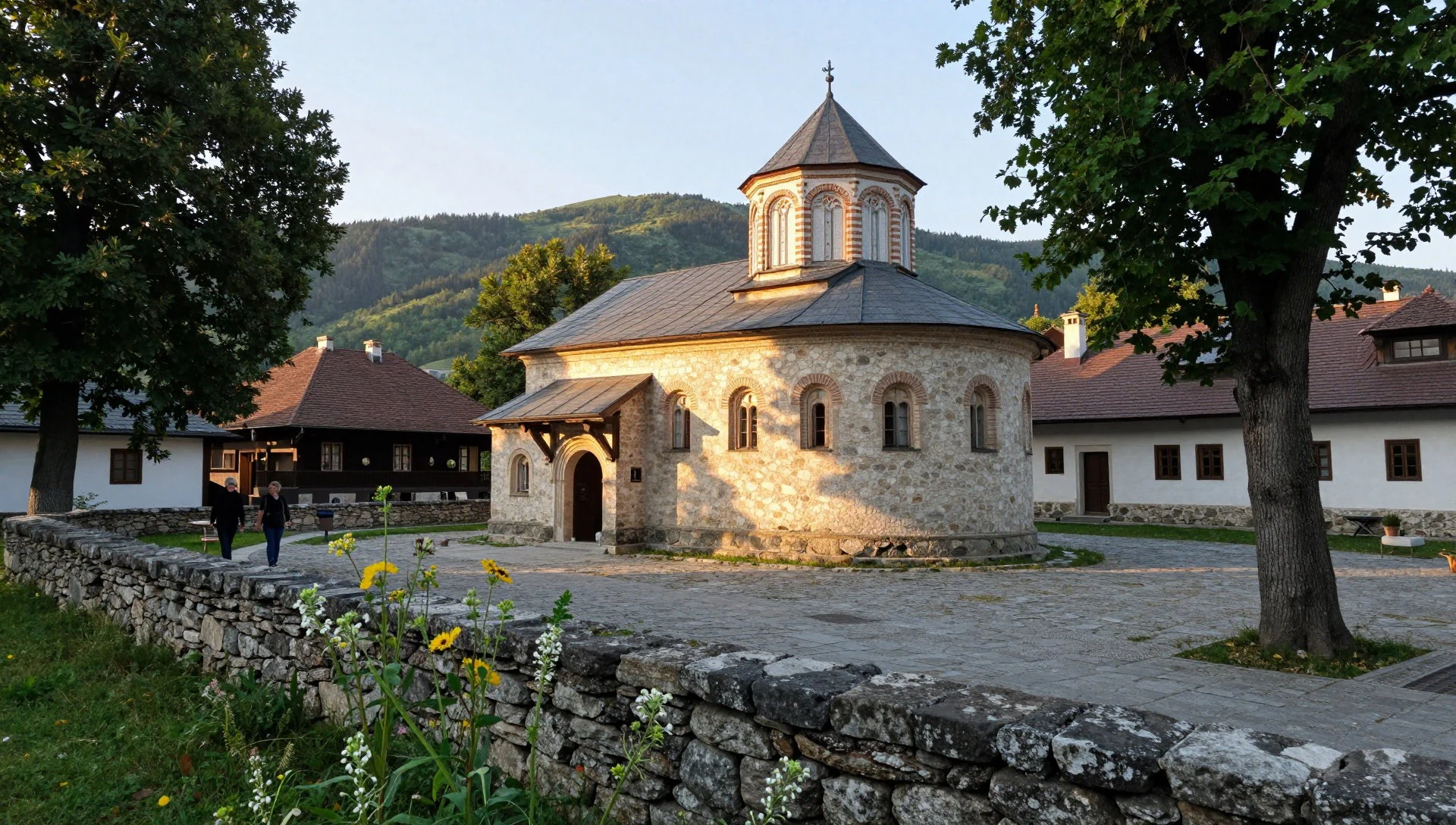
- Central park and the Casino — Town centre, Sinaia
Sinaia's central park is ringed by old villas, the casino building and period guesthouses, a reminder of the town's days as a fashionable summer resort. A small museum sits inside the park. It makes an easy, flat stroll after the climb to the castle, with restaurants and bars close by.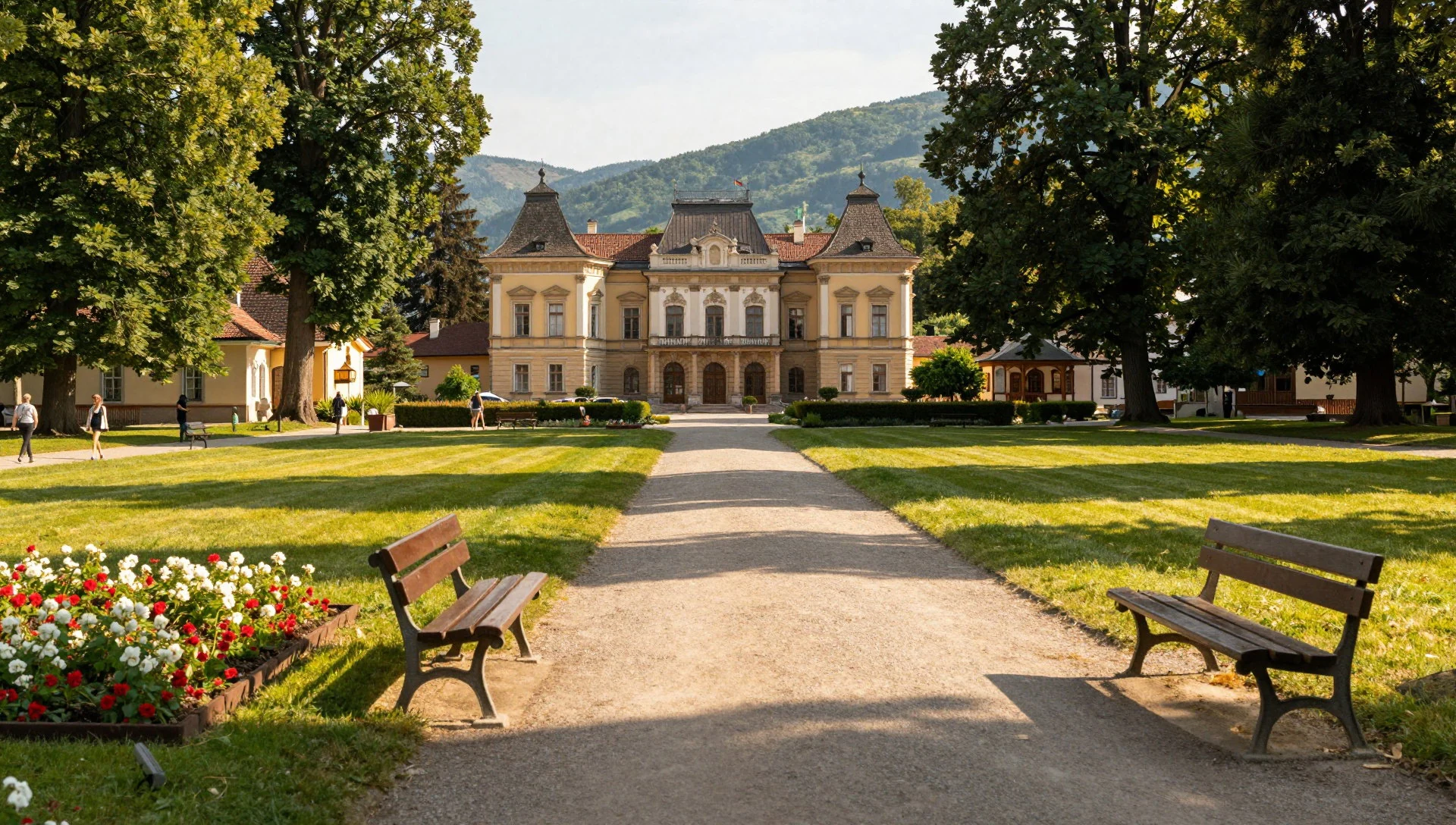
- Ialomița Cave — Bucegi Mountains, near Sinaia
Ialomița Cave lies in the Bucegi Mountains, on the slope of the Ialomița Gorges near Sinaia. It is a single-level cave, and only part of its length is open to visitors. It suits a half-day extra in summer; bring a jacket, and check access and conditions before setting out.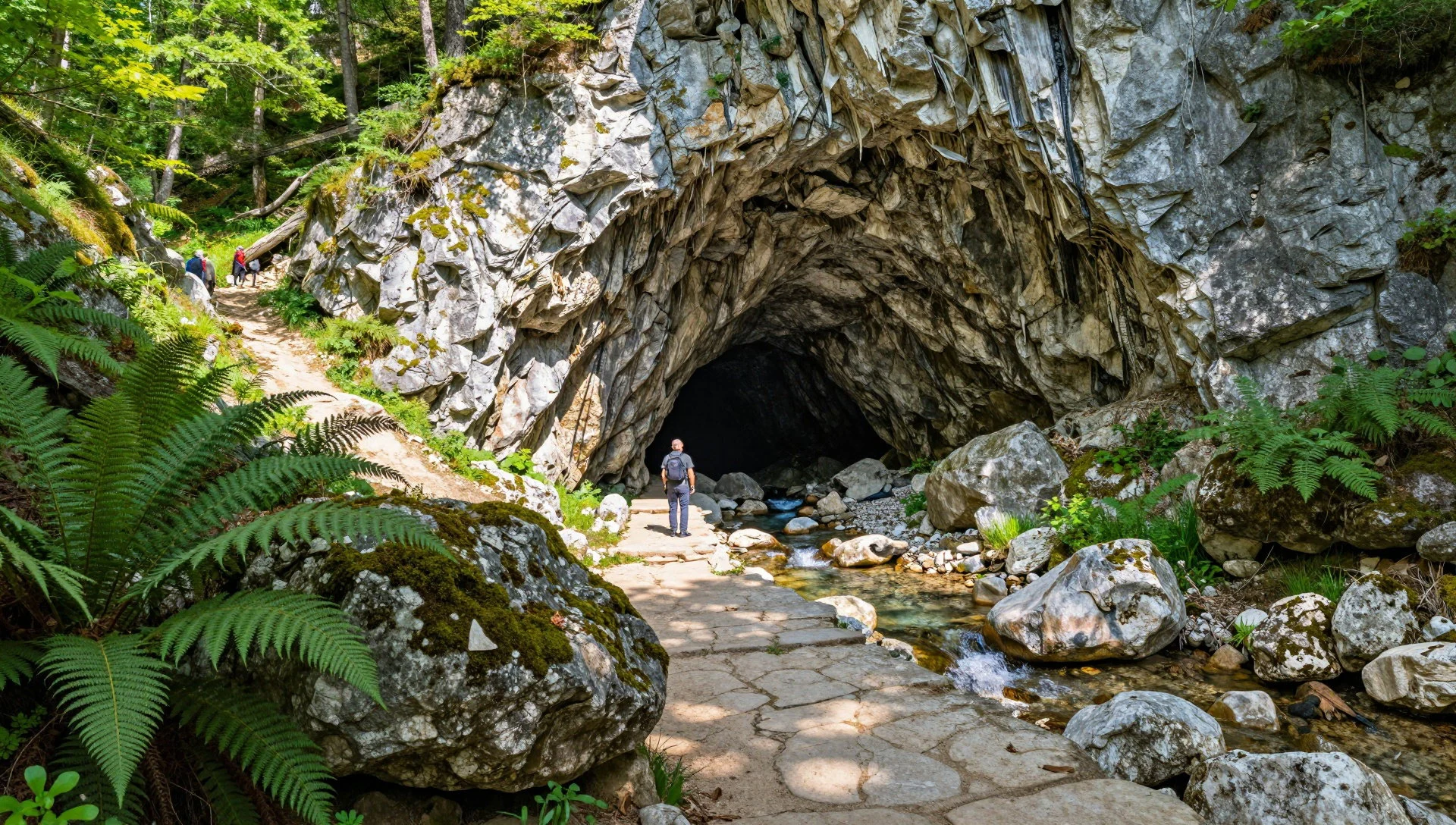
Culture
Peleș Castle reflects the ambitions of Carol I, a prince of the Hohenzollern family who became ruler of a country that gained independence during his reign. Its blend of German, Italian and wider Renaissance ideas placed the young kingdom within a European story. Romanians today tend to see the castle as a monument to the monarchy and to the making of the modern state, though opinions on royalty vary and the rooms are valued first as national heritage.
Sinaia holds other strands of Romanian culture too. The monastery that gave the town its name is a place of quiet, with an older and a newer section and a small museum of religious objects. The composer George Enescu is remembered in a modest memorial house in the Zamora neighbourhood. On summer weekends and holidays, families from Bucharest still come up the valley for walks and long lunches, much as the old elite once did.
A few Romanian words are appreciated: bună ziua for good day and mulțumesc for thank you. English is widely understood in the resort.
Inside Peleș, follow staff instructions about where photography is allowed and keep your voice low in the rooms, and at Sinaia Monastery cover your shoulders and knees before entering the church.
What to wear
Peleș Castle sits in a part of Romania where traditional dress appears mostly at festivals, weddings and church holidays rather than on ordinary days. The best-known piece is the ie, an embroidered blouse in cotton, linen or hemp, with patterns that vary from region to region. It is worn with a wrapped or pleated wool skirt, a woven belt and, in the mountains, a sheepskin or felt waistcoat, often with leather opinci shoes. Embroidery, more than cut, carries the meaning, and many families keep inherited pieces.
Day to day, people in Sinaia dress as in any central European mountain town: jeans, trainers and outdoor jackets for most of the year, smarter clothes for weekend dinners, and ski gear in winter. Folk-embroidered blouses also turn up in modern outfits, especially at celebrations.
For a visit, plan around the weather and the ground. The castle sits on a wooded slope, so expect some uphill walking and wear comfortable shoes with grip. Mountain mornings are cool even in summer, so bring layers, and add a waterproof jacket in spring and autumn. Winter calls for proper boots, a hat and gloves. There is no formal dress code at the castle, and neat casual clothes are fine. At Sinaia Monastery, cover shoulders and knees, and keep a light scarf handy.
What to eat
- Sarmale — Traditional restaurants and guesthouse dining rooms in Sinaia's centre
Sarmale are cabbage or vine leaves rolled around minced meat and rice, simmered slowly and served with sour cream. They are a staple of Romanian celebrations and winter tables. Look for them in traditional Romanian restaurants and guesthouse dining rooms in Sinaia's centre.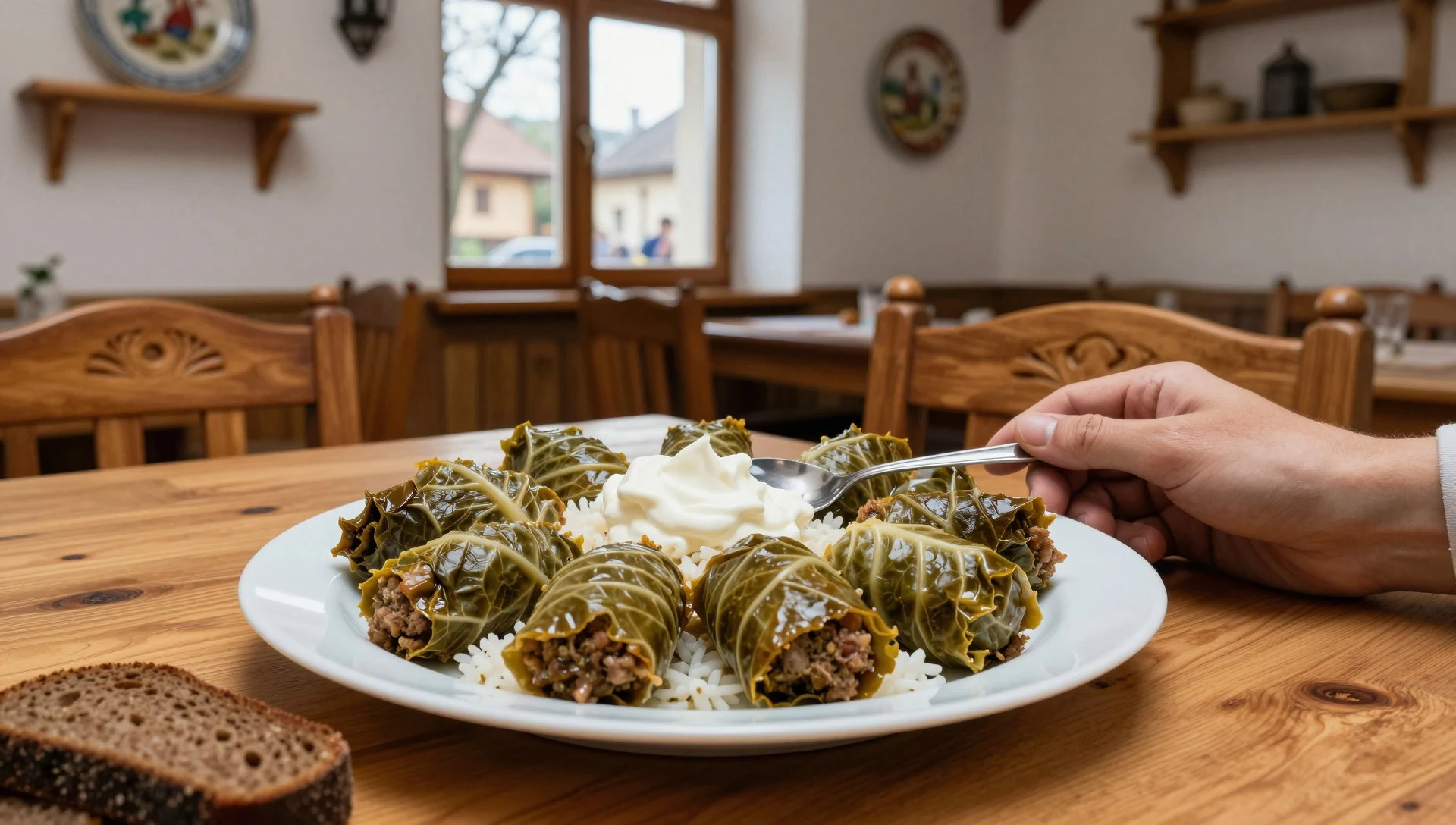
- Mămăligă cu brânză și smântână — Traditional restaurants and roadside eateries in the Prahova valley
Mămăligă is a firm cornmeal porridge, often served with salty cheese and sour cream, or alongside stews and grilled meat. It is simple mountain food that suits cold days after a walk. Order it at a traditional restaurant or a roadside eatery in the valley.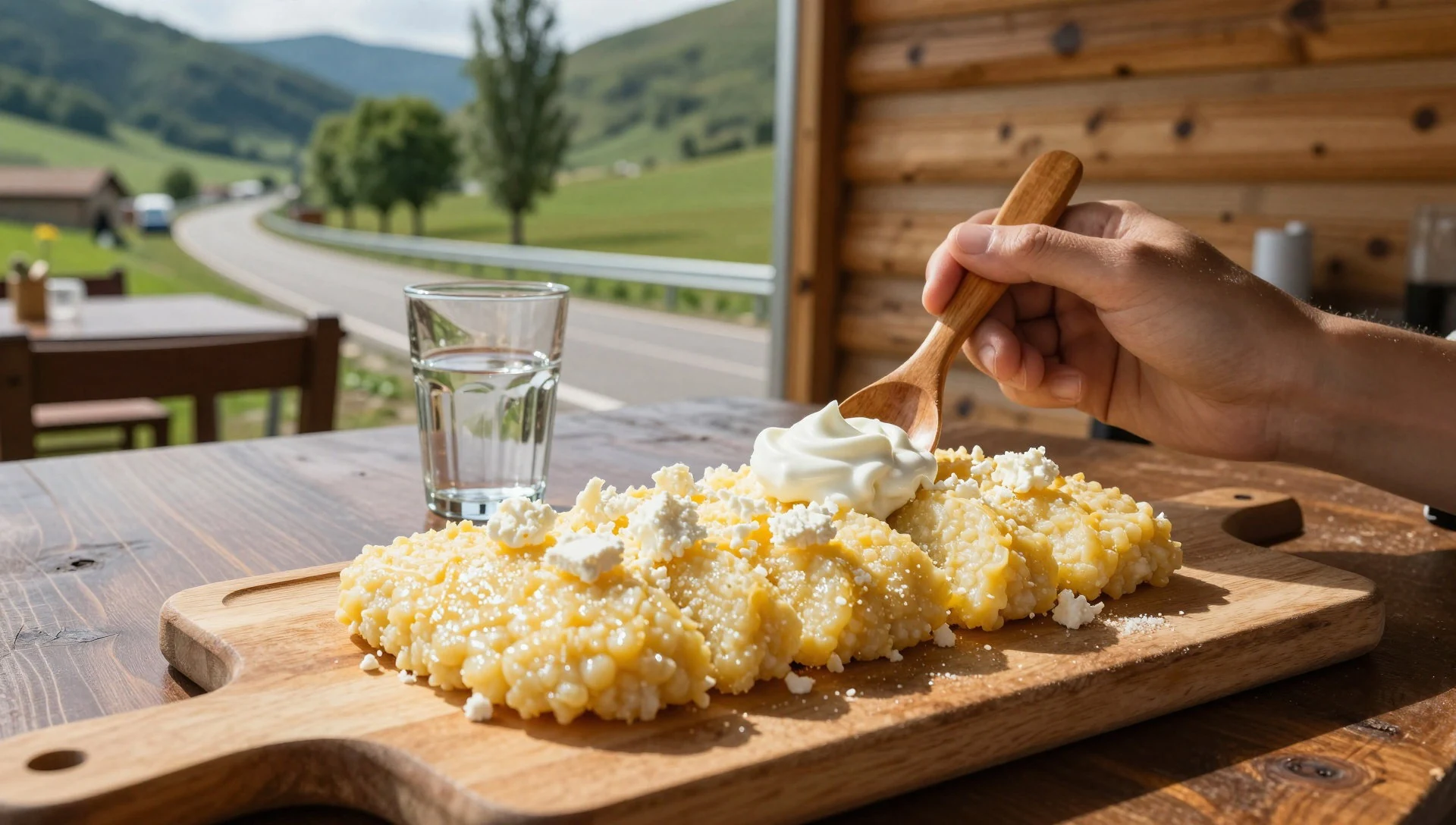
- Mici — Barbecue-style restaurants and festival stalls around Sinaia
Mici, also called mititei, are small skinless grilled sausages of minced meat, garlic and spices, eaten with mustard and bread. They are a common choice at summer grills and outdoor terraces; look for them at barbecue-style restaurants and festival stalls around Sinaia. - Ciorbă de perișoare — Traditional Romanian restaurants in Sinaia's centre
Ciorbă de perișoare is a tangy soup of small meatballs and vegetables, soured with lemon juice or fermented bran and finished with fresh herbs. It makes a warming lunch after a castle visit. Order it at a traditional Romanian restaurant in Sinaia's centre. - Papanași — Dessert lists at traditional restaurants in Sinaia and nearby towns
Papanași are fried or boiled doughnut-like rings of fresh cheese dough, topped with sour cream and sour-cherry or berry jam. They are a rich dessert to share. Look for them on the dessert list at traditional restaurants in Sinaia and across the Carpathian towns.
Plan it
Best time. May–June and September–October for walking, with mild weather and green or autumn-coloured forest. July–August and holiday weekends are the busiest; December–February brings snow and skiing around Sinaia, and mountain weather can change quickly in any season.
How long. 1–2
Getting there. Fly to Bucharest, the closest airport, then take a train on the main Bucharest–Brașov line to Sinaia; drivers can use National Road 1. From the town, the castle estate lies to the northwest, reached on foot up the wooded slope.
Budget. mid
Tips
- Go early on summer weekends and holidays, when the approach and queues fill up, and check peles.ro for opening days and any booking requirements.
- Watch for pickpockets in busy areas, and keep away from stray dogs, especially in the Zamora neighbourhood on the far side of the railway tracks.
- Book accommodation ahead for ski season and summer weekends; outside peak times, last-minute discounts are not unusual.
- Carry water, a layer and some cash as well as a card for small cafés and stalls.
- Pair the castle with Pelișor Castle and the monastery, all within easy reach of the town centre.
Etiquette
- Follow staff instructions on photography and keep your voice low inside the castle rooms.
- Cover shoulders and knees when entering Sinaia Monastery, and ask before photographing worshippers.
- Stay on marked paths in the royal grounds and the surrounding forest.
Nearby
Sources
- Wikidata Q917702 (CC0)
- Wikipedia: Peleș Castle (rev 1375910636) (CC BY-SA 4.0)
- Wikivoyage: Sinaia (rev 5418227) (CC BY-SA 4.0)
- Photo: Peleș Castle in Sinaia, Romania — Myrabella, via Wikimedia Commons (CC BY 3.0)
- Photo: Castelul Peles si Muntele Furnica, Sinaia — Camil72, via Wikimedia Commons (CC BY 3.0)
- Photo: Peleș Castle with snow in January 2021 — Daniele Napolitano, via Wikimedia Commons (CC BY-SA 4.0)
- Photo: Castelul Peleș — Nicubunu, via Wikimedia Commons (CC BY-SA 4.0)
- Photo: Courtyard peleş — unknown author, via Wikimedia Commons (CC BY 2.5)
- Photo: Peleș Castle - Armory — Yair-haklai, via Wikimedia Commons (CC BY-SA 4.0)
- Photo: Inside of a castle — Photopro Pro, via Wikimedia Commons (CC BY 3.0)
- Photo: Peles Castle - The Florentine Room — Carol I of Romania, via Wikimedia Commons (CC BY-SA 4.0)


