Pattaya
Pattaya, Thailand
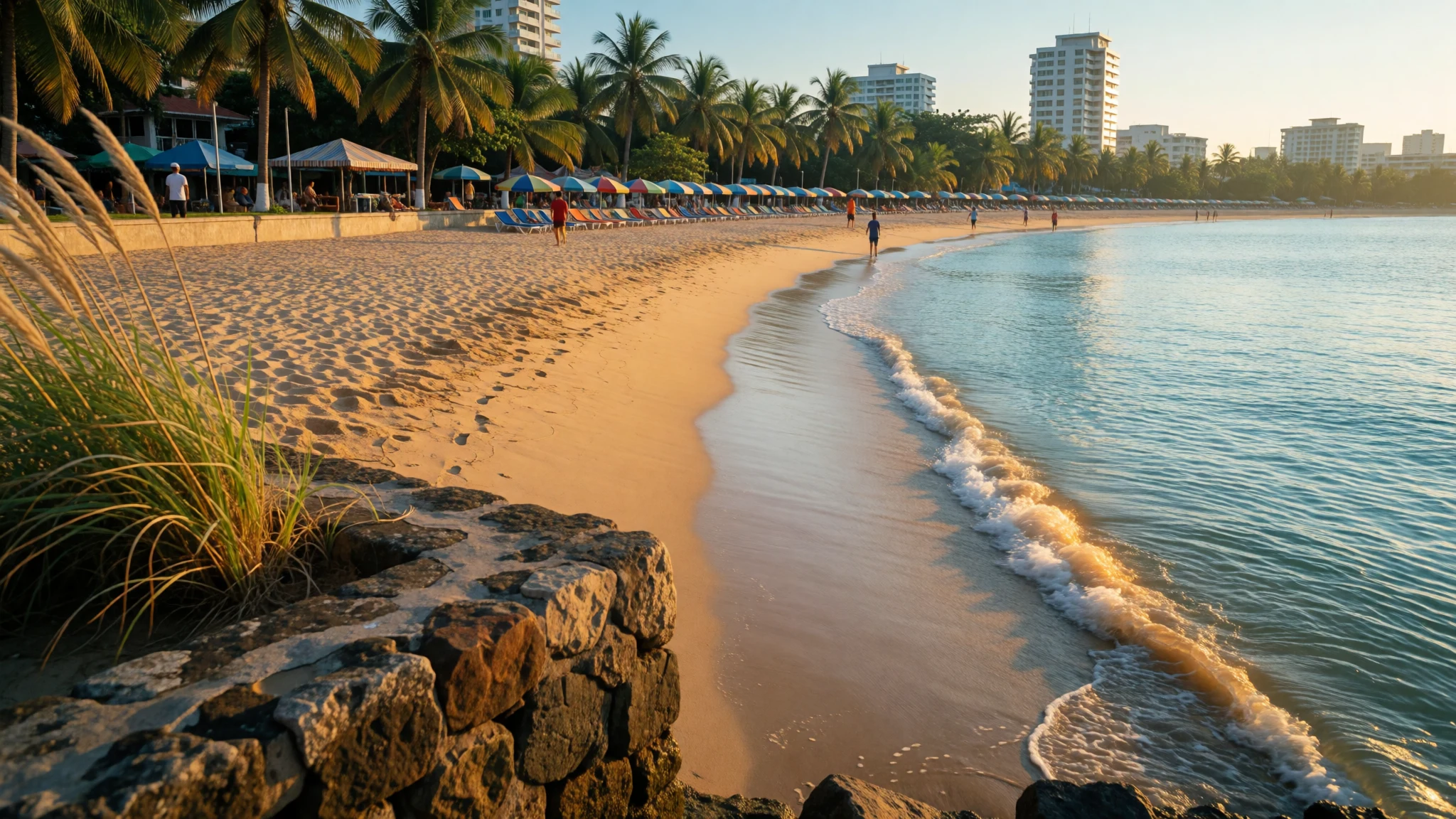
Pattaya offers a bustling coastal escape on the Gulf of Thailand, blending lively beach culture, neon-lit nights, and rich local traditions.
The place
Pattaya sits along the east coast of the Gulf of Thailand, positioned within Chonburi province as a special local government organisation area. Administered across parts of Bang Lamung district, the settlement spans several tambons and forms part of the wider industrial Eastern seaboard zone alongside neighbouring coastal hubs. While its official municipal population sits around one hundred and nineteen thousand residents, the broader conurbation functions as a much larger urban agglomeration due to extensive regional growth and continuous coastal development.
The coastal geography shapes daily life here, where sandy stretches meet dense urban infrastructure, high-rise developments, and busy commercial thoroughfares. Sea breezes temper the tropical heat, though humidity remains a constant factor throughout the year. The surrounding district bridges heavy industrial corridors with traditional coastal settlements, creating an unusual juxtaposition of modern trade, manufacturing proximity, and seaside recreation. Visitors arriving along the eastern seaboard encounter a fast-paced environment that differs markedly from quieter southern island shores, offering instead a dense, highly accessible urban beach experience with extensive transport links back towards the national capital.
Its story
The recorded history of Pattaya links directly to an eighteenth-century military march led by Phraya Tak during the turbulent final years of the Ayutthaya Kingdom. While moving his forces towards Chanthaburi before the former capital fell to invading armies, the future ruler encountered local leader Nai Klom. Impressed by the disciplined bearing of the advancing troops, Nai Klom surrendered without conflict. The location of this historic meeting became known as Thap Phraya, signifying the army of the leader, which eventually shifted phonetically into the current place name associated with the seasonal winds blowing from the southwest.
For centuries following this military encounter, the locality remained a quiet coastal cluster of small fishing settlements largely dependent on the Gulf waters. A dramatic transformation began after the Second World War when investors recognised the tourism potential of the shoreline. This momentum accelerated significantly during the Vietnam War years when American service personnel arrived on leave for rest and recreation. That influx established the initial infrastructure for hospitality and entertainment, turning a sleepy seaside village into one of Southeast Asia's most prominent coastal destinations over subsequent decades.
What to see
- The Million-Year Stone Park and Crocodile Farm — Nong Prue
This landscaped attraction features exotic plant displays, unusual rock formations, a crocodile farm, and regular live performances, offering a contrast to the bustling city beaches.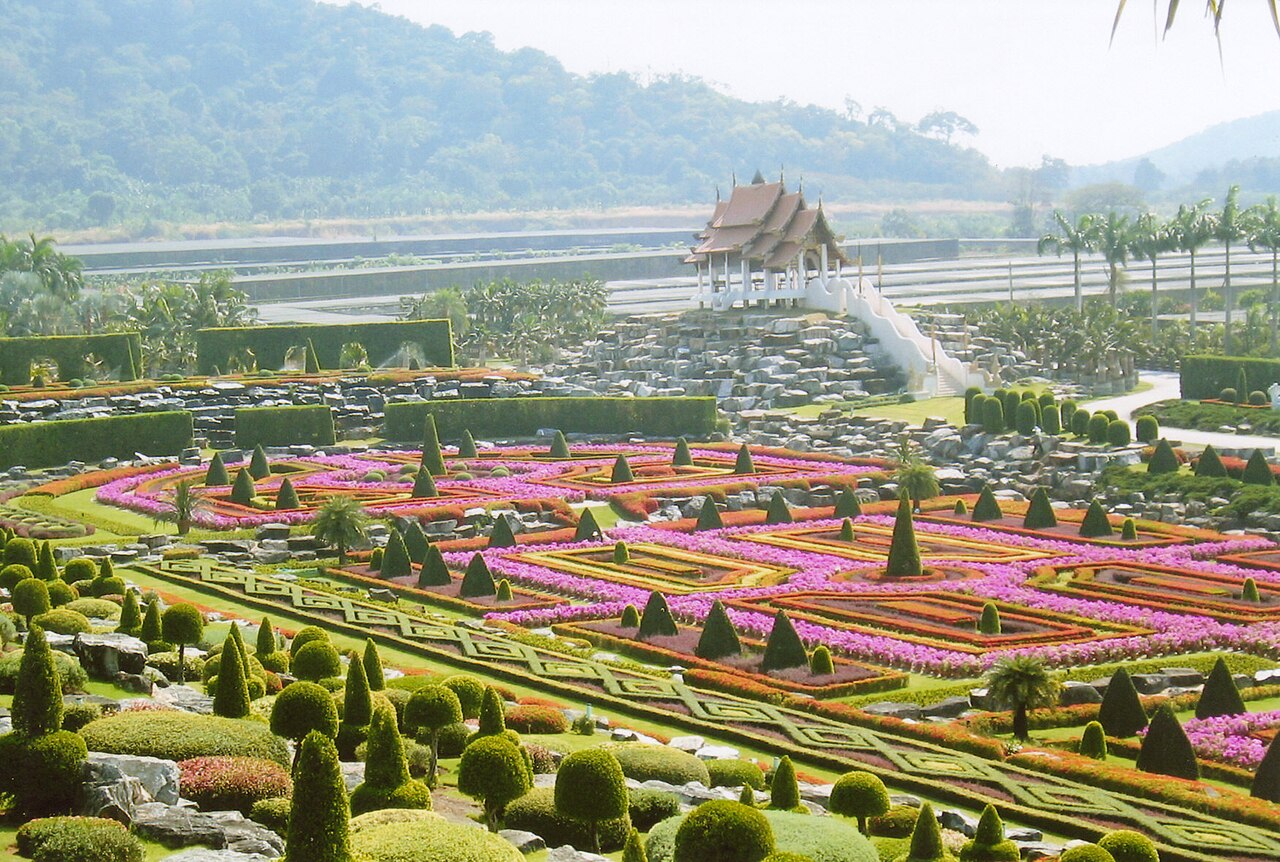
- Buddha Hill — Pratumnak Hill
Positioned at one of the highest points above the coastline, this elevated site holds a large seated Buddha image alongside a quiet Chinese-style shrine complex dedicated to revered philosophers. - The Sanctuary of Truth — Na Klua
An enormous wooden architectural monument standing on the coast, entirely carved from teak and dedicated to ancient eastern philosophical themes and artistic craftsmanship.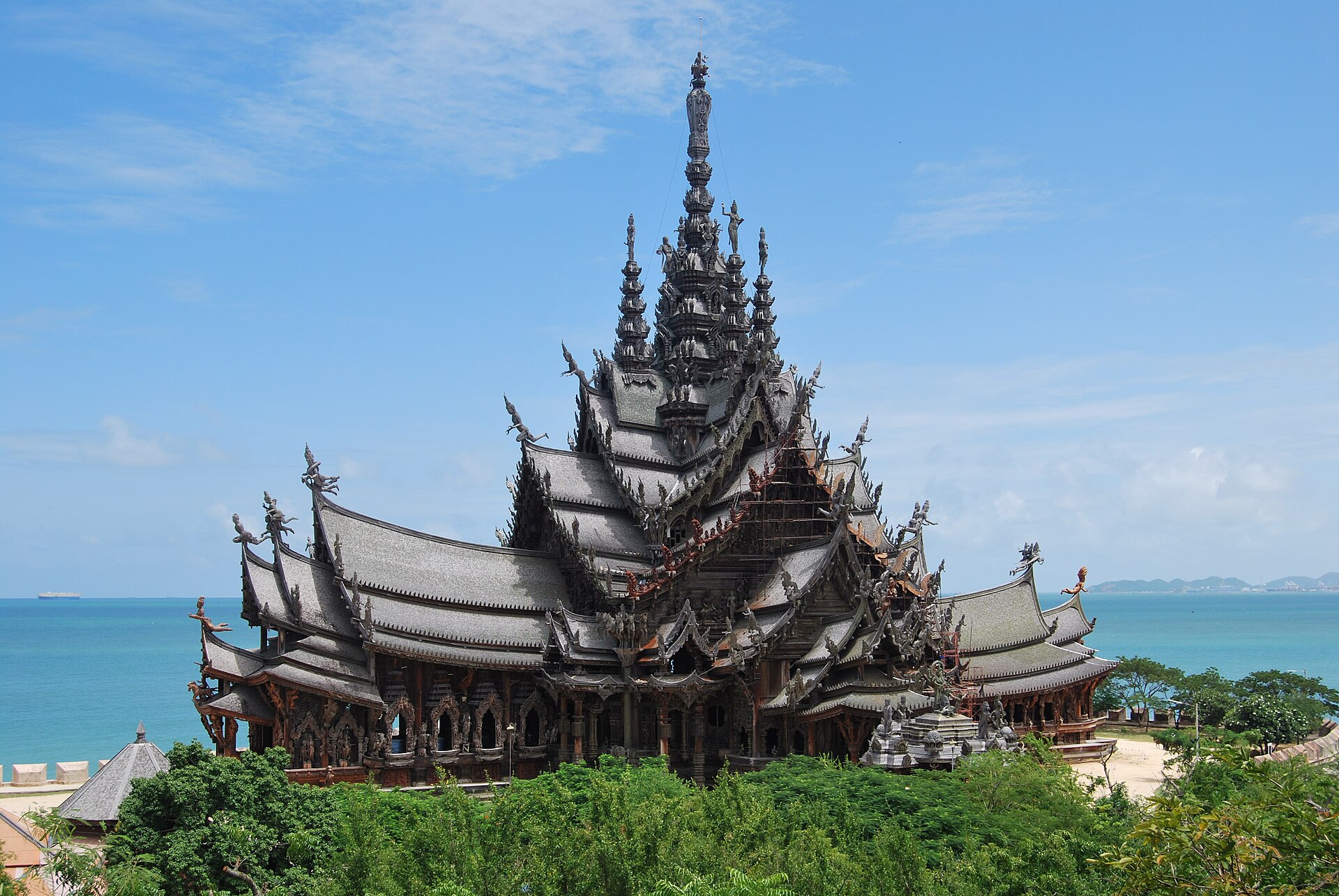
- Pattaya Walking Street — South Pattaya
The energetic epicentre of the city's nightlife, transforming into a pedestrian-only zone filled with neon signs, music venues, and vibrant street life after sunset.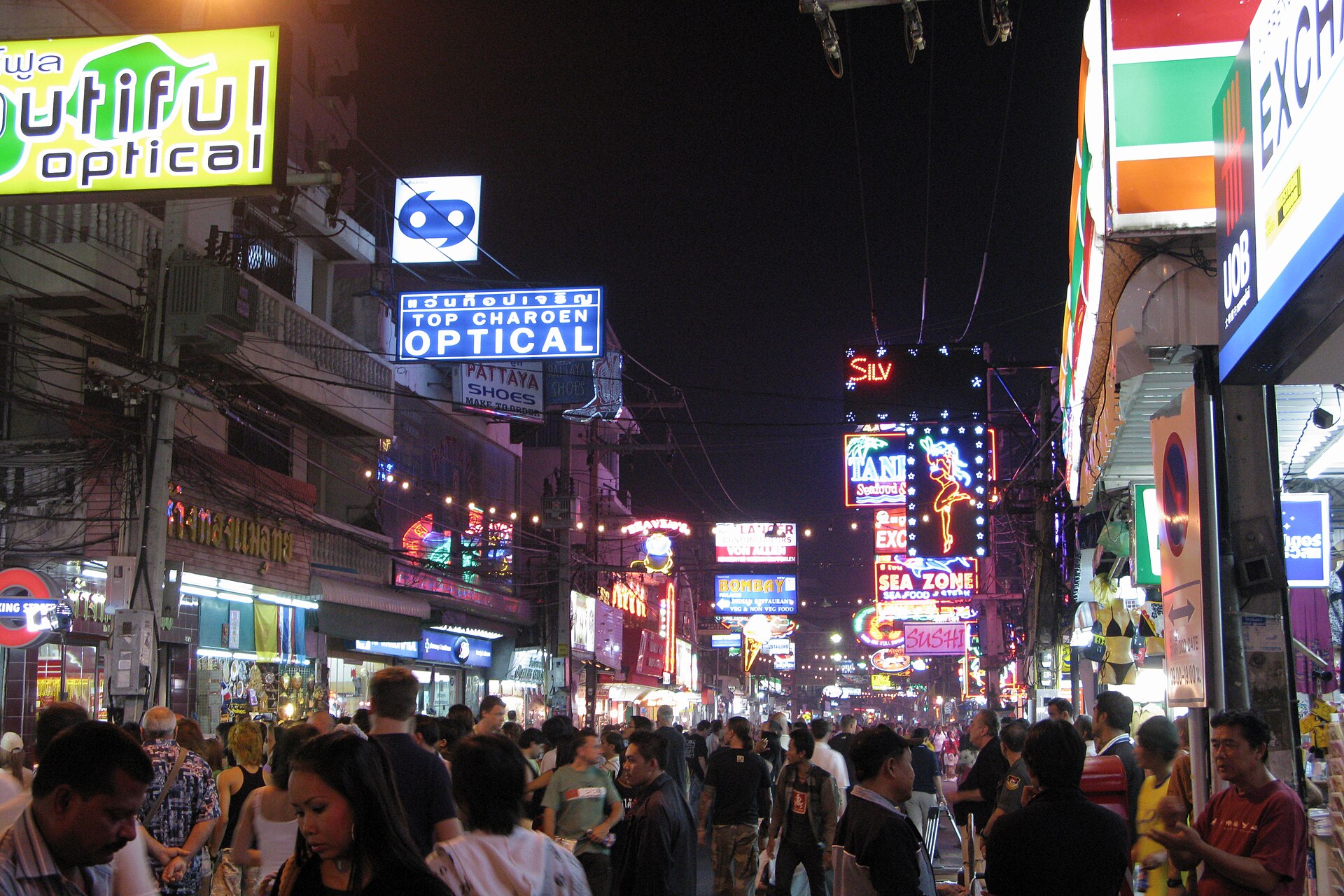
Culture
The cultural calendar in Pattaya reflects both traditional Thai heritage and the vibrant traditions of the area's large Thai-Chinese community. Celebrations for Chinese New Year bring dynamic dragon processions, lion dances, and evening fireworks across the municipal area. Later in the year, the annual music festival draws massive crowds to outdoor stages along the coastal roads with performances from regional and international artists. In mid-April, the local version of the Songkran water festival, known locally as Wan Lai, offers a distinct coastal take on the traditional New Year celebrations with extended water-splashing events throughout the streets. Visitors should dress modestly when visiting temples or shrines, ensuring shoulders and knees are covered at all times.
What to wear
Traditional attire across Thailand historically featured lightweight silk or cotton garments suited to the tropical climate, such as the wrapped panung or sabai, though everyday traditional dress is now largely reserved for national ceremonies and cultural festivals. Residents and workers in modern Pattaya dress in contemporary urban casual wear, including lightweight shirts, shorts, and sandals, balancing comfort against the steady coastal heat and humidity. Visitors should pack breathable, loose-fitting clothing made from natural fibres. While casual resort wear is suitable along the beachfront, modest outfits covering shoulders and knees are essential when entering sacred shrines, temples, or administrative buildings, and footwear should always be slip-on style for easy removal at temple doors.
What to eat
- Street Food Fried Rice — Soi 15 near Walking Street
Simple, freshly prepared wok dishes cooked at open-air food stalls, offering affordable and satisfying flavours along the side streets. - Local Thai Curry and Soup — Fra Pattaya market area
Unassuming roadside eateries serve aromatic bowls of broth and spiced dishes prepared in traditional local styles for neighbourhood diners. - Classic Street Kebabs — Walking Street vicinity
Quick, grilled meat wraps served from small sidewalk kiosks, ideal for a fast bite while exploring the busy evening entertainment districts. - Traditional American Breakfast — Baywatch Restaurant area
Hearty plates of eggs, toast, and coffee served in long-standing neighbourhood diners catering to international visitors.
Plan it
Best time. December to February brings drier, more comfortable conditions, while March and April are exceptionally hot and humid, followed by the rainy season from May to November.
How long. 2–3
Getting there. Reach Pattaya by a comfortable two-hour drive from Bangkok via the motorway or national highways, or via regional bus services connecting from major transport hubs.
Budget. mid
Tips
- Carry light rain protection if travelling during the monsoon months.
- Use registered transport or metered taxis for local journeys.
- Drink bottled water and stay hydrated in the coastal heat.
- Keep small denominations of currency handy for market stalls.
Etiquette
- Remove your shoes before entering temples or traditional homes.
- Show respect towards images of the Buddha and royal figures.
Nearby
Sources
- Wikidata Q170919 (CC0)
- Wikipedia Pattaya (CC-BY-SA 4.0)
- Wikivoyage Pattaya (CC-BY-SA 4.0)