Patna
Patna, India
Patna is an old Ganges capital where Mauryan ruins, Sikh and Buddhist heritage, a fine museum and litti chokha share a busy modern city.
The place
Patna is the capital of Bihar and lies on the southern bank of the Ganges, on the flat alluvial plain of eastern India, about 58 metres above sea level. The city has about 1.7 million people by the official count, and a much larger urban spread runs along the river. The Son, Gandak and Punpun also meet or run close to the city, which is why so much of the land around it is low, green and prone to flooding.
The city is long and narrow, laid out in a band parallel to the water, so crossing it means traffic, flyovers and bridges rather than a pleasant stroll. The Mahatma Gandhi Setu carries a road over the Ganges to Hajipur on the northern bank, and the river itself is the best free spectacle: swollen and brown in the monsoon, with sandbars and drifting ferries in the dry months.
Patna works as a government and court town. The High Court and the Legislative Assembly stand here, along with crowded markets, student coaching centres and wide colonial-era roads in the west. The eastern quarter, Patna City, feels older, tighter and more devout. It is sacred to Sikhs as the birthplace of the tenth Guru, Guru Gobind Singh.
Patna is also a base for the region. The Buddhist, Hindu and Jain pilgrimage towns of Vaishali, Rajgir, Nalanda, Bodh Gaya and Pawapuri lie within reach by road, so many travellers pass through on the way to them. Those who stay a day or two find a place that is unpolished, noisy and hot for much of the year, but rich in history and very good for simple, filling food. Winter mornings bring river mist and a gentler pace.
Its story
Patna began as Pataliputra, and Buddhist tradition places its founding around 490 BCE, when Ajatashatru, king of Magadha, wanted a base closer to the Ganges. His old capital at Rajagriha, today's Rajgir, sat among hills. The new riverside site was better placed for moving troops against the Licchavi people of Vaishali. The same texts say the Buddha passed through in the last year of his life and foretold both a bright future and eventual damage from flood, fire and feud. The scholar Dieter Schlingloff has suggested that these accounts may dress up later grandeur as prophecy, and that the city's timber defences hint at an even earlier origin. Only excavation and carbon dating of the wooden palisades could settle that.
Pataliputra later served as the capital under a run of dynasties, among them the Nandas, Mauryas, Shungas and Guptas. Thinkers linked with the city include Aryabhata the astronomer, Vatsyayana of the Kama Sutra and the statecraft teacher Chanakya. Megasthenes, the Greek envoy at the court of Chandragupta Maurya, left one of the earliest outside descriptions. He placed the city where the Ganga met the Son and gave it a long, narrow shape along the river, which is still how Patna lies. The Chinese pilgrim Fa Hien visited in the fifth century CE and noted the polished pillars at the site now called Kumhrar.
The ancient city eventually faded and the name Patna took over. Today the past survives mostly underground and in museums. That is both the charm and the frustration of the place: the story is large, but the visible remains are modest.
What to see
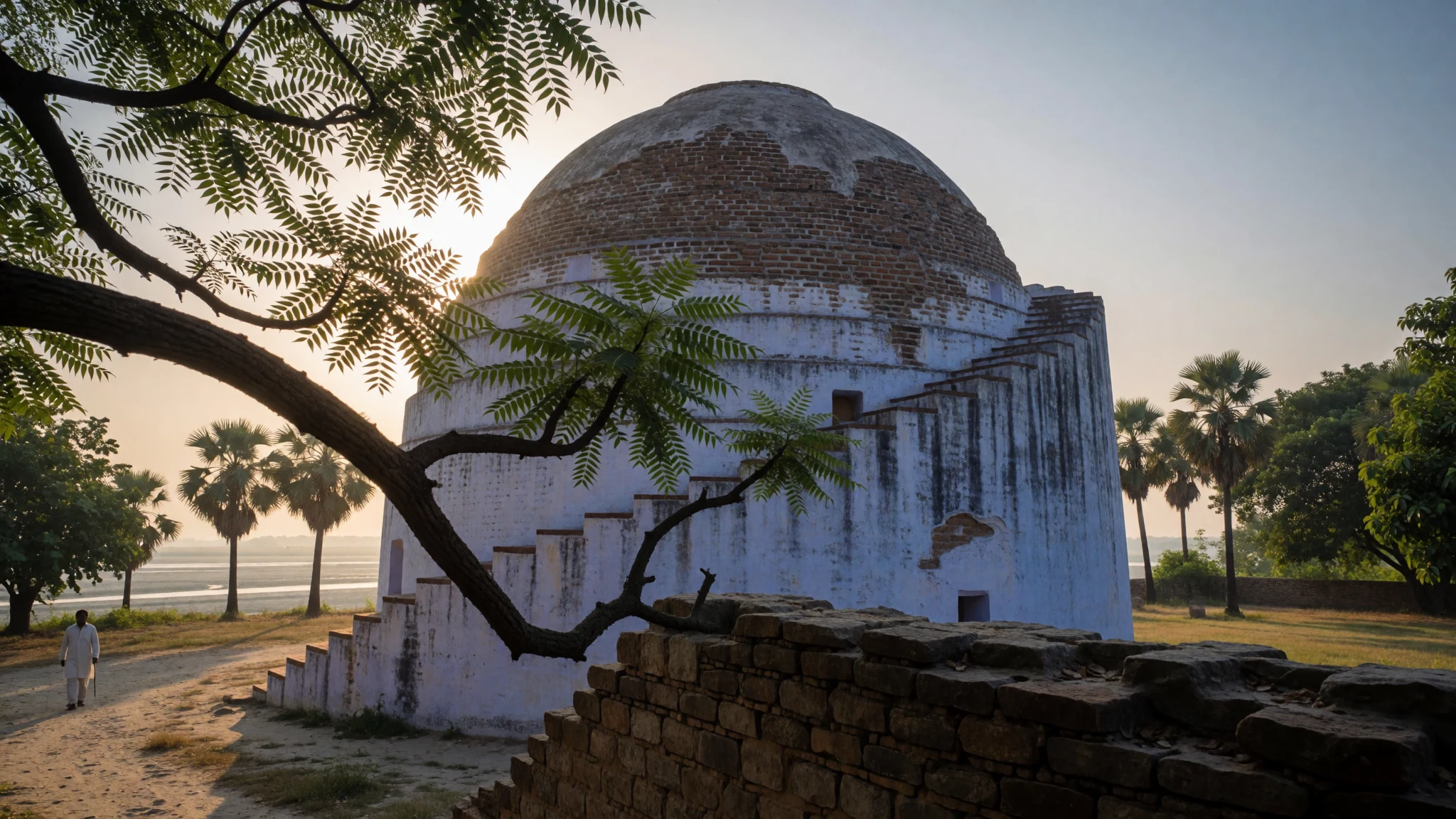
- Golghar — Gandhi Maidan area, central Patna
Golghar is a beehive-shaped granary beside the Ganges, built by the British in the late eighteenth century to store grain for their army. Steps wind up the outside, and the top gives a wide view over the river and the roofs of old Patna. Go early or late, as the stone holds heat.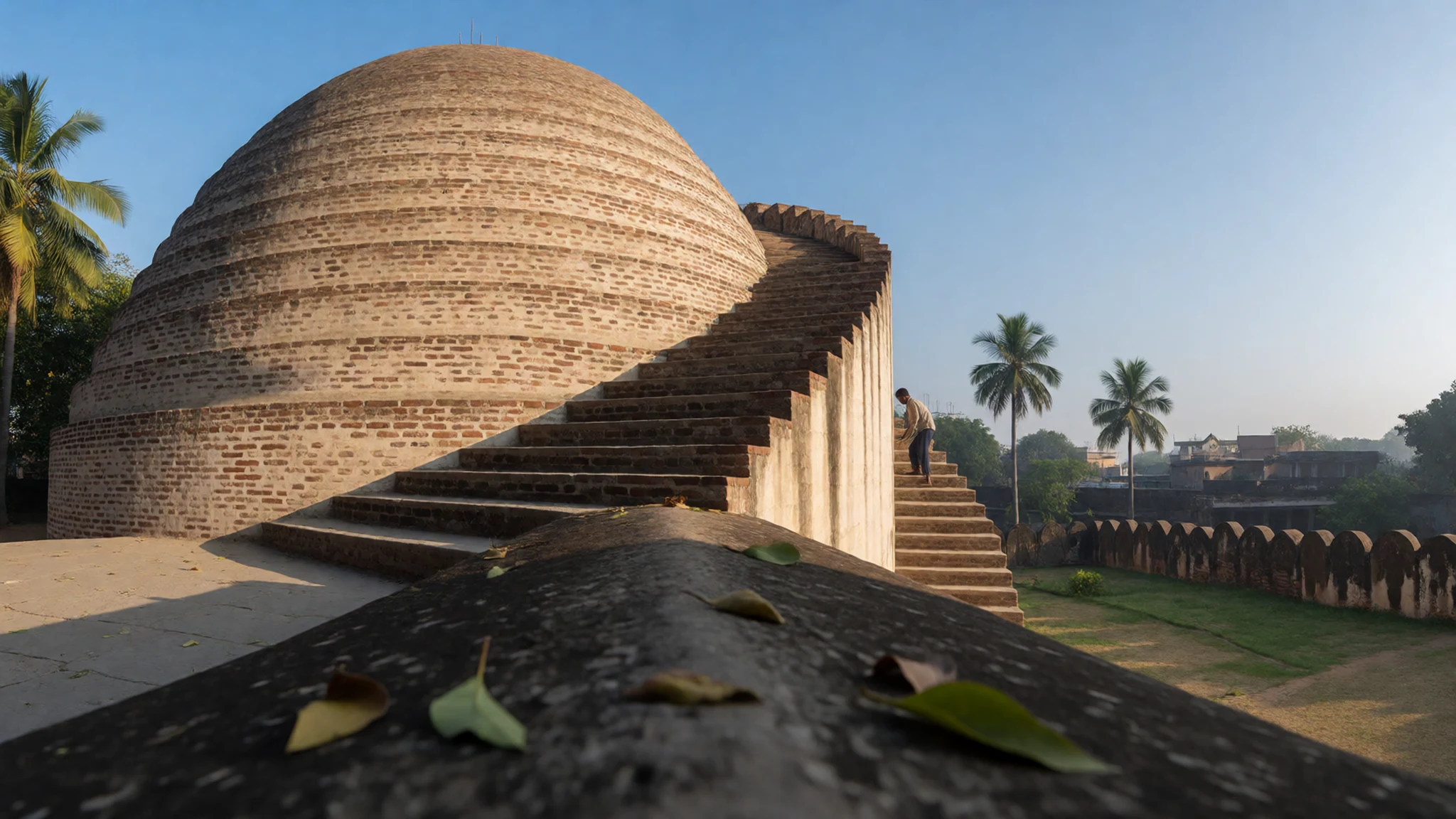
- Kumhrar — Eastern Patna
Kumhrar is a quiet archaeological park that holds what survives of ancient Pataliputra. Of the many polished stone pillars once excavated, only one remains, and Fa Hien described them as gleaming like glass. It is a place for imagination rather than spectacle, best in the cooler morning after a little reading beforehand.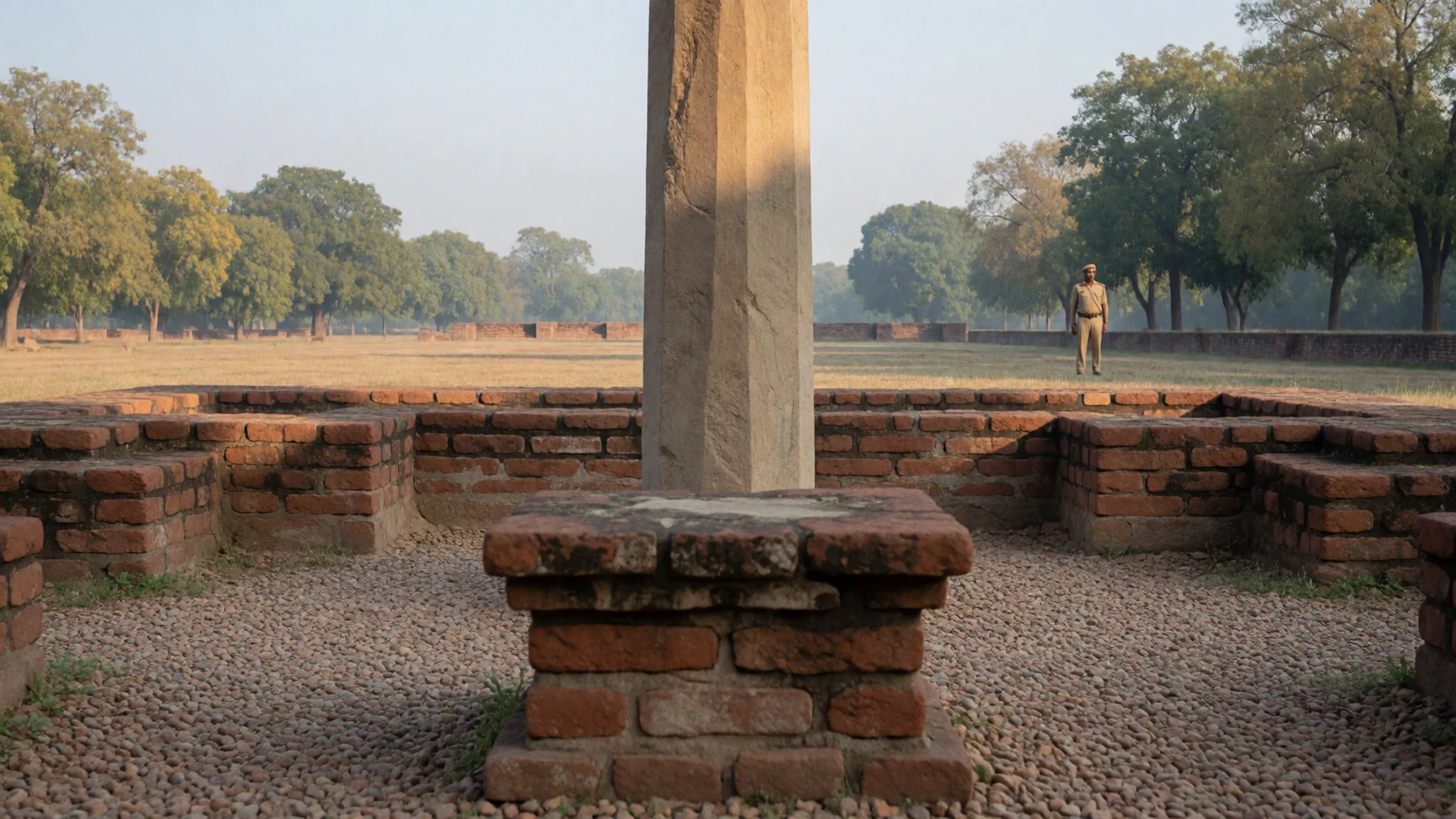
- Bihar Museum — Bailey Road, central Patna
The Bihar Museum opened in 2015 and is a good first stop for making sense of the region's long past. Its galleries cover regional history, historical art, contemporary work and the Bihari diaspora. Allow a few hours, and check the official city site, patna.nic.in, for current opening and ticket details.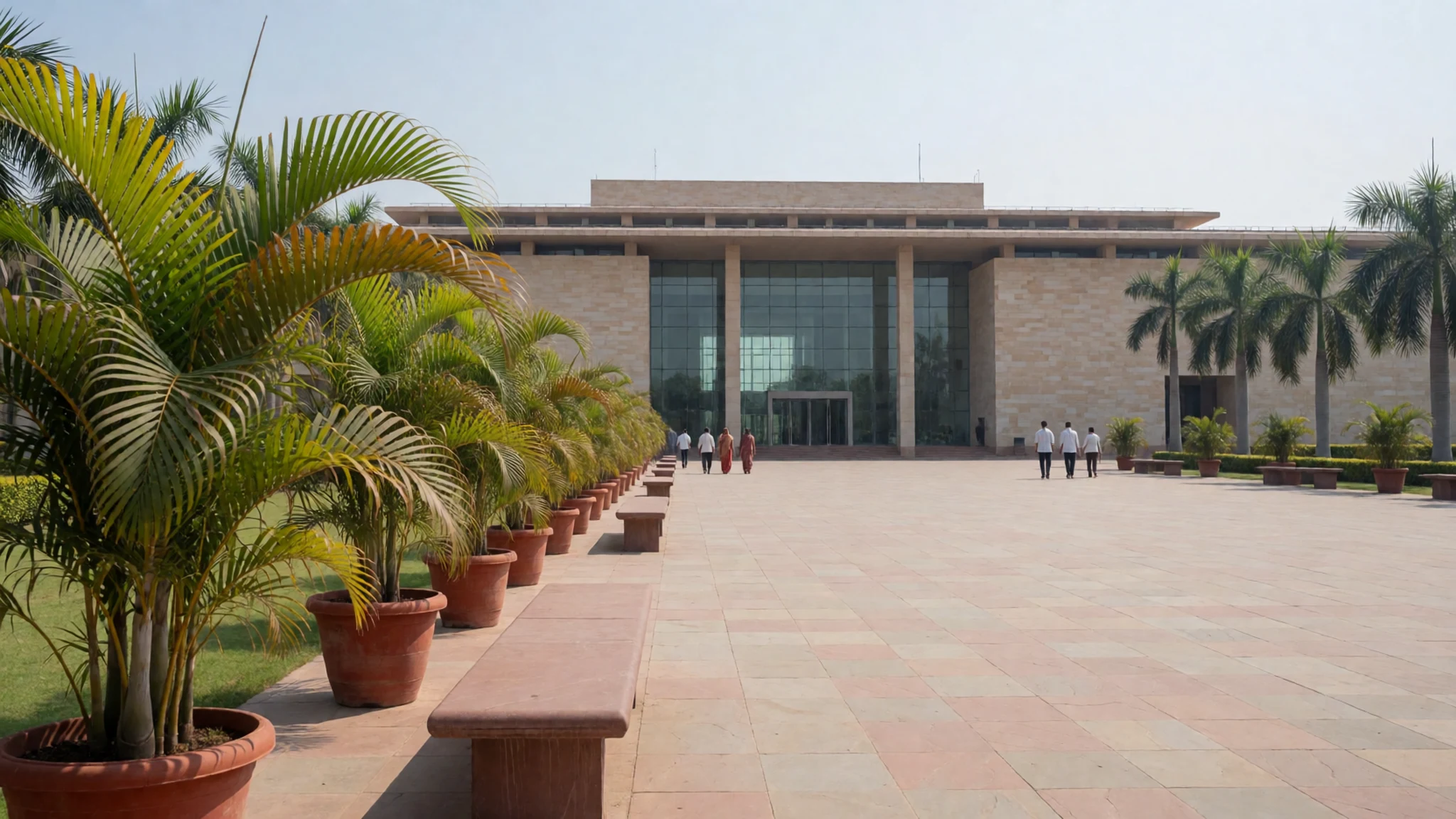
- Buddha Smriti Park — Near Patna Junction, central Patna
Buddha Smriti Park is a landscaped garden in the middle of the city with a modern Buddhist temple at its heart. The busy Hindu temple of Mahavir Mandir is visible across the road from the grounds. It makes a calm pause between museums, and local families come in the evening to walk and sit.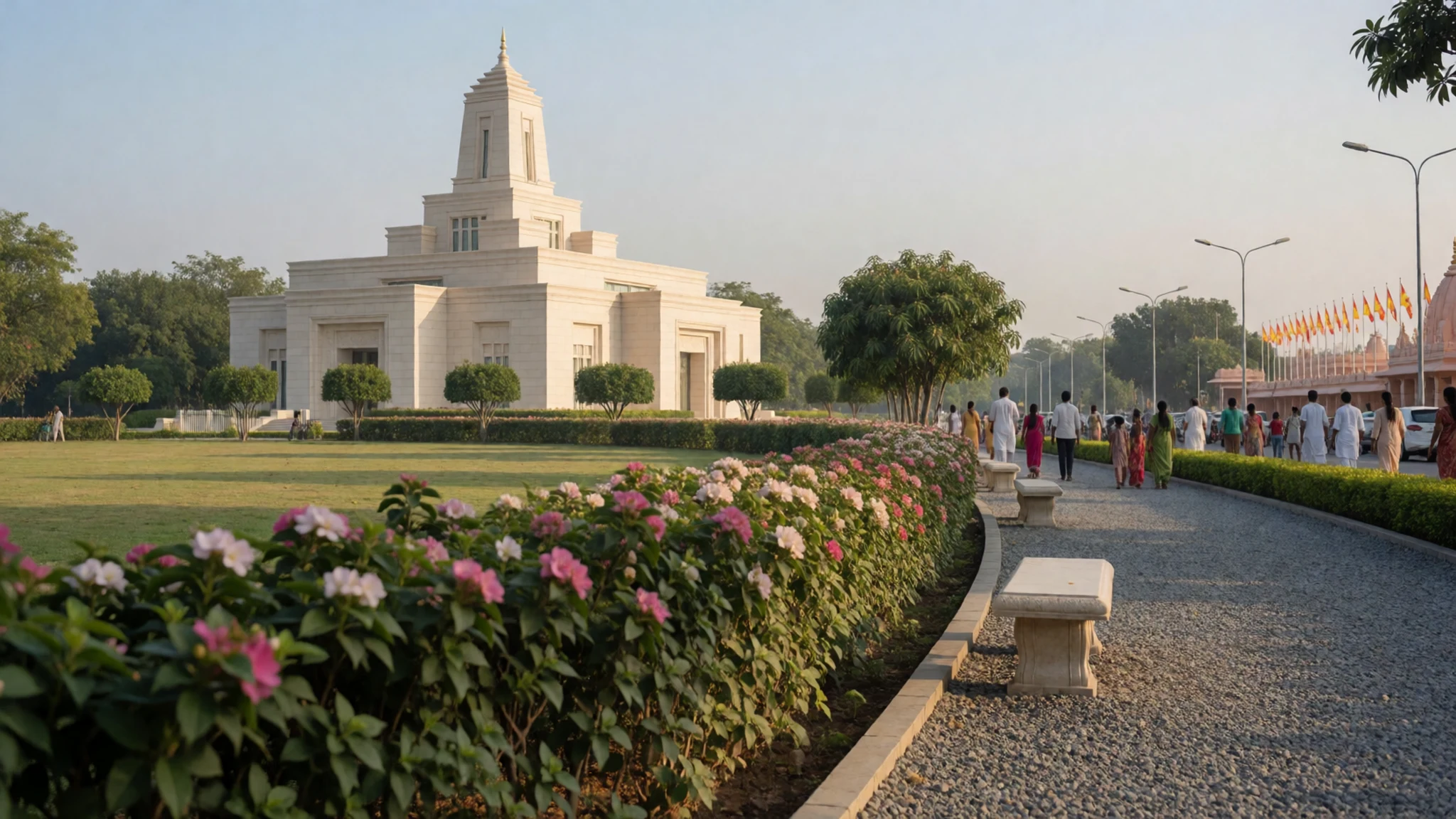
- Gandhi Sangrahalaya — Near Gandhi Maidan, central Patna
The Gandhi Sangrahalaya is a public museum on the life and principles of Mahatma Gandhi. Photographs, paintings, sculptures, manuscripts and quotations trace the major events of his career. It is modest in scale and rather text-heavy, so it suits visitors who like to read, and it is quiet enough for a restful hour.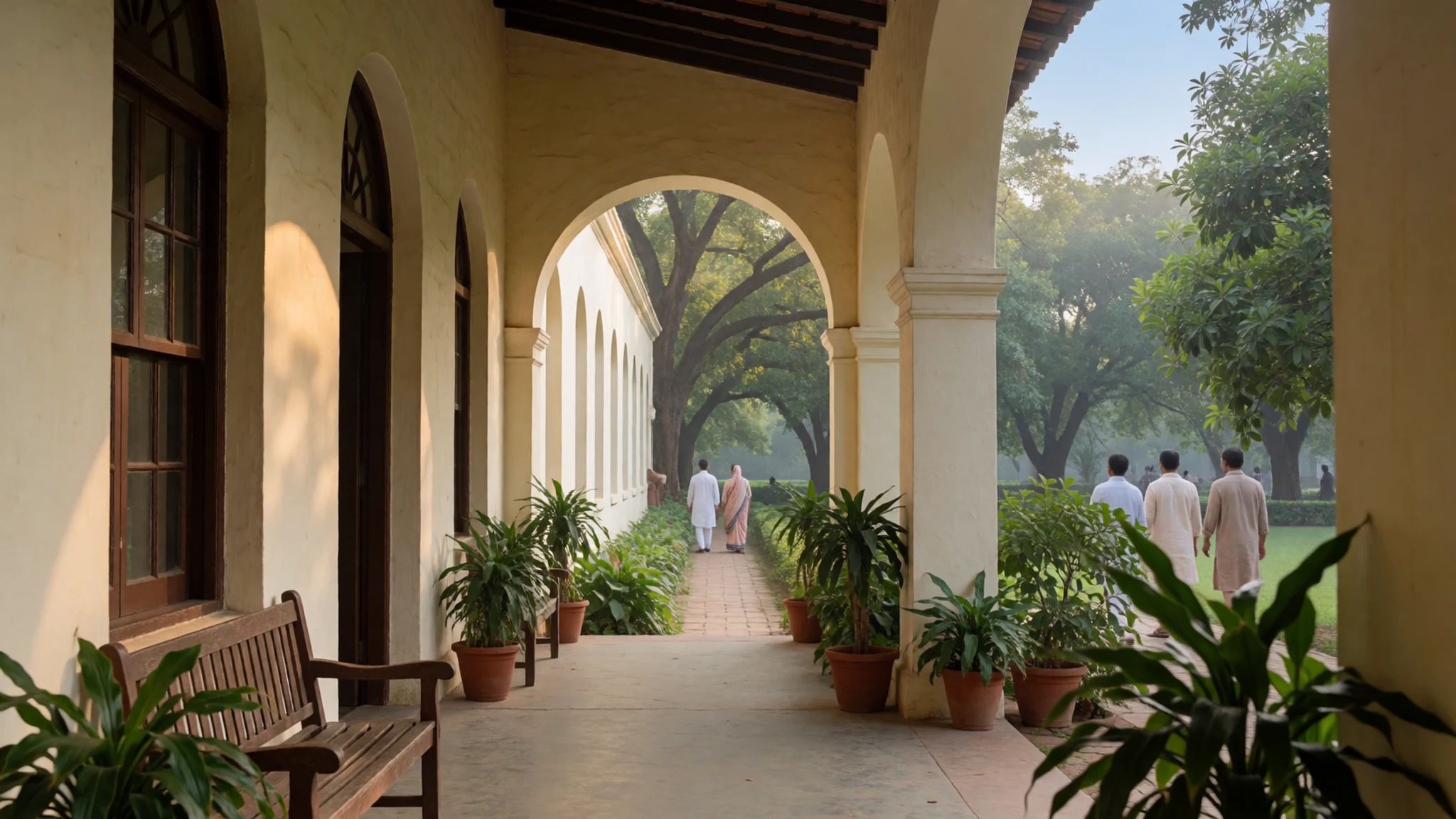
Culture
Patna's cultural layers show most clearly in its languages. Magahi, which many speakers prefer to call Magadhi, descends from the Magadhi Prakrit of the ancient kingdom, and it is thought to be the tongue the Buddha spoke. Ashoka's edicts were composed in that tradition. Hindi is the language of offices and signs, and neighbouring districts bring Bhojpuri and Maithili into the streets. A long-settled Bengali community has given the city theatre, schools and a taste for fish and sweets, and Bidhan Chandra Ray, the first chief minister of West Bengal after independence, was born here.
Religion is just as layered. Patna City is sacred to Sikhs as the birthplace of Guru Gobind Singh, and the gurdwaras of the old quarter draw pilgrims from across India. Buddhist and Jain sites lie within reach, and Hindu festivals shape the calendar. The most striking is Chhath, when families gather on the Ganges ghats at sunrise and sunset to honour the sun, carrying baskets of fruit and sweets down to the water.
The older buildings blend Indo-Islamic and Indo-Saracenic motifs, so domes, arches and chhatris sit beside colonial offices. At gurdwaras and temples, cover your head where asked, take off your shoes at the entrance, and ask before photographing worshippers, especially at the riverside during Chhath.
What to wear
In Patna, as across Bihar, traditional dress follows the wider north Indian pattern. Women wear the sari, in cotton for everyday use and in silk for weddings and festivals, and the salwar kameez is common too. Bhagalpur in Bihar is known for tussar silk, and Madhubani-style painting and Sujni embroidery appear on dupattas and wall hangings. Men wear the kurta with pyjama or dhoti, and a cotton gamchha towel is slung over the shoulder by farmers and labourers. Festivals such as Chhath bring out bright new saris and clothes kept for the occasion.
On an ordinary day, the city dresses plainly and practically. Office workers wear shirts and trousers, students wear jeans and kurtas, and many women combine a kurta or sari with a scarf against the sun and dust. Dressing up is reserved for weddings and family events.
Visitors should pack light cotton or linen with long sleeves and long trousers or skirts, which suit the heat and the modesty norms in most places. Carry a scarf or shawl for gurdwaras and temples, where heads are covered. Wear sandals or shoes that slip off easily, since shoes come off at every religious site, plus sturdy soles for uneven ground at Kumhrar and the ghats. Bring a warm layer for winter mornings and rain protection from July to September.
What to eat
- Litti chokha — Street stalls and small eateries near markets and railway stations
Patna's everyday dish is wheat-flour balls filled with spiced roasted gram flour, baked over coals and served with mashed roasted aubergine, potato and tomato. A spoonful of ghee is traditional. It is the staple of Bihar's farmers and a reliable street meal.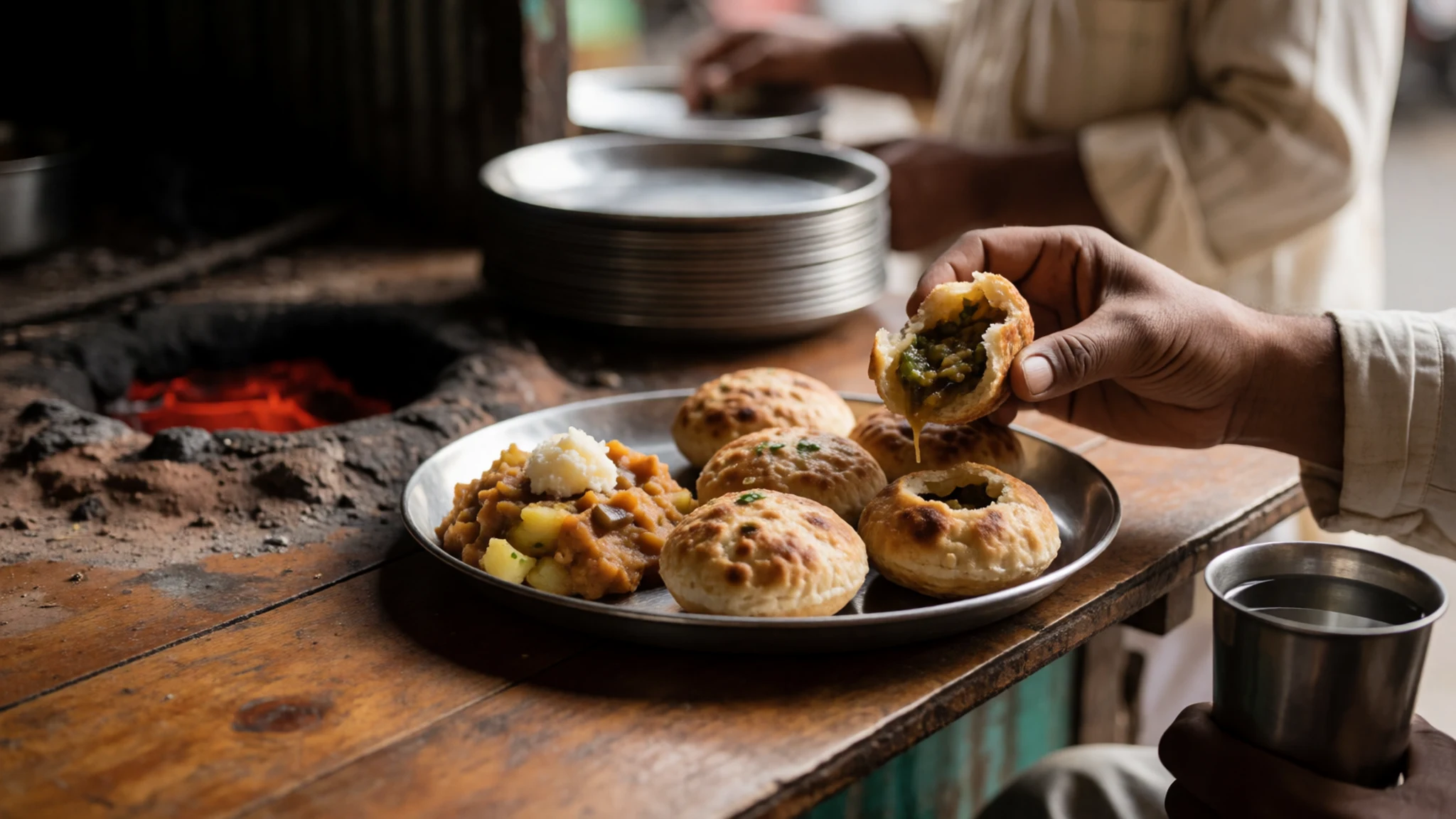
- Patna chaat — Evening street carts around Gandhi Maidan and busy market lanes
Chaat here leans on a sharp tamarind flavour rather than the sweet and salty style of Delhi. Samosa chaat and tikki chaat are the usual orders, eaten standing at a stall in the late afternoon or evening.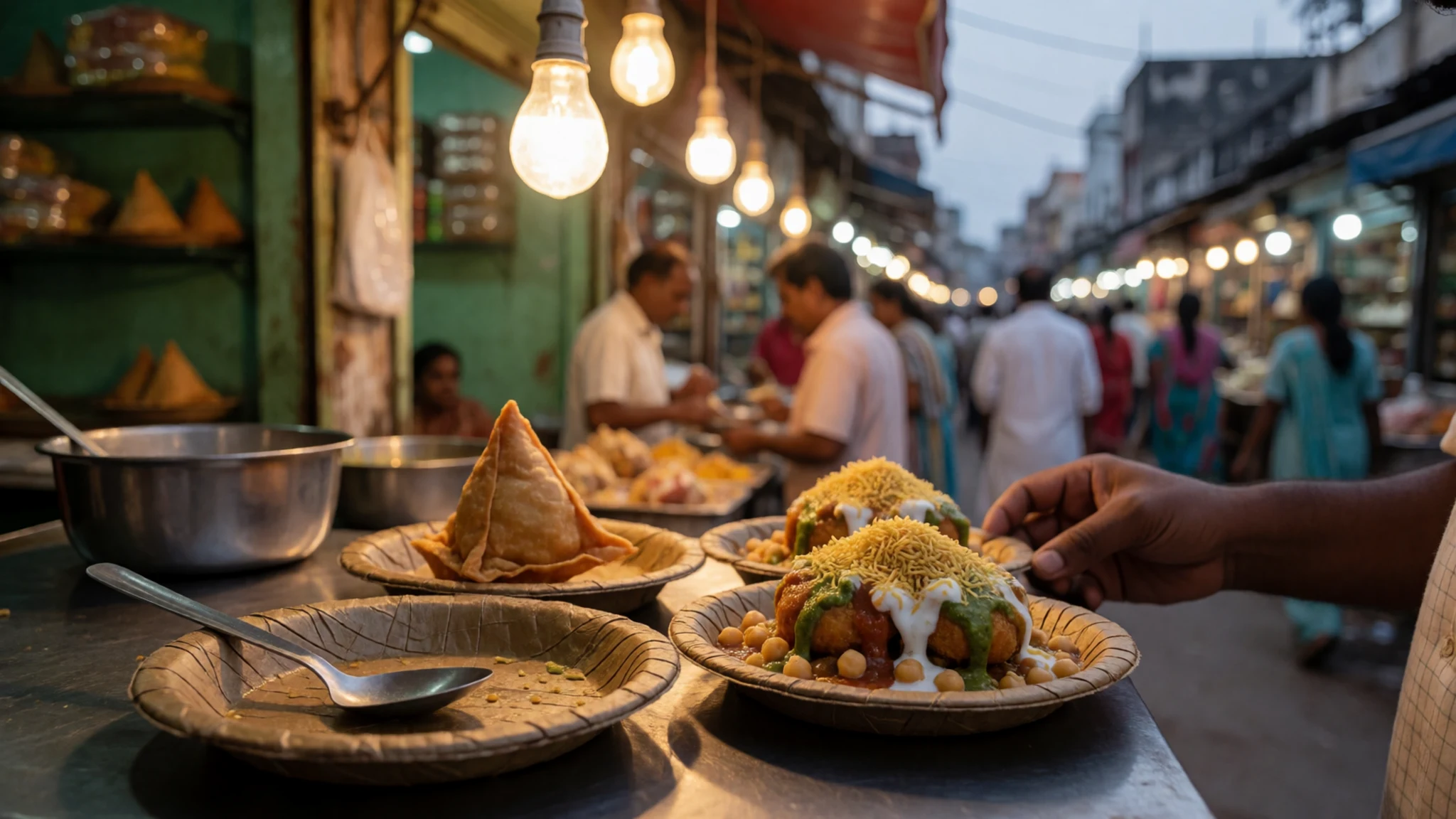
- Sattu drink and sattu paratha — Roadside drink stalls and breakfast eateries, especially in the morning
Sattu is flour from roasted gram, and Bihar relies on it. Stirred into water with salt, lemon and cumin it makes a cooling summer drink, and stuffed into flatbread it becomes a hearty breakfast for workers and travellers alike. - Tilkut — Sweet shops and market stalls, mainly in the cooler months
Tilkut is a winter sweet of pounded sesame seeds bound with sugar or jaggery into a crisp, nutty disc. It is sold in paper bags and makes a sensible gift to carry home, being dry and sturdy. - Anarsa and thekua — Traditional sweet shops, with the biggest choice around festivals
Anarsa is a rice-flour sweet with sesame on top and a soft khoya filling, while thekua is a crumbly deep-fried wheat biscuit sweetened with jaggery. Thekua is closely tied to Chhath, when families make it at home.
Plan it
Best time. November to February brings cool, dry days that suit walking, with misty mornings and a real chill at night in December and January. March warms quickly, April to June is very hot, and July to September is monsoon, humid and wet with the river high and flooding possible. October is usually pleasant once the rains clear.
How long. 2–3
Getting there. Jay Prakash Narayan International Airport serves Patna, with flights from major Indian cities. Patna Junction is the main rail station, with Danapur and Rajendra Nagar Terminal also serving the city, and Rajdhani, Vande Bharat and other express trains arrive from Delhi, Kolkata (Howrah), Mumbai, Ranchi and Varanasi. National highways link the city with the rest of the country. The last leg is by taxi, app cab or auto-rickshaw.
Budget. low
Tips
- Allow extra time for any journey, since traffic and bridge queues are heavy at peak hours
- Start sightseeing early in the day to avoid the worst of the heat and crowds
- Carry cash for street stalls, small eateries and auto-rickshaws, though cards work in larger shops
- Drink only bottled or filtered water, and take care with ice
- Check the river and weather before planning ghat visits in the monsoon, when water levels can rise fast
Etiquette
- Cover your head and remove your shoes at gurdwaras and temples
- Ask before photographing people, especially worshippers at the river
- Dress modestly, with shoulders and knees covered
Nearby
Sources
- Wikidata Q80484 (CC0)
- Wikipedia: Patna (rev 1382631855) (CC BY-SA 4.0)
- Wikivoyage: Patna (rev 5414032) (CC BY-SA 4.0)
- Photo: Aerial view of Patna, Chandan Singh (CC BY 2.5)
- Photo: Bihar Legislative Assembly, Bihar Government (CC BY-SA 4.0)
- Photo: Patna High Court, Patel95 (CC BY-SA 4.0)
- Photo: Sabhyata Dwar, Prince Akhtar (CC BY-SA 4.0)
- Photo: Buddha Smriti Park, PhotographerInNepal (CC BY-SA 4.0)
- Photo: Golghar view, Nandanupadhyay (CC BY 3.0)
- Photo: Mahavir Mandir from Buddha Smriti Park, Shivamsetu (CC BY-SA 4.0)
- Photo: Digha bridge panorama, Renpoiya (CC BY-SA 4.0)


