Parma
Parma, Italy
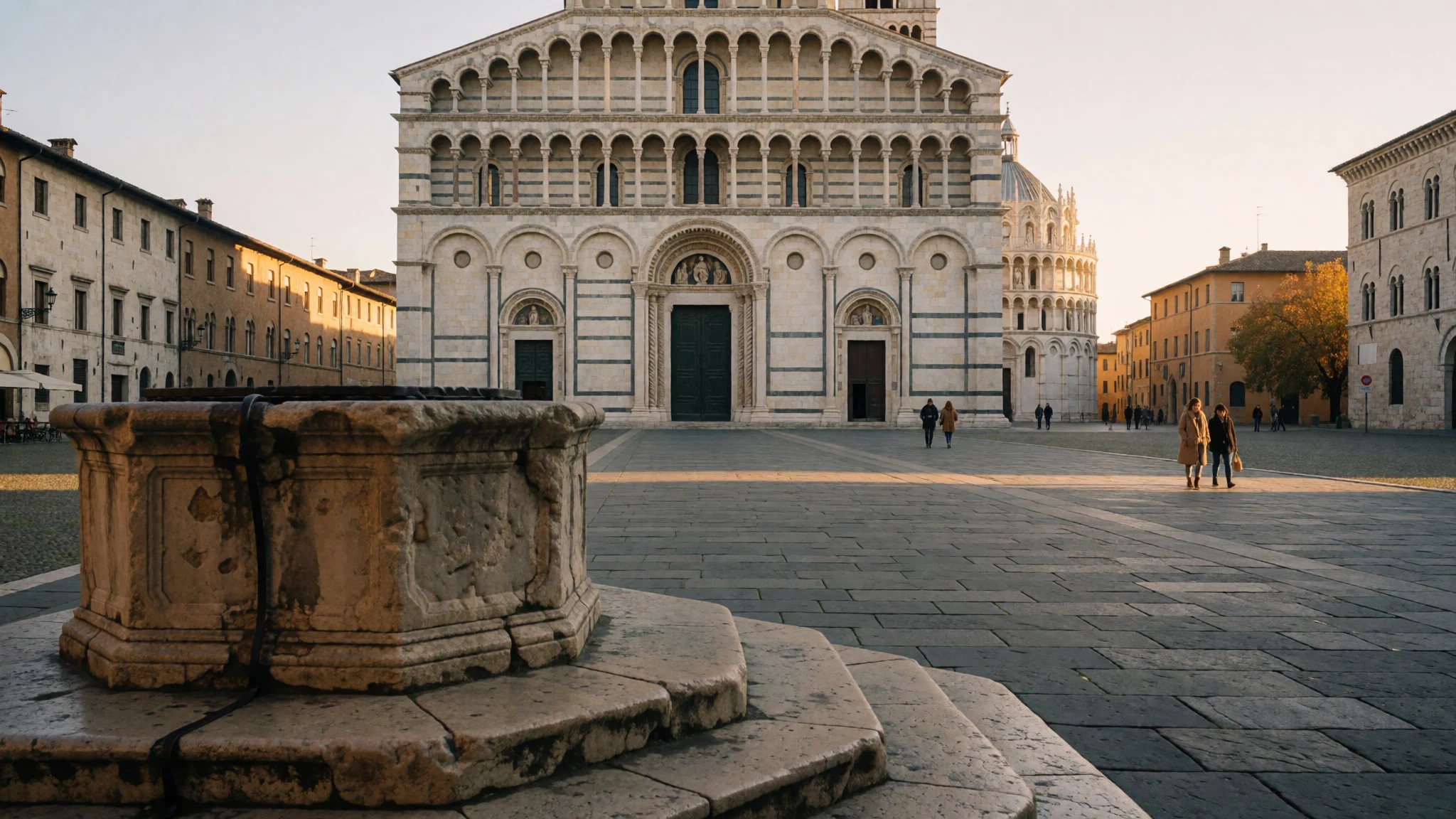
Parma rewards slow travellers with unrivalled gastronomy and a compact, walkable Romanesque city centre tucked between the Apennines and the Po plain.
The place
Parma sits at an elevation of 69 metres in the heart of Emilia-Romagna, where the low Apennines meet the broad, fertile plains of the Po. The city is bisected by the Parma stream, creating a distinct division between the historic centre on the east bank and the wider district known as Oltretorrente on the west. This slim waterway adds a quiet, park-like feel to the city, with tree-lined banks that offer a pleasant escape from the urban bustle. With a population of roughly 197,000, Parma is a mid-sized hub where university energy meets a deep-seated respect for culinary tradition. The architecture is dominated by Romanesque forms; the stone is often a pale, luminous variety that catches the light beautifully in the morning and evening. The streets are narrow and car-restricted in the core, encouraging strolling. The climate is a humid subtropical one with strong continental influence; this means warm, occasionally muggy summers and crisp, damp winters. The surrounding countryside is dominated by dairy farms and vineyards, which directly feed the city’s food culture. Visiting Parma feels like stepping into a place where food is not just sustenance but the primary language of social interaction, history and identity.
Its story
The history of Parma begins in the Bronze Age, where a settlement called a terramare was built on dry land near the river. The Romans later gave the city its name, derived from the parma, a large round shield carried by their infantry. This military origin laid the foundation for a site that would become a focal point for nearly every power that emerged in the peninsula. It was a Roman republic territory, then an imperial city, and survived the slow collapse of the Western Empire to see the rise of the Ostrogoths and Lombards. During the Middle Ages, Parma was a fierce, independent free commune, constantly at odds with its neighbours like Piacenza and the papacy. This turbulent era ended in the 16th century when the Farnese family took control, establishing a ducal court that attracted immense wealth and artistic talent. The city transformed from a medieval stronghold into a polished Renaissance centre, showcasing the Farnese name in palaces, gardens and altars. Later, the duchy changed hands several times, including under French rule and the Papal States, before being absorbed into the unified Kingdom of Italy. Today, the legacy of the Farnese era is the most visible scar on the city’s face, a reminder of a time when Parma was a courtly, refined rival to greater powers.
What to see
- Piazza Duomo and Cattedrale — Historic centre
The cathedral is the visual and spiritual heart of Parma, a massive Romanesque structure of pale stone. The interior is a quiet, solemn space where the stone arches feel centuries old. The portico is a masterpiece of sculptural detail, dense with life. Arrive early to beat the tour groups and see the light hit the stonework. The square itself is calm and focused, with the cathedral dominating the view.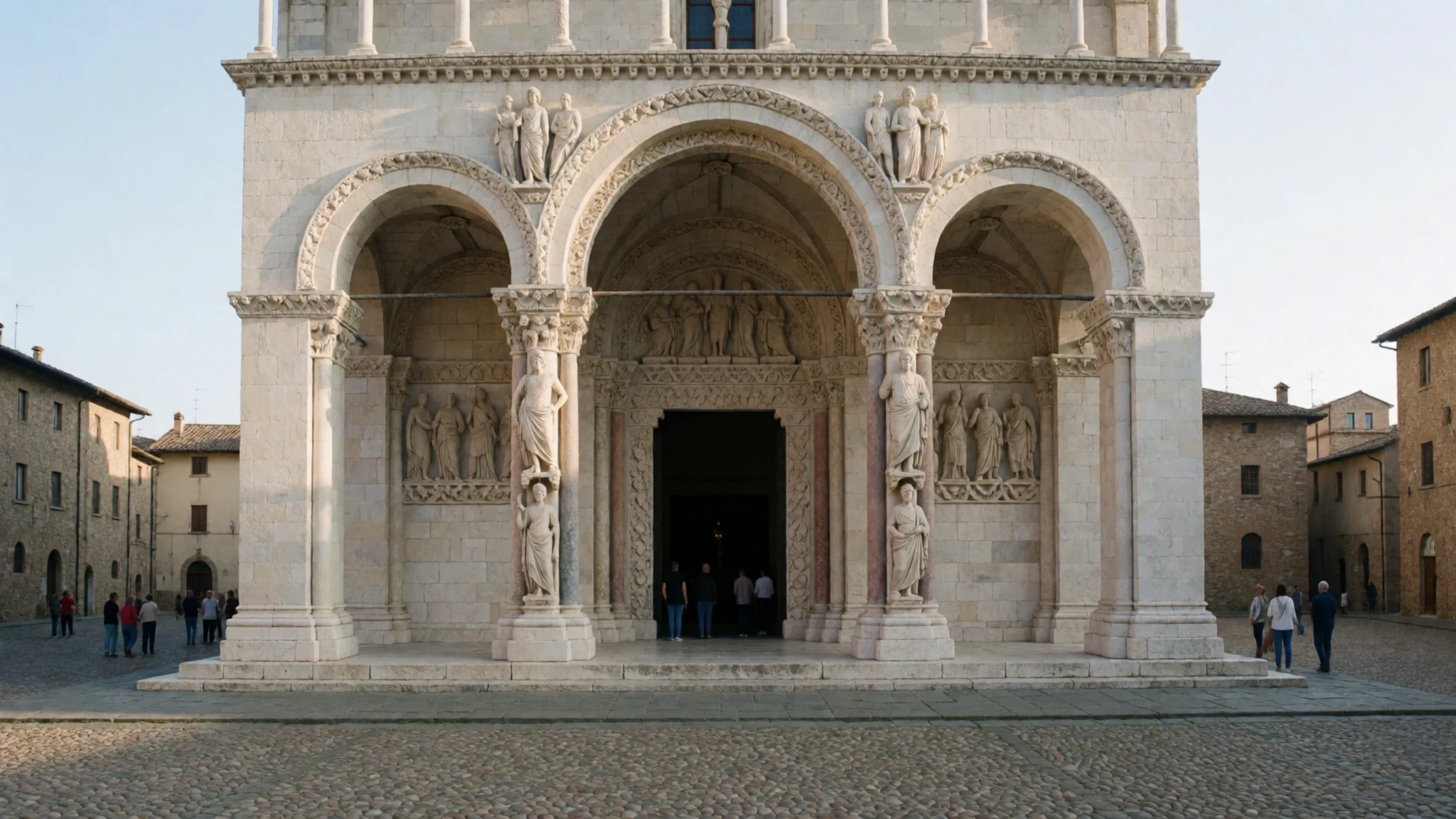
- Battistero di San Giovanni — Piazza Duomo
Standing opposite the cathedral, this baptistery is a perfect, almost geometrically precise octagon. It is built from pink and white marble that shifts in colour depending on the time of day. The interior is famous for its stunning, early-13th-century frescoes that tell the story of salvation. It is small, easy to see, and one of the most photogenic buildings in Italy.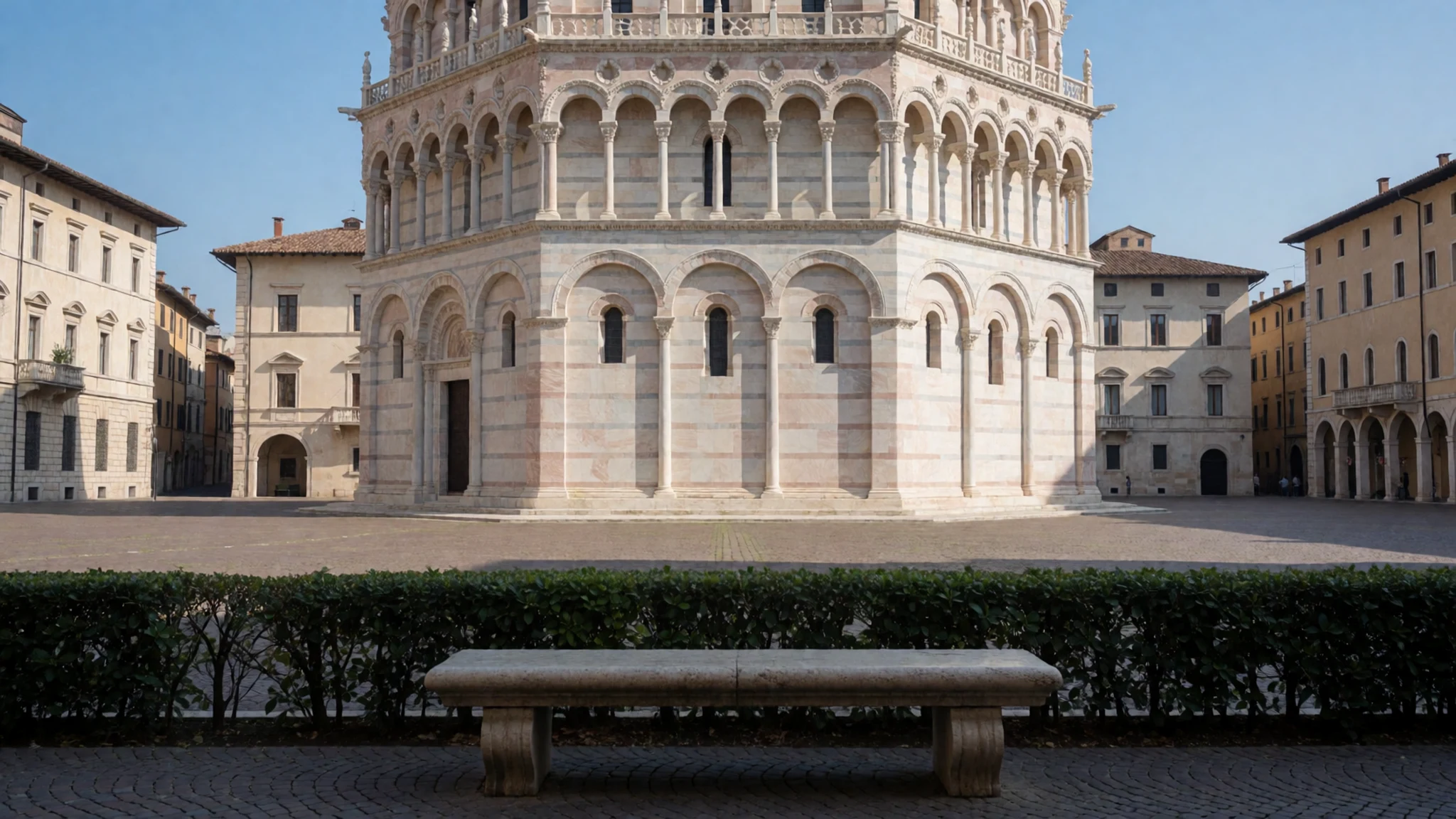
- Palazzo della Pilotta — Via della Pilotta
A sprawling Renaissance complex built for the Farnese dukes, this palace houses some of the city’s finest art collections. The architecture is a mix of eras, but the courtyards are particularly beautiful. It is a bit of a walk from the cathedral, but the museums inside are well-spread and less crowded than the giants in Rome or Florence.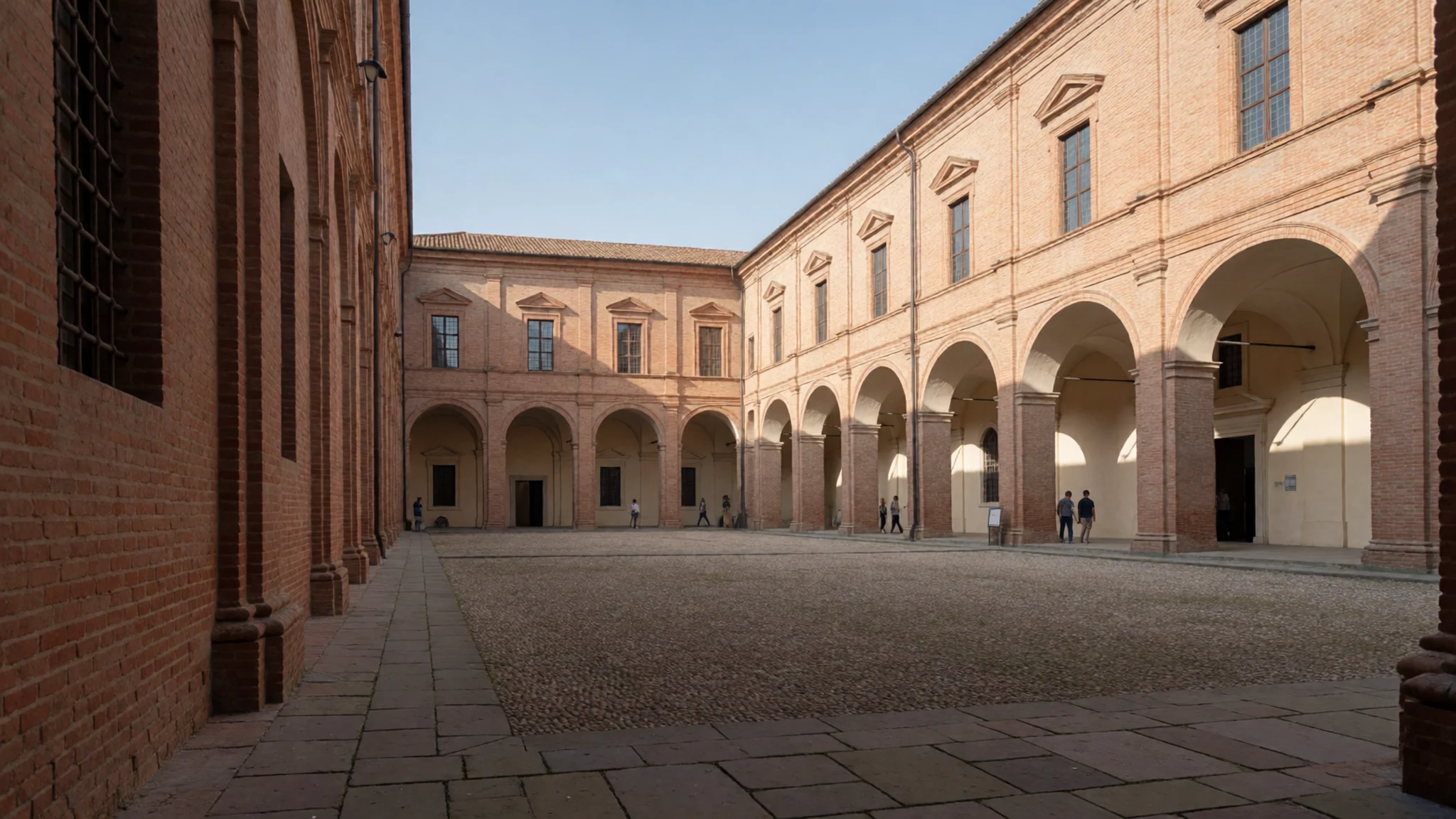
- Oltretorrente — West bank of the Parmigiano stream
The district on the west bank of the river is where Parma’s traditional, working-class culture lives on. The streets here are narrower and more winding than the centre, lined with small markets, coffee bars and older residential buildings. It is the best place to walk the riverbank and see the city as its residents do, without the focus on sightseeing.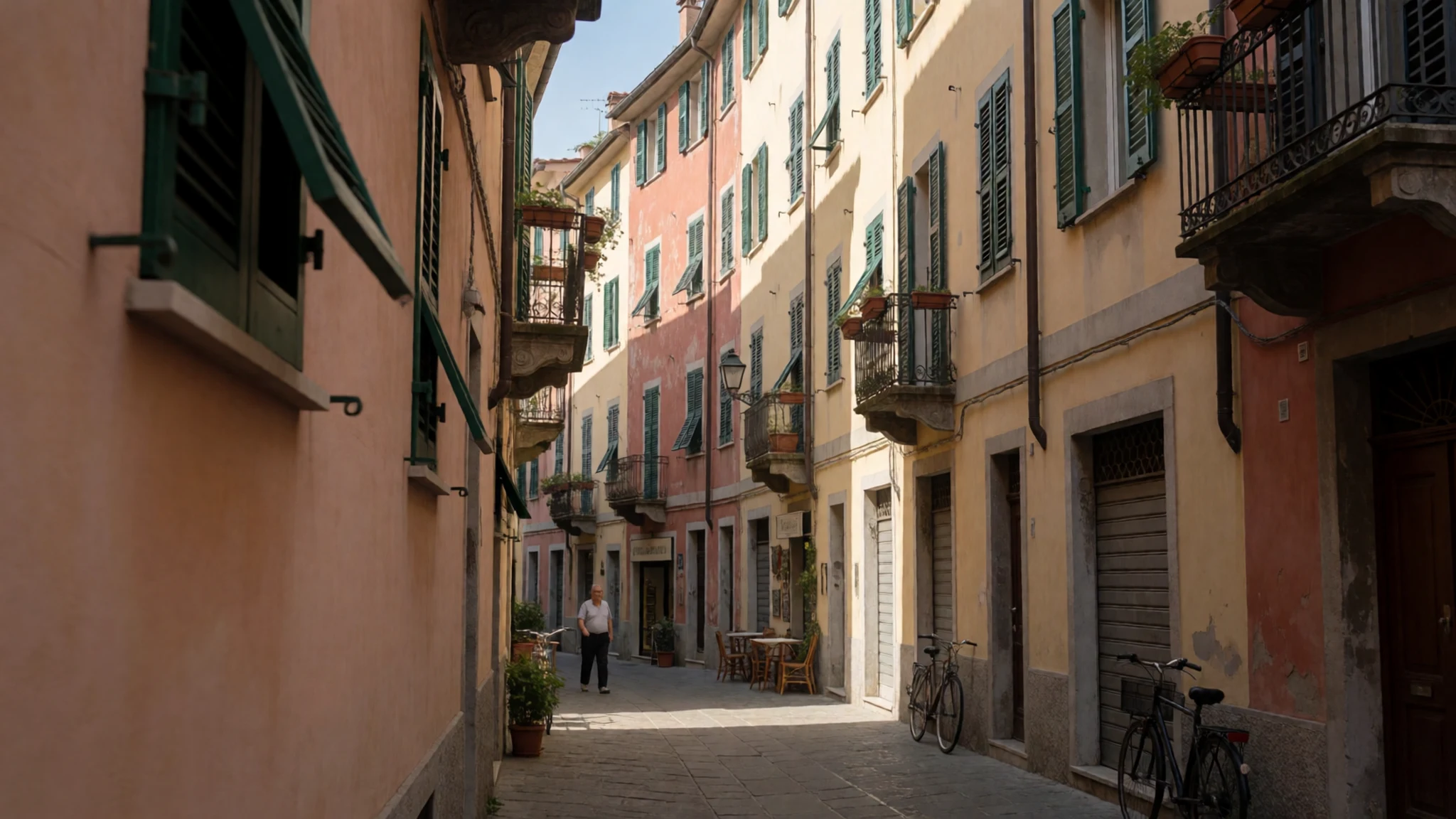
- Teatro Regio — Piazza Garibaldi
Parma is a city of opera, and the Teatro Regio is the stage where that passion is performed. The exterior is a stately reminder of the city’s musical heritage. Even if one is not a dedicated opera fan, the setting of the square at night, lighting up the arcade, is a romantic and atmospheric way to end a day in the historic centre.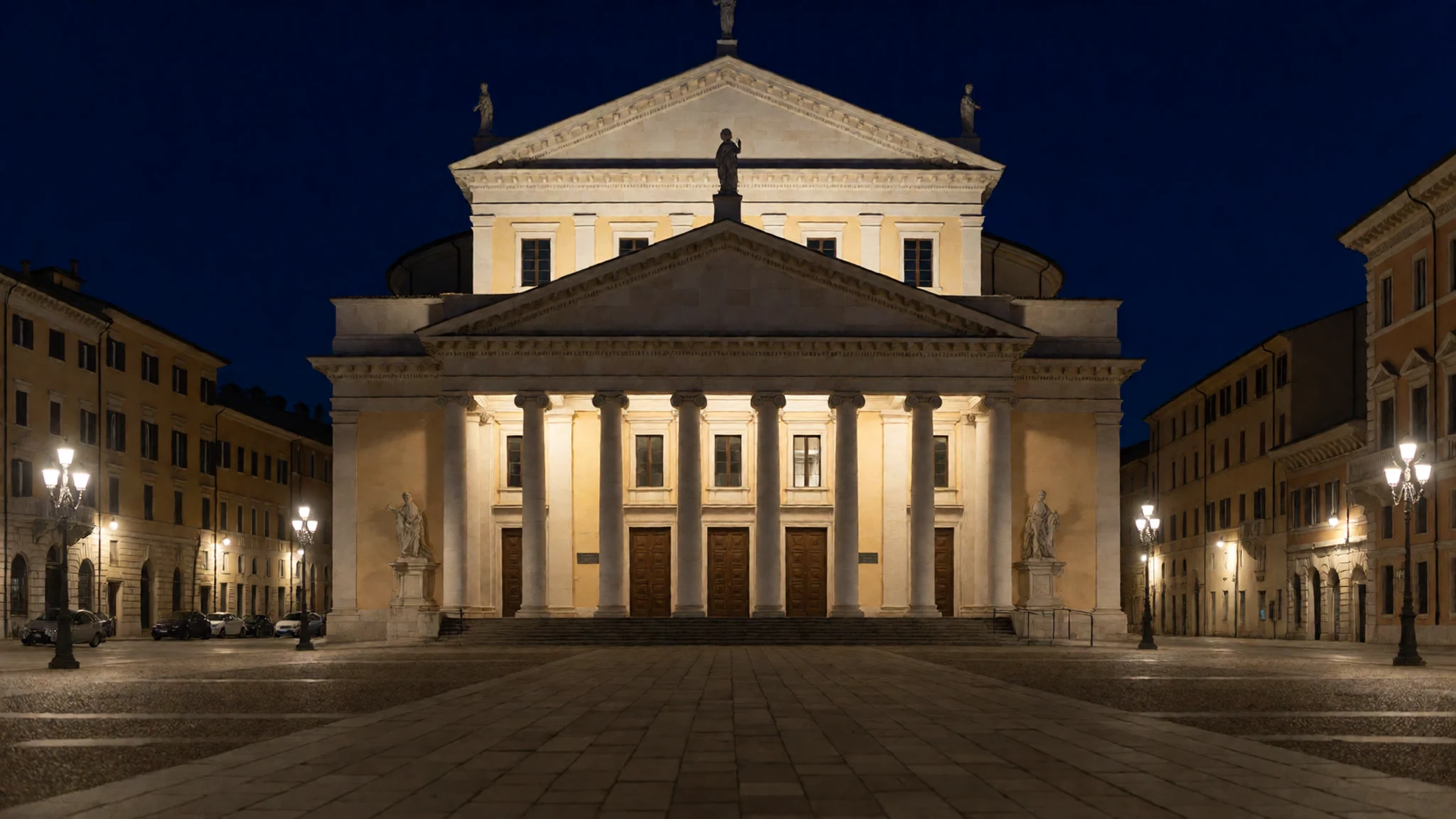
Culture
Culture in Parma is inextricably linked to the table. The city is a UNESCO Creative City of Gastronomy, a title that reflects a living, daily practice rather than a museum piece. Food is a form of civic pride, and locals will speak with quiet passion about the difference between good Parmigiano Reggiano and poor-quality imitation. The social rhythm is slow; mornings are for coffee standing at the bar, and evenings are for long dinners that can stretch into the night. Music is the other pillar, with a deep history of opera and a vibrant student life driven by the university. The people are generally reserved but polite, and the pace of life feels deliberately unhurried compared to the bustle of Milan. Visitors should respect the local custom of keeping voices down in residential areas and the quiet reverence associated with the many churches and historical sites scattered throughout the centre. As a visitor, one should be mindful of the local custom of not eating or drinking while walking in the streets, which is considered uncouth in this traditional setting.
What to wear
Traditional dress in Parma reflects the broader Italian aesthetic, but with a rural, agricultural twist given the city’s status as a food capital. Historically, the finest local silks and wools were used for formal wear, though distinct regional clothing faded in the 20th century. Today, Parma is known for a polished, understated style. The quality of local materials—linen, cotton, and high-end wool—means that locals dress well, favoring neutral colours, tailored fits, and classic lines. There is a strong "smart casual" vibe, where a simple t-shirt might be paired with well-fitted trousers and smart leather shoes. For a visitor, the climate dictates the wardrobe: light, breathable fabrics for the hot, humid summers, and a reliable coat and waterproof layer for the damp, chilly winters. Comfortable walking shoes are essential for the cobbled streets. When entering churches, such as the Cattedrale, shoulders and knees should be covered out of respect for the modesty norms maintained within the holy spaces.
What to eat
- Parmigiano Reggiano — Local delis and food markets
The flagship of the region, this hard, granular cheese is aged for 18 months or more. The taste is complex, salty and sweet, often accompanied by a crisp glass of local wine. It is the foundation of the local diet and is widely available in any deli or market.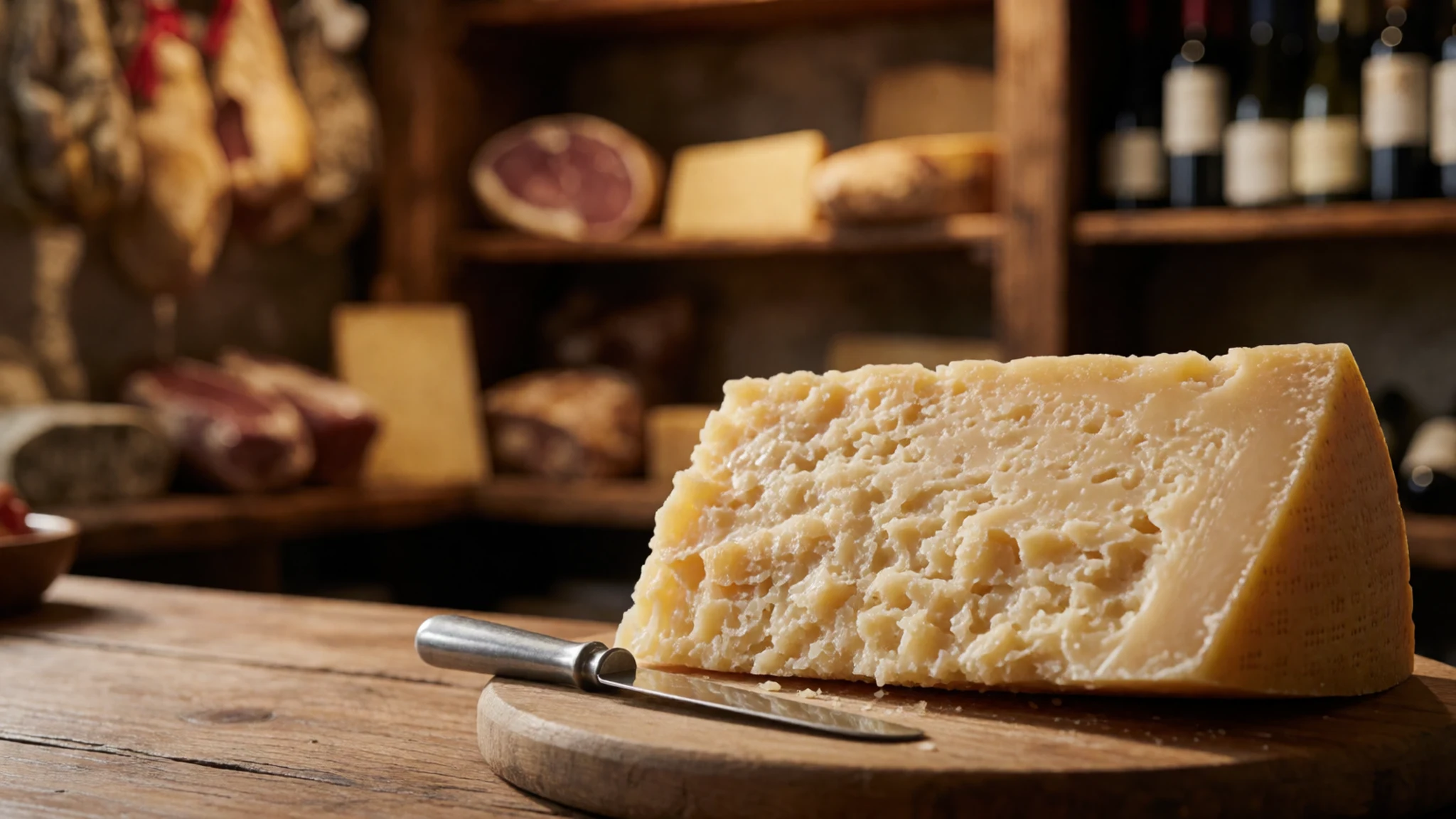
- Prosciutto di Parma — Traditional salumerie
A prized, salt-cured ham that requires at least 10 months to age. It is sliced paper-thin, giving a delicate, slightly sweet flavour. TheProtected Designation of Origin ensures it is only made in specific areas around the city and town.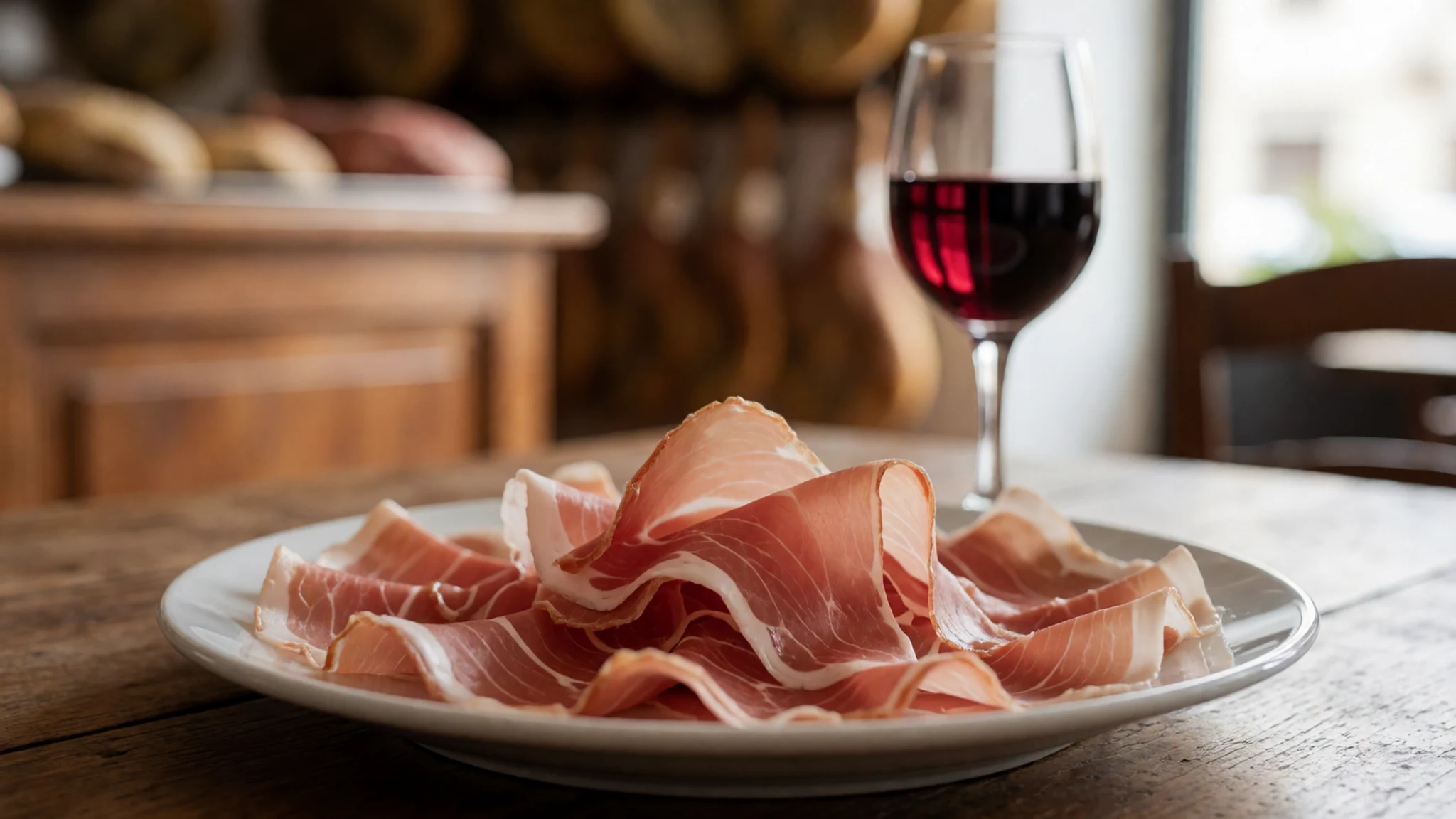
- Tortelli d'erbe — Classic trattorias in the centre
A traditional stuffed pasta, often served in a rich broth or tossed with butter and browned sage. The filling usually consists of local wild herbs, adding a fresh, bitter note that balances the richness of the dough. - Torta Fritta — Street food stalls and cafes
The name sounds like a sweet dessert, but it is actually a fried, deep-fried meat pie, sliced and served warm. It is a staple of the local street food tradition, made with pork, prosciutto and spinach. - Panna Cotta — Cafes and gelaterias
A simple yet elegant dessert made of cream and sugar, often flavoured with vanilla. Not exclusive to Parma, it is a beloved local treat that showcases the region's excellent dairy produce.
Plan it
Best time. Spring (April–May) offers mild, sunny days, while Autumn (October–November) brings lower tourist numbers and beautiful foliage. Summer is hot and humid; winter is cool and damp.
How long. 2–3
Getting there. Fly into Bologna’s Marconi Airport, then take the bus or train to Bologna Centrale and connect via the fast regional or high-speed train to Parma (roughly an hour). A direct train from Milan also covers the distance in about two hours.
Budget. mid
Tips
- Book the Teatro Regio opera in advance for prime dates
- Visit food factories like the cheese and ham producer tours to understand the DOP process
- Carry a light umbrella April through June for sudden spring showers
Etiquette
- Do not eat or drink while walking in the streets
- Cover shoulders and knees when entering churches
- Keep voices low in residential streets
Nearby
Sources
- Wikidata Q2683 (CC0)
- Wikipedia (rev 1384708516) (CC BY-SA 4.0)
- Wikivoyage (rev 5413965) (CC BY-SA 4.0)