Paracas
Paracas, Peru
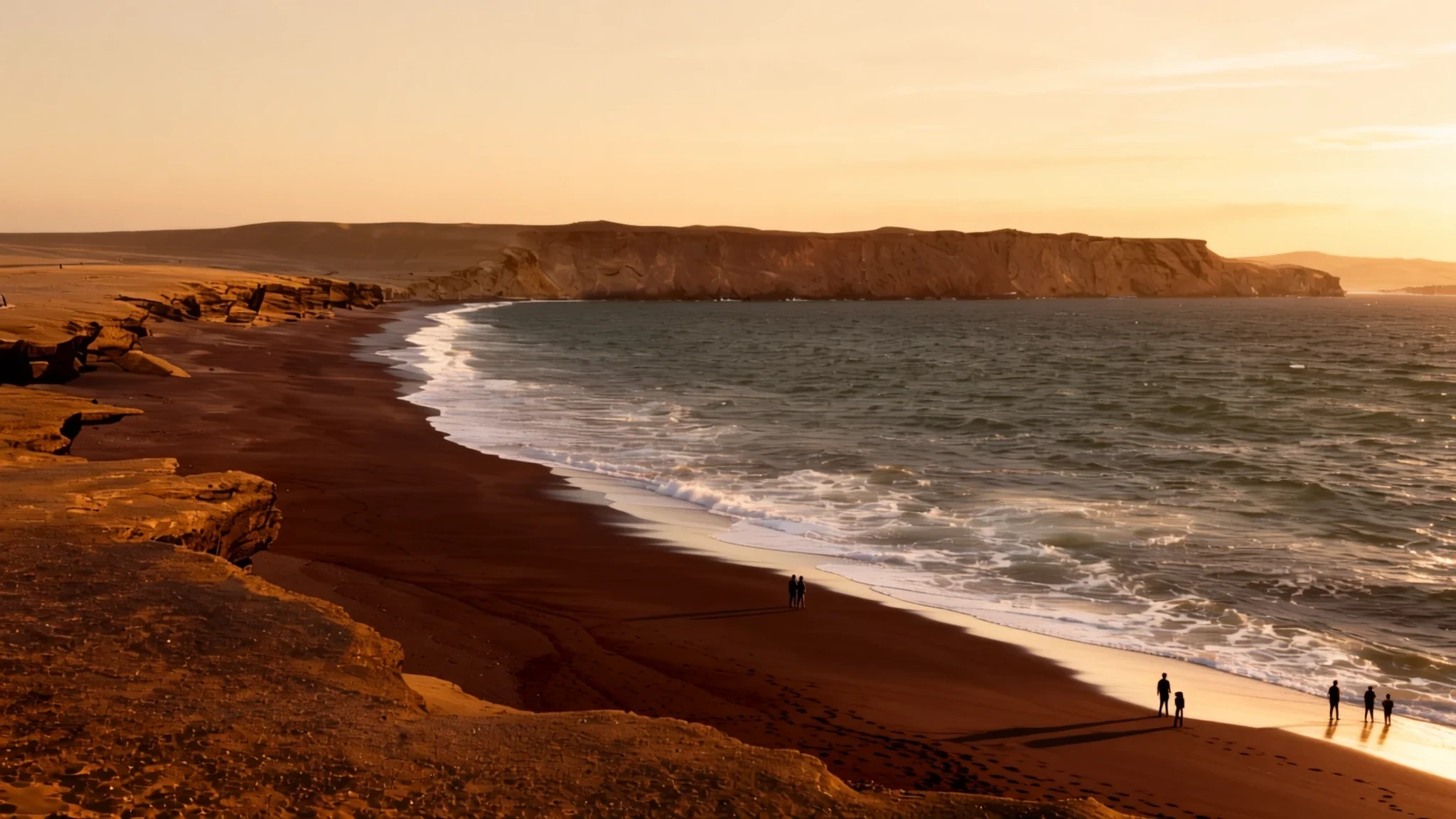
Paracas is a small harbour town on a sheltered bay, and it is the usual base for boat trips to the Ballestas Islands and the reserve on the peninsula.
The place
Paracas is a small coastal town in the Ica Region of southern Peru, and it serves as the centre of the surrounding district. Its harbour sits on a shallow bay sheltered by the Paracas Peninsula, so the water inside the bay is calmer than the open Pacific beyond it. That shelter matters. The warmer, quieter water supports a dense community of marine life, and the western edge of the bay lies within the national reserve.
Most of the town's life runs along the waterfront, where restaurants and bars face the malecón. Accommodation is mostly low-rise hotels and guesthouses, and larger resorts have been appearing as the town rebuilds after an earthquake in 2007. The beach beside the town is modest in itself. The stronger draw is the coastline a short distance away, with its sandy shores and reserve trails.
The land is dry and exposed. Winds regularly push sand across roads and rooftops, and the name is usually traced to the Quechua words for rain and sand, a fair description of a place where both are scarce. Seabirds are everywhere, from the town rooftops to the offshore islands, and birdwatching is the easiest reason to stay longer than a night.
Visitors come mainly from Peru and elsewhere in Latin America, so Spanish is a real asset. The town is small enough to walk across, and most trips to the reserve and islands leave from here.
Its story
Paracas entered the wider history of Peru in September 1820, when General José de San Martín brought his force ashore on its bay. The landing on 7 September, made from six ships of the Peruvian Freedom Expedition that had sailed north from Chile, was part of a campaign to end Spanish rule on Peru's Pacific side. A sheltered anchorage with open beaches suited an expedition that needed to put men and supplies onto land quickly, and the bay's protection from the swell made that workable.
The surviving accounts say little more about the landing itself, so the setting and the later history matter most. The coast here is harsh and dry. The same wind that gave the place its name also made the open sea and sand hard going, while the warm, calm water inside the peninsula drew fish and seabirds close to shore. Those conditions shaped how the settlement grew, around the harbour and the waterfront.
The town's character changed again with the arrival of tourism. Boats now leave the harbour for the offshore islands, and the reserve on the peninsula has become the main attraction for day visitors and longer stays alike.
The 2007 earthquake marked a sharp turn. Damage to homes and businesses forced a rebuild, and that work still shapes the town today, with newer hotels, bigger resorts and a waterfront lined with places to eat and drink. Recovery has also come through visitors. One project based in Ica finances help for children and families affected by the quake through tours that include the islands and reserve, linking the town's tourism directly to its rebuilding.
What to see
- Museo Julio C. Tello — Paracas National Reserve, south-west edge of the bay
A museum on the archaeology and history of the Paracas area, with displays on the local culture and the birds and wildlife of the region. It sits just inside the reserve near the south-western edge of the bay, so the reserve entrance fee applies before you reach it. Allow time for the displays, and check the official site for current opening arrangements.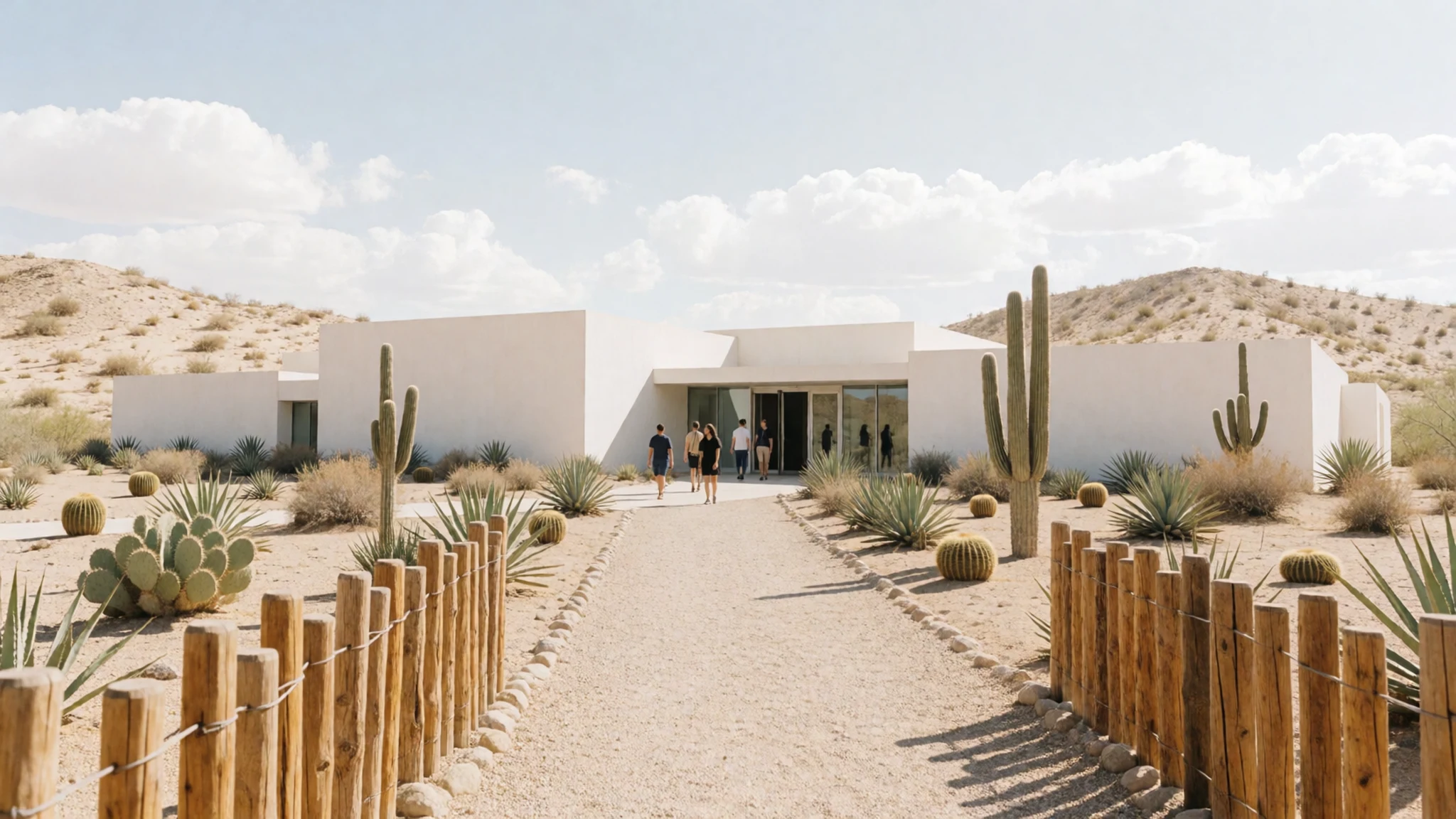
- Paracas National Reserve — Paracas Peninsula, west of the town
A coastal reserve on the peninsula, with sandy shores, rocky points and wide views over the Pacific. Visitors can join a guided tour or drive and walk the routes independently. A few areas allow overnight camping, but the reserve is among the driest places in the world, so carry your own water.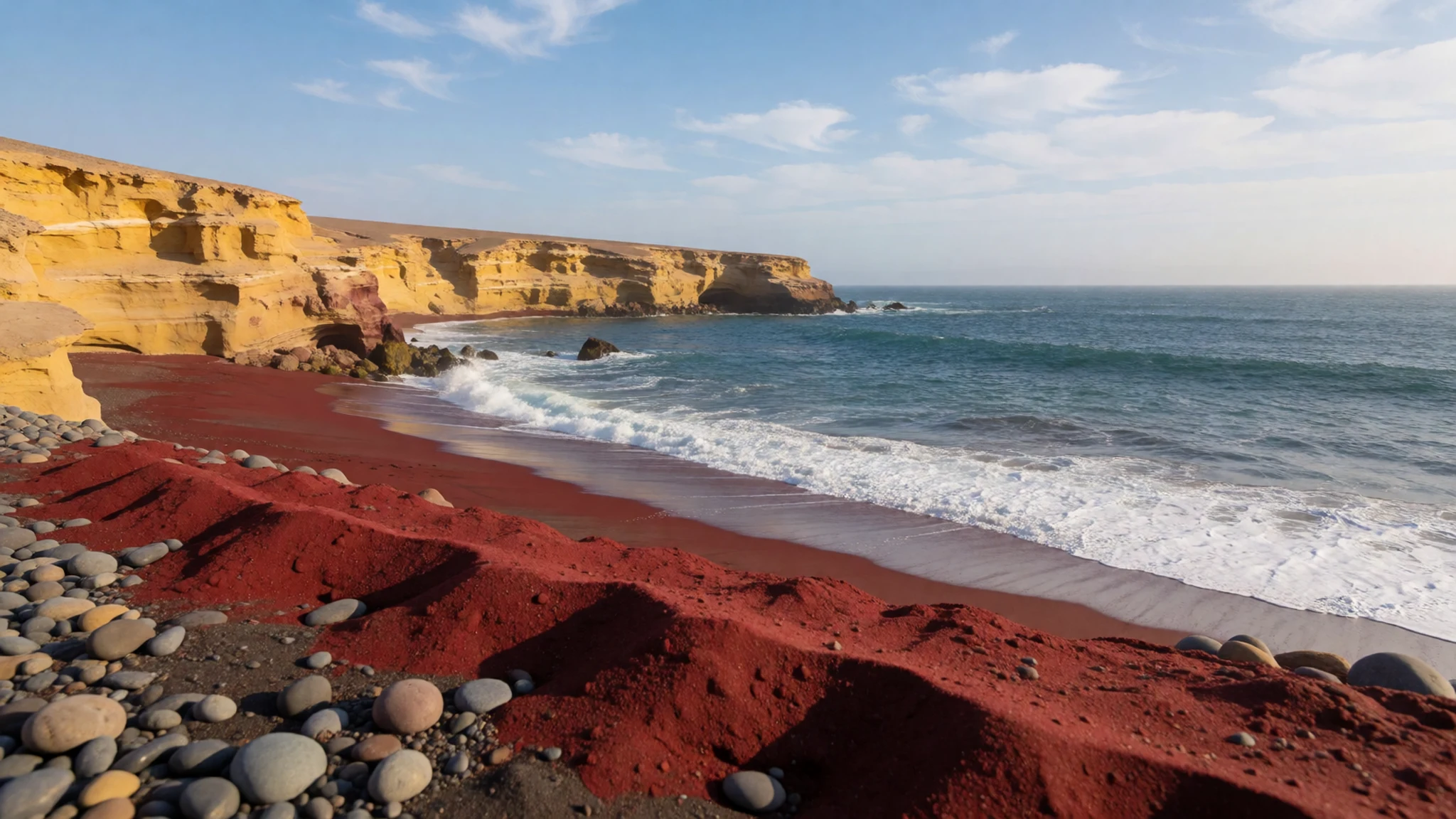
- Islas Ballestas — Harbour at Paracas, then the open bay
Boat trips from the harbour run out to the Ballestas Islands, where seabirds gather on rocks and cliffs in large numbers. A typical trip lasts about two hours. The boats can be cold and spray-filled on the open water, so a windproof layer is worth packing even in warm weather.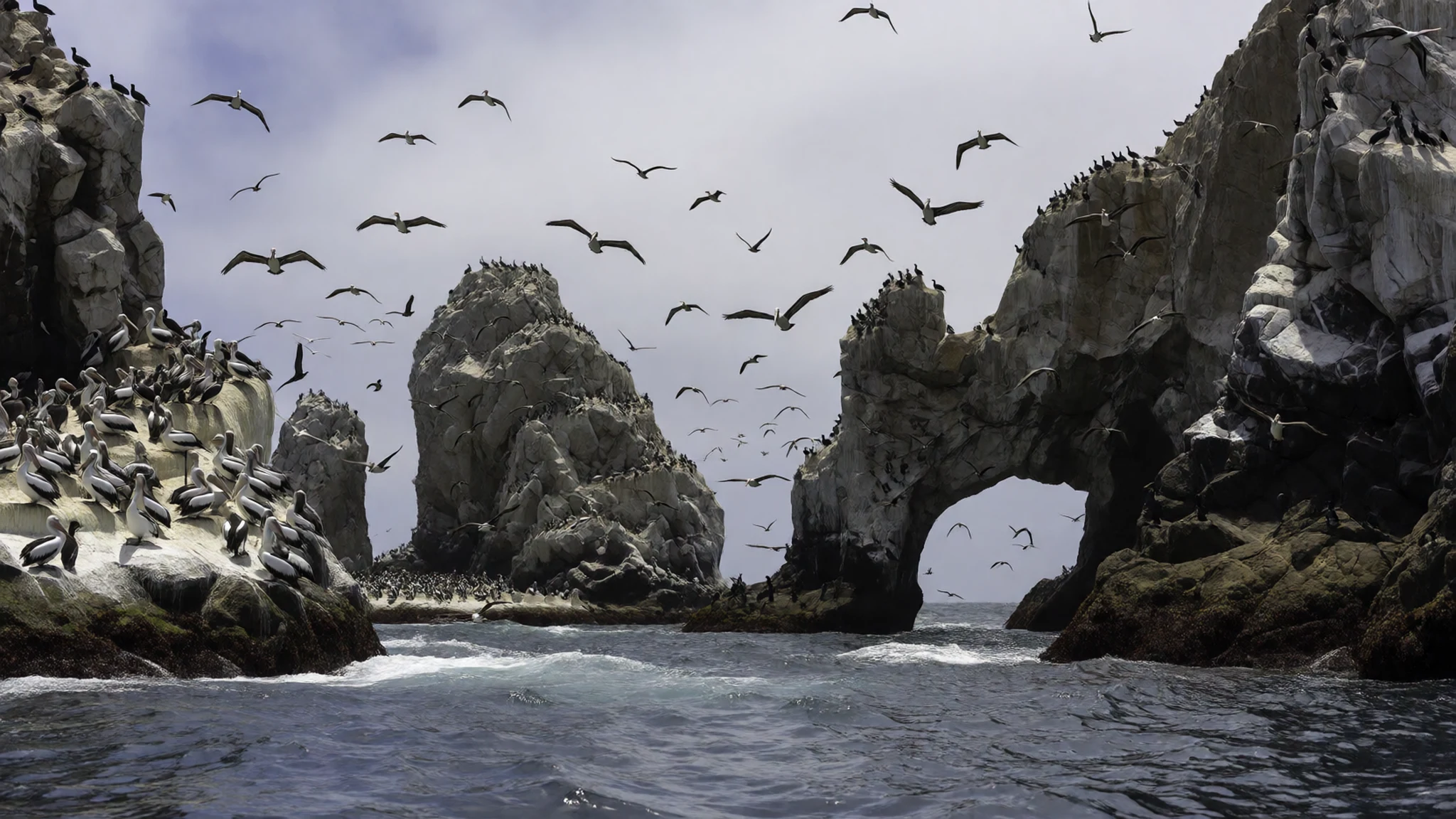
- Balneario de Paracas — Bay beach, Paracas town
The bay beach beside the town is calm enough for a paddle and makes a pleasant place to watch the boats leave. It is not the main reason to visit, and the sand is often windblown. The stretch faces the shelter of the peninsula, which is why the water here stays calmer than the ocean beyond.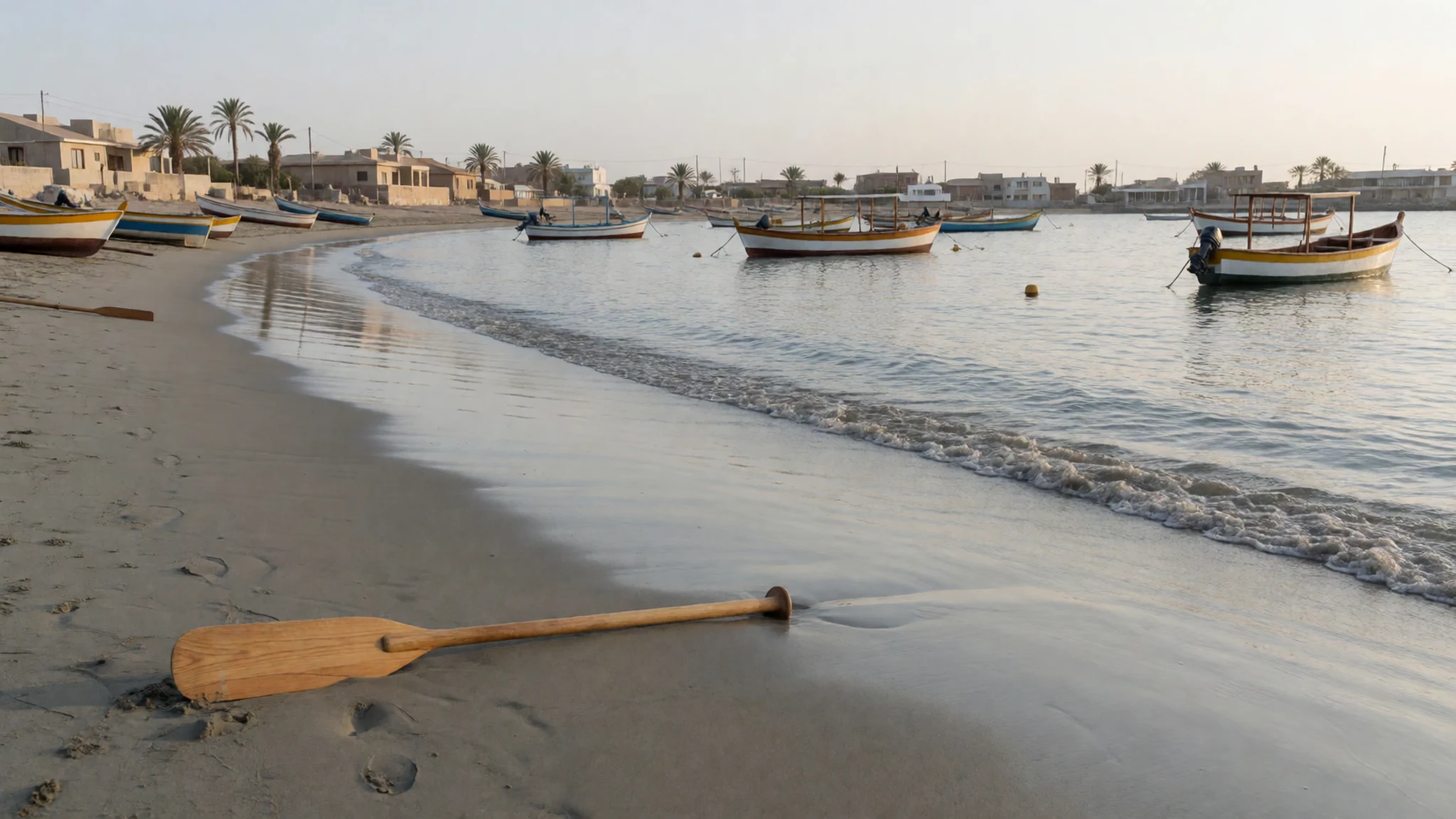
- Península de Paracas by bike — Paracas Peninsula, roads from the town
Bikes can be hired in town for a day, which lets a visitor explore the peninsula at a relaxed pace. Roads and tracks run past beaches, cliffs and lookouts. Wind is the main challenge, so start early, carry water and check the forecast before setting out.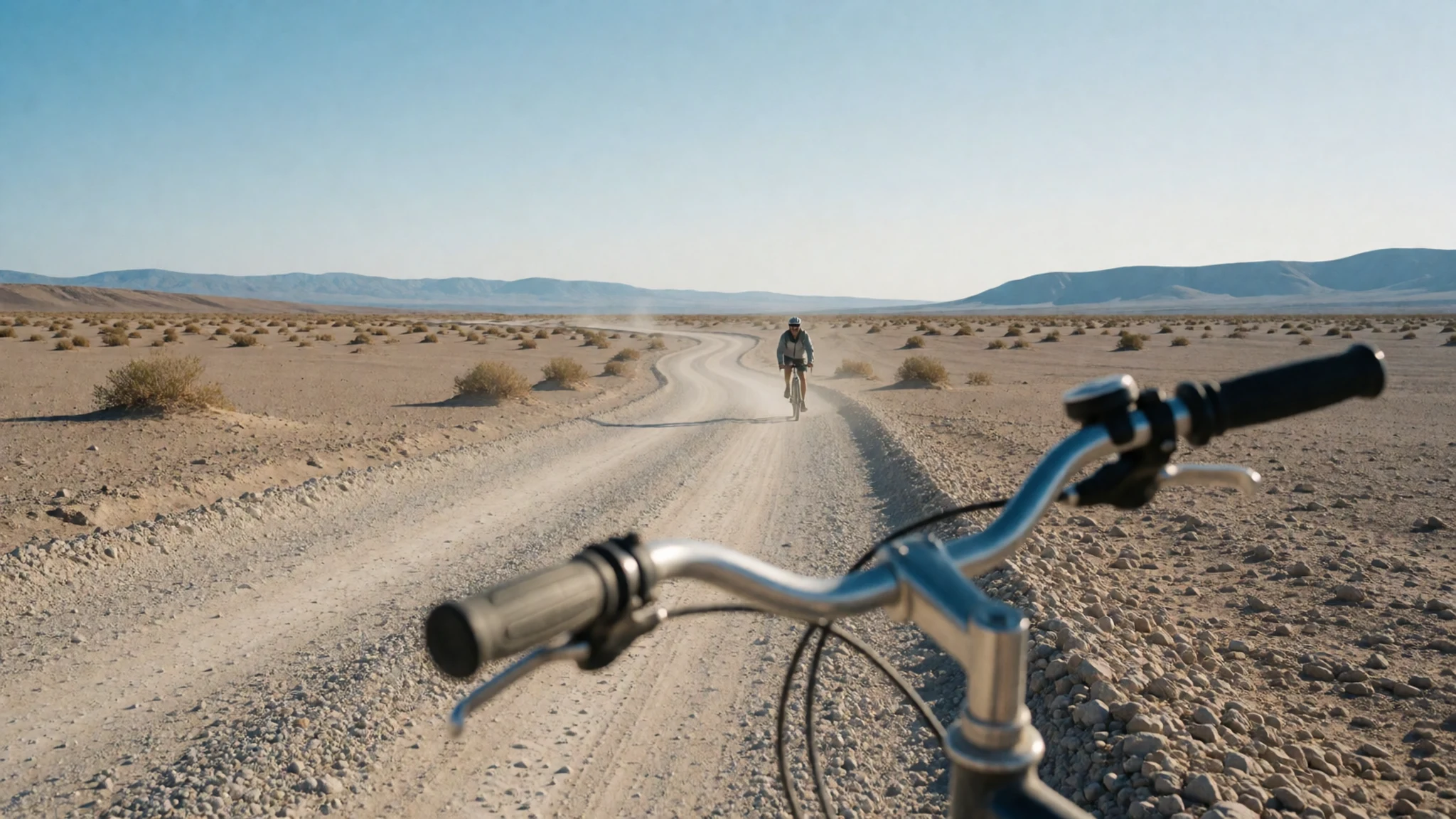
Culture
Paracas is a small resort town, and most of its visitors are Peruvian or from elsewhere in Latin America, so daily life here runs in Spanish. The waterfront has lively restaurants and bars and the evenings are sociable, but the town itself is quiet and modest. A good deal of the recent building followed the 2007 earthquake, and the rebuild is still visible around the streets.
The reserve and islands are part of a living ecosystem, with seabirds nesting on rock and cliff. Local guides explain the rules of the reserve and the islands, and keeping to them leaves the wildlife undisturbed. Tours from the harbour and projects such as Casa Hogar Illary Ica support local families, so choosing reputable operators matters. Volunteers at the project work with children, and staff set the terms of contact.
In the reserve, stay on marked routes and keep a respectful distance from nesting birds and other wildlife.
What to wear
Paracas sits within the Ica Region, and its best-known cultural link is the ancient Paracas culture, whose burial sites produced finely woven and embroidered textiles now shown in Peruvian museums. Those pieces used cotton and camelid wool and are the traditional textile heritage of the coast. Modern clothing here is practical: everyday cotton, jeans and trainers, with fleeces and jackets for the wind.
Local people in town dress neatly but casually, and few wear traditional costume in daily life. Woven and knitted goods, many made in the highlands, are sold in souvenir shops and markets as a link to older craft traditions.
For a visit, pack light long sleeves and a hat, since the sun is strong even when the air feels cool. A windproof jacket is essential for boat trips and cycling on the peninsula. Closed shoes with grip help on sand, shingle and rocks, and swimwear belongs on the beach only. Keep clothing modest in town and at the children's project.
What to eat
- Ceviche — Waterfront restaurants along the malecón
Raw fish cured in lime and chilli, served as a plate of fresh seafood. Local fish is often landed the same morning, so the ceviche tends to be excellent. Try it at a waterfront restaurant along the malecón, where most menus centre on fish.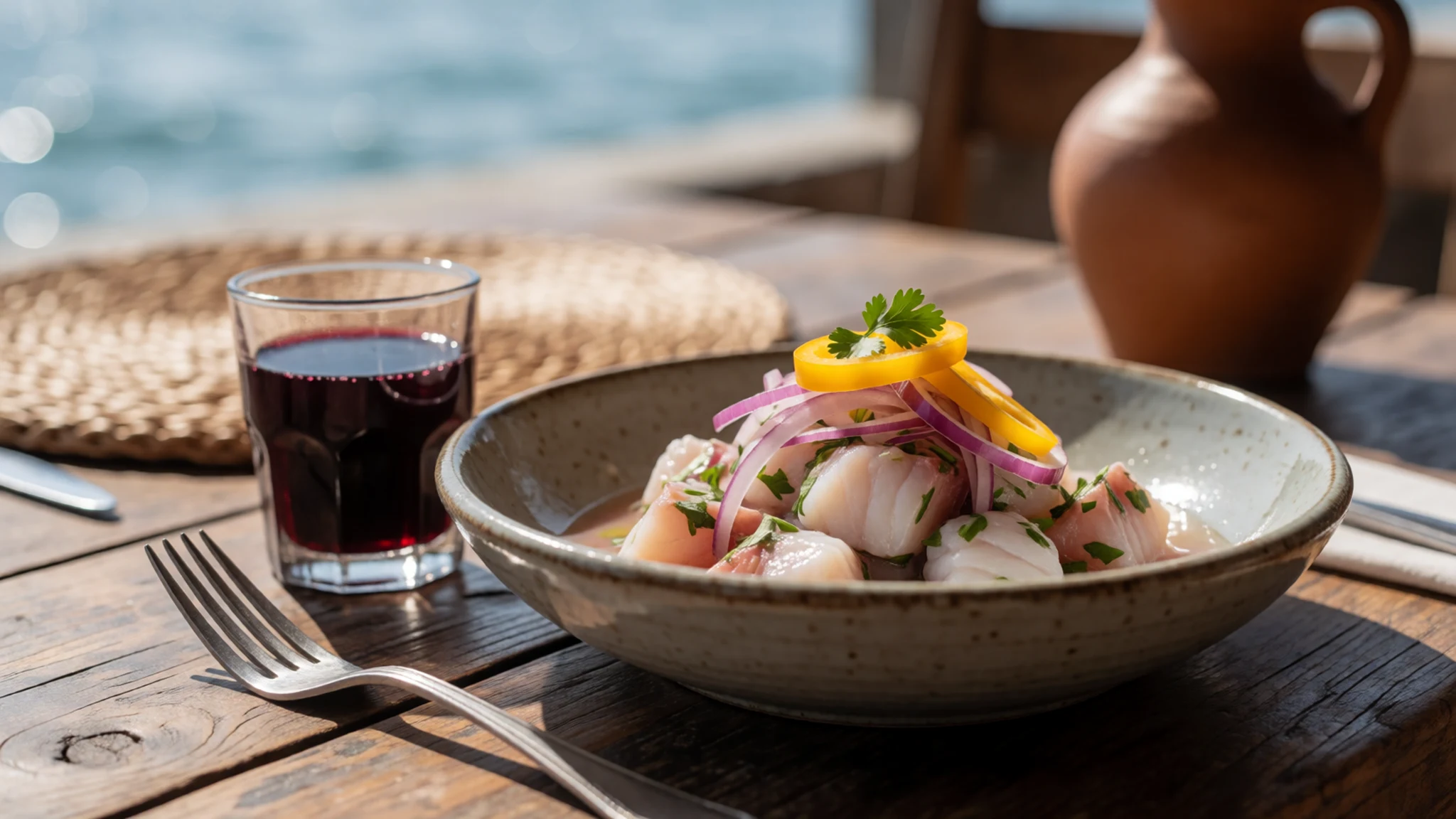
- Causa — Set-lunch menus at waterfront restaurants
A layered dish of mashed yellow potato seasoned with lime and chilli, usually filled with seafood or chicken and served cold. It appears on the set-lunch menus of waterfront restaurants as one of the small plates, and it is a good way to sample local cooking.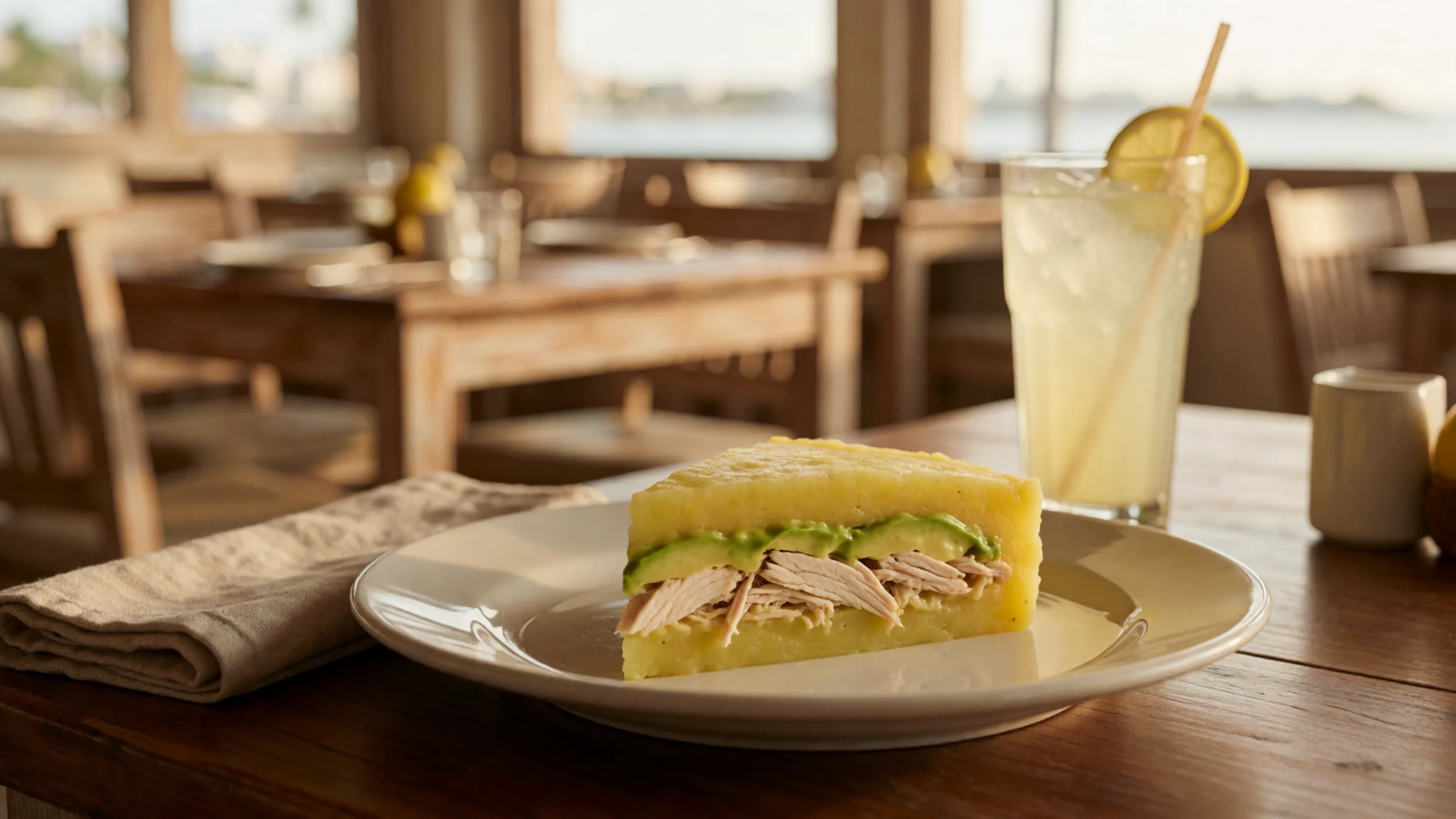
- Arroz chaufa — Family eateries near the central plaza
Peruvian fried rice cooked with egg, soy and spring onion, often with seafood added. It is one of the small dishes served on lunchtime set menus along the waterfront. The family eateries near the central plaza tend to cook it to order. - Pisco sour — Waterfront bars, and minimarkets near the plaza for cheaper drinks
Pisco is a grape brandy from the wider region, and the pisco sour is the drink to try. Waterfront bars serve it, though prices climb in the evening, and happy hours often bring reduced mixed drinks. Cheaper drinks are sold in the two minimarkets near the plaza.
Plan it
Best time. Paracas is hottest from December to April, with highs near 28–30°C, and most comfortable from June to October, when highs are about 25–26°C and rain is lightest. Expect wind and blowing sand on many days. The low season brings easier prices on rooms, though some places close, so ask before you plan around a particular hotel.
How long. 2–3
Getting there. Driving from Lima takes about four hours. Alternatively, fly from Lima to Pisco on a small airline and take a taxi the final stretch. Buses from Cruz del Sur and Oltursa stop near Paracas and run to Lima and Arequipa, and minibuses run to Ica. Peru Hop buses serve Paracas from Lima and continue north from Arequipa via Nazca.
Budget. mid
Tips
- Ask for a lower rate in person rather than booking online, as online prices are often high
- Carry sun cream, a hat and a windproof layer, since wind and sand are constant
- Buy food before you arrive, because the two small grocery stores have limited stock
- Confirm boat and reserve tours the day before, and carry cash for small purchases
- Check that your hotel is open, as some close in the low season
Etiquette
- Stay on marked routes in the reserve and keep your distance from nesting birds
- Take your rubbish away with you, since the camping areas have no facilities
- Speak some Spanish in town and at the children's project, and ask before photographing people
Nearby
Sources
- Wikidata Q1641076 (CC0)
- Wikipedia: Paracas (municipality), rev 1377353670 (CC BY-SA 4.0)
- Wikivoyage: Paracas, rev 5413869 (CC BY-SA 4.0)
- Balneario de Paracas, Y. Hooker (CC BY 3.0)
- Backpacker's House, Paracas (2023) 01, Draceane (CC BY-SA 4.0)
- Backpacker's House, Paracas (2023) 02, Draceane (CC BY-SA 4.0)
- Backpacker's House, Paracas (2023) 03, Draceane (CC BY-SA 4.0)
- Backpacker's House, Paracas (2023) 04, Draceane (CC BY-SA 4.0)
- Backpacker's House, Paracas (2023) 05, Draceane (CC BY-SA 4.0)
- Backpacker's House, Paracas (2023) 06, Draceane (CC BY-SA 4.0)
- Backpacker's House, Paracas (2023) 07, Draceane (CC BY-SA 4.0)


