Pantanal
Pantanal, Brazil
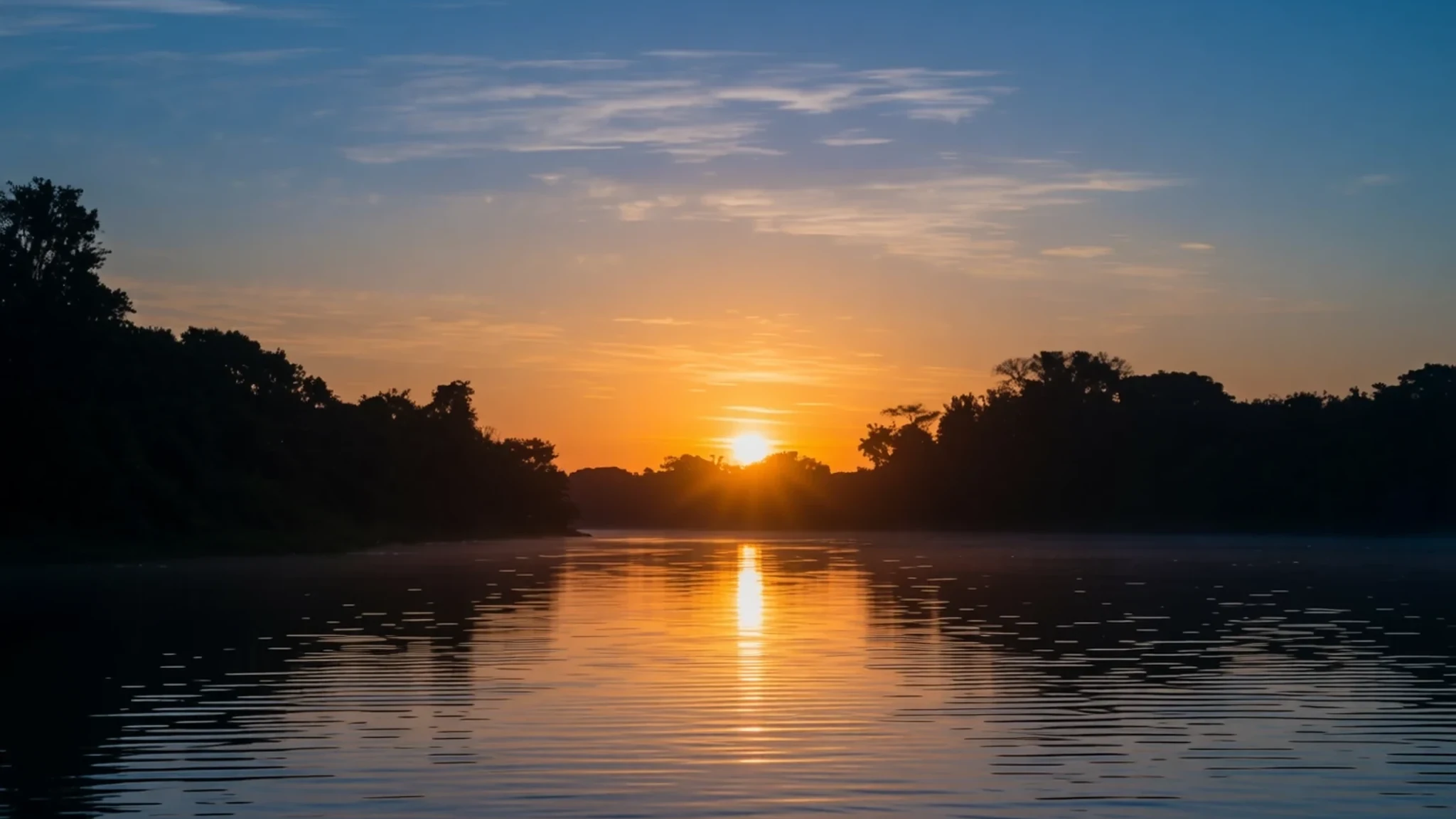
Go for wildlife you can actually see: jaguars, caimans, capybara and hyacinth macaws across the world's largest tropical wetland.
The place
The Pantanal sits mostly in the Brazilian state of Mato Grosso do Sul, with stretches reaching into Mato Grosso and into parts of Bolivia and Paraguay. It is a vast, flat basin, and for much of the year it behaves less like a landscape than a slow-moving water system. Rivers drain down from the plateau to the north and east, drop their sediment across the lowlands, and release the water slowly through the Paraguay River. The result is one of the largest tropical wetlands on Earth, and the largest flooded grassland.
Water sets the rhythm. In the rainy season roughly four out of five square kilometres of the floodplain go under, turning grassland into shallow lakes and channels. The aquatic plants and fish that thrive in that water draw birds and mammals in large numbers. As the water recedes in the dry season, animals concentrate around the shrinking lagoons and river banks, which is why many visitors come then.
The landscape is not uniform. Researchers recognise a number of subregions, each with its own water pattern, soils and vegetation. Dry forest, Cerrado savanna and Chaco scrub press in at the edges. Heat is a constant here: the average temperature sits around 24 °C, and the year divides into a clear wet and dry cycle rather than cool winters. Roads are rough, lodges are remote, and most of the region is reached through guided trips rather than by walking around a town.
Its story
The Pantanal's shape is older than its wildlife. The land is a broad, gently sloping depression in the Earth's crust that formed before the Andes rose, and it was later shaped by the same mountain-building that raised those peaks. Into that hollow, rivers flowing off the surrounding highlands have carried sand, clay and organic debris for a very long time. Each flood adds another layer, so the basin slowly fills and levels, and the water it holds spreads wider than any single river could manage.
That slow work explains why the region behaves like a giant inland delta with no sea at its end. Water arrives from the uplands, spreads across the flats, and leaves through the Paraguay River and its tributaries, moving so gradually that the seasons, not the currents, set the pace. Plants and animals have adjusted to that pulse. Fish move onto the flooded grassland, birds time their nesting to the falling water, and large mammals gather where the land dries first.
People arrived later, and the cattle ranches, known as fazendas, grew up around that cycle. Ranch life depends on knowing when the water will rise and when it will drop, and many of the lodges that visitors use today sit on working land. The wildlife that draws tourists is partly a result of this history. Much of the basin has stayed lightly developed, so the animals have room, and populations of caiman, capybara and macaw remain large enough to be seen from a track or a boat.
What to see
- Estrada Transpantaneira — Northern Pantanal, Poconé to Porto Jofre
The Transpantaneira is a long unpaved road running north from Poconé towards Porto Jofre, lined with lodges, bridges and lagoons. Its bridges are the main draw: in the dry season caimans bask and crowd the shrinking water beneath them, while capybara graze at the verge. Visitors can drive it in a sturdy car, though the surface gets rough after rain.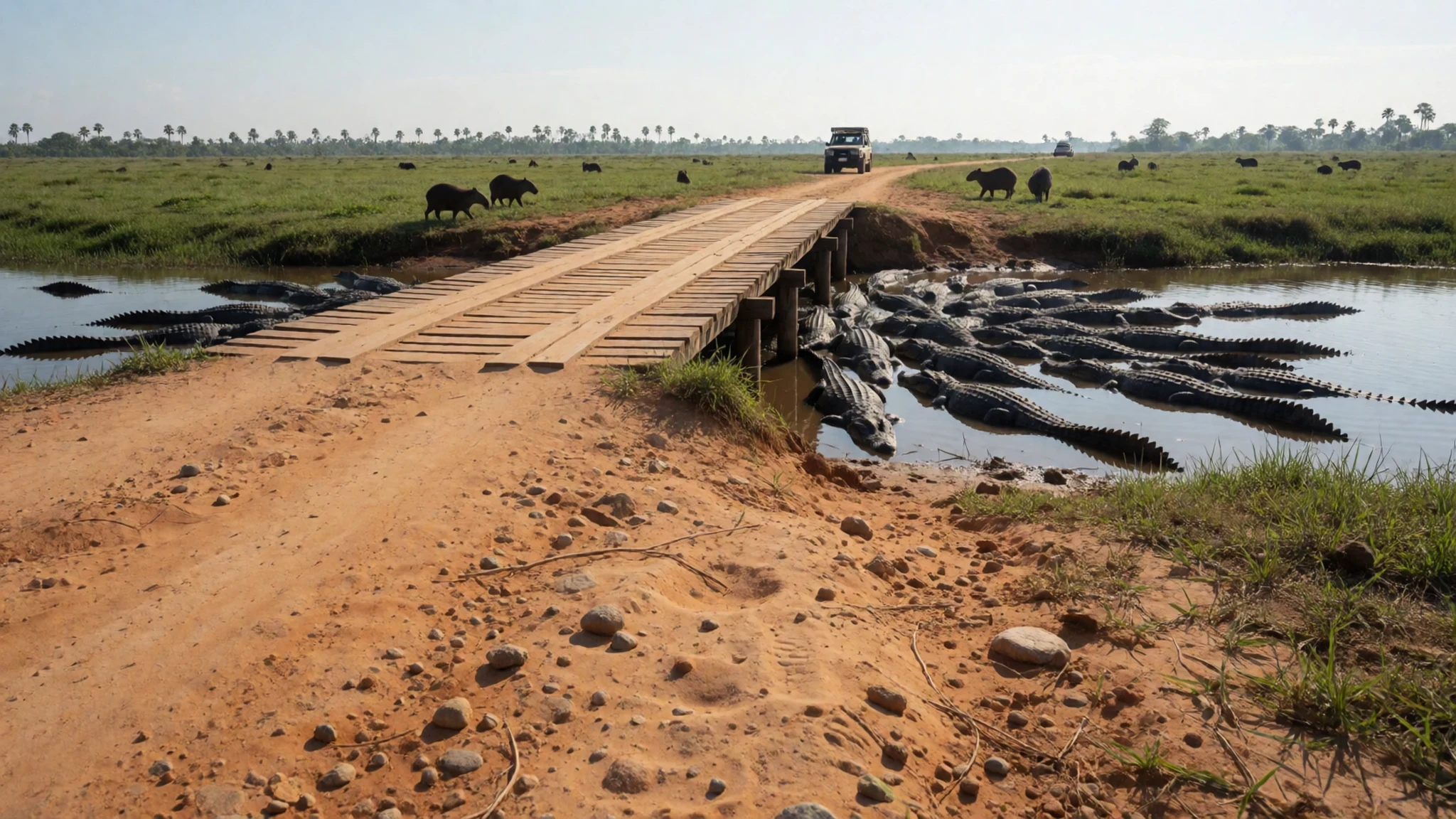
- Estrada Parque — Southern Pantanal, Corumbá to Buraco das Piranhas
The Estrada Parque runs through the southern Pantanal from Corumbá towards the Buraco das Piranhas junction, passing Curva do Leque and Passo do Lontra. It is the easier option for a self-drive trip, with birds and caimans along the way, and it pairs well with a boat trip on the river.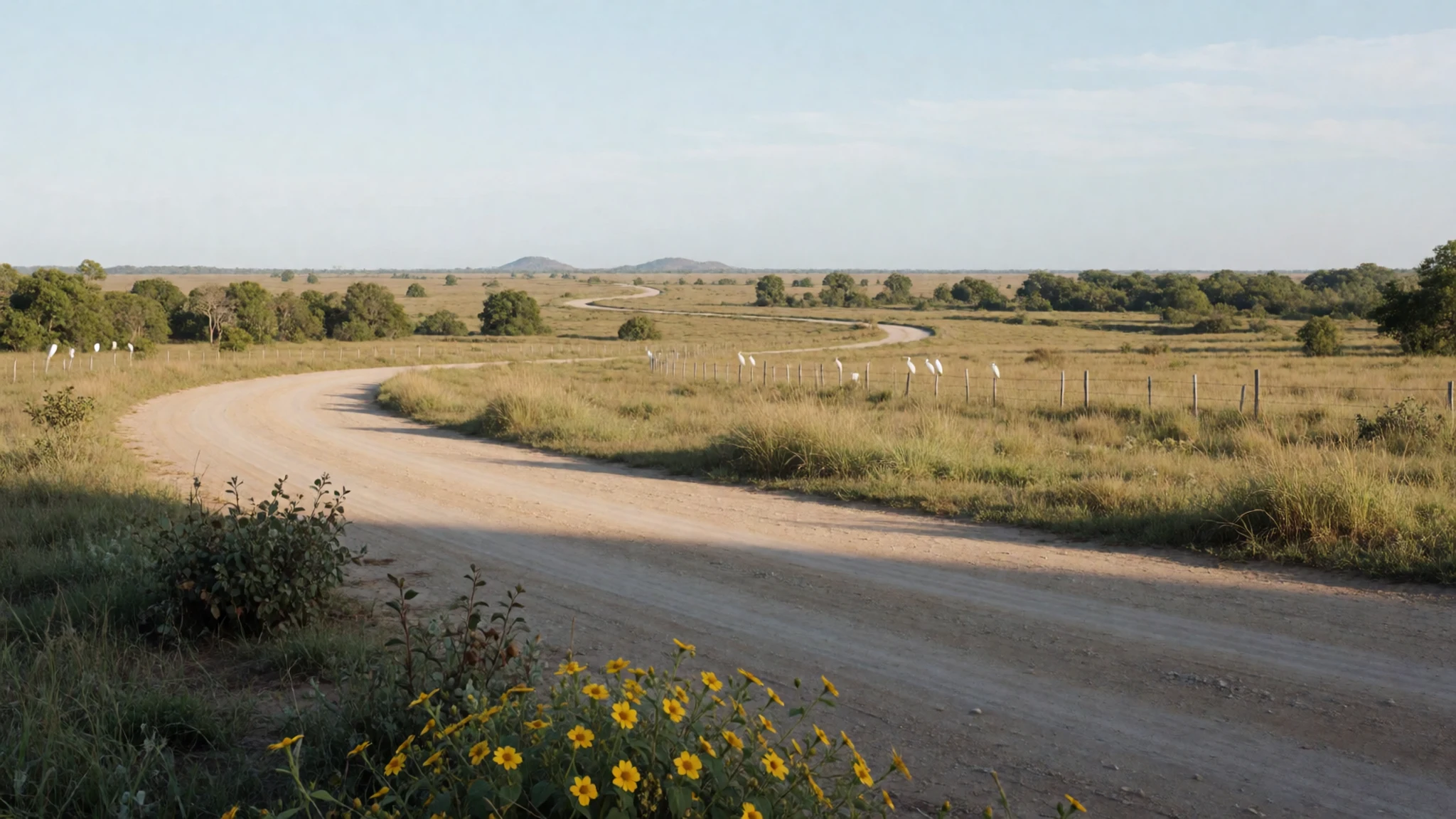
- River boat trips — Rivers of the northern and southern Pantanal, by guided boat
A boat on the river is the best way to see the otters, piranhas and birds that the roads miss. Giant river otters are endangered, so spotting one is a real privilege, and red-bellied piranhas are a constant presence in the water. Early starts suit the soft light and the most active animals, and guides can explain how the water level changes the route.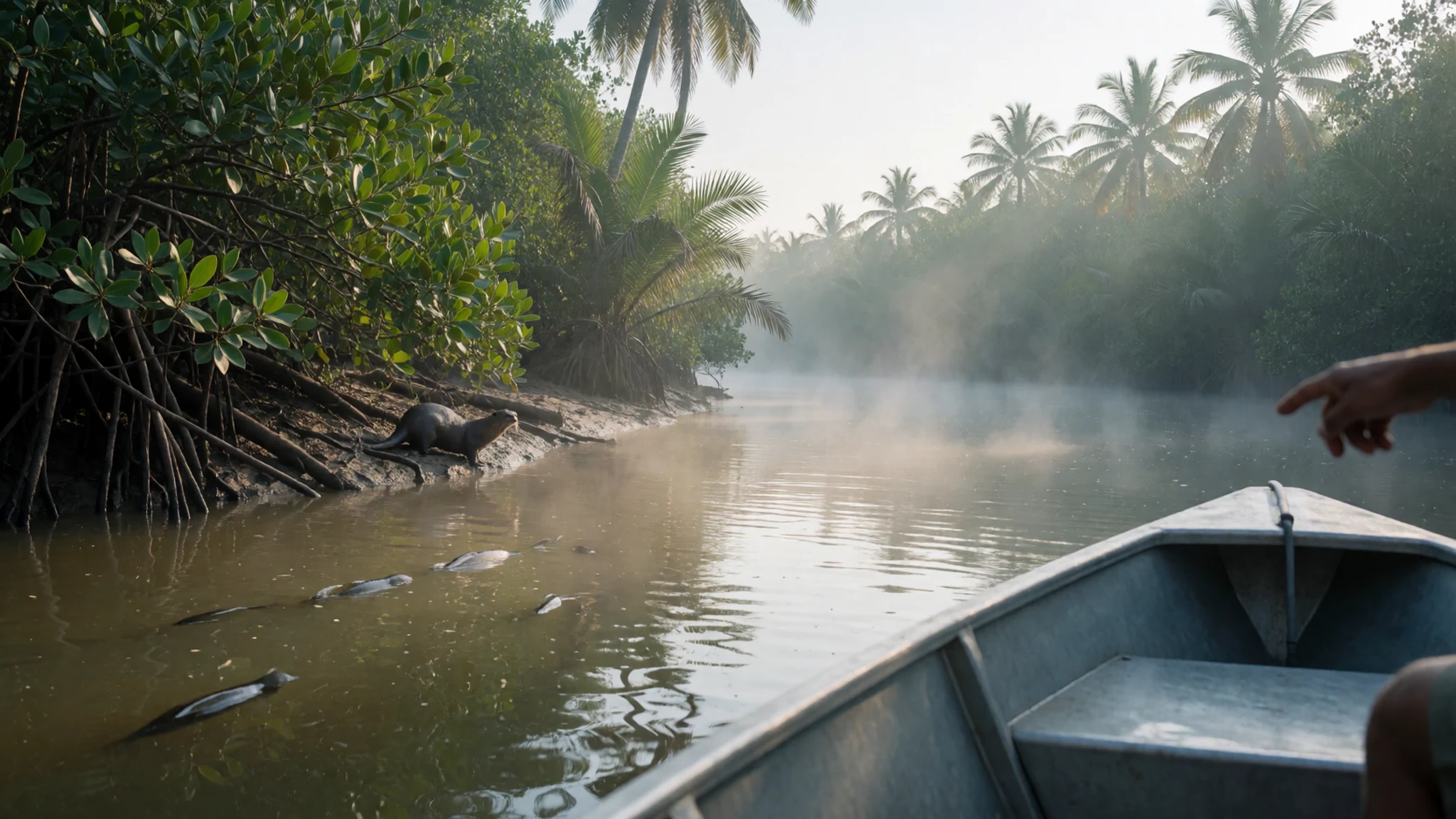
- Jaguar country — Northern Pantanal, guided river and track tours
The northern Pantanal is where most visitors go to look for jaguars, and the chances are good when you spend a couple of days on the river with an experienced guide. Jaguars are not guaranteed, and sightings depend on the season and the animal's movements, so each one feels like a bonus. Experienced guides make the difference, and it helps to check their record before booking.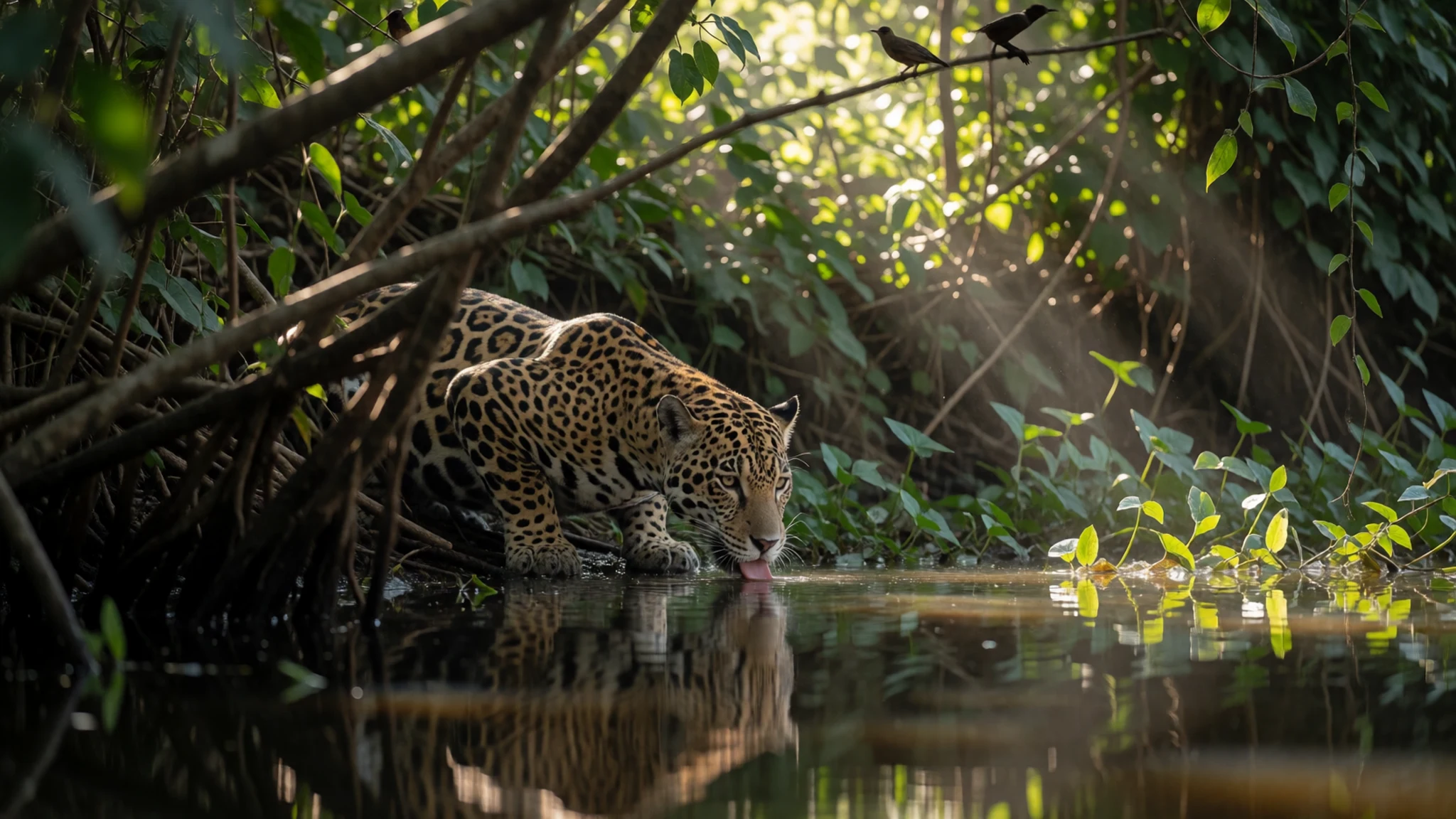
- Corumbá — Southern gateway town on the Bolivian border
Corumbá is the gateway for many southern trips and the usual starting point for the Estrada Parque. The town has a relaxed feel, and it is where backpackers often arrive by train from Bolivia. It suits arranging a guided trip or a boat, and it is worth checking whether the operator covers transport and meals.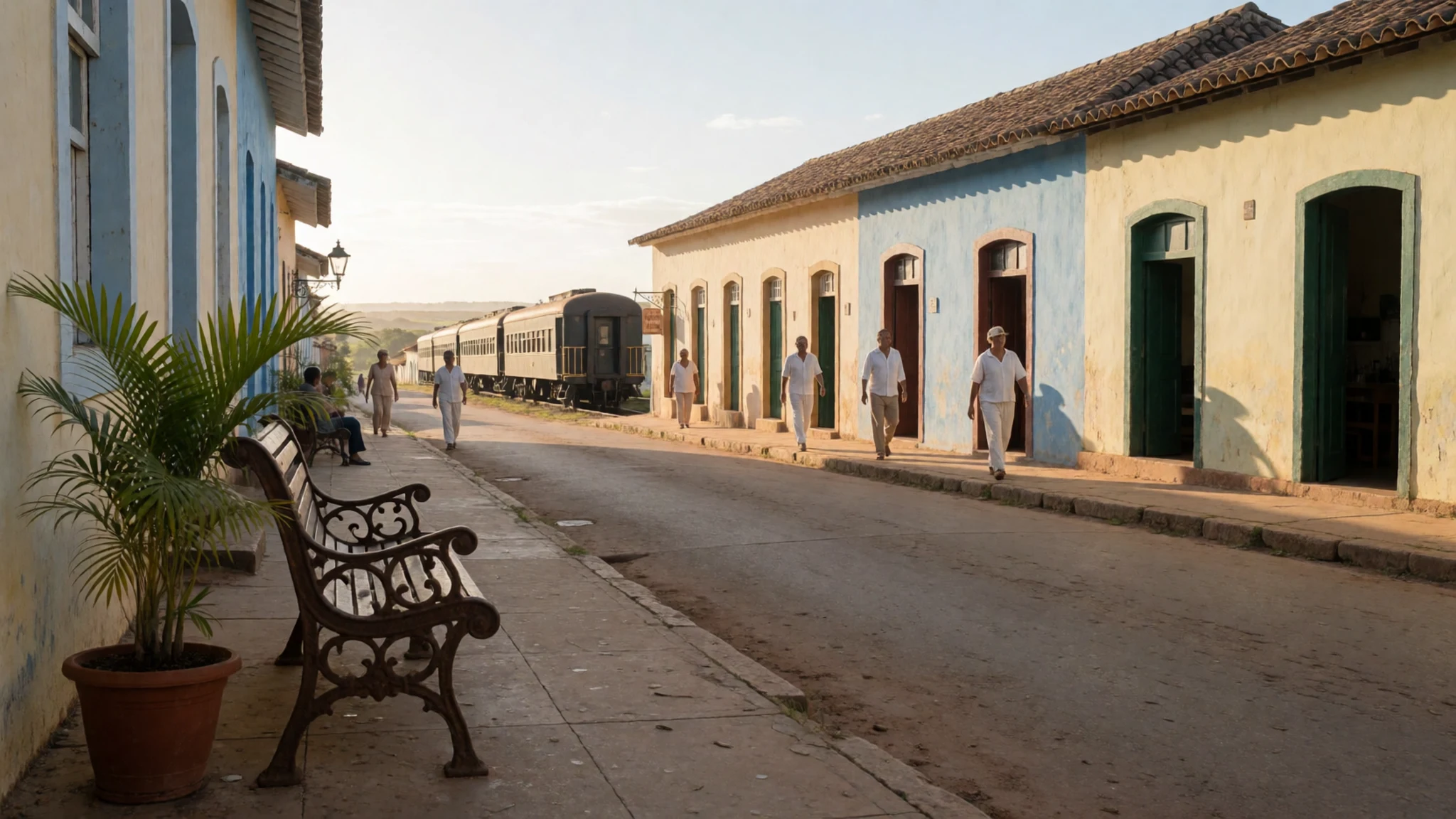
Culture
Life in the Pantanal runs on ranch time, and visitors are guests on working land. Many lodges sit on fazendas, the cattle ranches that have shaped the region for generations, so the day follows the animals and the weather more than a fixed schedule. Meals are often shared, and conversation over the table is part of the experience.
The region sits on the borders with Bolivia and Paraguay, so Spanish is heard alongside Portuguese in some towns, and tereré, a cold yerba mate drink, is a common midday custom. Hospitality is generous and unhurried. Guides often know the families who own the land, and a short greeting in Portuguese goes a long way.
Wildlife is the focus, and the people who work here take it seriously. Lodges keep to set times for walks and boat trips, and staff will ask guests to keep quiet near nesting birds and resting animals. Keep a respectful distance from anything feeding or with young, and stay on the paths and boats the guide chooses, since the ground and water can hide caimans, snakes and deep mud. Do not leave litter on the river banks or dump anything in the water, since everything you bring out should come back with you.
What to wear
Traditional dress in the Pantanal is the dress of cattle country. The cowboy, known as the peão, wears a wide-brimmed hat, a long-sleeved cotton shirt, a leather belt and boots, with trousers in heavy cotton or denim. Leather is the characteristic material of saddles and working gear, and the region's ranching culture has kept these practical forms alive at festivals and rodeos. Lightweight cotton is the everyday textile, cut loose for the heat and worn long-sleeved against sun and insects.
People here wear what work and weather demand today. On a ranch that means long sleeves, sturdy boots and a hat. In towns such as Corumbá and Campo Grande, casual Brazilian clothes, shorts and sandals are common, with more formal dress in the cities. Few people dress up for a wildlife trip.
For a visit, pack for heat and insects. Loose, light long-sleeved shirts and trousers in cotton or quick-drying fabric protect against mosquitoes and sun. Neutral greens, browns and greys blend in better on boats and tracks than bright colours. Bring a wide-brimmed hat, a light rain jacket for the wet season, and closed shoes that can take mud. Sandals suit the lodge and the town, but not the trail.
What to eat
- Pacu — Riverside restaurants in Corumbá and lodge kitchens across the region
Pacu is a large freshwater fish from the Pantanal's rivers, usually grilled whole or in thick fillets and served with rice, salad and farofa. It appears on many menus near the river and tastes mild and firm. Lodge lunches often include it.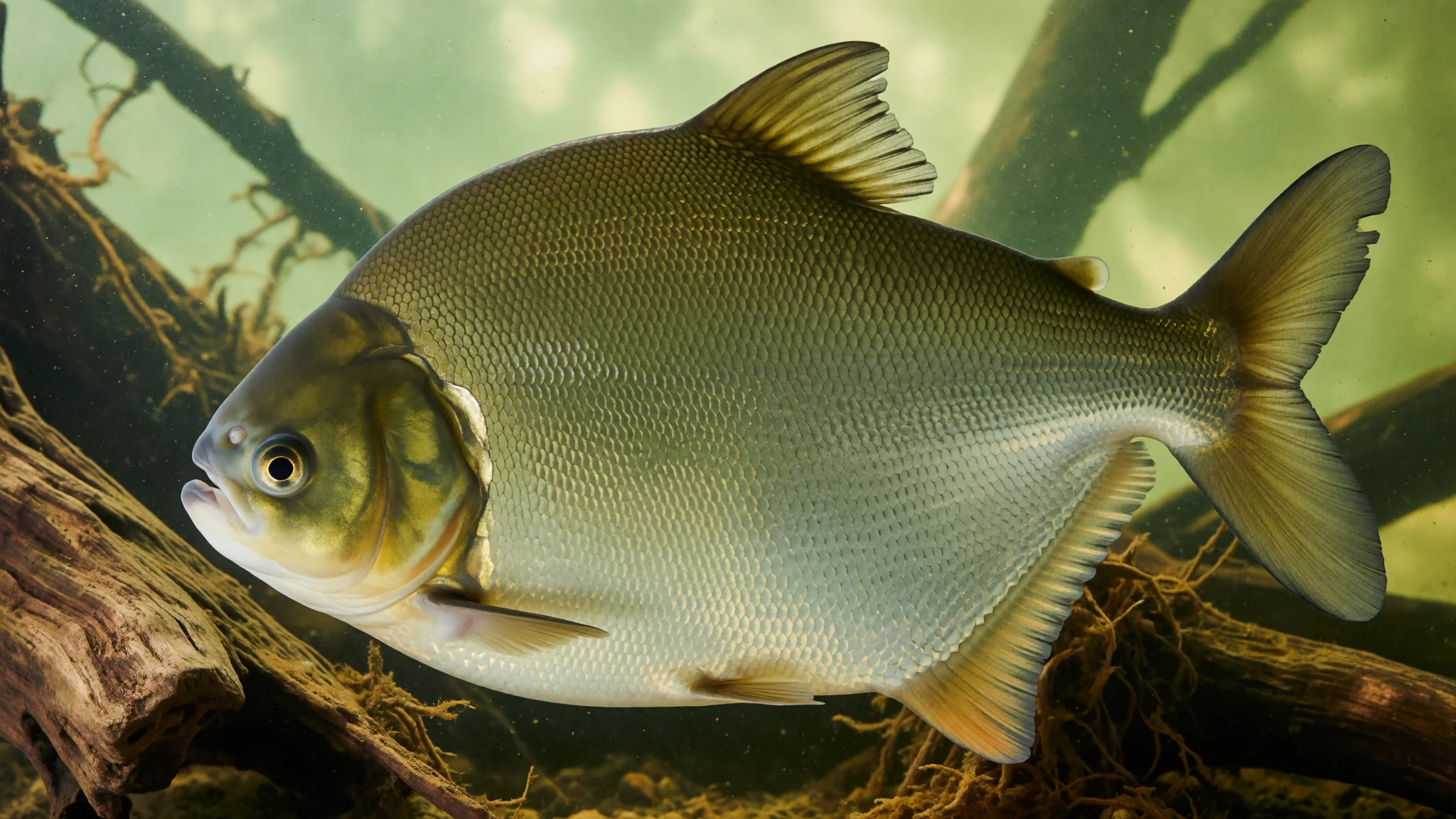
- Arroz carreteiro — Lodge buffets and rural eateries along the Transpantaneira
Arroz carreteiro is a rice dish cooked with shredded dried beef, onion and garlic, a ranch-kitchen staple of the cattle country. Its texture is slightly sticky and savoury. It is often served at lunch with a fried egg on top.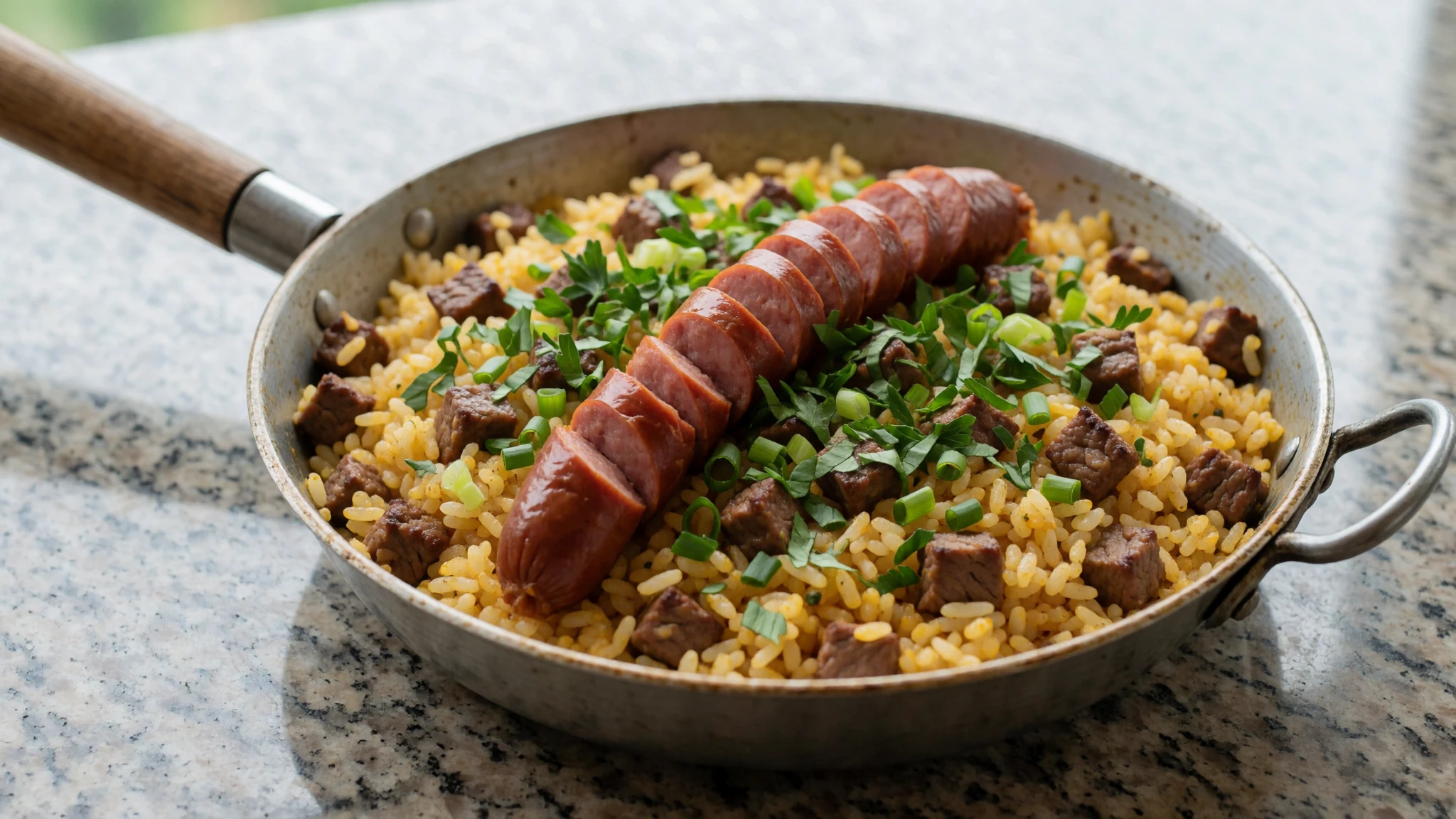
- Churrasco — Lodge dinners across the Pantanal and churrascarias in Campo Grande
Churrasco is the Brazilian barbecue style, with beef cuts turned on skewers over charcoal and carved at the table. In cattle country it is the default meal, and the beef tends to be good. Lodges often serve it at dinner, sometimes as a buffet.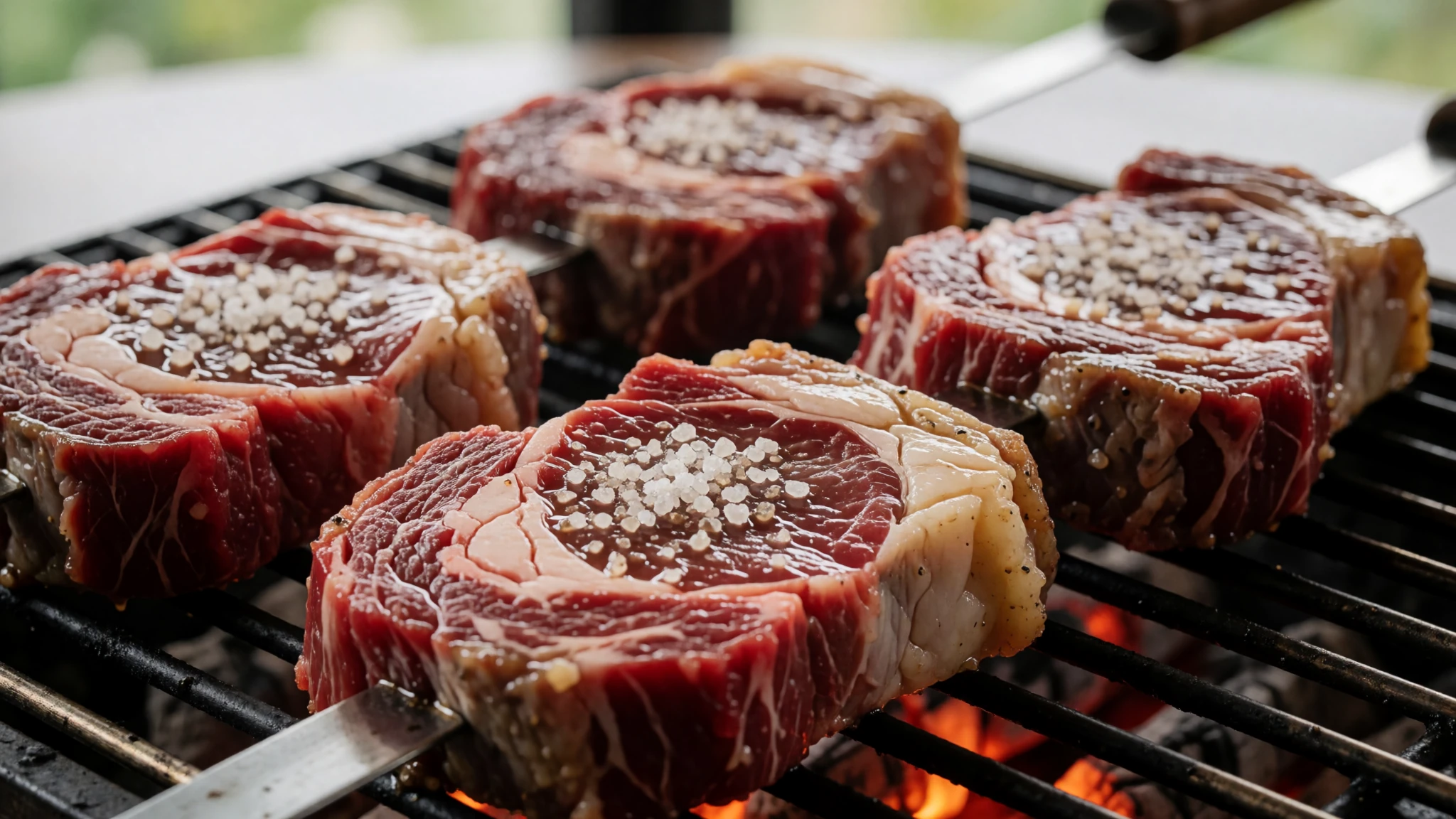
- Chipa — Bakeries and morning markets in Corumbá, near the Bolivian and Paraguayan borders
Chipa is a small baked bread made with cassava starch and cheese, chewy in the middle and crisp at the edge. It is a border favourite, and bakeries sell it warm in the morning. - Sopa paraguaya — Small bakeries and market stalls in Corumbá
Sopa paraguaya is not a soup at all but a dense, moist cornbread with cheese and onion, baked until golden. It is a dish shared across the border and works well as a snack with coffee. It turns up in small bakeries and at market stalls.
Plan it
Best time. June to August is the dry season, when wildlife gathers around shrinking lagoons and tracks are easier to drive. The wet season, roughly November to March, floods much of the land and brings more mosquitoes, though trips still run.
How long. 3–4
Getting there. Fly to Campo Grande or Cuiabá, then take a road transfer or guided vehicle to the lodges. Biweekly flights run from São Paulo to Bonito. Backpackers often arrive by train at Corumbá from Santa Cruz de la Sierra in Bolivia.
Budget. high
Tips
- Book guided trips and lodges ahead, since availability varies by season
- Check current bus timetables for the Corumbá to Bonito route, because stops have changed recently
- Carry cash for small shops and market stalls, as card payments are unreliable in remote areas
- Drink water from the lodge's filtered coolers rather than local surface water
- Pack long sleeves and DEET repellent for the wet season
Etiquette
- Keep noise down near nesting birds and resting animals
- Do not feed wildlife
- Stay with your guide on foot and in the water
Nearby
Sources
- Wikidata Q157603 (CC0)
- Wikipedia: Pantanal (rev 1372487159) (CC BY-SA 4.0)
- Wikivoyage: Pantanal (rev 5381300) (CC BY-SA 4.0)
- Pantanal, south-central South America (photo 01) (CC BY 3.0)
- Pantanal, Mato Grosso, Brasil (photo 02) (CC BY 3.0)
- Anodorhynchus hyacinthinus wild (photo 03) (CC BY 2.5)
- Myrmecophaga tridactyla, Pantanal region (photo 04) (CC BY 3.0)
- 4987 Pantanal jaguar JF (photo 05) (CC BY-SA 4.0)
- Hydrochoerus hydrochaeris (photo 06) (CC BY 2.5)
- Blastoceros dichotomus (photo 07) (CC BY 3.0)
- Black Howler, Pantanal (photo 08) (CC BY 3.0)


