Panay
Panay, Philippines
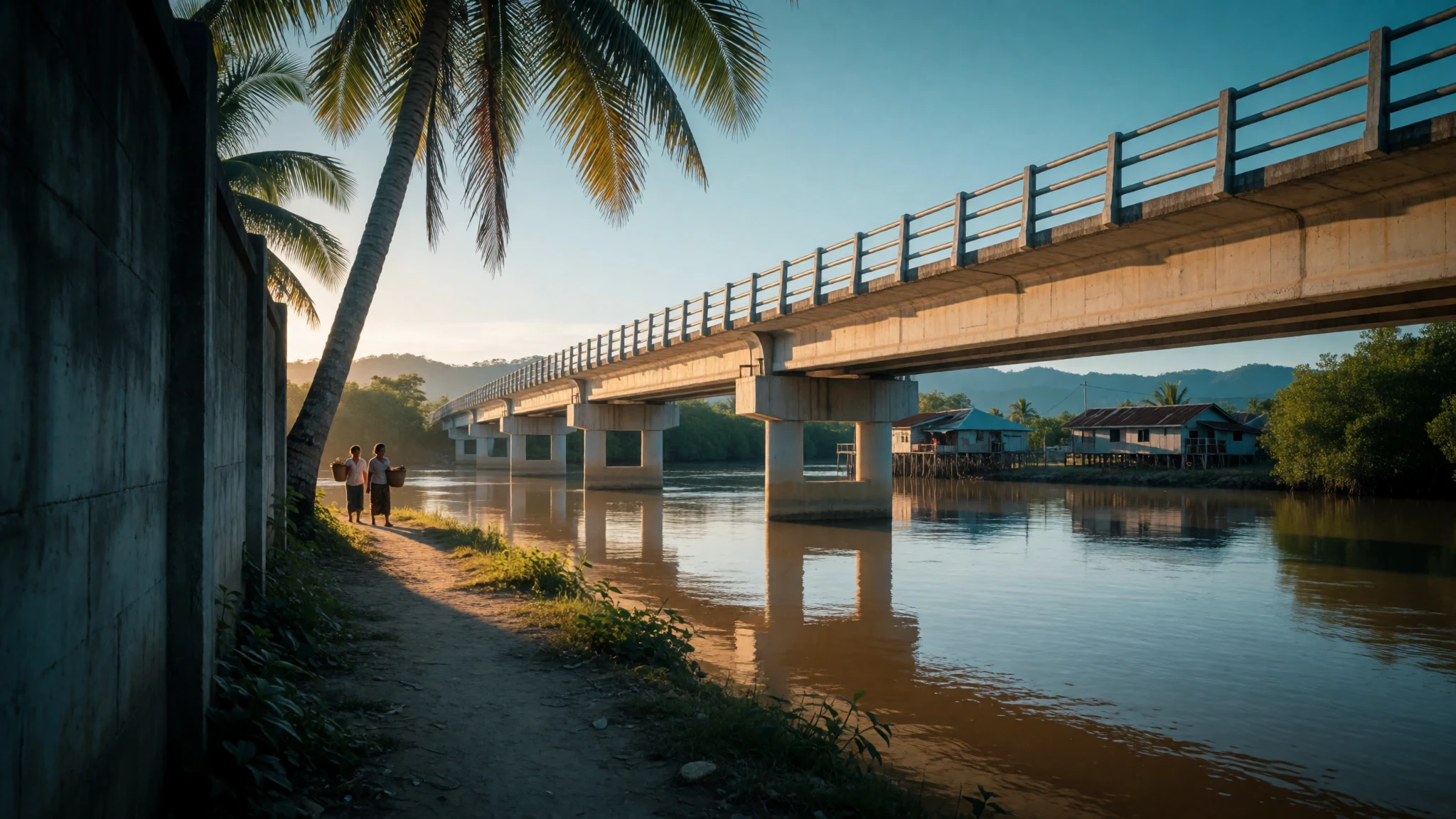
Panay pairs two of the Philippines' liveliest January festivals with quiet coasts, mountain trails and some of the best home cooking in the Visayas.
The place
Panay is a triangular island in the western Visayas, home to about 4.5 million people and split into four provinces: Aklan in the north, Capiz on the north-east coast, Iloilo in the south-east and Antique down the western side. A mountain spine runs through the middle, rising to 2,049 m, so the island has a forested, rain-catching interior ringed by rice plains, river deltas and fishing coasts. Rivers fan out from those hills in every direction, and the Panay River reaches the sea near Roxas City. Iloilo City is the main urban centre, with an old port, a ferry link to Guimaras and an airport serving Manila and Cebu. In the north, Kalibo and Caticlan handle the traffic bound for Boracay, which means many travellers cross Panay without really seeing it. That is a pity, because the towns here keep full festival calendars, strong cooking traditions and a habit of long, sociable meals. The Sulu Sea lies to the west, the Sibuyan Sea to the north and Panay Gulf to the south, so beaches face very different weather in different months. Guimaras, Negros and Mindoro are all a short crossing away, which makes the island a practical base for hopping. Heat and humidity are constant, and typhoon season can disrupt ferries and flights, so itineraries need some slack.
Its story
Panay has little written history from before the Spanish arrival, so the older story survives mostly by voice. The Hinilawod, a long sung epic from the island's interior, has been recorded only in part, and the Ati, the island's first inhabitants, carry traditions far older than any town on the coast. The best-known account of the early centuries is the Maragtas, a book assembled in the early twentieth century from oral and written sources. It tells how ten datus, or chiefs, fled oppression in Borneo, bought the coastal lands from the Ati and founded a confederation called Madja-as, whose settlements took turns as the capital. Historians treat it carefully. Its own author made no claim that it was strictly accurate, and the anthropologist William Henry Scott moved from calling it myth to calling it debatable, probably rooted in genuine folk memory. Archaeology has not confirmed the story, yet Madja-as survives in the name of the island's mountain and in local pride. Later centuries brought Spanish rule, coastal forts against raiders and the growth of Iloilo as a trading port. Panay also saw fighting in the Second World War, when Japanese forces invaded the island and guerrillas held out in the hills. An American gunboat named after the island was sunk in China before that war, a small reminder of how far the name travelled.
What to see
- Kalibo and the Ati-atihan Festival — Kalibo, Aklan
Kalibo, the Aklan capital, hosts the Ati-atihan in January, a street celebration of drumming, dance and soot-darkened faces that honours the Ati people. Streets fill for days and rooms tighten, but the mood is loud and friendly. Outside festival week the town is calmer, with markets and weavers worth a morning.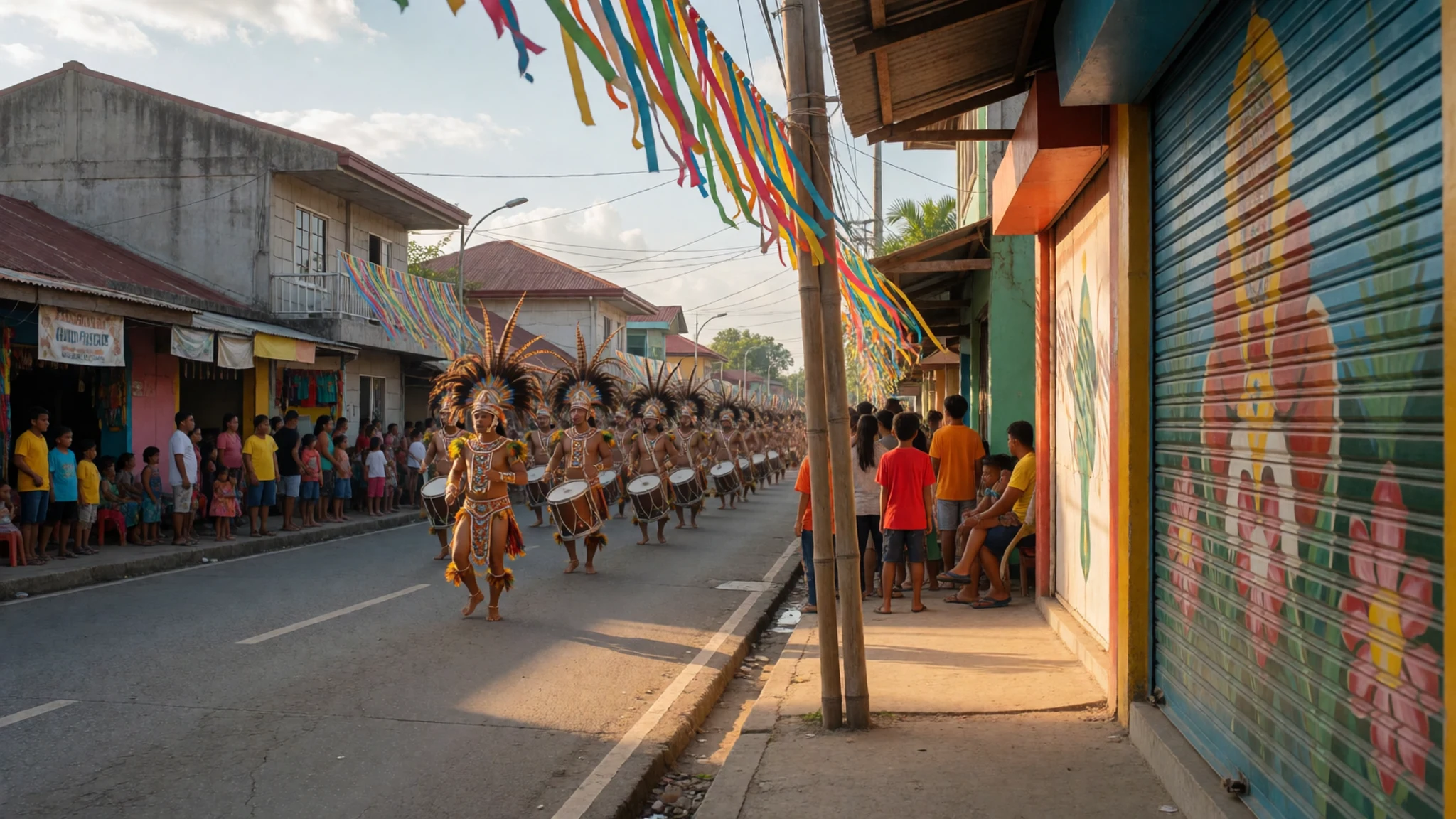
- Iloilo City and the Dinagyang Festival — Iloilo City, Iloilo
Iloilo City holds the Dinagyang in January, with teams in elaborate costumes drumming and dancing through the streets in organised contests. The rest of the year the city rewards slow walking: old commercial streets, riverside promenades, and a food scene that justifies staying a few nights.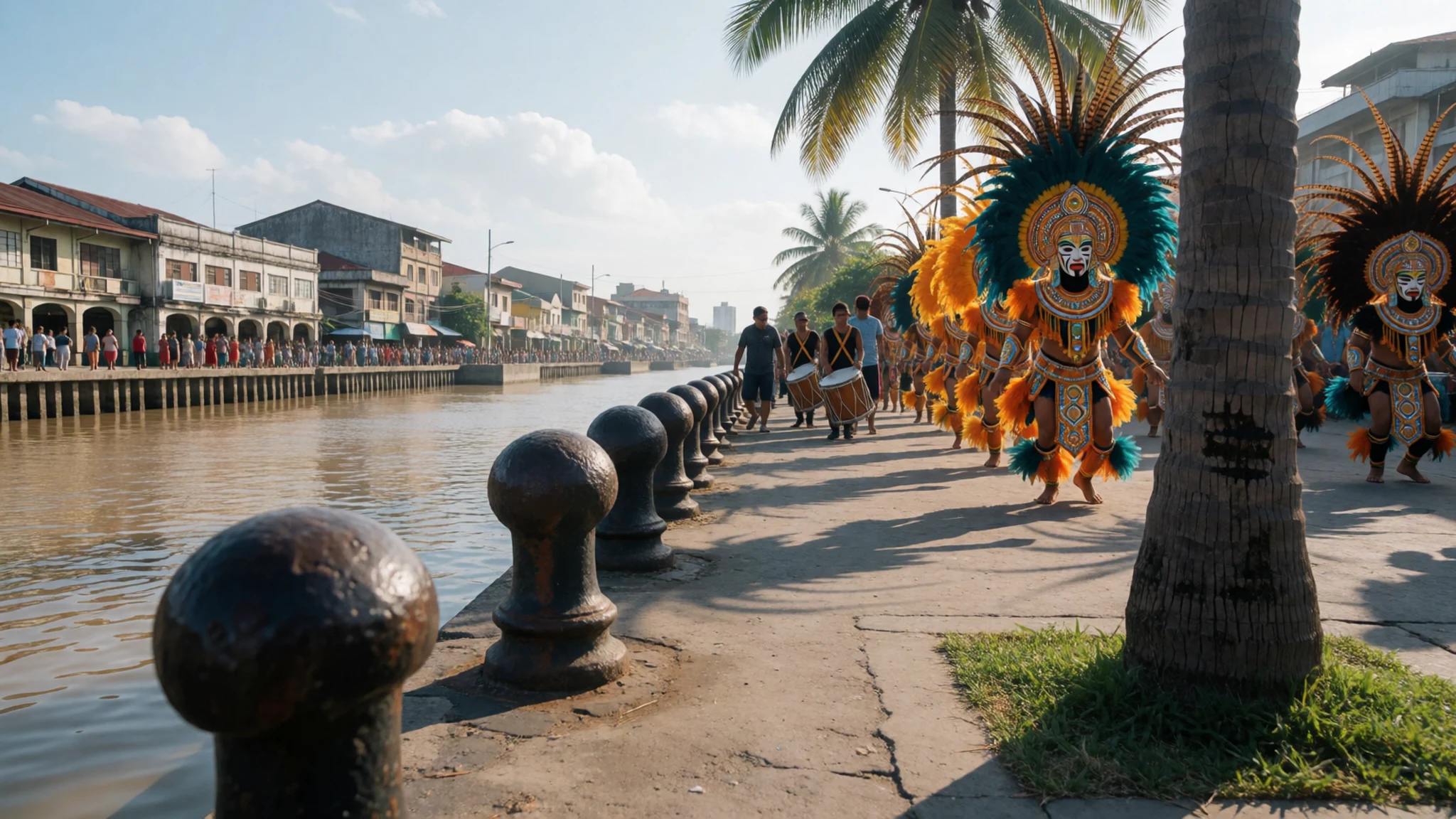
- Caticlan and the north-west coast — Malay and Nabas, Aklan
Caticlan is the jump-off for boats to Boracay, but the Northwest Panay Peninsula around it, with villages like Nabas, has quieter shoreline and green hills. Hire a tricycle or a driver for a day and treat the beach resort crowds as a separate trip.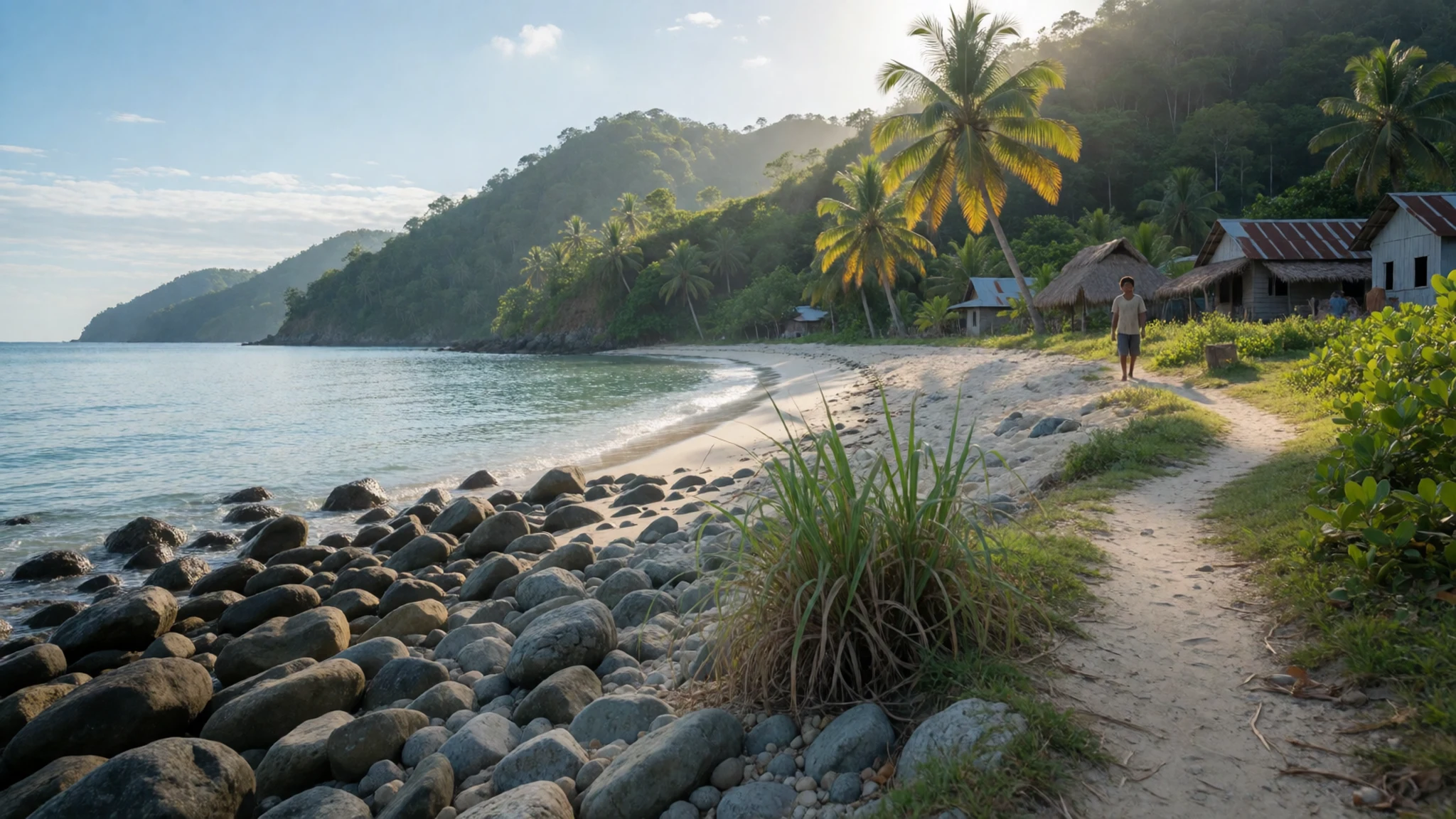
- Guimaras — Guimaras Strait, off Iloilo
Guimaras is an island-province just off Iloilo's coast, reached by a short ferry crossing from the city. Its appeal is easy-going: orchards, small coves, farm roads and slow lunches. Go on a weekday for emptier roads, and carry water and sun protection, since shade is patchy.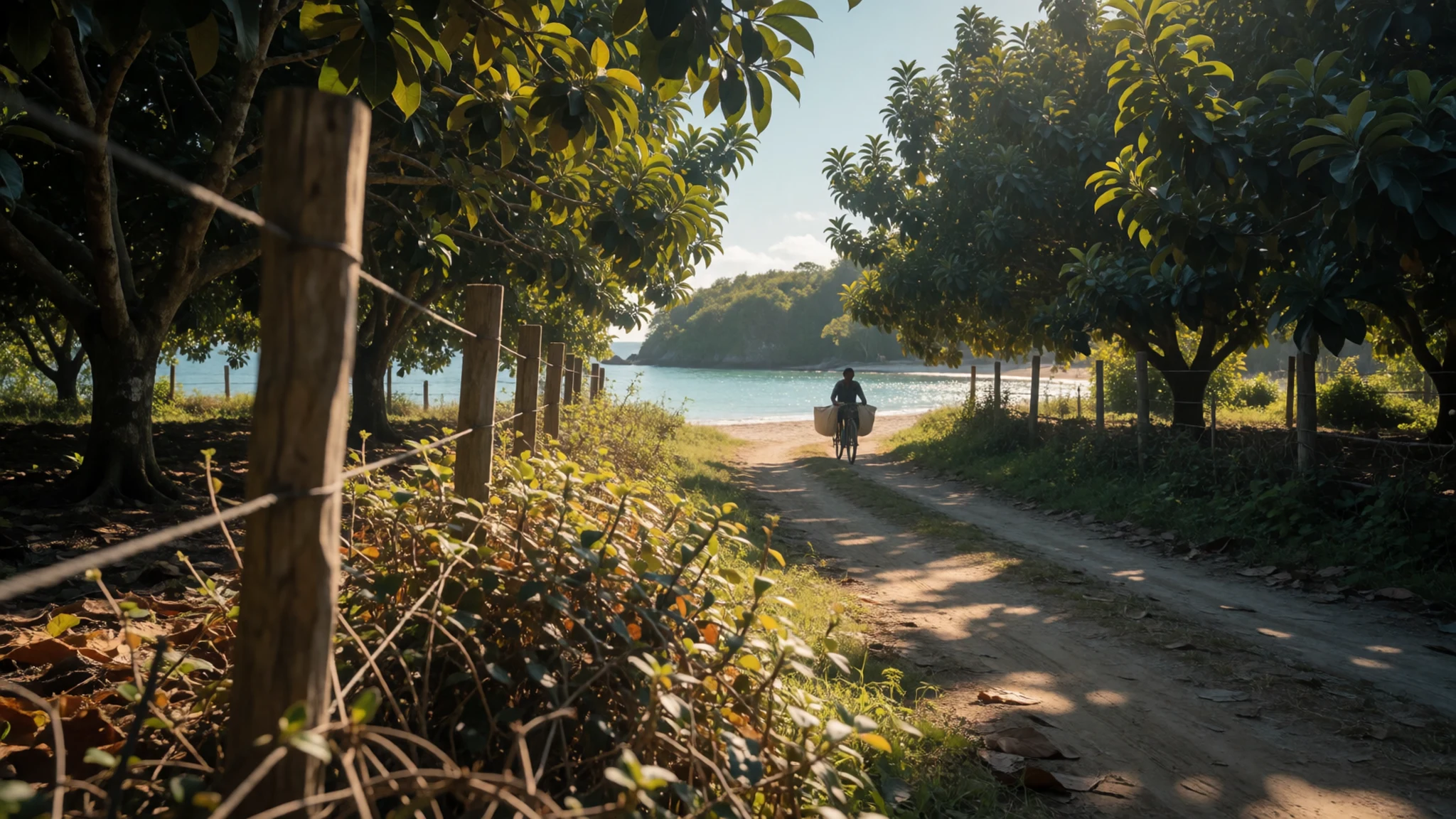
- Mount Madja-as — Culasi, Antique
Mount Madja-as, in Culasi, Antique, is a dormant peak named after the legendary confederation. Treks need local arrangements and a guide, plenty of water and a dry spell, since the trails turn muddy fast. The reward is a view over forested ridges towards the Sulu Sea.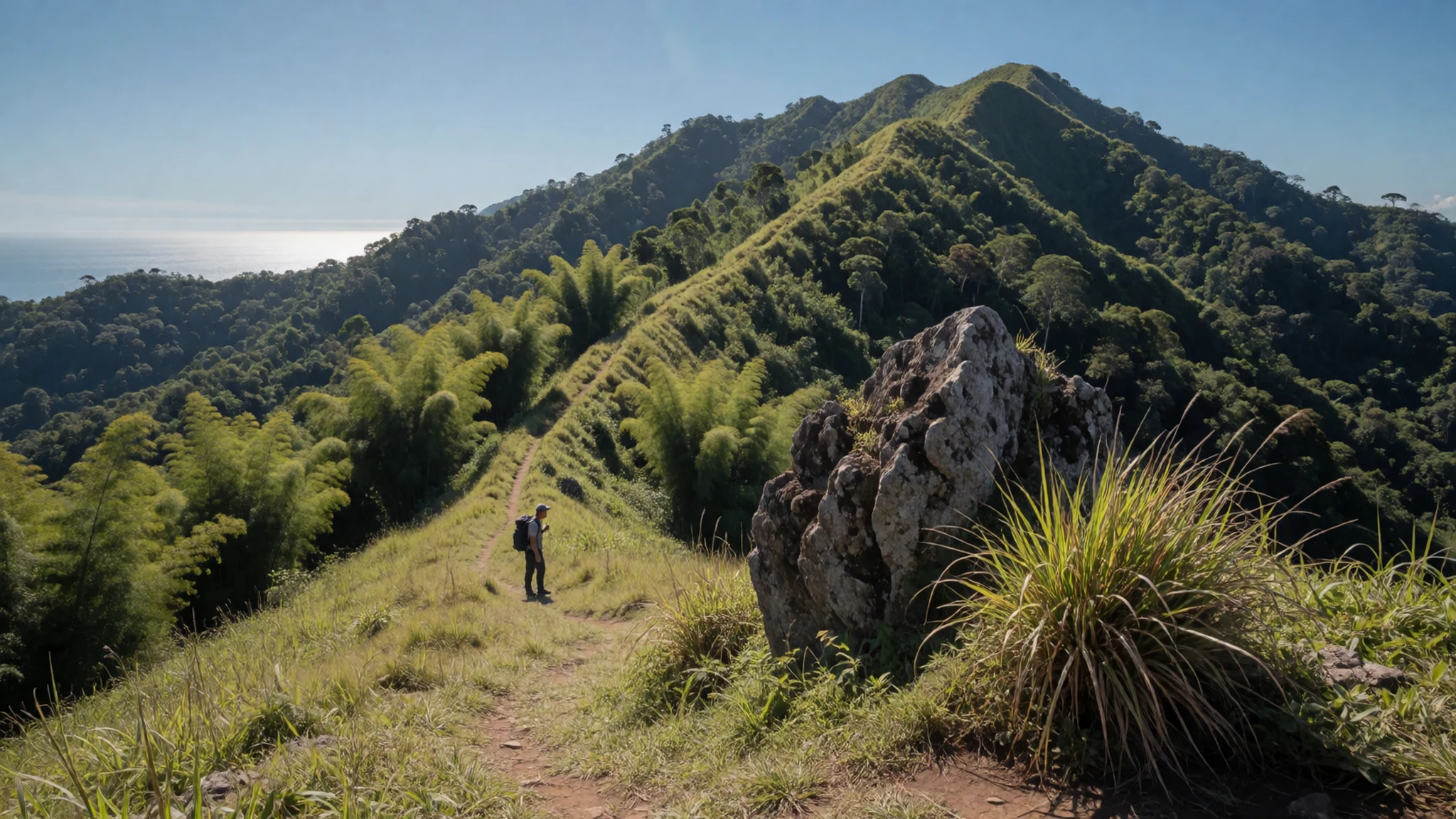
- Roxas City and the Panay River — Roxas City, Capiz
Roxas City, in Capiz, sits where the Panay River meets the sea, and the bridge over it is a good spot for watching evening fishing boats. The city is known locally for seafood, and the waterfront markets and grill stalls make it a natural lunch stop on a north-coast drive.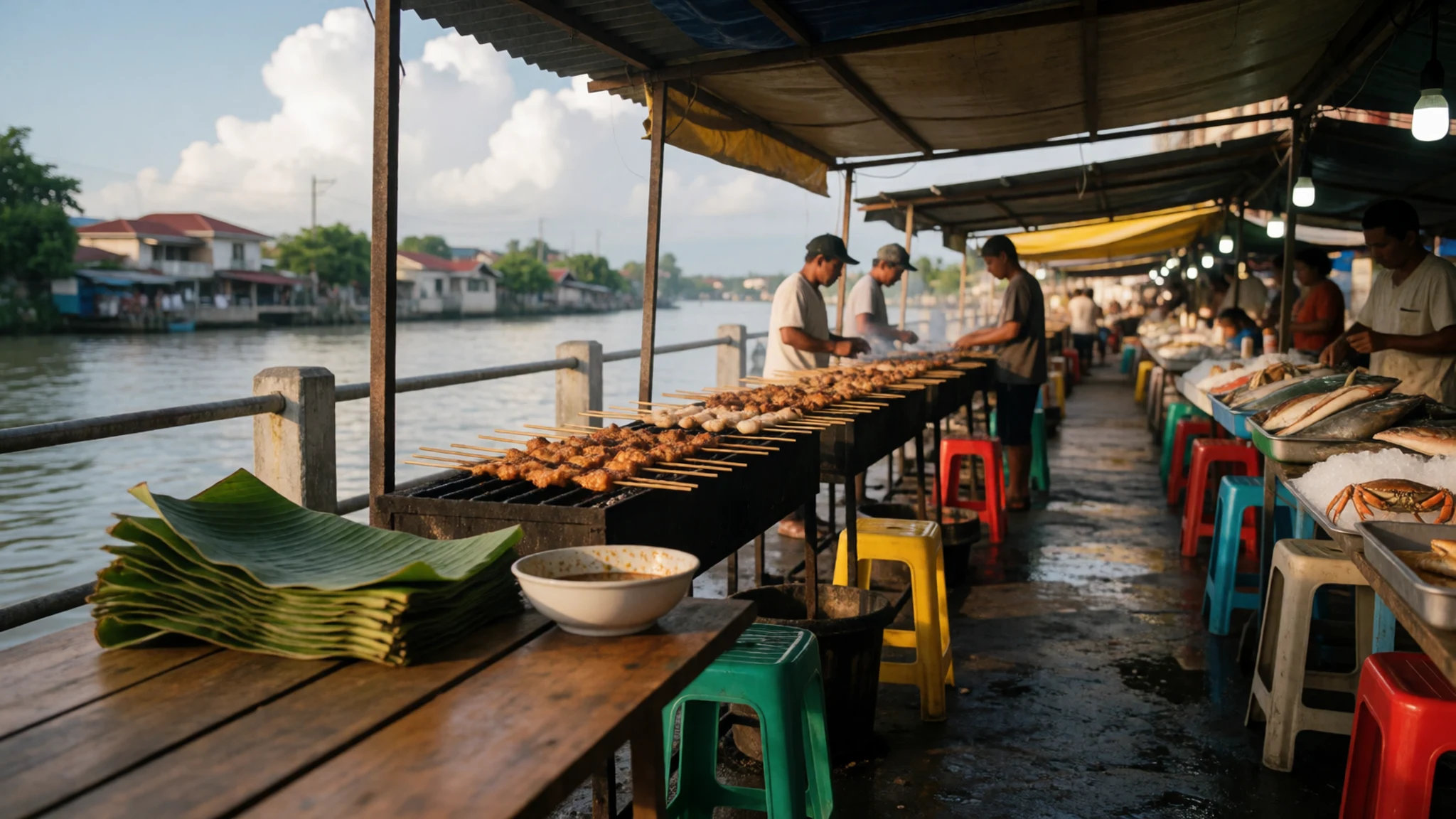
Culture
Panay is a Catholic island with a strong layer of older belief and oral tradition beneath it. Three main languages share the island: Hiligaynon in Iloilo and Capiz, Kinaray-a in Antique and parts of Iloilo, and Akeanon in Aklan. Festivals sit at the centre of public life. Ati-atihan in Kalibo and Dinagyang in Iloilo City, both held in January, mix devotion, street theatre and long parties, and each town also keeps its own patron-saint fiesta with processions and open-house meals. Families expect to feed visitors, and an invitation to a fiesta table is usually sincere. The Ati, the island's first people, still live in upland and coastal communities, and their story is told in festival costume and in the epic poems of the interior. The Hinilawod has been recorded only in part, so much of it lives in memory rather than on paper. Daily manners are warm but formal: elders are greeted with respect, and a raised voice is a poor way to settle anything. Church bells, karaoke and early-morning roosters are all part of the soundscape. When invited into a home or to a fiesta table, accept at least a small portion, and never photograph people in festival body paint or costume without asking first.
What to wear
Panay's traditional dress is built on handwoven cloth. The patadyong is a checked cotton tube skirt worn by women and, in some places, men, and still seen at fiestas and school events. Iloilo has a long weaving history, and the hablon is its handloom textile, made in cotton, silk or mixed fibres. Aklan is known for piña, a fine, translucent cloth made from pineapple leaf fibre, used in formal shirts called barong and in women's wear. Ati-atihan costumes are different again: feathers, shells, beads, soot-black skin and bright improvised outfits worn in the January procession. Everyday clothes are simple and suited to the heat: cotton T-shirts, shorts, sundresses, rubber sandals, and rain jackets in the wet months. Office workers in Iloilo City dress neatly, and the barong appears at weddings and official events. Visitors should pack light, breathable fabrics, a hat, sun protection and a thin rain layer. Swimwear is fine at beaches and resorts, but cover shoulders and knees when entering churches, and put a shirt on when walking through town. Sturdy sandals or trainers are useful on uneven village paths, and proper trail shoes are needed for mountain walks. Hiking boots that dry quickly are better than leather in the wet season.
What to eat
- La Paz batchoy — La Paz market area, Iloilo City
A noodle soup from Iloilo City, made with pork, offal, crushed chicharrón and a rich broth, often topped with egg. It is a filling breakfast or late snack, and the original is tied to the La Paz district's market eateries.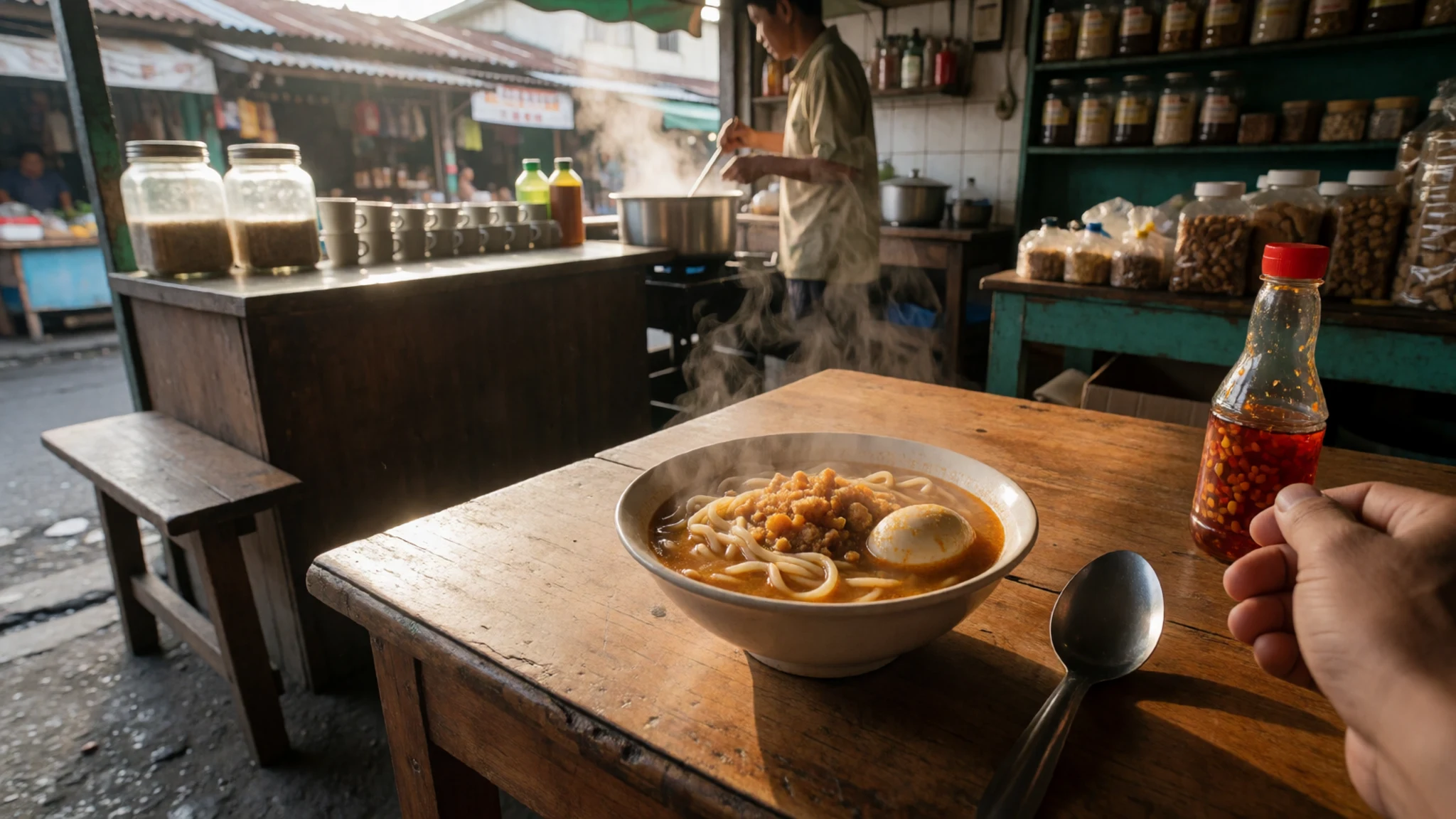
- Pancit molo — Molo district eateries, Iloilo City
A soup of pork-filled dumplings in a clear chicken broth, associated with the Molo district of Iloilo City. It is lighter than batchoy and often served as a comfort meal on rainy days, with a squeeze of calamansi.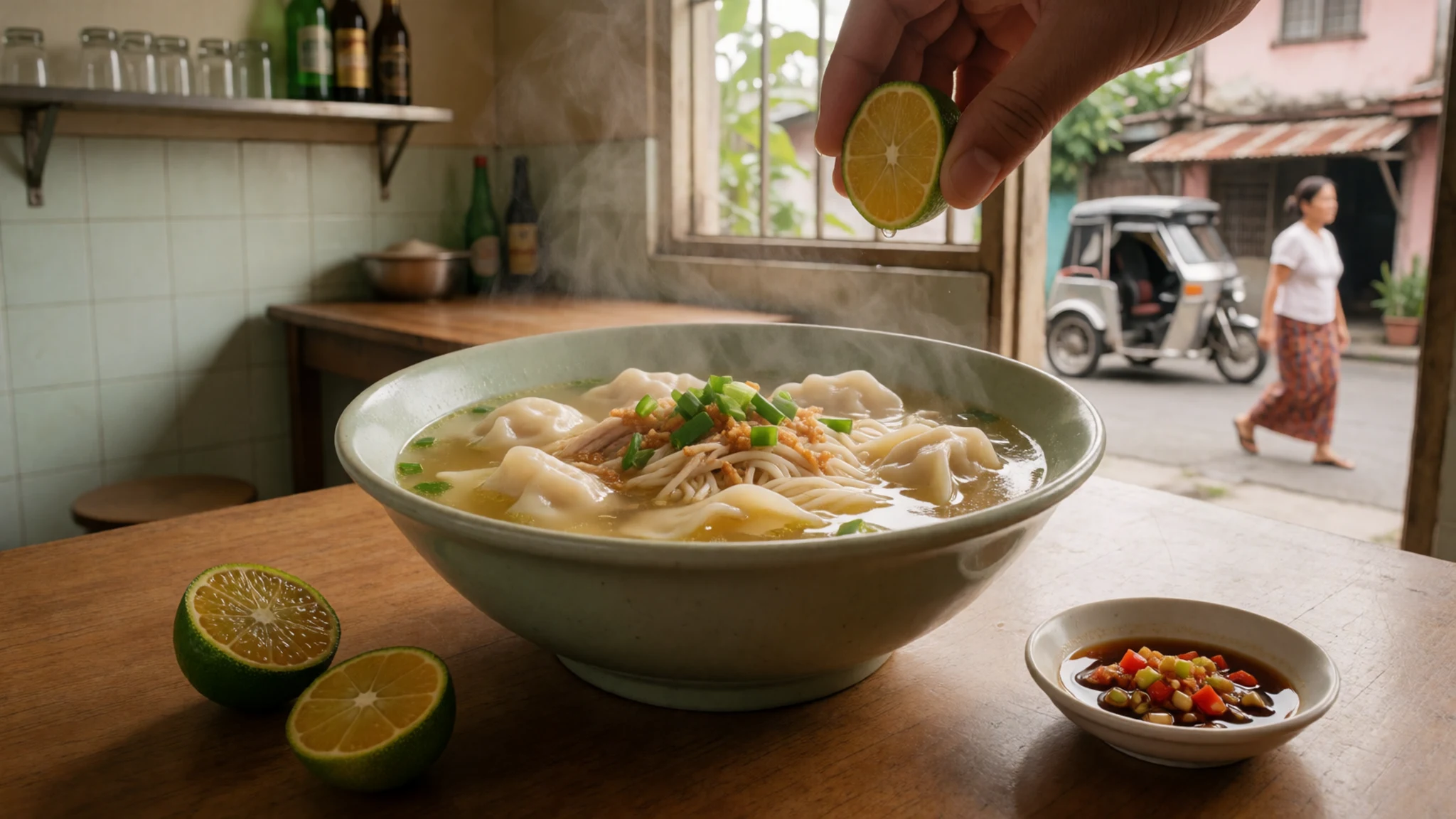
- Chicken inasal — Open-air grill eateries across Iloilo and Capiz
Chicken marinated in vinegar, lemongrass and annatto oil, then grilled over charcoal and basted as it cooks. It comes with rice and a dipping sauce of soy, vinegar and chilli, and is eaten with the hands. - Kinilaw — Fish markets and seaside eateries in Capiz and Antique
Raw fish cured in vinegar or citrus with ginger, onion and chilli, and sometimes coconut milk. On Panay it works best by the coast, with the catch landed that morning, and it is usually served as a starter. - Piaya — Bakeries and pasalubong shops in Iloilo City
A flat, round pastry filled with muscovado sugar and sprinkled with sesame seeds, from Iloilo. It is sold in bundles and keeps well, so it is a sensible thing to carry home as a gift. - Binakol — Home-style eateries in Aklan and Antique
Chicken cooked with coconut water, lemongrass and green papaya, usually served in a bamboo tube or bowl. Associated with Aklan and Antique, it tastes light and slightly sweet, and works well after a day in the sun.
Plan it
Best time. January to April is the drier, more comfortable stretch, and January brings the Ati-atihan and Dinagyang festivals; book early if you plan to attend. May is hot, and the wetter months, roughly June to November, bring heavy rain and typhoon risk, so ferries and flights can be cancelled at short notice.
How long. 4–6
Getting there. Iloilo City airport (ILO) has domestic flights and one international route to Hong Kong. Kalibo (KLO) and Caticlan (MPH) serve the north and Boracay, while Roxas City (RXS) and San Jose de Buenavista (EUQ) have daily flights from Manila or Cebu. Ferries reach Iloilo and Caticlan, and buses from Manila take roll-on/roll-off ferries to the island.
Budget. low
Tips
- Book festival-week rooms and transport for January well ahead
- Check ferry and flight status in typhoon season, and keep a spare day
- Carry cash for markets, small eateries and tricycles, as cards are patchy outside cities
- Drink bottled or filtered water and carry sun protection
- Start mountain walks early and use a local guide
Etiquette
- Greet elders respectfully and accept offered food graciously
- Ask before photographing people in festival costume
- Cover shoulders and knees when entering a church
Nearby
Sources
- Wikidata Q332359 (CC0)
- Wikipedia: Panay (rev 1379856485) (CC BY-SA 4.0)
- Wikivoyage: Panay (rev 5367516) (CC BY-SA 4.0)
- Photo: Northwest Panay Peninsula seen on Nagustan, Nabas, Aklan (EnzoBontia) (CC BY-SA 4.0)
- Photo: Confederation of Madja-as map (Delirium333) (CC BY-SA 4.0)
- Photo: Salaverria 1797 Map of Panay Island (CC BY-SA 4.0)
- Photo: Fedstateofthevisayas (CC BY 4.0)
- Photo: Situation in Panay, April 1942 (Delirium333) (CC BY-SA 4.0)
- Photo: Roxas City Bridge, Capiz (Patrickroque01) (CC BY-SA 4.0)
- Photo: Major River Basins of Panay Island (Retdar) (CC BY-SA 4.0)
- Photo: Panay Island–Aklan locator map (Sanglahi86) (CC BY 3.0)


