Panarea
Panarea, Italy
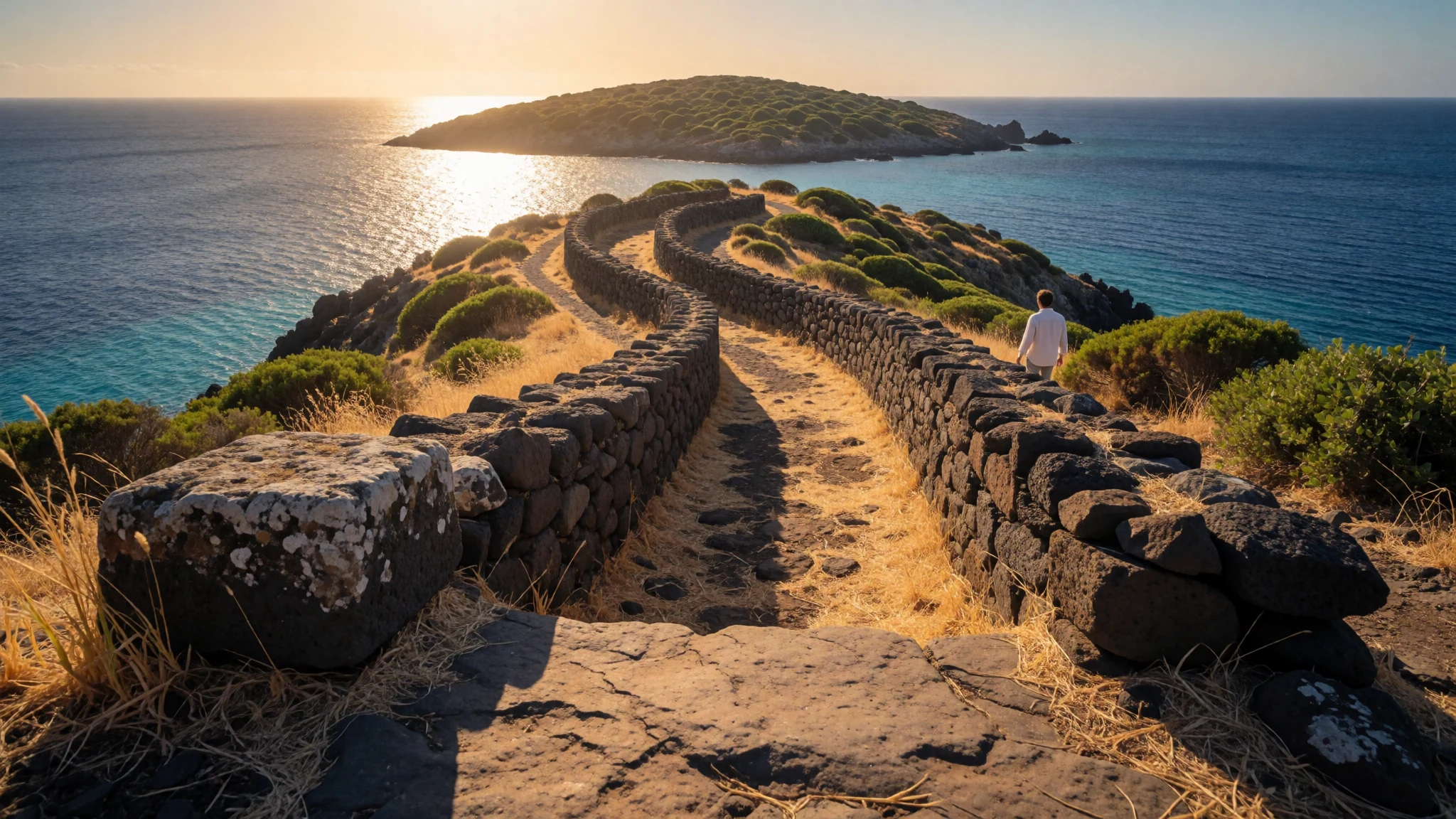
Panarea is a tiny volcanic island where Bronze Age ruins, clear water and views of smoking Stromboli sit beside a polished summer scene.
The place
Panarea is one of the seven inhabited Aeolian Islands, a volcanic chain off the north coast of Sicily, and it is administered as part of the municipality of Lipari. Its year-round population is only about 241 people, yet in July and August the island fills with holidaymakers and the quiet lanes become busy with luggage carts and ferry crowds. Out of season it feels like a different place: shuttered guesthouses, fishermen mending gear and almost no one on the paths.
The island is the exposed top of a volcano that is still active, and it rises to 421 m at its highest point, Punta del Corvo. Cars are not part of life here. People walk, use small electric carts or go by boat, and the whole island can be crossed on foot in an afternoon. Footpaths loop around the coast and up through scrub, with the sea in view almost everywhere.
The village clusters near the port, with whitewashed houses, bougainvillea, small shops and terraces facing the water. Hot springs seep up near the southern end, and gas bubbles rise from the seabed in places, a reminder of what lies underneath. Around the main island is a scatter of rocky islets and skerries, including Basiluzzo, Lisca Bianca, Lisca Nera and Bottaro, which give the seascape its distinctive broken outline and make boats the natural way to explore.
The island has a reputation for celebrity visitors and expensive summers, and that is accurate for the high season. It is also a working island with a small community, fishing traditions and a deliberately slow pace, and the contrast between the two is part of its character.
Its story
Panarea has been inhabited, abandoned and resettled several times. The oldest traces of human life on the island come from a Bronze Age settlement on the southern headland, whose stone hut foundations still stand. Archaeological finds also point to Greek presence from around 1200 BC, and the Romans later settled here. In antiquity the island carried the name Euonymos, while the neighbouring islet of Basiluzzo, run from Panarea, was known as Hycesia.
The Aeolians were a crossroads for ships moving between Sicily, the Italian mainland and the wider Mediterranean, which made them valuable and exposed. After the Western Roman Empire collapsed, raiders and pirates made life on small islands like this dangerous, and residents eventually gave up living here. Panarea was repopulated only gradually in later centuries.
The sea around the island still holds evidence of that trading past. In 2010 a Hellenistic wreck, now called Panarea III, was identified north of the island. It dates to the late 3rd century BC and lies at about 112 m, far beyond the reach of ordinary divers. Its cargo was mostly wine amphorae, which suggests regular commercial traffic between southern Italy and Sicily during the period of the Second Punic War.
Geology tells a longer story still. The Aeolian chain exists because of volcanic activity along the edge of tectonic plates, and Panarea is part of that system. Its hot springs and the gas that vents offshore show that the process has not stopped. The islands' compact landscapes, and the way ancient settlement, shipwrecks and active volcanism overlap in so little space, are much of what makes the place worth studying as well as visiting.
What to see
- Punta Milazzese Bronze Age village — Southern tip of the island, reached by footpath from the port
At the southern tip of Panarea, the stone foundations of a prehistoric settlement sit on a rocky headland. Little has been excavated and there are no facilities, so the appeal is the setting rather than grand ruins. It makes a good sunrise walk, with the sea on three sides.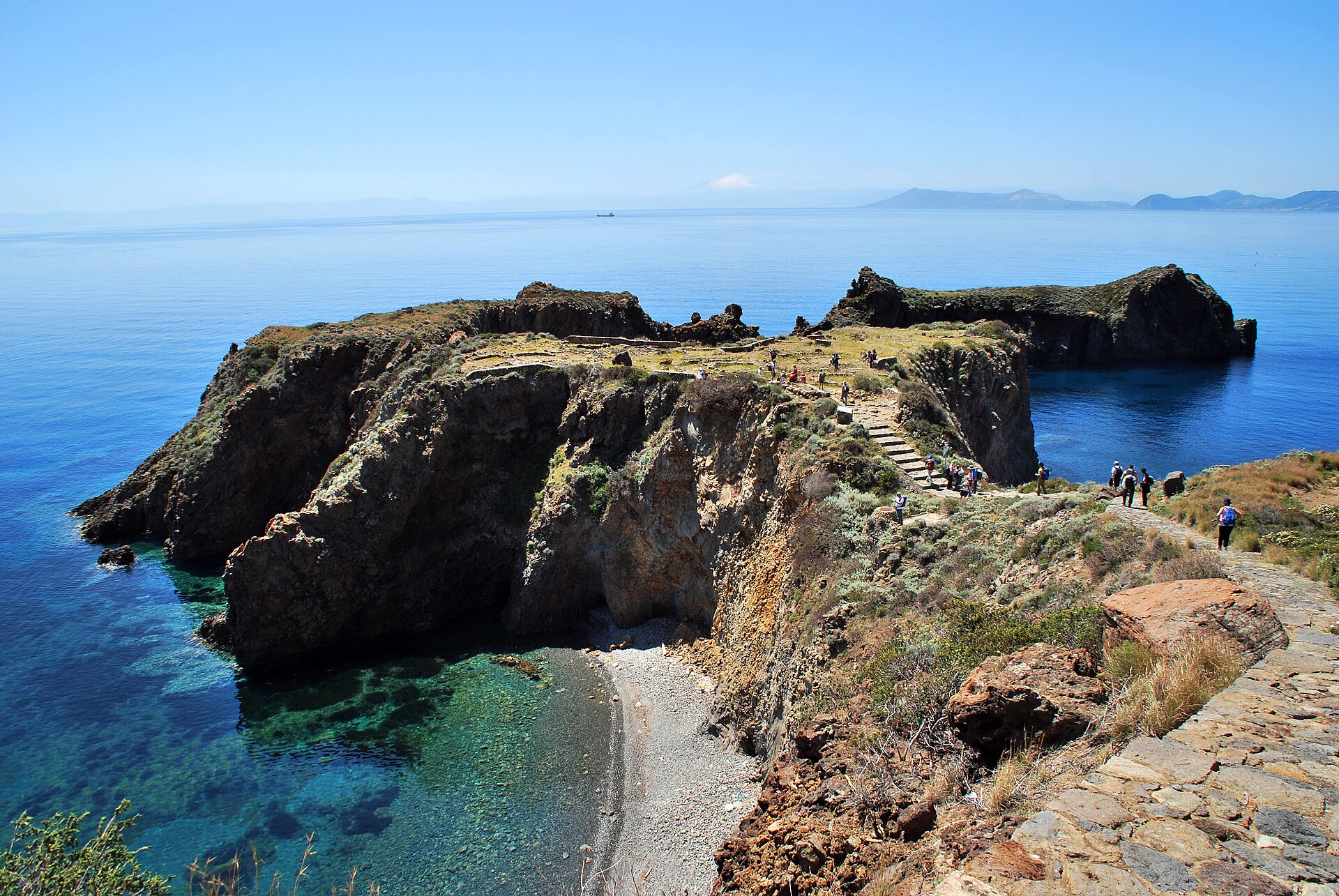
- Cala Junco — South coast, below Punta Milazzese
This small rocky cove lies beneath the prehistoric headland and is among the prettiest places to swim on the island. It is a pebble and rock shore rather than a sandy beach, so water shoes help. The water is clear, and it is best early or late in the day.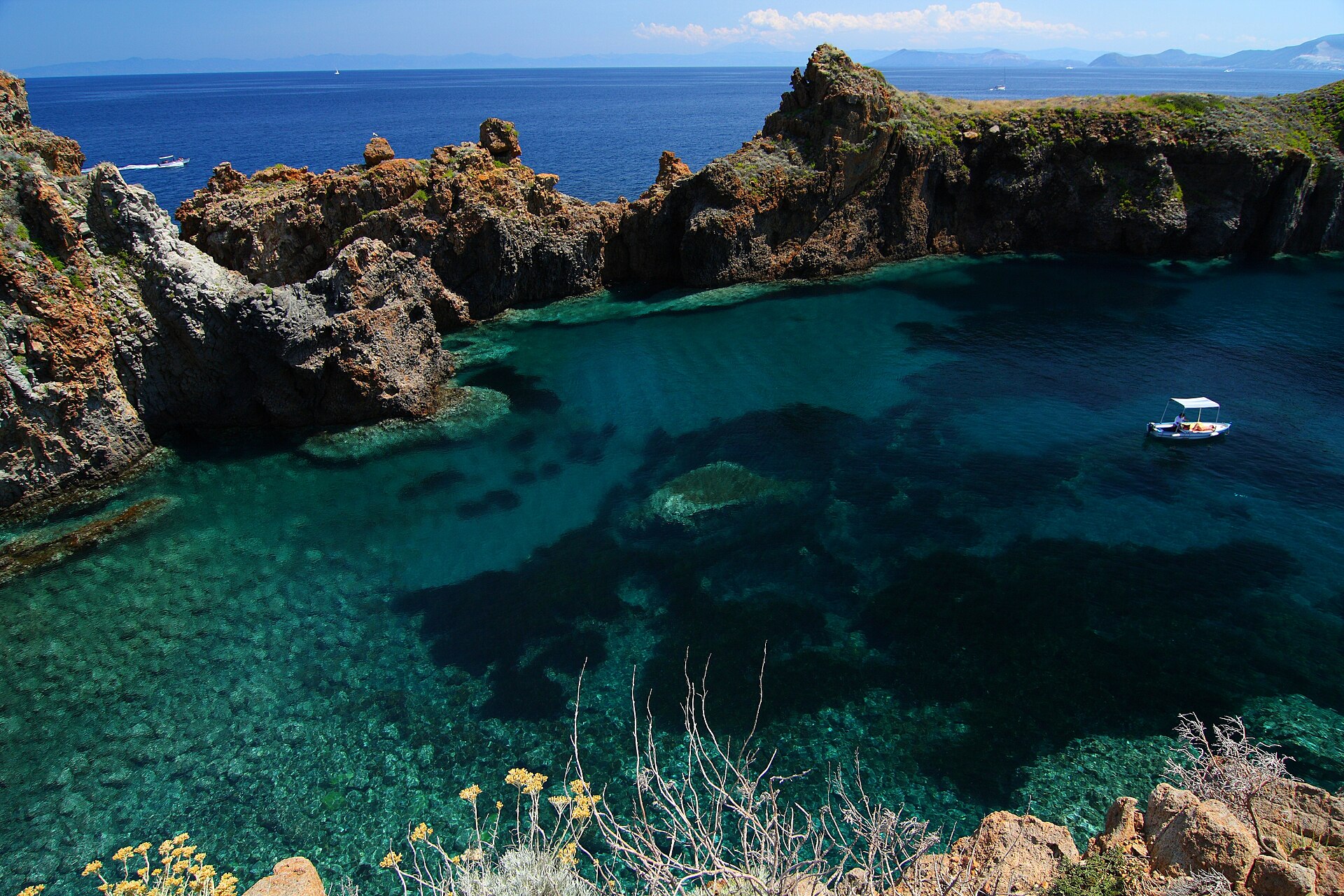
- Views of Stromboli — Eastern beaches and coastal paths facing Stromboli
From the island's small beaches and high paths, the volcano of Stromboli stands across the water, often topped by a plume of steam or ash from its frequent small eruptions. Dusk is the best time, when the sky darkens and any glow becomes easier to see.
- Lisca Bianca and Bottaro islets — Just off the east coast, by boat from the port
These rocks stand just offshore to the east and are reached by boat. Divers and snorkellers come for the clear water and for a shipwreck lying between the islets. Currents can be strong, so go with a local operator unless you are an experienced sailor.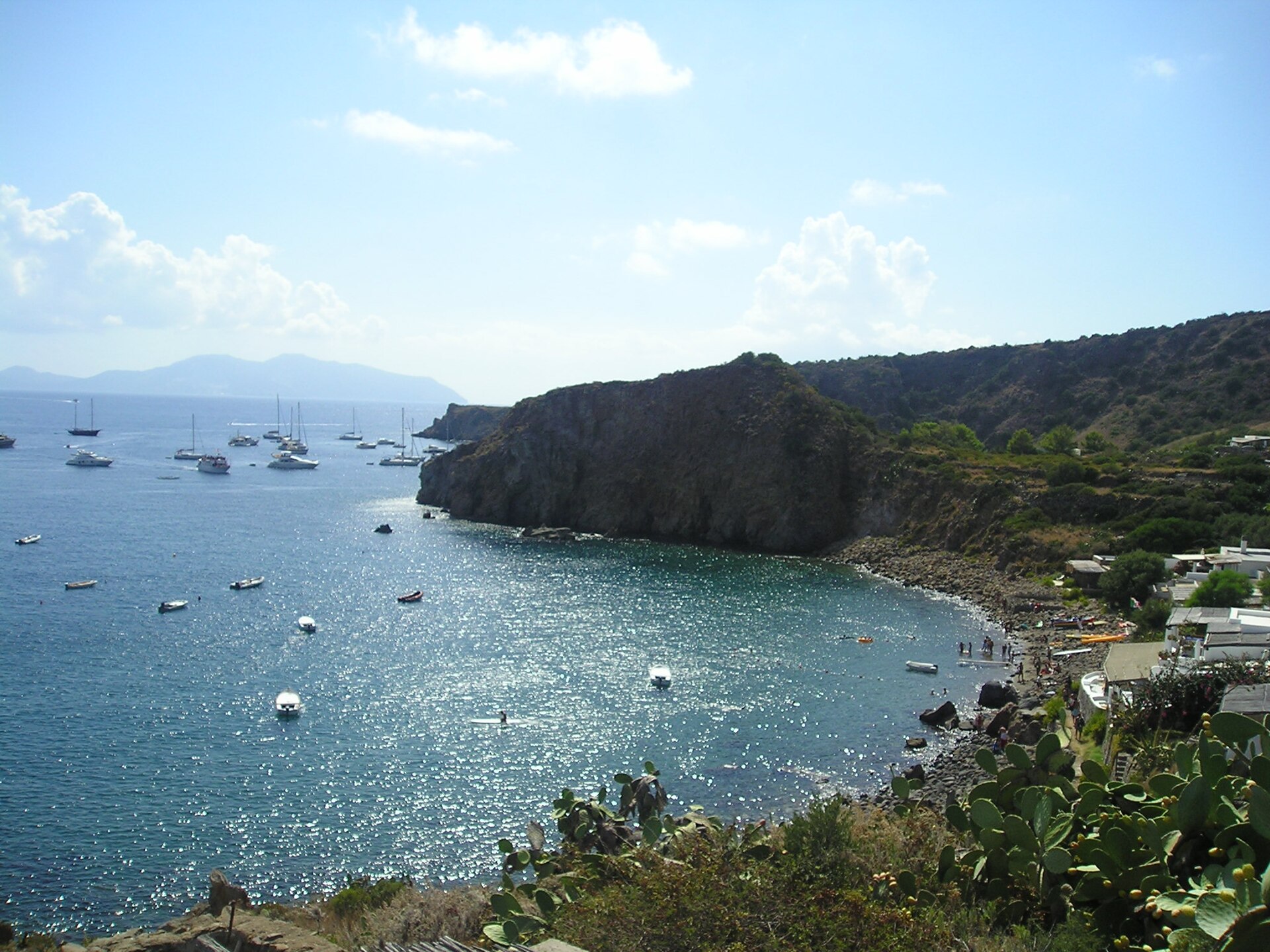
- Basiluzzo — North-east of Panarea, by boat
This uninhabited islet lies to the north-east of Panarea and was administered from the island in antiquity. Boat trips pause at small inlets where the water is clear enough to swim in. The landing is rough, and the trip is best planned in calm weather.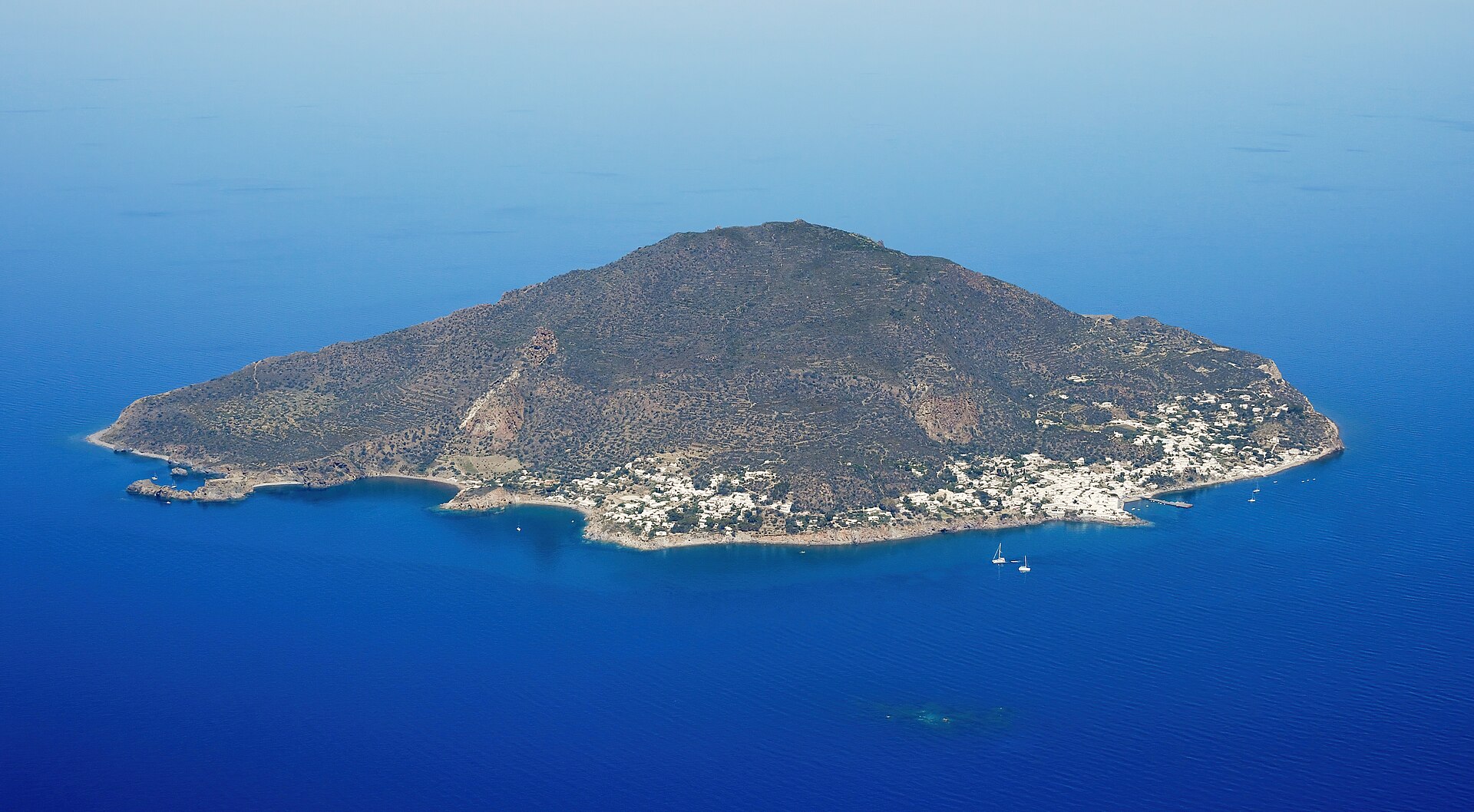
Culture
Panarea's culture is shaped by smallness and by the sea. The permanent community is tiny, and many families have long ties to fishing, boat work, small shops and seasonal hospitality. Life follows the ferry timetable and the weather, and when rough seas stop the hydrofoils, the island is genuinely cut off for a while. That dependence on the water gives people here a practical, unhurried outlook.
The summer scene is a second layer on top. Since the late twentieth century the island has become known for stylish visitors, yachts in the bay and evening gatherings on terraces. Locals tend to treat this as seasonal business rather than as the island's identity, and many guesthouses and restaurants open only from late spring to early autumn. Outside those months, Panarea is quiet, and residents have a different rhythm.
Building is tightly controlled, which is why the village still looks low, white and modest, with few large new buildings. Homes that stay occupied year-round are scarce, and the community guards its privacy. The island's name in Sicilian is Panarìa, and you will hear Italian and Sicilian side by side. Meals are late, evenings are long and a slow lunch is considered normal.
Visitors will find the island easiest if they accept its pace: walk, wait for boats and expect little to be open in the early afternoon. Keep to the marked paths near the archaeological site and the hot springs, and in the village greet people with a buongiorno or buonasera, keep voices low after dark and ask before photographing residents or private terraces.
What to wear
Panarea has no widely recorded island costume of its own, and this reading does not invent one. Historically, the fishing and farming families of the Aeolians dressed for work in practical clothing: wool and heavier cloth in winter, lighter linen and cotton in summer, with hats or head cloths against the sun. Such dress is now remembered through museum collections on larger islands such as Lipari rather than worn on Panarea.
What people wear now is shaped by the summer scene. Residents and seasonal staff dress simply and lightly: linen shirts, cotton dresses, sandals and sunglasses. Among visitors, the local style leans towards relaxed Mediterranean elegance, with white and neutral colours, loose tailoring, canvas shoes and good swimwear, and evening outfits are often smarter than the village setting might suggest. Out of season, fleeces and windproof jackets appear, because the sea wind can feel cold.
For a visitor, the practical list is short. Bring light, breathable clothes, a sun hat and high-factor sunscreen, since shade is limited on the paths and the sun is strong from late spring. Sturdy trainers or walking sandals matter more than fashionable shoes, as the footpaths are rough, stony and sometimes steep, and the Bronze Age site has no paved access. Water shoes help on the rocky coves. Carry a light layer for boat crossings and evenings. Swimwear belongs on the beach and boat; cover up when walking through the village or entering a church, and shoulders and knees should be covered inside.
What to eat
- Fresh grilled fish — Harbour-front restaurants and village terraces
On Panarea, the daily catch is cooked simply over a flame with olive oil, lemon and herbs. What is offered depends on the day's boats, and local waiters will happily tell you what came in. - Pasta with capers and tomato — Family-run eateries in the village
Capers are strongly linked to the Aeolians. They appear in pasta with fresh tomato, olives and sometimes anchovy, giving a salty, sharp sauce that suits the heat and the sea air. - Caponata and aubergine dishes — Village trattorie and snack counters
This sweet-and-sour Sicilian dish mixes aubergine, celery, olives and capers in a tomato base. It is served cold or at room temperature as a starter, and works well with bread. - Granita with brioche — Cafés near the port, in the morning
Crushed flavoured ice, eaten with a soft brioche, is a standard Sicilian breakfast in summer. Lemon, almond and coffee are common flavours, and it is the cooling option once the heat builds. - Malvasia dessert wine — Wine bars and restaurant terraces after dinner
The Aeolian islands produce a sweet amber wine known as Malvasia, usually served with almond biscuits or cheese. It is a good way to finish a meal and make an evening last.
Plan it
Best time. Late May, June and September are the best months: accommodation is open, the sea is warm enough for swimming and the crowds are smaller. July and August are the busiest and hottest, with the highest prices. Most places close for the winter, so check before planning an off-season trip.
How long. 2–3
Getting there. Fly to Catania in Sicily, take an express bus to Milazzo, then a hydrofoil to Lipari and on to Panarea. Ferries also run from Messina, Palermo, Reggio di Calabria and Naples. Panarea has no road link, so the last leg is always by boat, and hydrofoils are quicker than ferries.
Budget. high
Tips
- Book rooms and boat tickets well ahead for July and August, as most accommodation is open only from May to September.
- Walk to Punta Milazzese at sunrise for cooler air and good light, and take water because there are no facilities.
- Pack light, since you will carry your bags on foot or by small cart, and bring cash as well as cards for small places.
- Check ferry and hydrofoil schedules with the operator on the day, as rough seas can cancel crossings.
- Hire a boat with a local skipper for the islets, because currents at the northern and southern tips are strong.
Etiquette
- Greet people in the village with buongiorno or buonasera.
- Keep to marked paths around the ruins and do not remove stones or pottery.
- Keep noise down late at night, when sound carries over the water.
Nearby
Sources
- Wikidata Q654105 (CC0)
- Wikipedia — Panarea (CC BY-SA 4.0)
- Wikivoyage — Panarea (CC BY-SA 4.0)
- Aerial image of Panarea (view from the southeast) — Carsten Steger (CC BY-SA 4.0)
- Aeolian Islands map — NormanEinstein (assumed) (CC BY 3.0)
- delfini tra panarea e stromboli 2 — Ghost-in-the-Shell (CC BY 2.5)
- Punta milazzese, Cala Junco — Ghost-in-the-Shell (CC BY 2.5)
- Panarea.jpg — Unknown author (CC BY 3.0)
- Panarea Capo Milazzese — LellaViola (CC BY-SA 2.0)
- Villa sur l'île de Panarea (Sicile) — Ji-Elle (CC BY 3.0)
- panarea — flrnt (CC BY-SA 2.0)


