Palolem
Palolem, India

Palolem is a small crescent of sand at the southern end of Goa, where the beach life moves more slowly than in the north.
The place
Palolem is a village and beach in Canacona, in the Kushavati district of Goa. It sits almost at the southern tip of the state, about 2.5 km from the market town of Chaudi and roughly 40 minutes by road from Margao, the district headquarters of South Goa. Its neighbours along this stretch of coast are Agonda and Patnem, which share the same unhurried character.
The bay is small, and the beach is short enough to walk its length in a fairly modest time. Being so far south has kept it away from the busiest parts of Goa. Anyone looking for solitude will find it here, particularly away from the centre. Anyone wanting a loud, late nightlife will find it thinner than the party beaches further north, and the atmosphere can feel more like a village bay than a resort strip.
Visitor numbers have risen over the last few years. In the high season the sand fills with backpackers, group travellers and the businesses that serve them. Restaurants and beach shacks run along the waterline, and at high tide some of them reach the waves, which can make walking the full beach awkward. Hawkers are common, and the offers of dinner come thick and fast. Behind the beachfront the village keeps its own rhythm, with a church close to the sand, fishing boats drawn up on the shore and small houses set back among the palms.
Its story
For much of its history Palolem was a fishing village with a few houses near the sand and a path through the palms. Its economy rested on fishing and farming, and the beach mattered to residents chiefly as a place to haul in boats and dry nets. Tourism arrived gradually, first as a trickle of travellers looking for cheap rooms and quiet, then as a steadier flow that changed the shoreline.
A film helped draw wider attention. The Bourne Supremacy included a scene shot on the beach, and in the years that followed the number of visitors grew noticeably. Simple huts and family-run rooms gave way to a line of shacks, bars and small hotels. Some of these now stand at the water's edge, and the boundary between the sea and commerce has become a matter of debate locally.
The result is a place with two faces. In the quieter months it still feels like a Goan village with a beach at its door. In the busiest season the same sand can host crowds, music, and a steady pitch from sellers. Local people have made their living in both worlds, through fishing in the early morning and through rooms and restaurants later in the day. The tension between the two is part of what the place is now.
What to see
- Butterfly Island — Palolem, to the south of the main beach
Walk to Butterfly Island, which lies to your right as you enter the beach. At low tide you can cross the sand and rocks to reach it. At high tide the water covers the route and the crossing is impossible, so check the tide before you set out. Once on the island, a network of trails leads through the trees, and more confident walkers can pick their way along the rocks at its edge. Carry water, and watch your footing, since people have hurt themselves on these rocks.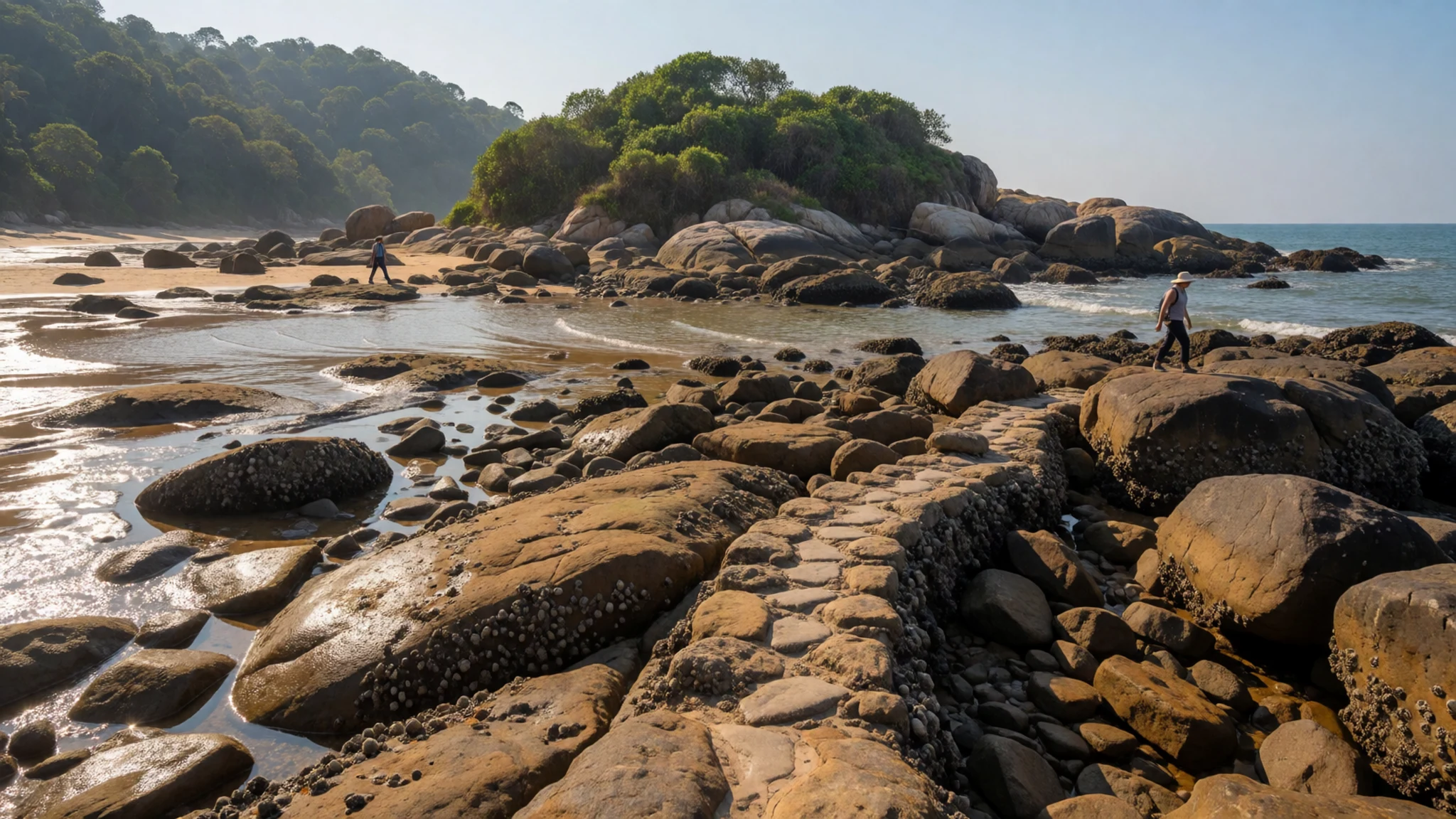
- Butterfly Beach — Reached by boat from Palolem
Further along the coast from Butterfly Island is Butterfly Beach, which you reach by boat rather than on foot. It is worth the trip for a change of scenery. The sand is steep, so deep that a diver can enter straight from the water's edge if the timing is right. Arrange the boat at the main beach, agree a price beforehand, and ask about return times so that you are not left stranded on the sand.
- Honeymoon Beach — Beyond Butterfly Beach, along the bay
Honeymoon Beach is a small strip of sand a little further on again, and it usually offers real seclusion. There are few facilities there, so bring water, shade and anything else you need for the day. The walk or boat trip takes some effort, and the beach can be hard to reach at high tide, so plan the route around the tides before you go.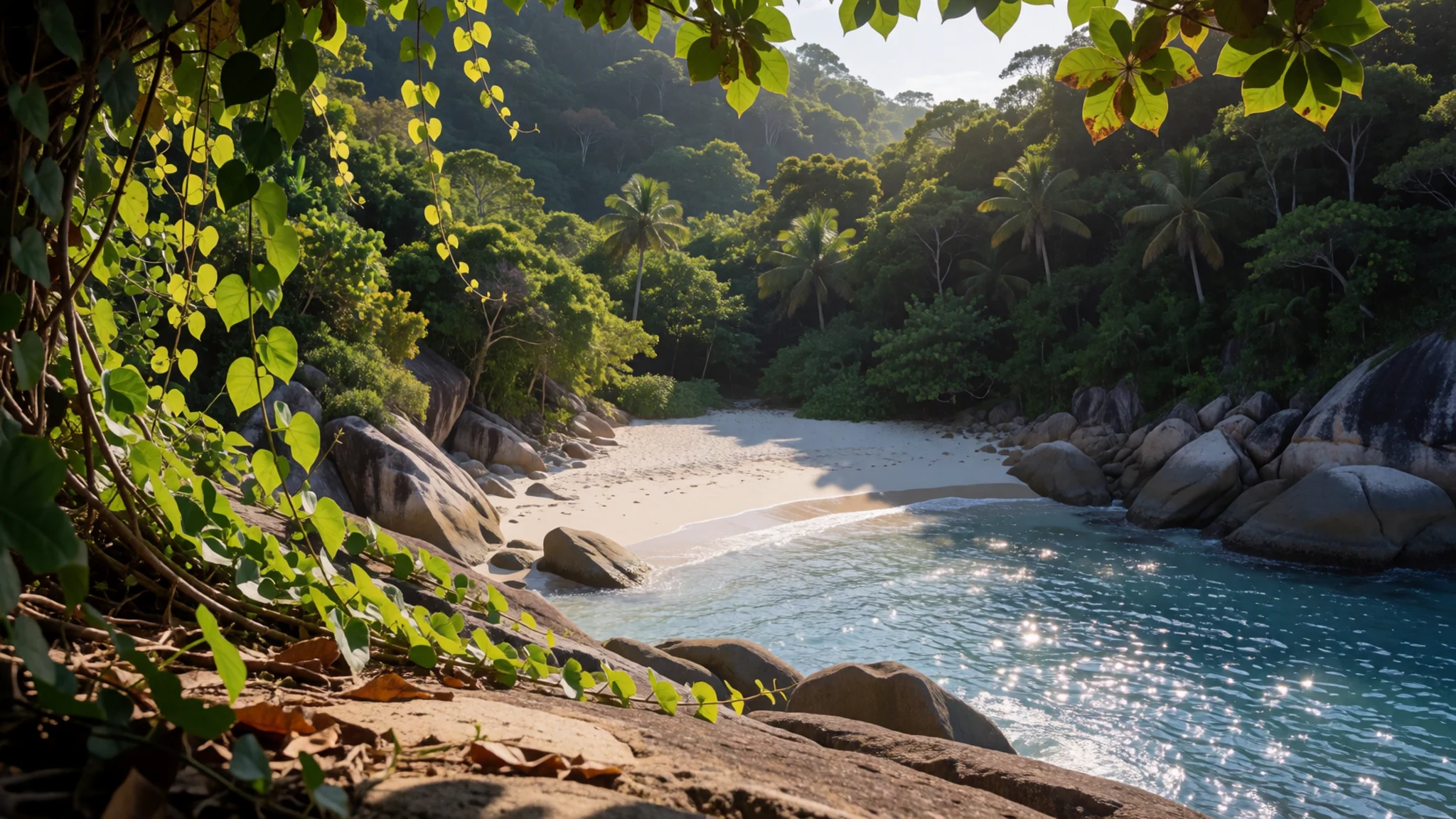
- Cotigao Wildlife Sanctuary — Inland from Canacona, a day trip from Palolem
For a break from the sand, consider a day trip from Palolem to Cotigao Wildlife Sanctuary. It is a forest reserve with walking paths and a chance to see the wildlife of the Western Ghats foothills. Arrange transport in advance, since public links are limited, and check the opening arrangements with the forest office or your accommodation before you set off. Bring insect repellent and sturdy shoes.
- Cabo da Rama — North along the coast road, past Agonda
A scenic drive north along the narrow coastal road takes you past Agonda Beach to Cabo da Rama, where a ruined fort sits on a cliff above the sea. The road is winding and the views change with each bend. Go in the morning for the clearest light, take a driver who knows the route, and allow time for the journey back, since the lanes are slow.
Culture
Palolem is a village first and a beach resort second, and life here runs on a different clock from the big tourist centres of Goa. Many residents rely on fishing, small shops, rooms and restaurants, so visitors bring money into a community that also values its daily routines. Churches, temples and the homes behind the beach deserve the same respect as any other part of the village.
The beach dogs are generally calm, though the strays on the back roads can be noisy and territorial, especially in packs. Give them room, do not feed them from your plate, and avoid walking straight at a group that has settled in the shade. Music from the shacks is common through the evening, but the village is quieter after dark, so keep voices down when walking the lanes behind the beach.
Beach life here is relaxed, but dress is a matter of courtesy. Swimwear belongs on the sand and in the water, while a cover-up is expected when walking through the village, visiting a church or stopping at a shop. Ask before photographing people at work, especially fishermen mending nets. Keep your belongings with you when you swim, and avoid leaving valuables unattended under the shacks' umbrellas. Please take your rubbish away with you, and never leave it on the sand or in the palms.
What to wear
Traditional dress in Palolem follows the wider Goan pattern, blending the everyday clothes of fishing and farming communities with the church and temple styles that shaped the village over time. Everyday clothing has long been made from cotton, which suits the humid coastal climate, and older women are still likely to be seen in simple saris or cotton dresses for church and family events. Men often wear shirts and trousers, sometimes with a dhoti for religious occasions.
What people wear now is a mix of practical and modern. Fishermen work in shorts, vests and rubber boots, while shopkeepers and restaurant staff wear lightweight shirts, kurtas or simple tops. Younger residents dress much like young people anywhere in India, with jeans, t-shirts and sneakers, though the beachfront has its own style of loose cotton and sarongs.
For a visitor, the answer is light, loose, breathable clothing in cotton or linen, which copes well with heat and sweat. Carry a long sarong or scarf for churches and temples, where shoulders and knees should be covered. Choose sandals or water shoes for the sand and the rocky walk to Butterfly Island, and bring a light layer for the evenings when the sea breeze picks up. Avoid wearing swimwear through the village.
What to eat
- Fresh fish from the beach — The beach shacks along the sand
Fish is the obvious choice in a village where fishing is a main livelihood. Many beach shacks grill or fry the catch of the day, served with rice, bread or salad, and the fish is often landed locally. Ask what came in that morning and how it is cooked, and expect to wait a little for a whole fish.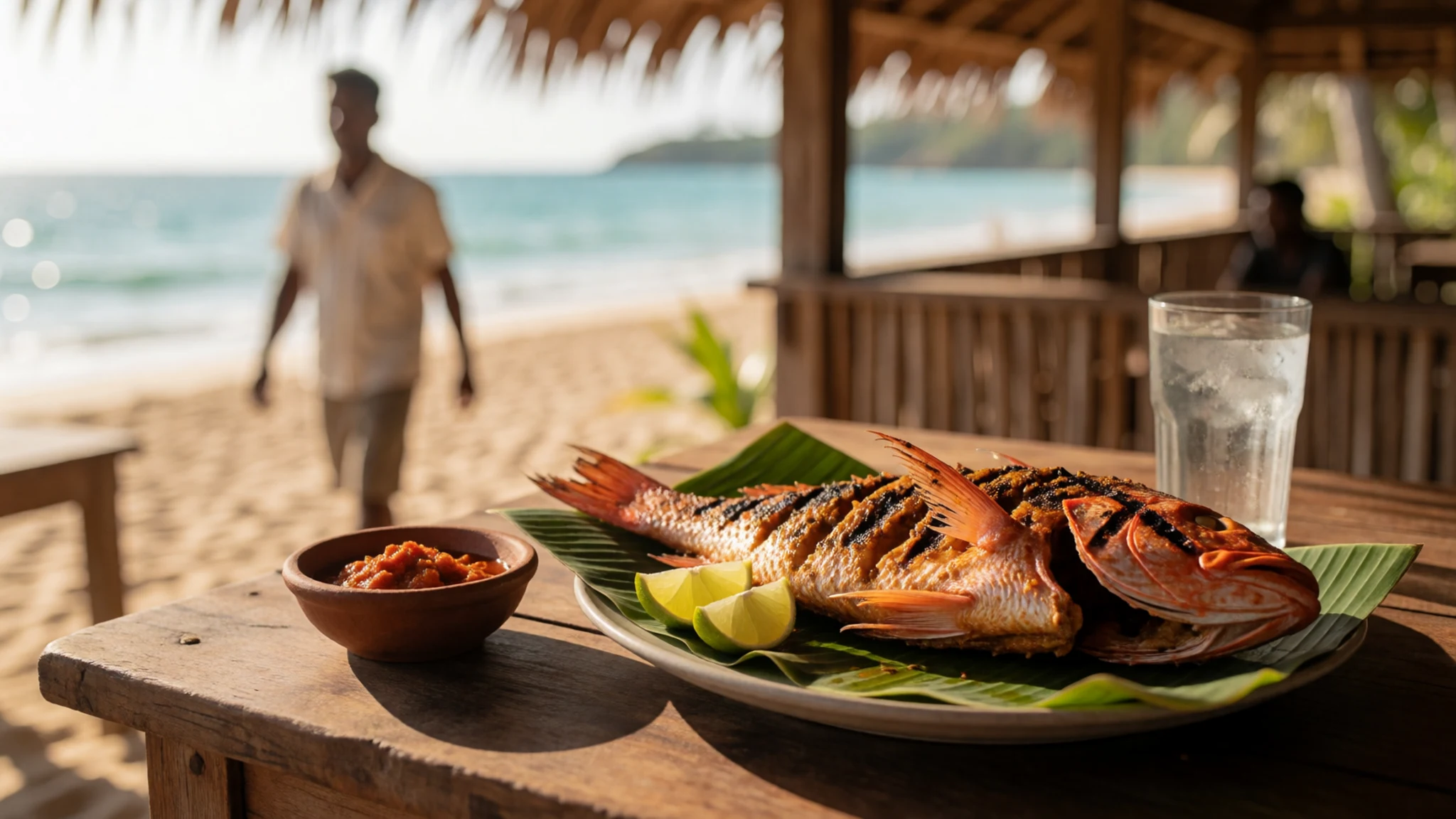
- Curries with rotis or rice — Small local eateries set back from the beach
Indian curries are widely available and good value, and they are often the cheapest hot meal on offer. Vegetable and chicken curries come with rotis, chapatis, naan or rice, and portions tend to be generous. Local family-run places behind the beachfront often do these best, and they keep prices lower than the shacks on the sand.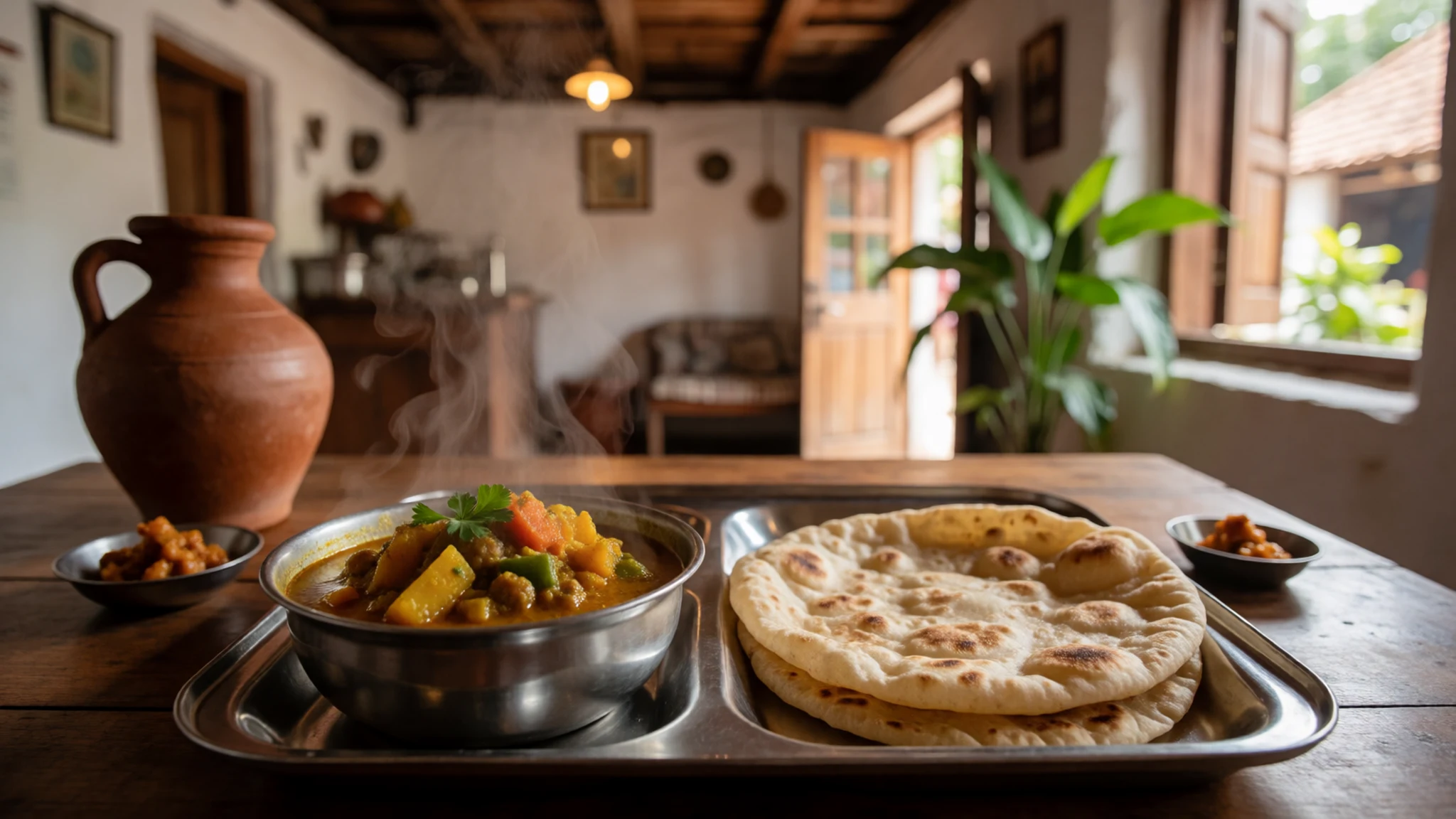
- Thai food — A Thai kitchen in the village centre
Palolem has a Thai restaurant run by a Thai cook, and the food is the main reason to visit. Expect bold flavours, fresh herbs and well-judged heat. Dishes are generally made to order, so allow some time, especially in the evening rush. - Pizza and Italian-style dishes — A restaurant near the centre of the village
Pizza is a popular choice among visitors, and a few restaurants serve a range of wood-fired-style pies with cheese and vegetable toppings. Spinach and four-cheese options are popular. The seating is often on tables or cushions on the floor, so take a moment to choose a comfortable spot. - Breakfast and coffee — A café in the village, away from the water's edge
A morning espresso and a breakfast of eggs, toast or a wrap are easy to find in Palolem, and several cafés roast or grind their own coffee. Breakfast is a good time to avoid the heat and the hawkers, and to plan the day's walk or boat trip before the sand warms up.
Plan it
Best time. November to February suits most visitors, because the weather is drier and the sea is generally easier. The high season brings the most people, so book early for those months. The monsoon months from June to September bring heavy rain and rough seas, and many shacks close. Check the local season before you travel.
How long. 2–3
Getting there. The most common route is by train or flight to Madgaon (Margao), followed by a government-approved fixed-price taxi to Palolem. Goa Dabolim Airport (GOI) is the nearest airport. Canacona is the nearest station, about 5 minutes by car from the village, but it is remote, so for shorter journeys from other parts of India a bus is often easier. From Canacona Chaudi bus stop, an auto-rickshaw takes about 10 to 15 minutes to reach the beach. A state transport bus from Margao takes around 90 minutes.
Budget. low
Tips
- Agree the auto or taxi fare before you set off, and check the official fixed-rate board at the station or airport
- Carry cash for shacks, autos and small shops, and ask whether cards are accepted before you order
- Walk the beach early or late in the day, when the crowds and the heat are lighter
- Check the tide before walking to Butterfly Island, and never cross the rocks when the water is high
- Bring water, sun cover and sturdy shoes, since there are few shops on the trails and the rocks are sharp
Etiquette
- Dress covered in the village, at churches and at temples
- Ask before photographing people, especially fishermen and families
- Do not feed the dogs from your plate
Nearby
Sources
- Wikidata Q2048357 (CC0)
- Wikipedia (rev 1377349354), Palolem Beach (CC BY-SA 4.0)
- Wikivoyage (rev 5240584), Palolem (CC BY-SA 4.0)
- A Serene View Of Palolem Beach, South Goa, Satyajit Nayak (CC BY-SA 4.0)
- Palolem Beach, iMahesh (CC BY-SA 4.0)
- Resorts on Palolem Beach, Goa, Bakhtar40 (CC0 1.0)
- View of the beach, Mahabalaindia (CC BY-SA 4.0)
- The island adjecent to main land palolem beach, Moshikiran (CC BY-SA 4.0)
- Extreme left side of the beach, Mahabalaindia (CC BY-SA 4.0)
- View of Palolem beach from left side, Mahabalaindia (CC BY-SA 4.0)
- Sushanth Rao, Palolem (Public domain)


