Palermo
Palermo, Italy
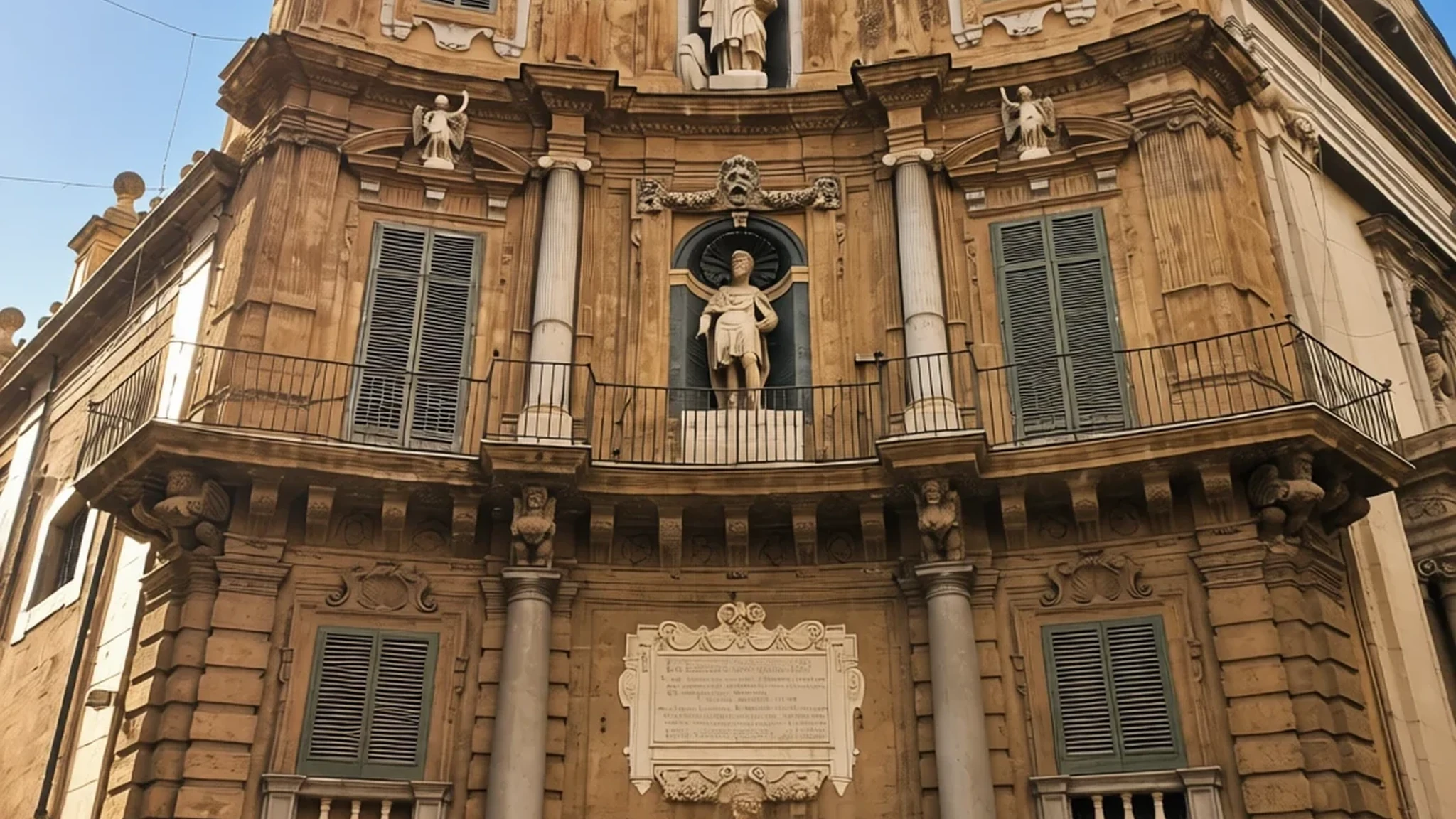
Palermo rewards slow wandering: Norman mosaics, lively street markets and cheap, excellent street food, with the sea never far from the old streets.
The place
Facing the Tyrrhenian Sea across a wide gulf on Sicily's north coast, Palermo is the island's capital and its biggest city. About 630,000 people live within the municipal boundary, and roughly 1.2 million live in the wider metropolitan area, which makes it one of the larger urban centres in Italy. The centre sits at 14 m above sea level, so the streets run almost flat from the port towards the hills behind.
The old quarters are compact and dense. Narrow lanes around the Kalsa and the Albergheria carry washing lines, small workshops, churches with faded frescoes and bakeries that open before dawn. Further inland, the grid laid out in later centuries gives the middle of the city a more orderly look, and the crossroads of the Quattro Canti marks where the two main streets meet.
Palermo's character comes from layering. Phoenician, Greek, Roman, Arab, Norman, Swabian and Spanish rulers each left something behind, and a single courtyard can hold a mosaic, a pointed arch and a Baroque balcony. Opera and music are part of everyday life, and the grand theatres still fill in the evenings.
The city is best approached on foot in the mornings, when the markets are busiest and the heat has not yet built. Expect traffic, scooters on narrow streets and uneven pavements. Afternoons suit a rest, and the evening stroll along Via Maqueda and around the Teatro Massimo is one of the pleasures of a stay.
Its story
Palermo's story begins well before the city walls were built. Human activity in the area goes back to at least the Mesolithic period, and cave drawings at nearby Addaura date from that time. The early inhabitants, the Sicani, are described by Thucydides as arriving from the Iberian Peninsula.
Phoenician traders later set up a settlement on the natural harbour, traditionally dated to 734 BC. They called it Sis, meaning flower. Carthage came to control the place, and Greek colonists founded two settlements that together took the name Panormos. Under Rome, the town became Panormus and remained part of the Roman world for more than a thousand years.
The Phoenician site was planned in stages. The first settlement sat on higher ground linked to the hills by two roads, and a newer quarter grew between it and the port. As the population expanded, the walls were extended and the gates rebuilt, leaving four gates in total, one on each side.
From 831 to 1072 Palermo was ruled within the Emirate of Sicily, and under the name Balarm it became the island's capital for the first time. The Arab period left a lasting imprint on the gardens, the water systems and the decoration of later buildings.
The Normans took the city and made it the seat of a new kingdom, which lasted from 1130 to 1816. Its rulers employed craftsmen from several traditions, which is why the cathedral, the palace chapel and the old-quarter churches show such a mix. Frederick II, raised in the city, later used it as the centre of his imperial court before his death in 1250. Spanish and then Bourbon rule shaped the streets and palaces that survive today.
What to see
- Palermo Cathedral — Old centre, Cattedrale
Palermo Cathedral stands in the old centre, and its warm stone and Catalan-style details show how strongly Spanish tastes shaped the city in later centuries. Frederick II, grandson of Barbarossa, died in 1250 and is buried here, far from his family's ancestral home at Hohenstaufen in Germany. Allow time to walk around the interior and to look at the royal tombs before you move on.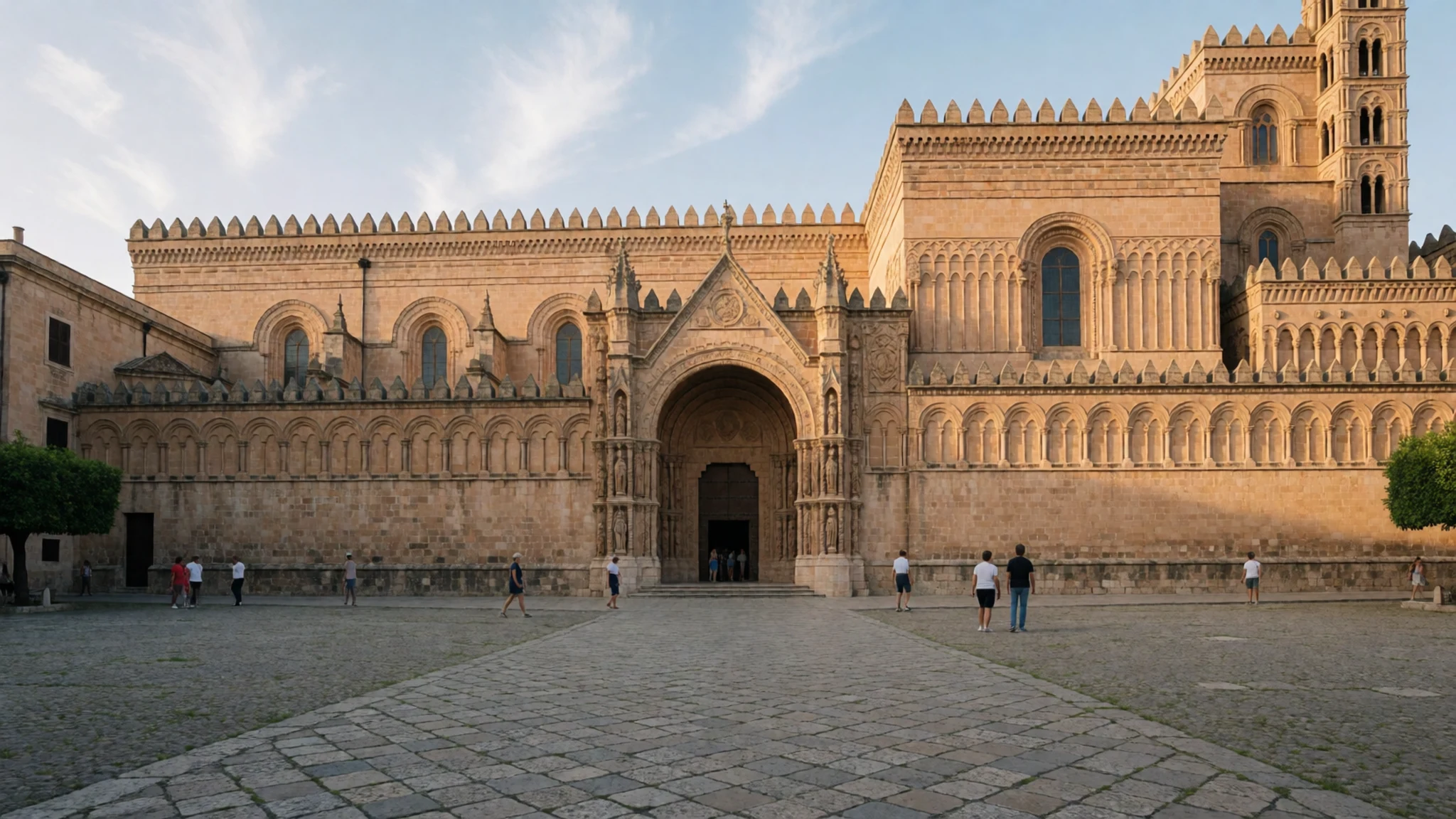
- Palatine Chapel — Palazzo dei Normanni, western old centre
The Palatine Chapel sits inside the Palazzo dei Normanni, and many visitors remember it above everything else in the city. Its walls and ceilings are covered in mosaics, and the decoration blends Byzantine, Arab and Norman workmanship. Go early in the day, because the chapel gets crowded and the palace is still used by regional government, so access can change at short notice.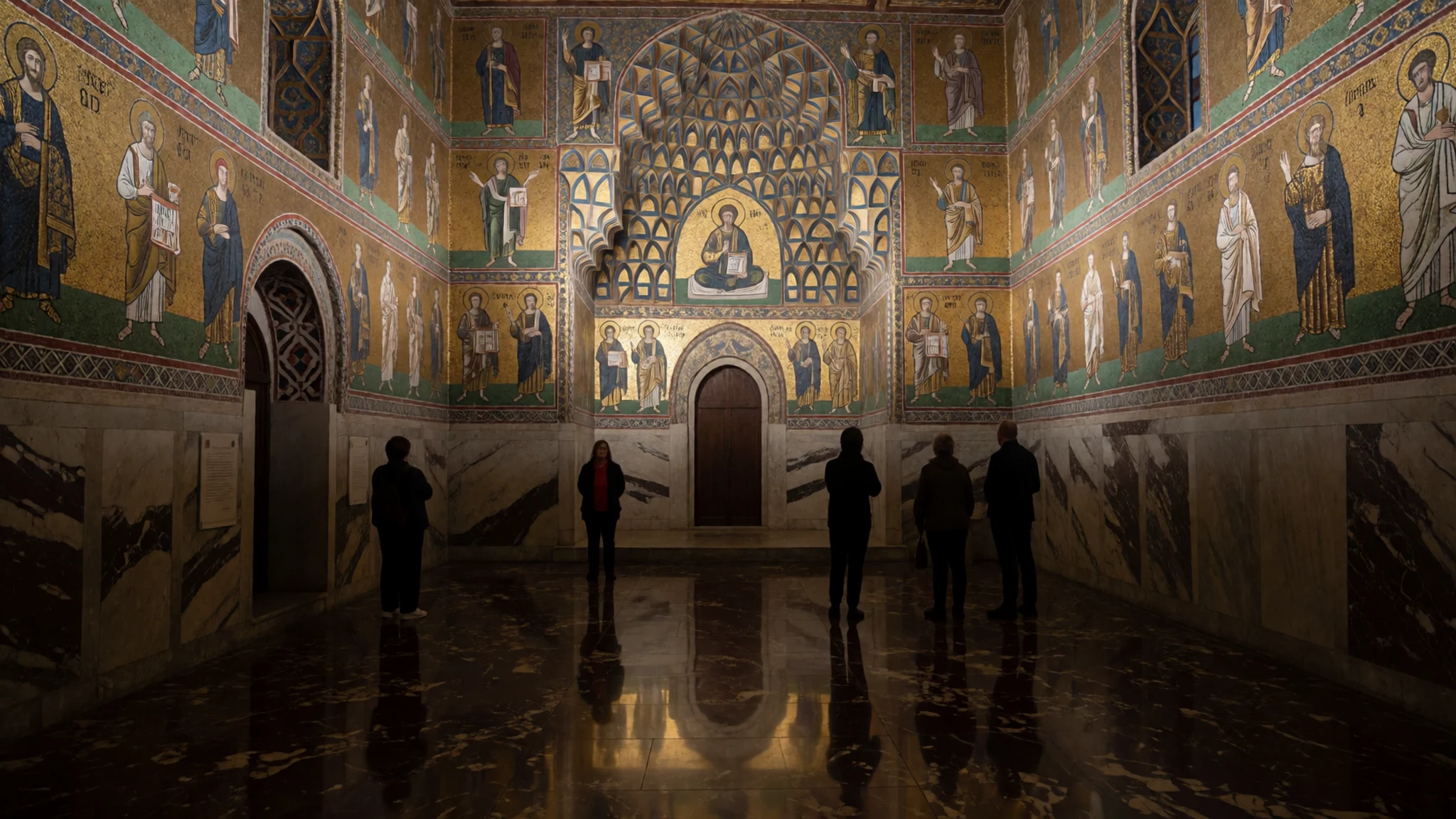
- Palazzo dei Normanni — Western old centre
The Palazzo dei Normanni is described in one listing as the oldest royal residence in Europe. It was home to the rulers of the Kingdom of Sicily, and Frederick II used it as an imperial seat. Give it a half-day with the chapel and the gardens, and plan a slow walk back down towards the cathedral afterwards.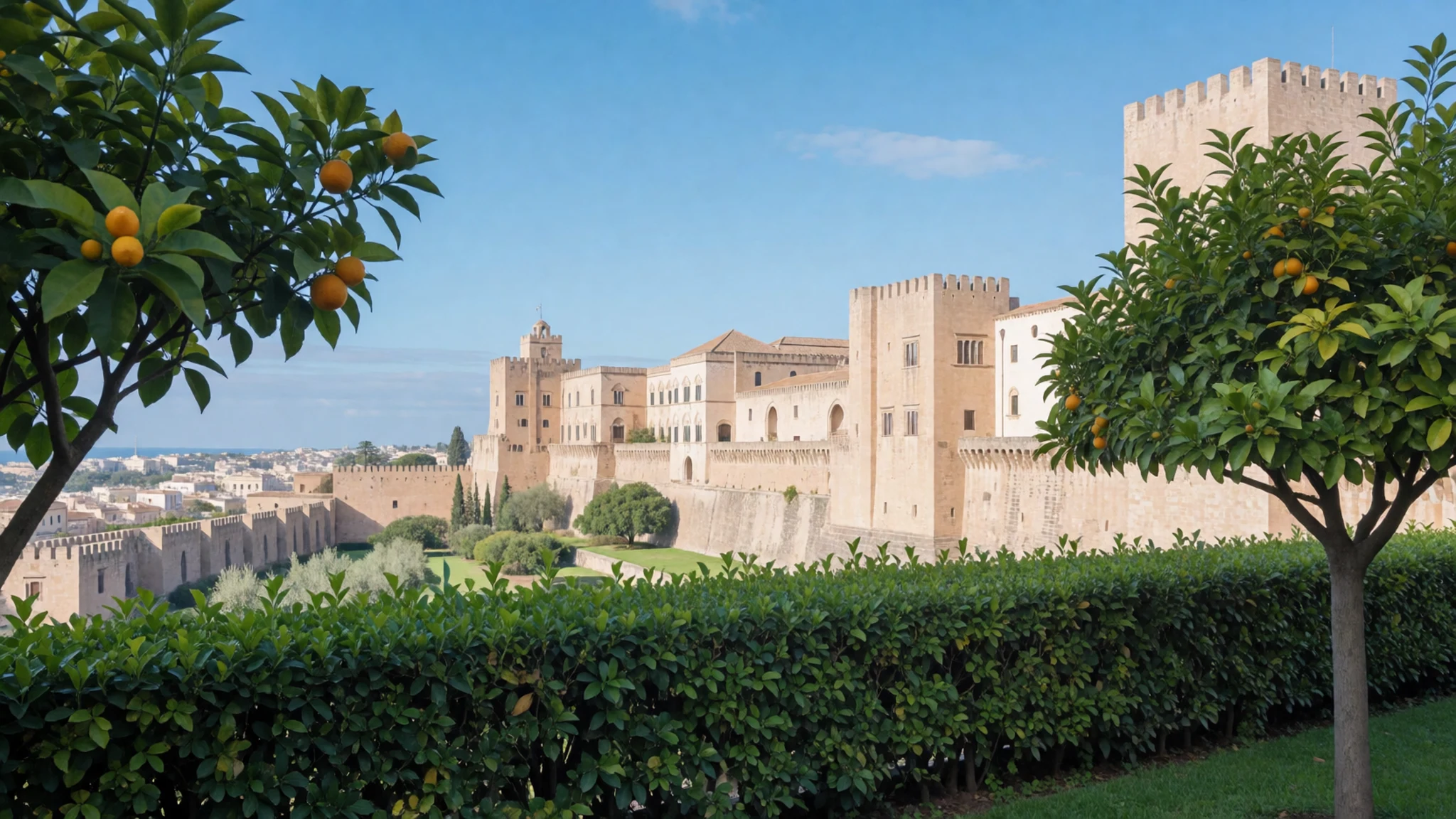
- San Giovanni degli Eremiti — Near the Palazzo dei Normanni
San Giovanni degli Eremiti is a small church with a cluster of red domes, a combination that shows the persistence of Arab influence in twelfth-century Palermo. Its quiet garden offers a break from the traffic nearby. Check the official site or ask locally before you plan the trip, since opening arrangements change.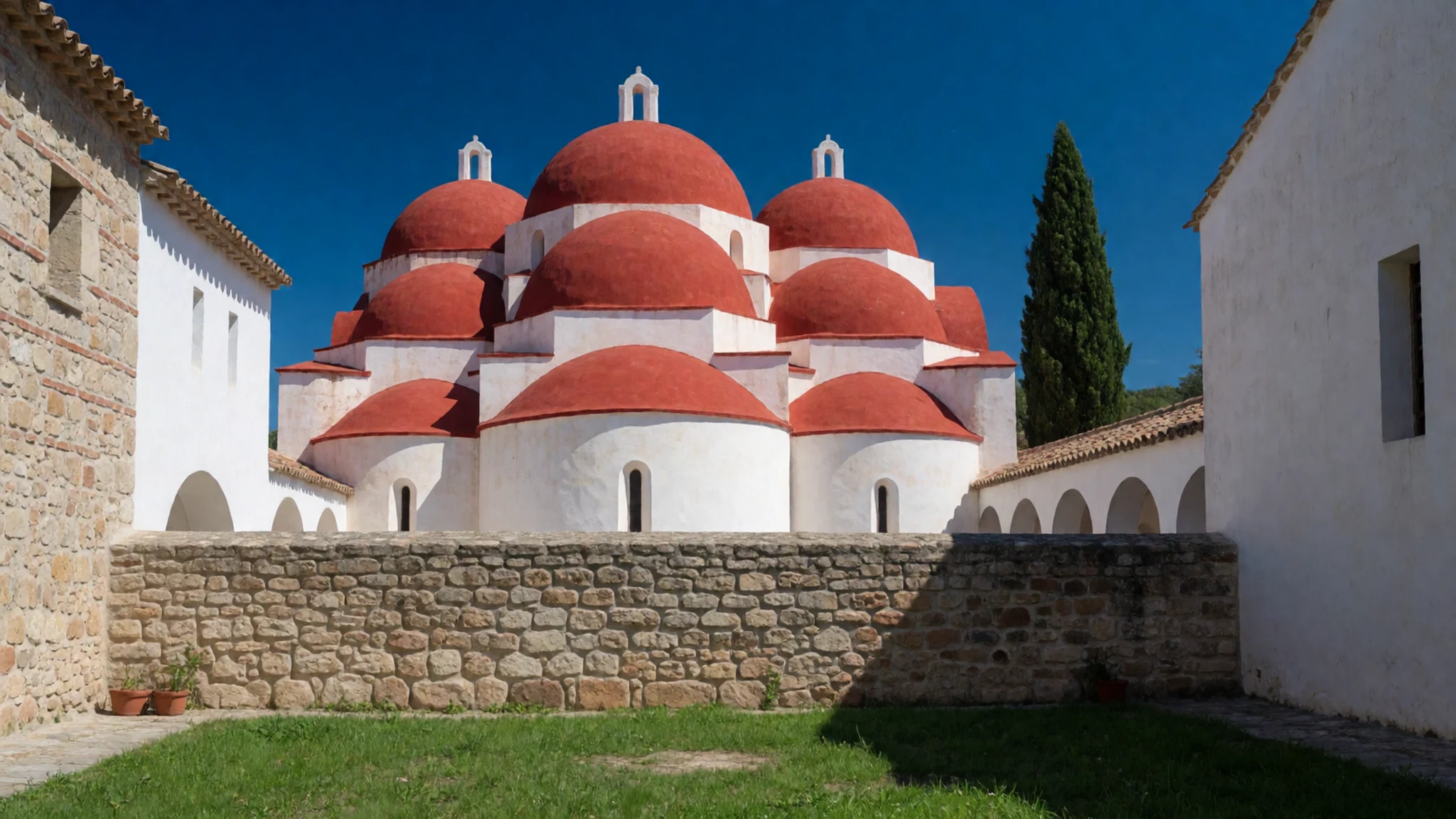
- Catacombe dei Cappuccini — Northern edge of the old centre
The catacombs of the Capuchin convent hold more than 8,000 mummified residents of Palermo and nearby villages. Some are merely clothed skeletons, while others are so well preserved that they look almost lifelike. This is not a place for young children or for anyone uneasy about death. Entry rules and fees change, so check the official site before you go.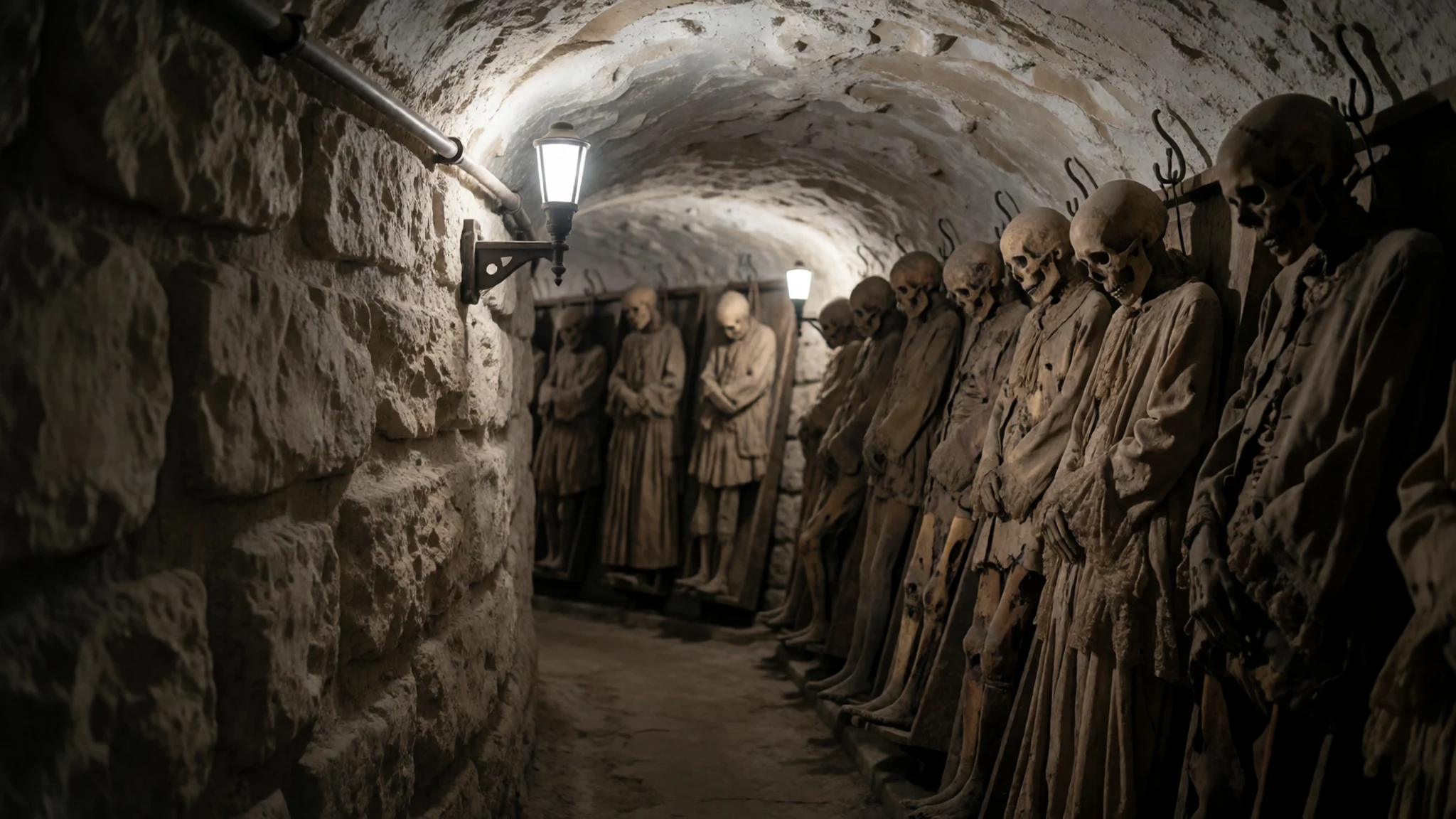
Culture
Palermo is a Catholic city, and religious life is visible in its churches, street shrines and processions. Saint Rosalia is the patron saint most often named. On 14 July the Festino carries her image through the main street, commemorating the belief that she freed the city from plague in 1624. Before that year the city had four patron saints, one for each of its four major parts, a reminder of how neighbourhoods once had their own identities.
Everyday life moves slowly in the afternoon and picks up after dark. Families eat late, and the evening passeggiata along the main streets is a social ritual rather than a shopping trip. Palermitani talk loudly and gesture freely, and shopkeepers and neighbours are often greeted by name, so a polite buongiorno on entering a small shop is expected.
The city keeps a strong local identity, and many people speak Sicilian with friends and family. Italian is the working language in offices and hotels, but a few words of Sicilian in the markets earn a smile.
Traffic, noise and crowds are part of life here. Scooters weave through narrow lanes, and pavements can be uneven. Keep an eye on bags in crowded markets and near the port, and be careful on quiet streets after dark in winter. Dress covered at the shoulders and knees when you enter a church.
What to wear
Traditional dress in Palermo was mostly practical everyday clothing of linen and wool, with finer pieces in silk and lace kept for feast days and weddings. Such garments now appear mainly in museums and at folk events. Coral and silver jewellery, much of it linked to the coral trade of western Sicily, was worn and sold in the old markets, and embroidery and hand-stitched linen remain the textiles most often associated with island craft.
What people wear now is smart and understated. In summer you will see linen shirts, cotton dresses and light trousers, often with leather sandals or white trainers. In cooler months dark jeans, tailored jackets and knitwear are common, and Sunday clothes come out for Mass and family lunches. Sunglasses are part of the uniform for both men and women.
For a visit, pack light breathable cotton or linen for the summer heat, since June through August can be very hot and humid. Wear comfortable closed shoes, because cobbles and broken pavements are hard on sandals. Carry a light scarf or shawl so you can cover your shoulders in the cathedral and other churches, and leave beachwear for the seafront rather than the old centre.
What to eat
- Arancina — Takeaway counters and bakeries in the old centre
A golden rice ball, usually filled with ragù, peas and cheese, and sometimes with butter and ham. Arancine are fried to order or sold warm from the counter, and they make a cheap lunch you can eat while walking. Ask for one with a plain filling if you prefer something lighter.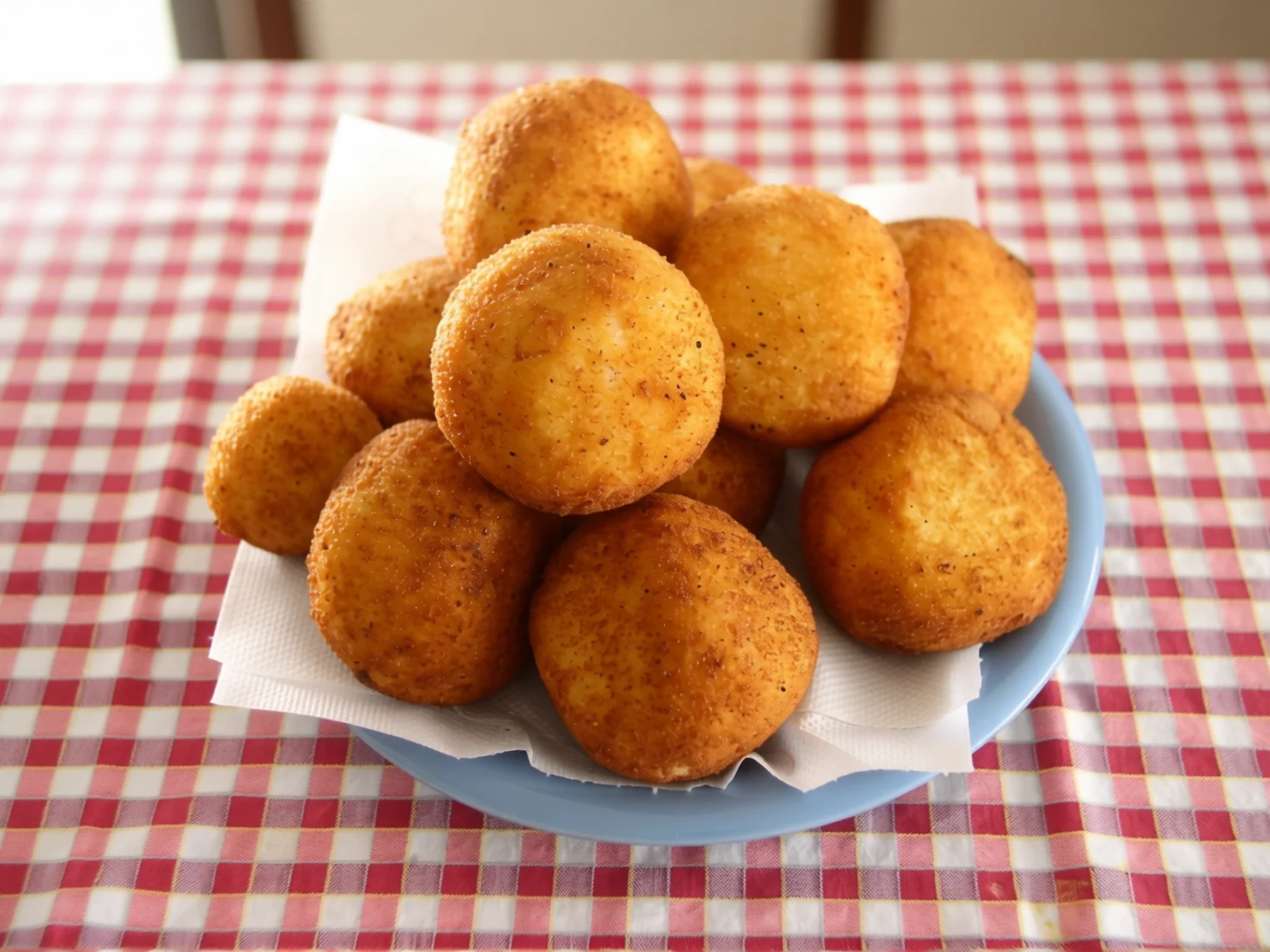
- Panelle — Stalls in the Ballarò market
Thin discs of chickpea flour fried until crisp and served hot in a bread roll or on paper. They are simple and strongly tied to the city's street life, and the best are made fresh in the morning when the frying starts.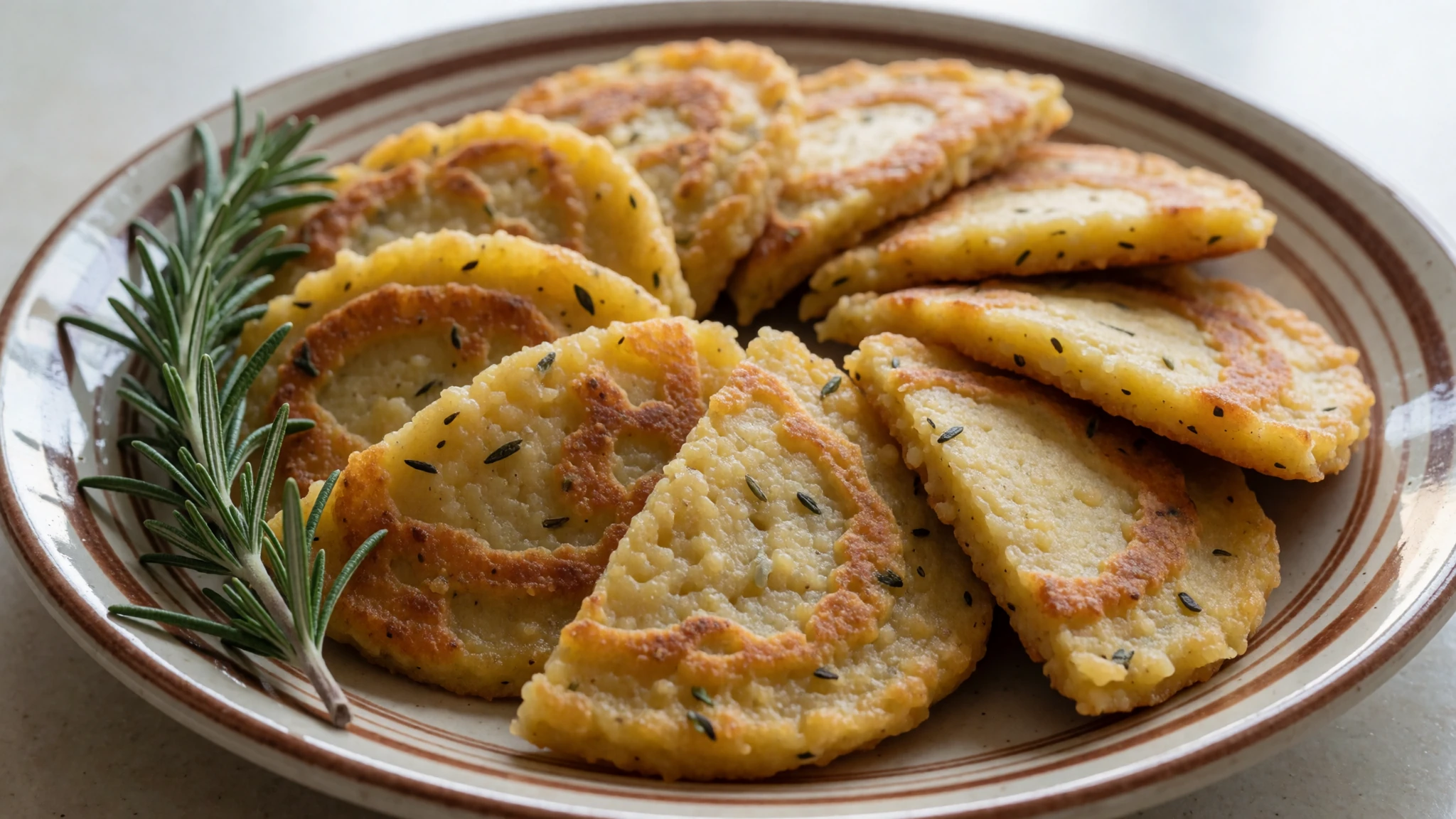
- Pani ca meusa — Street stalls near the port and the Vucciria market
A soft white bread roll filled with slow-cooked veal spleen and lung, often finished with ricotta or grated cheese. It is one of the most traditional street foods in Palermo, and it is best eaten standing at the stall with a squeeze of lemon.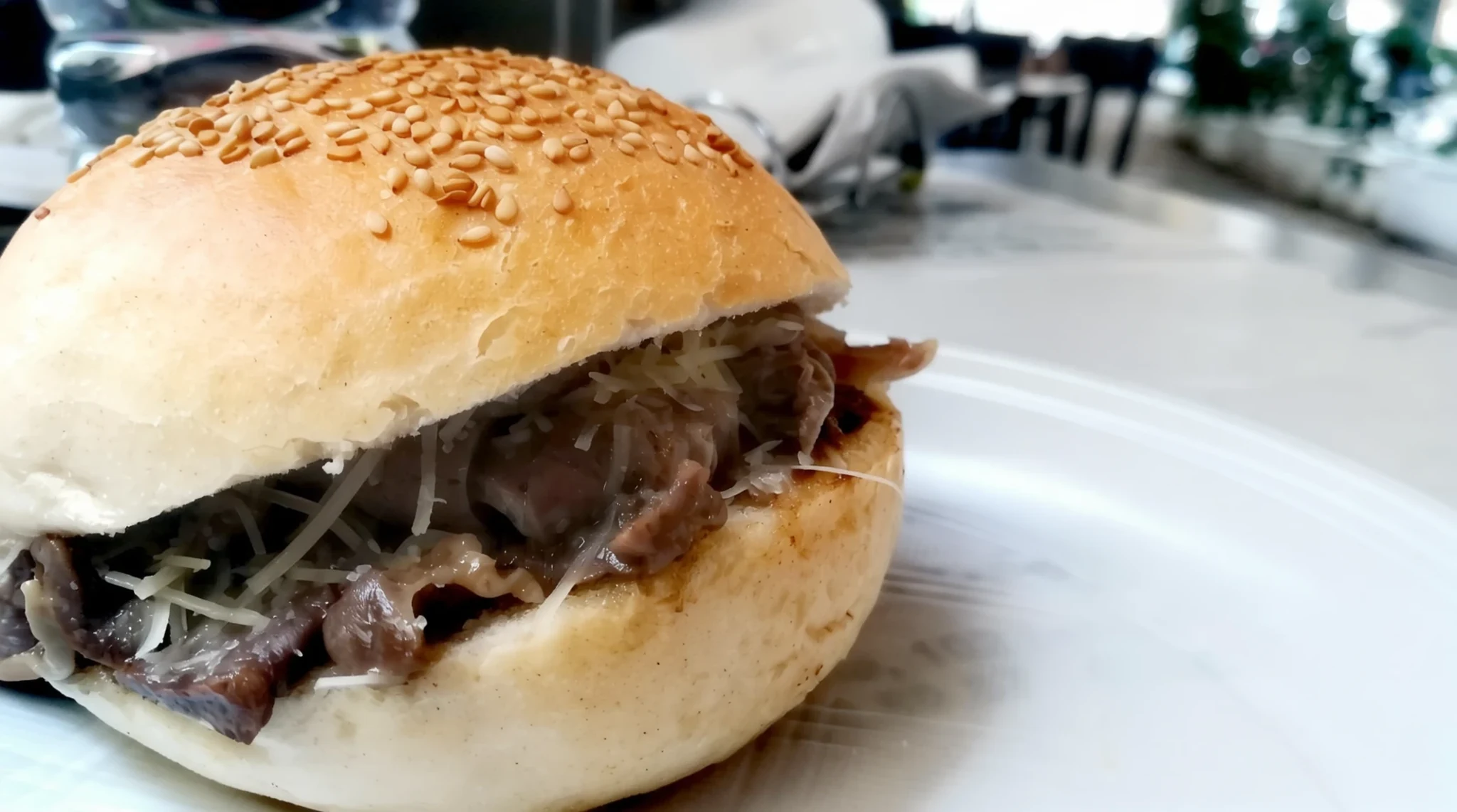
- Sfincione — Neighbourhood bakeries in the old quarters
A thick, spongy Palermitan flatbread topped with tomato, onion, breadcrumbs and caciocavallo cheese. Bakeries sell it by the slice, and it works well as a snack between sights in the morning. - Pasta con le sarde — Family-run trattorias in the centre
A dish of pasta with fresh sardines, wild fennel, pine nuts, raisins and saffron. It reflects the city's long history of trade and exchange, and it is a good choice at a lunchtime trattoria where the menu changes with the catch.
Plan it
Best time. March and April suit Palermo best, with mild days and fewer crowds. July and August are very hot and humid, and the city is busy with domestic holidaymakers. Check current forecasts before you book.
How long. 2–3
Getting there. Fly into Palermo's airport, then take the airport bus or train into the centre. Overnight trains from Rome, Naples and Milan reach Palermo Centrale at Piazza Giulio Cesare, and ferries run from Genoa, Civitavecchia, Naples and Cagliari.
Budget. mid
Tips
- Book cathedral and Palatine Chapel visits ahead where you can, and check the official site for current arrangements
- Start the markets early, before the heat and the crowds build
- Carry cash for markets, small trattorias and the catacombs
- Drink plenty of water in summer and use shade during the afternoon
- Plan a half-day for the catacombs and the chapel so you are not rushing
Etiquette
- Dress covered at the shoulders and knees in churches
- Ask before photographing people, especially in the markets
- Greet shopkeepers with buongiorno when you enter a small shop
Nearby
Sources
- Wikidata Q2656 (CC0)
- Wikipedia (Palermo, rev 1382870272) (CC BY-SA 4.0)
- Wikivoyage (Palermo, rev 5385891) (CC BY-SA 4.0)
- Old_Man_Leica, Palermo02 flickr (CC BY 2.5)
- Kiban, Panoramica Cattedrale di Palermo (CC BY 3.0)
- Allie_Caulfield, Porta Nuova Palermo (CC BY 2.5)
- Bjs, Piazza Pretoria Palermo (CC0 1.0)
- Bengt Nyman, Quattro Canti Palermo (CC BY 2.5)
- Berthold Werner, Teatro Politeama Palermo (CC BY 3.0)
- Matthias Süßen, Teatro Massimo Palermo (CC BY-SA 4.0)
- Bjs, Museo Archeologico Palermo (CC0 1.0)


