Palazzo Rosso
Palazzo Rosso, Italy
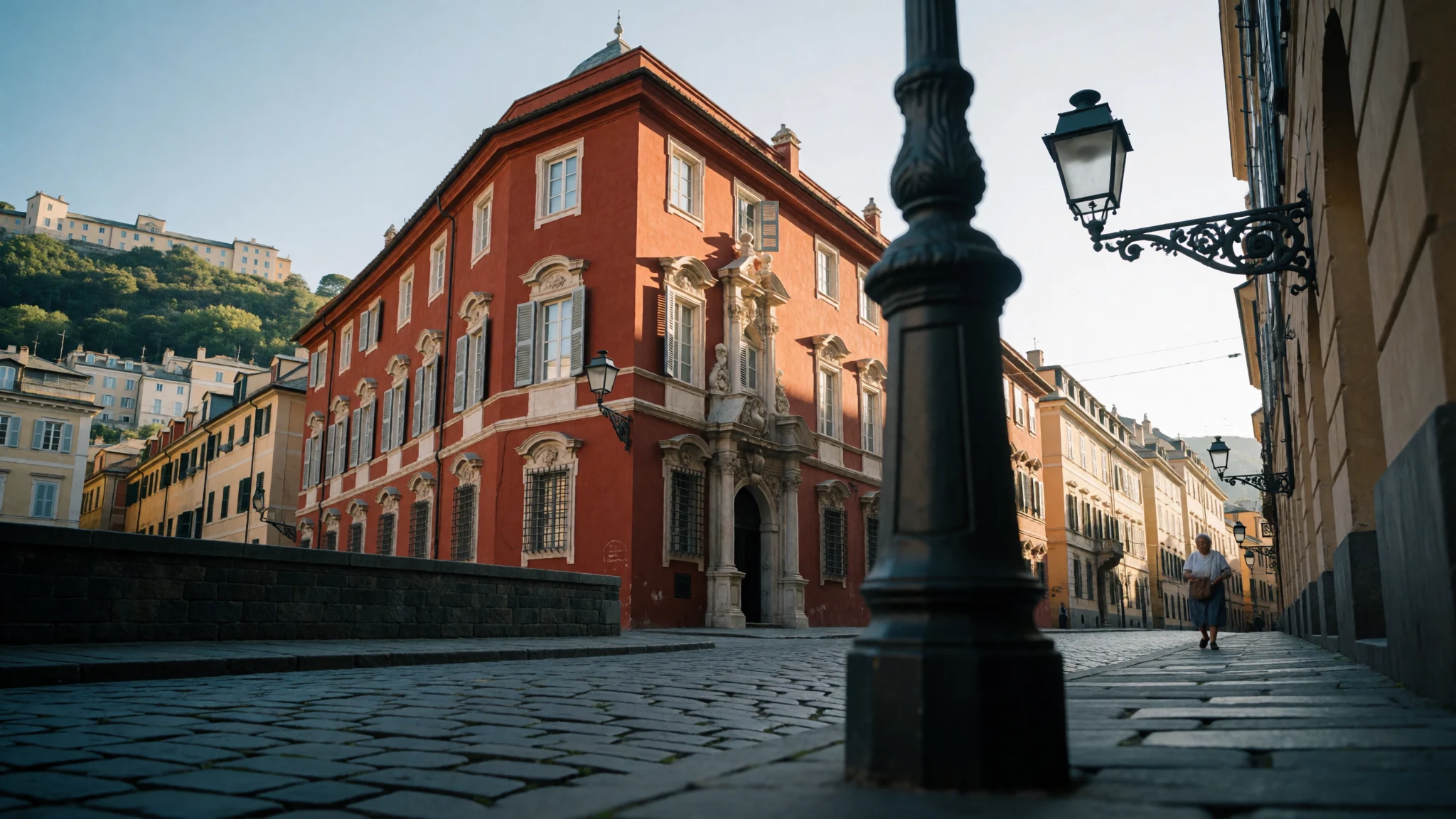
Palazzo Rosso is a Genoese family palace on Via Garibaldi, still hung with Van Dyck, Veronese and Dürer, in a city of steep lanes.
The place
Palazzo Rosso, the Red Palace, stands on Via Garibaldi in the historic centre of Genoa, in north-west Italy. Inside it works as a house museum: the rooms keep the feel of a family residence, now hung with paintings by Van Dyck, Veronese, Guido Reni, Guercino, Bernardo Strozzi, Mattia Preti and Dürer. With Palazzo Bianco and Palazzo Doria Tursi it forms the Musei di Strada Nuova, three galleries close enough to walk between. The palace belongs to the UNESCO World Heritage Site called Genoa: Le Strade Nuove and the system of the Palazzi dei Rolli. The surroundings are half the experience. Genoa is a working port built up steep slopes, with slate roofs and a maze of narrow lanes known as caruggi or vicoli. Grand façades often sit at the end of scruffy alleys, and the city wears its age without much polish, which is much of its appeal. Summers are sunny, cafés spill onto the pavements, and the city sits less firmly on the big tour-operator circuits than some of its Italian neighbours. Genoa also makes a sensible base for day trips along the Italian Riviera, to Portofino and the Cinque Terre. A visit to the palace fits comfortably into a morning, leaving the afternoon for the old harbour or the lanes.
Its story
Palazzo Rosso was built for the Brignole Sale family on what was then the fashionable new street of Genoa, and the palace was built in 1675. It arrived too late for the official list of Rolli palaces, the private houses where the Republic of Genoa lodged important guests on state visits, so it was never one of the 163 on that list. Its standing came later: in 2006 it was added to the 42 palaces that make up the UNESCO site, recognised as a distinguished seventeenth-century residence on the street. The family's taste shaped what hangs inside, and the house was kept as a showcase for its collection. The line ended with Maria Brignole Sale, Duchess of Galliera, who in 1874 left the palace and its art to the municipality of Genoa. That bequest became the first core of the city's public art gallery, which is why a private family home now belongs to everyone. The building then closed for about three years of renovation and reopened in June 2022. Visitors should expect rooms that have been refreshed rather than a frozen time capsule, though the sequence of grand salons still follows the logic of a noble household receiving company.
What to see
- The picture rooms of Palazzo Rosso — Via Garibaldi, historic centre
The rooms of Palazzo Rosso are where the Brignole Sale paintings hang, among them Van Dyck portraits, work by Veronese and Guercino, and Dürer's Portrait of a Young Man. Allow a slow hour or two, and check the official site for current opening arrangements and ticket options before going.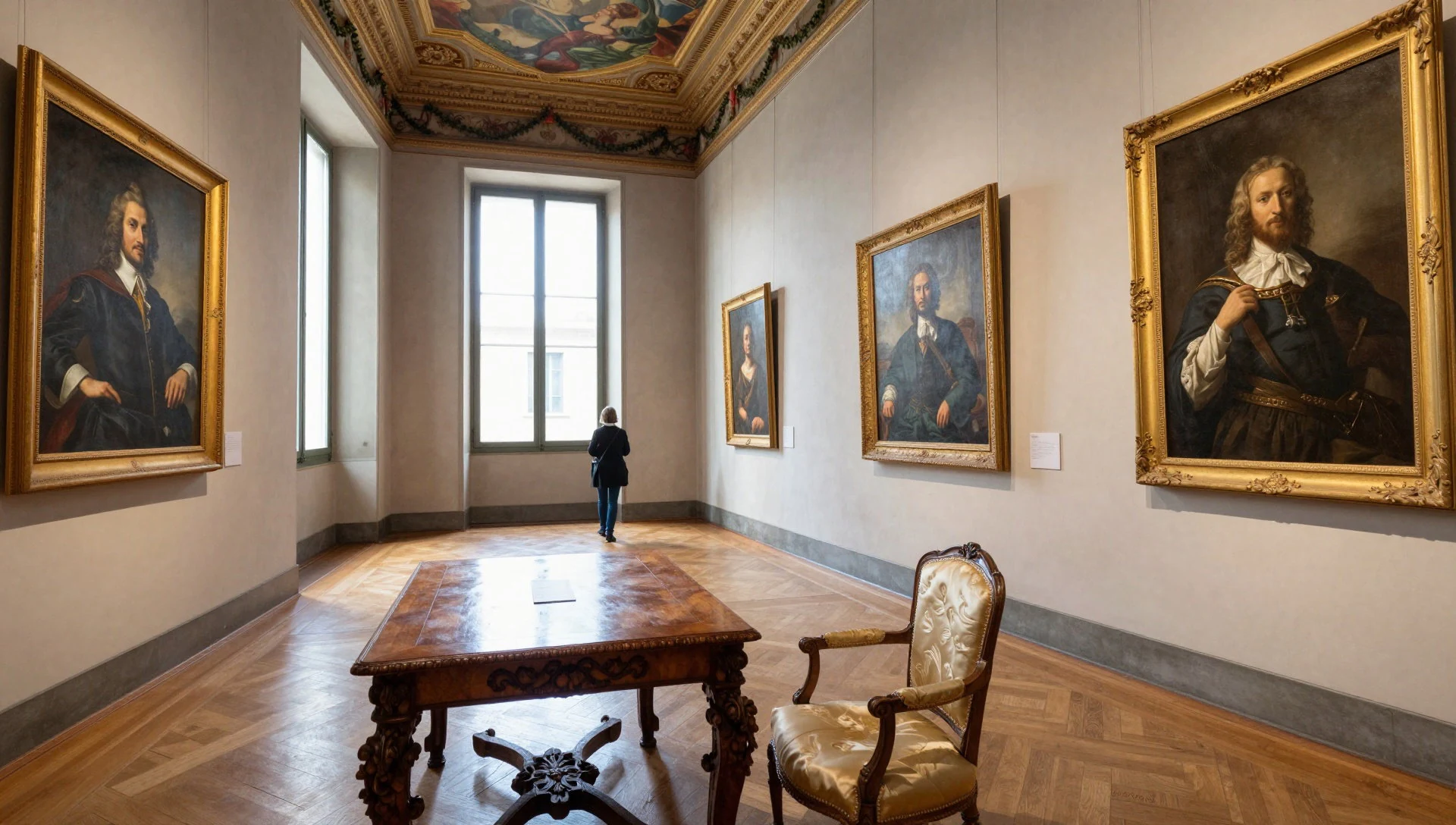
- Via Garibaldi — Historic centre
Via Garibaldi, once called Strada Nuova and nicknamed Via Aurea, the Golden Street, is the street Palazzo Rosso faces onto. It is lined with baroque palaces, and their courtyards are worth a glance when doors are open. Walk it early or at dusk, when the light is softer and the pavements quieter.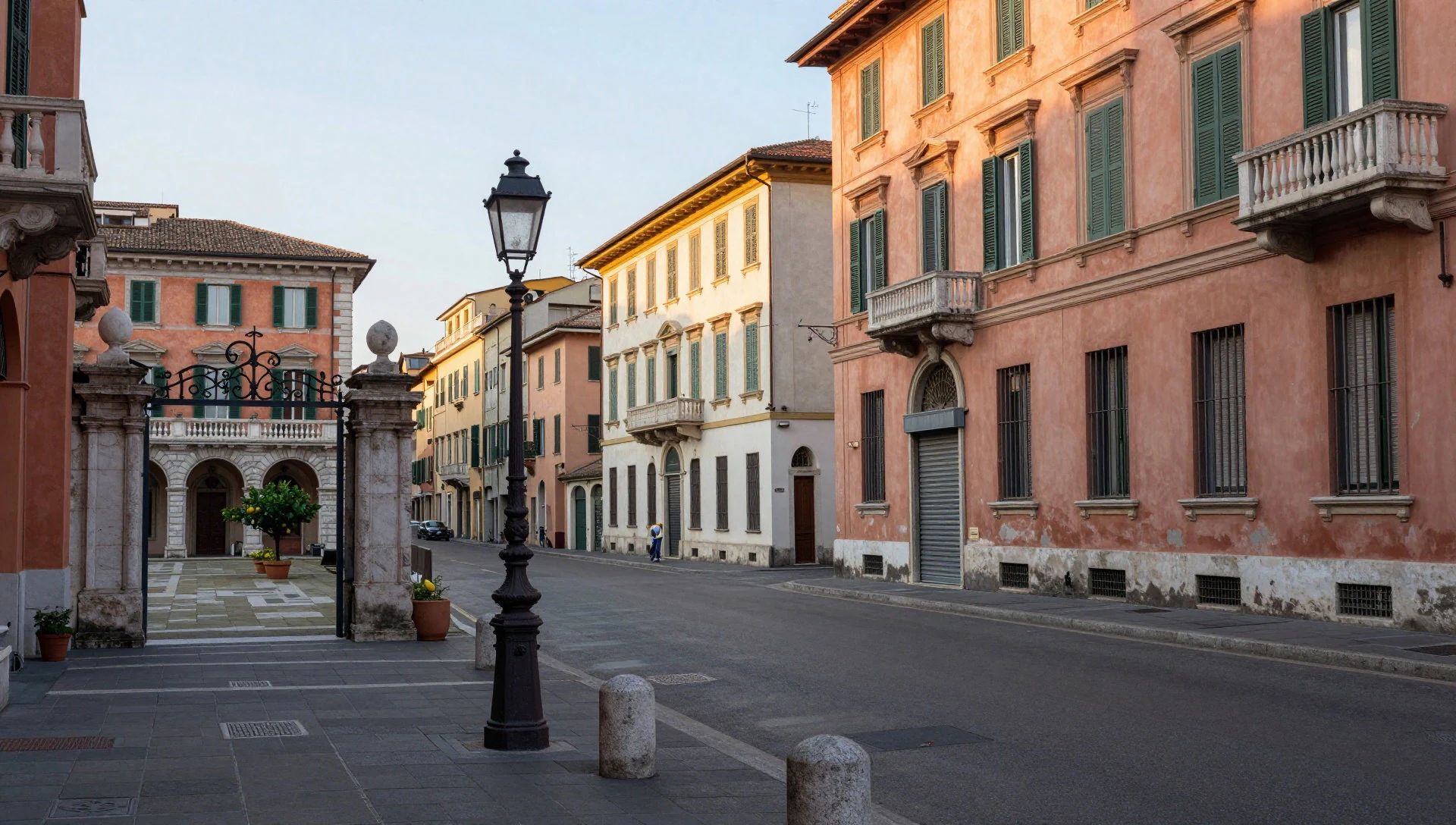
- Spianata Castelletto — Castelletto, above the old town
Spianata Castelletto is a viewpoint above the centre, reached on foot or by public lift from Piazza della Nunziata. From here the roofs of the old town fall away towards the port, and Palazzo Rosso can be picked out below. Go in the late afternoon, and carry water in summer.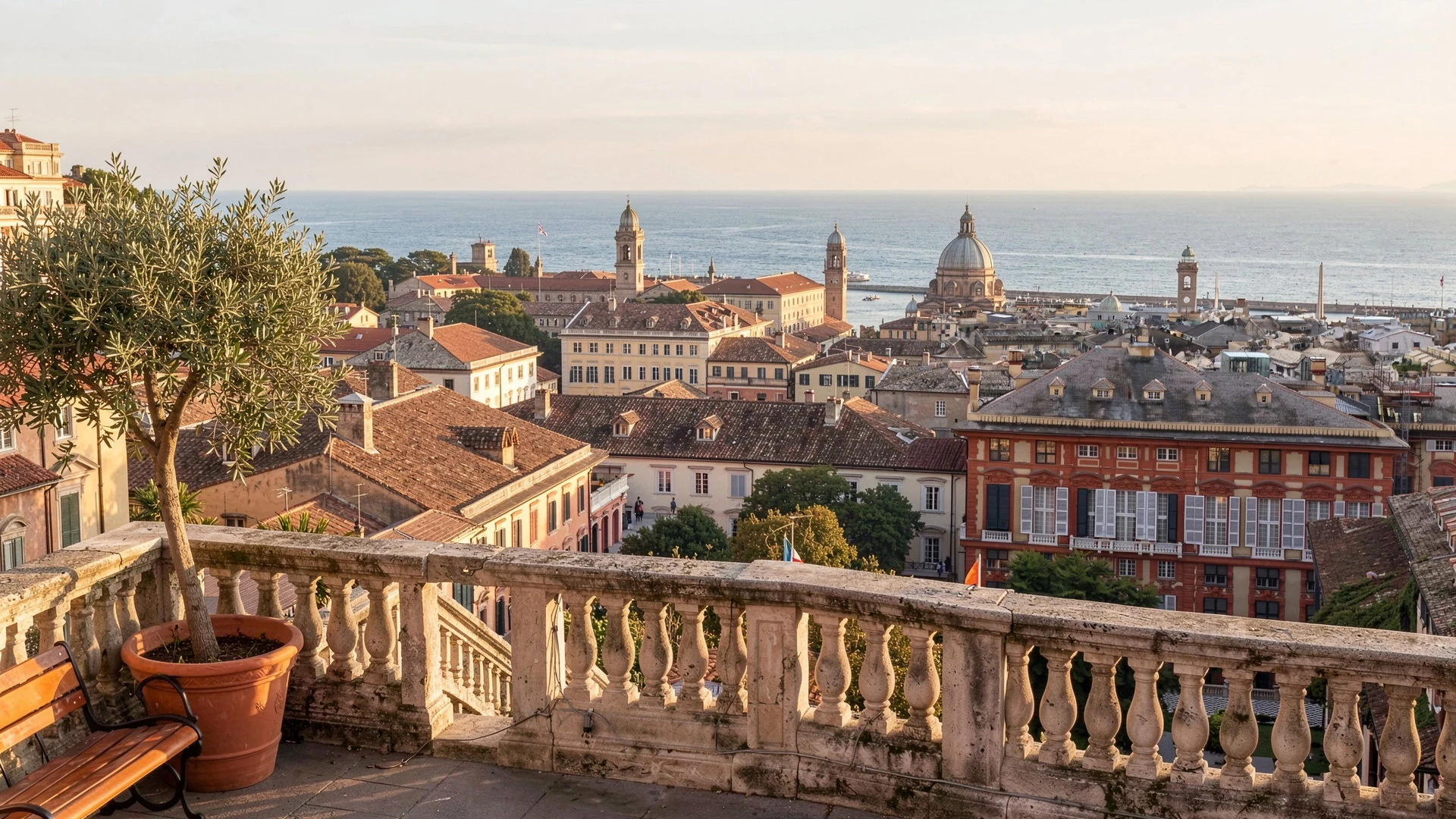
- Palazzo Bianco and the Musei di Strada Nuova — Via Garibaldi, historic centre
Palazzo Bianco, the White Palace, stands a few steps from Palazzo Rosso and belongs to the same museum group. Seeing both in one visit shows how Genoa's collecting families chose and displayed their art. Ask at the ticket desk, or check the official site, whether a joint ticket is available.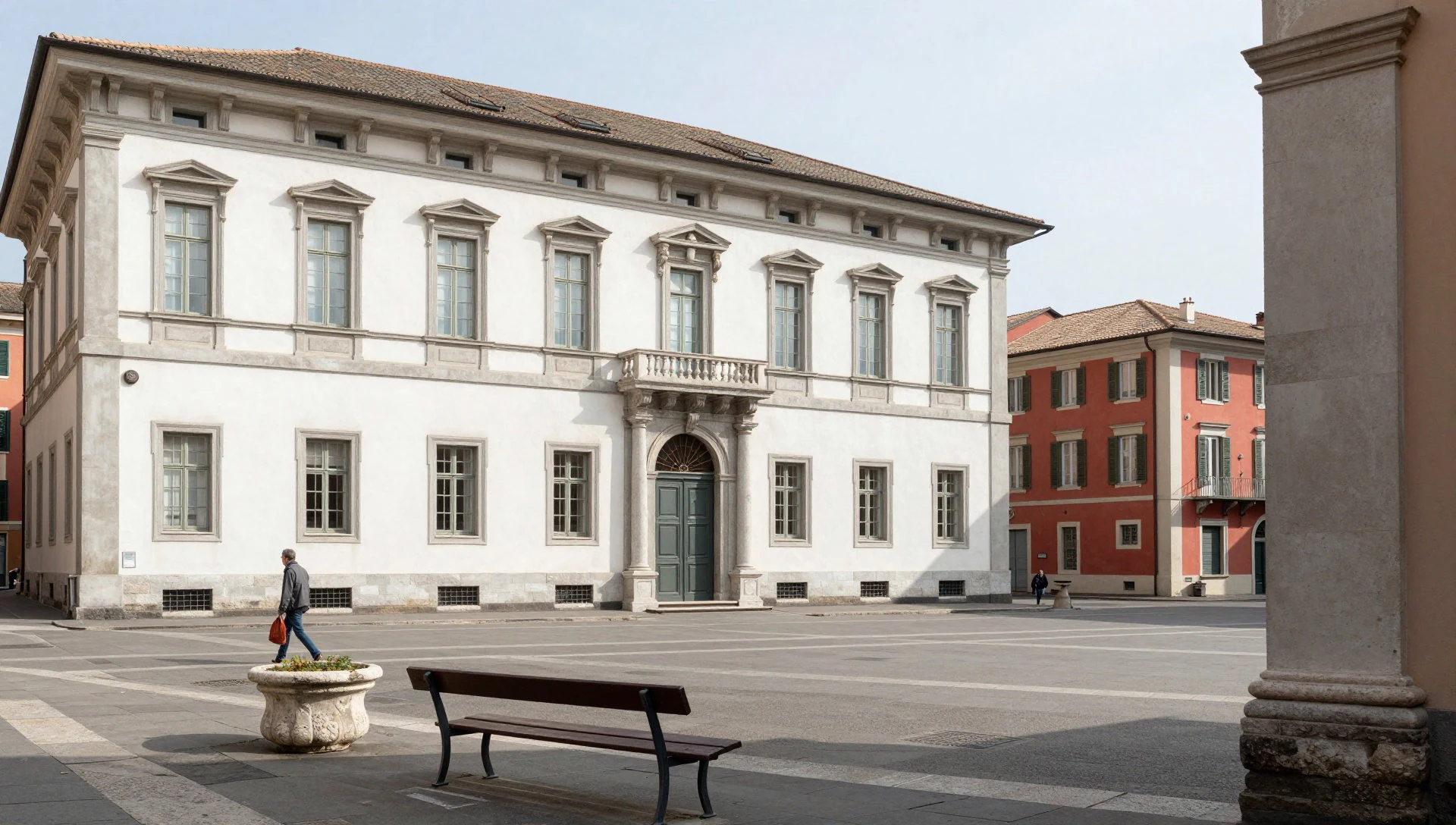
- The Old Harbour — Porto Antico, waterfront
The Old Harbour is Genoa's waterfront leisure area, with museums, cinemas, cafés and a promenade along the sea. It suits the afternoon after a morning among paintings, and the sea breeze helps in summer. A replica Spanish galleon is moored nearby and is easy to spot from the quay.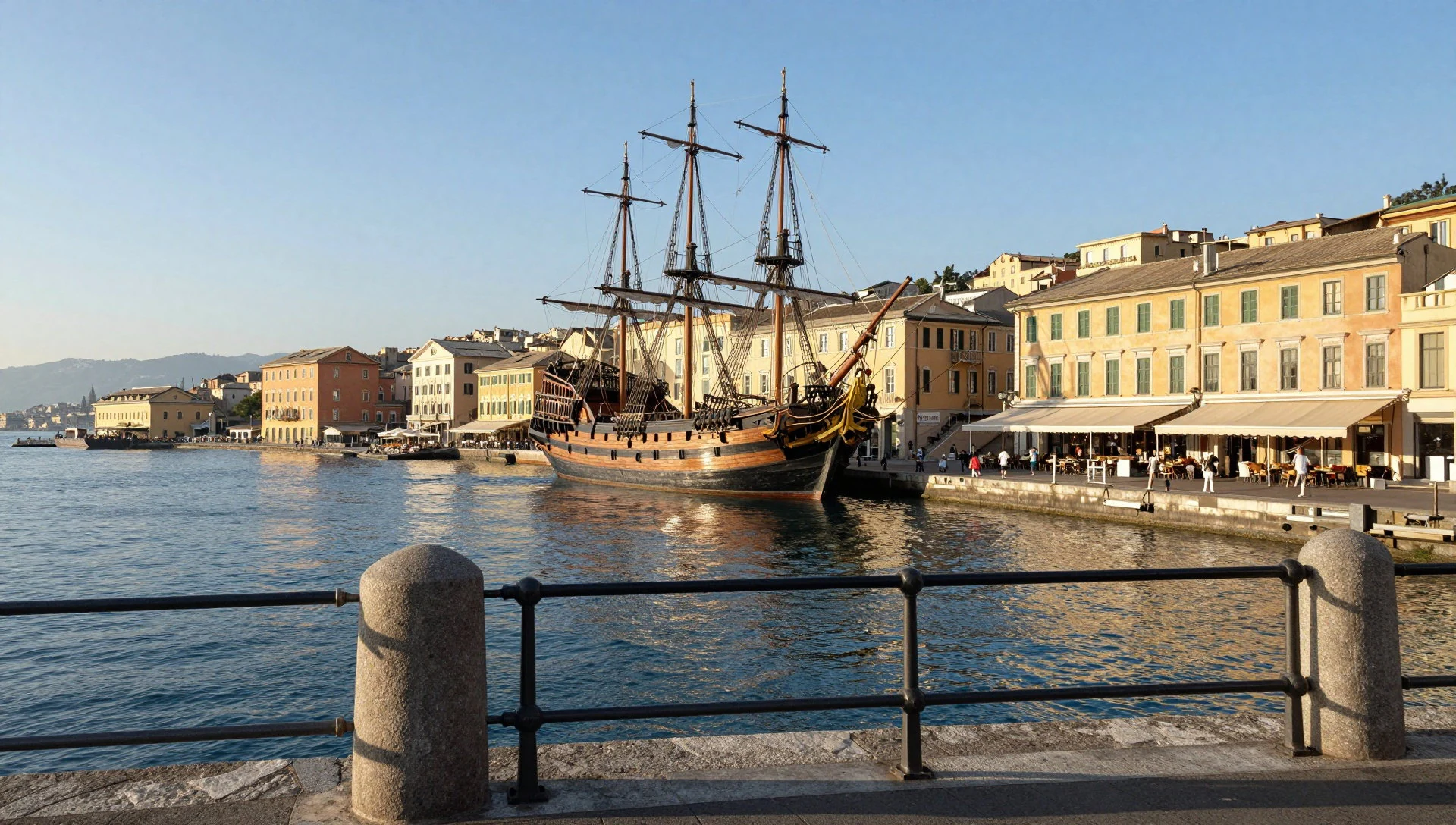
Culture
Palazzo Rosso shows how the old Republic of Genoa lived: a port city whose leading families built town palaces along one showpiece street and used them to impress visiting dignitaries. Wealth from the sea went into stone, marble and paintings, and the Rolli system turned private houses into a kind of civic guest-list for the state. Today that history sits beside everyday life in the caruggi, where laundry hangs above shopfronts and neighbours still shop in the same small streets. Genoese people are often described as practical and a little reserved, and visitors usually find service brisk and friendly rather than effusive. Columbus is claimed as a native son, and a house associated with his childhood stands in the old town. Mealtimes follow Italian habits: lunch starts around half past twelve and dinner rarely before half past seven. Many restaurants add a fixed per-person charge called coperto, which is normal and not a trick. Pesto is the city's best-known culinary export, and locals take pride in making it properly. Church bells, scooters and shouted conversation make the lanes noisy by day, yet they quieten quickly after dark. In the galleries of Palazzo Rosso, leave bags and umbrellas where staff direct, follow the photography rules posted in each room, and keep your voice low, because these are former family rooms with fragile paintings and floors.
What to wear
Palazzo Rosso's portraits are a handy guide to historic Genoese dress, since Van Dyck and his contemporaries painted the city's elite in black silk, velvet and white linen or lace collars, a restrained look that suited merchants and bankers. Everyday folk costume is rarely worn now, but the mezzaro, a large printed cotton shawl once worn by Genoese women, survives in museums and festival displays. Today people in Genoa dress smart-casual and neat, often in dark or muted colours, with a scarf in cooler months and linen or light cotton in summer. Trainers are common, though visibly worn-out sportswear stands out in the centre. Visitors should plan for hot, sunny summers and mild, sometimes rainy winters: light breathable layers, sunglasses and a hat in July and August, and a compact waterproof in autumn and winter. The lanes are steep, uneven and often paved with smooth stone, so flat shoes with a grippy sole matter more than style. For Palazzo Rosso, nothing special is needed beyond comfortable, tidy clothes. For the Cathedral of San Lorenzo and other churches, cover shoulders and knees, and carry a light scarf or shawl for that purpose. Evenings by the harbour can feel breezy even in warm months.
What to eat
- Pesto genovese — Traditional trattorias in the old town
Pesto sauce originates in Genoa, and it is worth eating here at least once. Basil, pine nuts, cheese and olive oil are pounded into a bright green sauce, usually served over trofie or other hand-shaped pasta.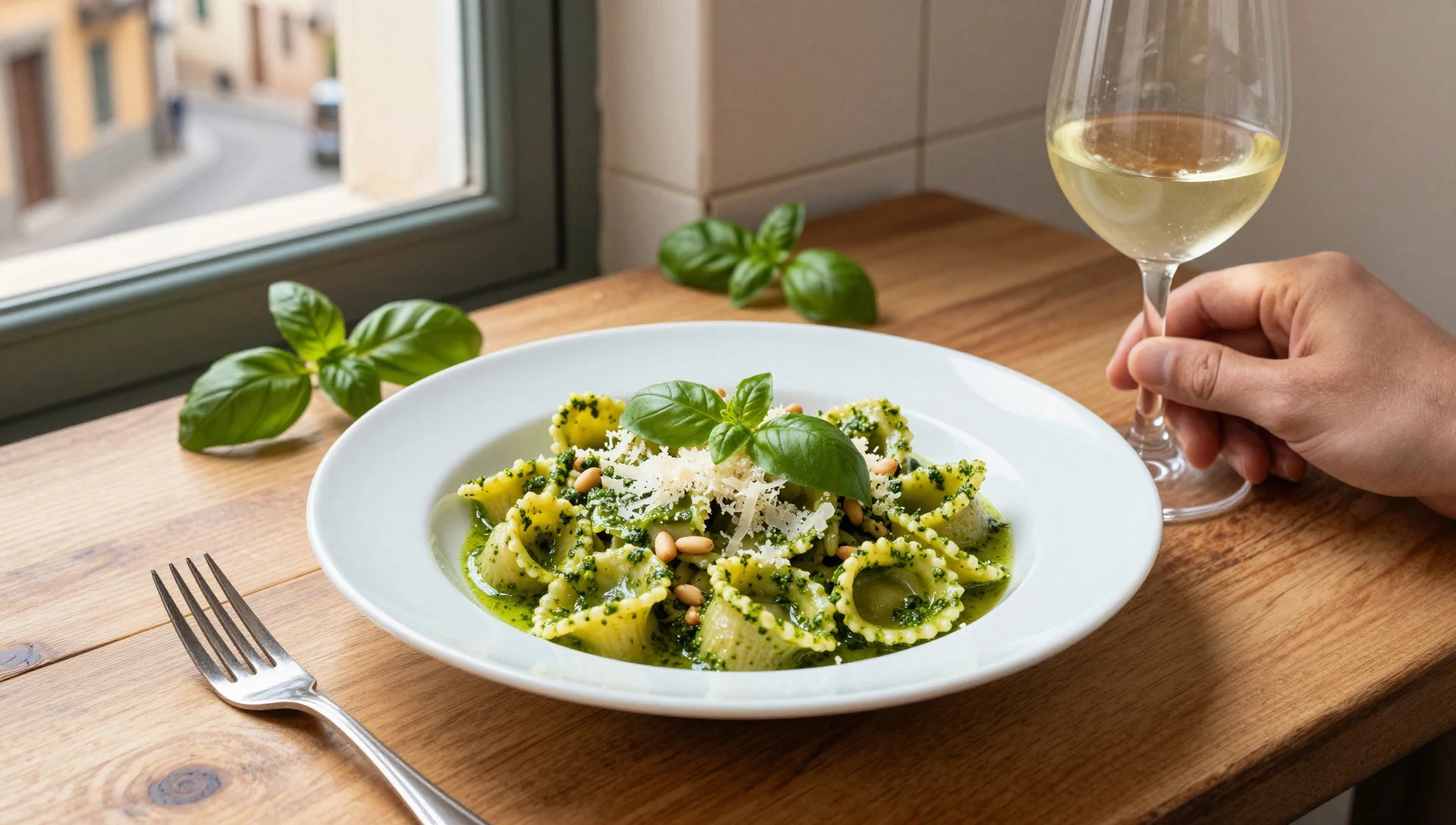
- Focaccia — Neighbourhood bakeries and takeaway counters in the historic centre
Genoese focaccia is a soft, oily flatbread with a salty crust, eaten as a snack or even at breakfast. A warm slice from a bakery makes a cheap and filling stop between museums.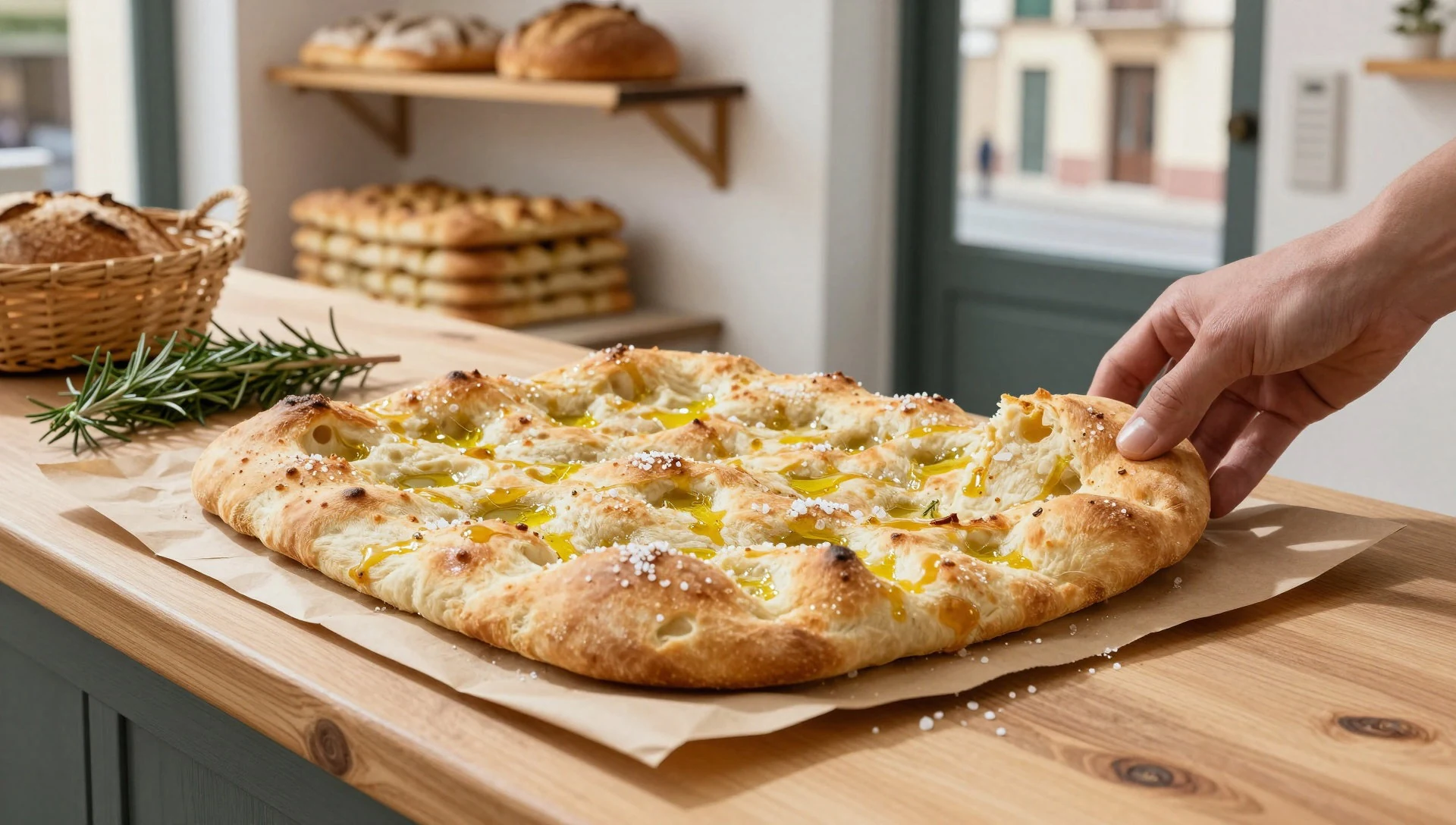
- Farinata — Old-style fried-food shops (friggitorie) in the lanes near Via Garibaldi
Farinata is a thin, crisp pancake made from chickpea flour and baked in a very hot oven. It is cut into wedges, peppered and eaten hot from paper, and it is naturally free of wheat. - Pansoti with walnut sauce — Family-run trattorias, often busiest at lunchtime
Pansoti are triangular pasta parcels filled with greens and soft cheese, traditionally dressed with a creamy walnut sauce. The dish is a good vegetarian choice and typical of Ligurian home cooking. - Fresh fish and seafood — Fish restaurants near the harbour and in the old town
As a port, Genoa serves plenty of fish, from fried anchovies to stuffed mussels and simple grilled catches. Ask what came in that day, and expect the cheapest plates to be fried and eaten at the counter.
Plan it
Best time. April, May and October, when the weather is mild enough for climbing the hill lanes and the harbour is pleasant; June to August are sunny and hot, while November is the wettest month and winter is quieter.
How long. 2–3
Getting there. Genoa has its own airport, from which a taxi, bus or train reaches the centre. By rail, Trenitalia InterCity services run from Milan, Turin, Rome and Tuscany, with regional trains more frequent. Arrive at Genoa Brignole or Genoa Piazza Principe, then walk or take a short bus ride to Via Garibaldi. From Principe, follow Via Balbi rather than the alley route some map apps suggest through Via del Pré.
Budget. mid
Tips
- Check the official website before going for opening days, ticket options and any joint ticket with neighbouring museums
- Go early on a weekday for quieter rooms, and keep the afternoon for the harbour or a viewpoint
- Wear flat shoes with grip, since the lanes are steep and the stone can be slippery after rain
- Carry some cash for takeaway counters, and expect a coperto charge in sit-down restaurants
- Mapping apps can send walkers down narrow alleys at night; stay on main streets after dark
Etiquette
- Follow the photography and bag rules posted in the galleries
- Cover shoulders and knees when stepping into churches such as the Cathedral of San Lorenzo
- Greet staff with a quick buongiorno or buonasera when entering shops and eateries
Nearby
Sources
- Wikidata Q2034331 (CC0)
- Wikipedia: Palazzo Rosso (rev 1344897663) (CC BY-SA 4.0)
- Wikivoyage: Genoa (rev 5402718) (CC BY-SA 4.0)
- Palazzo rosso — sailko (CC BY 3.0)
- View from Palazzo Rosso; Genoa — Christine Zenino (CC BY 2.5)
- Genoa - Palazzo Rosso — Andrzej Otrębski (CC BY 3.0)
- Genoa - Palazzo Rosso, view from Spianata Castelletto — Andrzej Otrębski (CC BY 3.0)
- Het interieur van het Palazzo Rosso in Genua — Steven Lek (CC BY-SA 4.0)
- Albrecht Dürer - Portrait of a Young Man - Palazzo Rosso Genoa (Public domain)
- Het interieur van het Palazzo Rosso in Genua — Steven Lek (CC BY-SA 4.0)
- Raffigurazione del XIX secolo di Palazzo Rosso a Genova — Davide Papalini (Public domain)


