Pag
Pag, Croatia
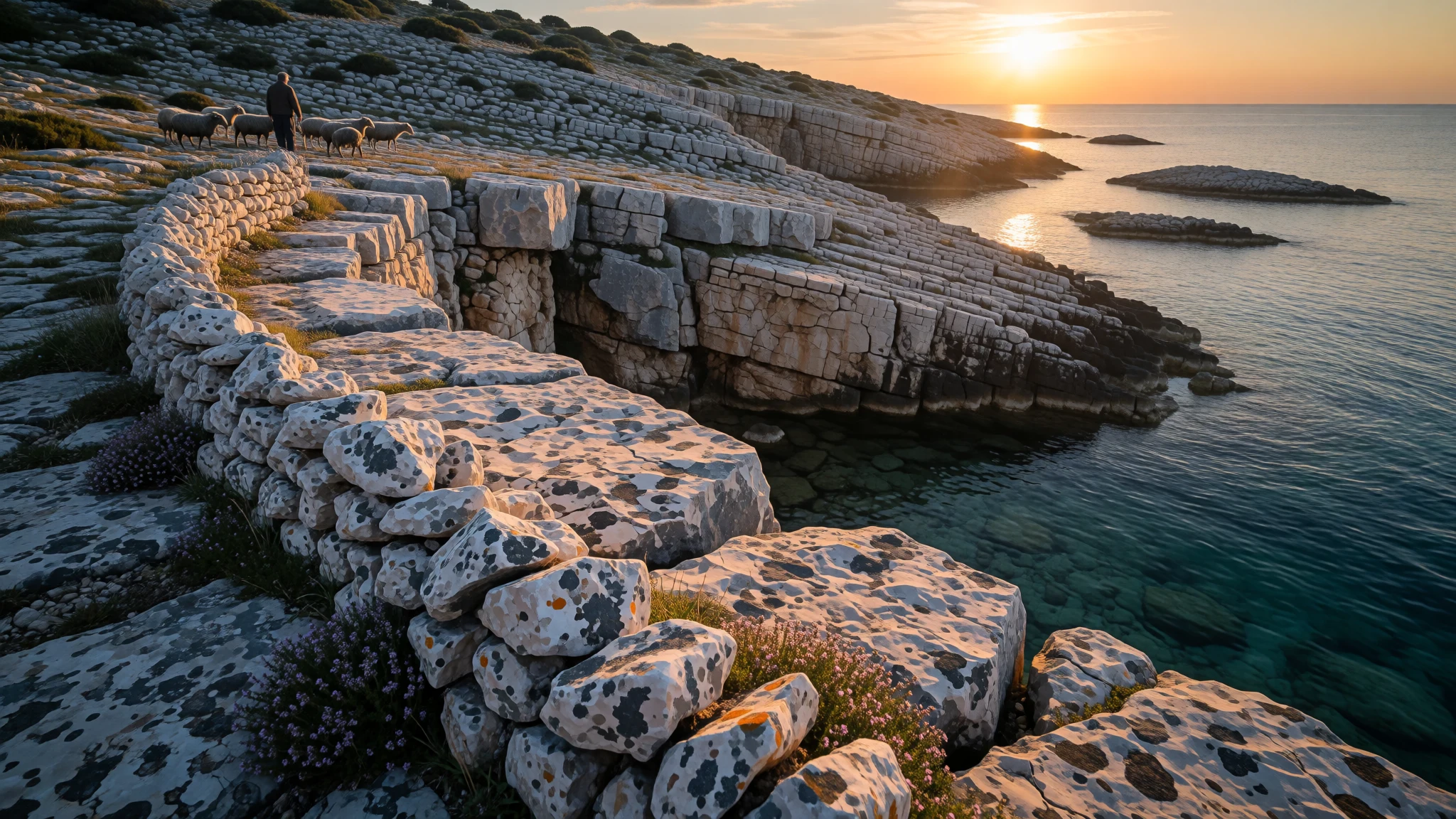
Pag is Croatia's bare, wind-scoured Moon Island, where salt pans, sheep's cheese and quiet stone towns sit beside one of the Adriatic's liveliest summer beach scenes.
The place
Pag is a long, narrow island in the northern Adriatic, running northwest to southeast just off the Croatian mainland and separated from it by the Velebit Channel. Its nickname, Moon Island, is earned: much of the surface is bare grey limestone, scoured by wind and salt spray, with only low Mediterranean scrub and patches of grass holding on. The highest point, Sveti Vid, reaches 349 m. The southwestern shore is low and indented, with the broad Pag Bay and the Caska cove, while the northwestern side drops steeply towards the sea. Grapes, vegetables and fruit grow in the sheltered valleys, olive groves cover the Lun peninsula in the north, and the southeast holds two karst lakes, Velo Blato and Malo Blato. Two towns share the island: Pag, a quiet old salt-making town, and Novalja, the livelier summer resort on the northern side. Smaller villages such as Lun, Kolan, Povljana and Metajna sit between them. Oddly, the island is split administratively between two counties, so the north and south answer to different capitals. Roads link most communities, a long arched bridge ties the south to the mainland, and a short ferry crosses to the north. In July and August the beaches and Novalja are crowded and hot. Outside those months the island is empty, windy and austere, and suits people who prefer open landscapes to sunbeds.
Its story
Pag's earliest known settlers were an Illyrian tribe in the Bronze Age, and traces of their presence survive around the modern town. The Romans took the island in the first century BC and left ruins and finds. Croats arrived with the great migrations of the seventh century. After that the island was repeatedly contested: split between the communities of Rab and Zadar, then fought over by Venice and the Croatian-Hungarian rulers. Venice held it from the start of the fifteenth century for about four centuries, until the republic collapsed at the end of the eighteenth century, after which Austria won out over France. Salt runs through all of this. The shallow coves of Pag's sheltered bay made natural salt pans, and the town grew around them. Written records of salt-making reach back to the end of the tenth century, and it probably began in Roman times. The twentieth century was harsher. After Austria-Hungary came Yugoslavia, and during the Second World War the Ustashe regime ran concentration camps at Slana and Metajna, where thousands of Serbs, Jews and anti-fascists were killed. Partisans also used the island as a supply link, ferrying food in small oared boats from Stara Novalja across to the Velebit. Today that history is quiet and mostly visible in stone walls, salt pans and memorials.
What to see
- Pag old town — Pag town
The old town of Pag was laid out around its salt trade, with a grid of stone lanes, a main square and a large church. It is small enough to cover on foot in an hour or two. Go early or in the evening, when the stone cools and the light turns warm.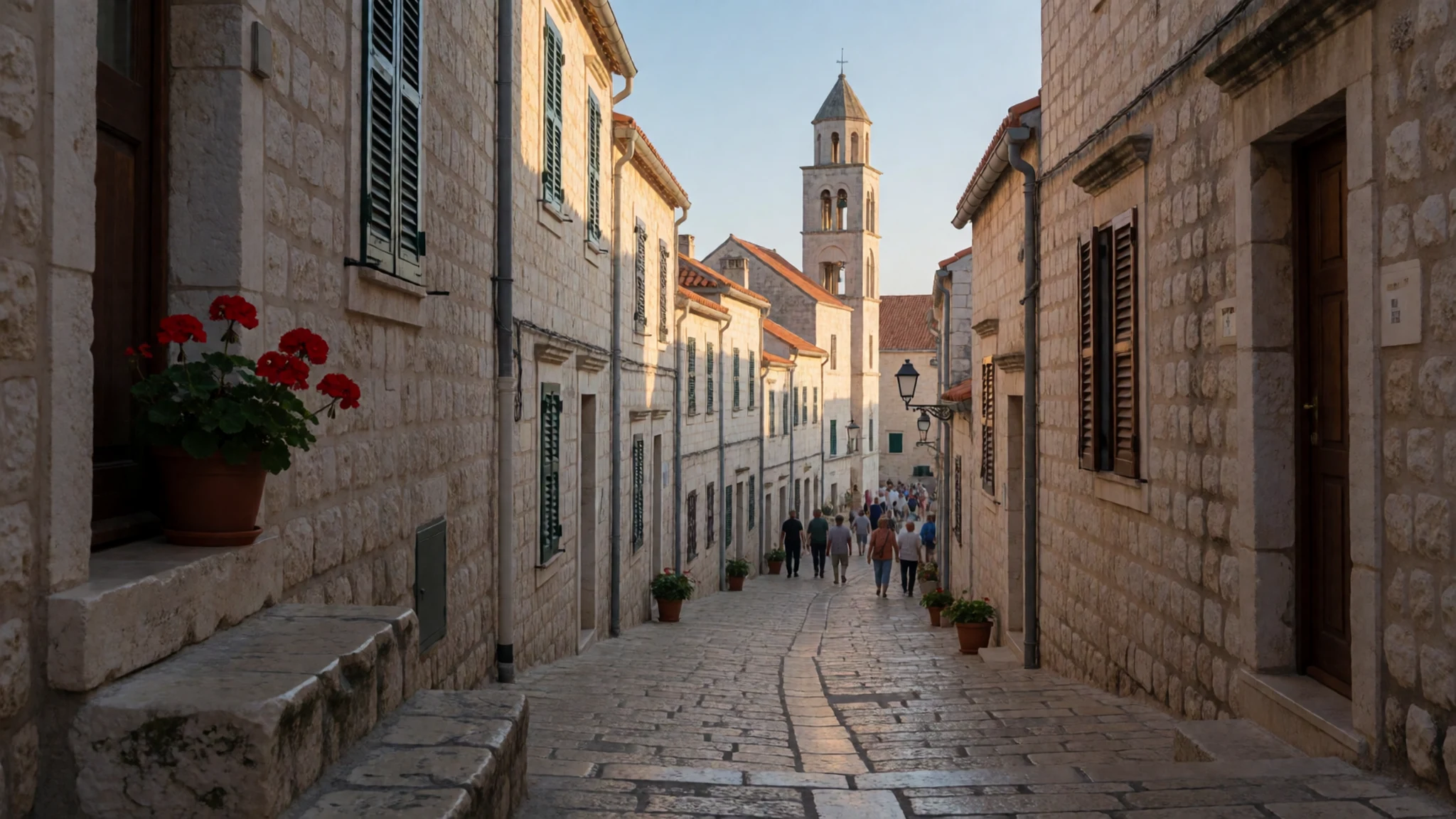
- The salt pans — Pag Bay, near Pag town
Beside Pag town, shallow pans still catch seawater and let sun and wind do the work. Flat, pale and almost silent, they explain why the town exists at all. Walk the edges at low light, bring a hat, and check locally whether a salt museum or tasting is open.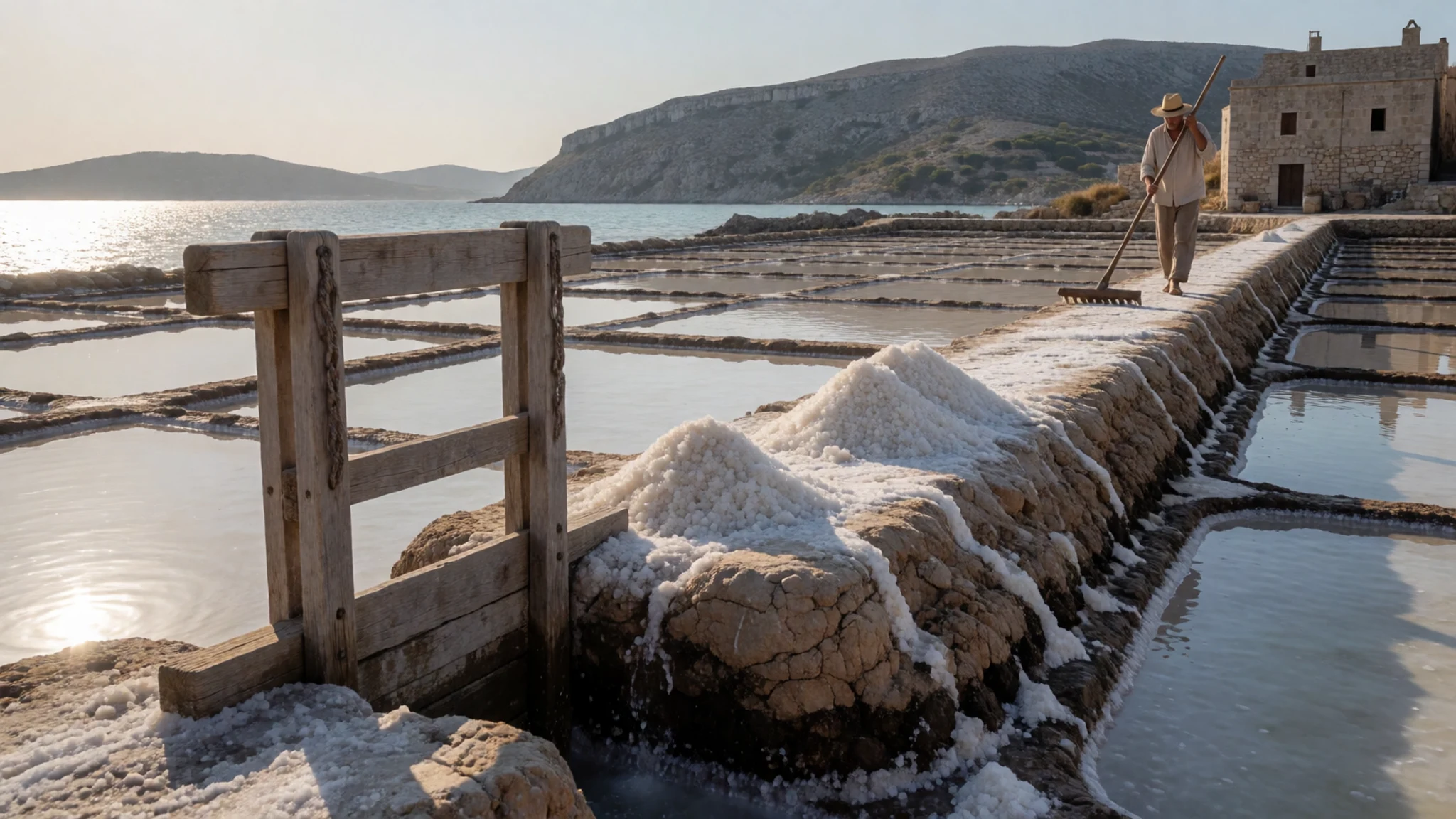
- Caska cove — Pag Bay, northern shore
Caska sits on the low, sheltered side of the island, a curve of pebbly shoreline with calm water. It is a good place to see how the dry hills meet the sea. Summer brings crowds and heat; shoulder months are quieter, though swimming gets cooler.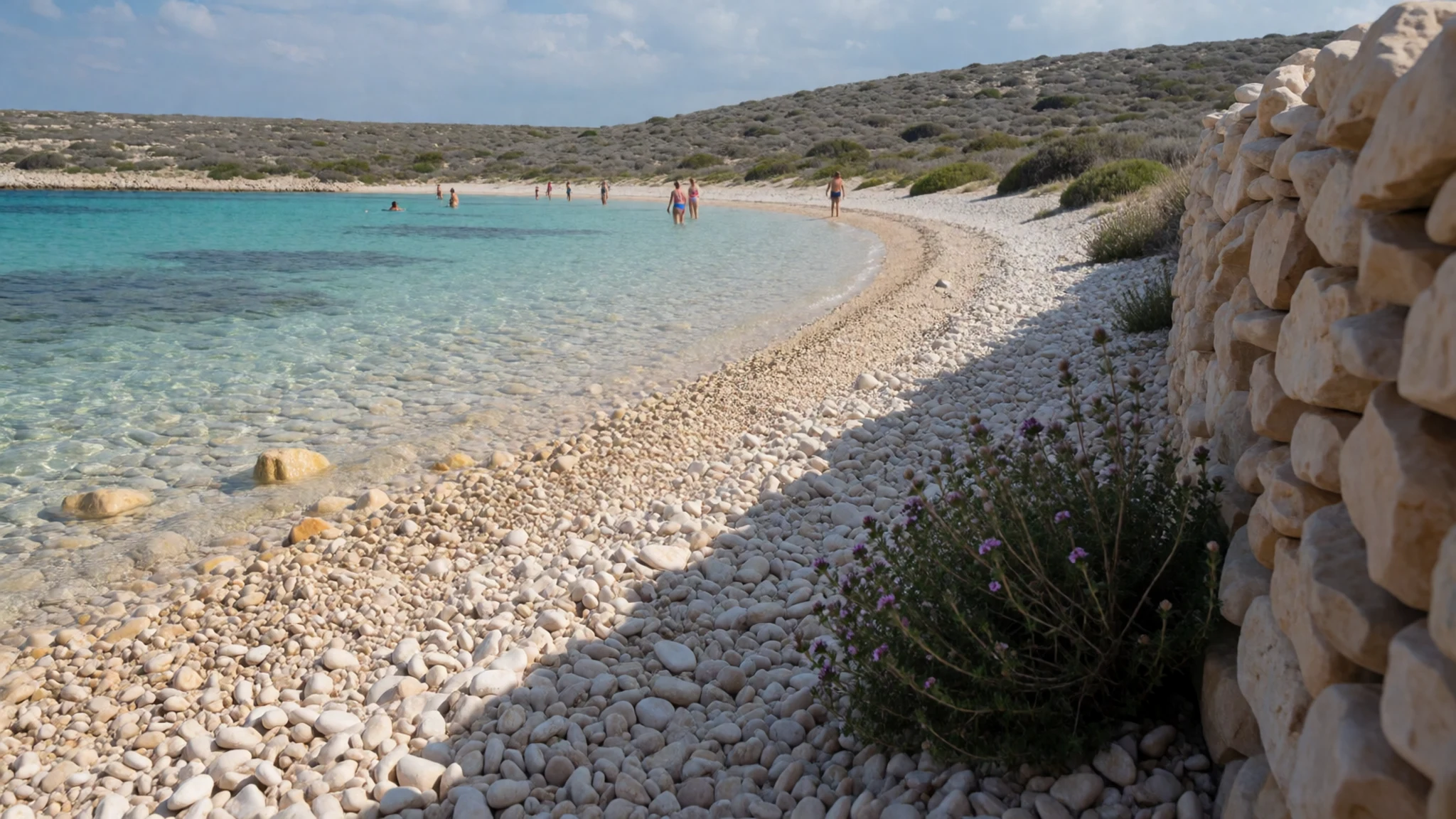
- Lun and its olive groves — Lun peninsula, north Pag
At the northern tip, the Lun peninsula looks unlike the rest of Pag. Old olive trees stand in dry-stone enclosures, some of them gnarled with age. It is a slow, windswept drive or cycle, best done in spring or autumn, when the heat is bearable and the light is soft.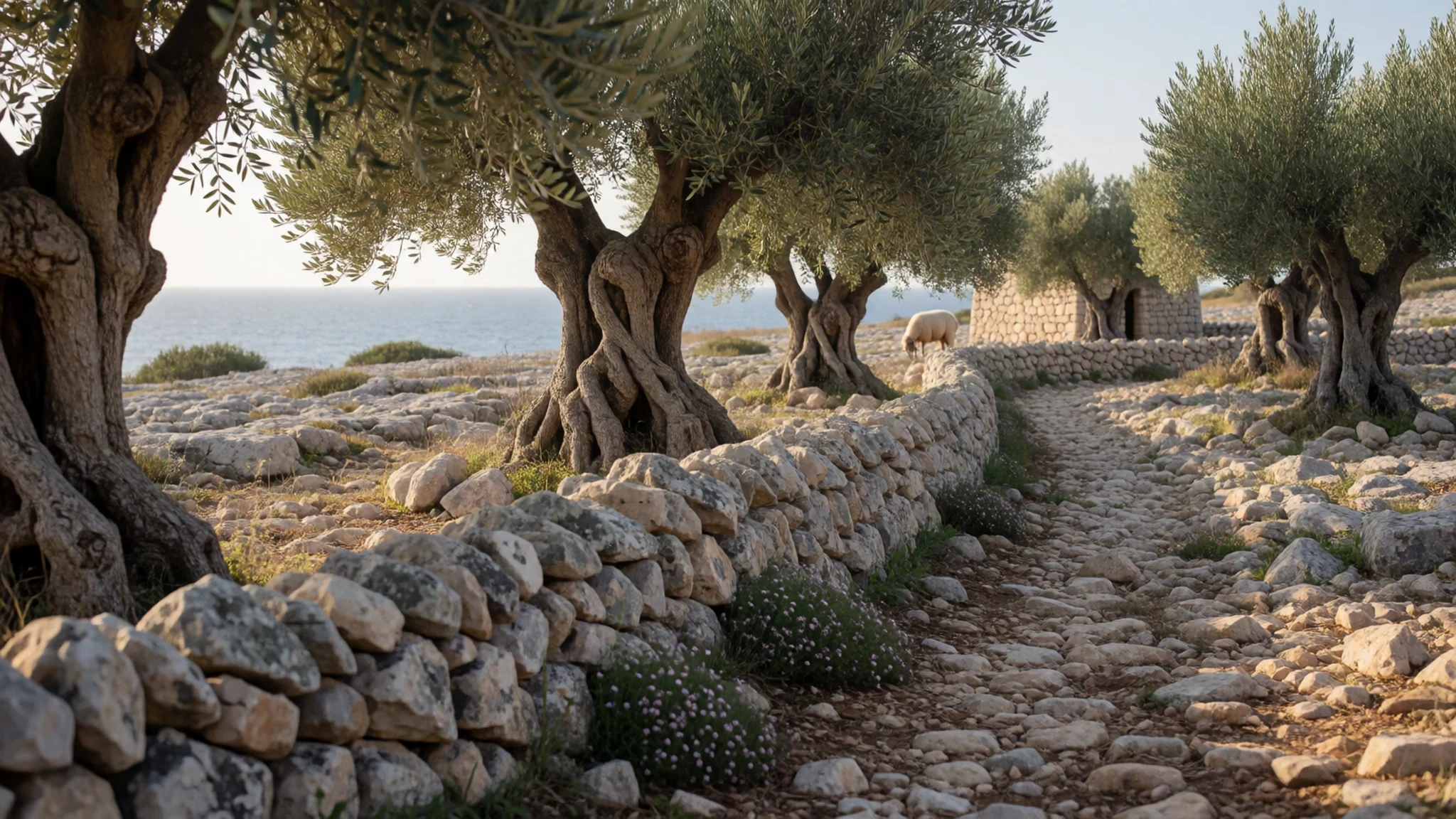
- The wind turbines above Pag — Ravna, northeast of Pag town
On the ridge northeast of Pag town stands a row of white turbines, the island's first wind farm. They show how strongly the bora and other winds shape life here, from the sparse vegetation to the taste of the cheese. The ridge also gives wide views across the bay.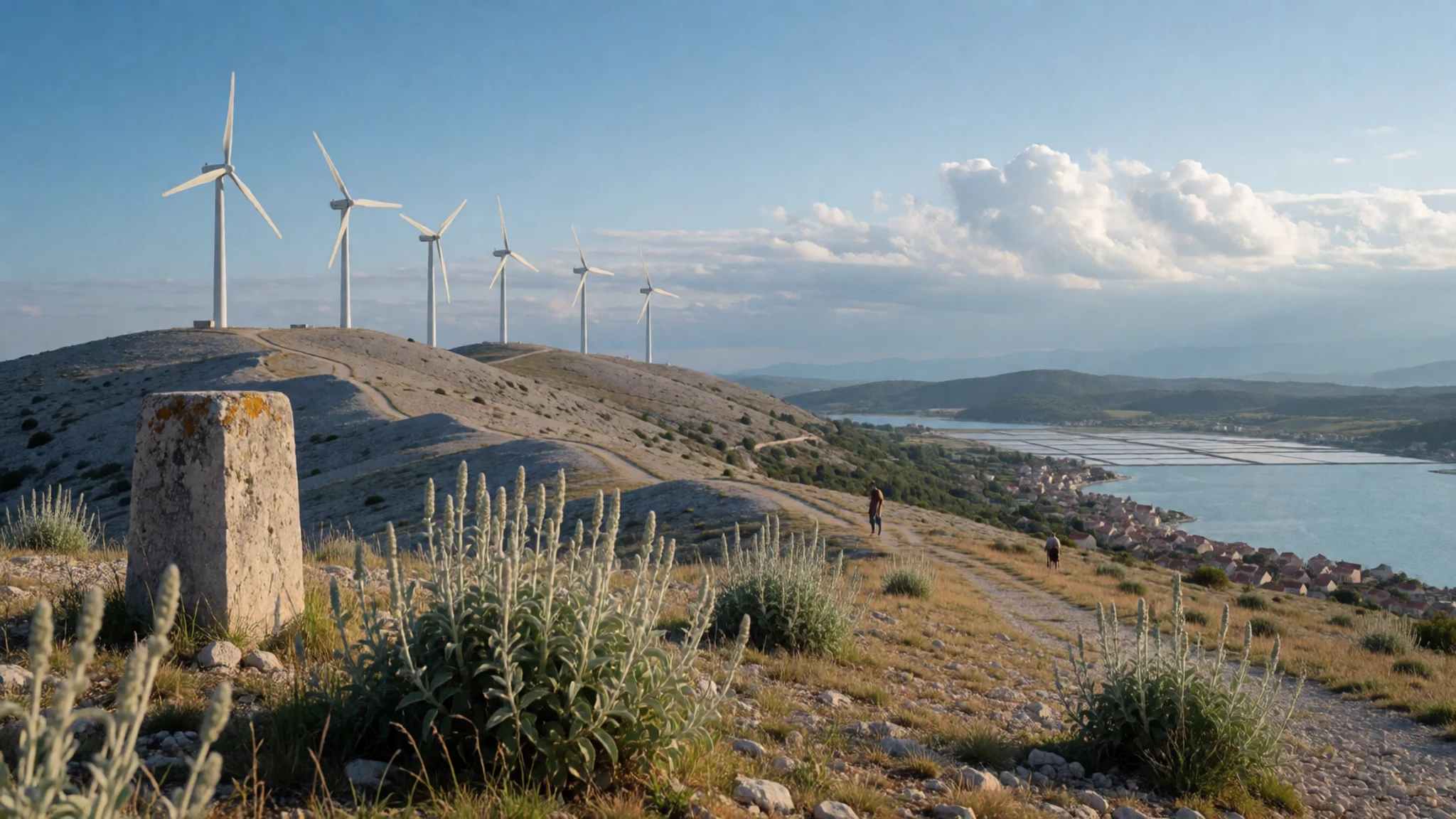
Culture
Culture on Pag is shaped by salt, sheep and wind. Families have worked the salt pans for centuries, and the local sheep graze on herbs that are coated in sea spray, which gives the milk and meat their distinctive character. That landscape produced a quiet, practical island culture of stone houses, dry-stone walls, small chapels and needle lace. Pag lace, made by hand in fine white thread, is still taught and sold, and it is the craft most closely tied to the island's name. Community life follows the seasons. Winter is slow, with fishing, olive harvests and cheese-making, and summer fills the island with visitors and music, especially around Novalja. Catholicism is the dominant faith, and village churches and feast days still anchor the calendar. The island also carries heavy memories from the Second World War, and memorials at places such as Slana and Metajna are treated with seriousness by locals. Dalmatian hospitality is warm but unhurried: coffee lasts an hour, and meals are social. Croatian is spoken everywhere, with plenty of English, German and Italian in tourist areas. A few words in Croatian, such as dobar dan for good day and hvala for thank you, are noticed and appreciated. When visiting a memorial site or a village church, keep your voice low, dress modestly and do not take photographs during services.
What to wear
The traditional dress of Pag is among the best-known of the Adriatic islands, mostly because of its lace. Women's festive costume combined a white linen blouse, a dark wool skirt and a bodice, finished with fine needle lace on the collar, cuffs and headcloth. Pag lace is made by hand in white linen or cotton thread and is worn or displayed at weddings, feast days and folk festivals rather than daily. Men's dress was simpler: wool trousers, a waistcoat, a linen shirt and a cap. Wool from the island's sheep gave warmth against the cold bora wind. Day to day, people on Pag dress like most people in coastal Croatia: shorts, linen shirts and sandals in summer, and fleeces, windproof jackets and sturdy shoes in winter. Novalja leans towards beachwear and nightlife clothes in the season, while Pag town and the villages are more modest. Visitors should pack for sun and wind: light cotton layers, a hat, sunglasses and a windproof jacket for evenings and shoulder months. The ground is rough limestone, so wear closed shoes for walking, and bring water shoes for pebbly or rocky beaches. Cover shoulders and knees for churches, and carry a shirt for leaving the beach for town. Pag lace makes a lasting gift, but buy it from a recognised maker or a local shop, since machine-made copies exist.
What to eat
- Paški sir (Pag cheese) — Cheese makers in Kolan and Pag town, and market stalls
A hard sheep's milk cheese with a firm, crumbly texture and a savoury, slightly sharp flavour, shaped by the herbs and salty air the sheep graze on. Served in slices with olives or honey, it is the dish most visitors remember.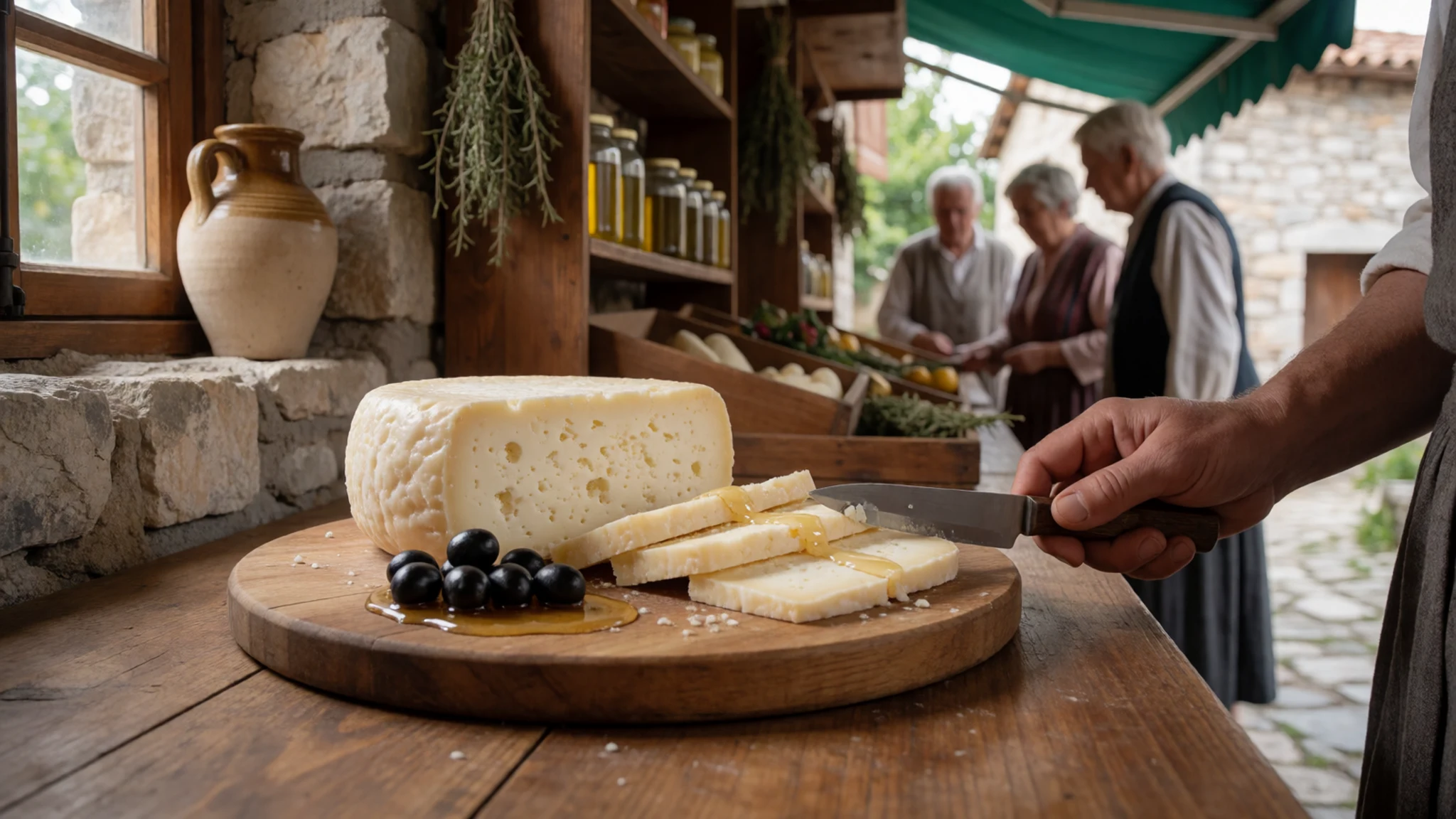
- Paška janjetina (Pag lamb) — Family-run konobas (taverns) in the villages and in Pag town
Lamb from island-raised sheep, roasted slowly on a spit or under a metal bell with potatoes. The meat is tender and has a mild herbal taste. Order early in busy periods, as roasting takes hours.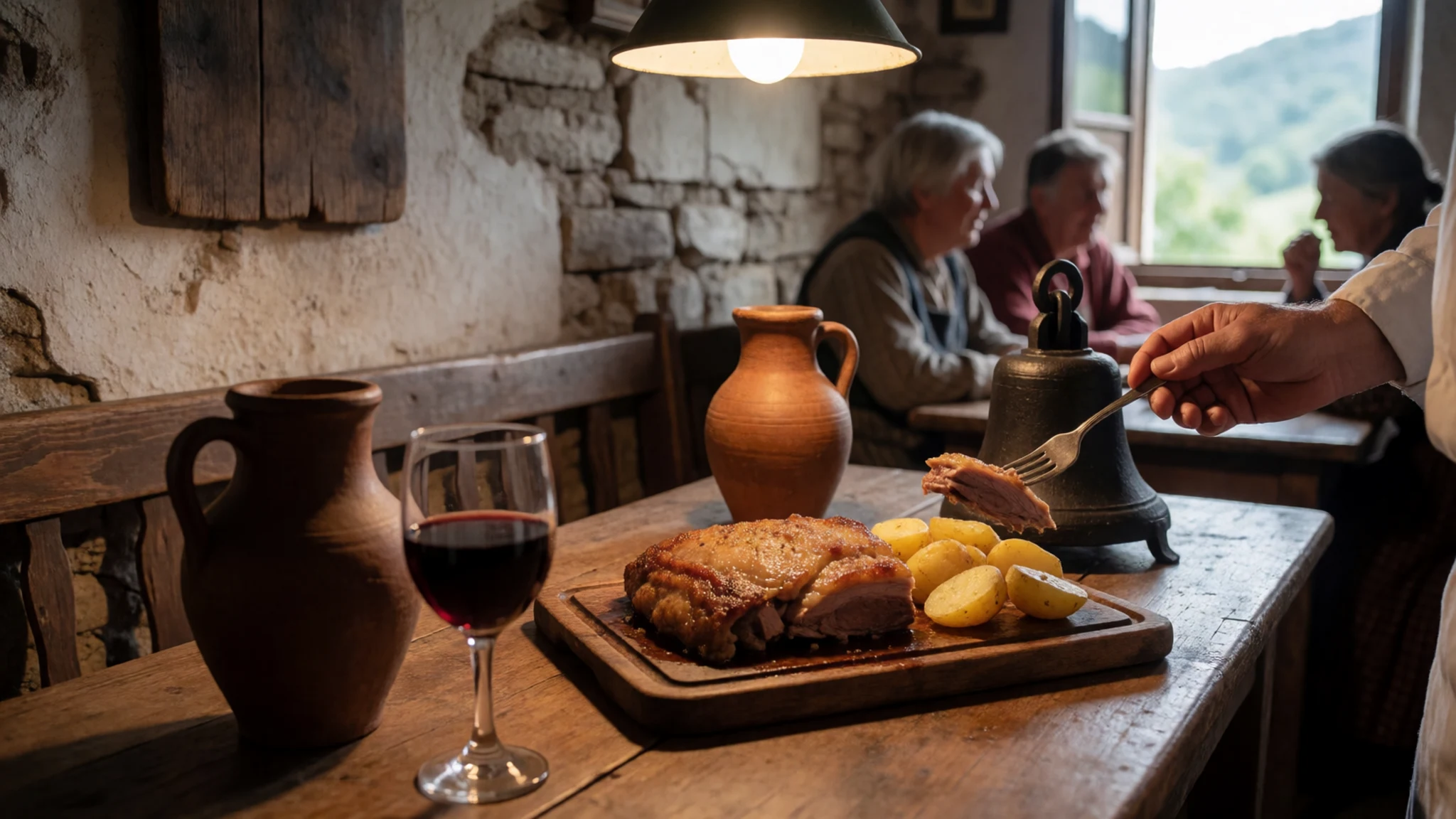
- Grilled fish and shellfish — Harbour-side eateries in Pag, Novalja and Lun
The channel and bay supply fish such as sea bream, sea bass and squid, usually grilled with olive oil, garlic and parsley. Choose what is on display that day rather than a fixed menu, and ask how it is sold.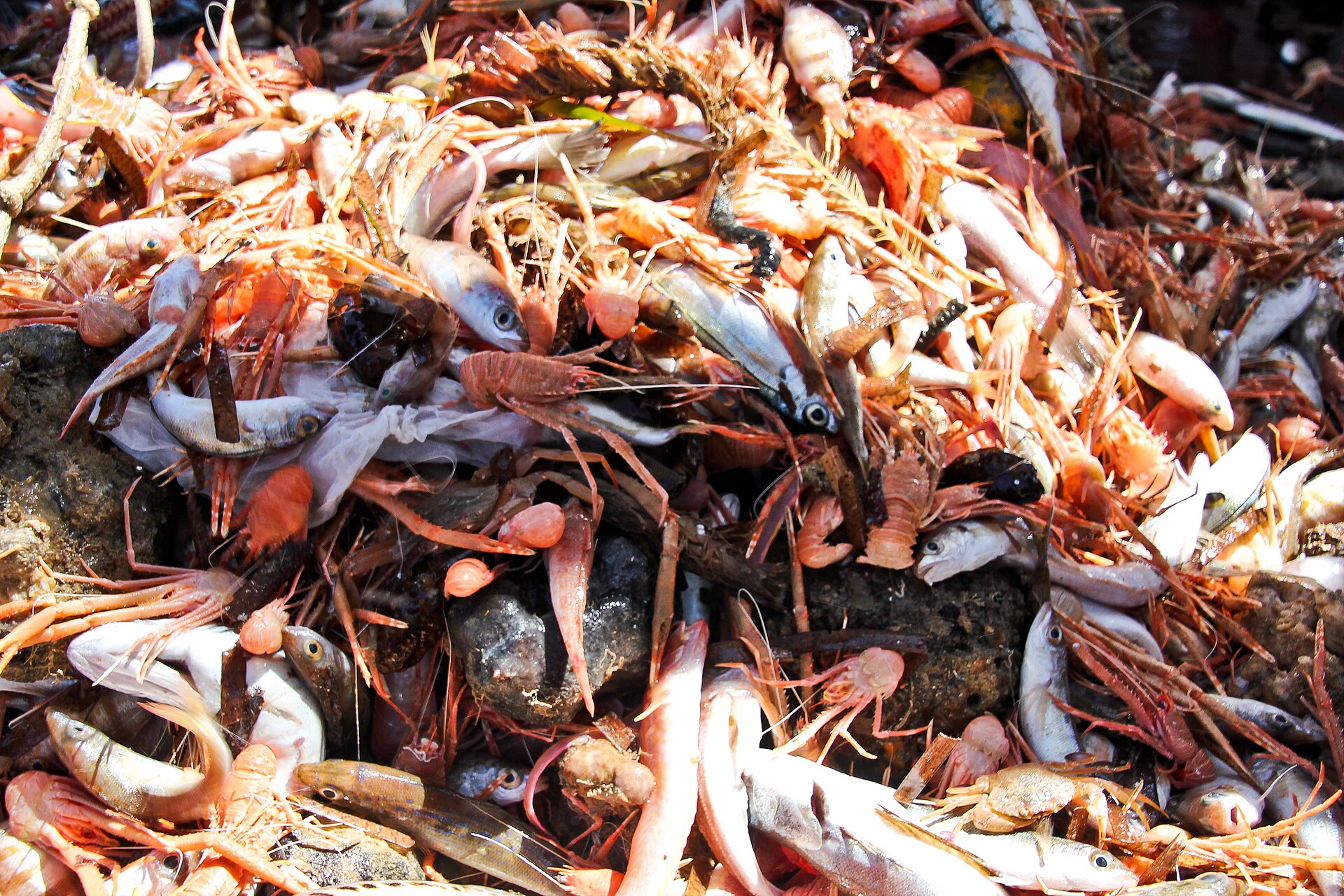
- Pag olive oil — Family producers around Lun, and village shops
Cold-pressed oil from the olive groves of the Lun peninsula, often grassy and peppery. Try it with bread before a meal, or buy a small bottle to carry home. It travels well and keeps for months. - Pag salt — Shops in Pag town, and the salt works area
The island's sea salt, harvested from shallow pans, is sold in simple bags and in blends with herbs. It is a practical souvenir and an honest taste of the place, easy to pack and light to carry.
Plan it
Best time. May–June and September for warm sea, long days and fewer crowds; July and August are hot, busy and expensive, especially around Novalja; winter is cool, windy and very quiet, and many businesses close.
How long. 2–3
Getting there. Zadar airport is the nearest on the mainland, and Zagreb is a longer alternative; then travel by road from Zadar over the Pag Bridge to the south of the island. From the northern mainland, the Prizna–Žigljen ferry reaches the north. Pedestrians and cyclists can also use the small boat service from Rab. Check ferry operators' sites for current timetables.
Budget. mid
Tips
- A car is the easiest way to see the whole island, because public transport is thin outside summer
- Book accommodation early for July and August, especially near Novalja
- Carry water, sun protection and a windproof layer, as shade is scarce and the wind can be strong
- Bring some cash for small stalls, family producers and village shops, though cards work in most larger places
- Check the ferry operator's site before travelling, since services vary by season and weather
Etiquette
- Dress modestly when entering churches and memorial sites
- Ask before photographing people, and be respectful at memorials
- Take rubbish with you from beaches and do not pick plants or move stones
Nearby
Sources
- Wikidata Q209784 (CC0)
- Wikipedia, Pag (island) (CC BY-SA 4.0)
- Wikivoyage, Pag (CC BY-SA 4.0)
- Photo: Blick vom Velebit-Massiv auf die Insel Pag (Rootmaker) (CC BY 3.0)
- Photo: Island Pag (pepanos) (CC BY 3.0)
- Photo: pláž Caska (jardaize) (CC BY 3.0)
- Photo: Wind farm in Pag, Croatia (Timur V. Voronkov) (CC BY 3.0)
- Photo: Pag sheep (Silverije) (CC BY-SA 4.0)
- Photo: Actinia mediterranea, island of Pag (the paleobear) (CC BY 2.5)
- Photo: Admiralty Chart No 202 (UK Hydrographic Office) (Public domain)
- Photo: Catch of the day, island of Pag (Patty Ho) (CC BY 2.5)


