Oxford
Oxford, United Kingdom
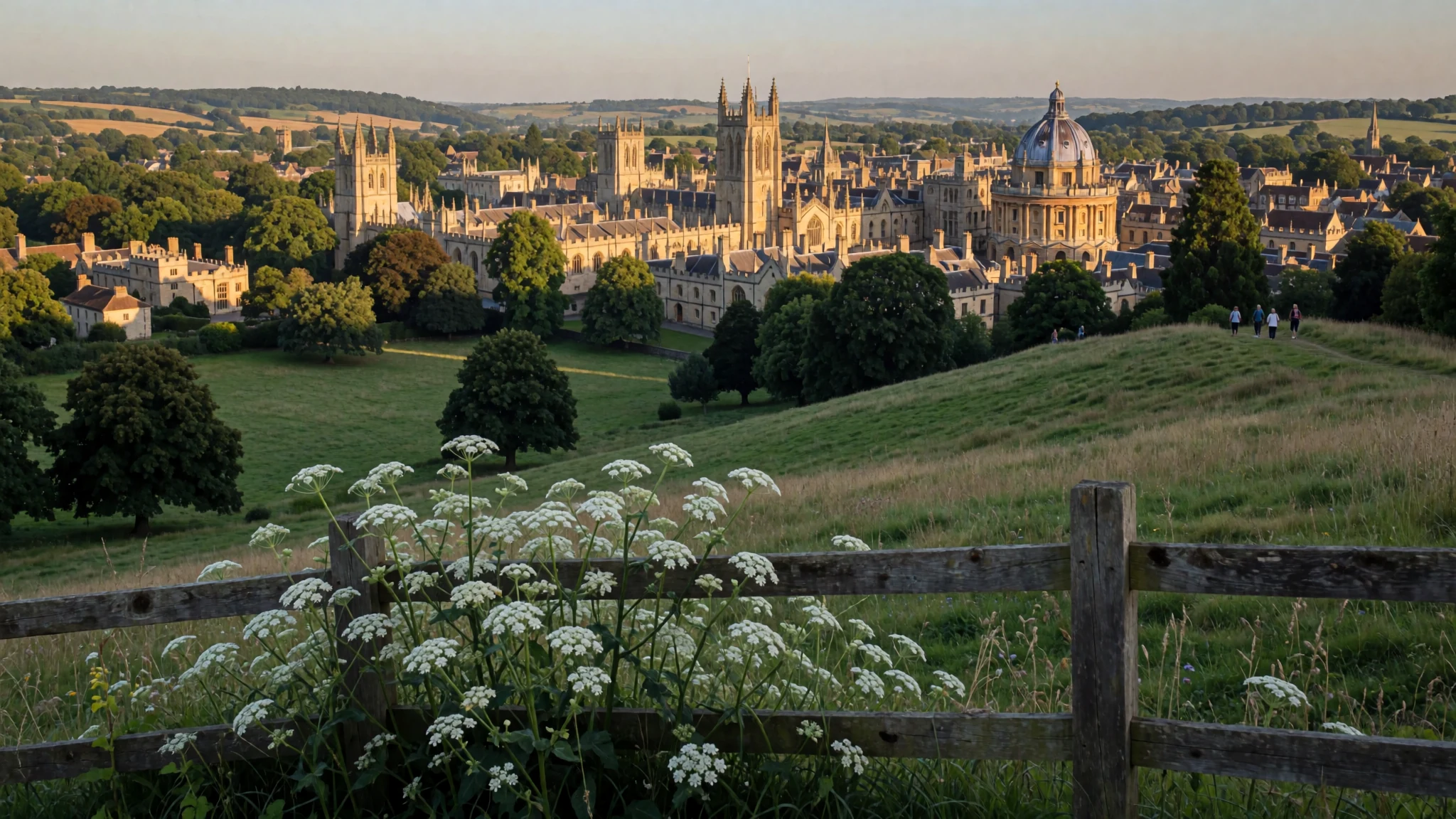
A cathedral city of college quads, Gothic towers and covered markets, best explored slowly on foot.
The place
Oxford is a cathedral city and the county town of Oxfordshire, with roughly 148,000 residents. It is small enough to cross on foot in an afternoon, yet the centre fills with visitors for much of the year, so the quieter streets are worth seeking out early or late. The city sits where the Thames, known locally as the Isis, meets the River Cherwell, and water shapes much of its character, from riverside meadows to college gardens that run down to the banks.
Most people come for the University of Oxford, which is spread across the centre rather than gathered on one campus. Its colleges are walled communities of courtyards, chapels and gardens, and many are not open for casual wandering. During term, students cycle between lectures in steady streams, so bells and bicycles often sound louder than the tour groups.
The architecture covers almost every English style since the Anglo-Saxon period, so one street can move from medieval stone to classical facades to modern laboratories. Industry is more varied than the postcards suggest. Motor manufacturing, publishing, science and information technology all have a presence here, and that mix keeps the city lively outside the university calendar.
The centre is hard to drive into. Narrow streets carry heavy parking restrictions and a confusing one-way system, so the easiest way in is by train or from a park and ride site on the edge of town. The Covered Market and the streets around Broad Street are busiest from late morning onwards.
Its story
Oxford's story starts in the Anglo-Saxon period, and its name records why the place mattered: it comes from Old English words meaning the ford where oxen could cross. The shallow crossing where the Thames meets the Cherwell gave the settlement strategic value, since whoever held the river here could control movement along the upper Thames.
After the Norman Conquest, the lord Robert D'Oyly built a castle to secure the area, and the town gained national importance through the early Norman years. The settlement grew steadily from there, and its position on the river kept it at the centre of regional affairs.
Learning arrived alongside this growth. Teaching took root in the decades after the Conquest, and a fledgling university formed in the town. Relations between scholars and townspeople were rarely easy. After a townsperson hanged two scholars accused of murder, a number of academics left Oxford and founded what became the University of Cambridge, so the rivalry between the two places has deep roots.
Violence between town and gown recurred. The St Scholastica Day Riot was a feud that dragged on for days and left many students and townspeople dead, and it remains one of the darker episodes in the city's history. Oxford also endured a siege during the civil conflict known as the Anarchy, when rival forces contested the city.
What to see
- Bodleian Library — Broad Street and the city centre
The Bodleian is the university's principal research library, which means it serves scholars rather than casual browsers. Access depends on registration and the rules set out on the official site. Its historic buildings are worth seeing from the surrounding streets, and the nearby Sheldonian makes a natural pairing on the same walk. Check arrangements before planning a visit.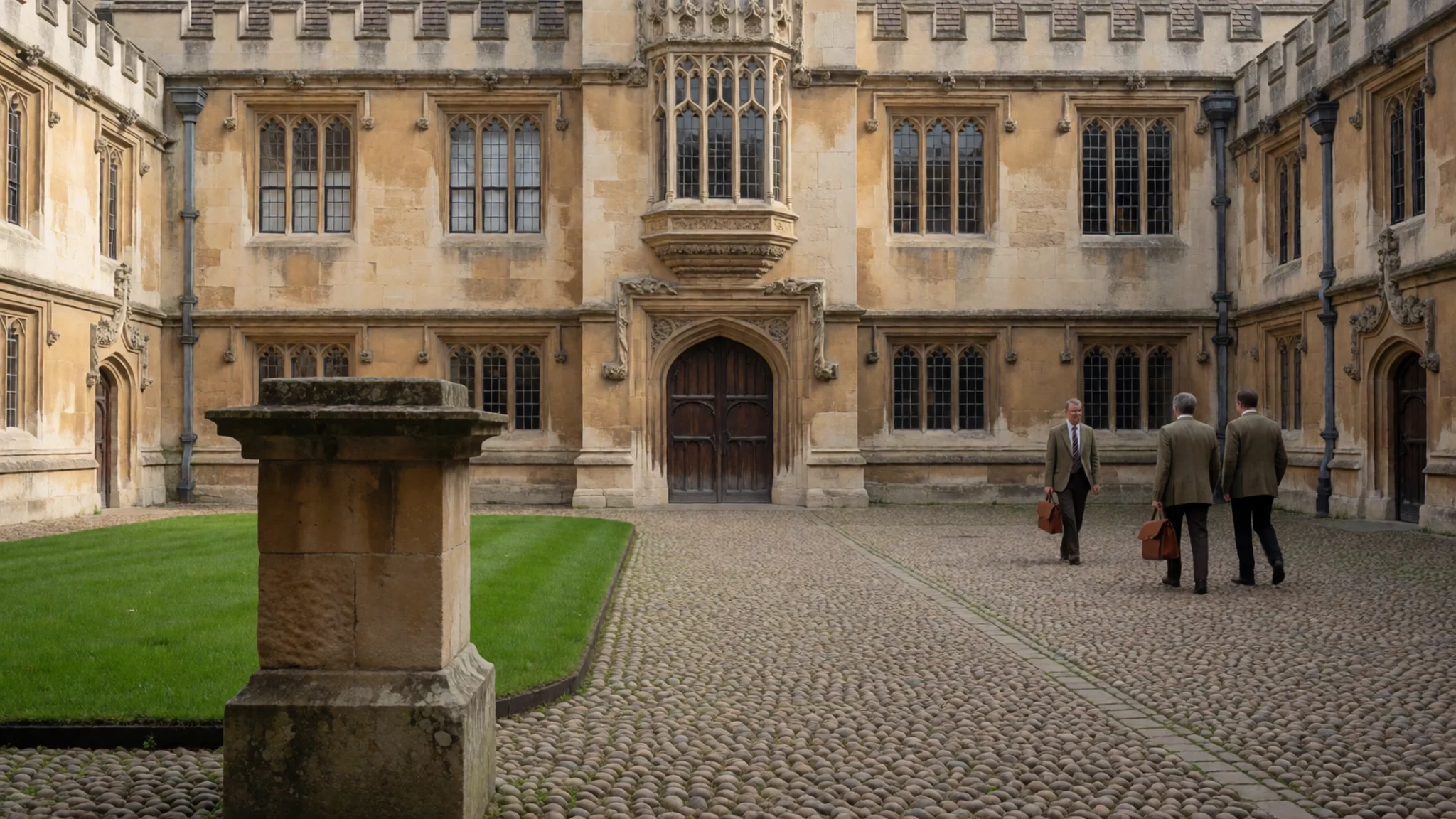
- Radcliffe Camera — Radcliffe Square
The Radcliffe Camera is a domed rotunda of the eighteenth century, built as a library and reading room for students. It is generally not open to casual visitors, but its grand exterior is well worth seeing from the square. Pause in Radcliffe Square and look up at the proportions, then walk round to the other sides of the building.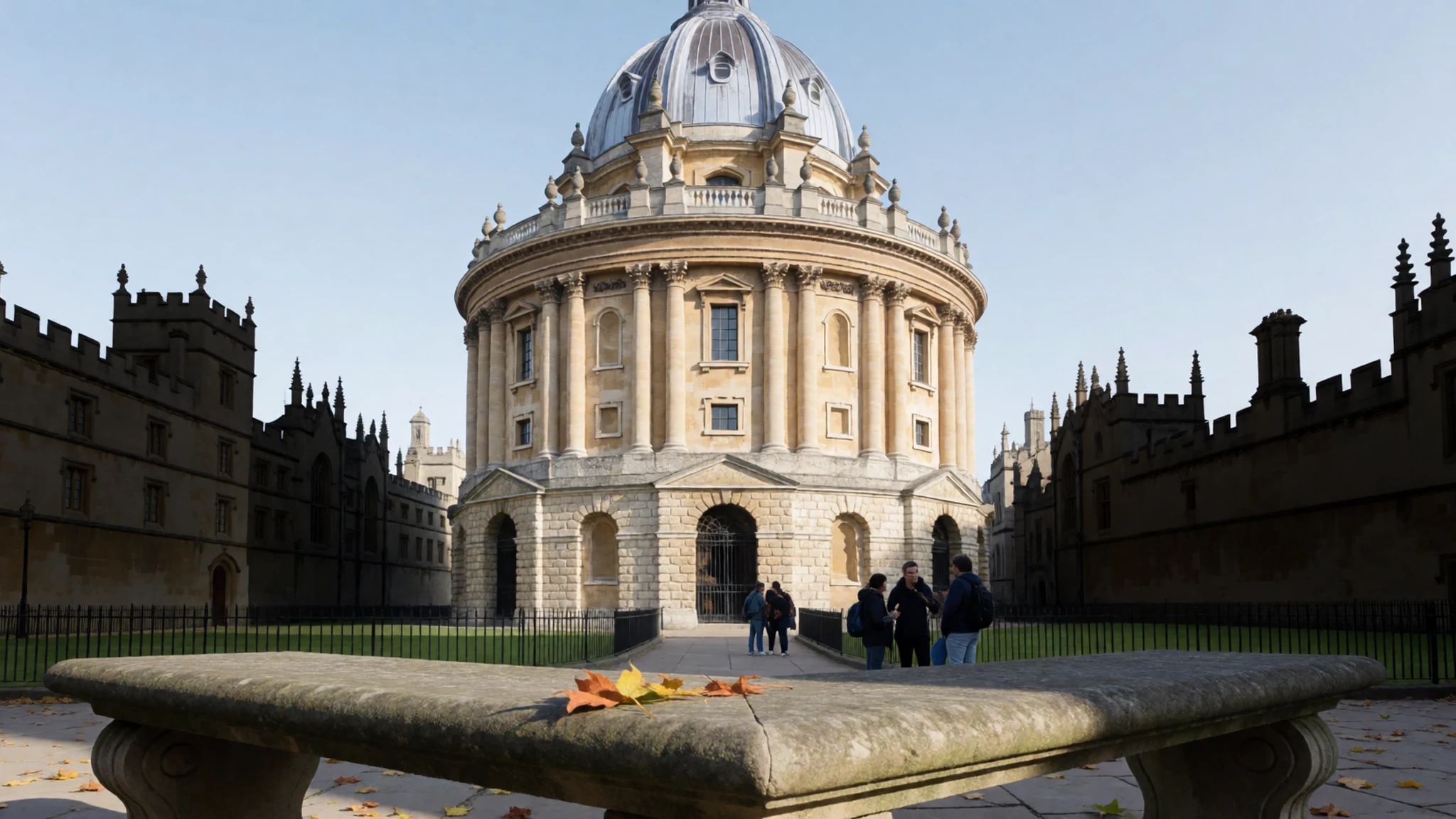
- Sheldonian Theatre — Broad Street
The Sheldonian was Christopher Wren's first major architectural commission, and he took it on while he was a professor of astronomy at the university. Its north façade on Broad Street catches the evening light well. The theatre hosts university ceremonies, so check the official site for access before arriving.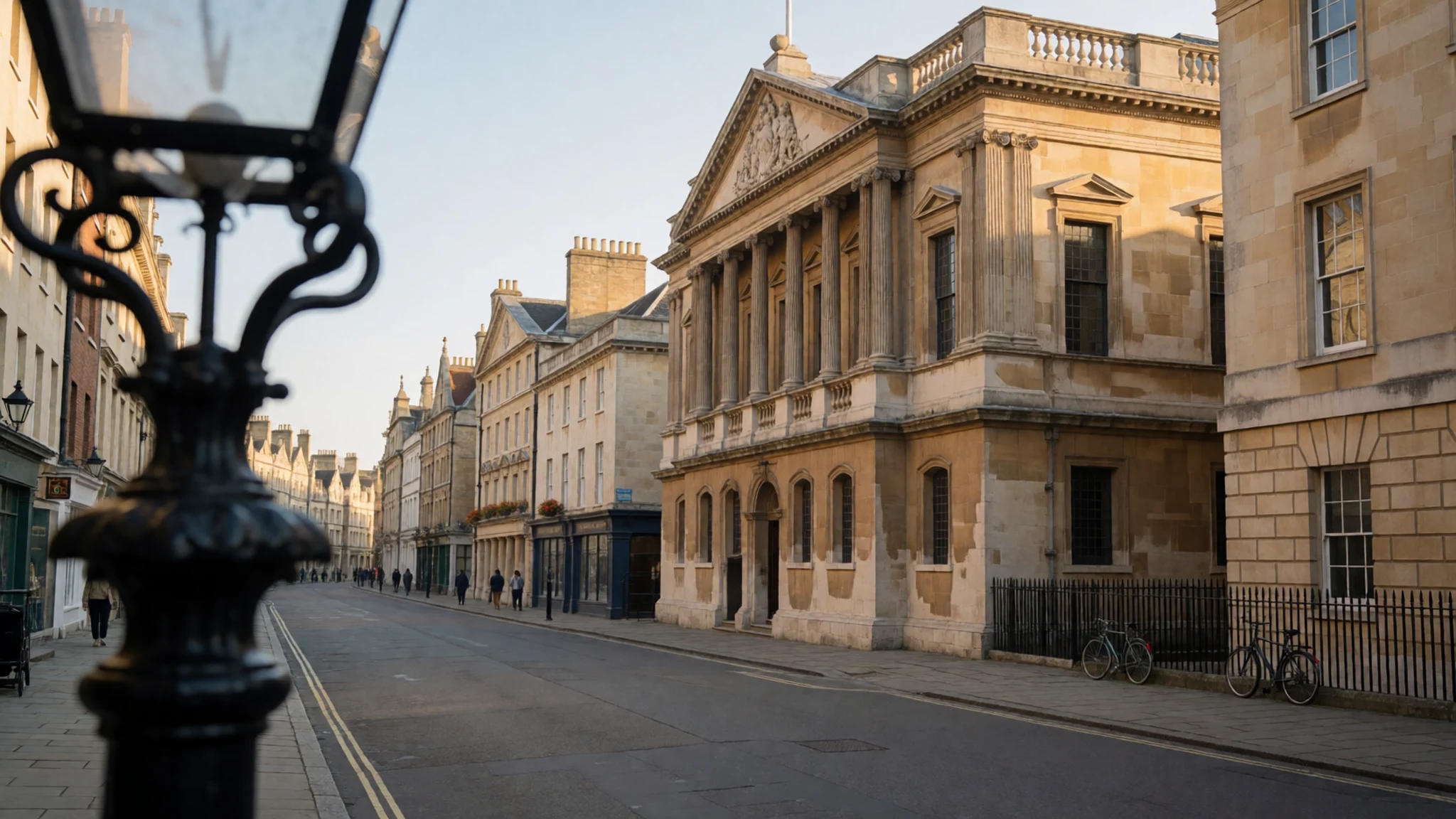
- Hertford Bridge (the Bridge of Sighs) — Between the Hertford College buildings, city centre
Hertford Bridge is a pedestrian bridge built for students of Hertford College, and it has popularly become known as Oxford's Bridge of Sighs, a nod to the Venetian original. It is a short, photogenic crossing rather than a sight in its own right. Pause for a moment, then move on along the lane.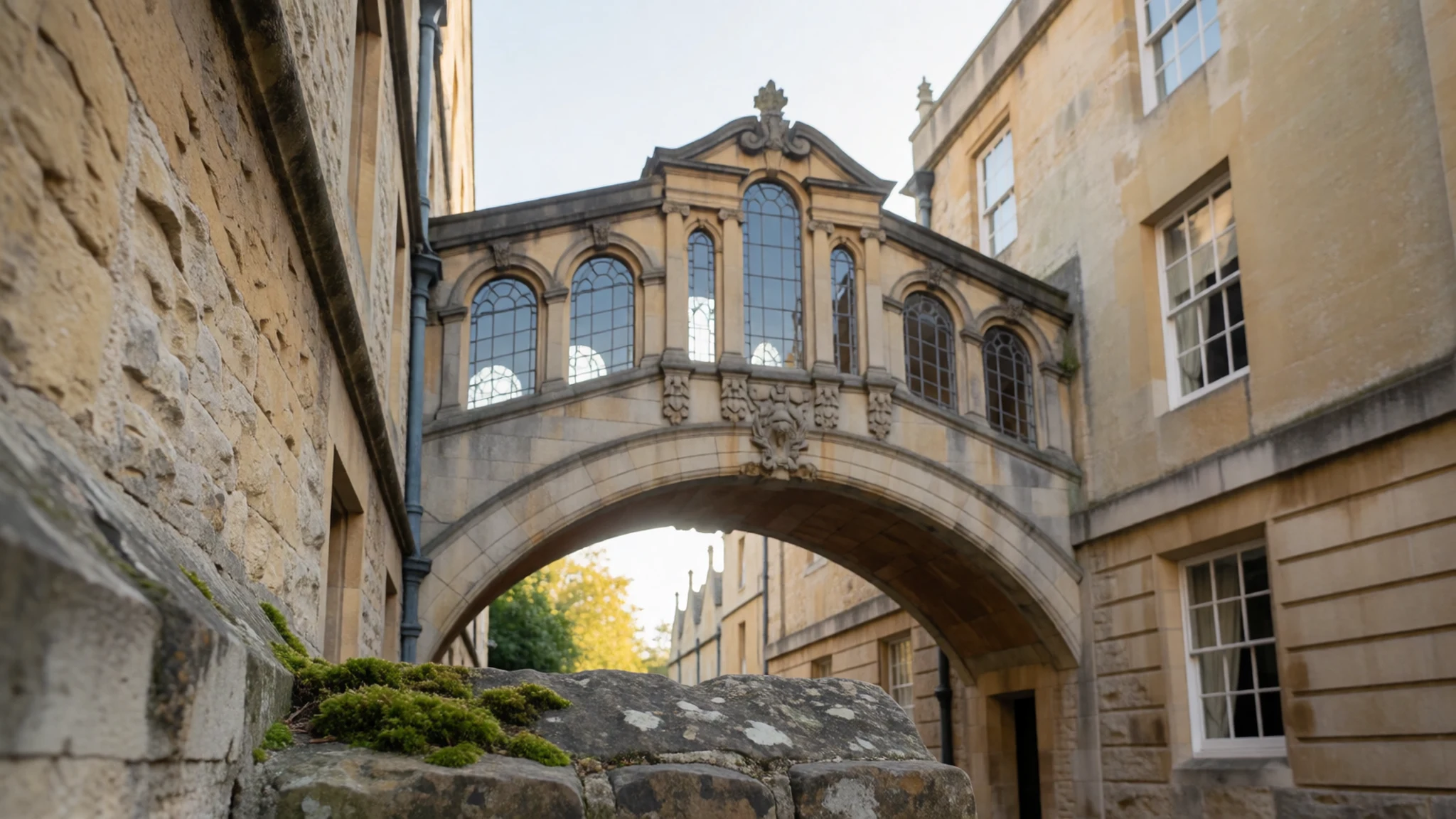
- Tolkien's House — North of the centre, a residential district
J. R. R. Tolkien lived in this house for years and wrote The Hobbit here. It is a private residence, so admire it from the road and keep noise down, as neighbours live close by. The link to the author is the draw, not a formal tour.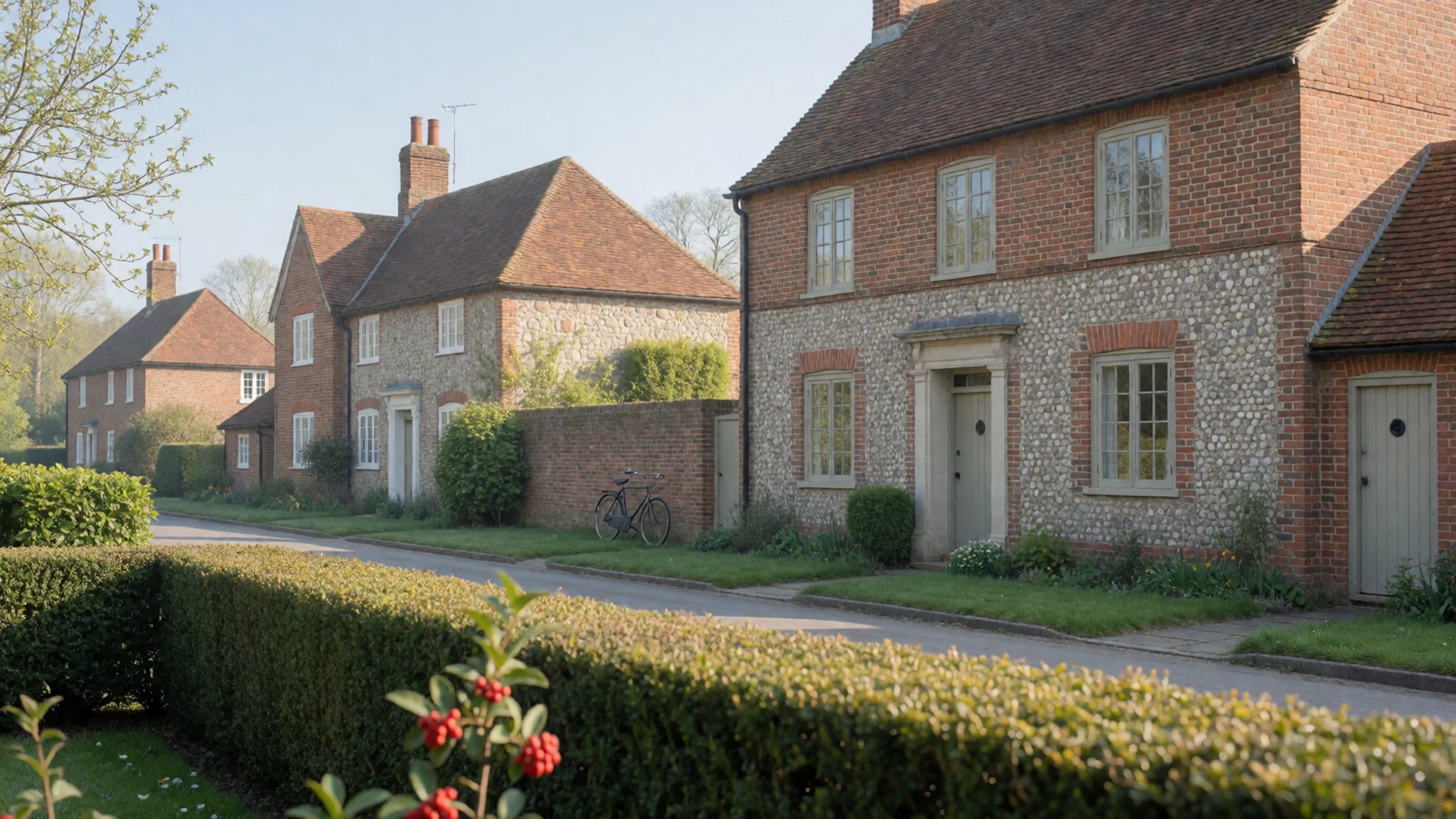
Culture
Oxford's cultural life is closely tied to the university, and most of its museums are university departments. The Ashmolean began as a display of curious objects handed to the university, and it is among the oldest museums in the UK. The museums house archaeological finds and art, featuring pieces by Leonardo da Vinci, Michelangelo, Picasso, and Turner, as well as the Alfred Jewel. Many of the city's museums and galleries charge no admission, though opening arrangements and any timed entry should be checked on the official site before a visit.
Colleges are living institutions rather than museums. Students sit examinations, dine formally and attend chapel, and many quads are private spaces used by members of each college. During term, cyclists and students stream between lectures, and the city feels calmer in the vacations. Pubs and cafés range from old panelled rooms to the bright counters of the Covered Market, and conversation in them tends to be low-key.
Respect for the academic calendar and for the people who live and study here goes a long way in Oxford. Ask before walking onto college lawns, keep your voice down in the libraries, and never climb college walls or gates.
What to wear
Oxford's traditional dress is the academic gown, worn by members of the university at examinations, formal dinners and some ceremonies. Students often wear it with a dark suit and white shirt for formal examinations, a combination known as subfusc. The gowns are made from plain black cloth and worn over the shoulders. The textiles are practical rather than decorative, chosen for everyday use rather than display.
What people wear now is far more casual. Students cycle through the streets in jeans, jumpers and waxed jackets, and shops and cafés follow the same easy style. Formal clothes come out for matriculation, college balls and formal halls, which are the main occasions when the gown returns to the streets.
Visitors should dress for changeable English weather and cobbled ground. Pack a waterproof layer and comfortable closed shoes, since cobbles, gravel paths and long walks are the norm. Churches and college chapels ask for modest clothing, so cover shoulders and avoid very short hemlines inside. Smart casual suits almost every restaurant, and no formal dress is needed to see the colleges.
What to eat
- Seasonal vegetable plate — Covered Market, Alpha Bar
Alpha Bar, inside the Covered Market, serves organic and fair-trade food, which makes it a lighter lunch option in the centre. Choose a seasonal plate of vegetables and grains and eat at the counter or a shared table while market traffic passes.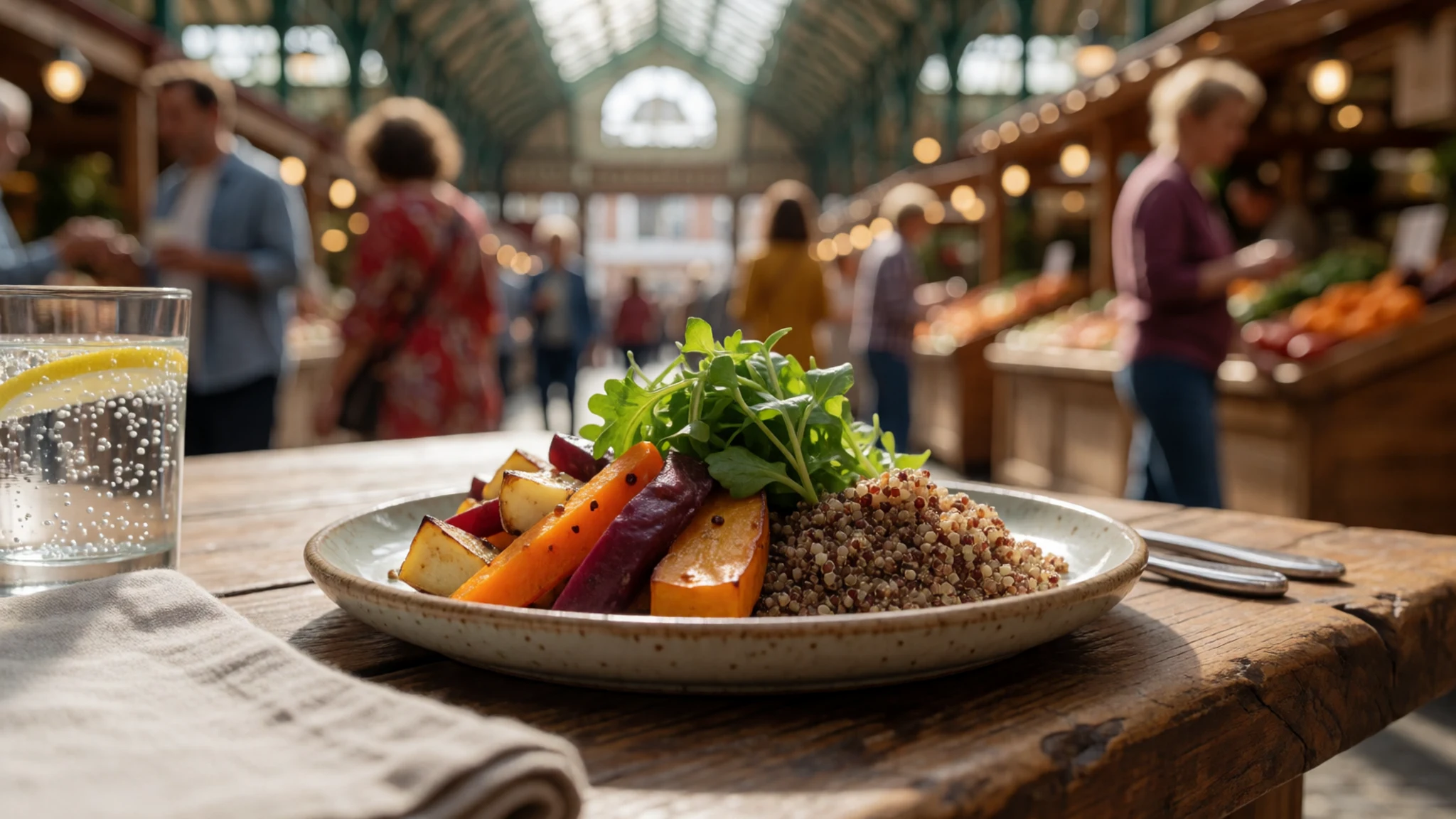
- Sandwich from a quick counter — A central counter-service shop in the city centre
The Alternative Tuck Shop is known for its sandwiches, made with good ingredients and served fast even when the queue is long. It suits a cheap, practical lunch between museum visits. Take it outside to eat on a bench nearby.
- Freshly baked cookie — A small shop on the central streets
Ben's Cookies is a small shop right in the centre, selling cookies of good quality that are a clear step up from the quick sweets sold nearby. It makes a sensible stop between colleges, and a bag of cookies travels well on a long walk. - Coffee and cake upstairs — Upper floor of the Covered Market
Brothers and Georgina's is tucked away on the upper floor of the Covered Market, a small café with a laid-back, colourful look that feels removed from the stalls below. It suits a slow coffee and cake after browsing. Seats are limited at busy times, so arrive outside the lunch rush.
Plan it
Best time. May and June suit the gardens and long evenings, but colleges are most restricted to visitors in exam season, so September, with warm days and less rain than October, is often the better choice for college visits. Winter is quieter but darker, and the colleges can be busy around the Christmas holidays.
How long. 2–3
Getting there. Trains run from London Paddington into Oxford station, and the motorway from London links the city with the Midlands, though traffic can be slow. The park and ride sites on the edge of the centre are the easiest way to drive in.
Budget. mid
Tips
- Book college visits and guided tours through the official site, since access changes and many quads are closed to the public.
- Use a park and ride site rather than driving into the centre, and avoid Thornhill on weekdays, when it is often full.
- Visit the colleges early in the morning to avoid tour groups around Broad Street and Radcliffe Square.
- Carry a waterproof and comfortable shoes for cobbled streets, and water for long days on foot.
- Check opening times for museums and the Bodleian before you go; many museums are free, but timed slots can apply.
Etiquette
- Keep voices down near college gates and inside the libraries.
- Ask before walking onto college lawns, and stay off them unless signs allow.
- Give cyclists and students room on narrow pavements.
Nearby
Sources
- Wikidata Q34217 (CC0)
- Wikipedia: Oxford (CC BY-SA 4.0)
- Wikivoyage: Oxford (CC BY-SA 4.0)
- Oxford from Boars Hill (photo) (CC BY 3.0)
- Museum of Oxford, Town Hall (photo) (CC BY 2.5)
- Bridge of Sighs with Lampost, Oxford (photo) (CC BY-SA 4.0)
- Christ Church Cathedral, Oxford (photo) (CC BY 2.5)
- Clarendon Building, Oxford (photo) (CC BY 3.0)
- Sheldonian Theatre, Oxford (photo) (CC BY 4.0)
- Radcliffe Camera, Oxford (photo) (CC BY 3.0)
- Oxford Coat of Arms (photo) (CC BY-SA 4.0)


