Ouro Preto
Ouro Preto, Brazil
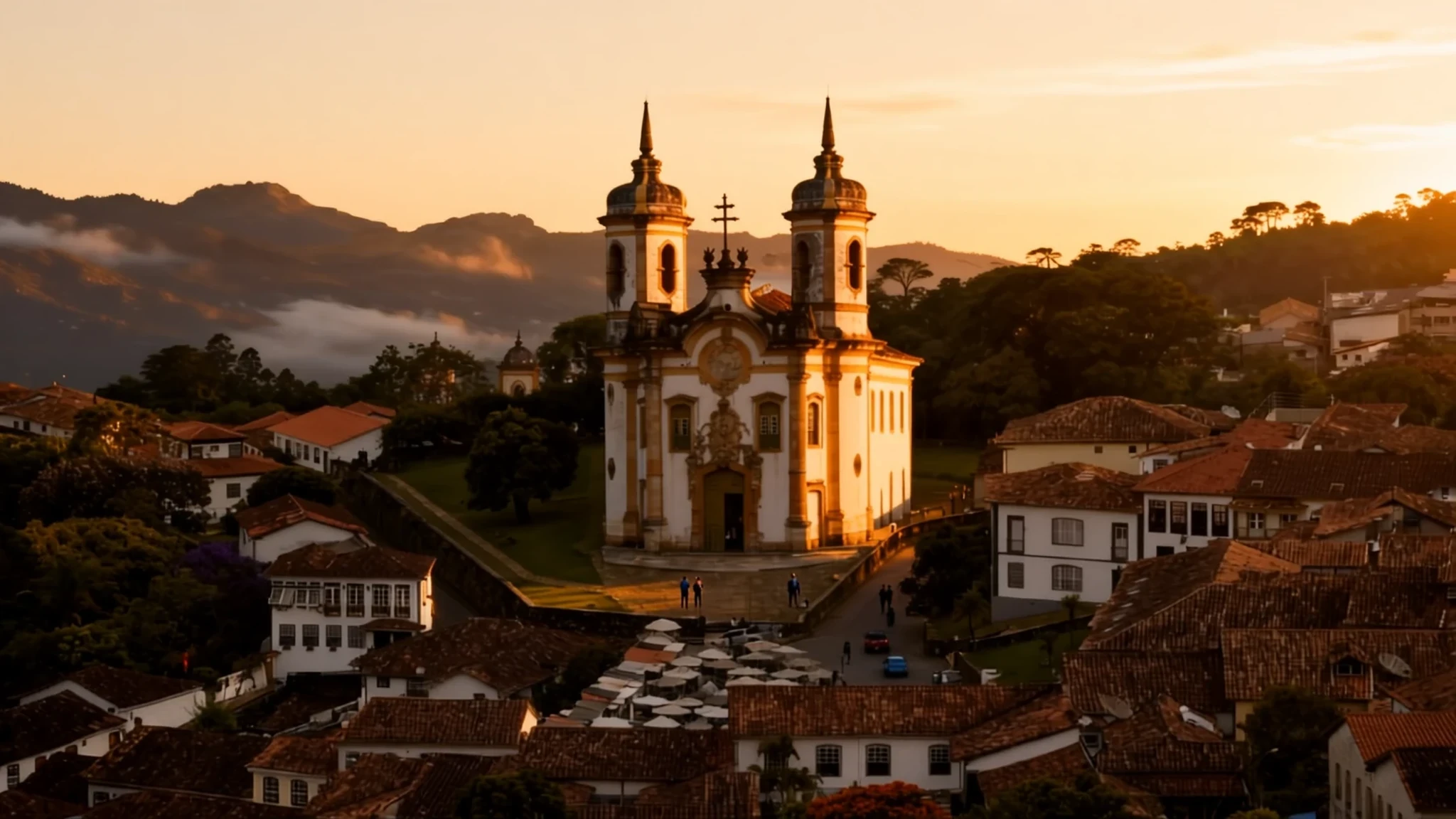
A colonial town built on eighteenth-century gold, with baroque churches climbing steep cobbled streets in the hills of Minas Gerais.
The place
Ouro Preto sits in the Serra do Espinhaço, a range of hills in the Brazilian state of Minas Gerais, and it is about 100 km from Belo Horizonte. The town grew up around gold, and that history still sets its shape. Streets rise and fall with the slopes, so the centre feels more like a set of terraces than a flat grid, and the buildings are mostly low, painted in ochre, cream and pale pink. The old core has kept its colonial character, and new building here has to respect the historic look, which is why the skyline reads as one piece. Ouro Preto was once the provincial capital, and its civic buildings and churches are the reason the UNESCO listing exists. The population is about 78,000, so the town is small enough to walk across in an afternoon, though the hills make the walk tiring in the heat. A large university shapes daily life: students fill the old houses, and in the evenings the squares and bars carry a young, talkative energy that sits comfortably beside the eighteenth-century stone. Expect a town that is quiet by day and busier after dark, with the main square as its meeting point.
Its story
Gold brought Ouro Preto into being. Prospectors working the streams of the interior in the late 1600s found the metal, and the rush that followed pulled people, merchants and officials into the valleys around what became the town. The settlement was first known as Vila Rica, meaning rich town, and later took its present name. The name refers to the dark, iron-stained nuggets that were common in the local gold, which looked black before they were cleaned. By the early 1700s the town was among the most populous in the Americas, its wealth flowing back to Portugal along official routes and, illegally, along many others. That money paid for churches decorated with gold leaf and carving, and it drew educated Europeans who left their mark on the town's libraries and houses. The sculptor Aleijadinho, who worked in the later decades of the century, produced the carved stonework and figures that many visitors now come to see. The gold boom faded as the mines were worked out, and the capital moved to Belo Horizonte in 1897. The town was left with its architecture largely intact, a record of a single intense period of wealth. In 1789 a group of local figures plotted a revolt against Portuguese rule, inspired partly by the American Revolution. It failed, and its leaders were punished, but it is now remembered as an early step toward independence. The town's museums hold much of that story.
What to see
- Praça Tiradentes — Historic centre
The main square is the natural place to begin, and most visits start or end here. Two important buildings face each other across it: the School of Mines on the north side, which houses a museum of mineralogy, and the Museu da Inconfidência on the south side. Benches and cafés make it a good spot to watch the town go by.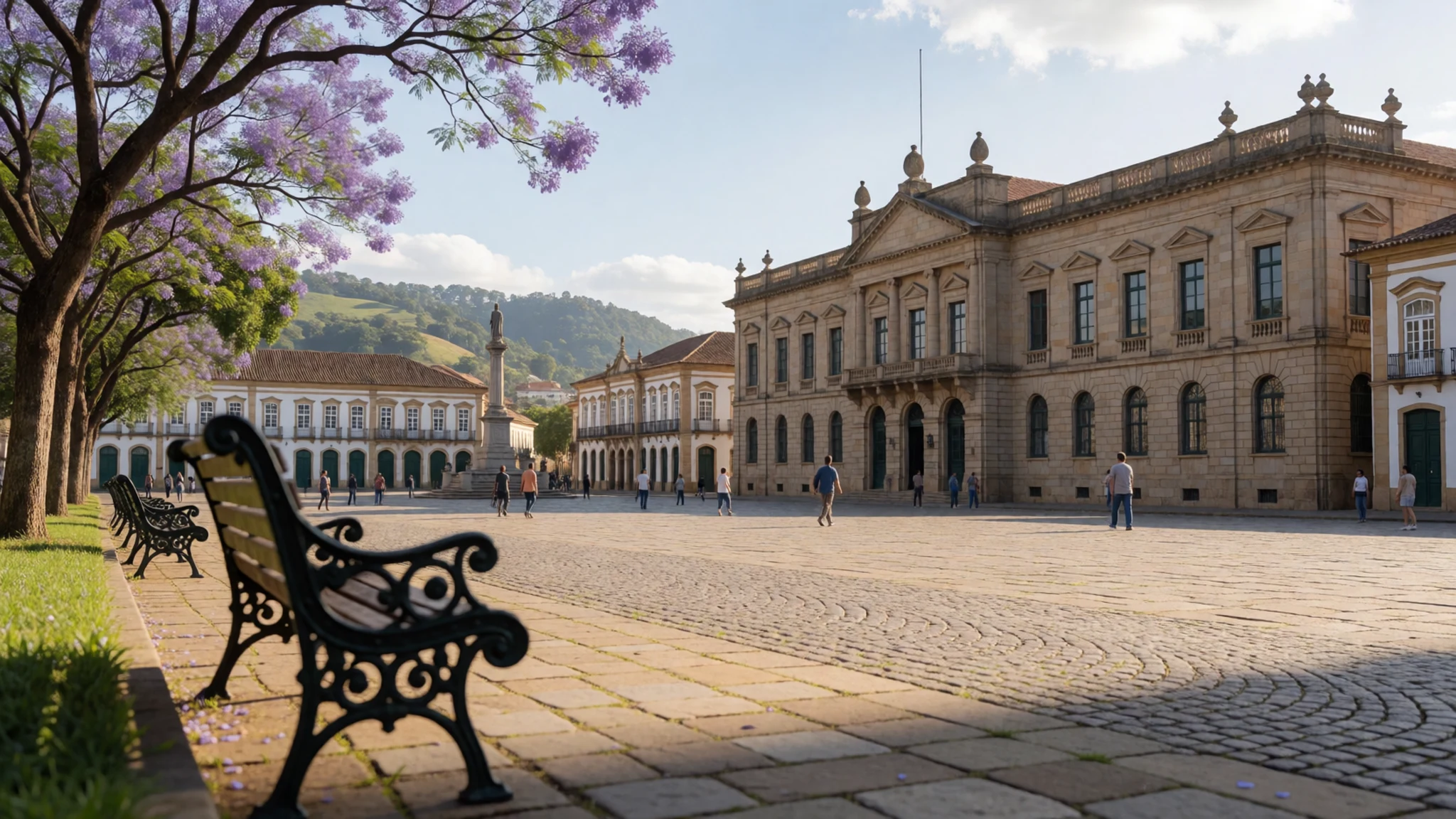
- Museu da Inconfidência — Praça Tiradentes
Housed on the south side of the main square, this museum is dedicated to the 1789 revolt against Portuguese rule. The displays cover the plotters, the trial and the wider context of colonial control. Allow a couple of hours if you read the labels, and go in the morning when the galleries are quieter.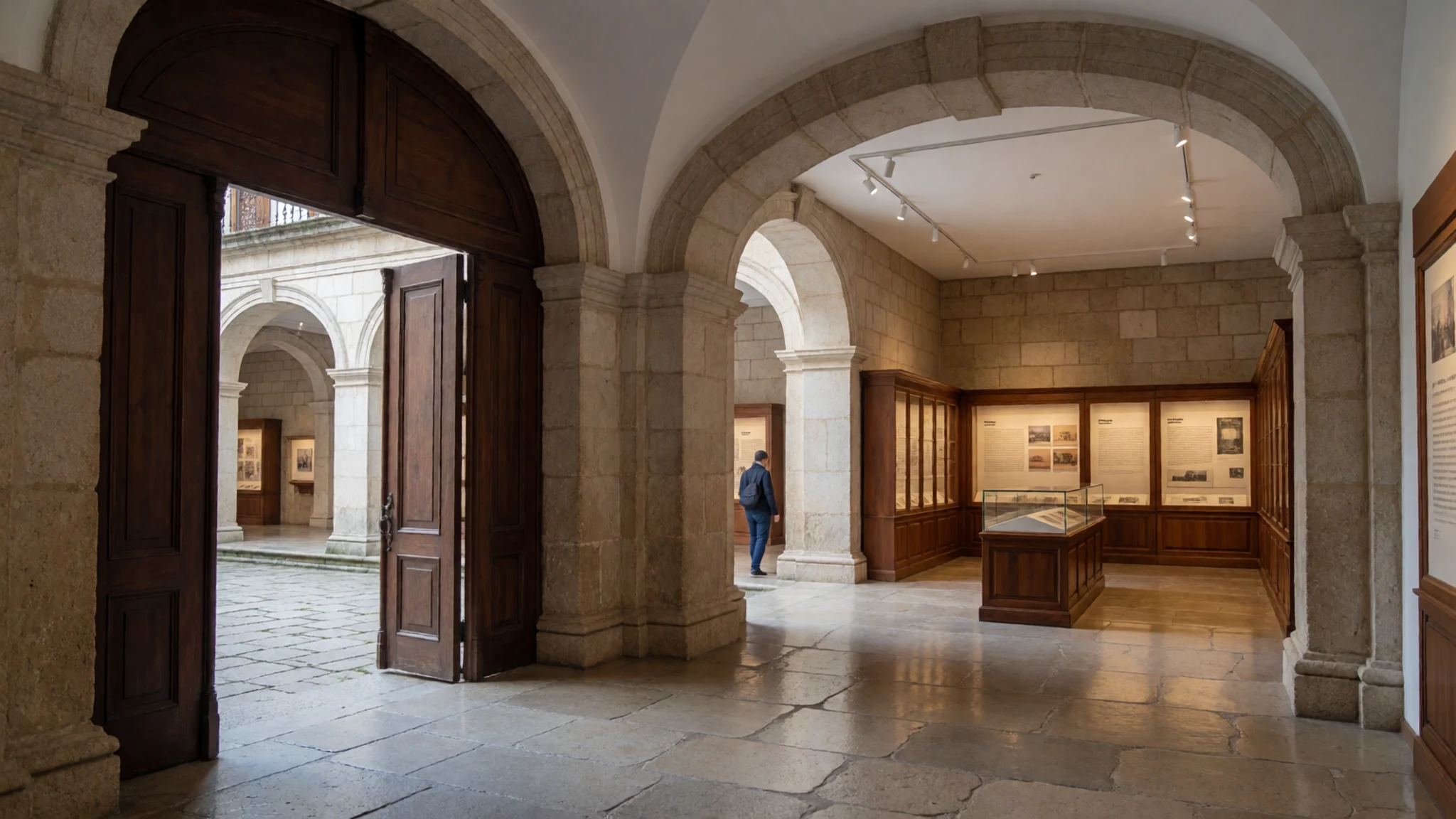
- Igreja de Nossa Senhora do Rosário — Historic centre, hillside streets
This baroque church is among the best-known in the town, with a richly decorated interior and a façade that reflects the local craftsmanship of the period. It is worth seeing from the outside as you walk the hill streets, and the interior is best viewed when the church is open and services are not in progress.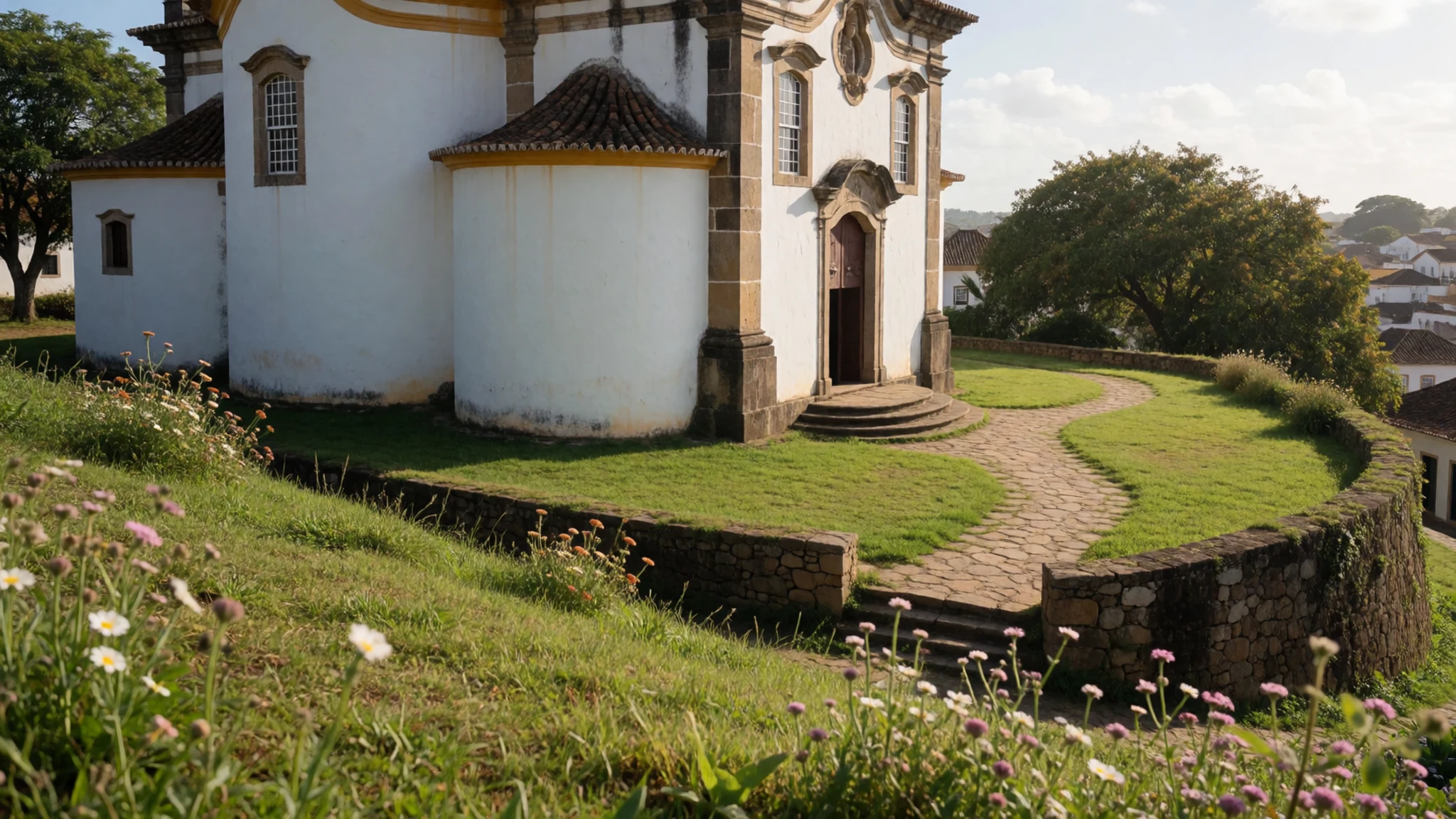
- Itacolomi State Park — Outskirts, shared with Mariana
A protected area shared by Ouro Preto and Mariana, with varied vegetation and plenty of trails for walkers. It offers a different side of the region, away from the cobbles and churches. Bring water and sturdy shoes, check conditions and access before you set off, and plan a half-day rather than a rushed trip.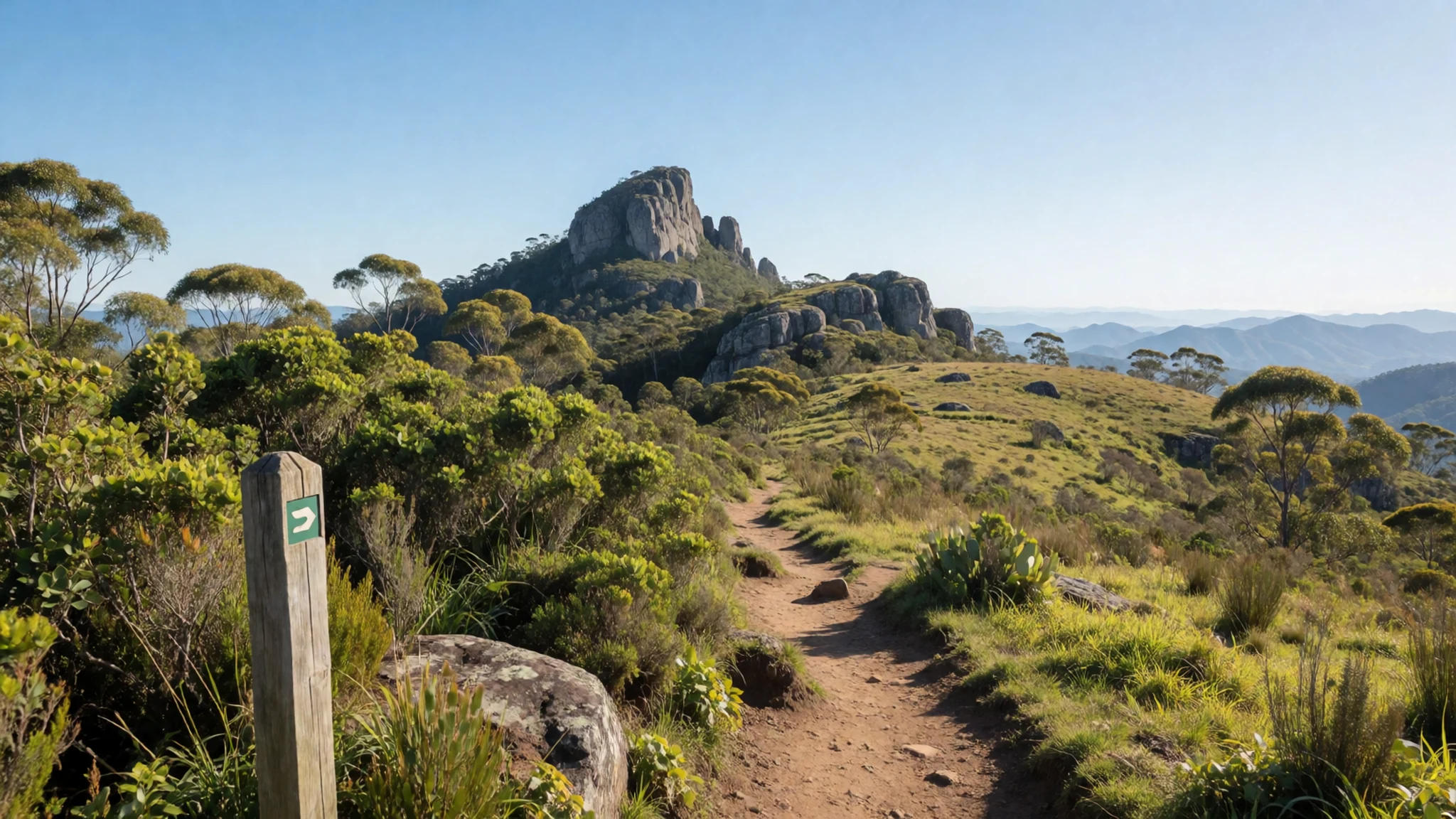
Culture
Ouro Preto's culture is tied to its churches, its student population and its long habit of public life in the squares. Many of the churches are still active places of worship, so a visit may coincide with a service, a funeral or a quiet prayer. Carved stone, gilded altars and painted ceilings are the main draw, but they are also the setting for private devotion, and visitors are expected to keep their voices low and move slowly. Brazilian social life is warm and direct, and conversation with shopkeepers, waiters and students tends to be friendly and unhurried. Many people are happy to talk about the town and its history, though a polite greeting in Portuguese goes a long way. The student houses, known as repúblicas, are private homes shared by students, and they are not tourist sites, so do not wander into their courtyards or photograph them without an invitation. Music matters here as well. Bars and small venues host live performances, and the evenings can be lively. Respect the mood of a performance and avoid talking loudly over it. Photography is a common question in a town this picturesque, and it is good manners to ask before photographing people, especially those working or praying. Photography is usually not allowed inside churches and museums, so look for posted rules, and never use flash, since it can damage old painted surfaces and disturb those inside. Always ask before taking a close picture of a person, and never shoot a service without permission.
What to wear
Traditional dress in Minas Gerais has historically been practical rather than ornamental. Working people in the mining districts wore cotton and linen garments suited to the heat and the rough ground, while formal occasions called for darker fabrics and more structured clothing. The colonial-era style that shaped the town is better known through its buildings and church art than through surviving costume, so visitors interested in old textiles will find more in regional museums and craft workshops than on the streets. Today people in Ouro Preto dress much as they do across Brazil's interior: casual cotton shirts, jeans, simple dresses and trainers. The university population brings a relaxed, slightly bohemian look, with loose layers and canvas bags. Religious occasions and church events call for smarter but modest clothing. For a visitor, the main considerations are climate and terrain. Days can be warm and sunny, while evenings and early mornings in the hills can feel cool, so pack a light layer. The streets are cobbled and steep, and many are uneven, so flat shoes with good grip matter far more than fashion. Choose breathable clothing, and cover shoulders and knees when entering churches. A small scarf or light shirt is useful for these visits. Leave beachwear for elsewhere; a shirt and trousers or a knee-length skirt will suit most situations here.
What to eat
- Feijoada — Simple family-run restaurants in the historic centre
Brazil's bean and pork stew is served across the country, and the version in Ouro Preto is often done well at small, family-run eateries. It arrives thick and dark, usually with rice, shredded greens and orange slices. Lunch is the best time to order it, and it is a substantial meal for a hillside day.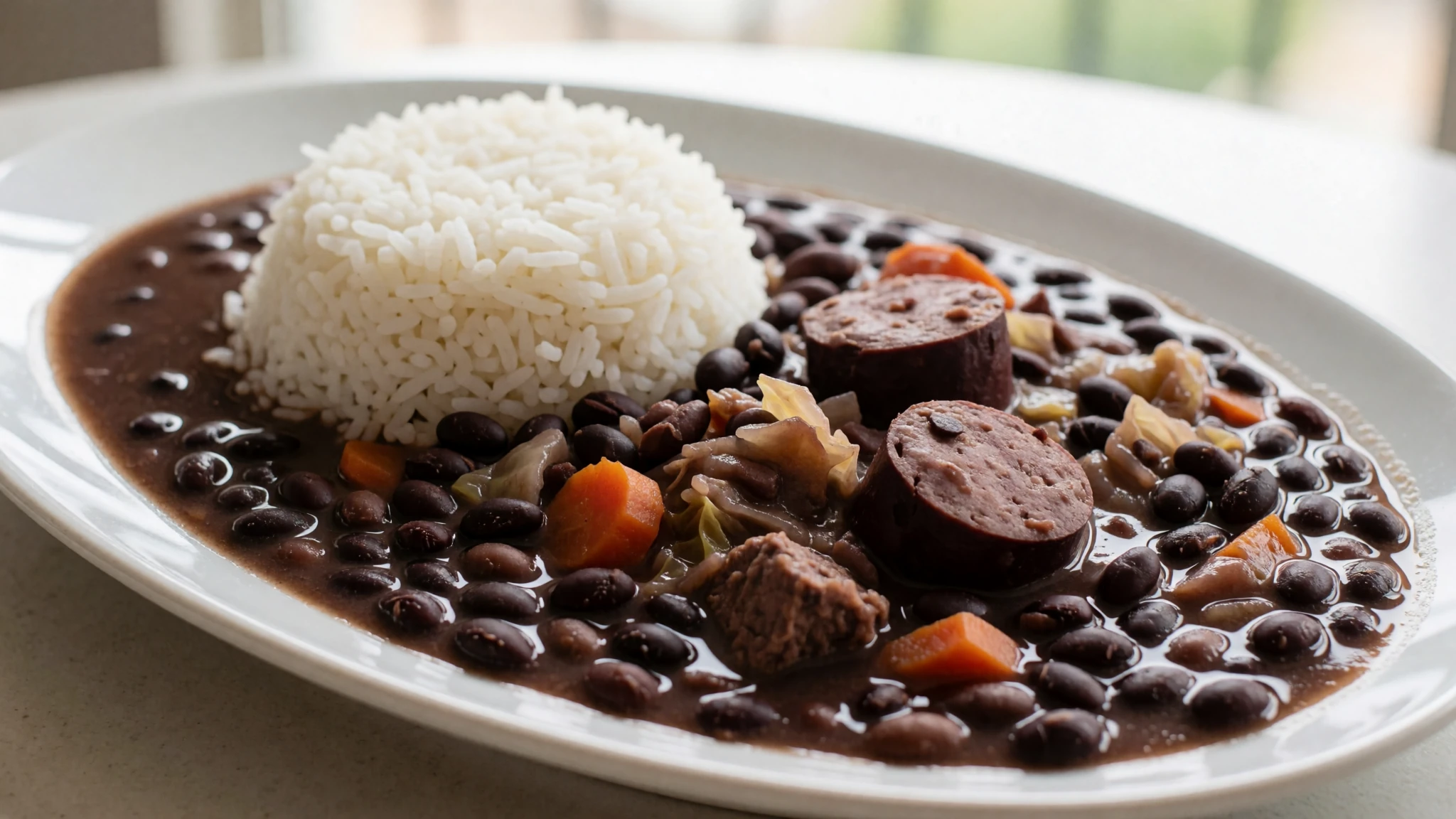
- Minas Gerais buffet dishes — Buffet restaurants near the main square
The state's cooking is hearty and home-style, with cheese, corn, beans, pork and greens prominent. Open buffets offer a range of these dishes in one sitting, which makes them a good way to sample the regional table without ordering blind. Go at lunchtime when the trays are full.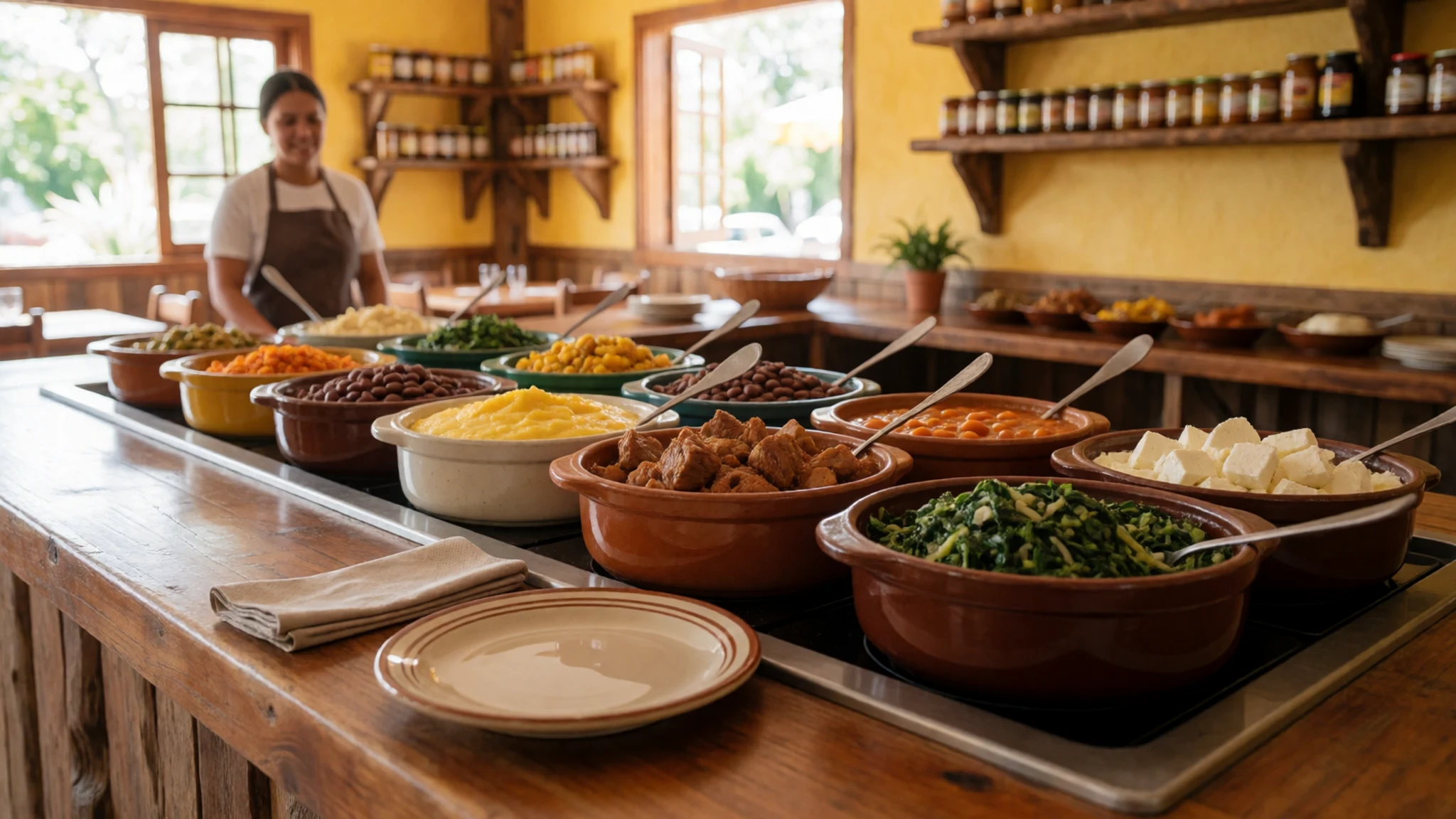
- Wood-oven pizza — Pizzerias in the centre, especially on the streets below the main square
Thin-crust pizza cooked in a wood oven is a local favourite, and the university crowd keeps these places busy in the evenings. The bases tend to be crisp, and the toppings are simple and well judged. Expect a relaxed, noisy room and sit near the oven if you enjoy watching the cooks work. - Esfiha — Pizzerias and lanchonetes around the centre
These small open pies with savoury fillings are a common snack across Brazil, and they sell well in the town's pizzerias and snack counters. They are easy to eat while walking, and they make a light evening bite between bars. Ask which fillings are on offer, since they vary from place to place. - Live music and bar snacks — Small music bars in the historic centre
Small bars in the centre pair cold drinks with petiscos, the shared plates of fried and grilled snacks that suit a long evening. Some venues have live music, so the atmosphere can be relaxed or lively depending on the night. Arrive early on weekends if you want a seat near the musicians.
Plan it
Best time. May to September is the drier season, with cooler, clearer days and cold nights. The town sits high in the hills, so evenings can feel chilly, and the coldest spells are in June and July. The wetter months bring heavy afternoon rain, and the streets become slippery.
How long. 2–3
Getting there. Belo Horizonte's Confins airport is the nearest convenient airport, and you then need a car or bus for the drive. Buses from Belo Horizonte take about two hours and run several times a day. The bus station is on the northwestern edge of town, and the historic centre is an easy downhill walk from there.
Budget. mid
Tips
- Book buses ahead on weekends and during university holidays, since seats fill quickly
- Walk the cobbled streets in flat shoes with good grip, and allow extra time for the hills
- Carry cash for small eateries and some market stalls, and check that cards are accepted before ordering
- Visit the churches and museums in the morning, when they are quieter and the light is better
- Check opening times with the official tourism office or the town's website before you travel, since hours change by season
Etiquette
- Keep your voice low inside churches, especially during services
- Ask before photographing people, and avoid flash inside churches
- Do not enter student houses or photograph their courtyards without invitation
Nearby
Sources
- Wikidata Q188905 (CC0)
- Wikipedia: Ouro Preto (rev 1382258620) (CC BY-SA 4.0)
- Wikivoyage: Ouro Preto (rev 5413579) (CC BY-SA 4.0)
- Photo: Conjunto arquitetônico e urbanístico de Ouro Preto, Raquel Mendes Silva (CC BY-SA 4.0)
- Photo: Igreja de Nossa Senhora do Rosário (Ouro Preto), Rodrigo.Argenton (CC BY-SA 4.0)
- Photo: Deniseramalho, Denise Ramalho (CC BY-SA 4.0)
- Photo: Ouro Preto ao amanhecer, Elvécio Fernandes (CC BY-SA 4.0)
- Photo: Museu da Inconfidência, Ricardotakamura (CC BY-SA 4.0)
- Photo: Igreja de S. Francisco de Assis, Pedro Vilela/MTur (Public domain)
- Photo: Ouro Preto 01 2016 MG 5083, Mariordo (CC BY-SA 4.0)
- Photo: BRAZIL - Villa Rica de Ouro Preto, unknown author (Public domain)


