Ottawa
Ottawa, Canada
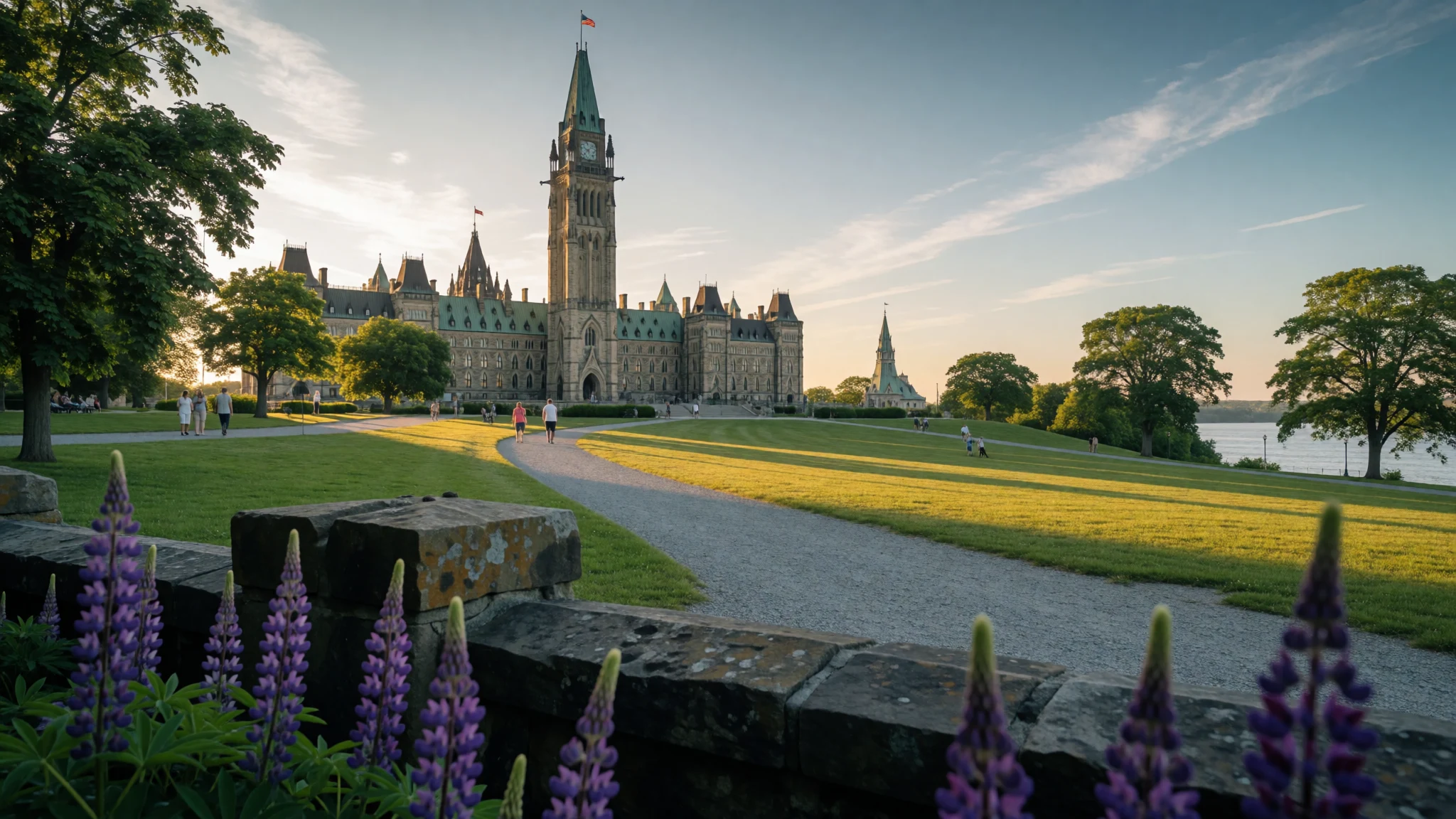
Ottawa is a calm, walkable capital where Parliament, canal-side paths and free-flowing museums sit close together, and winter turns the waterway into a skating route.
The place
Ottawa is Canada's capital, set in the south-east corner of Ontario where the Rideau River runs into the broader Ottawa River. Directly across the water is Gatineau, in Quebec, so a short walk over a bridge can change the province and the language on the shop signs. The city has about one million residents and stands roughly 70 m above sea level, on gently rolling ground rather than anything dramatic. What gives it character is its job. The federal government is based here, along with Parliament, the Supreme Court, the prime minister's office, the governor general's residence and a long row of foreign embassies. The centre is therefore full of civil servants on weekday lunch breaks, school groups on class trips and museums that feel unhurried compared with those in bigger Canadian cities. Ottawa is more relaxed than Toronto or Montreal, and the scale is easy: the main sights cluster around Parliament Hill, the Rideau Canal and the ByWard Market, all within walking distance of one another. Beyond the core the city spreads wide, because former suburbs and rural townships were folded into a single municipal government, so farmland and a working farm museum sit inside the city limits. The seasons are the real drama here: humid summers, bright autumns and winters cold enough to turn the canal into a skating route.
Its story
Ottawa's story begins with water. After the Champlain Sea drained away, a shallow inland sea left behind by retreating ice, the valley became habitable, and Algonquin peoples used the river junctions here for fishing, hunting, foraging and trade long before any European arrived. Three rivers meet at this spot, which made it a natural crossing point for canoe travel across a wide territory. In 1610 Étienne Brûlé became the first European on record to paddle the Ottawa River, passing the future site on his way towards the Great Lakes. Settlement came much later. The town began in 1826 as Bytown, named for Colonel John By, who oversaw the building of the Rideau Canal, and it was a rough construction and timber camp long before it was a capital. It was incorporated in 1850, and in 1855 it took the name Ottawa, borrowed from the river and the people who traded along it. Over the following decades it grew into the seat of government, and the old town limits were stretched by annexation until one enlarged city replaced them. Today's Ottawa carries all of that: Indigenous geography beneath the street plan, canal-engineering heritage along the waterfront, and a government town that grew out of a work camp.
What to see
- Parliament Hill — Downtown
Ottawa's best-known landmark is a cluster of stone buildings on a bluff above the Ottawa River, home to the country's legislature. Visitors can walk the lawns, watch the setting, and join guided tours of the buildings where available; check the official parliamentary site for booking and security rules before turning up.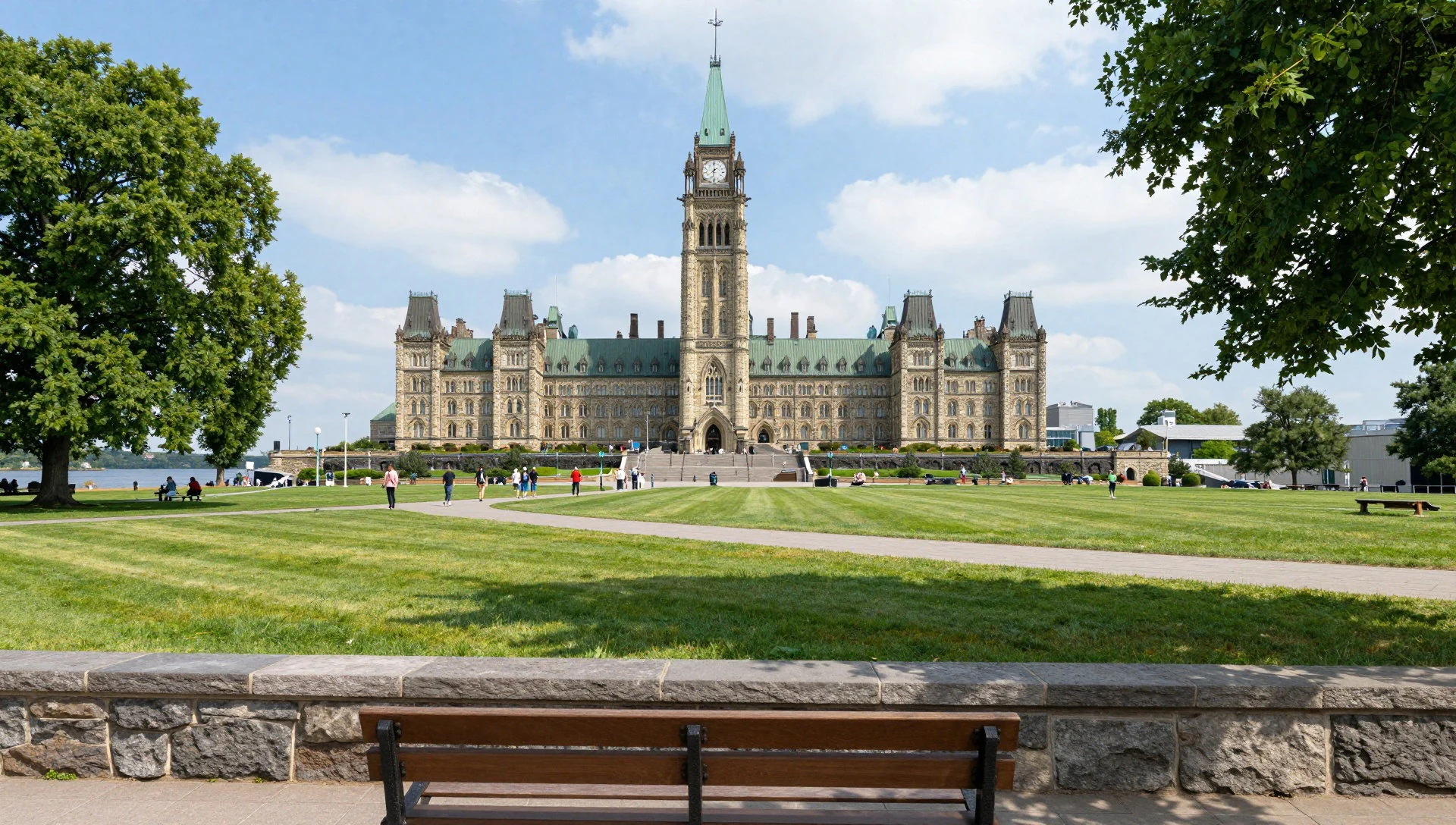
- Rideau Canal — Downtown and Centretown
The canal runs through the middle of the city, with paths on both banks that suit walking, cycling and quiet sitting. In summer boats use the locks near Parliament; in a cold winter, sections can freeze into a skating route. Ice conditions change, so check the official canal updates before planning around it.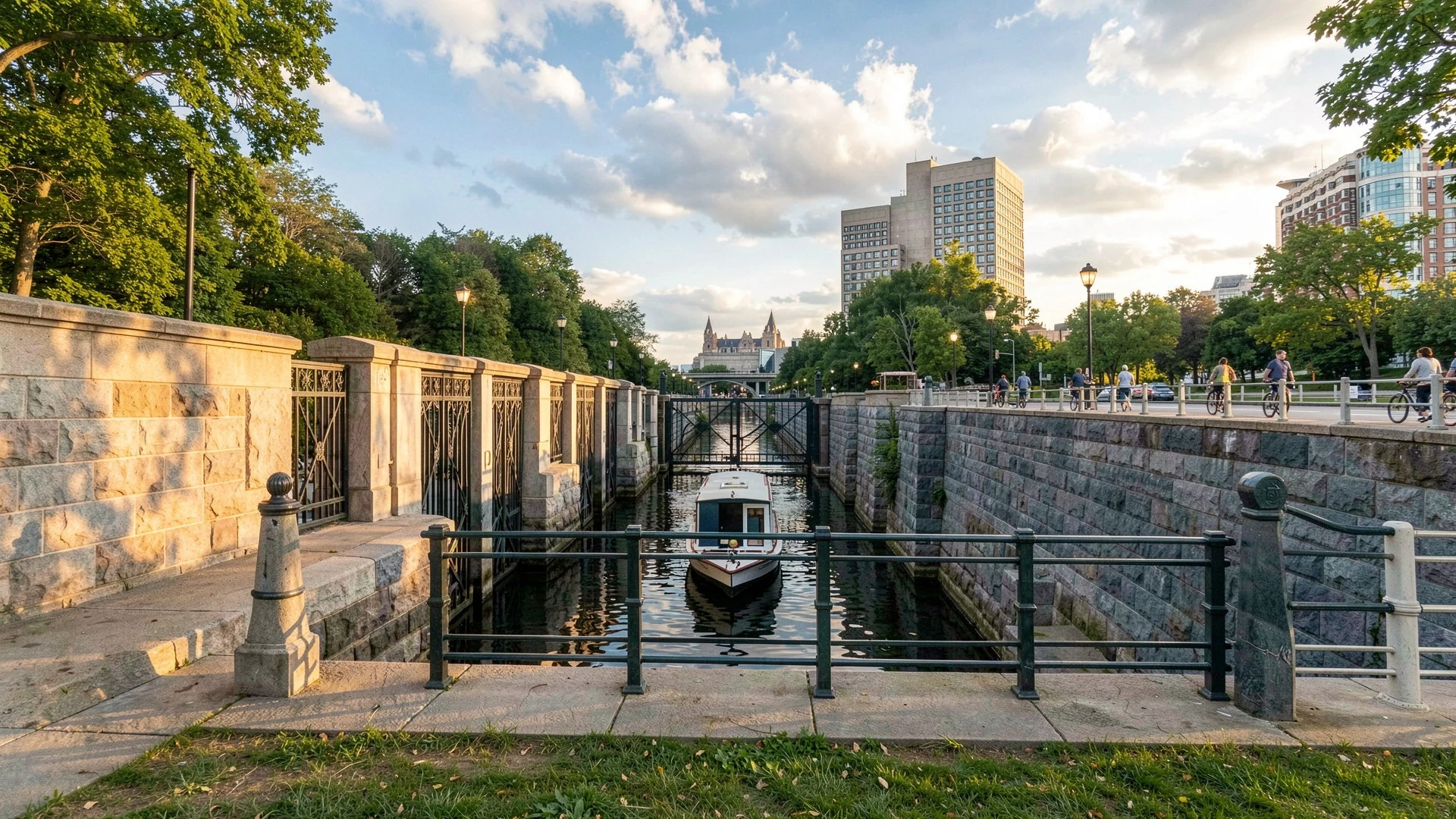
- Bytown Museum — Beside the canal locks
This small museum sits at the foot of Parliament Hill beside the canal locks and tells the story of Ottawa's early years as a construction town. It is a good short stop to understand why the city exists, and it takes little time, which leaves room for the walk along the water afterwards.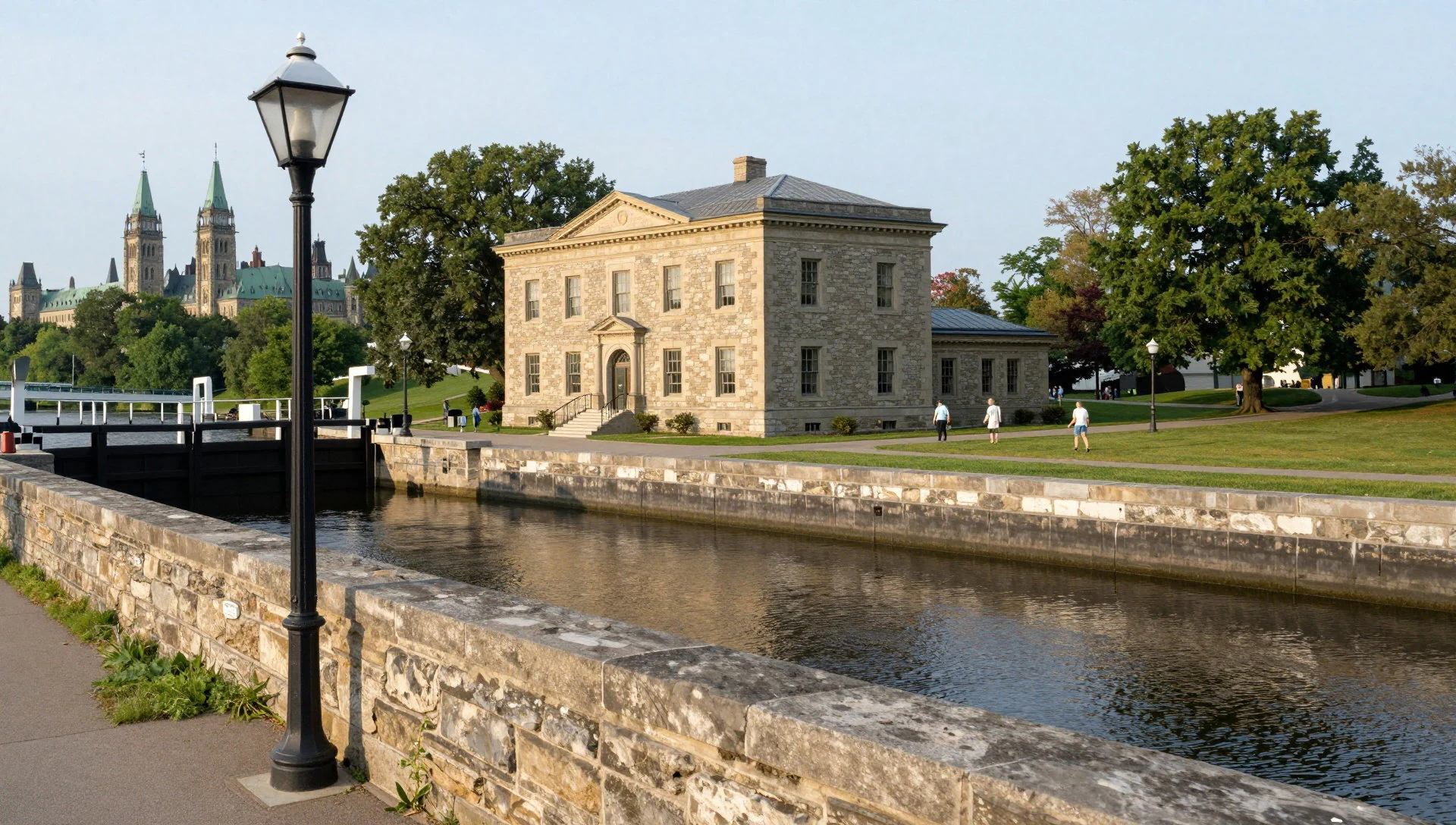
- Canadian Museum of Nature — Centretown
Galleries of fossils, mammals, birds and geology fill this museum, which works well for families and for rainy or very cold days. The building itself is a stone landmark in the Centretown area, so it is easy to combine with a stroll through nearby streets and cafés.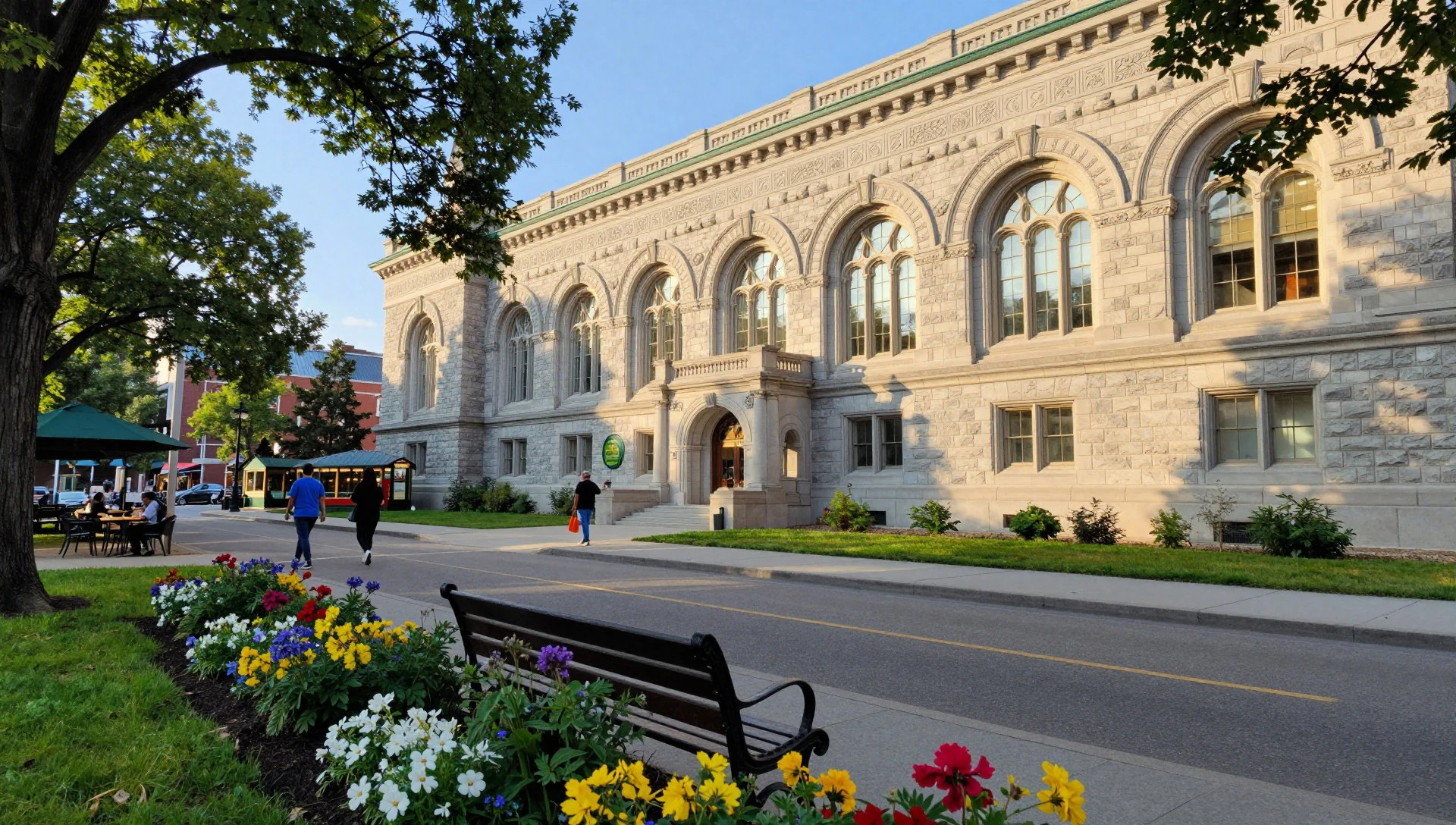
- Canada Aviation and Space Museum — North-east of the centre
A former air force base now holds aircraft from early flying to the modern era, including bush planes and military types from both world wars and the Cold War. It lies north-east of the centre, so plan transport in advance and allow a relaxed visit; check the museum site for opening details.
Culture
Ottawa's cultural life gathers in a few districts rather than spreading evenly. The ByWard Market in Lower Town, Parliament Hill, Chinatown and the Golden Triangle in Centretown have long been the centres of gravity, and streets such as Sparks, Elgin, Bank, Somerset and Preston carry the galleries, theatres, cafés and bars. As the capital, the city is also the stage for national occasions: royal visits, victory celebrations, the first raising of the maple leaf flag in 1965 and the centennial of Confederation in 1967 all took place here. The same instinct shows today when the area around Parliament fills for Canada Day in summer. Both English and French are heard in daily life, because Quebec lies just across the river, and a few words of French are always appreciated. Winter shapes social habits too: people skate, walk and meet outdoors rather than hiding indoors for months. Politeness is a real local habit, visible in orderly queues, thanks to bus drivers and a quiet public mood. Indigenous history is part of the capital's story, and museums and public art increasingly say so. When visiting Parliament Hill, follow the queue and the security staff's instructions, and keep your voice low in the public galleries.
What to wear
Ottawa sits on Algonquin territory, and traditional Algonquin dress was made from tanned moosehide and deerskin, decorated with beadwork, quillwork and later ribbon appliqué, with woollen trade blankets adding warmth. Today these pieces appear mainly at powwows, ceremonies and cultural events, often worn with great pride and made by hand. Everyday dress in the city is practical and understated. Government workers favour smart-casual office clothes, students and cyclists wear technical layers and trainers, and in winter almost everyone is in a long insulated parka, a hat and good boots. Visitors should dress for the season rather than for any formal rule. From June to August, light cotton, a sun hat and a thin rain jacket suit the heat and humidity. In spring and autumn, bring layers and a waterproof. In winter, pack thermal underlayers, an insulated coat, gloves, a warm hat and waterproof boots with real grip for icy pavements. There are no strict modesty codes at the main sights, though covered shoulders are courteous in churches. Comfortable walking shoes matter all year, since the best of the city is seen on foot or by bike.
What to eat
- BeaverTail — Stalls and shops around the ByWard Market
A flat, fried-dough pastry served hot and topped with sweet things such as cinnamon sugar or lemon. It is strongly linked to Ottawa, though several places claim to have invented it. Best eaten outdoors on a cold afternoon.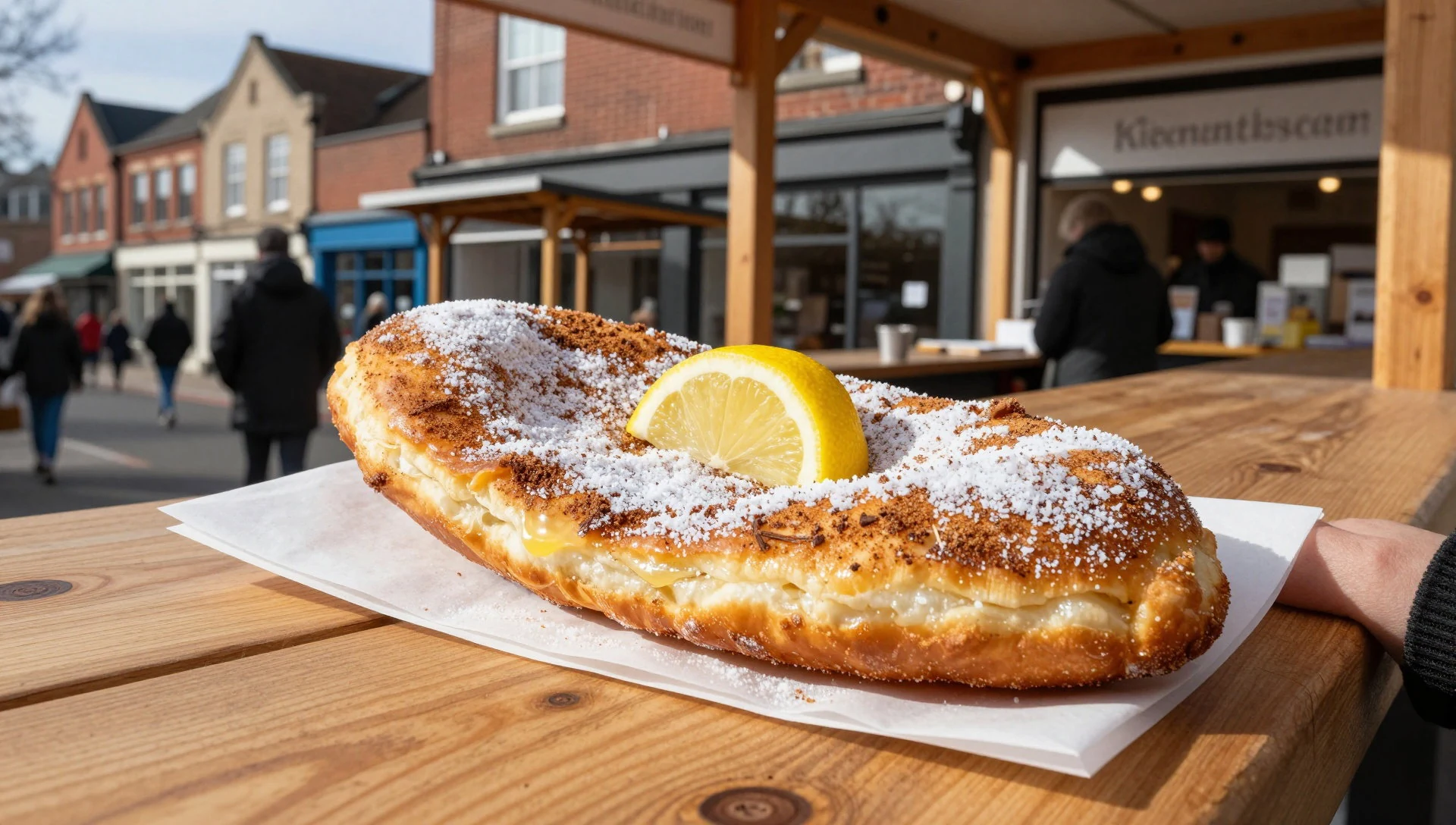
- Deli sandwich — Italian delis in Little Italy and near the ByWard Market
Italian specialty shops and little delis turn out generous sandwiches on fresh bread with cured meats, cheese and pickled vegetables. Locals treat these as an easy, inexpensive lunch and a good picnic for the canal path.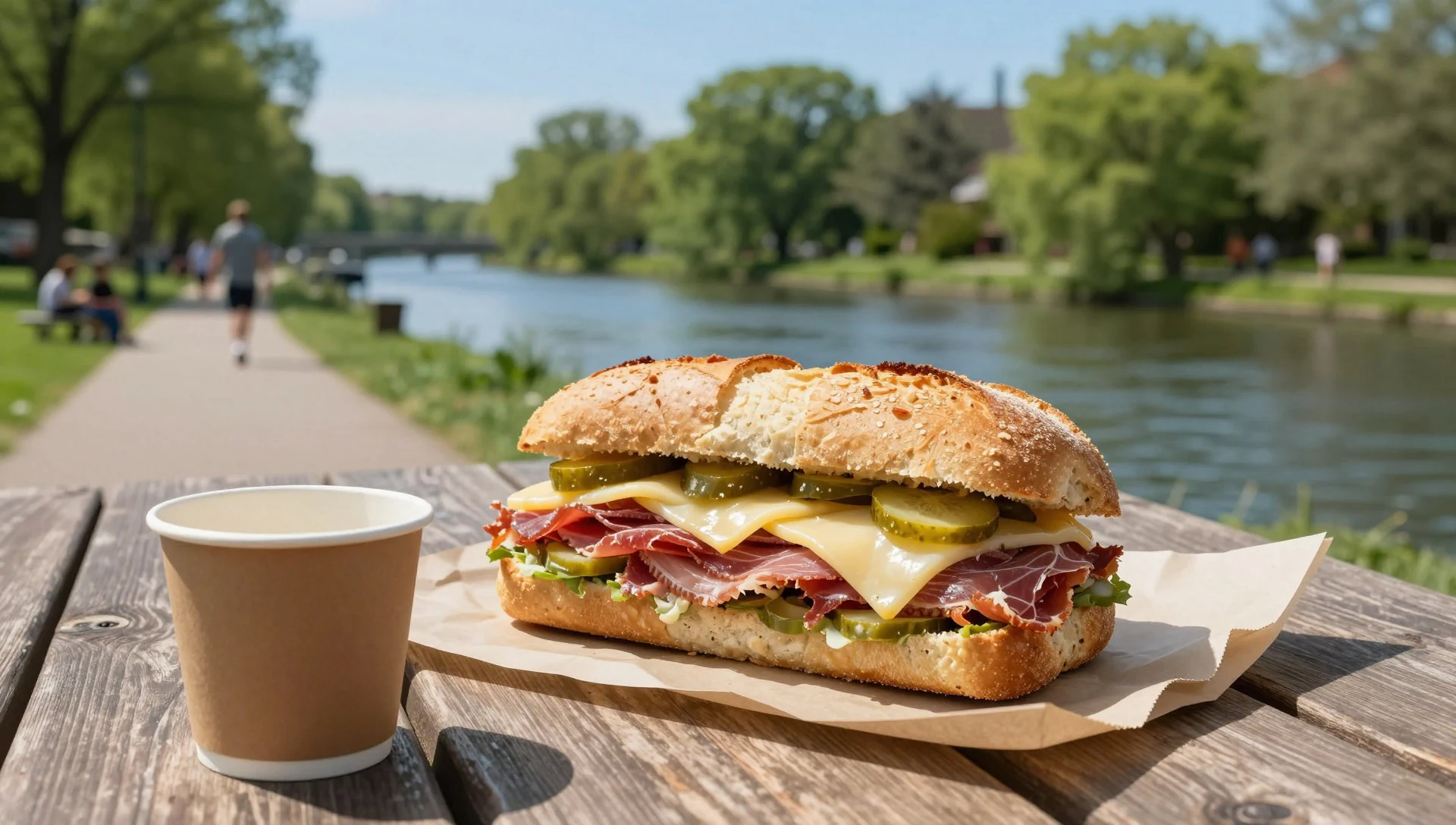
- Poutine — Casual eateries across the city and just over the bridge in Gatineau
Chips topped with squeaky cheese curds and hot gravy, a Quebec dish that is everywhere in Ottawa. Quality varies, so choose a busy casual eatery or chip stand, and share a portion because it is filling. - Maple syrup treats — Cafés and markets in the ByWard Market area, plus seasonal sugar shacks outside the centre
Maple is the flavour of the region, appearing in syrup on pancakes, in toffee, and in pastries and coffee. In late winter and early spring, the sap season brings special brunches and sugar-shack outings near the city. - Diner breakfast — Diners along Elgin Street and in Centretown
Eggs, bacon, home fries, pancakes and bottomless coffee are standard at the city's diners, some of which stay open round the clock. It is a solid, filling start before a day of walking.
Plan it
Best time. Late May–June and September–October for mild, comfortable walking weather and autumn colour; July–August is hot and humid, and January–February is very cold, though the Rideau Canal may freeze for skating when conditions allow.
How long. 2–3
Getting there. Ottawa International Airport has direct flights from Toronto, Montreal, New York and Washington, D.C., plus services from elsewhere in Canada; from outside North America, connect through a hub or take the Air France service via Paris. The last leg into the centre is by taxi, ride-hailing or public transit; check the airport and city transit sites. Trains and coaches link Ottawa with Montreal and Toronto.
Budget. mid
Tips
- Visit Parliament Hill early in the day and check the official site for tours and security rules
- Hire a bike or simply walk the canal paths; most central sights are close together
- Pack for the season: winter needs proper boots, summer needs sun protection and water
- Cards are widely accepted, but check the official city website at ottawa.ca for current transit and event information
- Book summer festival weekends and Canada Day accommodation well ahead
Etiquette
- Queue patiently and thank bus drivers as you leave
- Try a few French words, especially in Gatineau and the ByWard Market area
- Keep to marked paths near the canal and give cyclists room
Nearby
Sources
- Wikidata Q1930 (CC0)
- Wikipedia: Ottawa (rev 1383790914) (CC BY-SA 4.0)
- Wikivoyage: Ottawa (rev 5413551) (CC BY-SA 4.0)
- Photo: Ottawa Montage 2020 (CC BY-SA 4.0)
- Photo: Parliament-Ottawa (CC BY 3.0)
- Photo: Rideau Canal at downtown Ottawa (CC BY 3.0)
- Photo: Rideau Hall (CC BY 3.0)
- Photo: Château Laurier, west elevation (CC BY 3.0)
- Photo: Champlain Sea (CC BY 3.0)
- Photo: First camp, Bytown (Public domain)
- Photo: Old Post Office, Confederation Square (Public domain)


