Ortygia
Ortygia, Italy
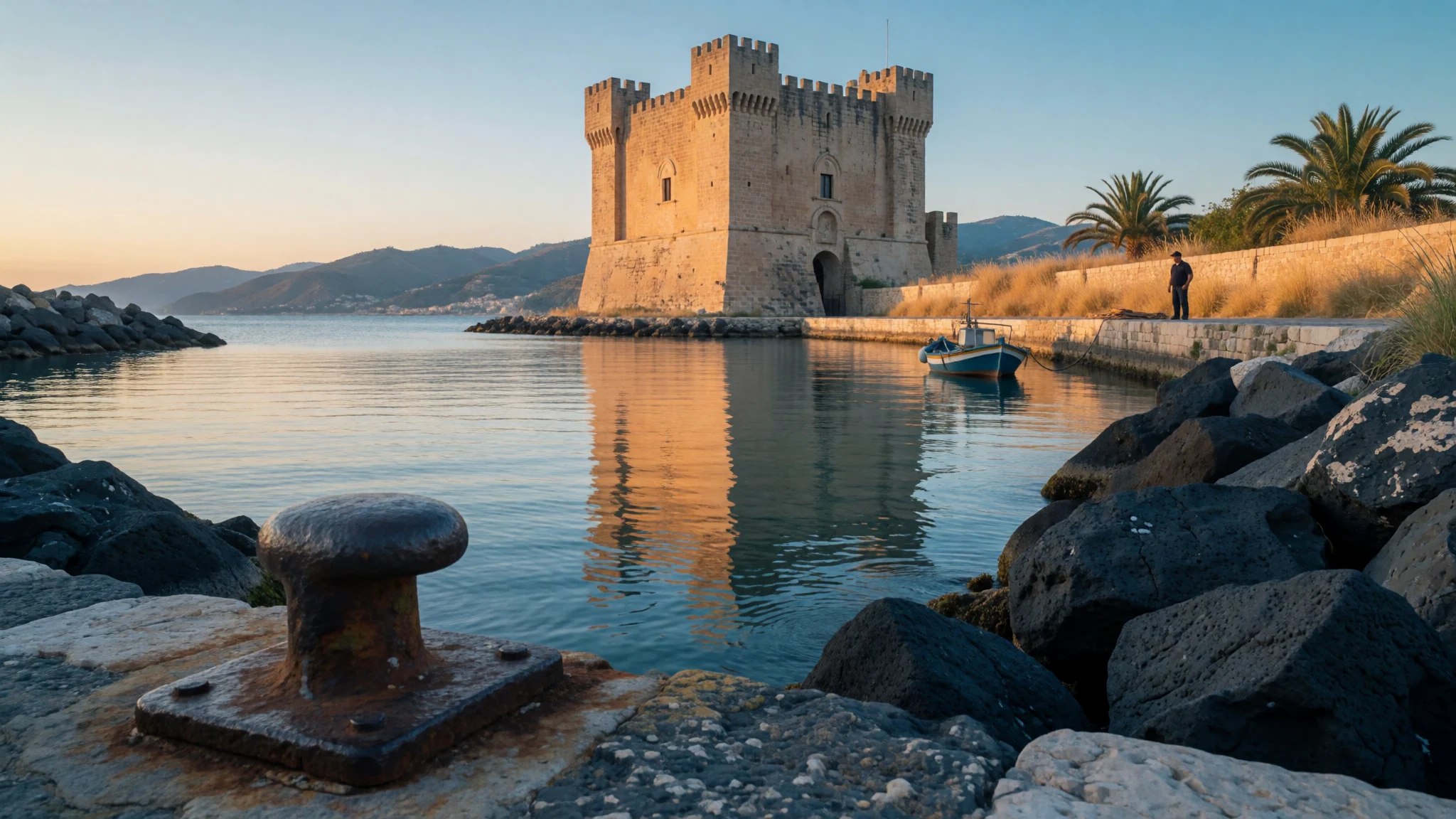
Ortygia is a small Sicilian island of Greek temple stones, baroque lanes and sea-facing walls, where old Syracuse still lives and eats.
The place
Ortygia is the old heart of Syracuse, a small island on the eastern edge of the city, cut off from the Sicilian mainland by a thin channel of sea. Bridges join the two, and the crossing is short enough that most visitors arrive on foot. About 4,300 people live here, so it works as a neighbourhood as well as a sight: washing hangs across alleys, scooters squeeze past café tables and schoolchildren cut through the cathedral square. The name comes from the Greek word for quail, one of several quiet details that tie the place to its antique past. The streets form a tight, uneven grid, narrow enough in places that direct sun reaches the paving only around midday, which in summer is a mercy. Baroque palaces and churches line the lanes, while Greek stonework turns up built into later buildings instead of sitting behind glass. A promenade follows much of the shoreline, with rocks to sit on, ladders for swimming and wide views over the water. Evenings are the liveliest hour, when residents and visitors fill the squares and the bars along the sea. The island also works as a base for the archaeological area on the mainland, a short way inland, where the Greek theatre and the old quarries are found. Ortygia is compact: a day covers the main sights, but a night or two lets the place settle into its slower rhythm once the day trippers have gone.
Its story
Ortygia's story begins with the Sicels, who lived on the island before Greek settlers landed in the 8th century BCE. Those settlers founded Syracuse here, and the colony grew into a major power of Magna Graecia. A defensible rock with sheltered harbours suited them, and the island became the religious and political core of the city, with temples, a market and public buildings. Later, under Rome, Ortygia stayed an important urban centre, though trade and politics slowly drifted towards the mainland. Archimedes lived and worked in Syracuse and died during the Roman conquest. Byzantine and medieval rulers each left their mark, and the island was fortified at both ends as a defence against Ottoman expansion; the southern castle still stands, while the northern fortress is long gone. The baroque look of today's streets belongs to the early modern centuries. Myth gathers around the freshwater spring at the island's edge. The river-god Alpheus, son of Oceanus, fell for the nymph Aretusa, who fled and was turned into a spring that rose on Ortygia. Poets kept the tale alive for centuries, and papyrus still grows around the pool. The result is a place where Greek, Roman, Byzantine, medieval and baroque layers sit within a few minutes' walk of one another, often inside the same building.
What to see
- Temple of Apollo — Island entrance, near the bridge
Ortygia's Temple of Apollo is the first ancient ruin reached after crossing onto the island. Two columns and a section of wall remain, set in a small open site. Entry is not possible, so the view is from the railings, which is enough for a short, free pause before the lanes begin.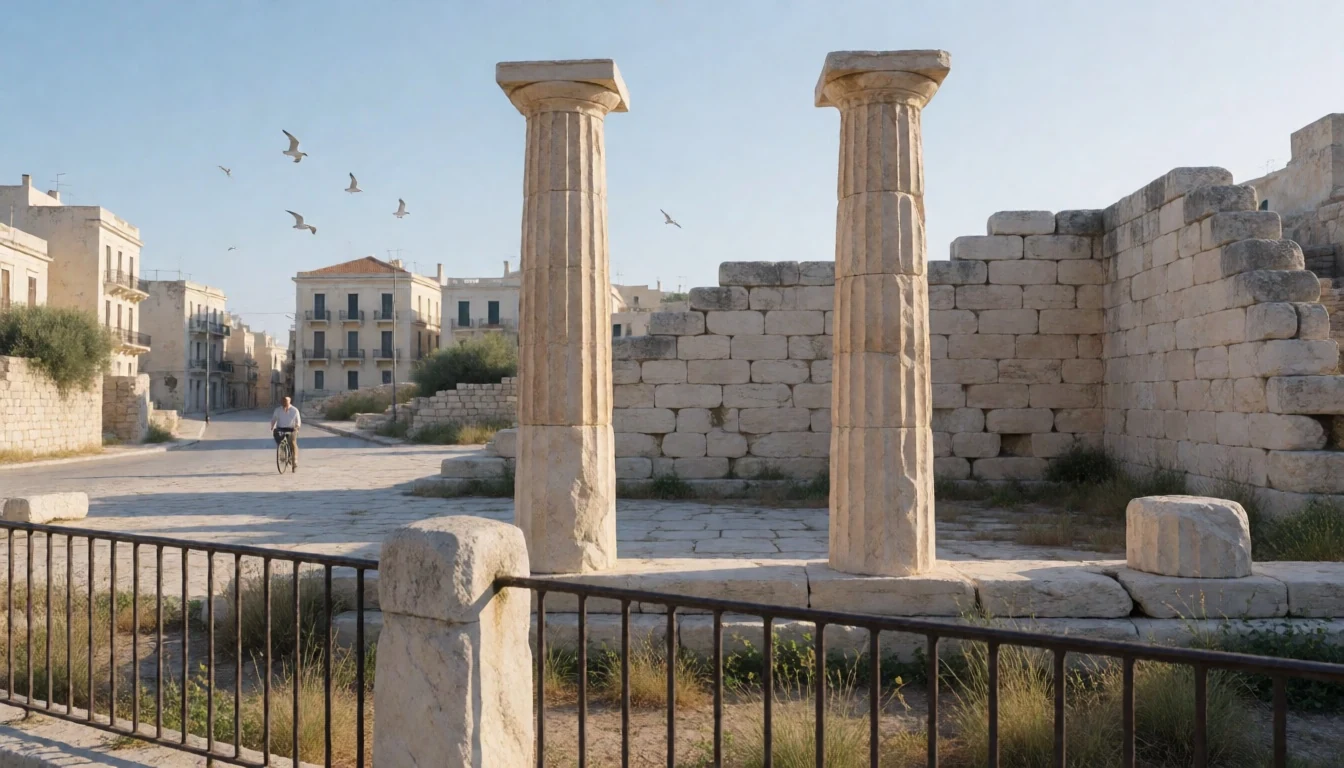
- Cathedral of Ortygia — Cathedral square, central Ortygia
The cathedral on Ortygia is a Greek temple in disguise. Its walls enclose a 5th-century BC temple of Athena, and the Doric columns can be seen along the flank and inside the nave, left in place when the building became a church in the 7th century. The baroque façade fronts a lively square.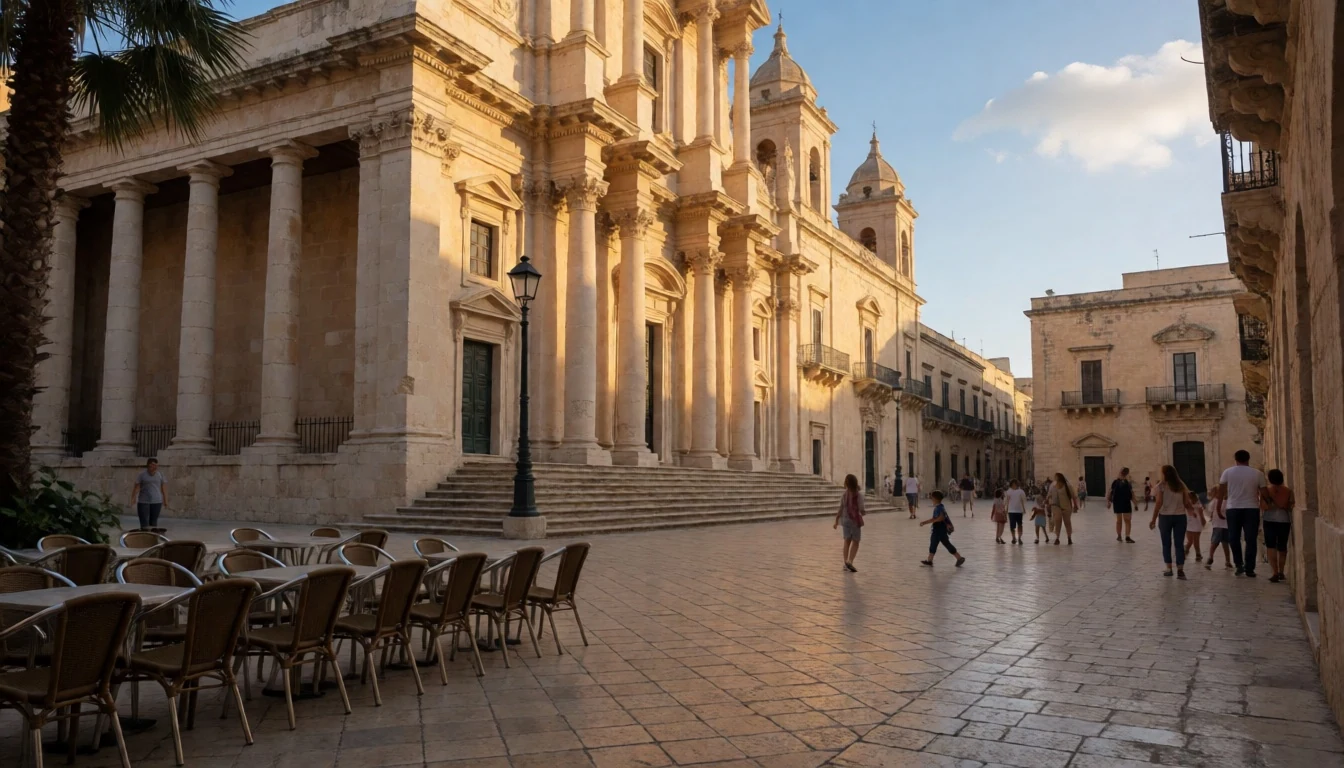
- Fountain of Arethusa — Southwest seafront
The Fountain of Arethusa is a freshwater pool at the sea edge, ringed by papyrus reeds. It is tied to the myth of the nymph Aretusa and the river-god Alpheus. Ducks and benches make it a calm stop, and the seafront promenade beyond is good for a slow walk.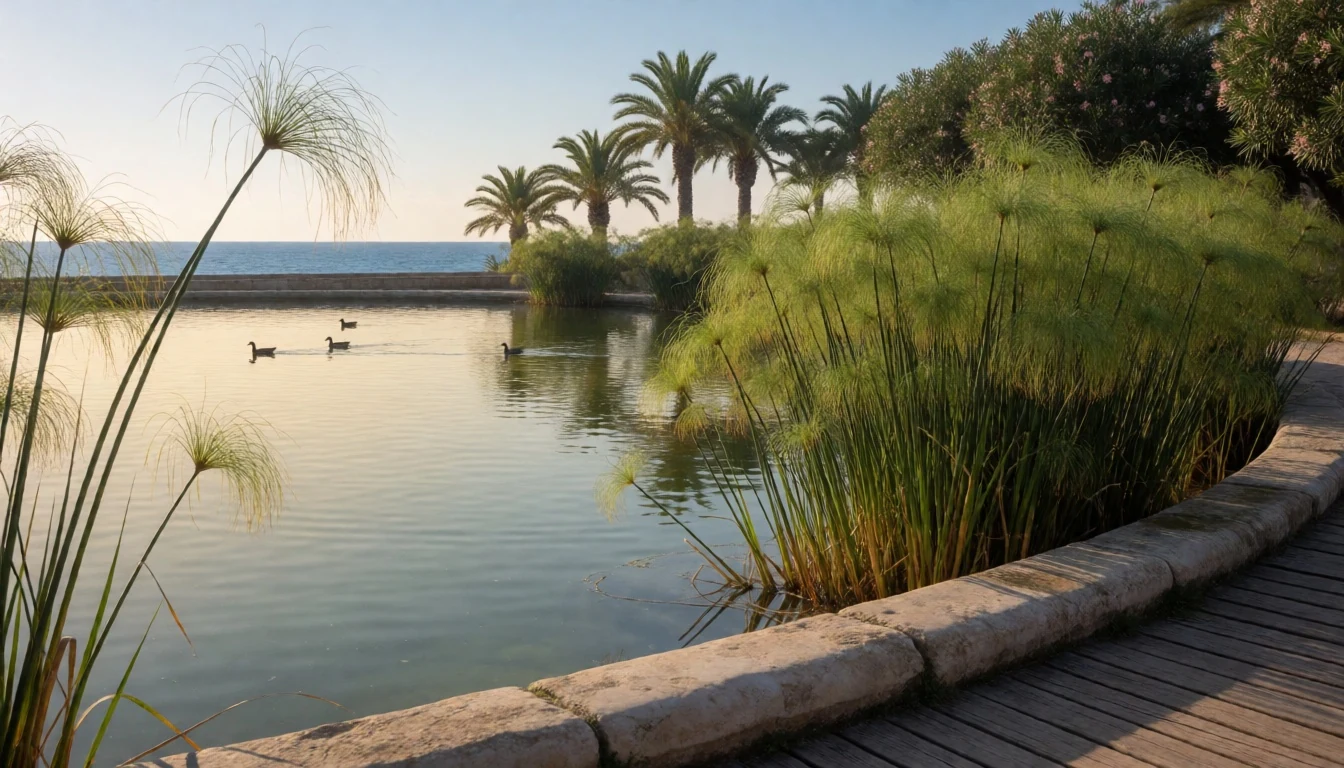
- Castello Maniace — Southern tip of the island
Castello Maniace stands at the southern tip of Ortygia, guarding the harbour mouth. It belongs to the centuries when Syracuse was fortified against Ottoman expansion. The approach along the water is more atmospheric than the interior, and the open stone terraces catch the sea breeze, useful on a hot afternoon.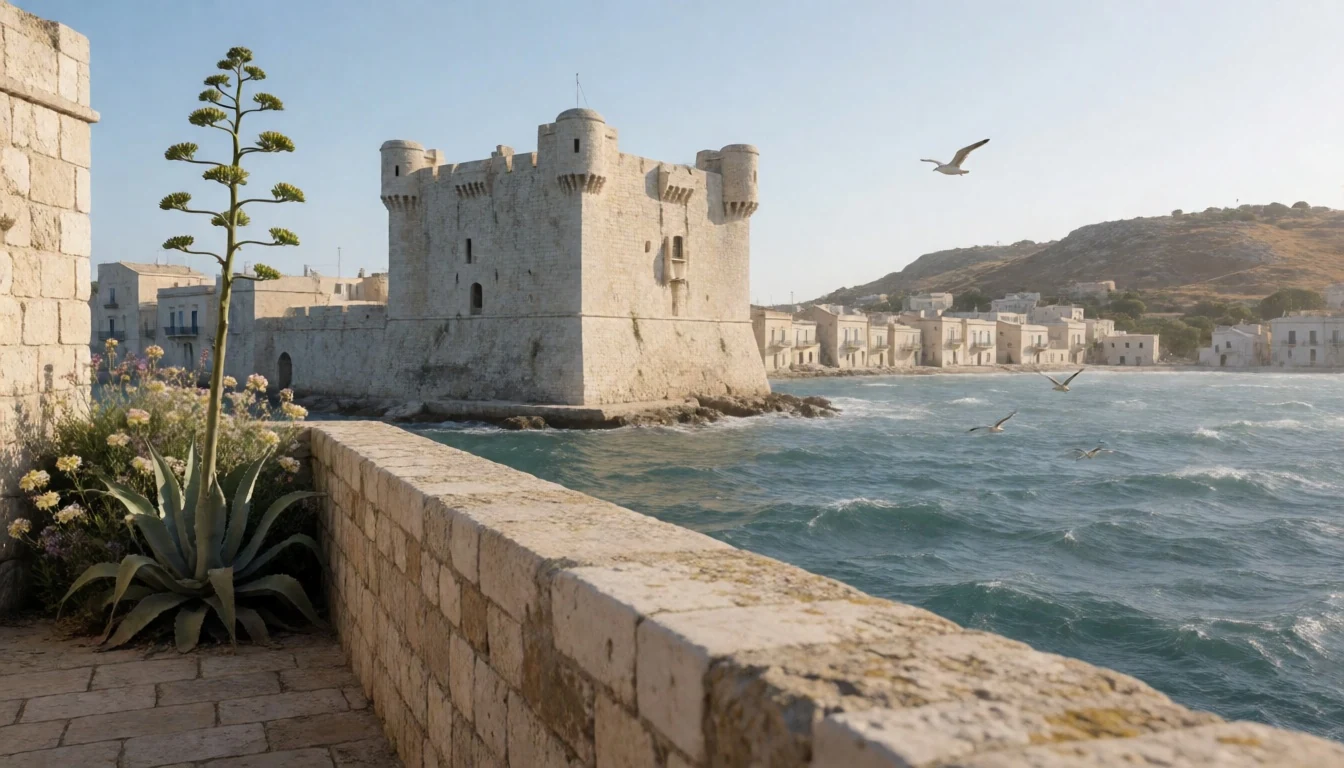
- Ortygia market — Market street, central Ortygia
Ortygia's morning market fills a street with fruit, vegetables, cheese, cured meats and just-landed fish. Stallholders call out prices and offer tastes. It is the easiest place to see how islanders shop, and a good source of picnic food. Go early, before the heat builds and the best stock has gone.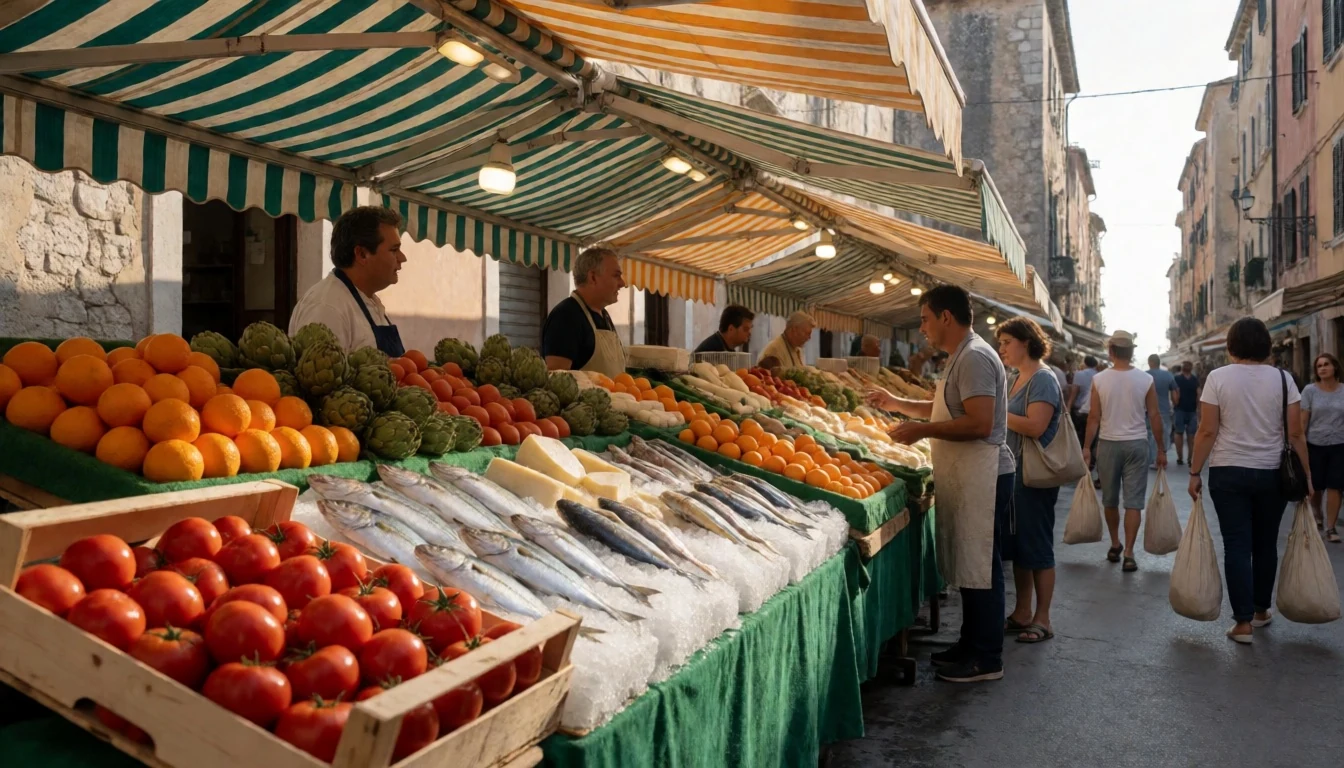
- Greek Theatre and Neapolis — Mainland Syracuse, north of Ortygia
On the mainland, the Archaeological Park of Neapolis holds the Greek theatre, begun around 470 BC and reworked in later centuries, and the Latomia del Paradiso, old stone quarries with deep grottoes. Allow a morning, take water and a hat, and expect shade to be scarce. Check the official site for tickets.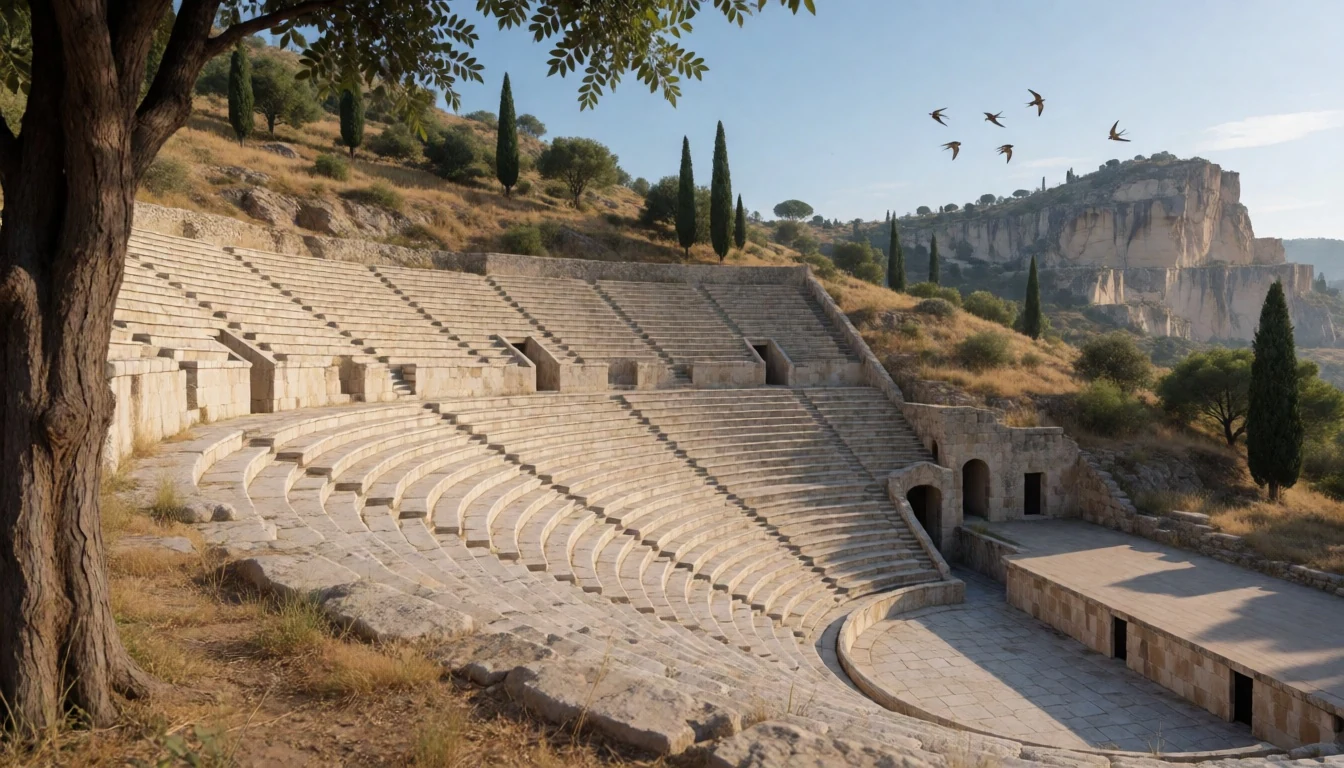
Culture
Ortygia's culture is layered the way its stone is. Greek, Roman, Byzantine, medieval and baroque Sicily all left traces, and the islanders treat them as part of daily life rather than as museum pieces. The cathedral, built inside a Greek temple, is the clearest example, and the nearby church of Santa Lucia connects the island to Saint Lucy, the patron saint of Syracuse, whose story is linked with a famous Caravaggio painting. Religious festivals bring processions through the lanes, and the sound of bells carries across the water. Everyday rhythm matters as much as monuments: a late breakfast of coffee and pastry at the bar, a long lunch, a pause in the heat, and then the evening walk when families and friends circle the squares and the seafront. Sicilian hospitality is real, and conversation with stallholders and café owners goes further with a greeting and a little Italian. Storytelling is part of the island's tradition too, from the Arethusa legend to the memory of Archimedes, who is still invoked in shop names and school projects. Music and street life peak in summer evenings, when the squares can be noisy until late. Cover your shoulders and knees before entering the cathedral or any church, and keep your voice low if a service is under way.
What to wear
In Ortygia, traditional Sicilian dress is now seen mainly at festivals and in folk groups. The best-known piece is the coppola, a flat cap in wool or cotton cloth, and older rural costume used cotton, linen and wool, with dark shawls for women and embroidered or lace trim on blouses and household linen. Hand embroidery and lace are still made and sold in small shops. Day to day, islanders dress in a relaxed Italian way: linen shirts, light dresses, good sandals or leather trainers, sunglasses, and a slightly smarter change for the evening walk. Swimwear belongs on the rocks and platforms by the sea, not in the lanes or restaurants. Visitors should plan for strong sun and hot afternoons with light, breathable cotton or linen, a hat and sunscreen. The old paving is polished and uneven, so flat, grippy shoes beat thin flip-flops, especially after rain. For the cathedral and other churches, carry a scarf or light shirt to cover shoulders, and wear knee-length shorts or skirts. Winter evenings are cool and can be windy on the seafront, so a light jacket is useful, and a compact umbrella handles the occasional shower. Dress smartly for dinner, though nobody expects formal wear.
What to eat
- Fresh fish and seafood — Harbour-side trattorias and the market street
Ortygia eats from the sea: grilled or baked fish, prawns, squid and shellfish, often kept simple with olive oil, lemon and herbs. Look for seafood trattorias on the lanes and by the harbour, and ask what came in that morning.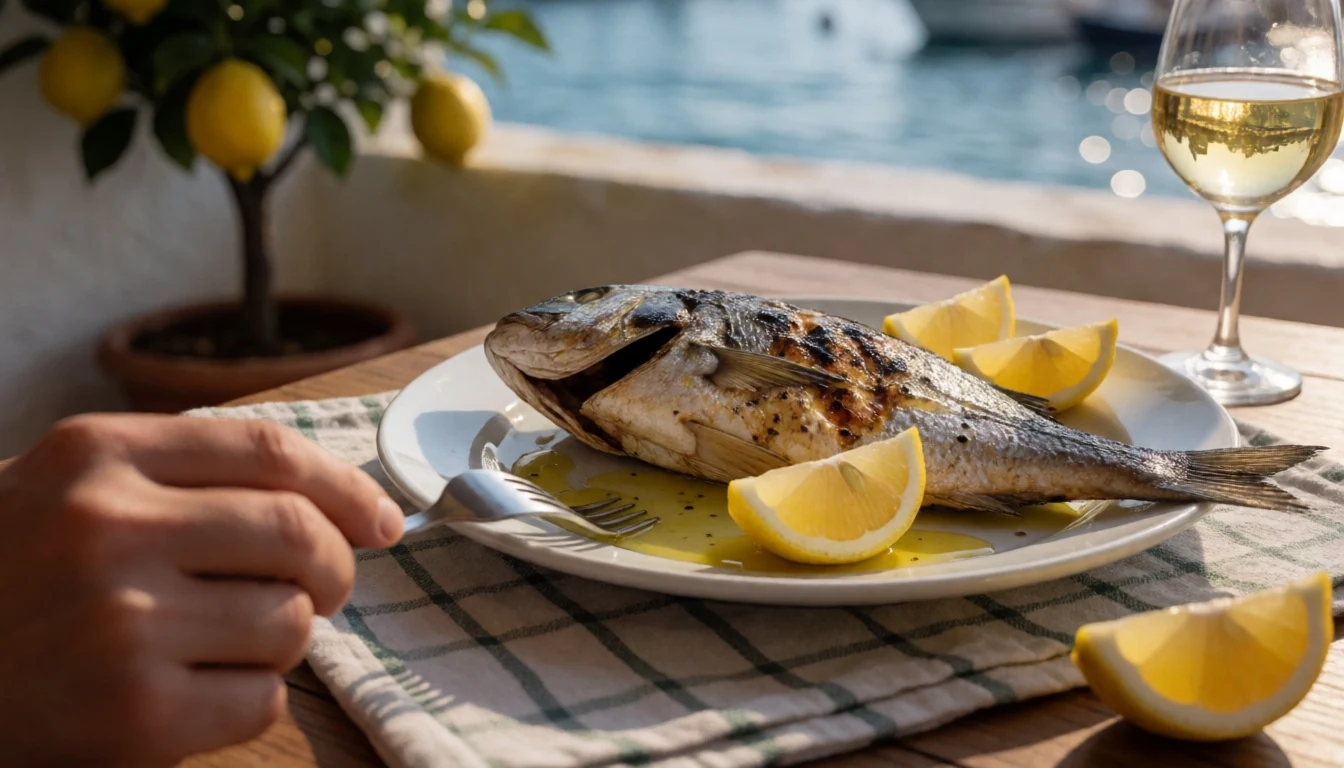
- Pizza and pasta — Pizzerias and trattorias in the central lanes
Ortygia's pizzerias and trattorias serve wood-oven pizza and plates of pasta with local sauces, from tomato and basil to seafood. They are reliable, friendly to groups, and a good way to eat well without a long, formal Sicilian meal.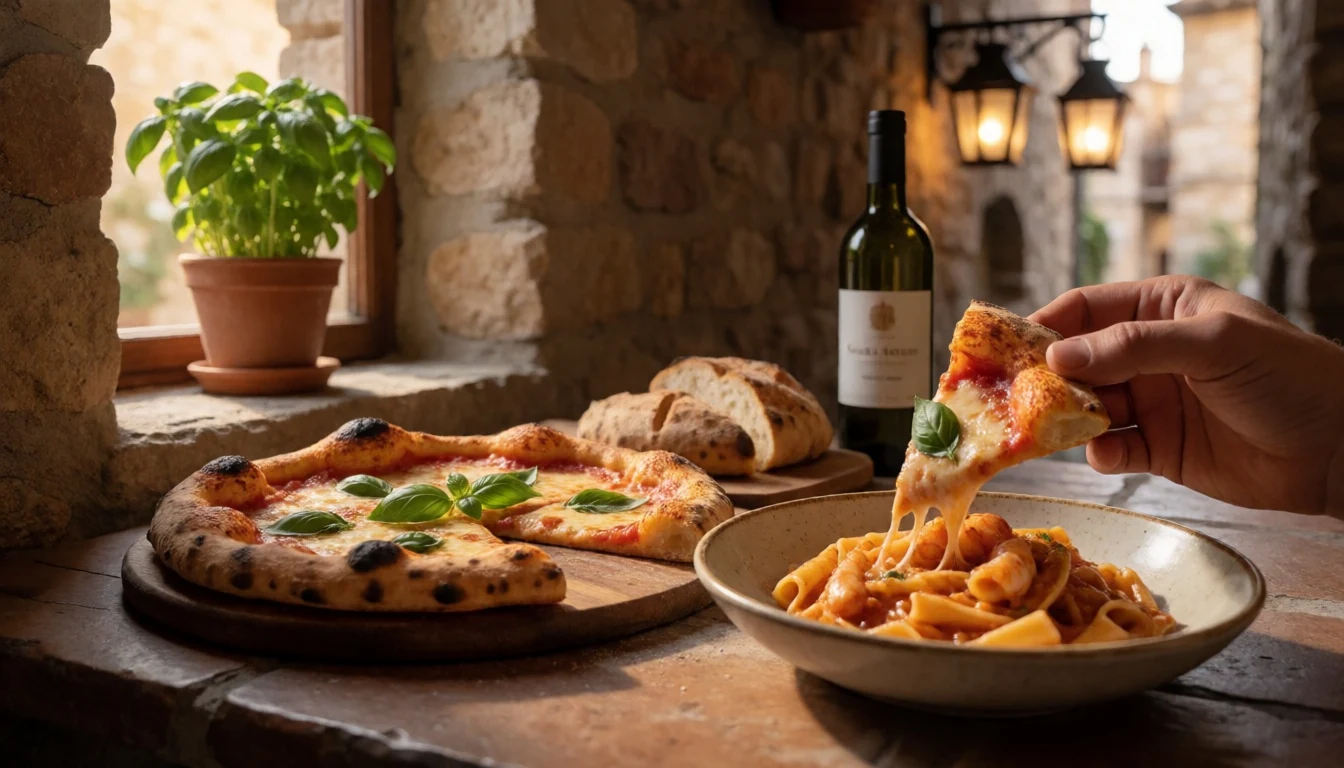
- Arancini — Snack bars and bakeries around the main squares
Arancini are fried rice balls, crisp outside and filled with ragù, peas, cheese or ham. They make a cheap, filling snack while walking, and shops often offer several fillings. Eat them warm, with a napkin and a bit of patience. - Granita and brioche — Cafés and pastry bars across the island
Granita is a semi-frozen, slushy dessert in flavours such as lemon, almond, coffee or fruit, traditionally eaten with a soft brioche bun for breakfast in warm months. It is refreshing and cheap, and best taken in the cool morning hours. - Couscous with fish — Seafood restaurants and larger trattorias
Couscous with fish shows Sicily's links across the Mediterranean, with fine semolina steamed and served with a rich fish broth. Not every kitchen offers it, but a number of seafood trattorias list it as a house speciality, often in summer.
Plan it
Best time. April–June and September–October are the best months, with warm days, comfortable evenings and sea still warm enough for a swim in early autumn. July and August are hot and busy, and midday heat can be tiring on the open sites; winters are mild but wetter and quieter, with some seasonal places closed.
How long. 2–3
Getting there. Fly to Catania-Fontanarossa airport. Inter-city buses between Catania and Syracuse call at the airport and take just over an hour; otherwise take a bus or taxi to Catania railway station for frequent trains to Syracuse. Coastal trains also run from Messina via Taormina-Giardini and Catania. From Syracuse station or bus stops, cross the bridge into Ortygia on foot or by local bus.
Budget. mid
Tips
- Visit the market and the cathedral square in the morning, before the heat and the day-trip crowds
- Book the Neapolis archaeological park on a cooler morning and check the official site for tickets and opening times
- Carry some cash for markets, snack bars and small cafés, though most restaurants accept cards
- Bring a refillable water bottle and sun protection, as shade is limited on the seafront and at the mainland sites
- Choose a room away from the busiest squares if you want quiet nights in summer
Etiquette
- Cover shoulders and knees in churches and keep your voice low during services
- Ask before photographing people at work in the market or at religious events
- Greet shopkeepers and café staff with a buongiorno or buonasera when entering
Nearby
Sources
- Wikidata Q1233234 (CC0)
- Wikipedia: Ortygia (CC BY-SA 4.0)
- Wikivoyage: Syracuse (Italy) (CC BY-SA 4.0)
- Ortigia Seafront, Siracuse, Sicily — Ludvig14 (CC BY-SA 4.0)
- L'isola di Ortigia (Siracusa) — Agostino Artnoir Sella (CC BY-SA 2.0)
- Syracuse silver dekadrachm, Head of Arethusa — sailko (CC BY 3.0)
- Ortygia Harbor — James Shelton32 (CC BY-SA 4.0)
- Lungomare di Levante Ortigia — Ввласенко (CC BY 3.0)
- Via Saverio Landolina — WarwickRocket (CC BY-SA 4.0)
- Ortygia Market — James Shelton32 (CC BY-SA 4.0)
- Sicily in the Year 1825 — Elizabeth Campbell (Public domain)


