Örebro Castle
Örebro Castle, Sweden
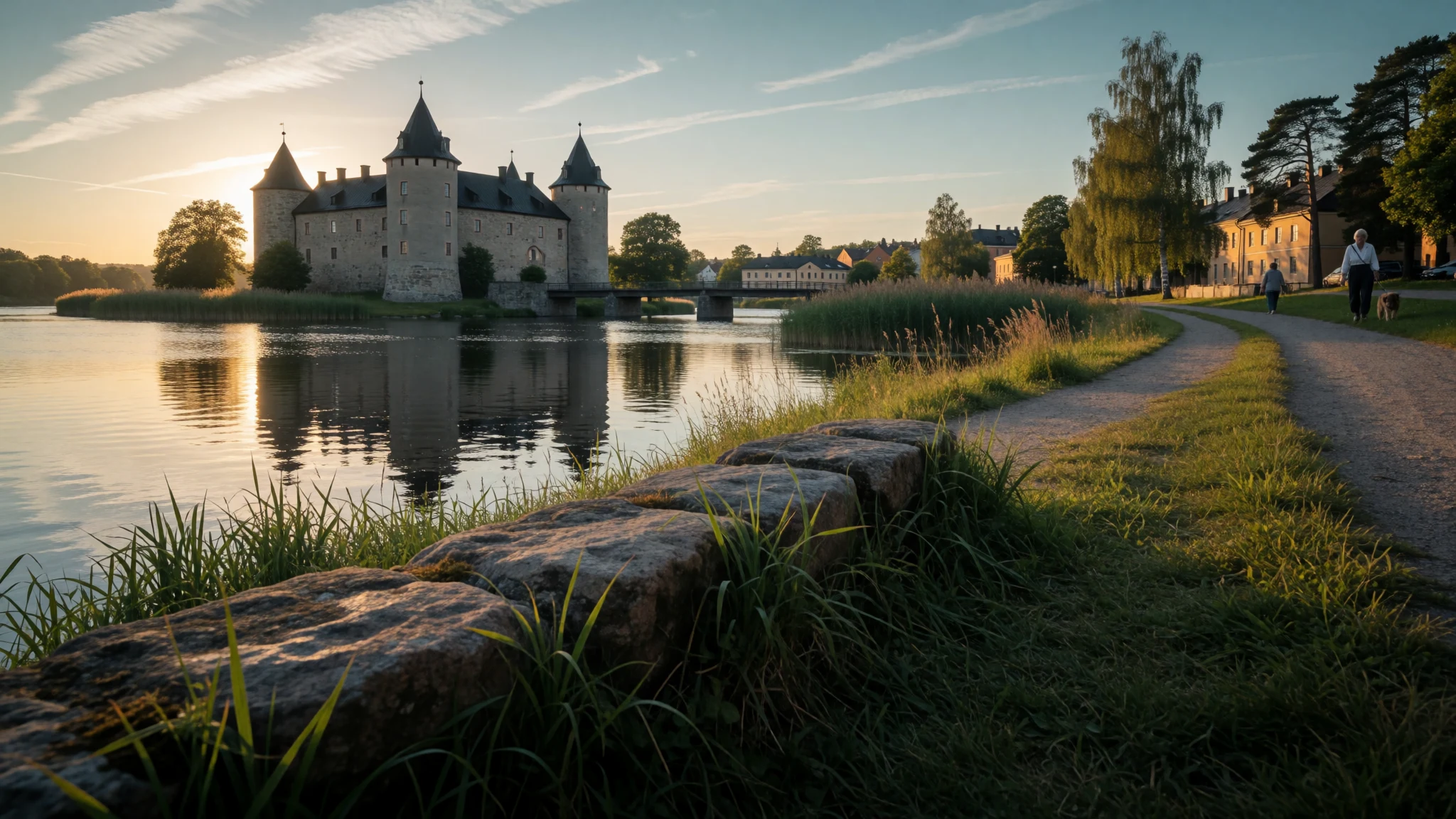
Örebro Castle is a grey fortress on a river island in central Sweden, reworked by Vasa kings and home to a county governor since 1764.
The place
Örebro Castle (Örebro slott) sits on a small island in the Svartån, the river that runs through the middle of Örebro, a city in central Sweden. Water on every side explains the building. It began as a defensive site, and the river still does the work of a moat, with bridges tying the island to the banks and the town pressing close on both sides. Wikidata dates the castle to about 1400, though the story of the site starts earlier than that. What stands today is a layered thing. A medieval core was enlarged under the Vasa kings, who wanted a residence as well as a fortress, and then rebuilt in a heavy restoration around 1900 that gave the exterior much of the look people photograph now. So it is neither a ruin nor a pure survival; it is a working building altered by every century that used it. The silhouette is stout, with round corner towers and steep roofs, and it reflects well in the river, so it looks best from the bridges and the banks rather than from directly beneath the walls. Inside, it has long been a place of administration as well as history, so parts are open to visitors and parts are not. Opening arrangements and guided tours change with the season, so the official site, orebroslott.se, is the place to check before planning a day around it. The town around it is a walkable university city, and the castle is the obvious fixed point for getting one's bearings.
Its story
Örebro Castle owes its position to a river crossing. The town's name is explained by the Svartån itself: the river carries small stones, ör, and a bridge, bro, gave the settlement its purpose. A fortification on the island controlled that crossing, and the oldest surviving part is a defensive tower raised in the later 13th century. In 1364 a fortress at Örebro was captured by Albrecht of Mecklenburg, and it was probably an earlier version of the present castle, a tower inside a surrounding wall on the same island. During the 14th century the tower was extended into a larger stronghold, and the facts date the castle to about 1400, by which time it had become a substantial place. The great change came under Charles IX, who had the fortress rebuilt as a Renaissance castle, a statement of royal power as much as a defensive work. Later the building drifted from war towards government. Since 1764, the castle has been the official home of Örebro County’s governor, a role that kept its walls in use. A heavy restoration around 1900 then gave the exterior much of its present look. The result is a building whose story runs from guarding a crossing, through royal ambition, to the quieter business of regional administration, and whose layers can still be read in the stonework.
What to see
- The castle from the river bridges — Central Örebro, around the castle island
The best first look at Örebro Castle is from the bridges and paths that touch its island. From there the round towers, steep roofs and their reflection in the Svartån read as one picture. Early morning and evening give softer light and fewer people. The walls are worth a slow circuit.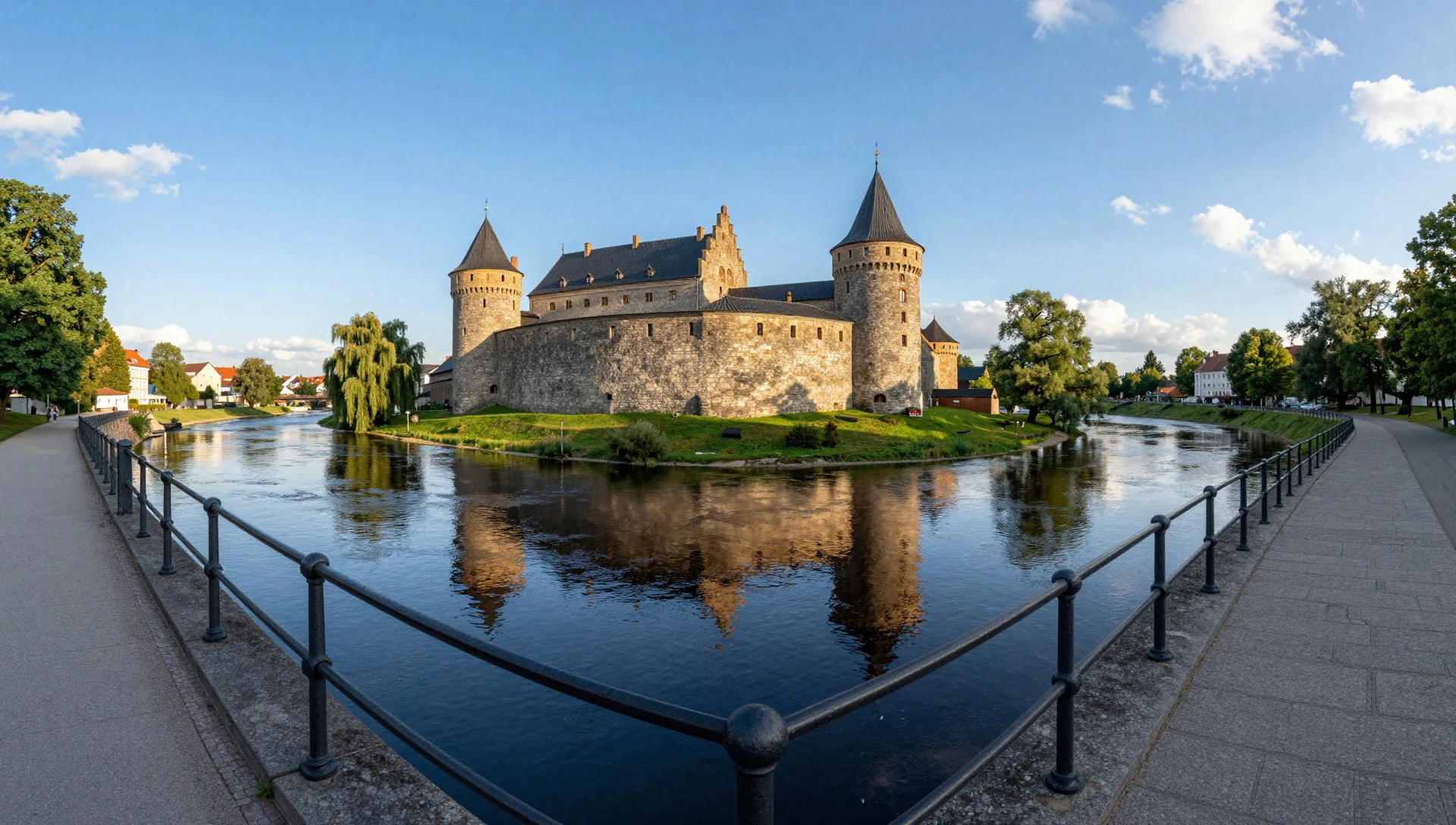
- Frimurarholmen viewpoint — Riverbank opposite the castle
A 1954 postcard in the photo set was taken from Frimurarholmen, an islet across the water, and the angle still works: the whole castle sits in one frame with the river in front. It is a quiet spot for a bench stop, and a good place to compare the old view with today's.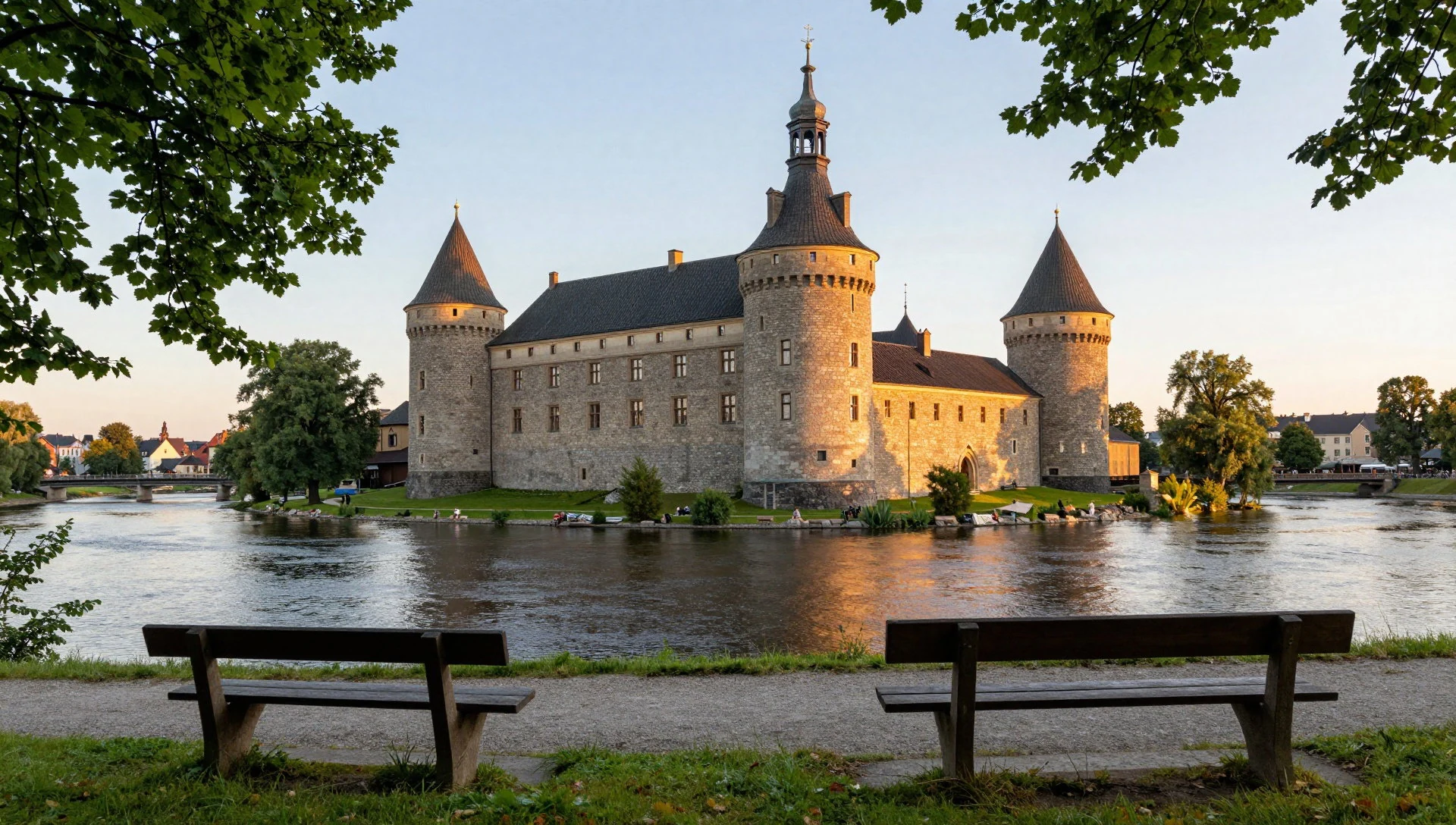
- The castle in winter — Castle island and riverside paths
Snow turns Örebro Castle into a stark, quiet silhouette against pale water and sky. Days are short and cold, so it suits a brisk walk rather than a long outing. Wrap up well, keep to cleared paths, and warm up afterwards in a café in town.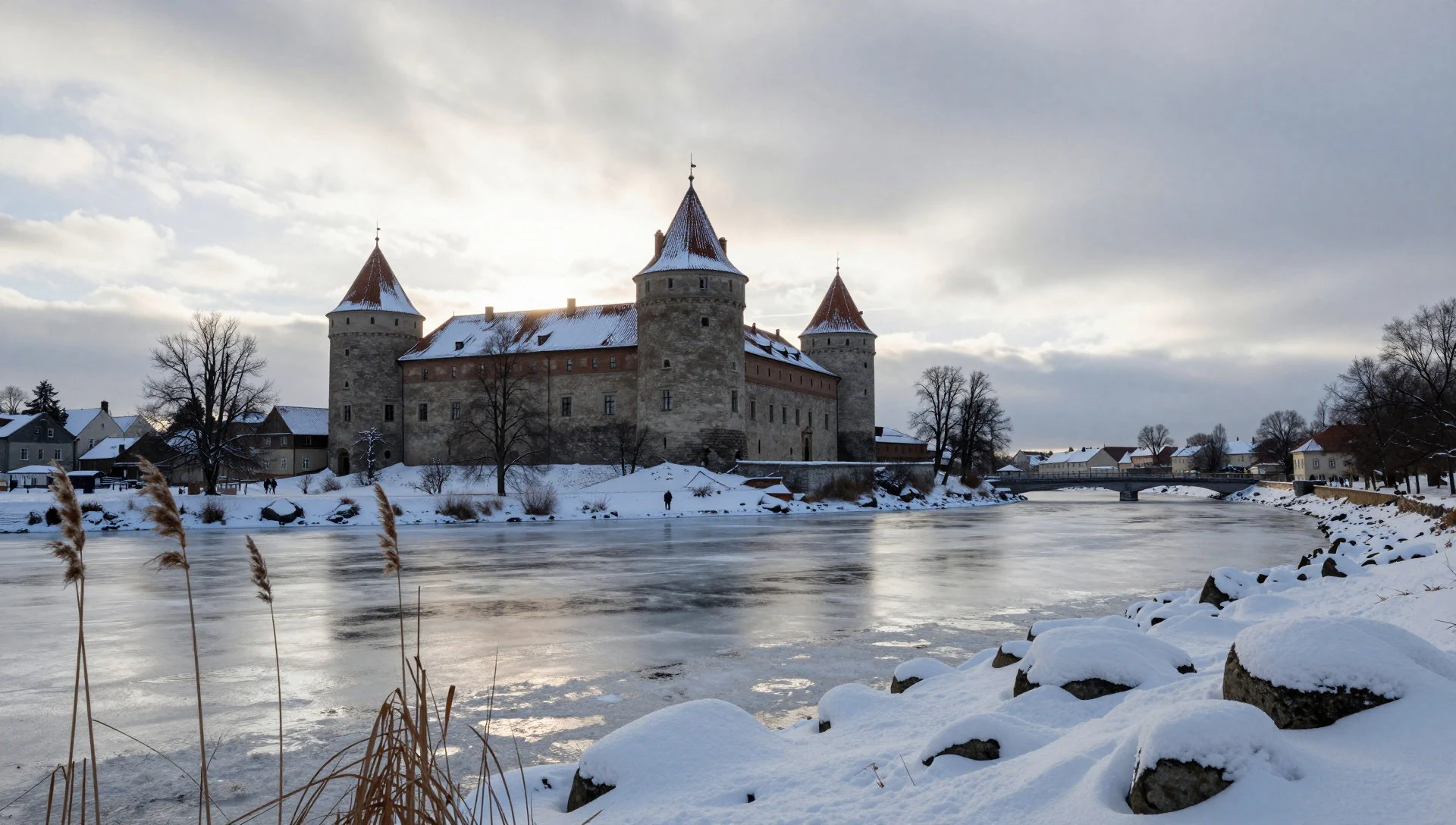
- Tiveden National Park — Southern edge of Örebro County
Tiveden lies at the southern edge of the county and is a day trip for walkers who want rocks, forest and lakes. Trails are marked but rough, so proper boots matter. The park has an information centre but no food or drink for sale, and summer car parks can fill by midday.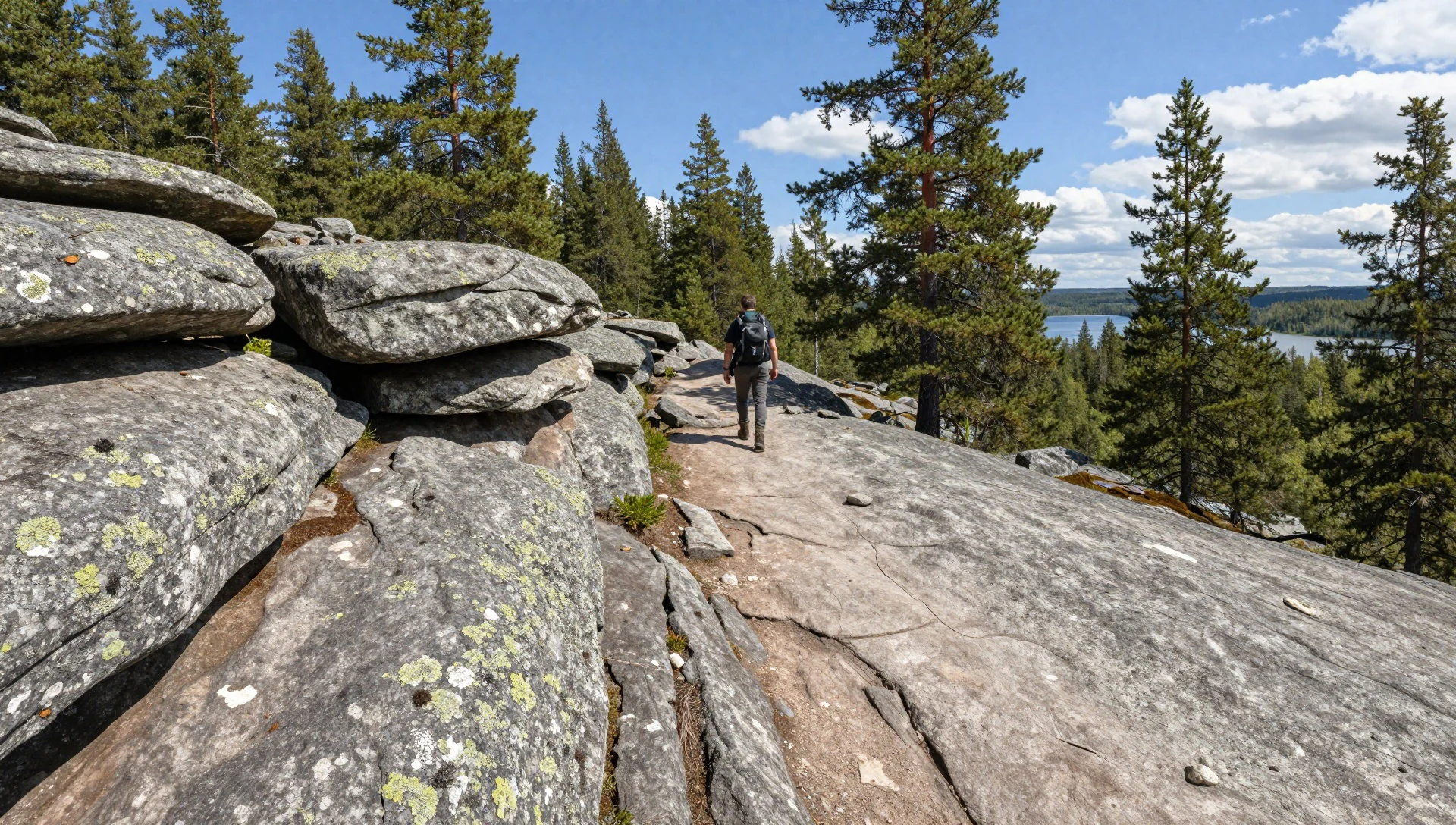
- Bergslagsleden trail — Forests of Örebro County and beyond
Bergslagsleden is a long-distance footpath through old forest that ends near Lake Vättern, after Tiveden. Most visitors will only want a section of it rather than the whole route. Check a current map before setting out, carry water and food, and allow plenty of daylight.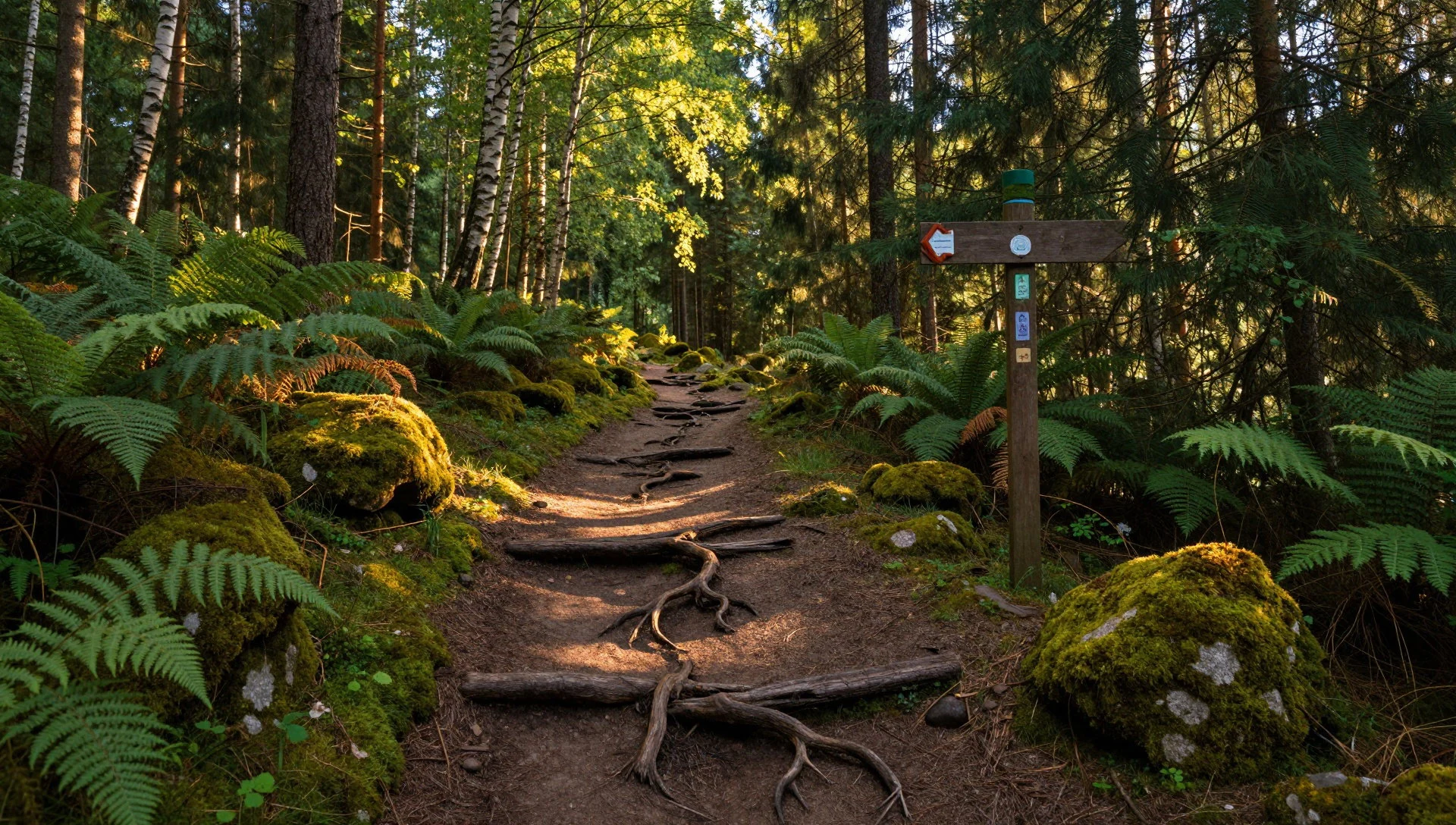
Culture
Örebro Castle stands in a country that treats public space as shared and looked after, and that attitude shapes how the island and its riverbanks are used. Swedes tend to value calm, punctuality and a modest tone, so conversation on the bridges and in cafés is low-key and strangers rarely intrude. The idea of lagom, roughly 'just enough', explains much: the castle is presented with restraint rather than spectacle, and locals use the paths around it for walking, running and lunch breaks. Coffee with something sweet, known as fika, is a daily ritual rather than a treat, and a café stop near the river is the easiest way to watch ordinary town life. The castle's long role as the governor's residence means it keeps an official side, and some areas are closed to visitors. Sweden's right of public access, allemansrätten, lets people roam widely outdoors, but it comes with a duty not to disturb or damage, and the same spirit applies to the grounds here. Swedish is the everyday language, though English is widely understood, and a few words such as hej for hello and tack for thanks are noticed and appreciated. Keep voices low inside the castle, respect signs for closed areas, and carry your litter away from the riverside grounds.
What to wear
Örebro Castle's region has its own folk costumes (folkdräkter), as most Swedish districts do, and they come out for Midsummer, weddings and local celebrations rather than daily wear. Typical pieces use wool, linen and sometimes silk: a linen blouse or shirt, a fitted bodice or waistcoat, a wool skirt or breeches, an apron for women, and ribbons, silver brooches and woven bands as decoration. Details differ by parish, so a pattern or colour can show where the wearer comes from. Everyday dress in Örebro is understated and practical. Dark and neutral colours, good knitwear, straight-cut trousers, a sturdy coat and clean trainers are the norm, and people dress for the weather first and for show second. Students give the town a casual, youthful look. Visitors need no special clothing for the castle, which has no dress code to worry about, but the climate decides what to pack. Winters are cold, dark and often snowy, so thermal layers, a windproof coat, hat, gloves and boots with grip matter. Summers are warm, with highs near 30 C from June to August, but evenings by the river cool quickly and rain is possible, so a light waterproof is useful. Comfortable shoes suit the bridges and paths, and proper hiking boots are needed for the forest trails nearby.
What to eat
- Köttbullar with lingonberries — Traditional Swedish restaurants and lunch eateries in the town centre
Swedish meatballs are served with creamy gravy, boiled potatoes, pickled cucumber and tart lingonberry jam. It is the standard home-style plate and a fair introduction to local cooking, filling and mild, and good after a cold walk along the river.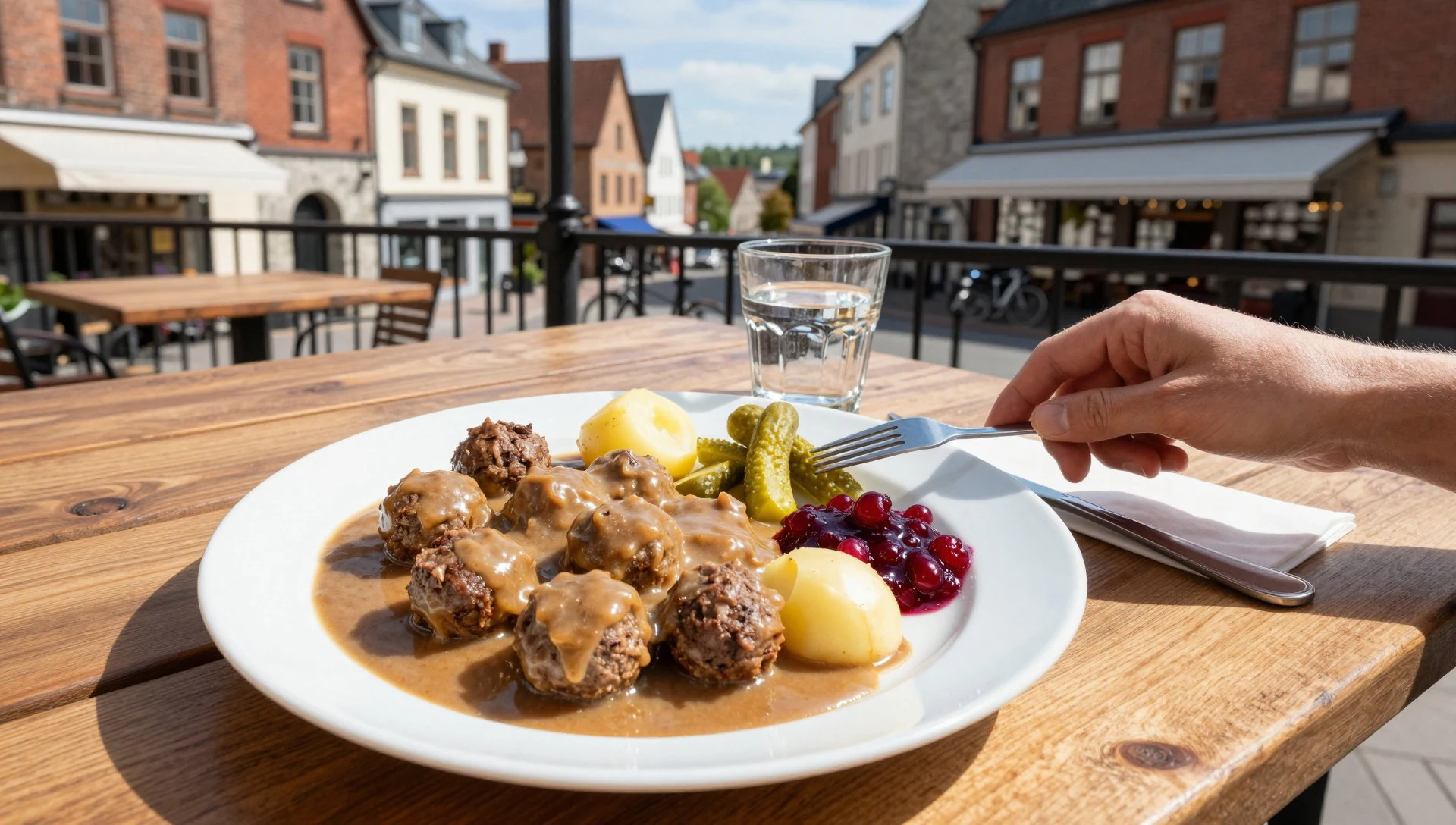
- Kanelbulle — Any bakery or café in central Örebro
The cinnamon bun is the centre of fika, the daily coffee break. A good one is soft, spiced and lightly sweet, often with pearl sugar on top. Try one warm, with black coffee, on a bench or in a café near the castle.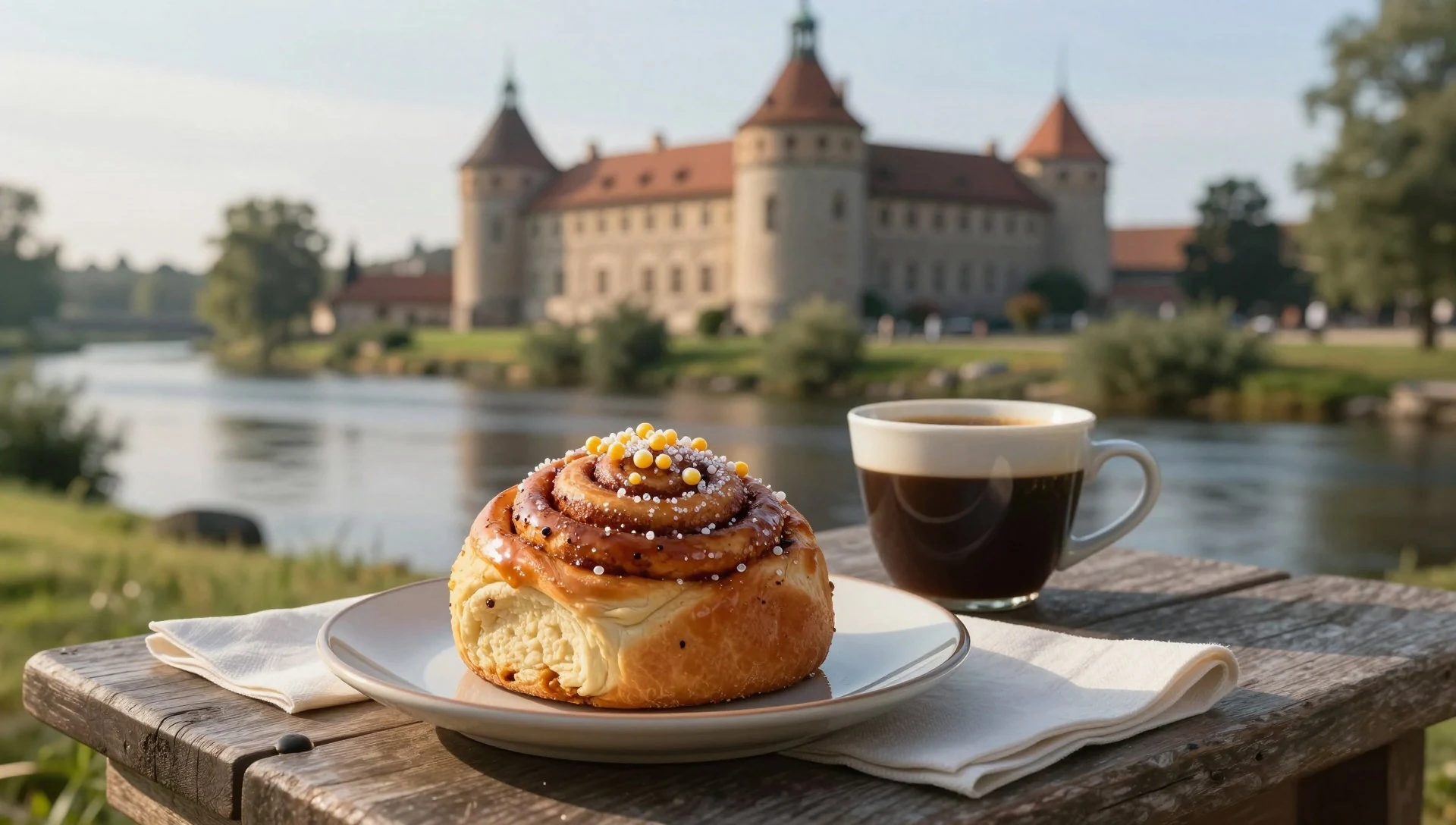
- Räksmörgås — Cafés and lunch counters near the castle and the main square
An open prawn sandwich piled on bread with mayonnaise, egg, lettuce and dill is a classic light lunch. It is cold, fresh and simple, and a pleasant counterpoint to heavier hot dishes, especially in summer when the riverside terraces fill. - Pytt i panna — Lunch restaurants and pubs in the town centre
Diced potato, onion and meat fried together and topped with a fried egg and pickled beetroot. It began as a way to use leftovers and survives as honest everyday food, hearty enough to carry a walker through a cold afternoon. - Gravad lax — Restaurants serving traditional Swedish menus
Salmon cured with salt, sugar and dill, sliced thin and served with a sweet mustard sauce, bread or new potatoes. It is a staple of Midsummer and festive tables, and many restaurants offer it as a starter or a light main course.
Plan it
Best time. June to August for warm weather and long light evenings by the river; December to February brings snow and a quiet, atmospheric castle, but days are short and cold.
How long. 1–2
Getting there. Fly to Stockholm Arlanda, then take a train via Stockholm Central to Örebro Central; the castle is a short walk from the station across the town centre. Örebro also has direct rail links to Gothenburg and other Swedish cities.
Budget. mid
Tips
- Check orebroslott.se for opening times, tours and any events before travelling
- Walk the bridges early or in the evening for softer light and fewer people
- Cards and phone payments are accepted almost everywhere, so little cash is needed
- Tap water is safe to drink, so carry a refillable bottle
- For Tiveden or Bergslagsleden, bring food and water, as the park sells none
Etiquette
- Keep voices low inside the castle and respect signs for closed official areas
- Take litter away from the grounds and trails, as allemansrätten expects
- Queue in order and wait your turn at counters
Nearby
Sources
- Wikidata Q2757682 (CC0)
- Wikipedia, Örebro Castle (rev 1373114967) (CC BY-SA 4.0)
- Wikivoyage, Örebro County (rev 5388757) (CC BY-SA 4.0)
- Photo 01-orebro-slott-2010.jpg, Dada.cudla (CC BY 3.0)
- Photo 02-rebro-slott.jpg, David Castor (CC0 1.0)
- Photo 03-the-rebro-castle-in-wintertime.jpg, Anilieko (CC BY 3.0)
- Photo 04-1954-07-15a-postcard-of-rebro-slott.jpg, T. Lindeberg (Public domain)
- Photo 05-2024-08-13-rebro-castle-and-northern-light-14.jpg, P Freebrave (CC BY 4.0)
- Photo 06-2024-08-13-rebro-castle-and-northern-light-15.jpg, P Freebrave (CC BY 4.0)
- Photo 07-2024-08-13-rebro-castle-and-northern-light-19.jpg, P Freebrave (CC BY 4.0)
- Photo 08-2024-08-13-rebro-castle-and-northern-light-20.jpg, P Freebrave (CC BY 4.0)


