Đồng Hới
Đồng Hới, Vietnam
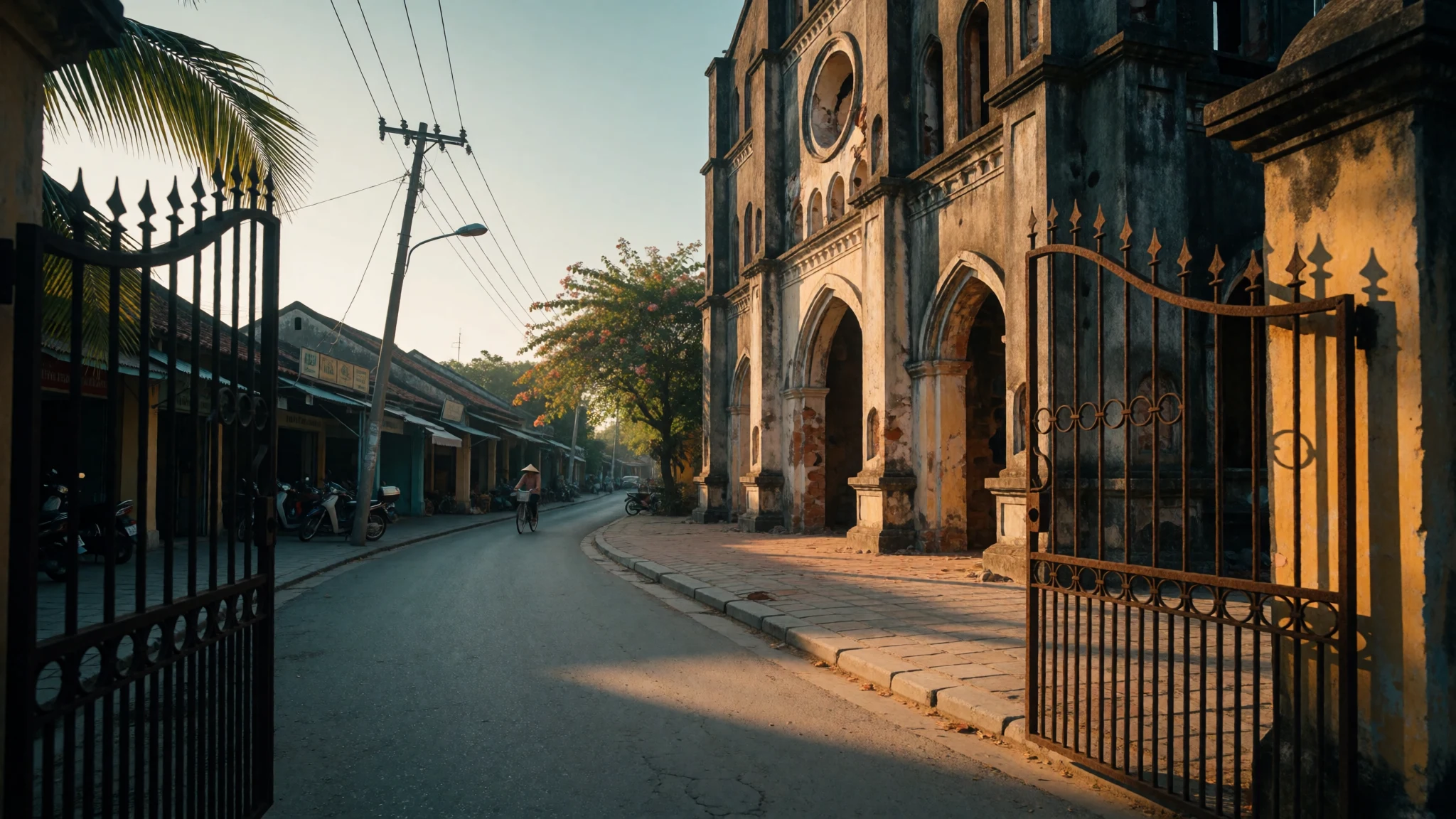
Đồng Hới is a quiet seaside city of river, beach and war ruins, and a practical base for the caves of Phong Nha.
The place
Đồng Hới is the capital of Quảng Bình province, a coastal city on the North Central Coast of Vietnam with 133,672 people. It is low-rise and unhurried, and that is much of its appeal: wide seafront roads, a river through the middle, and far fewer visitors than Hội An or Hanoi. The Nhật Lệ River is the only river that crosses the city, and Bàu Tró, a lake within the city limits, is part of its fresh water supply. East of town lies the South China Sea, with about 12 km of pale-sand coastline. The beaches feel unfinished, with a few hotels, building sites and plenty of empty sand behind them. Highway 1A, the North–South railway and an airport all serve the city, so it sits comfortably on the long run between Hanoi, about 486 km to the north by road, and Huế, about 160 km to the south. Most travellers use Đồng Hới as a base for the cave country of Phong Nha–Kẻ Bàng National Park, around 50 km north, and many stay a night or two for that reason alone. Those who linger find a town that rewards slowness: coffee on the seafront, a walk beside the river, a beer in the evening, and locals who are still curious enough to greet a stranger. Summers are hot and dry, autumn is wet, and the weather is worth checking before booking.
Its story
Đồng Hới sits in a province where people lived long before any city existed. Finds from caves across Quảng Bình, including stone tools and pottery, show hunting communities sheltering in the limestone hills during the Stone Age. In 1926 the French archaeologist Madeleine Colani explored caves and grottoes in the western mountains and concluded that the region belonged to the Hòa Bình culture, one of the early Stone Age traditions of Southeast Asia. Radiocarbon dating of her material put it at roughly ten thousand years old. Nearer the coast, Bàu Tró, the lake inside the city, has yielded relics too, mostly from the Stone Age, which points to people living on the site of today's centre for a very long time. Later legend places the area within the lands of the Viet Thuong tribe of Văn Lang under the Hùng kings, and for a long period the ground was contested between the kingdom of Champa and Đại Việt. That frontier past explains the old citadel, of which two gates and part of a moat survive. The twentieth century left deeper marks. Đồng Hới was bombed heavily during the Vietnam War, and the façade of Tam Toa Church, standing alone as a ruin, is the clearest reminder. Most of what stands today was rebuilt afterwards, which accounts for the wide, modern street layout.
What to see
- Tam Toa Church — Central Đồng Hới
Tam Toa Church is a bombed-out shell near the centre of Đồng Hới. Only the façade still stands, seen through iron gates. It is a short, quiet stop rather than a half-day sight, and works best in the warm light of late afternoon, when it explains the city's wartime story better than any plaque.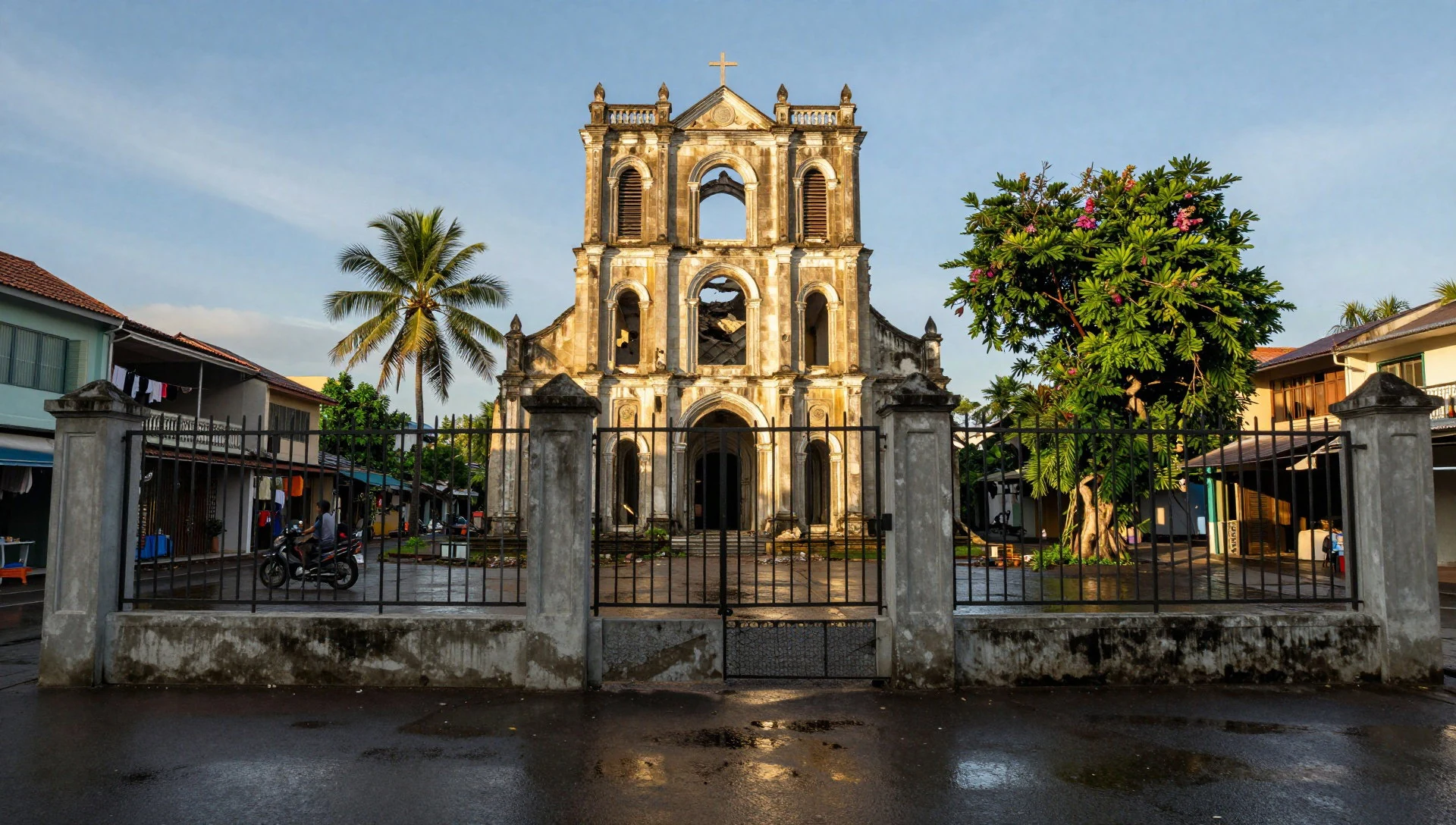
- Citadel Gates — South of the centre
Two gates and a length of moat are all that survive of Đồng Hới's old citadel. The gates can be climbed for a view over the rooftops, but the interior is neglected and littered. Wear closed shoes, watch where you step and visit in daylight. It is worth seeing for history, not for polish.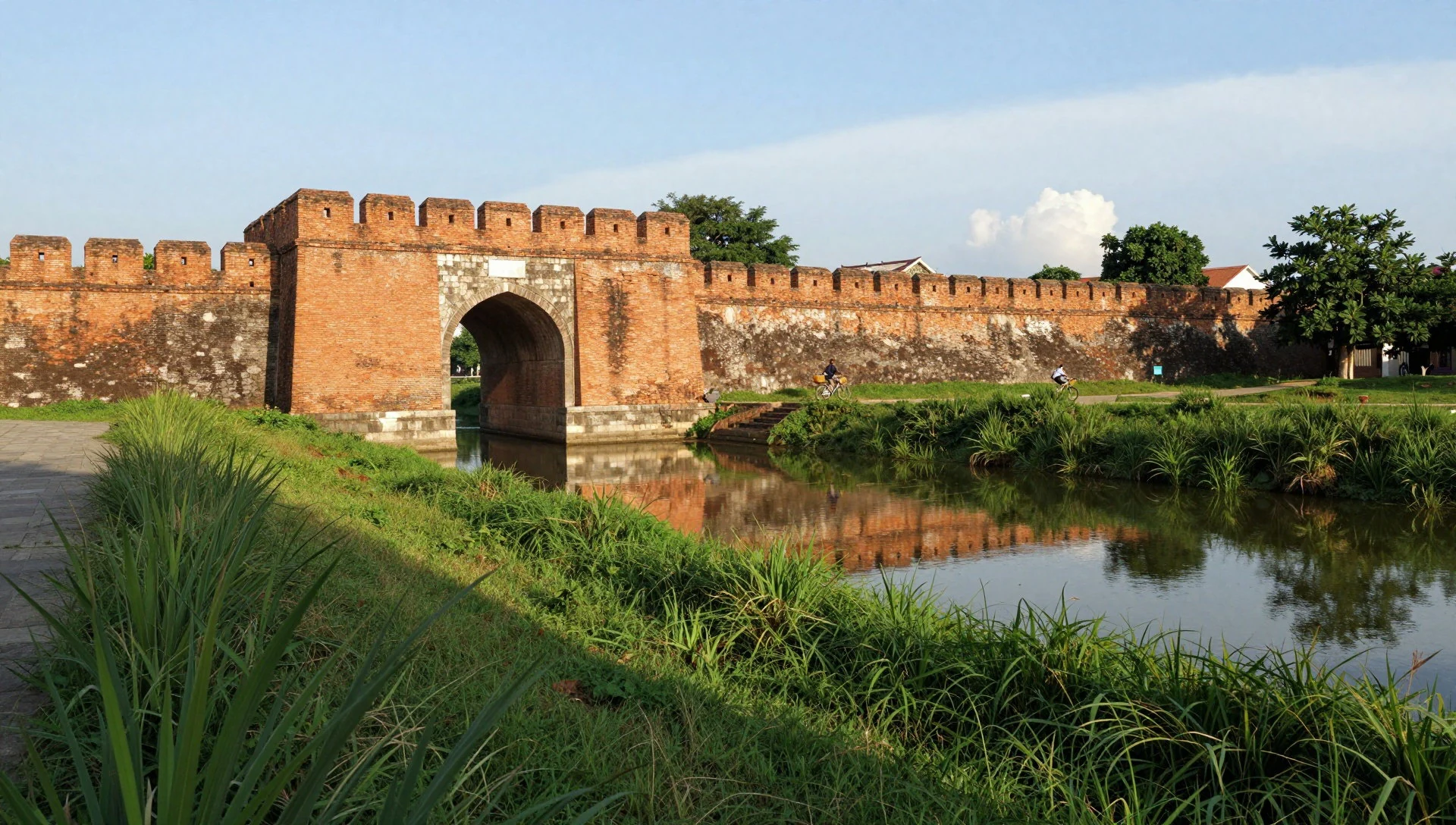
- Nhật Lệ River and beach — Eastern edge of the city
The Nhật Lệ River is the focus of town life, with fishing boats and evening strollers. The beach beyond has a different mood: pale sand, mostly empty, with a few hotels and building sites behind it. Go for a long walk, a swim or sunrise rather than beach-club life, and bring your own shade.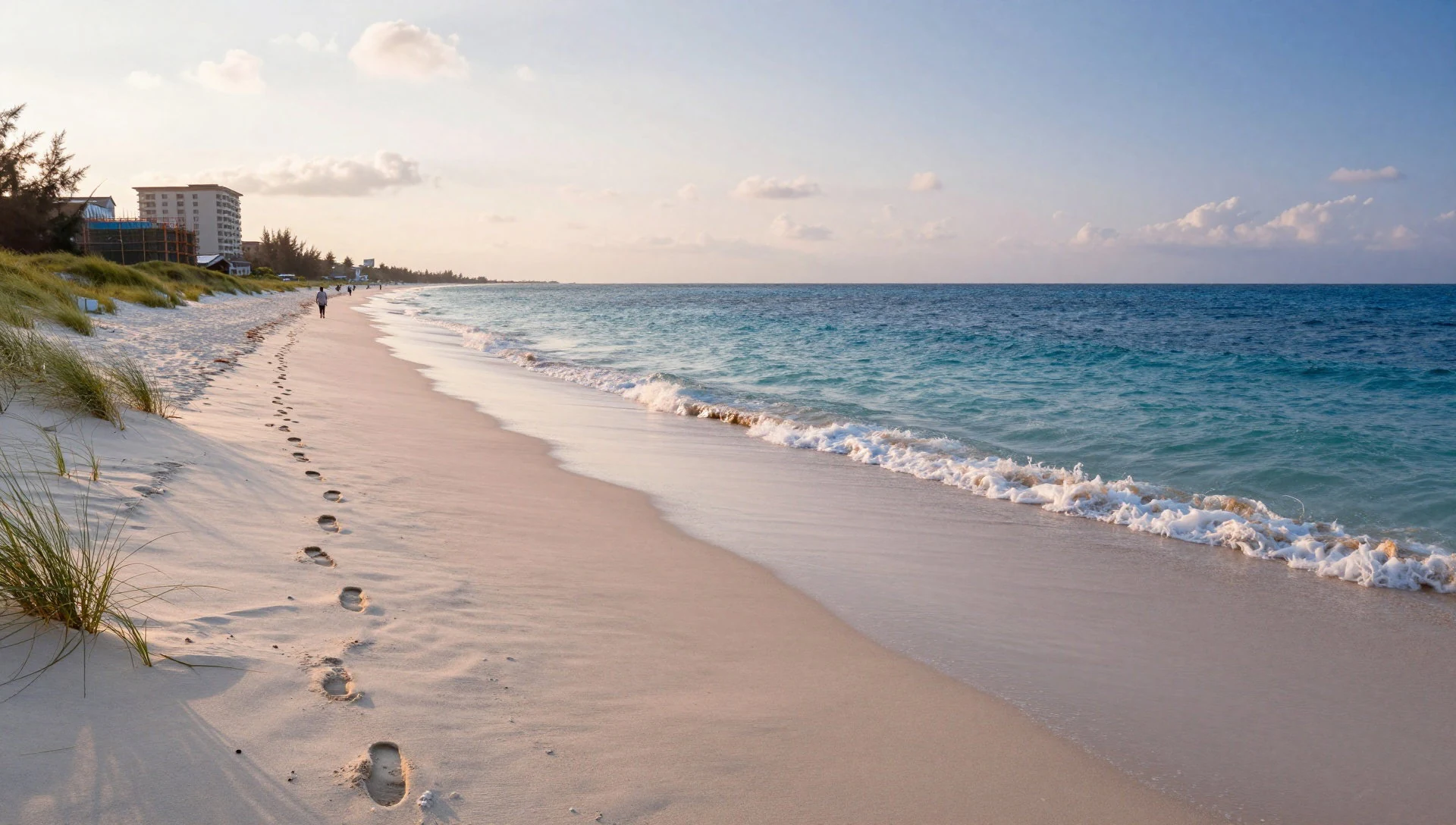
- Bàu Tró — Within the city limits
Bàu Tró is a freshwater lake inside the city, part of its water supply and a place where Stone Age relics have turned up. Today it is a calm spot for a walk or a slow cycle, with locals exercising at dusk. Expect an everyday scene rather than a major attraction.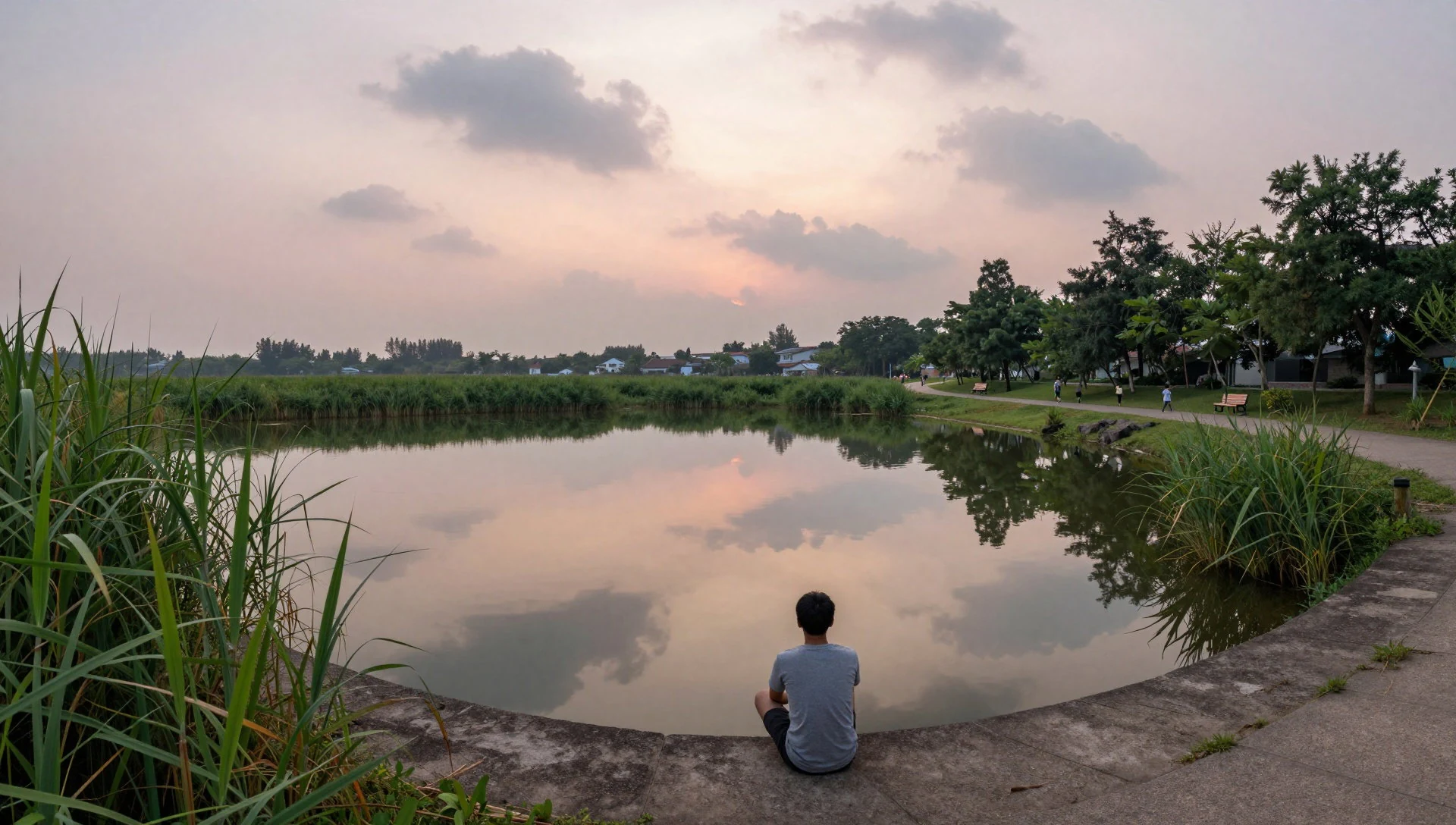
- Paradise Cave — Phong Nha–Kẻ Bàng National Park, north of the city
Paradise Cave lies in the national park north of Đồng Hới. Its chambers are packed with stalactites and stalagmites in odd shapes, lit with plain white light rather than coloured spots. It is less commercial than some better-known caves. Hotels and tour operators in town can arrange the trip; start early.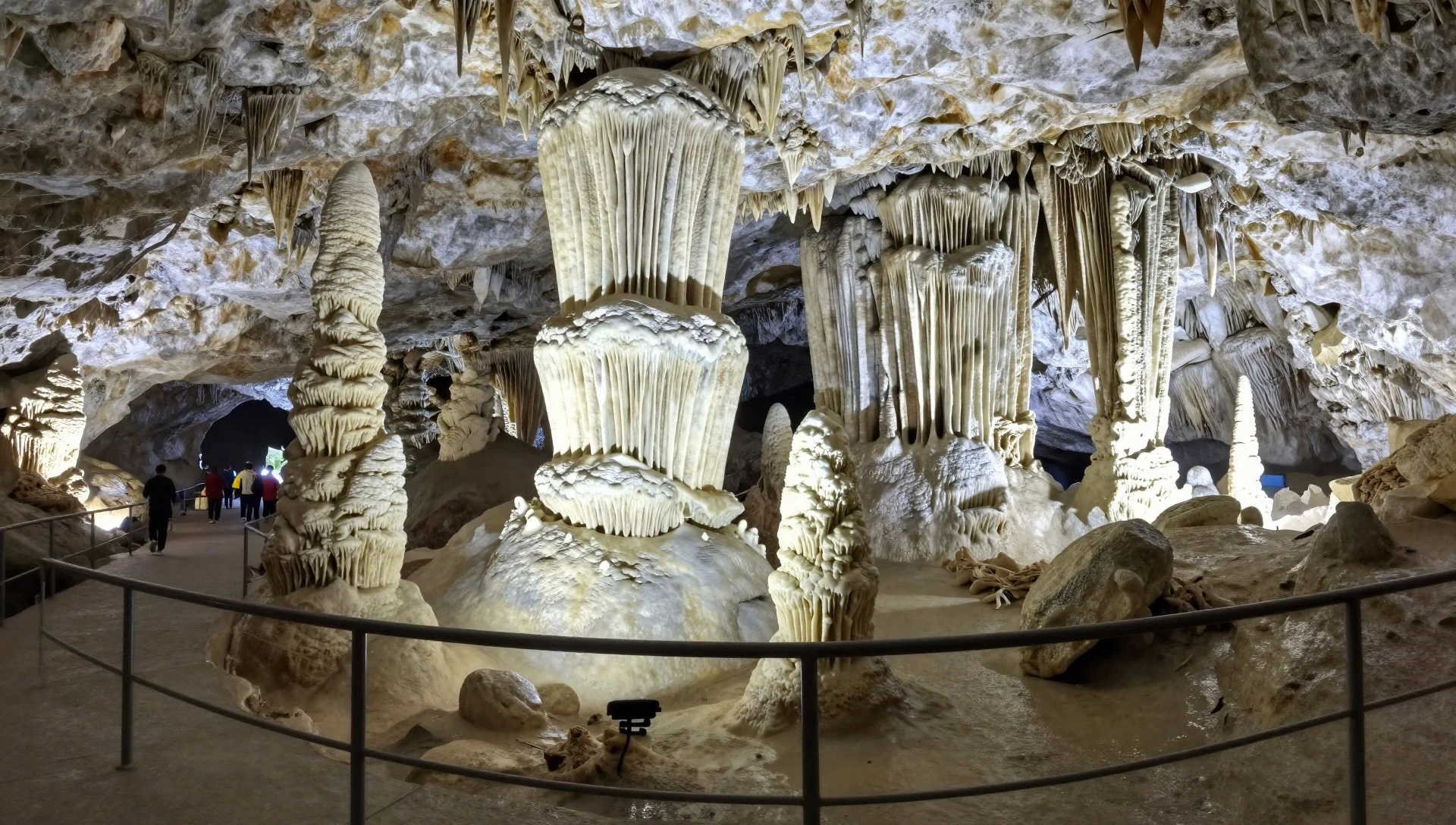
Culture
Đồng Hới's culture is shaped by the sea, the war and the province around it. Fishing families still set the rhythm along the Nhật Lệ, with boats heading out early and the catch reaching the market by morning. Central Vietnam has a reputation for being more reserved than the south and plainer than Hanoi, and it shows in speech and food: people are polite, direct and curious about foreigners, which in a city with few tourists means plenty of smiling greetings and questions about where a visitor comes from. Memory of the war is close to the surface. The ruined Tam Toa Church, the rebuilt streets and local memorials mean many families carry stories of loss, and people tend to speak of it quietly rather than as spectacle. Family life centres on the ancestor altar at home, where incense and fruit are offered on new-moon and full-moon days and at Tết, the lunar new year, when the city empties as people travel to their home villages. Pagodas and village shrines here are active places of worship rather than museums. Evenings are social: families walk the seafront, friends gather over iced tea or beer, and cafés fill after dark. At any pagoda or shrine, dress modestly, take your shoes off where others have left theirs, and ask before photographing worshippers or anyone at an altar.
What to wear
Traditional dress in Đồng Hới is the same as across Vietnam. The áo dài, a long fitted tunic split at the sides and worn over loose trousers, appears at Tết, weddings, school ceremonies and formal photographs, usually in silk or satin. Farming and fishing families have long worn the áo bà ba, a loose cotton shirt and trousers that cope with heat and wet work, and the nón lá, a conical palm-leaf hat, still shades people in markets and fields. Everyday dress now is practical and casual: T-shirts, jeans or shorts, long-sleeved sun layers, face masks and helmets for scooter rides, with smarter shirts and dresses for evenings on the seafront. Locals often swim in shorts and T-shirts, and beachwear stays on the sand. Visitors should pack light, breathable cotton or linen, a wide-brimmed hat and sunscreen, because the city is humid and the summer sun is fierce. Add a thin waterproof for the autumn rains and a light jacket for winter evenings, when the north-east wind can feel cool. For pagodas and shrines, cover shoulders and knees. Wear sandals that are easy to slip off, and closed shoes for the citadel gates, where the ground is rough.
What to eat
- Cháo canh — Small neighbourhood breakfast eateries and the main market
A thick, chewy rice-flour noodle served in a savoury fish or pork broth, closer to a noodle soup than porridge despite the name. Look for it at breakfast in small neighbourhood eateries and at the main market, where cooks ladle it into bowls with herbs.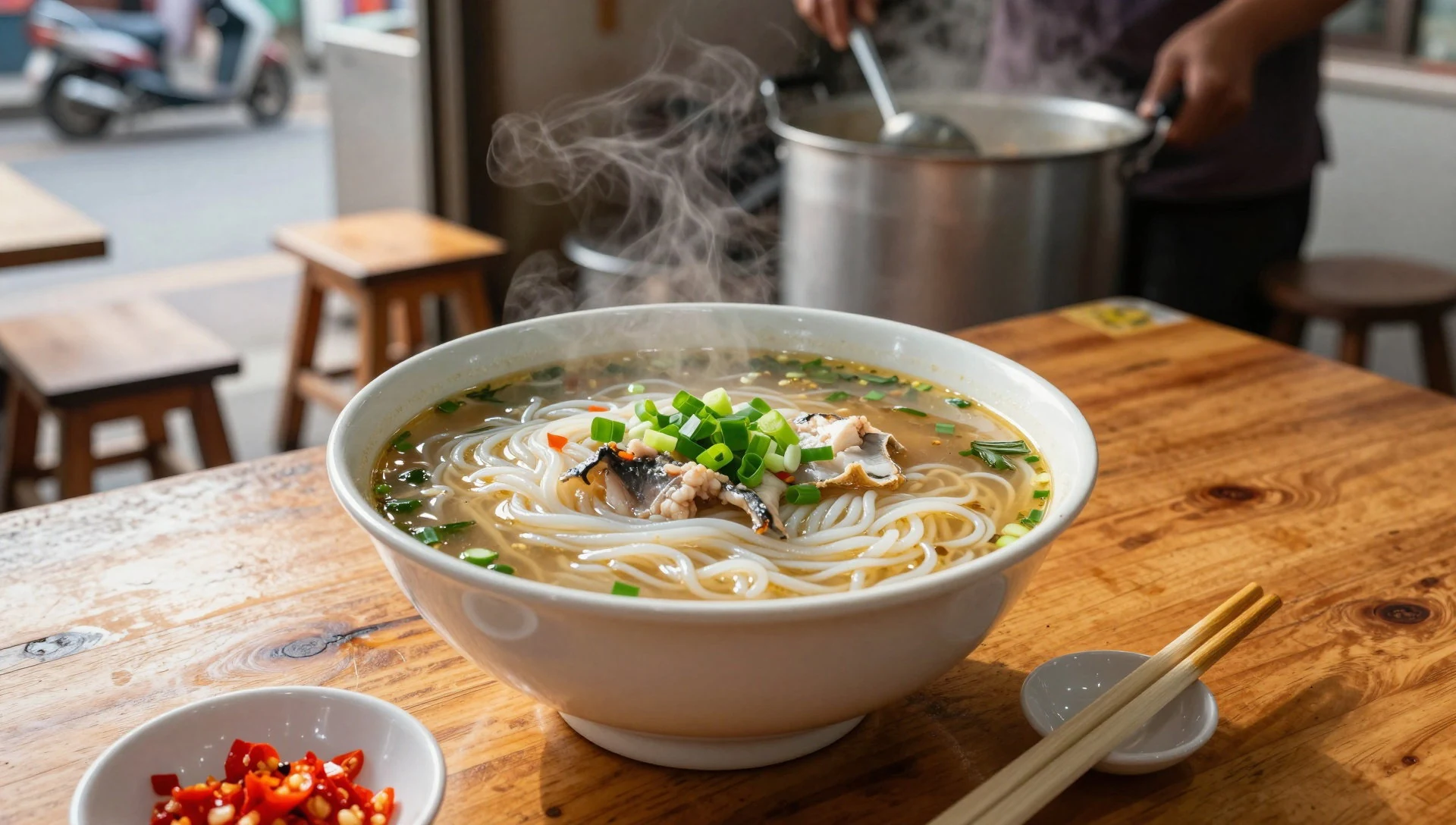
- Bánh bột lọc — Market stalls and small family eateries
Small translucent dumplings of tapioca starch wrapped around shrimp or pork, steamed in leaves and dipped in sweet-sour fish sauce with chilli. A snack from central Vietnam, sold at market stalls and small family eateries, usually eaten in the afternoon or as a light supper.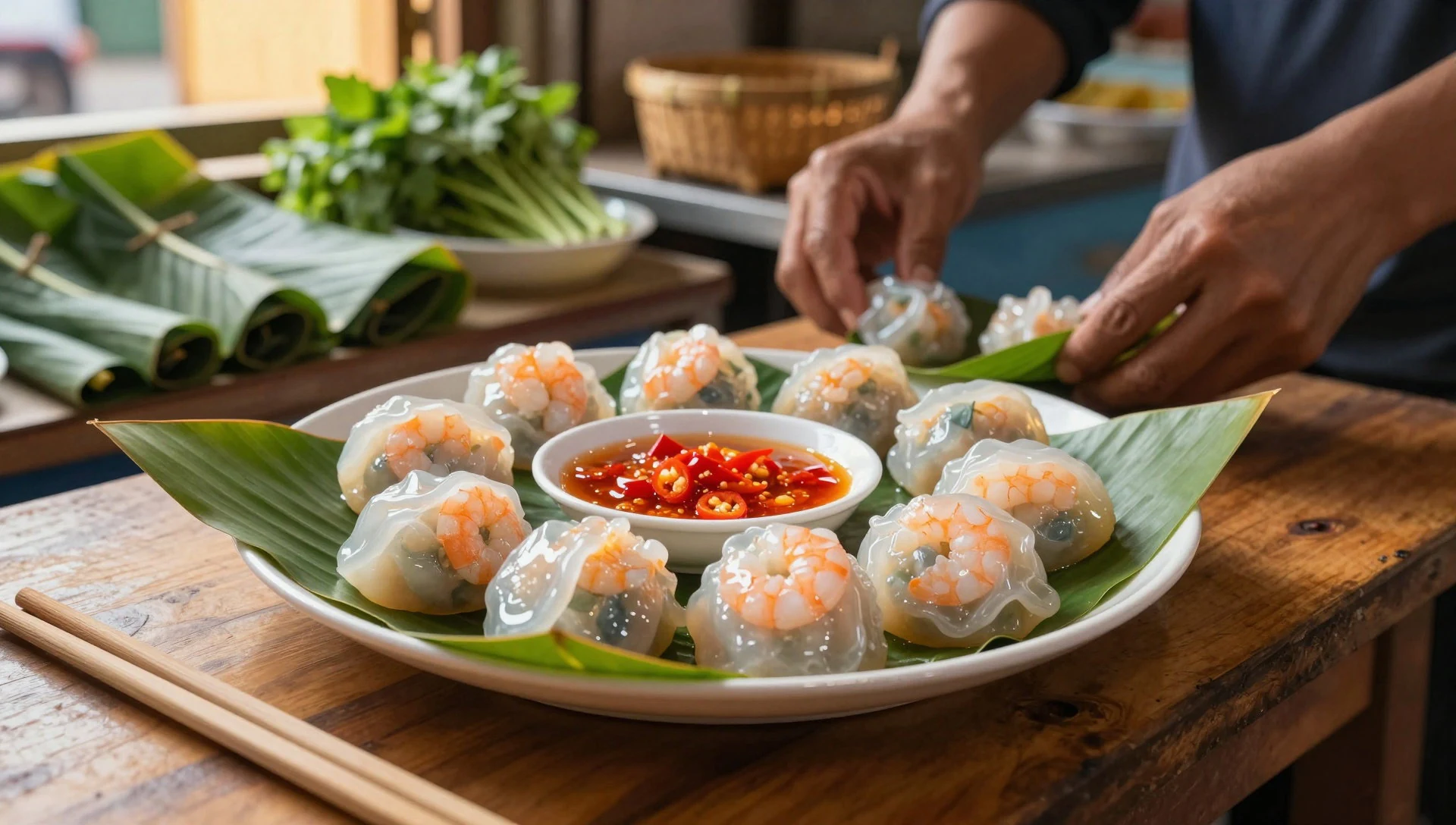
- Bánh xèo — Dedicated pancake eateries and evening street stalls
A crisp, turmeric-yellow rice pancake folded over prawns, pork and bean sprouts. Wrap pieces in lettuce and herbs, then dip in a peanut or fish-sauce dip. Central-style versions are small and thin; find them at dedicated pancake eateries and evening street stalls. - Grilled seafood — Simple seafood eateries near the river and along the coast road
Squid, clams, prawns and fish grilled over charcoal with lemongrass, chilli and lime salt. Simple seafood places near the river and along the coast road serve whatever the boats brought in that day. Ask for the price per portion before ordering, and go in the evening. - Bún bò Huế — Street-side noodle shops in the town centre
A spicy beef and pork noodle soup with lemongrass, chilli oil and a deep, slightly sour broth, from nearby Huế. It is a common breakfast in Đồng Hới, served at street-side noodle shops where plastic stools spill onto the pavement. - Coffee and fruit shakes — Cafés in the town centre and on side streets
Cafés in the town centre pour strong Vietnamese coffee, often with condensed milk over ice, plus fruit shakes and fresh juices that suit the humid weather. Seafront and side-street cafés are good for a slow morning; many also serve light breakfasts and some have English menus.
Plan it
Best time. March to May, when it is warm but before the hottest weather. June to August is hot and dry under the south-west wind, autumn brings heavy rain and very high humidity, and winter is cooler with light drizzle.
How long. 2–3
Getting there. Fly to Đồng Hới airport, or take a train to Đồng Hới station on the North–South line; buses on Highway 1A from Hanoi or Huế often drop passengers at Hung Vung, closer to town than the bus station. For Phong Nha–Kẻ Bàng, arrange a driver or tour in town.
Budget. low
Tips
- Book cave trips through your accommodation or a local operator the day before, and start early to avoid the midday heat
- Carry cash for markets, small eateries and street stalls, and keep a rain jacket in autumn
- Drink plenty of water; the humidity is high all year
- Check the city's official site, http://www.donghoi.gov.vn/, for current local information
Etiquette
- Dress modestly and remove shoes at pagodas and shrines
- Ask before photographing people, especially worshippers
- Greet back when locals say hello; it is a friendly town and a smile goes a long way
Nearby
Sources
- Wikidata Q1877 (CC0)
- Wikipedia: Đồng Hới (city), rev 1373582802 (CC BY-SA 4.0)
- Wikivoyage: Dong Hoi, rev 5401210 (CC BY-SA 4.0)
- Photo: Tam Toa Church (Thái Nhi at vi.wikipedia) (Public domain)
- Photo: Dong Hoi, Quang Binh, Vietnam (Genghiskhan) (Public domain)
- Photo: Tam Toa Church in Dong Hoi (Toanvungtau) (Public domain)
- Photo: Dong Hoi, Quang Binh, Vietnam (Genghiskhan) (Public domain)
- Photo: Bao Ninh Beach (Nguyên Lê) (CC0 1.0)
- Photo: A girl looks through a lens, Operation Pacific Angel 2013 (SSgt Sara Csurilla) (Public domain)
- Photo: Bau Tro in Dong Hoi (Genghiskhan) (Public domain)
- Photo: Bình minh trên bờ biển Đồng Hới (ChieuTimViet) (CC BY 3.0)


