Ölüdeniz
Ölüdeniz, Turkey
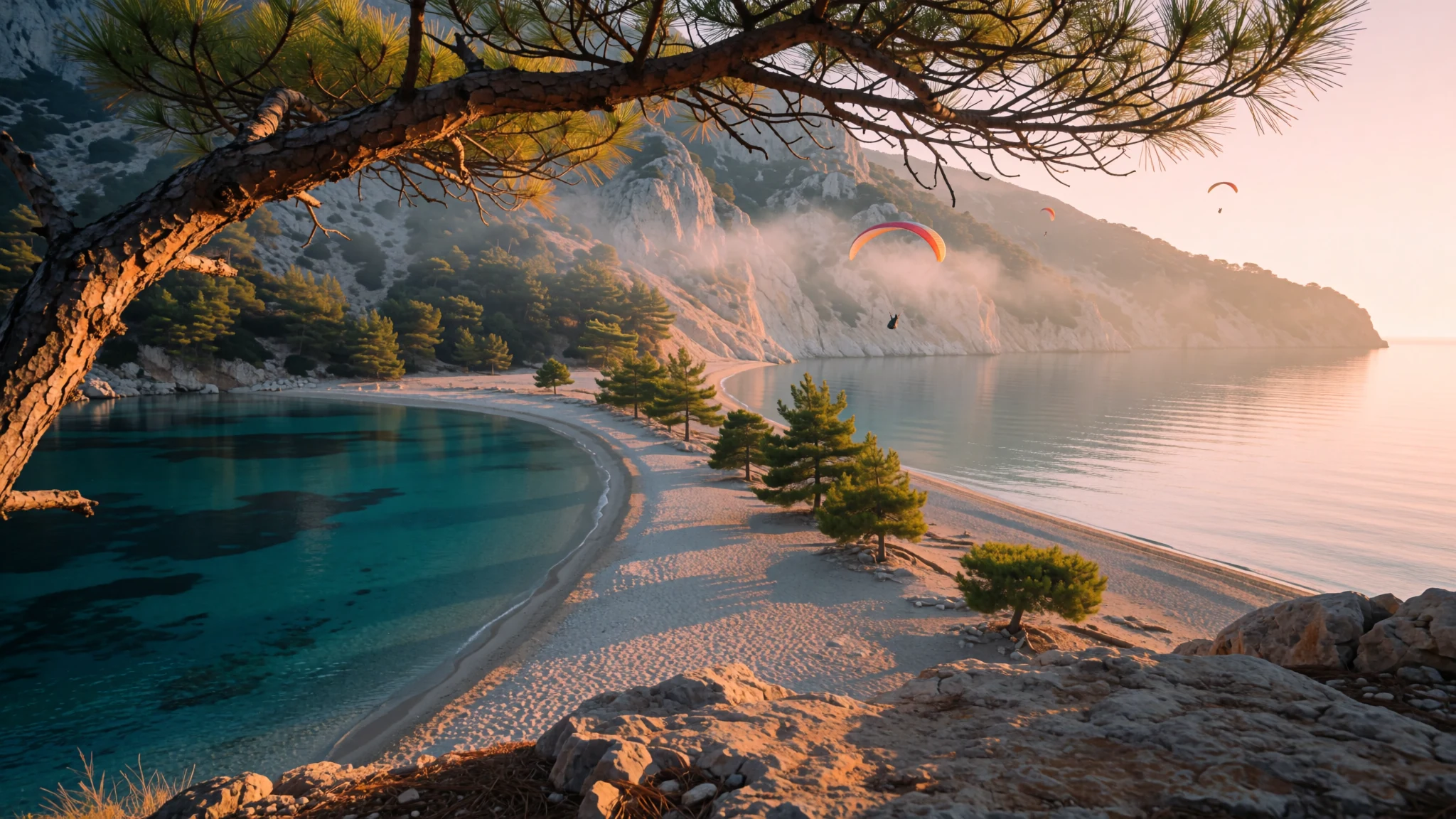
A turquoise lagoon below a limestone mountain, where paragliders float down onto the sand on Turkey's Aegean-Mediterranean coast.
The place
Ölüdeniz is a beach resort in the municipality of Fethiye, in Muğla Province on Turkey's southwestern coast. It sits on the Turkish Riviera, where the Aegean and Mediterranean meet, roughly 14 km south of Fethiye and in the shadow of Mount Babadağ. The name means 'dead sea' in Turkish, a nod to the water's stillness, which stays flat even when the wind is up elsewhere on the coast. The official English name is Blue Lagoon.
The lagoon is a sheltered inlet behind a narrow sandy spit, and the water shifts between turquoise and deep blue depending on the light and the depth. The beach on the open side is pebbly rather than sandy, which surprises people who expect powder. The lagoon is a nature reserve and building there is prohibited, so the shoreline still looks largely natural despite the hotels clustered behind it. The beach holds Blue Flag status.
At heart Ölüdeniz is a holiday town built around its views and outdoor activity. Hotels, pensions and eateries line the roads through Hisarönü and along the Belceğiz strip, and boat engines and music carry through the day. In July and August it is full, hot and expensive for lunch and parasol hire. In spring and autumn it feels more like a village with a beach than a resort.
Its story
The land around Ölüdeniz has been settled for a very long time. The wider Fethiye region is dotted with Lycian rock tombs cut into cliffs, and they still look down over the town today. Lycian culture left its mark on the coast long before the Roman period, and the old trail network of the region later became the basis for the modern Lycian Way, a long marked walking route that runs along the mountains and coves.
The modern resort is much newer. For most of its history the bay was a quiet fishing and farming area, reached by rough tracks. Roads improved and the sheltered water drew holidaymakers, so cafés, guesthouses and then larger hotels spread out from the lagoon. Boat trips and the paragliding launches from Mount Babadağ became the core of the local economy, and the resort grew around them.
A short drive away, the ghost village of Kayaköy tells a sadder story. Its Greek population was deported in 1923, and the village was never resettled in the way many others were. Its empty stone houses and churches remain, and they give the wider area a sense of history that the beach itself does not.
What to see
- Blue Lagoon — Ölüdeniz lagoon
The lagoon that appears in almost every brochure, and the reason most people come. Its calm water shows turquoise and ultramarine in good light and turns flat grey under cloud. Access to the peninsula that separates the lagoon from the open sea is controlled, and the area is a nature reserve, so stick to the marked paths. Expect to pay for parking, sunbeds and food, and check the official site for current entry arrangements before you go.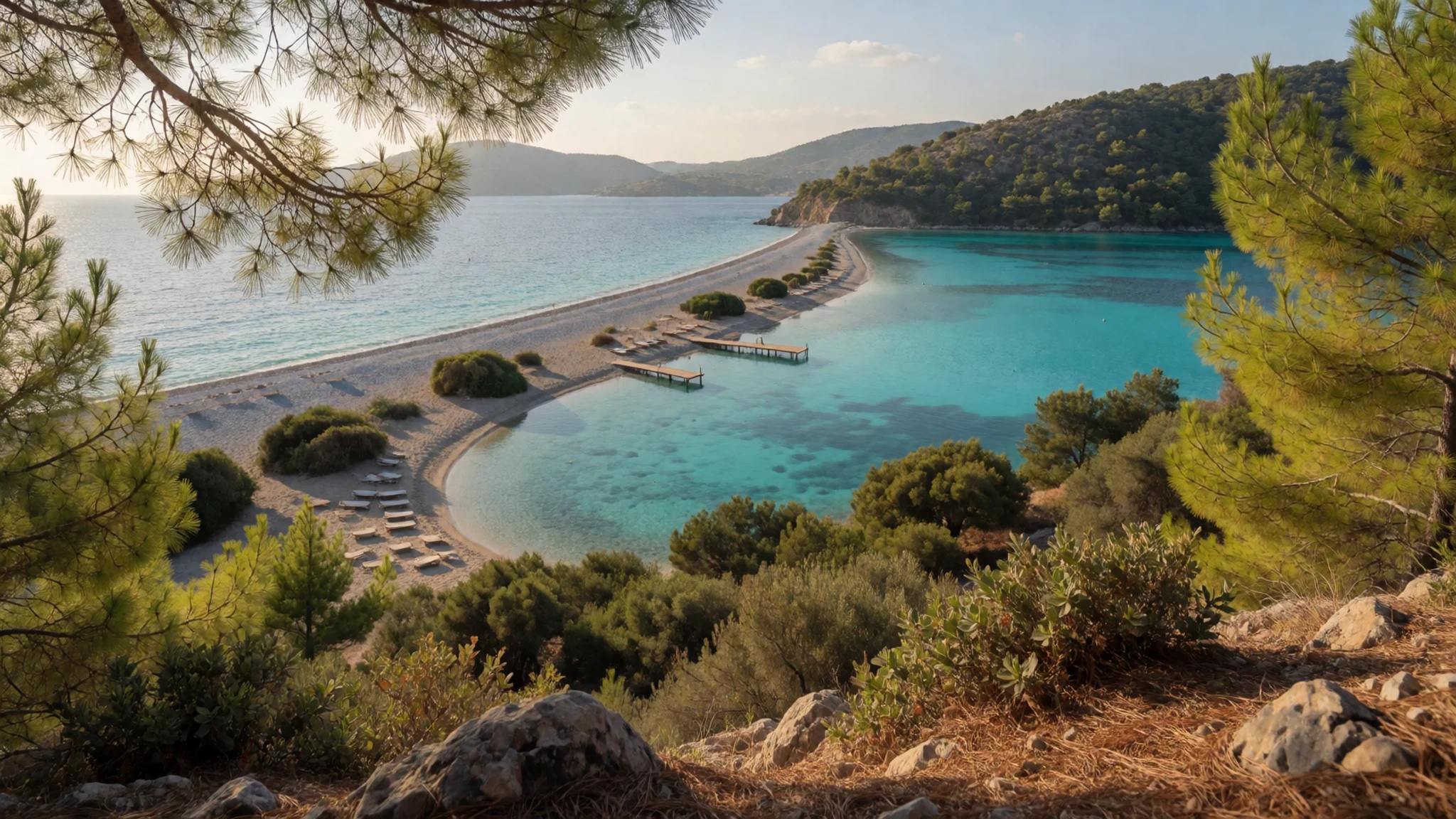
- Mount Babadağ — behind Ölüdeniz village
A limestone mountain of 1969 m that rises almost straight out of the sea behind the resort. A cable car climbs from the village, and the summit is the launch point for tandem paragliding flights. The views from the top reach across the bay and the coastline. A narrow sealed lane climbs the eastern flank for cyclists willing to work hard, and a hiking trail goes up the western side.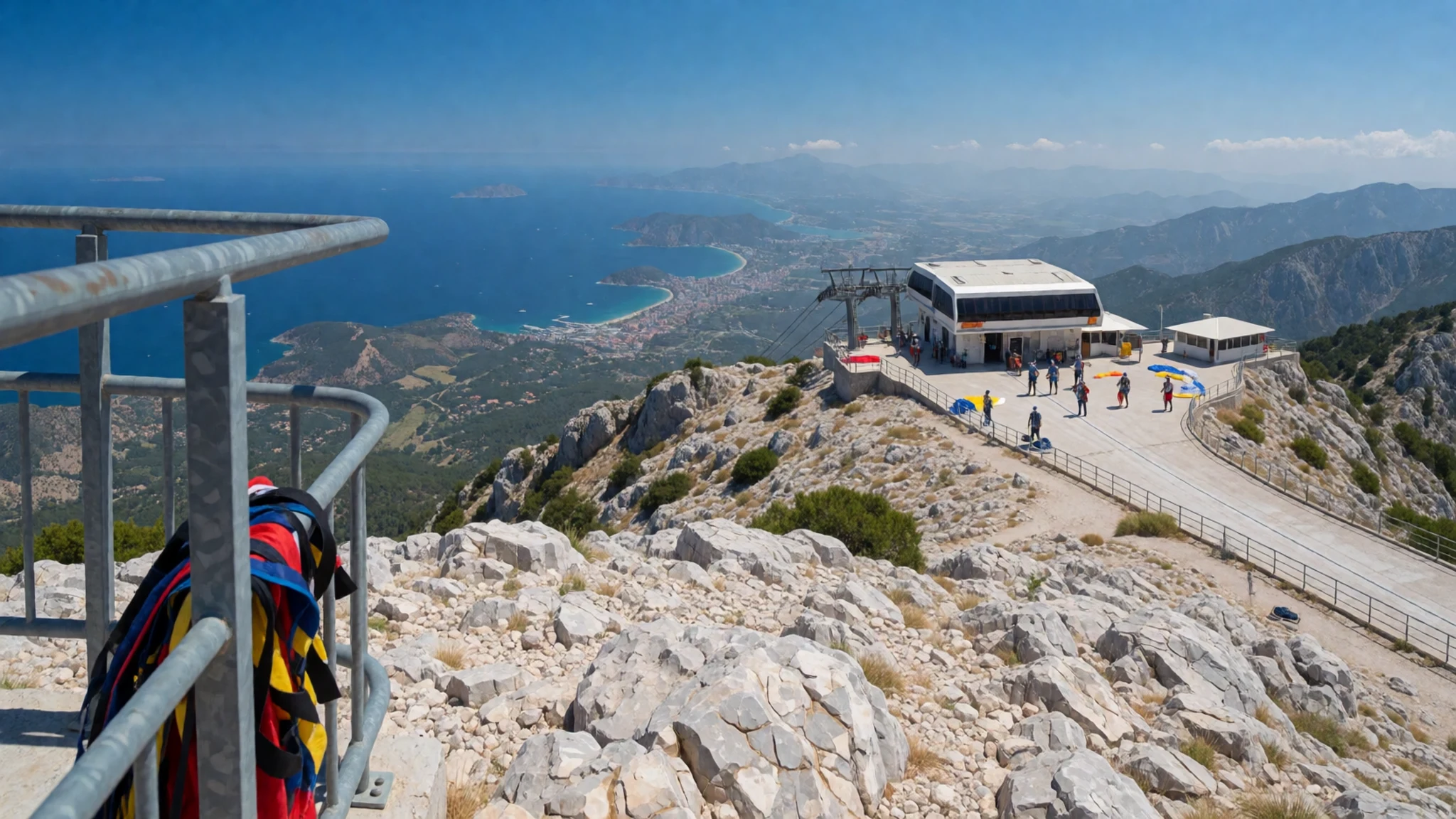
- Belceğiz beach — Belceğiz strip
A long sandy beach on the other side of the resort, and the easiest place for families with small children. The water shelves gently, so it suits paddling and first swims. It is also where many paragliders land, so you will see canopies coming down overhead in the afternoon. Beachfront eateries and bars line the sand, and they are busiest in the evening.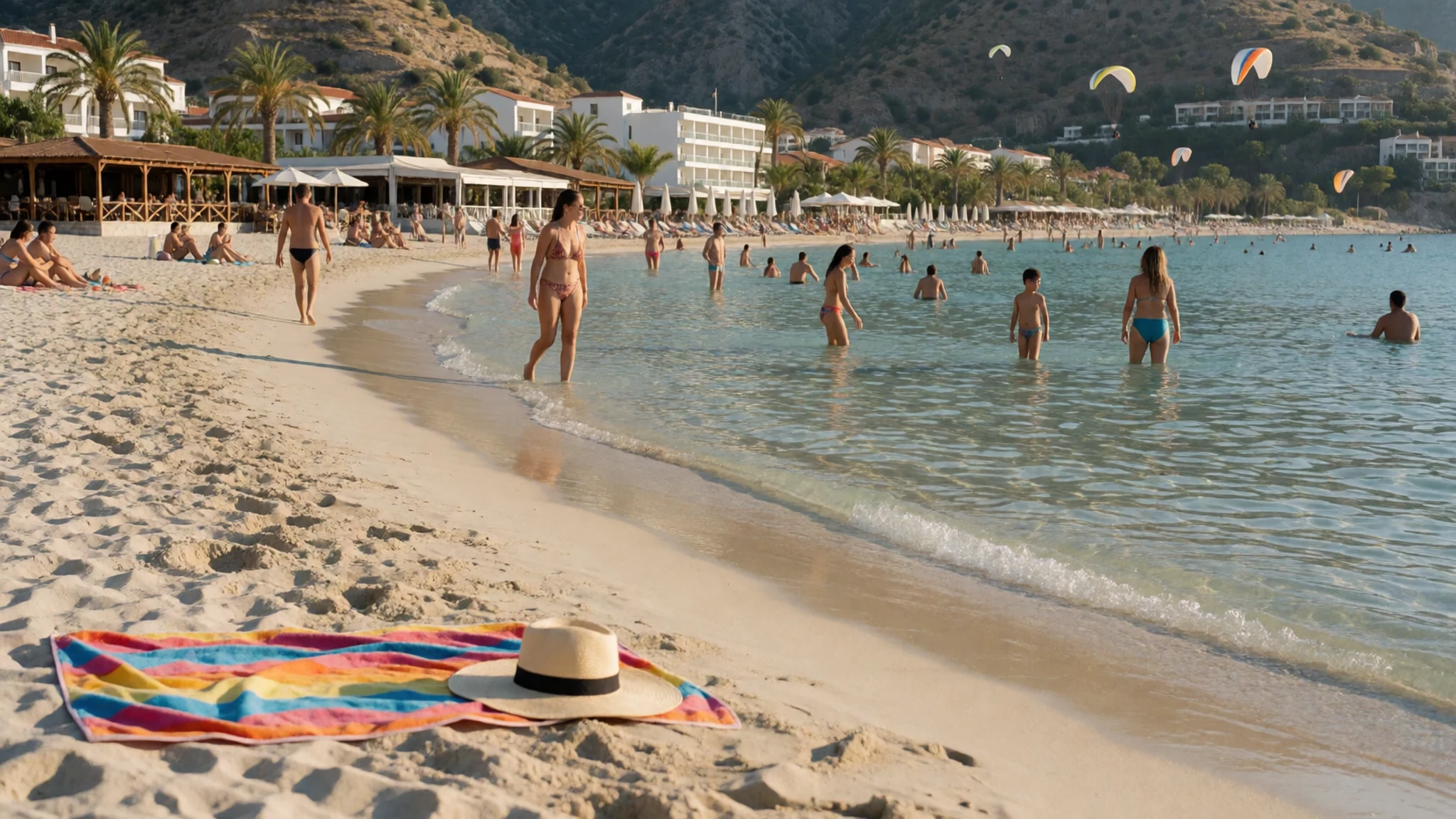
- Gemiler Island — offshore, west of the bay
A small islet to the west of the bay, reached by boat trip from the beach. Its ruins date from the Byzantine period and include churches and monastic buildings, scattered across a rocky, wooded slope. Boat trips run from the beach in the high season, and operators touting along the sand will offer them. Bring water and sun cover, because there is little shade on the island.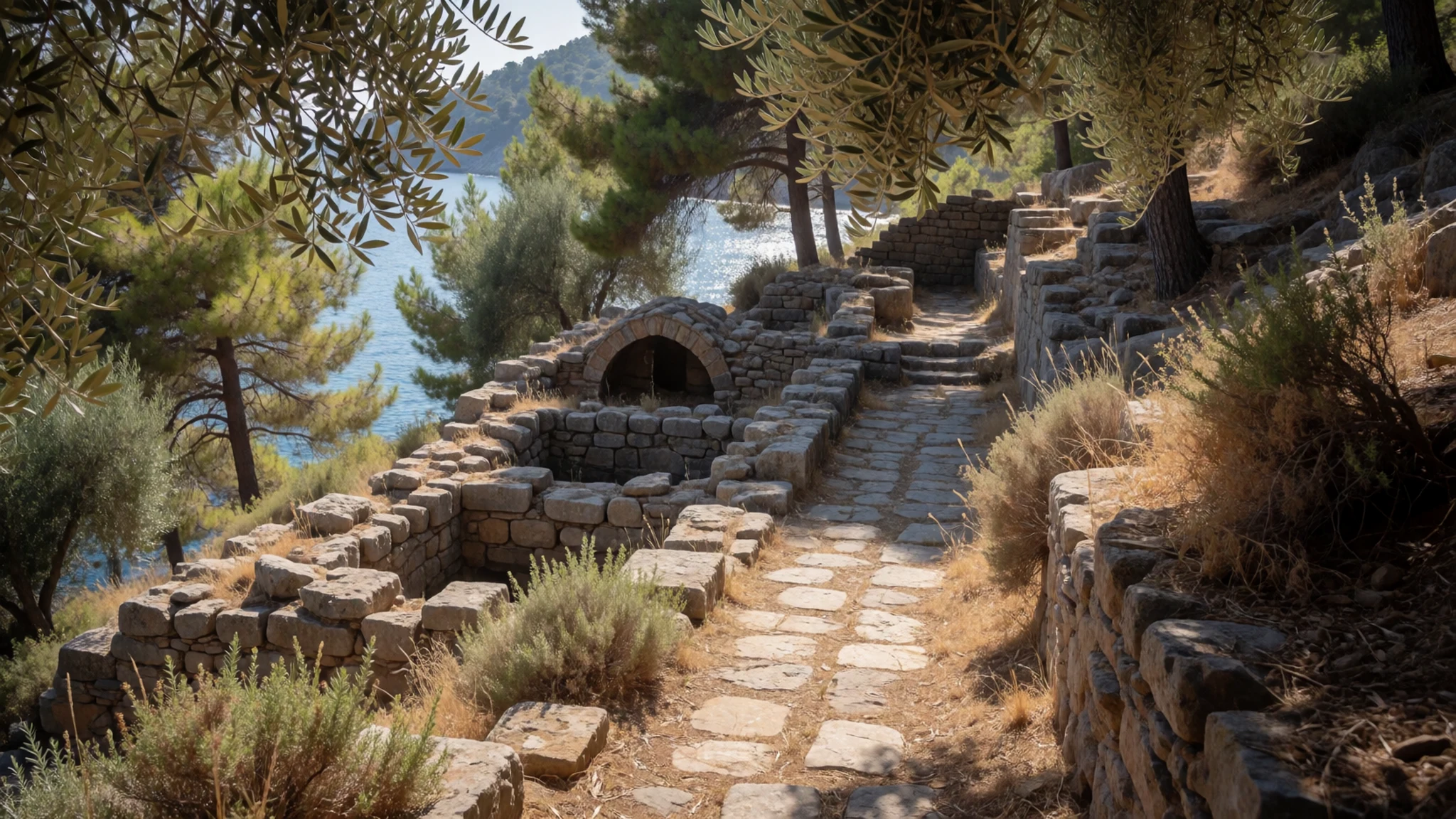
- Kayaköy — Fethiye valley, inland
The abandoned village above the Fethiye valley, a short drive from the resort. Its stone houses and churches stand empty, and many have lost their roofs to time. Walking the lanes takes an hour or two, and it is a good counterpoint to the beach. Wear closed shoes, since the paths are uneven, and carry water as there is little shade in the middle of the day.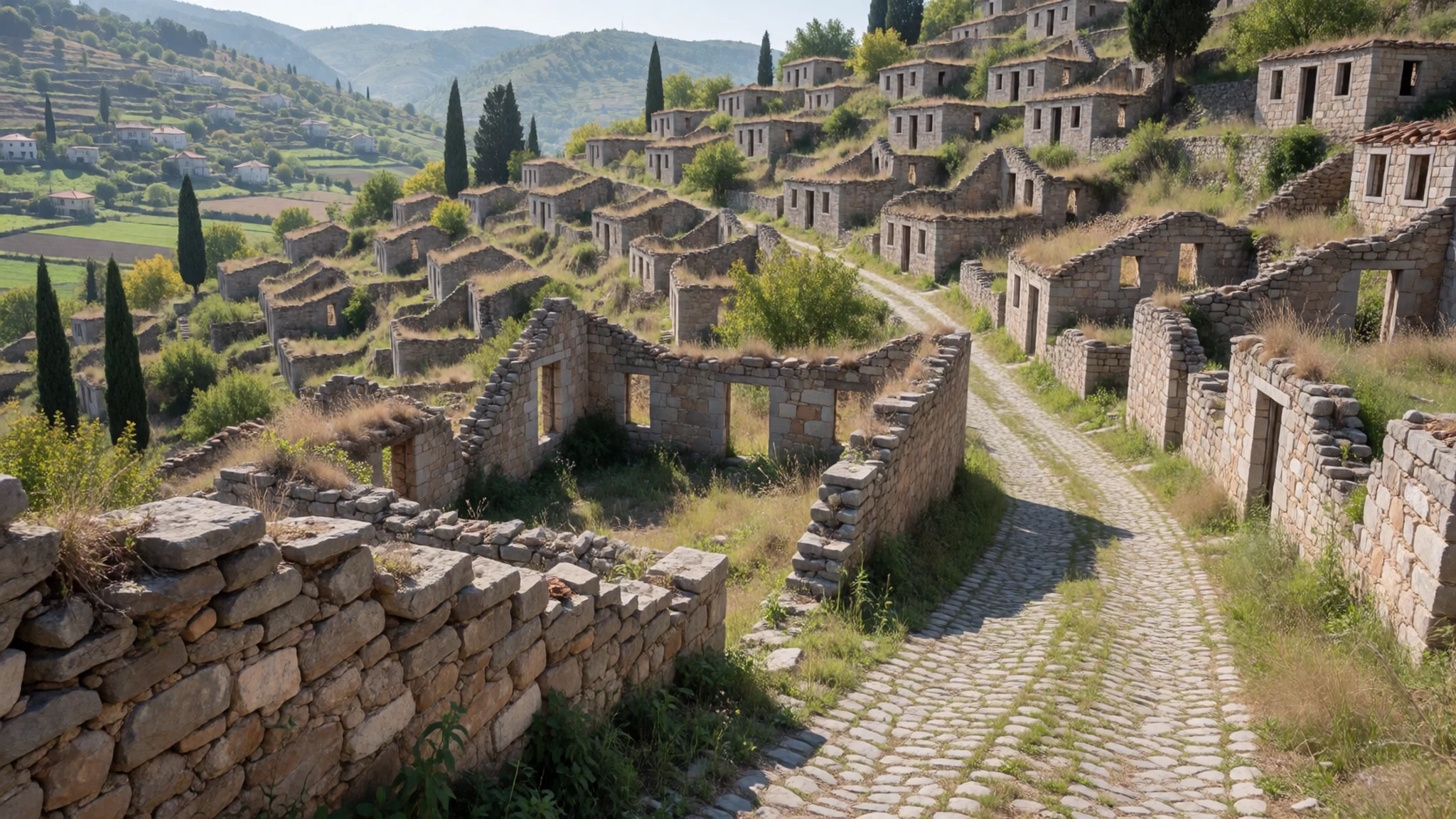
Culture
Ölüdeniz is a Muslim-majority town where the rhythm of daily life is set by the sea and the tourist season. The hotels and beach bars are geared to visitors, but the wider area still follows Turkish customs. In the villages and small restaurants, people greet each other warmly and expect courtesy in return. Tipping is customary in restaurants and for boat crews, and rounding up a bill is the normal, polite gesture. Music at the bars often runs late into the evening, and in the quieter residential streets it is considerate to lower your voice after dark. The lagoon is a protected nature reserve, so keep to the paths, take your rubbish home, and do not disturb the dunes or pebble banks. Stick to the marked areas on the lagoon and leave the sea and the shoreline as you found them.
What to wear
Ölüdeniz is a modern holiday town, so you will see very little traditional dress here. Turkish village costume varies by region, and the wider Muğla area has long traditions of loose, gathered trousers worn with a sash, and headscarves for older women. The clothes were made from cotton and wool, often hand-woven or hand-knitted, and worn for work in the fields and at festivals. You will find these garments in local museums, craft shops and some festival displays rather than on the beach.
What people wear now is mostly ordinary summer clothing. In the resort and on the beach, swimwear, shorts and sandals are everywhere, and few people mind what you wear there. In the villages, the towns and the old quarters, people dress more modestly, and women often cover their shoulders and knees. Locals wear light cotton and linen in summer, and jeans or leggings in the cooler months.
For a visit, dress for heat and for rough ground. Light, loose cotton or linen keeps you cool in summer, and a light layer helps in the evenings and on the boat. Cover your shoulders and knees when you visit a mosque, a village or a town centre. Wear closed shoes or sturdy sandals with grip, because the lagoon's pebbles and the paths of Kayaköy are hard on bare feet.
What to eat
- Grilled fish — the seafront eateries along the Belceğiz strip
Fresh fish, often sea bream or sea bass, is grilled whole or in fillets and served with lemon, salad and bread. Ask what came in that morning, and expect to order by weight. Most of the fish is cooked simply over charcoal, which keeps the flavour clean and the price fair in season.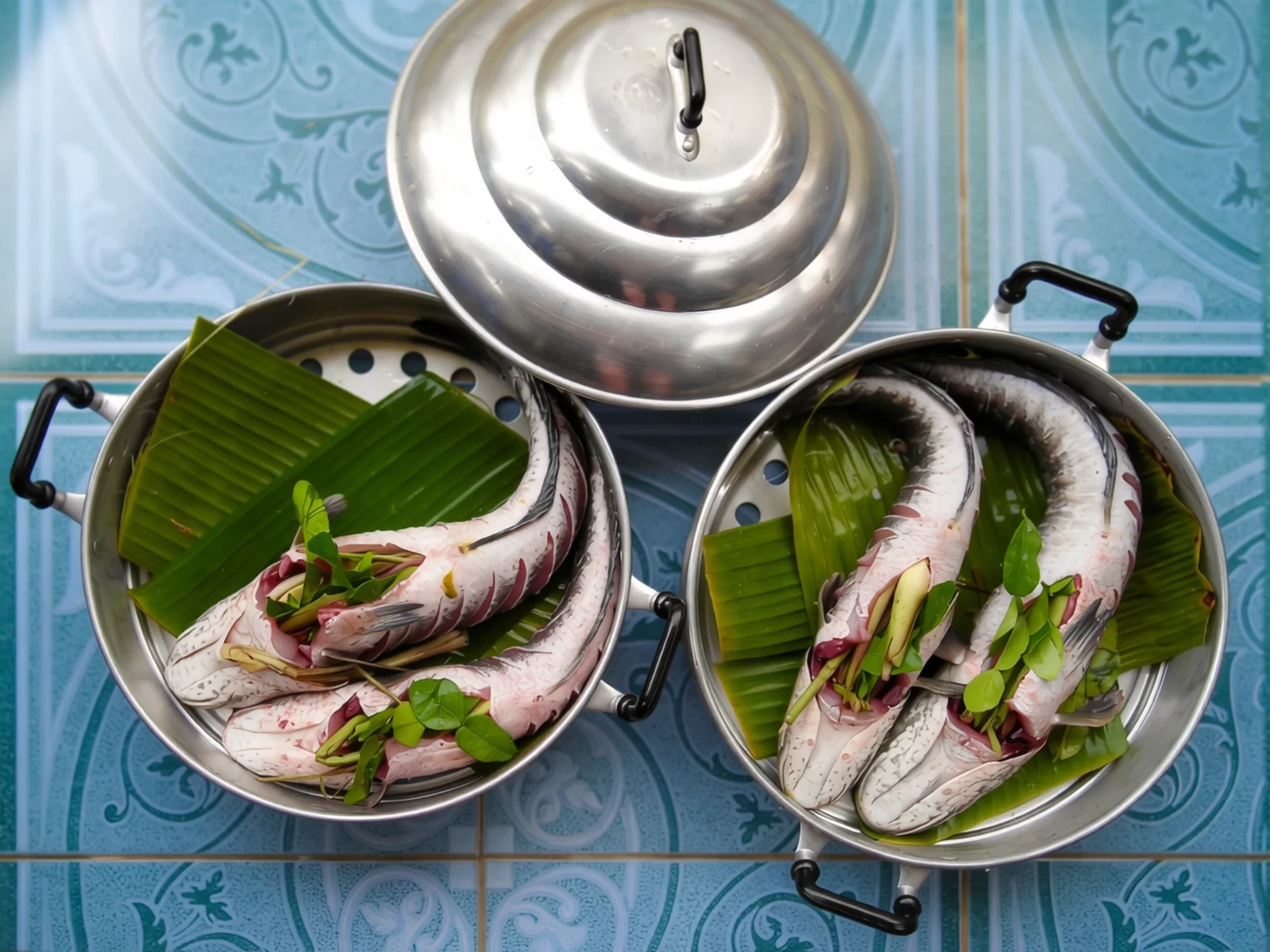
- Meze plates — family-run restaurants in Hisarönü
A selection of small dishes such as cacık, muhammara, stuffed vine leaves and marinated vegetables, shared across the table. They work well as a light lunch in the heat. Order a few to share, and they often come with fresh bread and olive oil.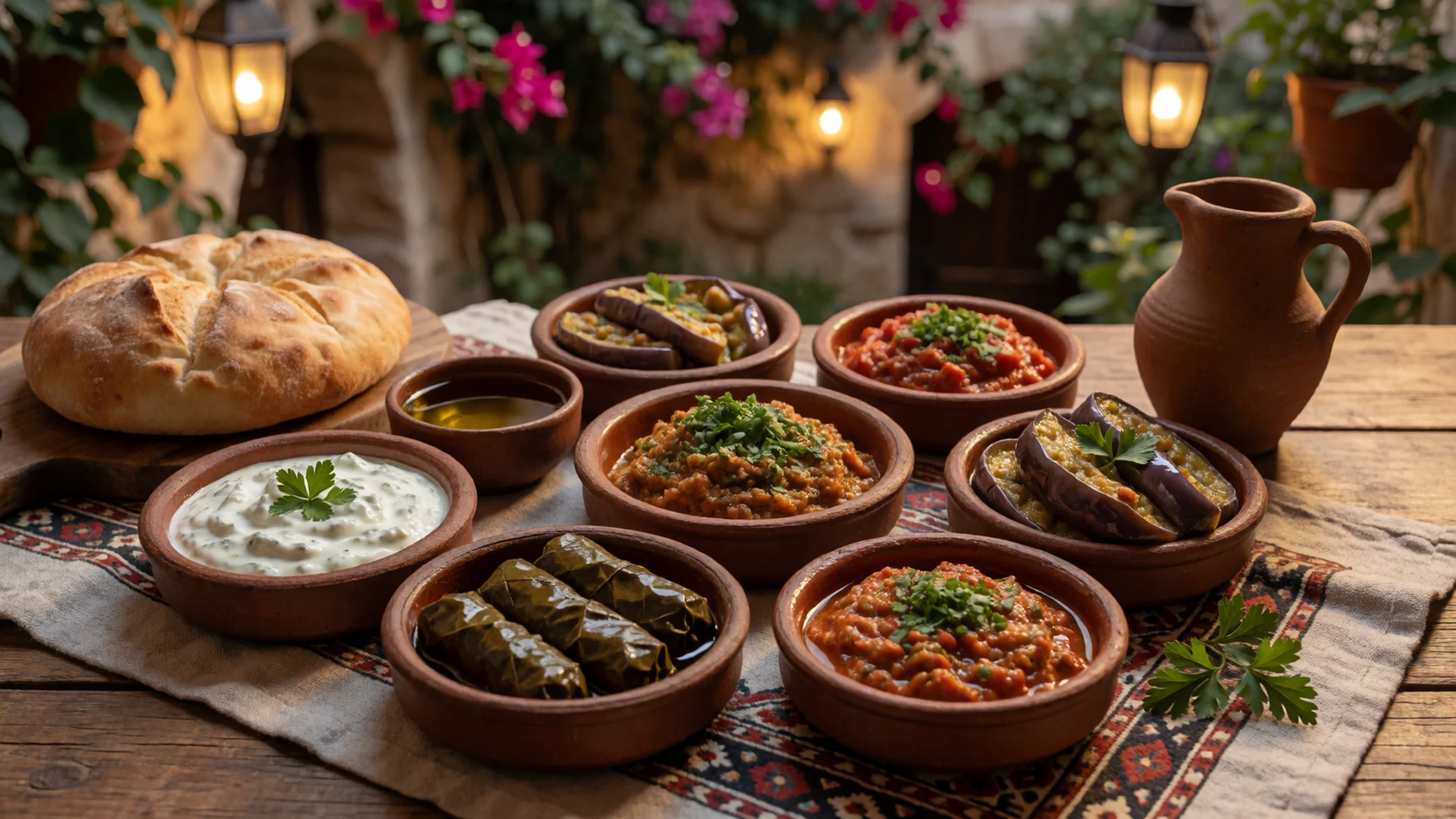
- Gözleme — stalls near the Fethiye dolmuş stops and the main road
A thin flatbread filled with cheese, spinach or minced meat and cooked on a hot griddle, then folded and eaten warm. It is cheap, filling and easy to eat on the move. Stalls around the bus area and the main road sell it from early in the day.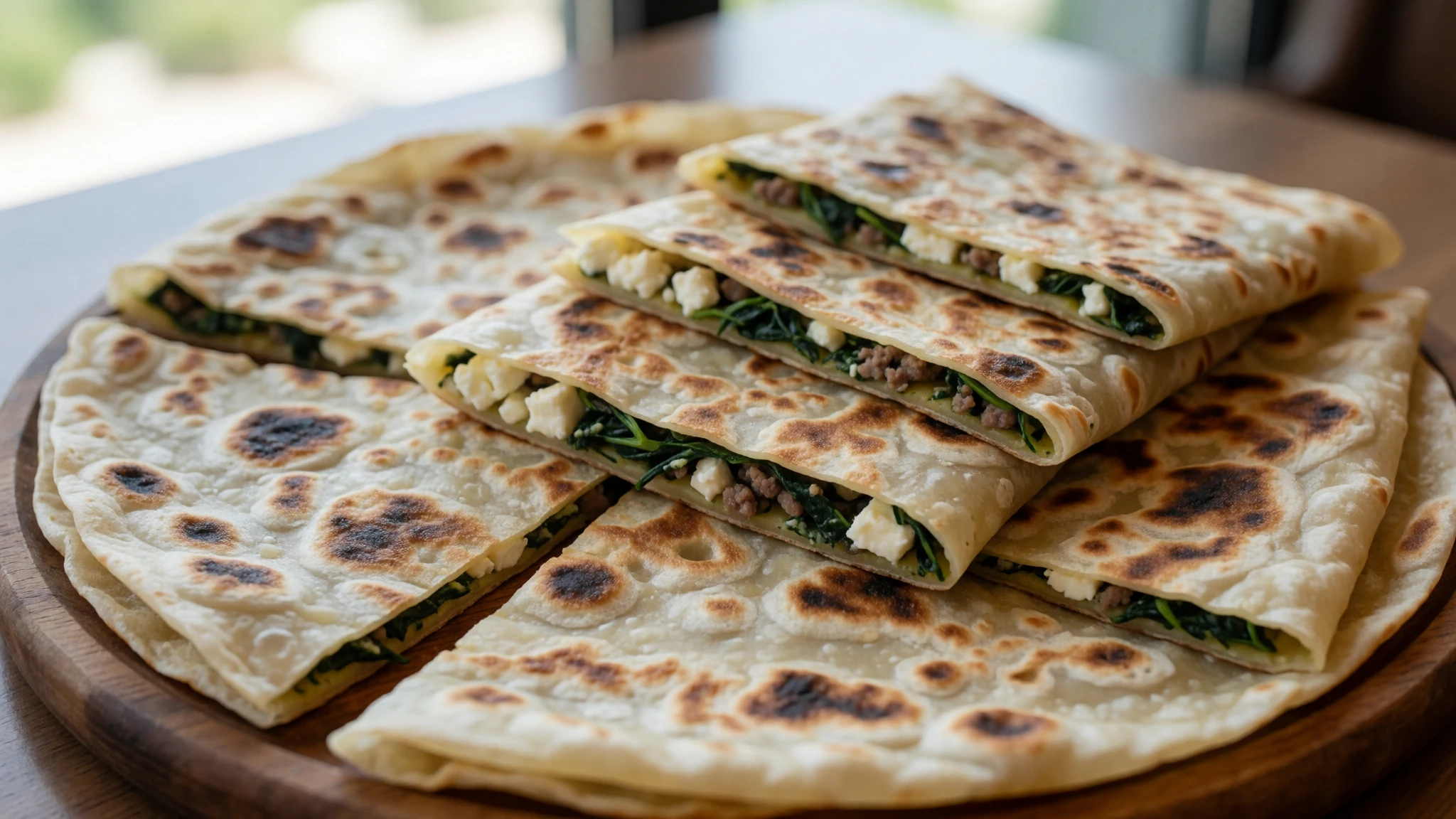
- Turkish breakfast — morning cafés in Ölüdeniz village
A spread of olives, cheese, tomatoes, cucumber, eggs, honey and bread, often with tea served in small curved glasses. It is a relaxed, sociable meal and a good way to start a beach day. Many cafés serve it in the morning, and the table can feel generous for the price. - Full English breakfast — the bars and cafés along the Hisarönü road
The resort also has plenty of British-style breakfasts with eggs, sausage, beans and toast, reflecting the many visitors who come from the UK. They are reliable if you want something familiar after a late night. Quality varies, so look for a busy place with fresh bread.
Plan it
Best time. April to early June and late September to October. The climate is Mediterranean, warm all year, and the sea is pleasant from late spring. In summer temperatures often pass 35 °C (95 °F), and July and August are the busiest and most expensive months.
How long. 2–3
Getting there. Dalaman is the usual airport, and many visitors arrive there on package holidays. From Dalaman, reach Fethiye by taxi or bus, then take a dolmuş minibus from outside the Carrefour supermarket on Ölüdeniz Caddesi, east of Fethiye bus station. The dolmuş takes about 30 minutes and runs every five minutes at peak times.
Budget. mid
Tips
- Book accommodation early for July and August, since the resort fills quickly
- Go to the lagoon early in the morning for calmer water and fewer people
- Carry cash for parking, sunbeds and small eateries, though many places take cards
- Bring water, a hat and sun cover, as there is little shade on the beach
- Wear sturdy footwear for the pebbles, and check the official site for entry and parking arrangements
Etiquette
- Keep to the marked paths on the lagoon nature reserve and take your rubbish with you
- Dress modestly when you leave the beach, and cover your shoulders and knees in towns
- Ask before photographing people, especially in villages and at local stalls
Nearby
Sources
- Wikidata Q1344290 (CC0)
- Wikipedia: Ölüdeniz (CC BY-SA 4.0)
- Wikivoyage: Ölüdeniz (CC BY-SA 4.0)
- Oludeniz (Ölüdeniz) bay in Turkey, Dan Taylor (CC BY 2.5)
- Paragliding view oludeniz, Andrzej Szkopiński (CC BY 3.0)
- Cennet plajına giden dağ yolu, Krystsina Kashtanava (CC BY-SA 4.0)
- The Lycian Way in southwestern Turkey, rheins (CC BY 3.0)
- View from the lycian way near Ölüdeniz, Alexey Komarov (CC BY-SA 4.0)
- Ölüdeniz, the mountain and the sky, Ezzeldin.Elbaksawy (CC BY-SA 4.0)
- Gleitschirmfliegen über der Blauen Lagune, dronepicr (CC BY 2.5)
- Ölüdeniz Beach, Tevfik Teker (CC BY 3.0)


