Ollantaytambo
Ollantaytambo, Peru
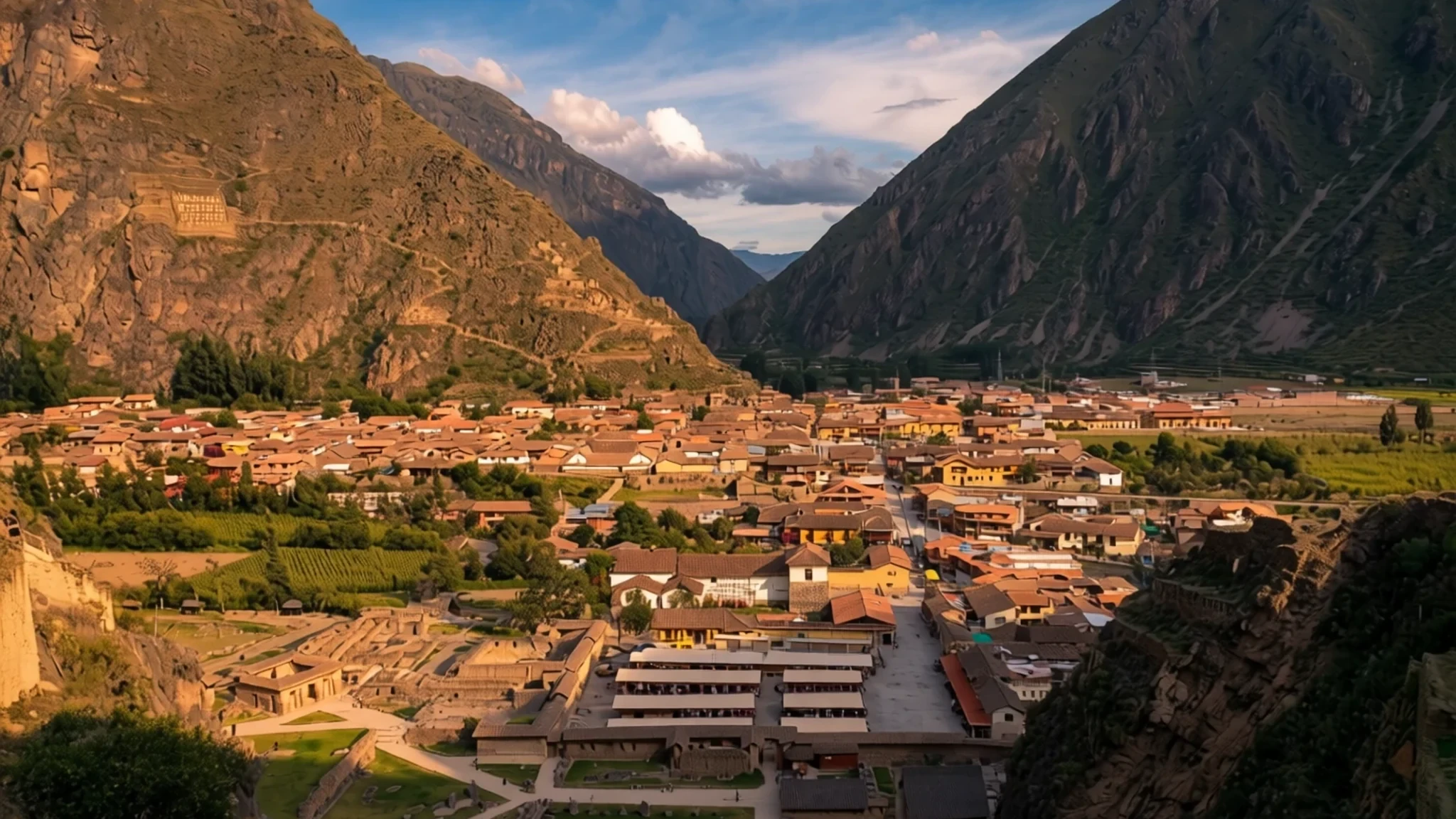
Ollantaytambo is a living Inca town where original stone streets, water channels, and massive hillside ruins offer an authentic window into pre-Columbian life.
The place
Ollantaytambo sits along the Patakancha River in the Sacred Valley of the Incas, positioned where the waterway meets the Willkanuta River. The settlement features an orthogonal layout with longitudinal streets crossed by parallel avenues, centred on a large plaza that originally opened toward the east. This grid system remains remarkably intact, with water channels still flowing through the gutters of stone-walled residential compounds that have sheltered families for centuries. On the right bank of the Patakancha sits a smaller compound known as Araqhama, while Cerro Bandolista rises beyond to hold the main ceremonial and defensive structures.
Surrounded by dramatic mountain peaks, Ollantaytambo operates both as an inhabited community and an archaeological anchor for the region. The urban design reflects careful Inca planning, incorporating agricultural terracing and irrigation networks that feed the surrounding valley floor. Daily life in Ollantaytambo moves to the rhythm of local farmers, weavers, and travellers catching trains or beginning long-distance treks. The air is crisp and thin, carrying the sounds of rushing mountain water and local markets where traditional textiles and daily provisions are traded beneath towering stone ramparts.
Its story
Ollantaytambo carries a history that spans thousands of years, with human occupation on the site predating the Inca Empire significantly. Archaeological evidence reveals earlier settlements belonging to the Huari civilization, who maintained control over the valley approaches. In the middle of the 15th century, the settlement was conquered by the Inca emperor Pachacuti, who razed it to incorporate the land into his personal royal estate. He commissioned extensive terracing, irrigation works, and sumptuous constructions to serve as lodging for the Inca nobility and agricultural land for imperial retainers.
Following the death of Pachacuti, Ollantaytambo remained under the administration of his family clan. During the Spanish conquest of Peru, the town gained critical military importance as a temporary capital for Manco Inca, the leader of the indigenous resistance against the conquistadors. Manco Inca fortified the approaches and successfully defended the territory in a famous confrontation on the plain of Mascabamba, where his forces repelled a Spanish expedition by utilising high terraces and flooding the battlefield. Today, Ollantaytambo stands as one of the few remaining places where the layout and architecture of the imperial Inca era continue to function as a living community.
What to see
- Ruins of Ollantaytambo — Cerro Bandolista
Climbing the massive agricultural and ceremonial terraces reveals a complex of religious structures and defensive walls. These stone works served as the final stronghold where the Incas repelled Spanish forces during a historic valley battle, offering sweeping panoramic views across the entire settlement below.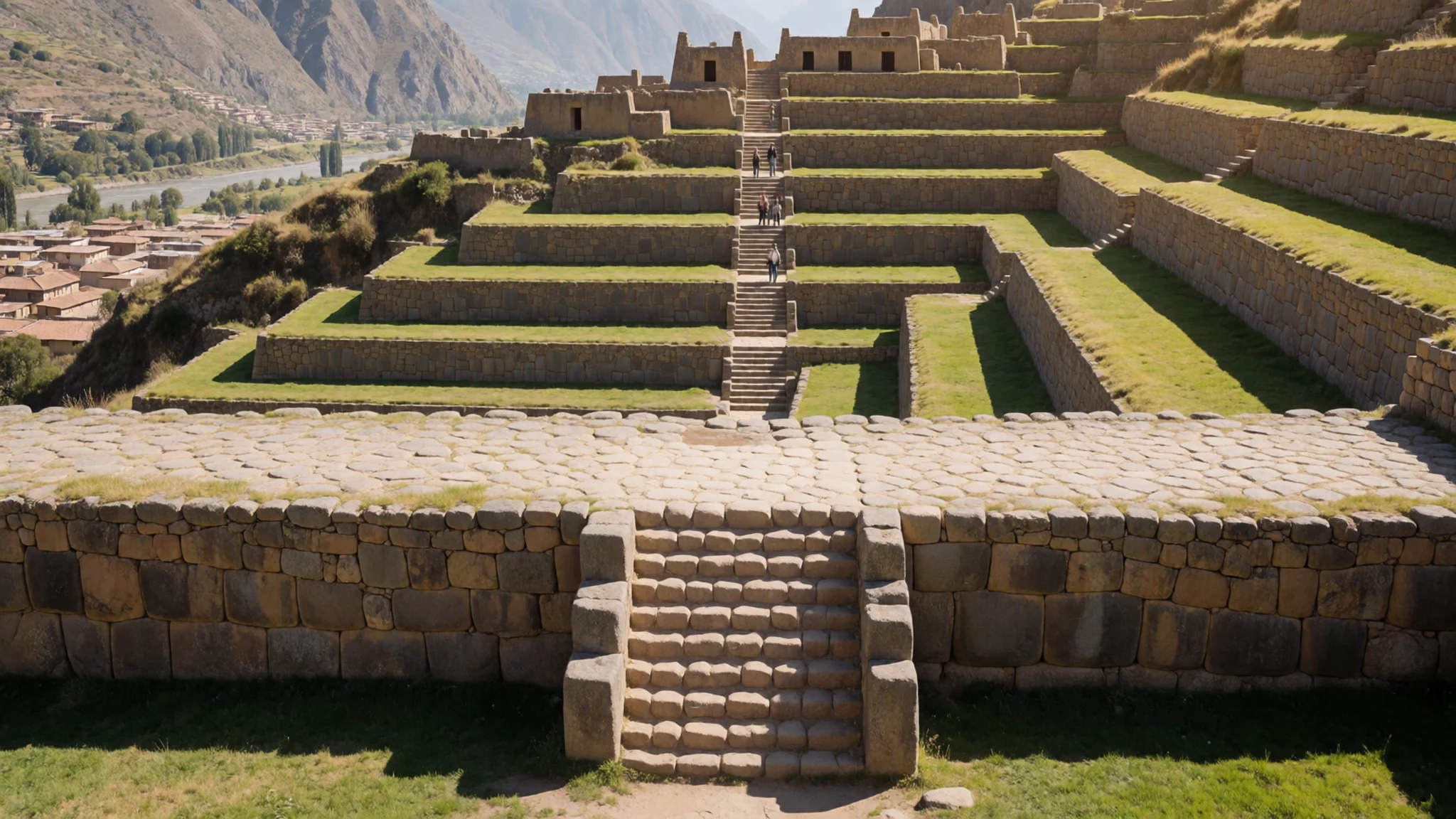
- Pinkullyuna — Lari Calle slope
Across the valley floor from the primary fortress, this steep hill holds ancient Inca storehouses that overlook the town grid. Walking the lower paths provides a challenging trek up to these weathered stone structures, which once preserved provisions for the imperial estate using natural mountain drafts.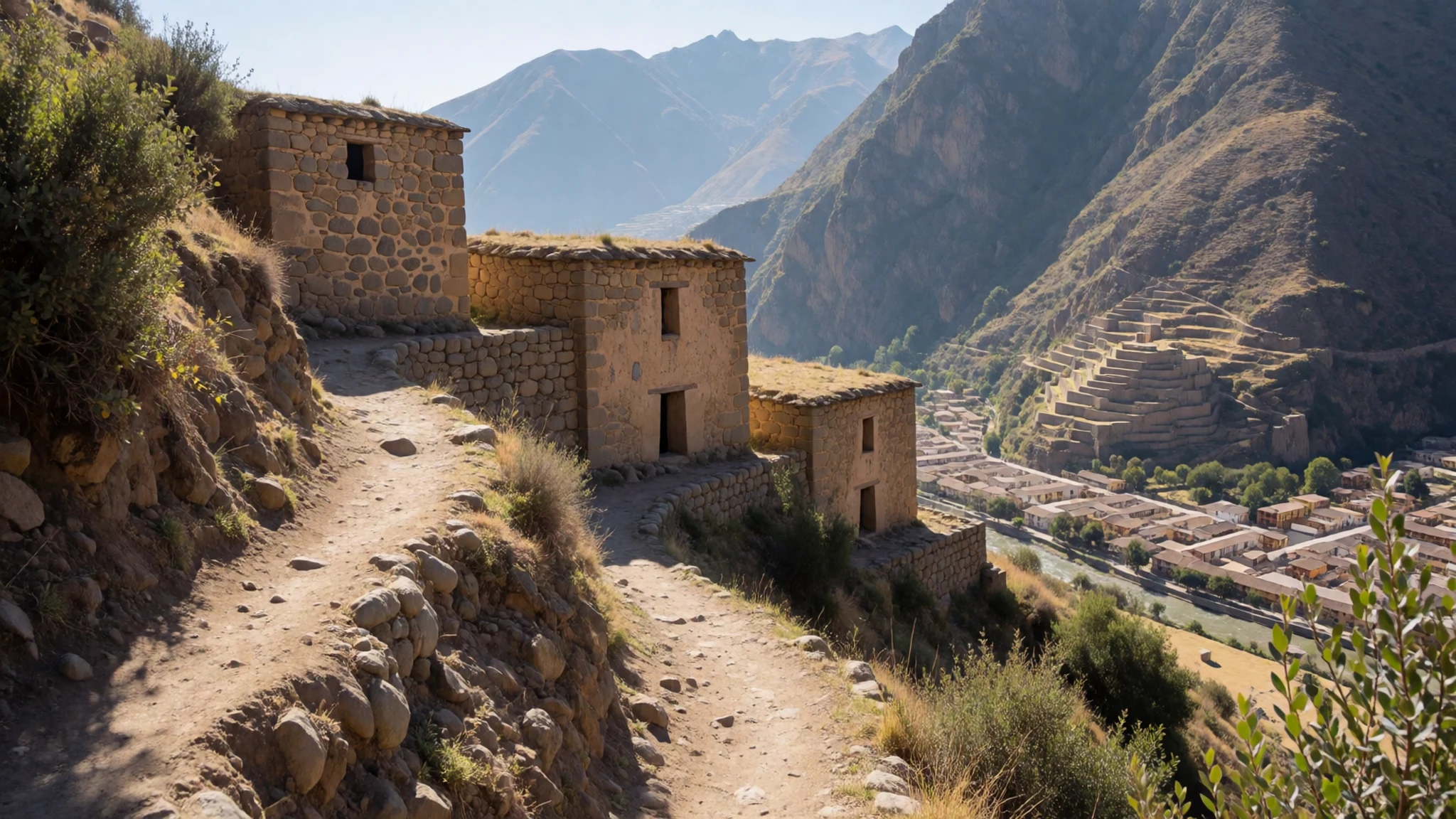
- Pre-Columbian Dwellings — Historic town grid
Step away from the main square into quiet residential alleys to discover inhabited Inca houses featuring traditional single-stone lintels. Local families still maintain homes built centuries ago, where historic stone niches, indoor guinea pig colonies, and protective household symbols remain part of daily domestic life.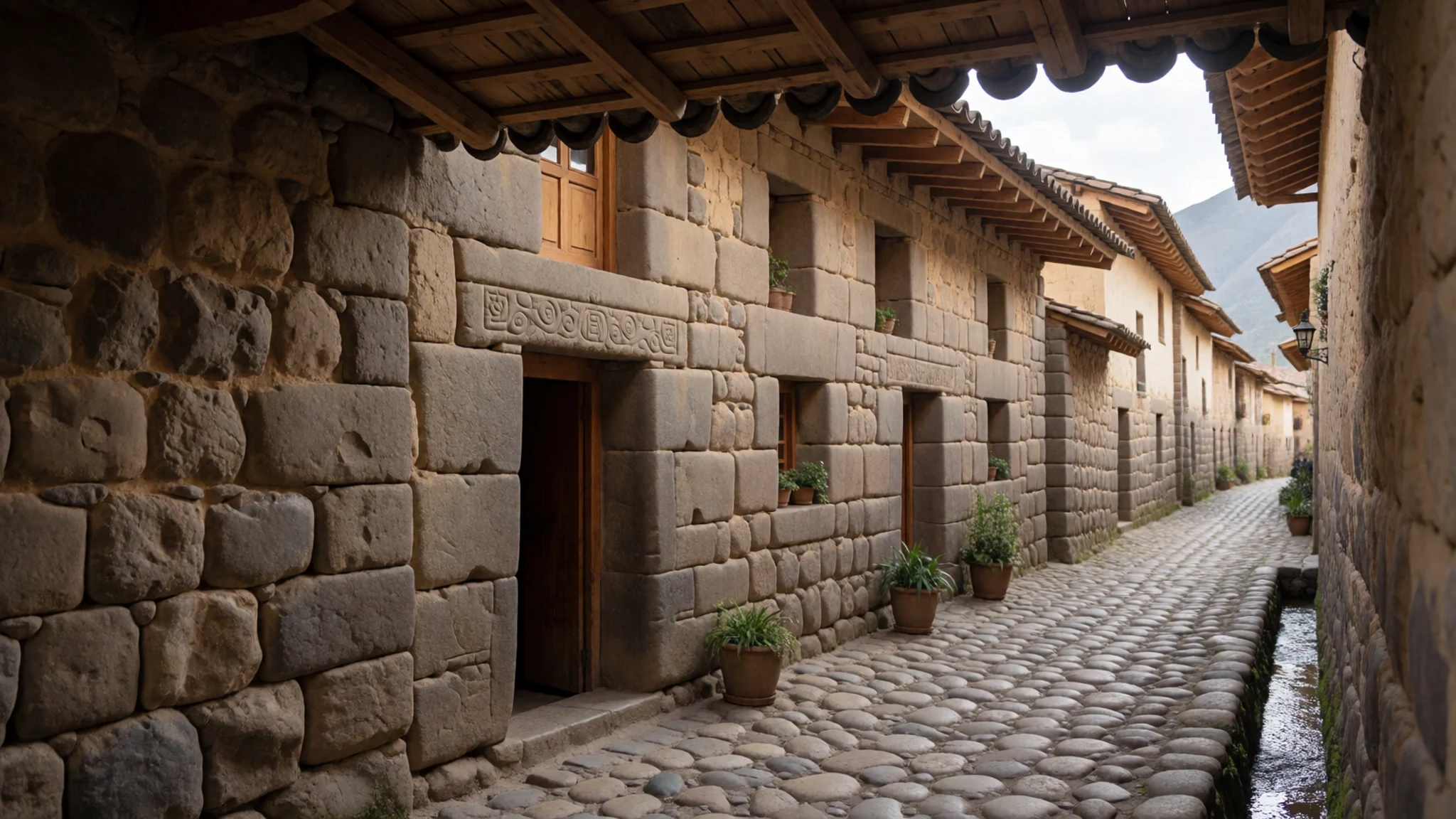
- Awamaki Weaving Project — Patacancha Valley association
This community initiative supports remote Quechua women weavers from the surrounding valleys by preserving traditional textile arts. Visitors can engage with local artisans, learn about natural dyeing techniques, and purchase authentic hand-woven goods that directly sustain rural indigenous families and traditional craft methods.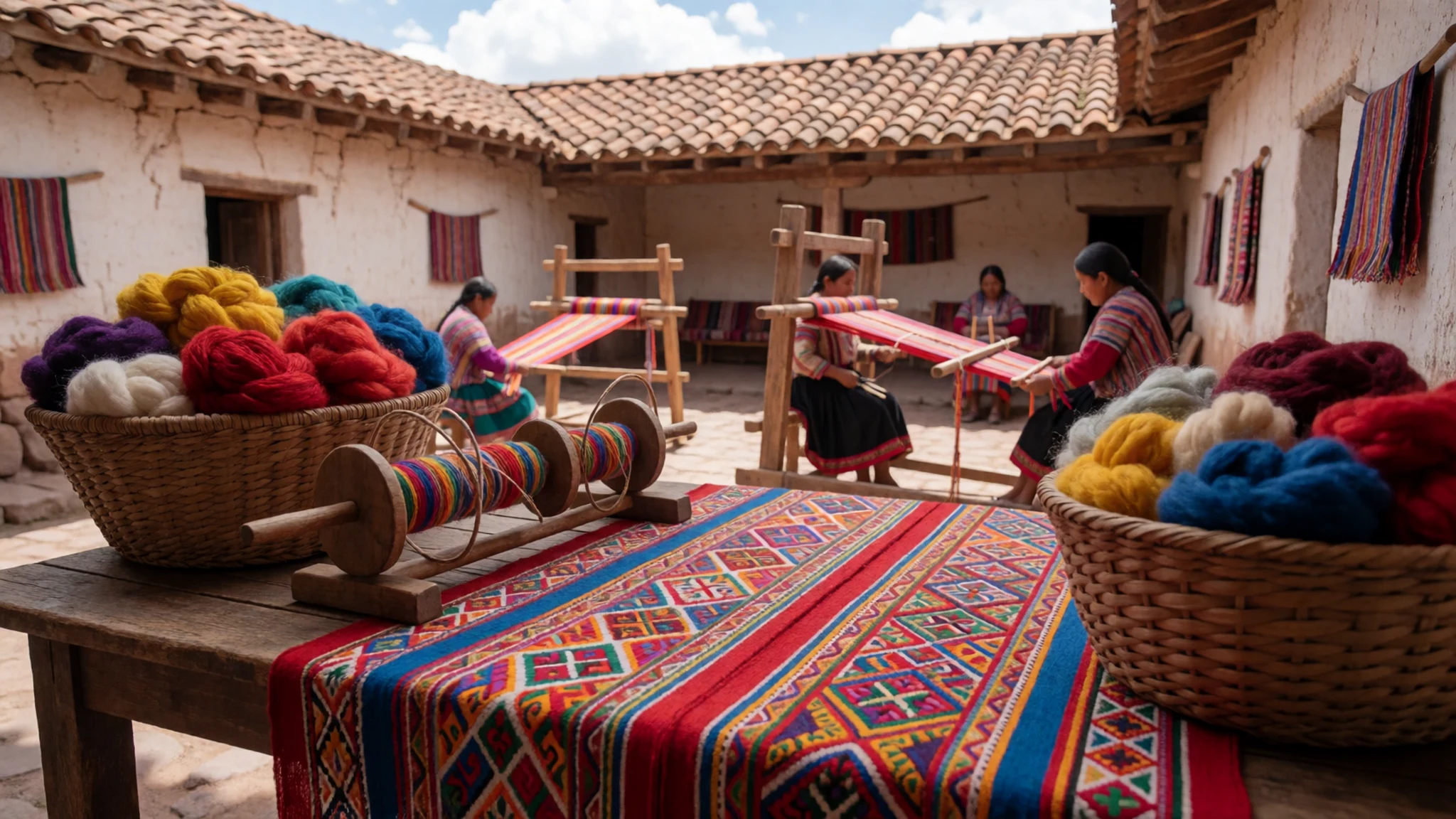
Culture
Ollantaytambo maintains a deeply rooted Andean culture shaped by Quechua heritage, agricultural traditions, and community reciprocity known as ayni. Many residents speak Quechua as their primary language, wearing traditional layered garments and woven hats that denote their specific mountain community. Spiritual life blends indigenous reverence for the earth, or Pachamama, with Catholic practices, evident in local festivals and household rituals where offerings are made to the mountains. Visitors will find that social interactions begin with polite greetings and patience, reflecting the gentle pace of highland life. When entering local homes or participating in community spaces in Ollantaytambo, always ask permission before taking photographs of residents and their children.
What to wear
Traditional dress in Ollantaytambo remains an everyday reality for many local women, who wear hand-woven wool jackets, brightly coloured pleated skirts, and traditional montera hats adorned with intricate beadwork and ribbons. These garments are crafted from alpaca and sheep fleece, dyed using native plants and minerals. For daily wear among younger generations and working townspeople, practical modern trousers, fleece jackets, and sturdy footwear are standard. Visitors exploring Ollantaytambo should dress in versatile layers suitable for shifting mountain temperatures, which can range from warm sunshine during midday to cold winds after sunset. Sturdy, broken-in walking shoes or hiking boots with strong grip are essential for navigating the steep, uneven stone staircases and cobblestone alleys.
What to eat
- Alpaca Steak — Local restaurants near the railway station and main plaza
A lean, protein-rich regional meat served grilled or in stews, offering a rich flavour similar to beef but with less fat, commonly enjoyed at open-kitchen eateries near the historic railway and town centre.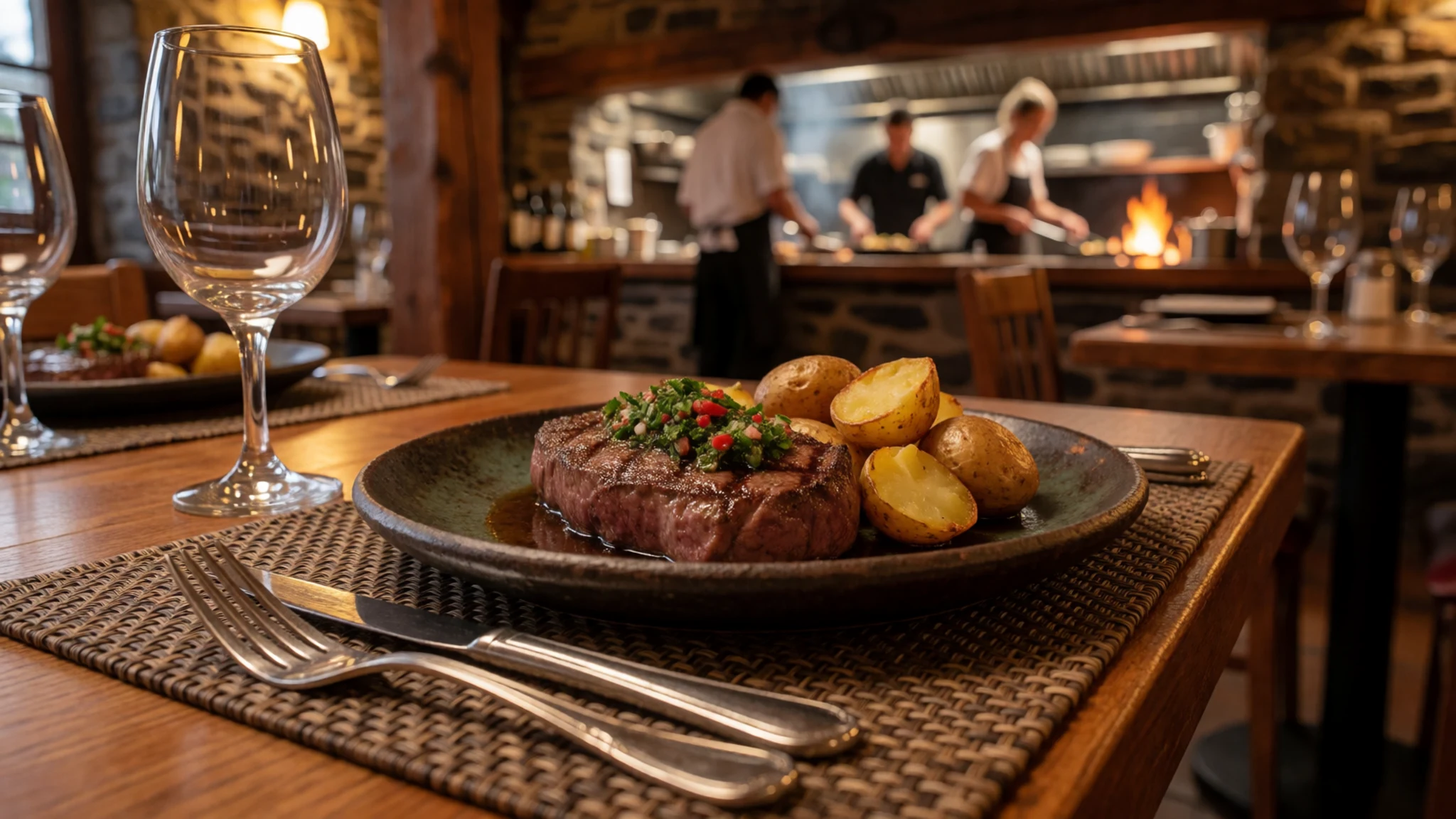
- Fresh Andean Trout — Family-run dining rooms along the town streets
Harvested directly from cold mountain rivers and streams, this fish is typically prepared pan-fried with garlic and herbs, featuring delicate white flesh and crispy skin.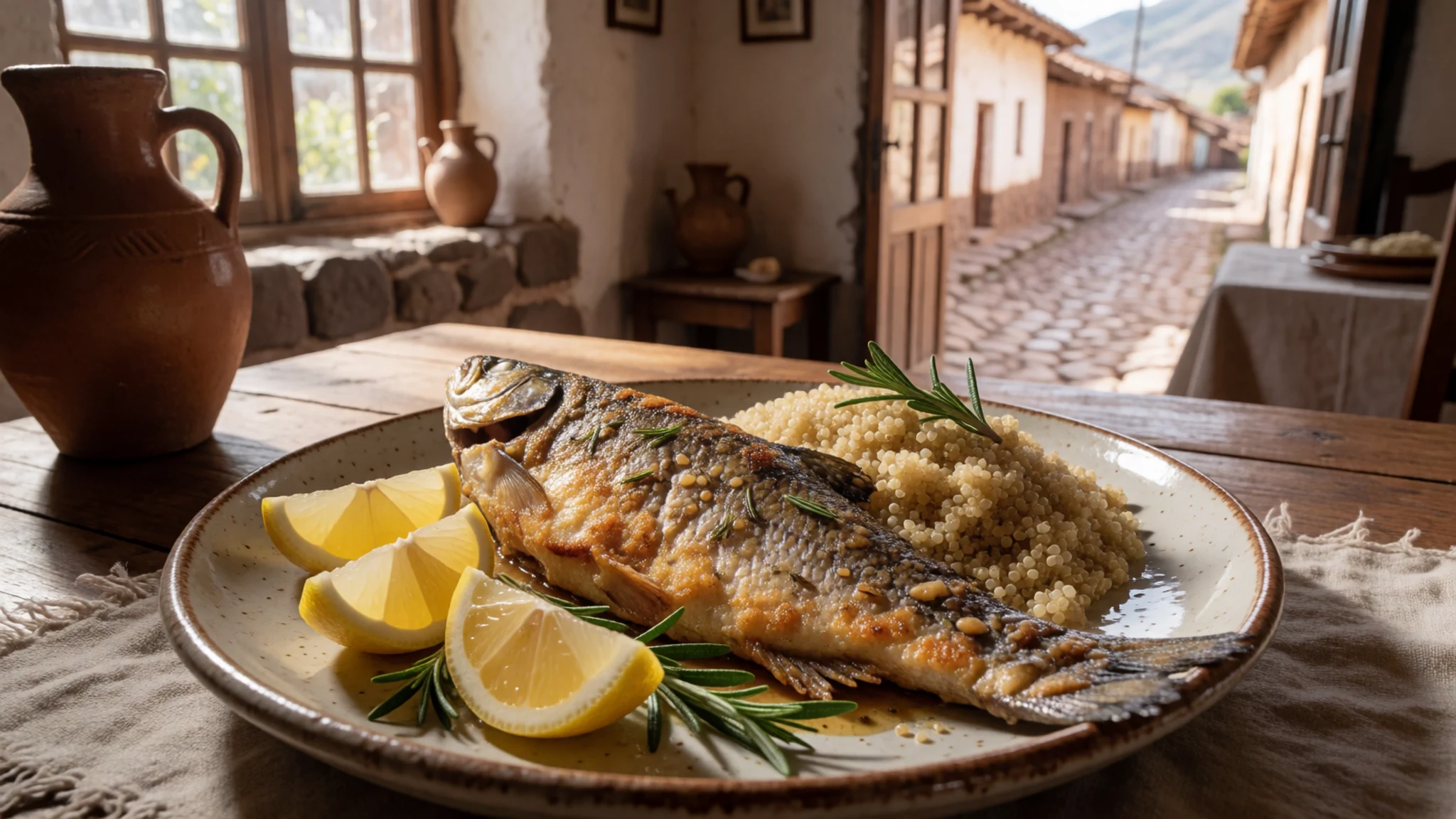
- Chicha de Jora — Traditional chicherías in residential alleys
A traditional fermented corn beer brewed locally for centuries, identified by red plastic bags hung outside doorways, offering a tart, cloudy drink central to communal celebrations. - Novo-Andean Cuisine — Cafes and restaurants around the main square
Contemporary dishes that combine ancient native ingredients like quinoa, native potatoes, and yellow peppers with modern culinary techniques, served in candlelit courtyard spaces overlooking the ancient ruins.
Plan it
Best time. May to September offers the driest weather and clearest mountain skies for hiking and exploring ruins, though nights are cold; the shoulder months of April and October bring fewer crowds.
How long. 2–3
Getting there. Fly into Cusco, then take a shared minibus or taxi from Pavitos street for a scenic 1.5 to 2-hour journey through the Sacred Valley to Ollantaytambo.
Budget. mid
Tips
- Acclimatise slowly to the high altitude before attempting steep climbs up the ruins
- Carry sufficient cash, as small shops and local markets rarely accept cards
- Arrive at the main archaeological site early in the morning before tour groups descend
- Respect local traffic restrictions by preparing to walk short distances into the historic centre
Etiquette
- Always ask permission before photographing local residents in traditional dress
- Remove hats when entering sacred or residential spaces out of respect
Nearby
Sources
- Wikidata Q916382 (CC0)
- Wikipedia (CC-BY-SA 4.0)
- Wikivoyage (CC-BY-SA 4.0)