Odesa
Odesa, Ukraine
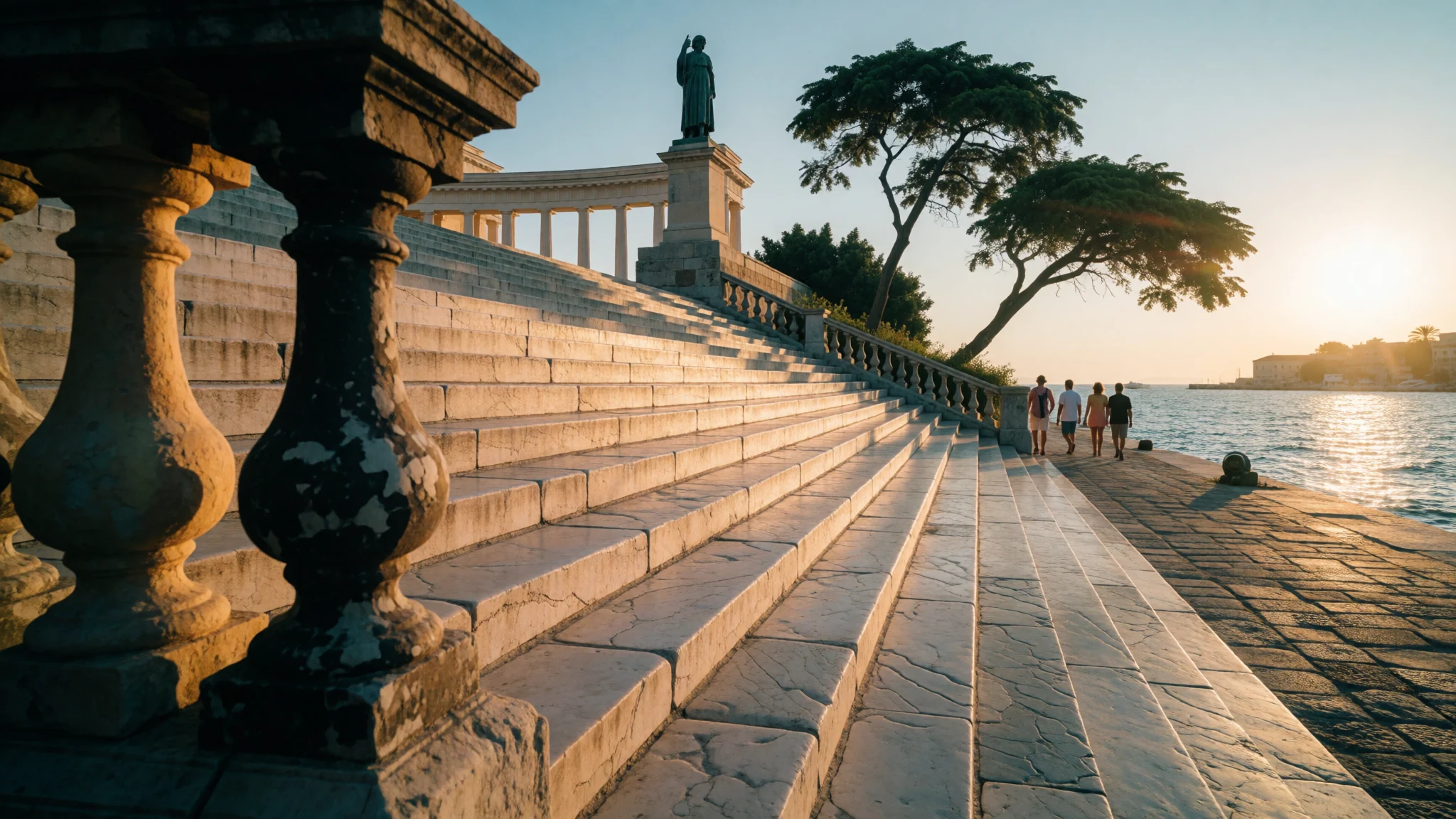
Odesa is a Black Sea port city of tree-lined grid streets and mixed architecture, now a World Heritage Site in danger and visited only with care.
The place
Odesa stands on a shallow bend of the Black Sea coast, a little north of the Dniester estuary, and its historic centre was drawn on paper before it was built. A military engineer set out a grid of broad, tree-lined streets in two rectangular blocks, angled to match two deep ravines that cut down from the high plateau towards the water. Later planners extended the grid through the nineteenth century, which is why most of what stands today belongs to that era rather than to anything medieval. The buildings are mostly low, so the sky stays open and the sea air reaches well inland. What registers first is the mixture: classical façades beside ornate theatre and palace fronts, plain street frontages hiding courtyards, and apartment houses with balconies in half a dozen tastes. That variety reflects who paid for it. Merchants, officials and settlers from many countries arrived with money and local pride, and each left a mark on the streets. The historic centre became a World Heritage Site in 2023 under UNESCO reference 1703 and is currently listed as endangered due to the conflict between Russia and Ukraine. That shapes everything about the present-day city. Some monuments may be screened or closed, opening hours can change without notice, and the seafront does not have the carefree mood of earlier years. Odesa is also a working port and a university town, so daily life carries on in its markets, courtyards and parks, with the City Garden and the leafy streets around it as the usual places to slow down.
Its story
Odesa as a city dates from 1794, when Catherine the Great ordered a warm-water port built on the Black Sea once the war with the Ottoman Empire ended in 1792. The chosen site already held a Turkish fortress, and a military engineer planned the new town over it. Growth was fast. Between 1819 and 1859 Odesa was a free port, and its governors encouraged trade with favourable policies, so grain and goods went out and people came in. Merchants, craftsmen and families from many countries settled, among them Greeks, Germans and Jews, and each community built its own churches, synagogues and meeting houses. By 1814 Greek residents were already using buildings in the city for secret gatherings, a sign of how quickly Odesa became a place where outsiders organised themselves. Wealth and variety gave the city its architecture, but they also brought friction, and from 1821 a series of violent episodes marked its history. The Russian poet Alexander Pushkin spent a short spell here, and the city has been proud of the connection ever since. Through the nineteenth century the grid filled with mansions, trading houses and theatres. Later upheavals reshaped the city in many ways, yet the nineteenth-century port town is what survives as the historic centre. In 2023 that centre was inscribed as a World Heritage Site, and because of the Russo-Ukrainian war it is currently on the in-danger list.
What to see
- Odesa Opera and Ballet Theatre — Old centre
The Odesa Opera and Ballet Theatre is a lavishly decorated building in the old centre, best seen from the street in front, especially in the evening when the façade is lit. Performances depend on current conditions, so check the theatre's official site. Even from outside it shows how much civic pride the port's merchants put into stone.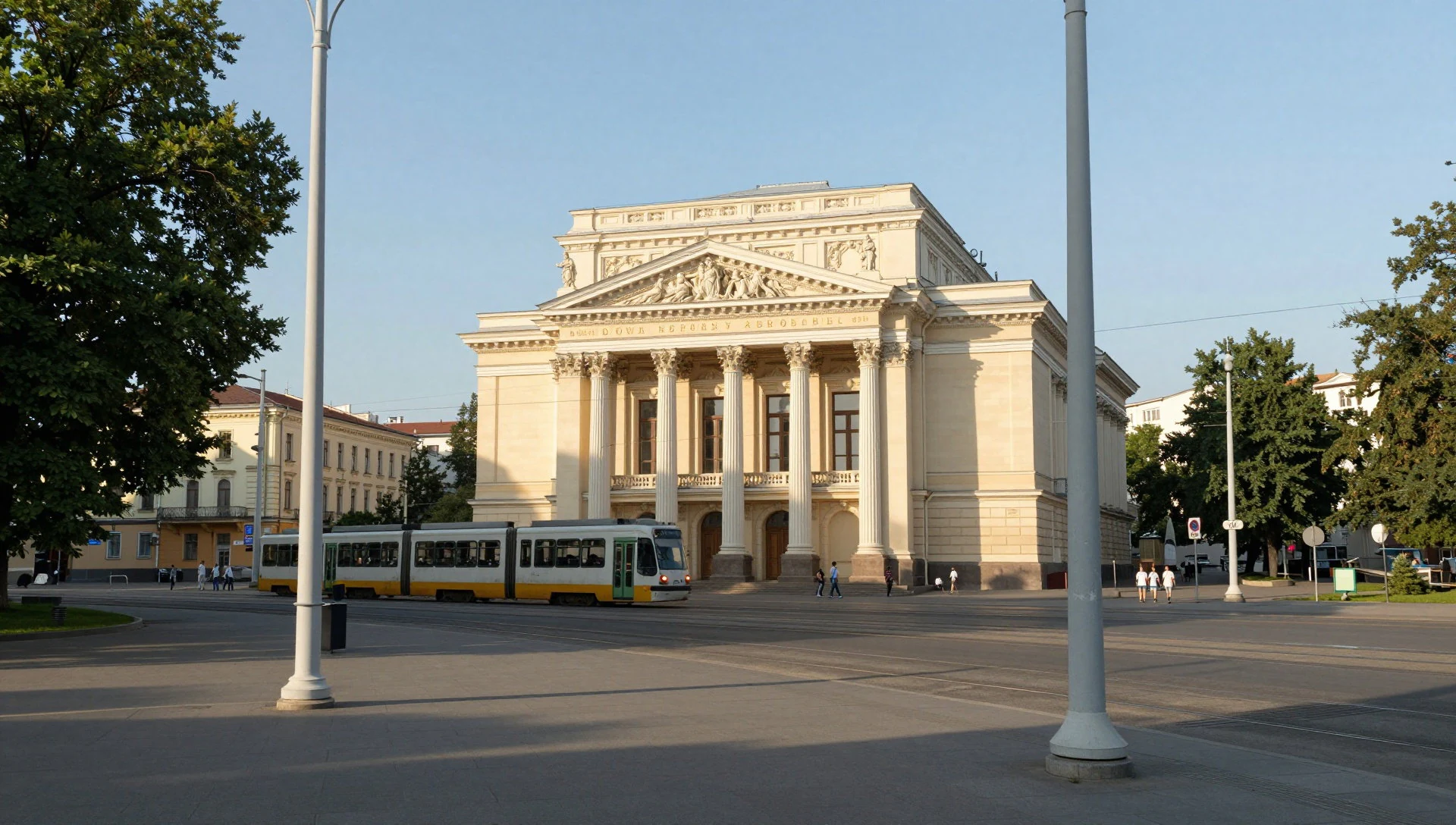
- Potemkin Stairs — Between the old town and the port
The Potemkin Stairs run from the high plateau of the old town down towards the port, a broad stone flight that makes the ravine-and-plateau geography of the city easy to read. Part of its fame comes from a silent film shot here. Walking down is easy, the climb back slower in summer heat, so go early. Access can change in wartime.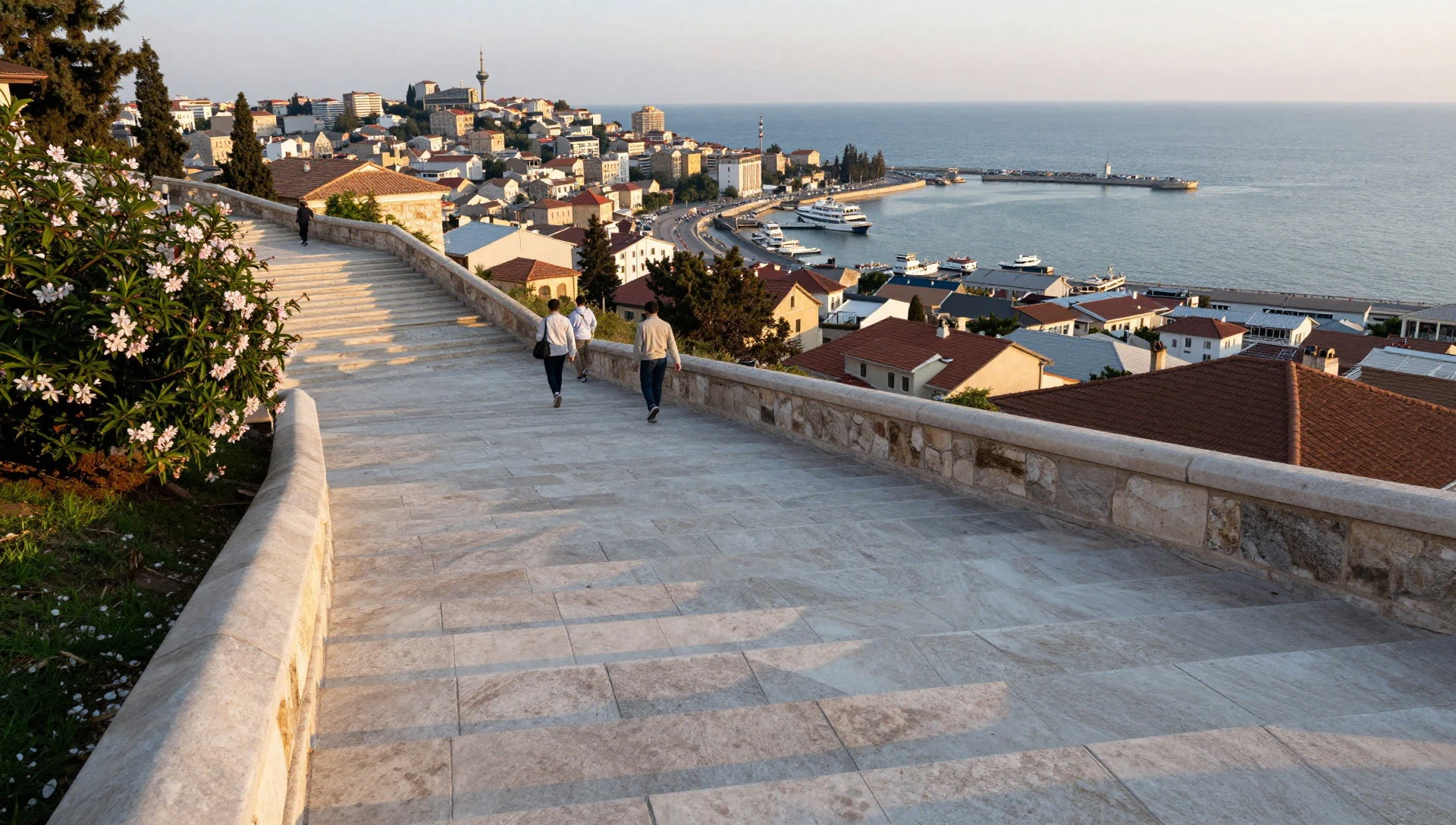
- Museum of Western and Eastern Art — Old centre
The Museum of Western and Eastern Art fills a former private residence built for Count Pototsky in 1899, and the house is part of the attraction, with decorated rooms across 26 halls. The collection runs from ancient icons to modern art. Check the museum's official site before going, as wartime opening arrangements change.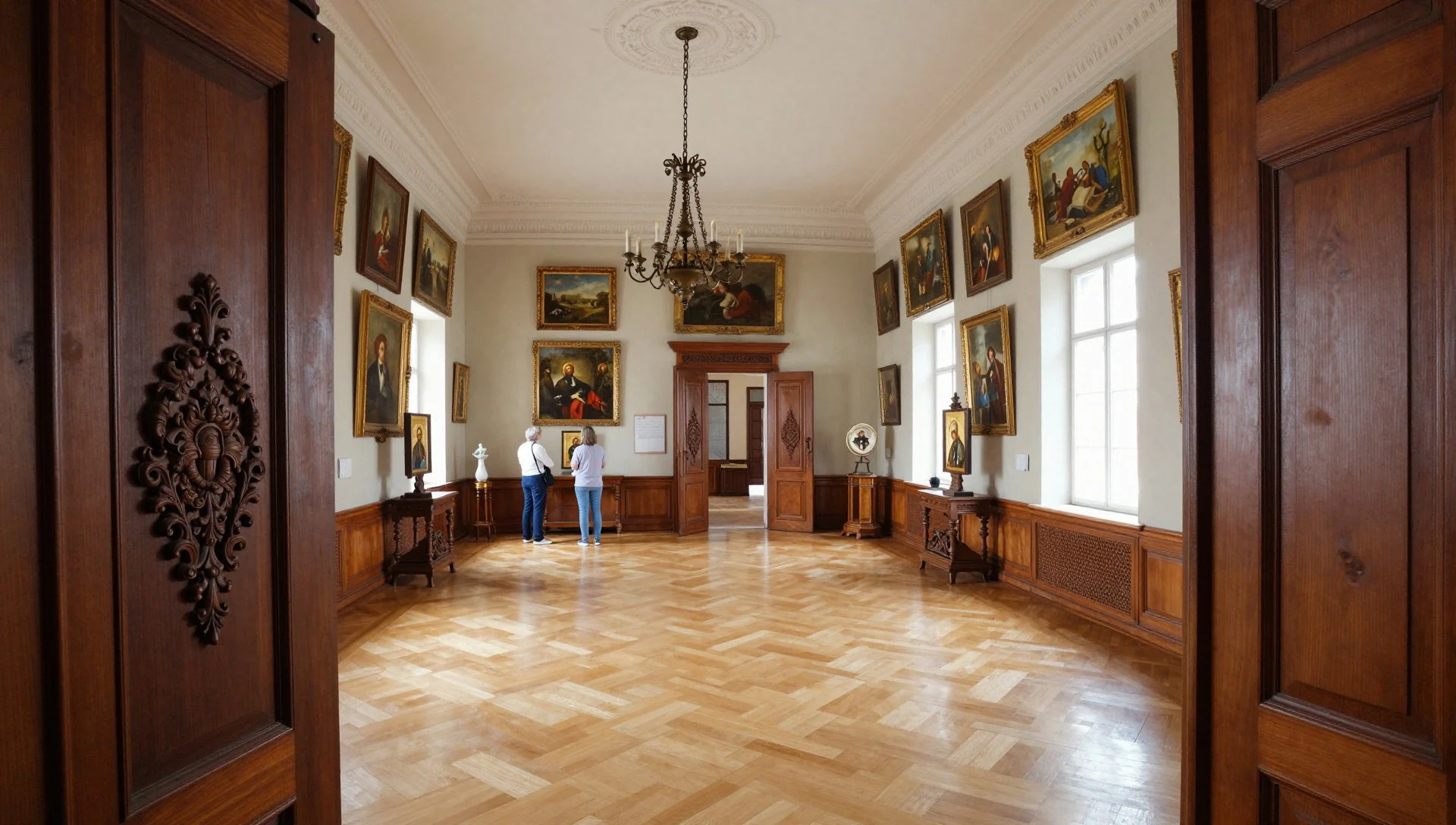
- Archaeological Museum — Old centre
Founded in 1883, the Archaeological Museum shows material from the Tripolye, Chernyakhovo and other ancient cultures of the region, along with ancient sarcophagi and a rich jewellery collection. It adds depth to a city whose public story usually starts in 1794, and reminds visitors that people lived on this coast long before the port was planned.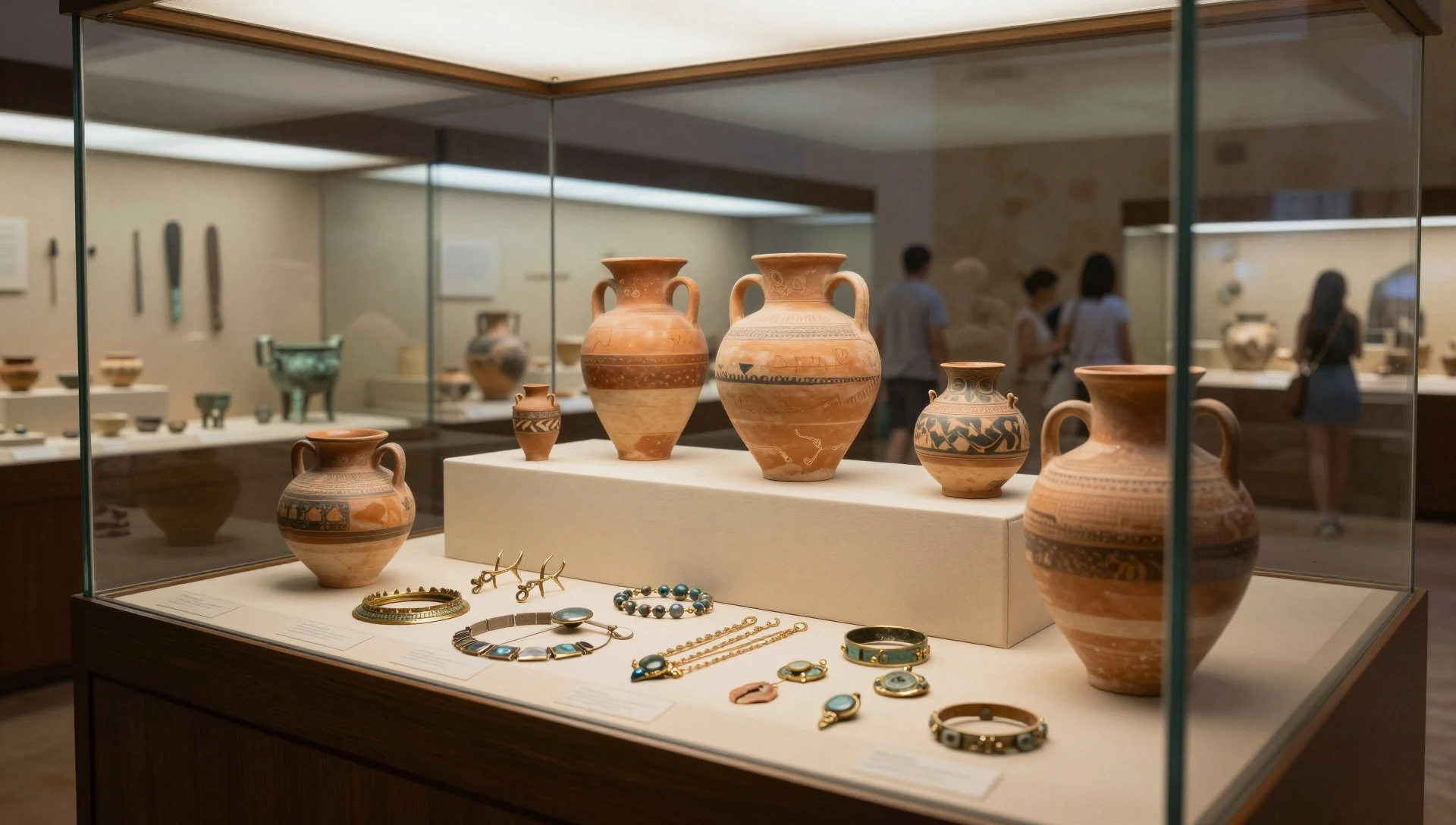
- Filiki Etheria — Old centre
Filiki Etheria is a small museum site tied to Odesa's Greek community, whose members used the premises for clandestine gatherings in 1814, while the city was still young. It is run as part of the regional history museum. A short visit here makes the port's mixed origins easier to picture than any grand street façade does.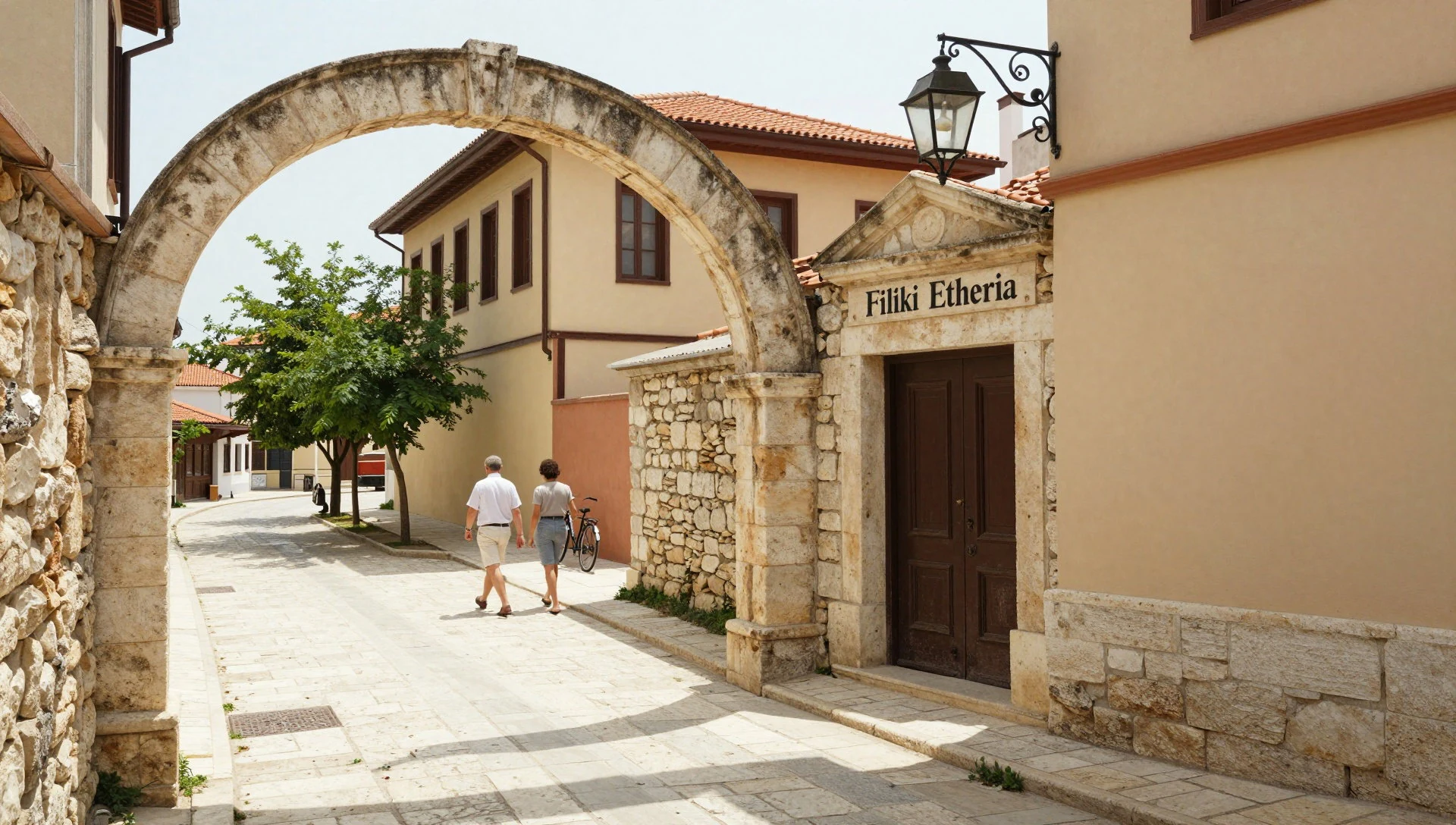
- Central Synagogue — Old centre, south of the main squares
The Central Synagogue dates from 1850 and was rebuilt in 1996. Inside are a mikvah, the ritual bath, and a bimah, the reading platform. The regional chief rabbi's office is based here, so it works as a community centre as much as a monument. Check opening arrangements first, and dress modestly.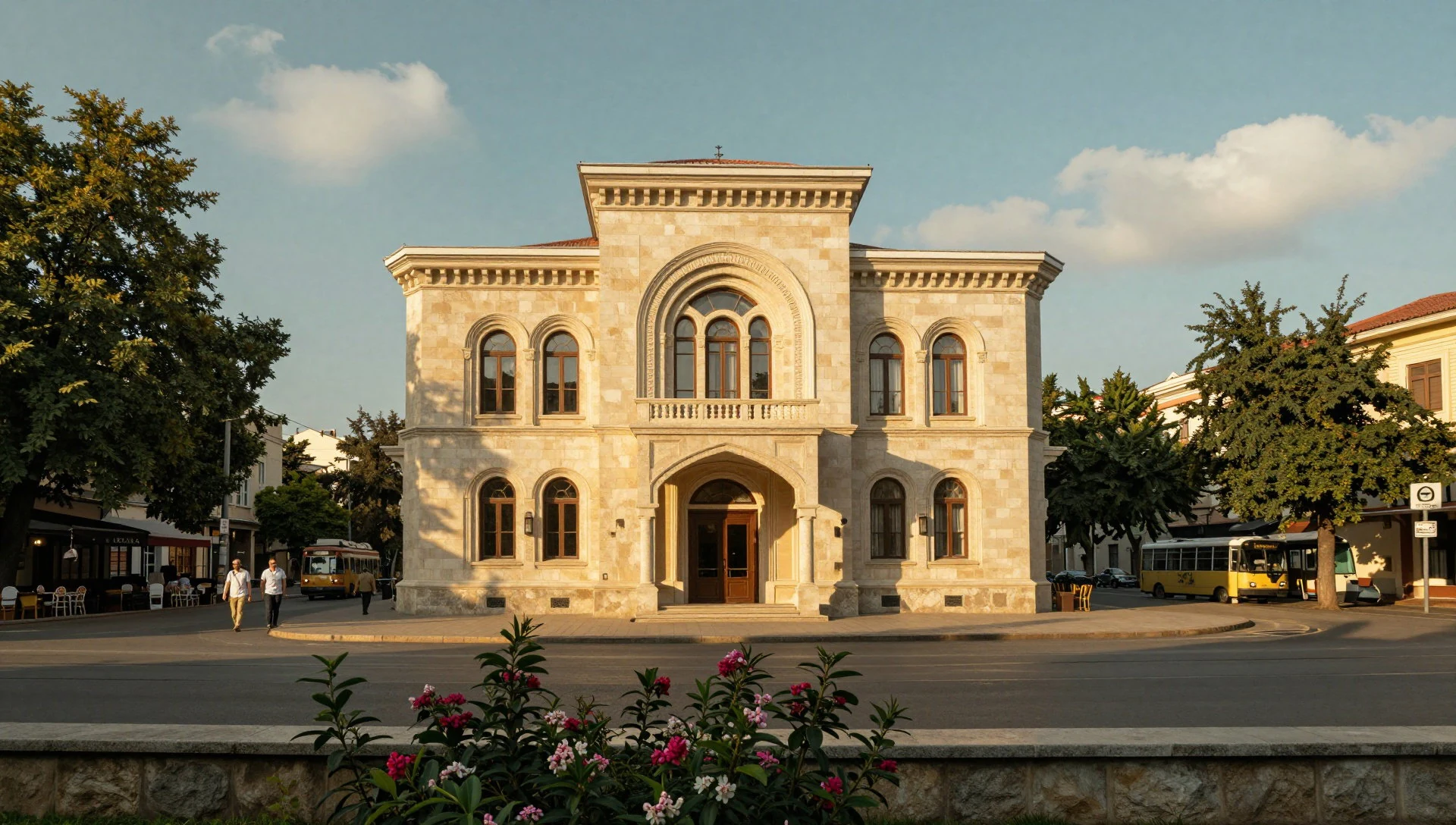
Culture
Odesa's culture grew out of its port: quick, mixed, commercial and a little irreverent. The city is widely credited with a sharp sense of humour, with arguments conducted in good spirits, and with a local way of speaking that borrowed from many languages. Ukrainian is the language of public life, though Russian is still heard in conversation, and the choice of language carries more weight since the war began, so it is kind to let locals lead. Music, theatre and literature have deep roots here, and the opera house, the museums and the courtyards of the old centre hold much of it. Religious life is varied too: Orthodox cathedrals, a Lutheran church and a synagogue stand within a short walk of one another, reflecting the communities that settled in the nineteenth century. The war colours daily routine. Air-raid alerts, volunteer efforts and memorials are part of ordinary life, and some people will not want to discuss the conflict with a stranger. Visitors who show curiosity about the city beyond its sights are generally met with warmth. Odesans tend to be proud of their city's independent streak and are happy to talk about books, food, football and the sea. Ask before photographing people, avoid photographing military positions or checkpoints, and cover your shoulders and knees before entering a church or synagogue.
What to wear
Traditional dress in Odesa is Ukrainian: the vyshyvanka, an embroidered shirt in linen or cotton, worked in red and black or multicoloured thread with patterns that differ by region. Women wear it with wraparound skirts and flower wreaths at festivals and weddings, men with wide trousers and a woven sash. Today it mostly appears on holidays, at weddings and on Vyshyvanka Day in May, and many people wear a modern version under a jacket or with jeans. Everyday dress in the city is casual and neat: linen shirts and sandals in summer, dark coats and boots in winter, and smarter outfits for the opera and evenings out. On the beaches at Arcadia, swimwear is normal; in the centre, people dress with care. A visitor should plan for the weather. Light, breathable layers and a sun hat suit summer, while a windproof coat, scarf and gloves matter in the cold months because the sea wind is sharp. Shoes need grip, since old pavements are uneven and the Potemkin Stairs and the streets down to the port are steep. For churches and the synagogue, cover shoulders and knees, carry a scarf for Orthodox cathedrals, and men should take off hats inside.
What to eat
- Forshmak — Traditional Odesa-style restaurants and the big covered market district near the railway station
A spread of chopped salted herring blended with apple, onion and bread, from the Jewish kitchen of the city, served cold as a starter with rye or a boiled potato. Recipes vary from kitchen to kitchen, so ask which version is made in-house.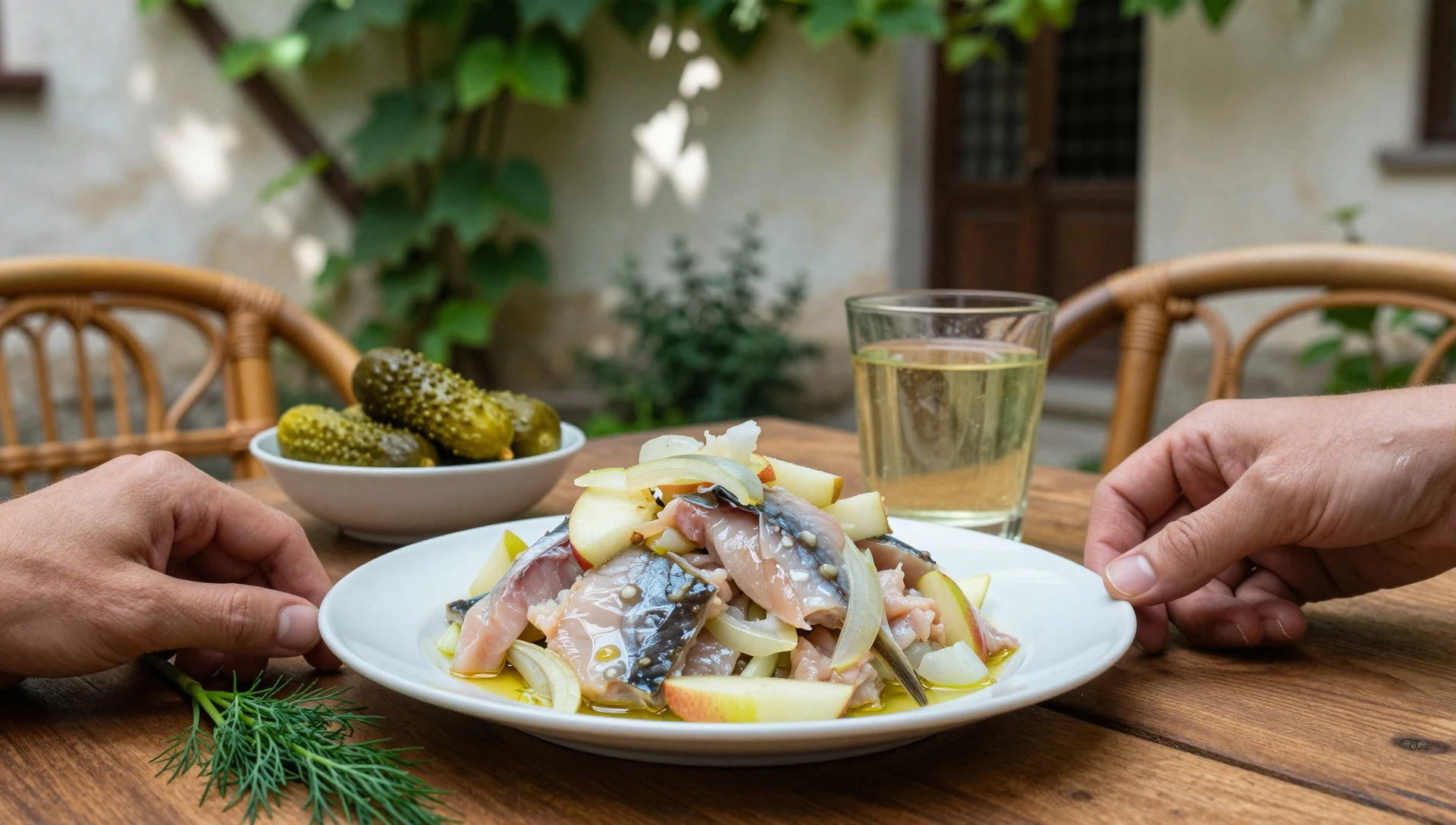
- Borscht — Cafés and canteen-style eateries in the centre
Beetroot soup served hot with sour cream and dill, often alongside garlic bread rolls called pampushky. Cabbage, potato and meat are common, and every family has its own balance. A filling lunch in any season, and an easy dish to order with confidence.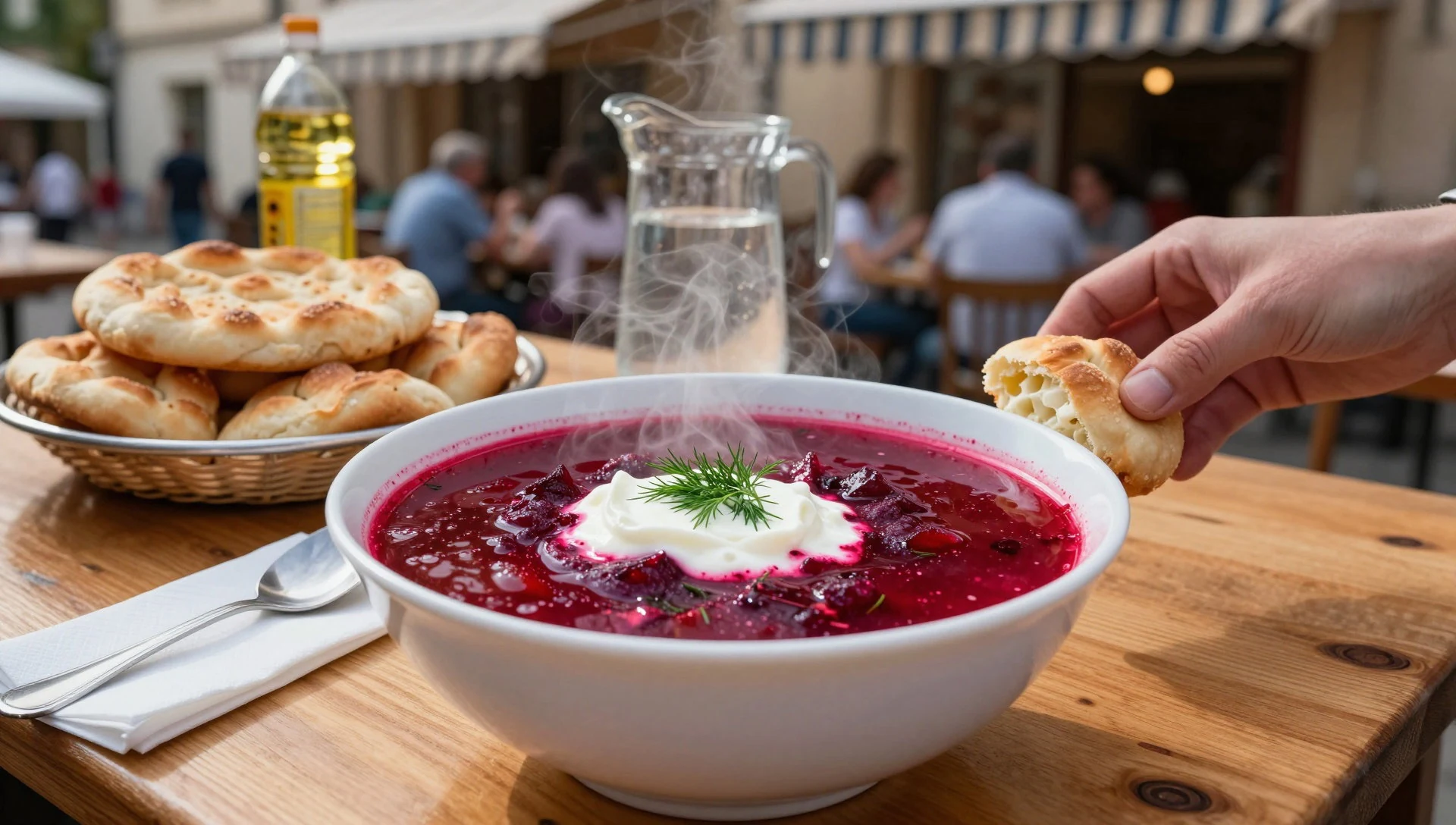
- Varenyky — Cafés, bakeries and market food stalls
Boiled dumplings filled with potato, cottage cheese, cabbage or, in summer, sour cherries. Savoury ones come with fried onion and sour cream, sweet ones with sugar. Plenty of places offer a plate of mixed fillings, which is a good way to try several. - Fried Black Sea fish — Seafront cafés at Arcadia and the fish counters in the main market
Small whole fish, crisp from the pan and eaten with the fingers, with lemon and a cold drink. What arrives depends on the season and the catch, so ask what is fresh. Smoked and dried fish are also sold by weight at market counters. - Fresh pasta and pizza — Italian-style restaurants along Ekaterinska street and around the City Garden
Italian-style eateries are common in the centre, a reminder of the port's mixed past, with hand-made pasta and wood-fired pizza. They are a good fallback for anyone tired of heavy dishes, and many have tables outside in warm months.
Plan it
Best time. Late May to June and September to early October, when the weather is warm and the sea is swimmable without the peak summer heat. July and August are hot and busy on the beaches, and winter is cold, windy and short on daylight.
How long. 2–3
Getting there. Ukraine's airspace is closed to civil flights, so the nearest working airport is Chișinău International (RMO) in Moldova. Overland, the usual route from central Europe goes through Poland to Lviv, then an overnight sleeper to Odesa, and trains from Kyiv also run. Check current timetables, border rules and government travel advice before booking anything.
Budget. low
Tips
- Read the latest FCDO (UK) or Ministry of External Affairs (India) travel advice just before booking and again before departure.
- Install a local air-raid alert app and follow shelter instructions from your host or staff.
- Keep valuables zipped and in front of you in crowded places, as the city has a long reputation for pickpockets.
- Carry some cash as well as a card, and tell your bank where you are travelling.
- Walk the stairs and the seafront early in the morning to avoid the summer heat.
Etiquette
- Ask before photographing people, and do not photograph military sites or checkpoints.
- Cover shoulders and knees in churches and the synagogue.
- Let locals raise the subject of the war rather than asking about it.
Nearby
Sources
- Wikidata Q15041608 (CC0)
- Wikipedia: Historic Centre of Odesa (rev 1365735849) (CC BY-SA 4.0)
- Wikivoyage: Odesa (rev 5427353) (CC BY-SA 4.0)
- Photo 01-dji-0023.jpg — Konstantin Brizhnichenko (CC BY-SA 4.0)
- Photo 02-russov-house-in-odessa-ua.jpg — Romankravchuk (CC BY-SA 4.0)
- Photo 03-.jpg — Chernenko Kateryna (CC BY-SA 4.0)
- Photo 04-operniy-1.jpg — Alex Levitsky & Dmitry Shamatazhi (CC BY 3.0)
- Photo 05-sofievskaya-5a23.jpg — Alex Levitsky & Dmitry Shamatazhi (CC BY 3.0)
- Photo 06-11.jpg — SNCH (CC BY-SA 4.0)
- Photo 07-34-07-2018.jpg — Качуровська (CC BY-SA 4.0)
- Photo 08-2.jpg — SnizhokAM (CC BY-SA 4.0)


