Ocracoke Island
Ocracoke Island, United States
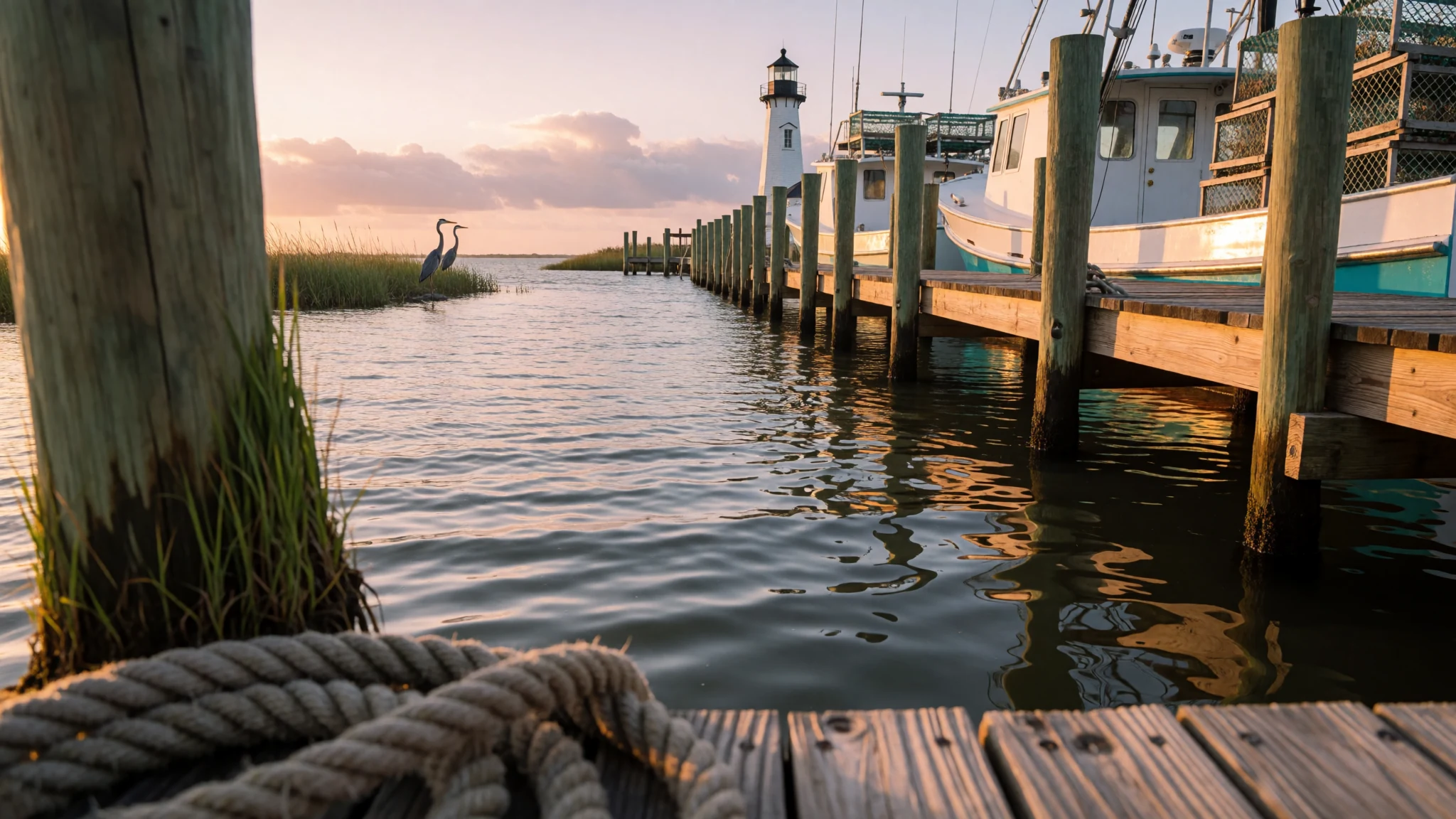
Ocracoke Island offers an isolated coastal escape where wild shores meet deep maritime lore, connected only by ferries and historic roads.
The place
Ocracoke Island rests at the southern tip of a narrow barrier chain in Hyde County, North Carolina, operating as a census-designated place and unincorporated town. No bridges span the water to connect the island to the mainland, meaning every vehicle and traveller arrives by ferry across the sounds. The main artery cutting through the settlement is part of North Carolina Highway 12, linking the community northward to Hatteras Island and southward via alternative water routes to Cedar Island and Swan Quarter. The local economy relies heavily on commercial fishing fleets and visitors drawn to the undisturbed coastal landscape.
A distinctive local speech, known as the Hoi Toider dialect, developed among long-term residents due to generations of geographic isolation, though standard American speech has become more common among younger generations. The landscape itself is shaped by shifting dunes, salt marshes, and maritime forests that support abundant wildlife and offer vast stretches of undeveloped beachfront. Life here moves slowly, dictated by ferry schedules, weather patterns, and the rhythms of the tides rather than frantic urban timetables. Wooden houses, sandy lanes, and small-scale local shops define the village footprint around the harbor known as Silver Lake, keeping the scale intimate and grounded in maritime traditions.
Its story
Ocracoke Island carries a rich tapestry of folklore, indigenous history, and naval conflict that stretches back centuries before modern tourism arrived. The modern name evolved from Algonquian terms such as Wokokon and Wococcon, which appeared on early European maps to designate the island and nearby native settlements inhabited by the Hatteras or Croatan peoples. European explorers documented the area extensively, but indigenous populations later declined due to imported diseases and intermarriage with arriving settlers, disappearing by the mid-period of European colonisation. Early inhabitants gathered yaupon holly leaves to brew a traditional ceremonial beverage known locally as black drink or yaupon tea.
The island is most famously tied to maritime folklore as the final refuge and death site of the notorious pirate Edward Teach, widely known as Blackbeard, who met his end during a naval engagement in local waters. Centuries later, the coastal waters became a theatre of conflict during global warfare when German submarines torpedoed Allied vessels off the shoreline. The remains of four British sailors washed ashore from those sunken ships and now rest quietly in a small military cemetery maintained under British flag oversight. During the domestic conflict of the nineteenth century, a Confederate fortification was established here, leaving behind historical traces that continue to fascinate historians and visitors exploring the barrier islands.
What to see
- Ocracoke Island Lighthouse — Silver Lake harbour
Standing watch near the village harbour, this historic painted tower has guided ships through treacherous coastal channels for generations. While visitors cannot climb the interior steps anymore, walking up to the whitewashed base offers a close look at maritime architecture and local history.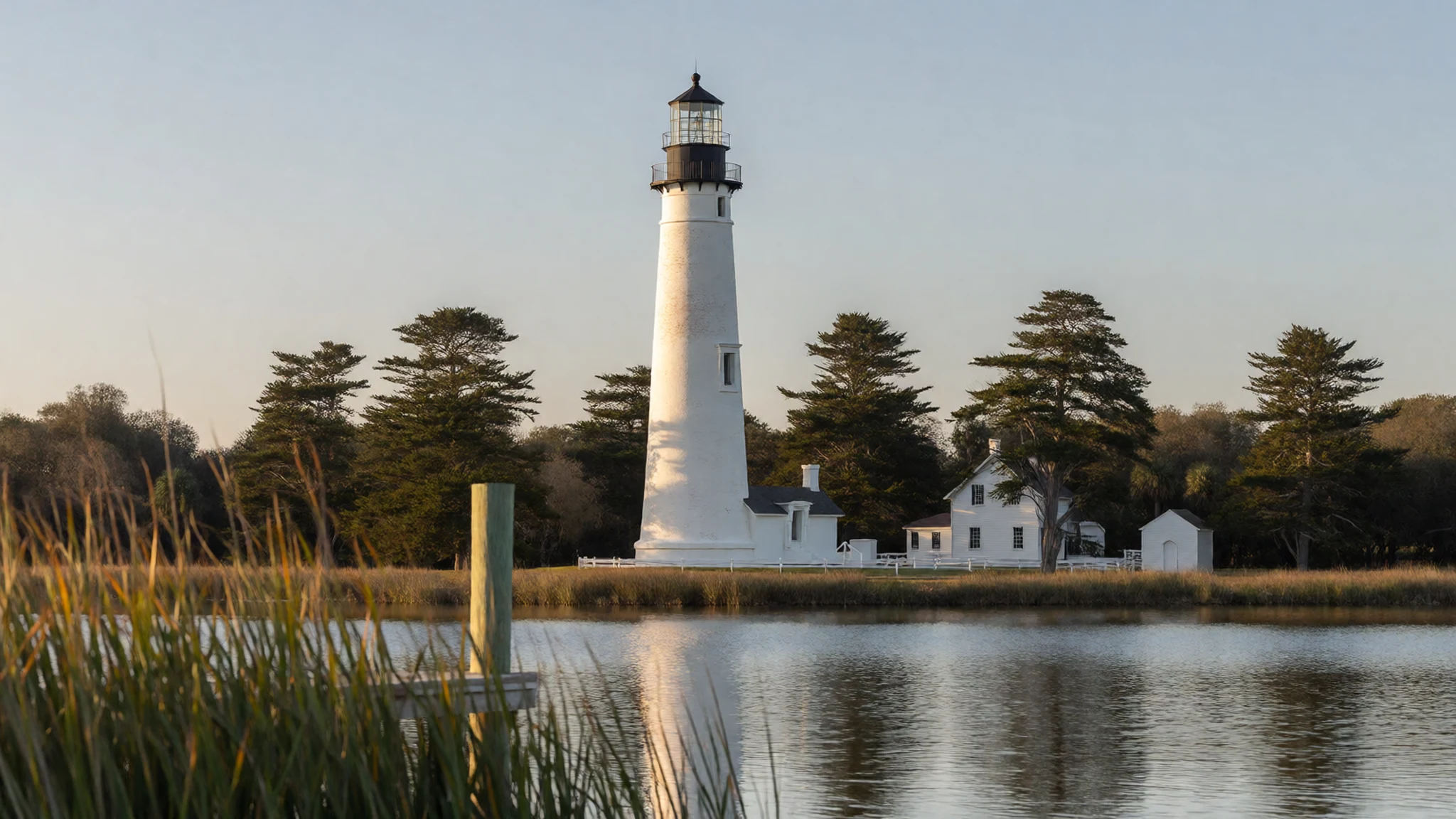
- Howard Street — Historic Village
Tucked away under a dense canopy of ancient live oak trees, this sandy lane preserves the quiet, unpaved atmosphere of early village settlement. Historic family homes, weathered picket fences, and old family cemeteries line the path, offering a peaceful glimpse into nineteenth-century island life.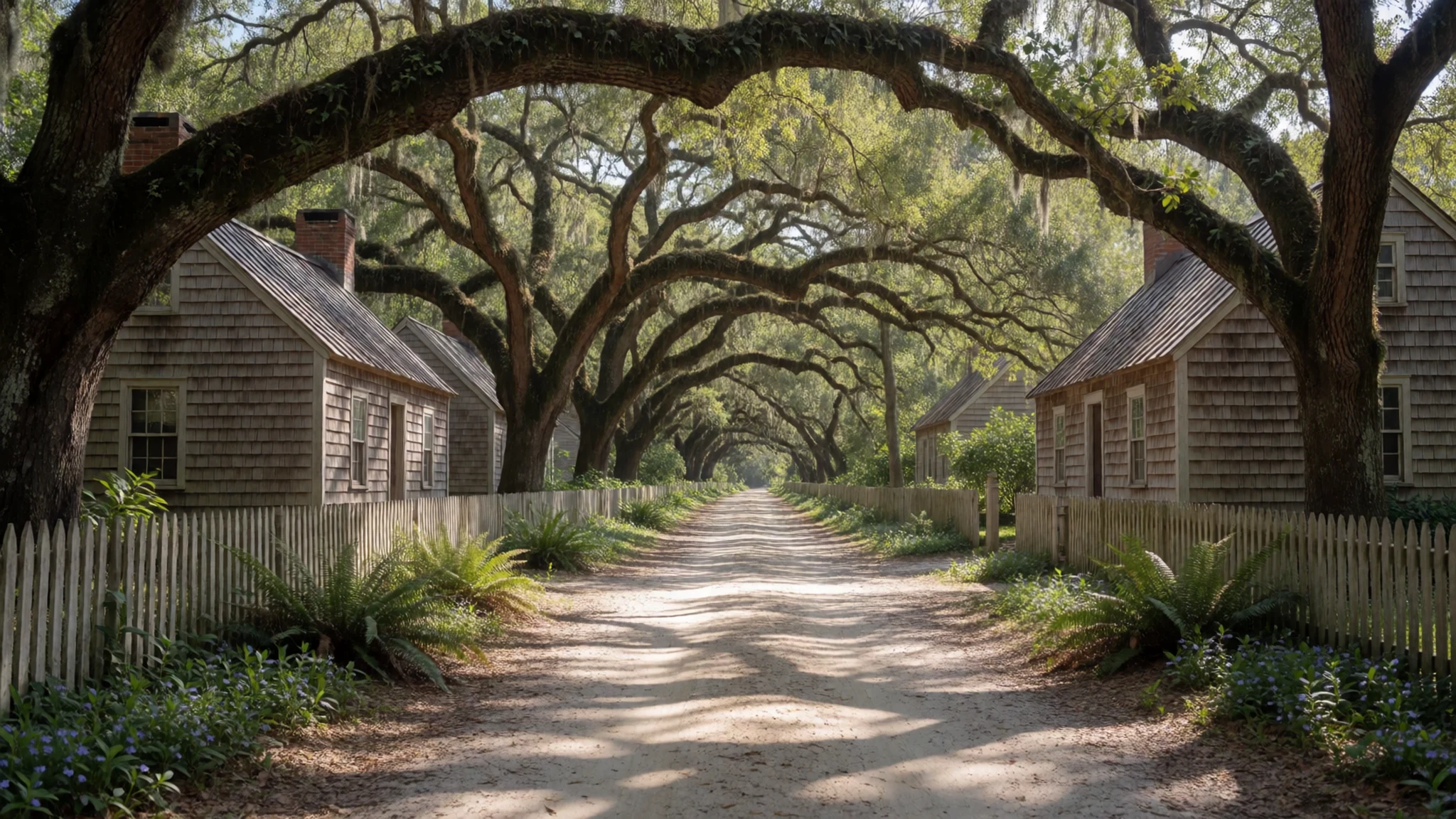
- British Cemetery — Back Road
This small, immaculately kept plot of land serves as the final resting place for British naval personnel whose bodies washed ashore during wartime submarine operations. United States Coast Guard personnel hold a solemn annual remembrance ceremony here to honour the fallen sailors.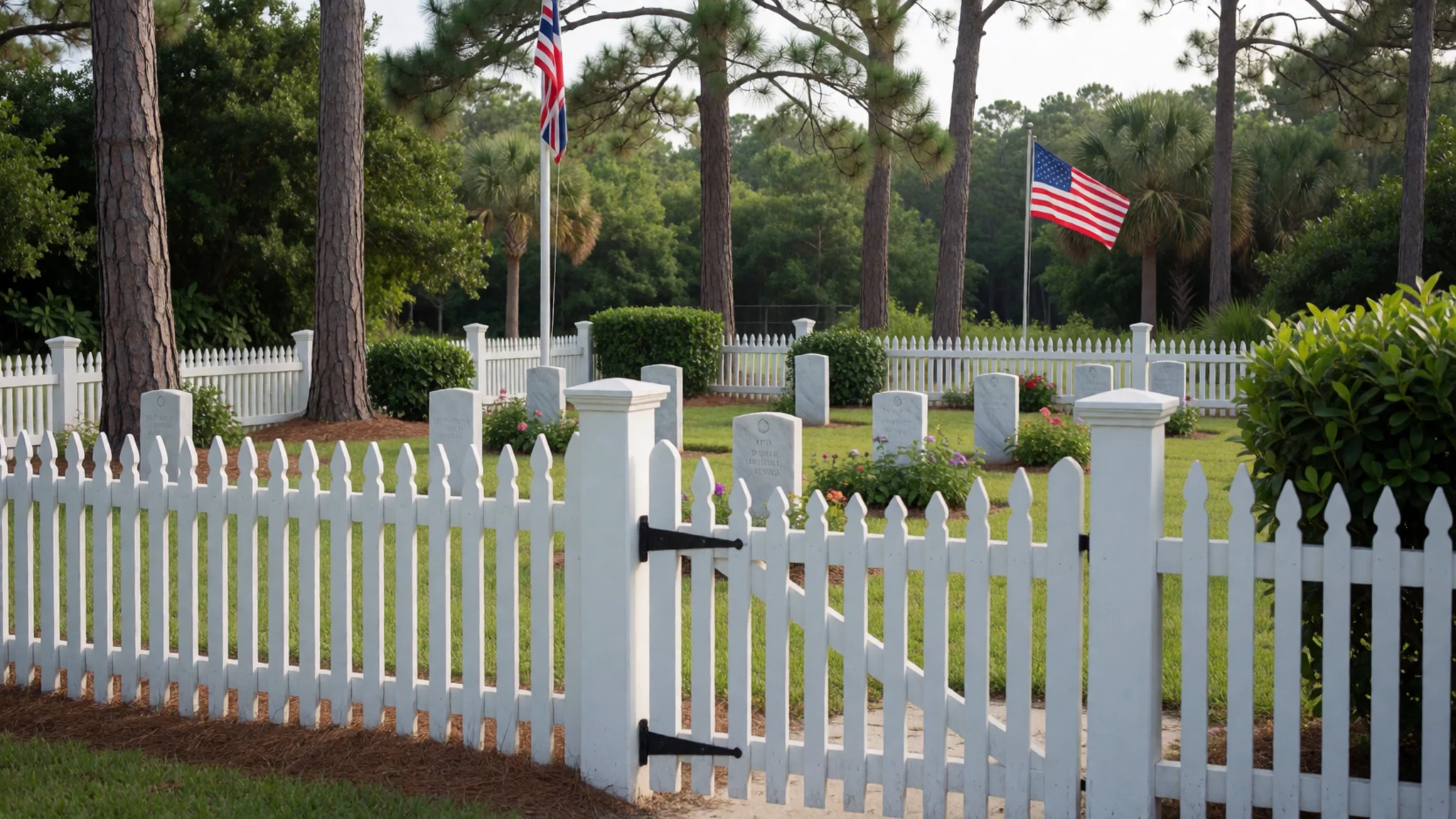
- Ocracoke Lifesaving Station — Coast Guard Road
Representing the courageous history of maritime rescue operations along dangerous shoals, these historic buildings highlight the crews who launched wooden lifeboats into raging ocean storms to save shipwrecked mariners before modern technology changed coastal navigation forever.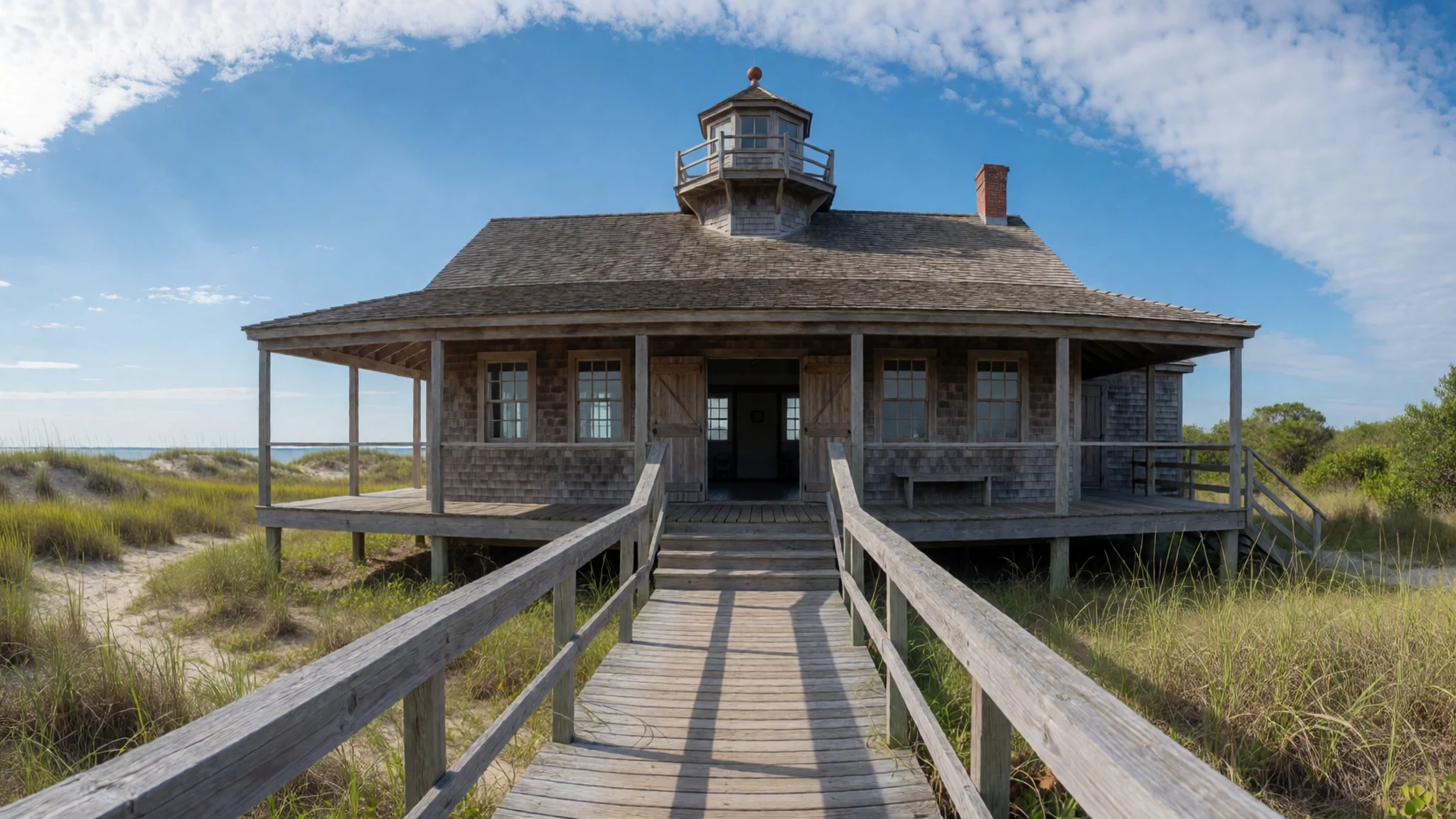
- Silver Lake Harbour — Village Waterfront
Acting as the beating heart of the community, this protected inland basin bustles with commercial fishing boats, charter vessels, and arriving ferries. Visitors gather along the waterfront to watch sunset reflections, spot local herons, and enjoy fresh catches at nearby eateries.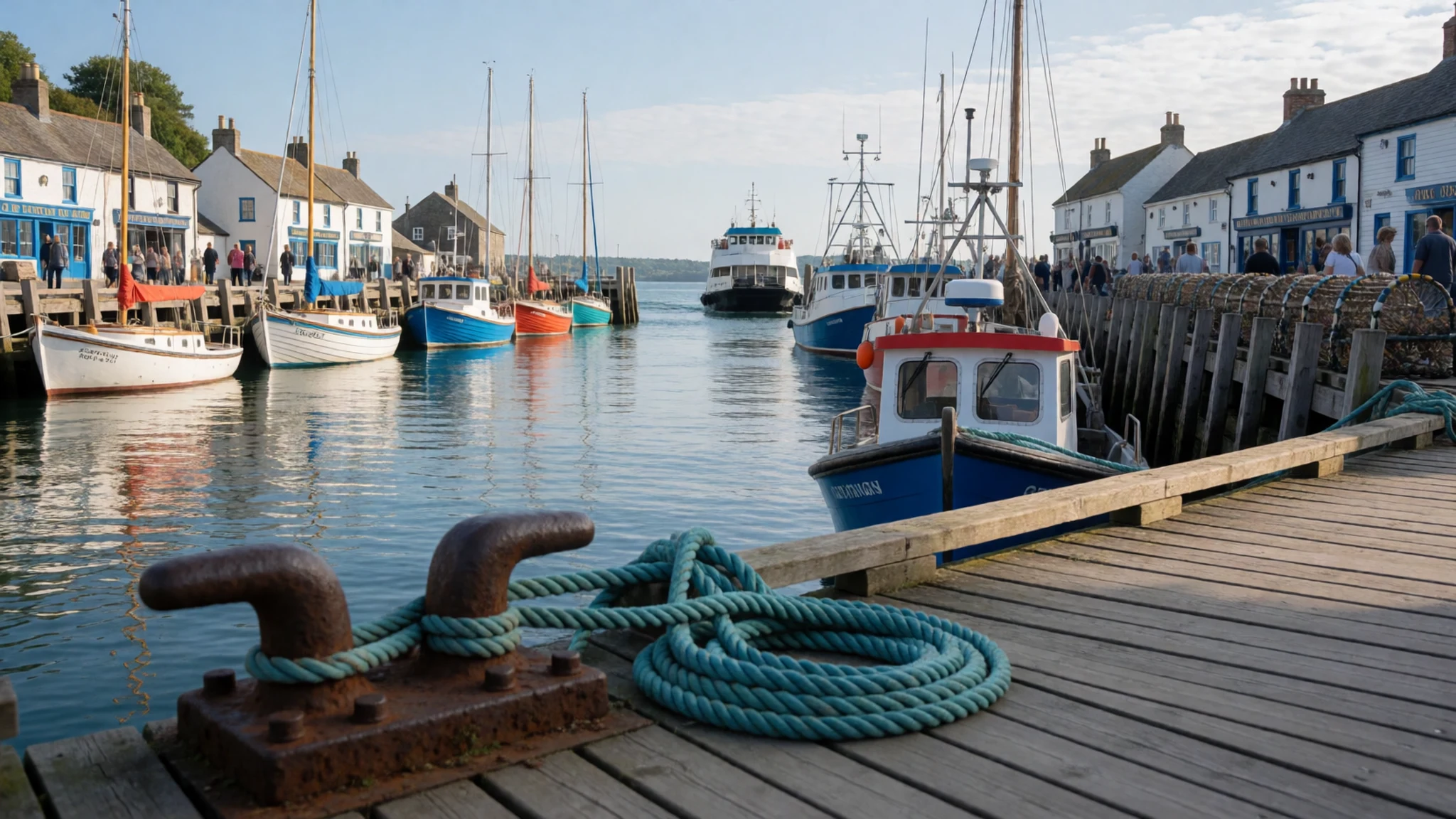
Culture
On Ocracoke Island, community life revolves around maritime trades, seasonal festivals, and deep-rooted local traditions that set the settlement apart from mainland North Carolina. Culinary heritage shines through regional recipes, most notably local figs and traditional fig cake, celebrated annually with a dedicated community festival and baking contest that brings residents together. Local journalism and broadcasting play an important role in community cohesion, supported by a dedicated local radio station and print newspaper that document regional events. The social atmosphere is defined by classic southern hospitality, where courtesy, mutual respect, and friendly conversation are woven into daily interactions. Visitors are welcomed warmly into local shops and community gatherings, provided they respect the unhurried pace of island life. When entering local establishments or residential areas, keep your voice down in crowded rooms and greet neighbours with a polite nod.
What to wear
Traditional clothing on Ocracoke Island historically reflected practical maritime labor, utilizing durable cottons and workwear suited for fishing boats, net-mending, and life along sandy coastal lanes. Modern islanders and visitors dress in casual, weather-appropriate attire designed for outdoor coastal environments. Lightweight, breathable fabrics dominate during warmer months to combat high humidity and intense sunshine, while windbreakers and layers are essential during cooler shoulder seasons when ocean breezes sweep across the barrier dunes. Visitors should pack comfortable walking shoes or sandals suitable for sandy paths, sun hats, and reliable sun protection. Evening dining and community gatherings call for relaxed, casual resort wear rather than formal garments, keeping true to the unpretentious character of the coastal village.
What to eat
- Ocracoke Fig Cake — Local bakeries and village cafes
A cherished local specialty baked with preserved local figs, rich spices, walnuts, and buttermilk, often topped with caramel or powdered sugar. You can find slices of this traditional dessert at local bakeries, community bake sales, and during the annual island fig festival.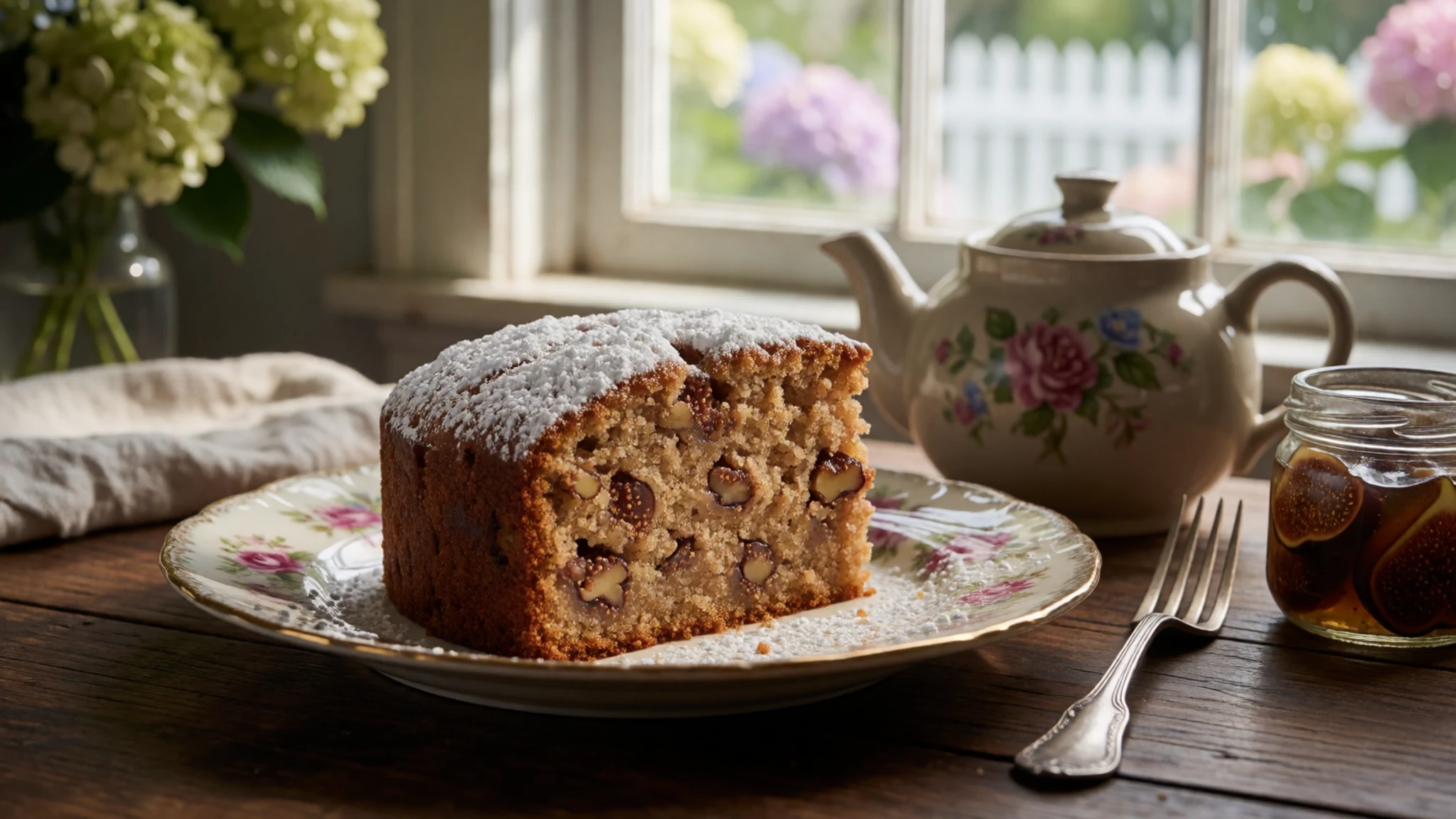
- North Carolina Barbecue — Local smokehouses and casual island eateries
Slow-smoked pork shoulder prepared with regional vinegar-based or tomato-laced sauces, celebrating the state's deep barbecue traditions. Look for pulled pork platters served with traditional sides like coleslaw and hushpuppies at casual roadside eateries across the coastal region.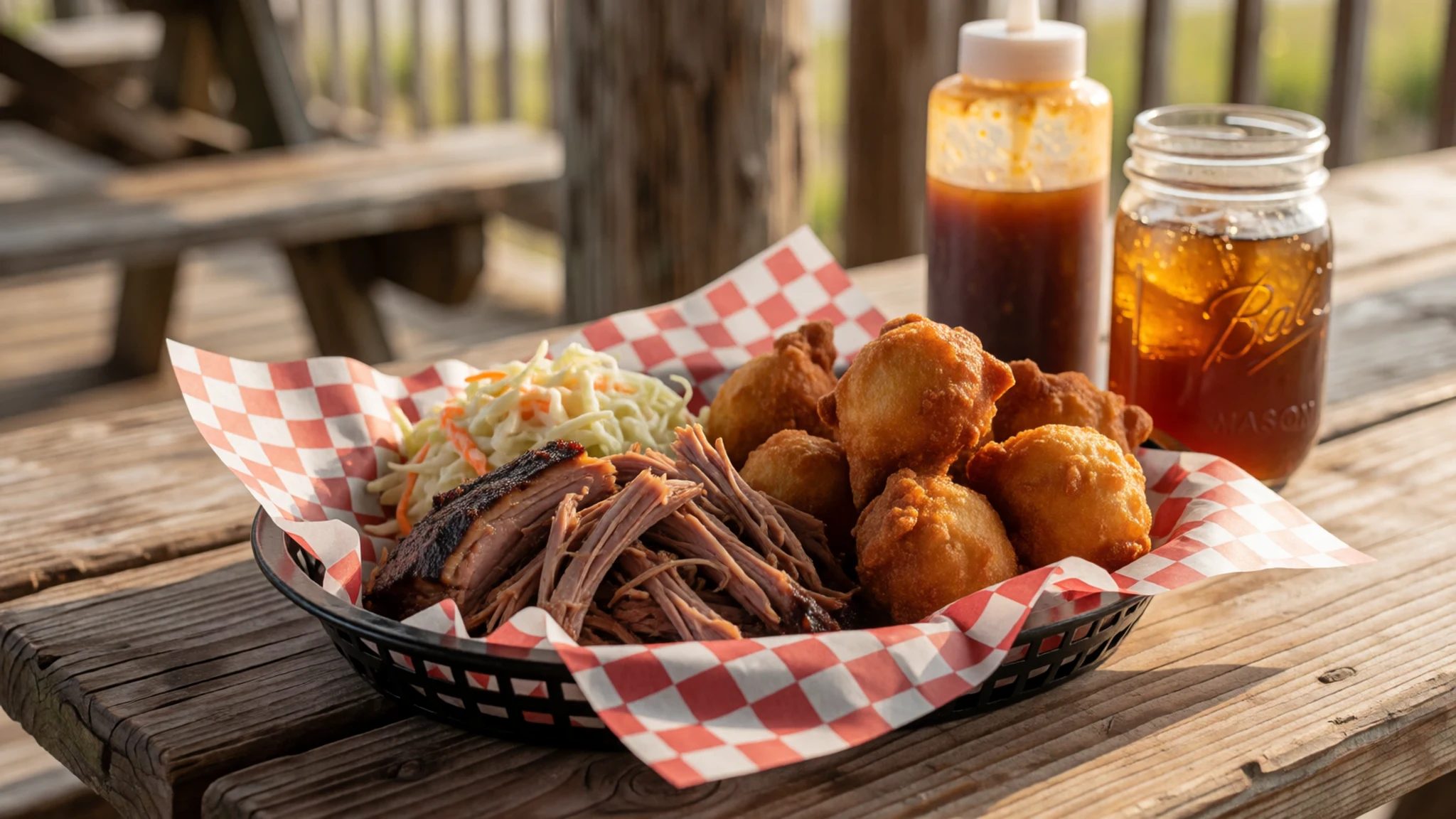
- Local Fresh Seafood — Silver Lake waterfront restaurants and fish markets
Daily catches from local commercial fishing fleets, including flounder, blue crab, shrimp, and drum prepared simply to highlight ocean-fresh flavours. Seafood markets and waterfront restaurants serve these catches fried, grilled, or baked depending on what the boats brought in that morning. - Livermush — Traditional southern diners and local cafes
A traditional regional delicacy combining pig liver, head parts, and cornmeal, formed into blocks and sliced for frying. It is typically served crisp for breakfast alongside eggs and toast in traditional southern diners across the broader state area. - Hushpuppies — Seafood shacks and casual restaurants
Golden-brown fried cornmeal batter spheres that serve as a classic accompaniment to coastal fish fries and seafood platters. Crispy on the outside and soft on the inside, they are a staple side dish at almost every traditional coastal eatery.
Plan it
Best time. May to June and September to October offer pleasant coastal temperatures, fewer crowds, and reliable ferry operations compared to the hot, humid summer peak.
How long. 2–3
Getting there. Drive via North Carolina Highway 12 and take the vehicle ferry from Hatteras Island, or catch passenger and vehicle ferries from Cedar Island or Swan Quarter on the mainland.
Budget. mid
Tips
- Book ferry reservations well in advance during peak summer months
- Rent a bicycle to explore village lanes and sandy paths easily
- Bring insect repellent for marsh areas and evening walks
- Carry cash for small local shops and seasonal farm stands
Etiquette
- Do not honk car horns unnecessarily while navigating village streets
- Hold doors open for strangers as a sign of local courtesy
- Respect private residential property along historic lanes like Howard Street
Nearby
Sources
- Wikidata Q16508281 (CC0)
- Wikipedia (CC BY-SA 4.0)
- Wikivoyage (CC BY-SA 4.0)