Charleston, South Carolina
Charleston, South Carolina, United States
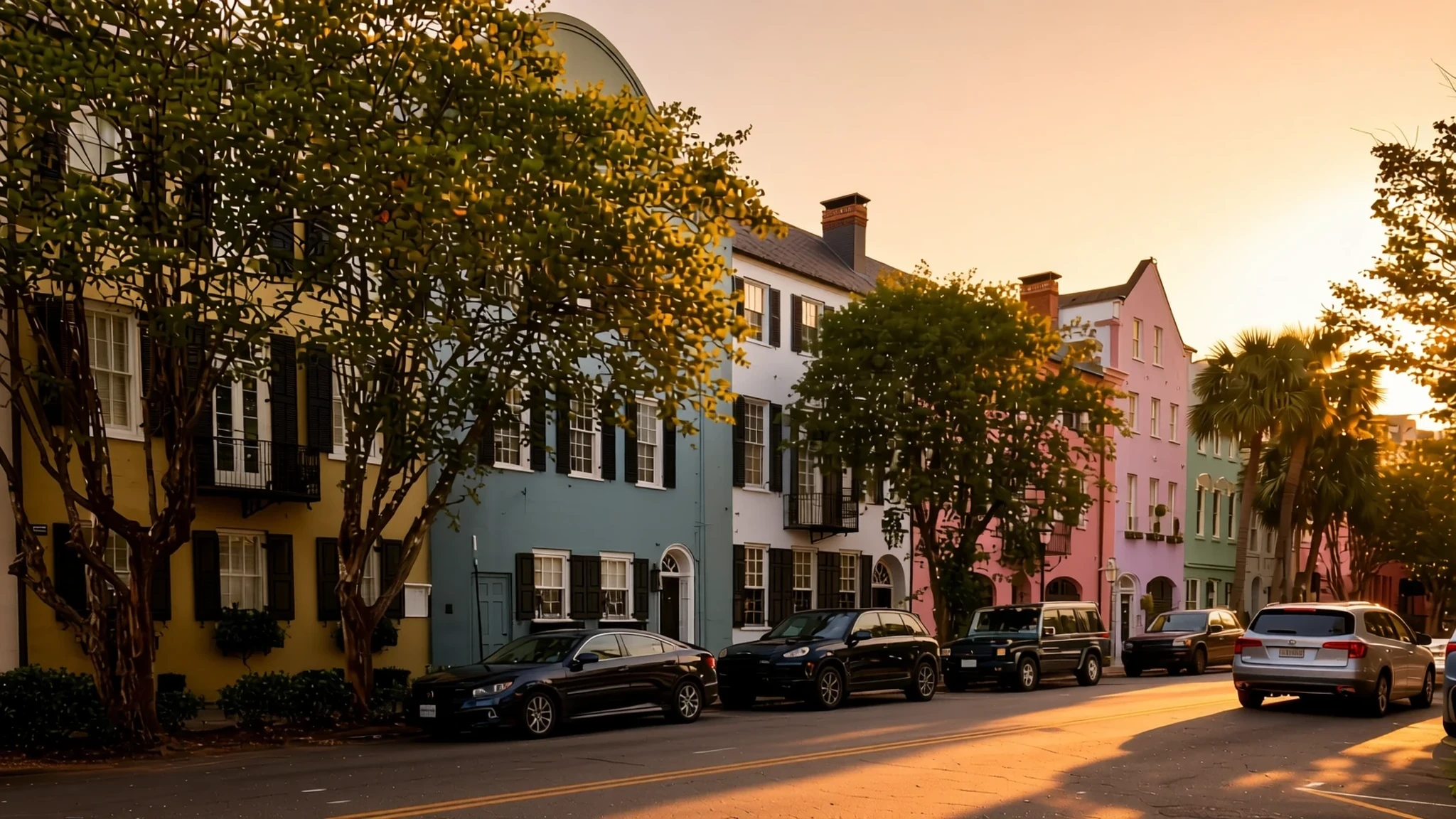
A walkable colonial port of pastel houses, deep verandas and Lowcountry seafood, best seen in spring or autumn before the summer heat sets in.
The place
Charleston is the largest city in South Carolina, home to around 150,000 people on a low peninsula where the Ashley and Cooper rivers meet to form the harbour, an inlet of the Atlantic on the state's coast. It is the county seat of Charleston County, but its character comes from a compact historic core that is small enough to cover on foot in a day. Walking is the best way to take it in. The streets south of the centre are lined with pastel-painted houses, deep verandas called piazzas, and church steeples that rise above the rooftops.
The waterfront is the city's public living room. Waterfront Park, with its fountain and benches facing the harbour, fills up in the early evening, and the Battery, a seawall promenade at the tip of the peninsula, gives views across the water towards the bridges. Crowds gather on spring weekends and during the festival season, when restaurants book quickly and the downtown streets become busy with carriages, cars and pedestrians.
The climate shapes the rhythm of the day. Summers are hot and humid, with short, heavy afternoon storms, so locals walk early and retreat indoors at midday. Spring and autumn are far more comfortable for sightseeing. Modern Charleston sits alongside its history: the French Quarter has galleries and small shops, the old market is still a working shopping district, and the food scene draws people from well beyond the city.
Its story
Charleston began as Charles Town, founded by English colonists in 1670 and named after King Charles II. The first settlement was not on the peninsula at all. It occupied Albemarle Point on the Ashley River's western edge, a short distance northwest of the modern core, with its first arrivals sailing in from Bermuda and Barbados. Earlier attempts to plant a colony further south had failed, and several of those settlers had gone back to the Caribbean.
Long before the newcomers, the area was home to the Cusabo people, including the Kiawah sub-group, and to the Ittiwan people. Colonists called them 'Settlement Indians', a label that says more about the colonists than about the people themselves.
The colony was planned with unusual care. Its layout and governance were to follow a scheme known as the Grand Model, drawn up for the proprietors by the philosopher John Locke, and it is often described as the first comprehensively planned town in the colonies. The constitution meant to give it a formal framework was never ratified, so the town never received a charter of incorporation during the colonial years. It was governed instead by a royal governor and a colonial legislature, while Anglican parishes organised local services.
Moving the settlement to its present site on the peninsula gave it a harbour frontage and room to grow. After independence, the state legislature incorporated the town and gave it the name Charleston. The state capital later moved inland to Columbia, but the city kept its commercial weight, and the grand houses that still line its streets reflect the wealth that trade brought in.
What to see
- Charleston Museum — Downtown Charleston
Start here if you want the city's history in one place. The museum holds collections on the region's natural history, its maritime past and the lives of people who lived and worked in the Lowcountry, from the Indigenous peoples who lived here first to the colonial merchants who built the port. It makes a sensible first morning before you head out to the harbour and the historic streets.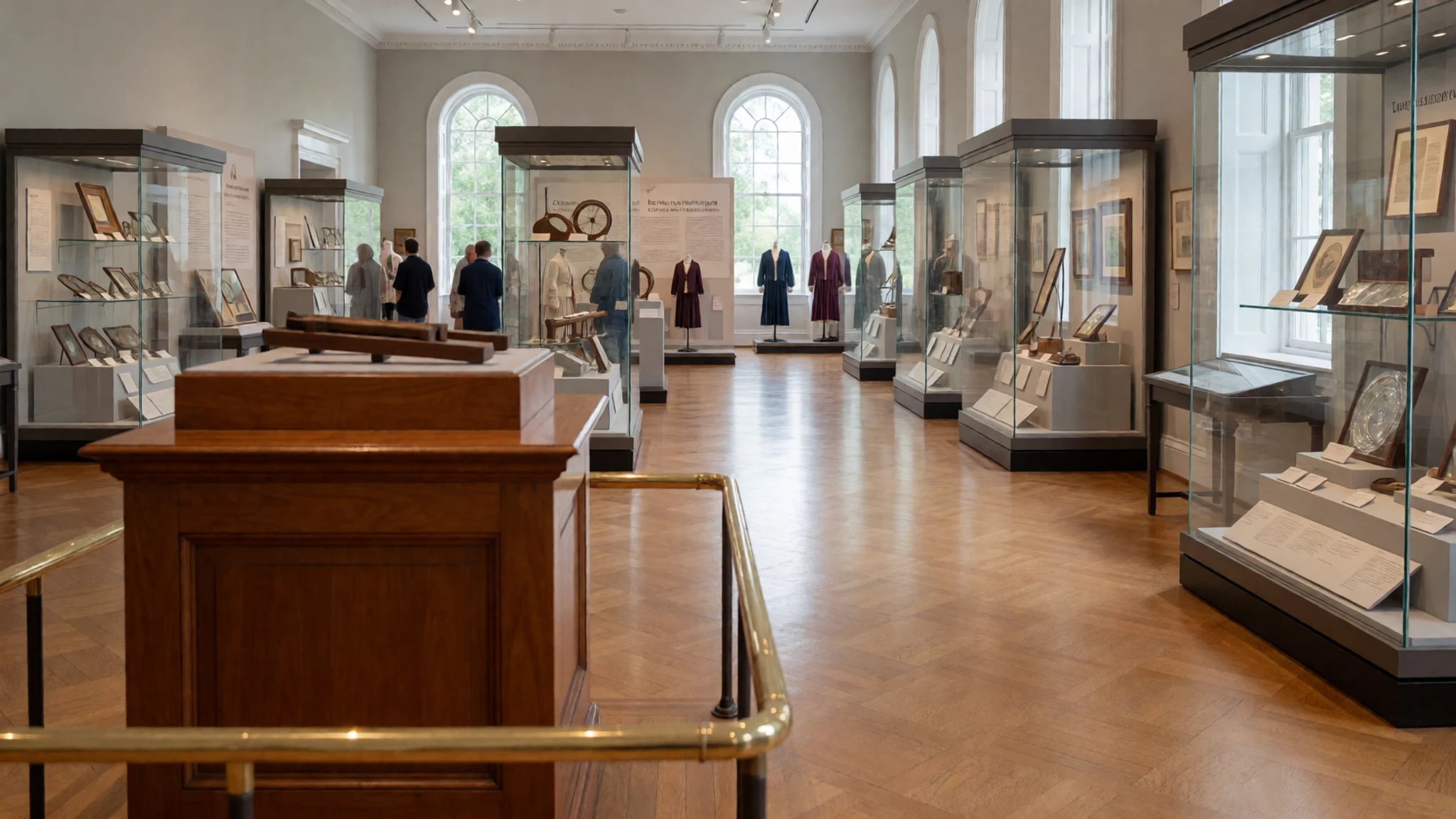
- Fort Sumter — Harbour island, reached by ferry
The island fort in the harbour is where the Civil War began, and it is now a National Monument. You cannot walk there. A ferry runs from Liberty Square downtown or from Patriot's Point in Mount Pleasant, and the crossing costs extra, so check the official site before you go. Bring water and a hat; there is little shade.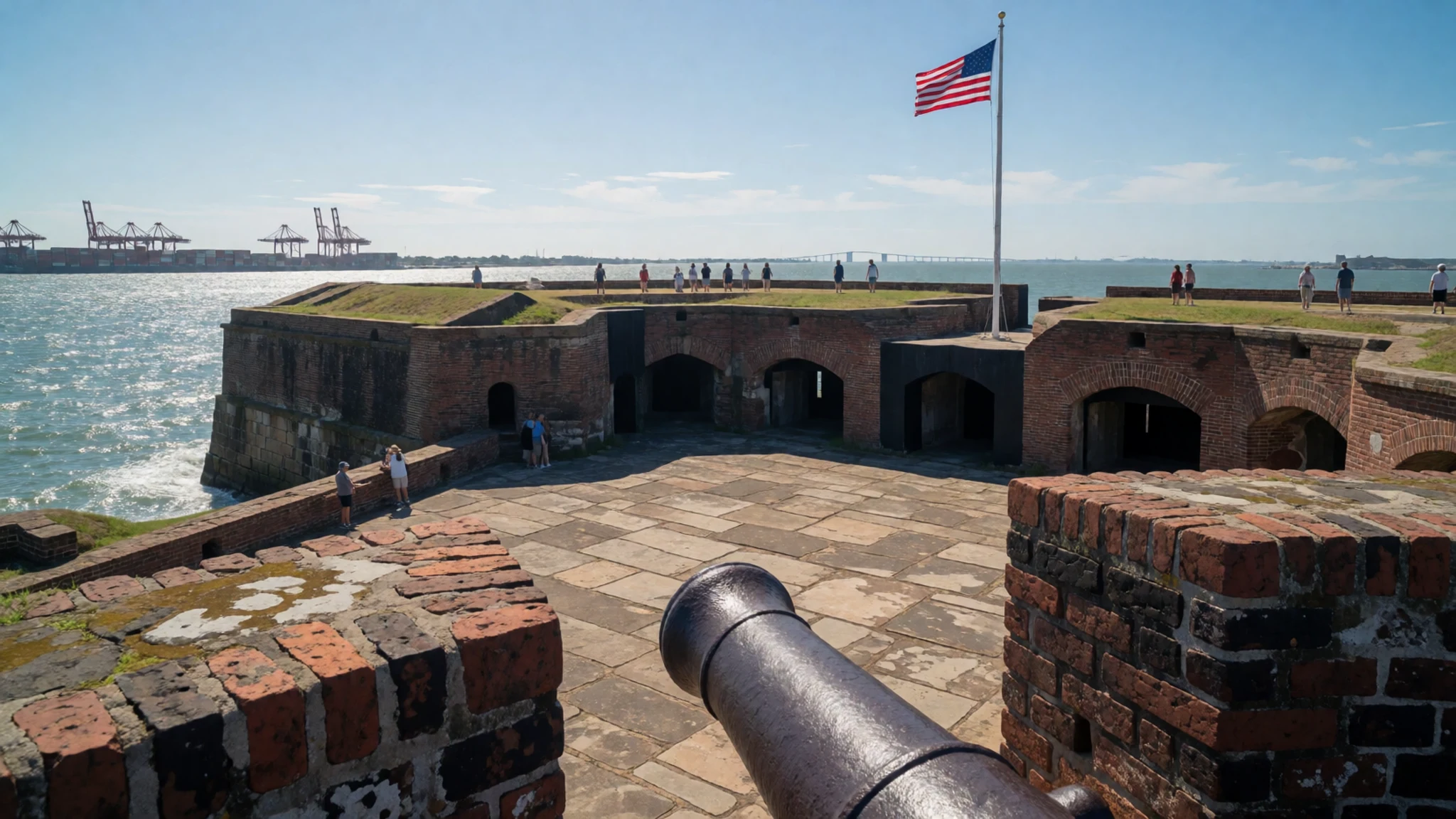
- French Quarter — Between South Market and Tradd streets, down to the waterfront
This area marks the ground of the colony's original fortified settlement, and its lanes still follow that older pattern. Galleries, antique shops and small cafés line the streets, and St Philip's Church and the French Huguenot Church stand among the historic buildings. Wander without a fixed plan, but watch for cobbles and narrow pavements after rain.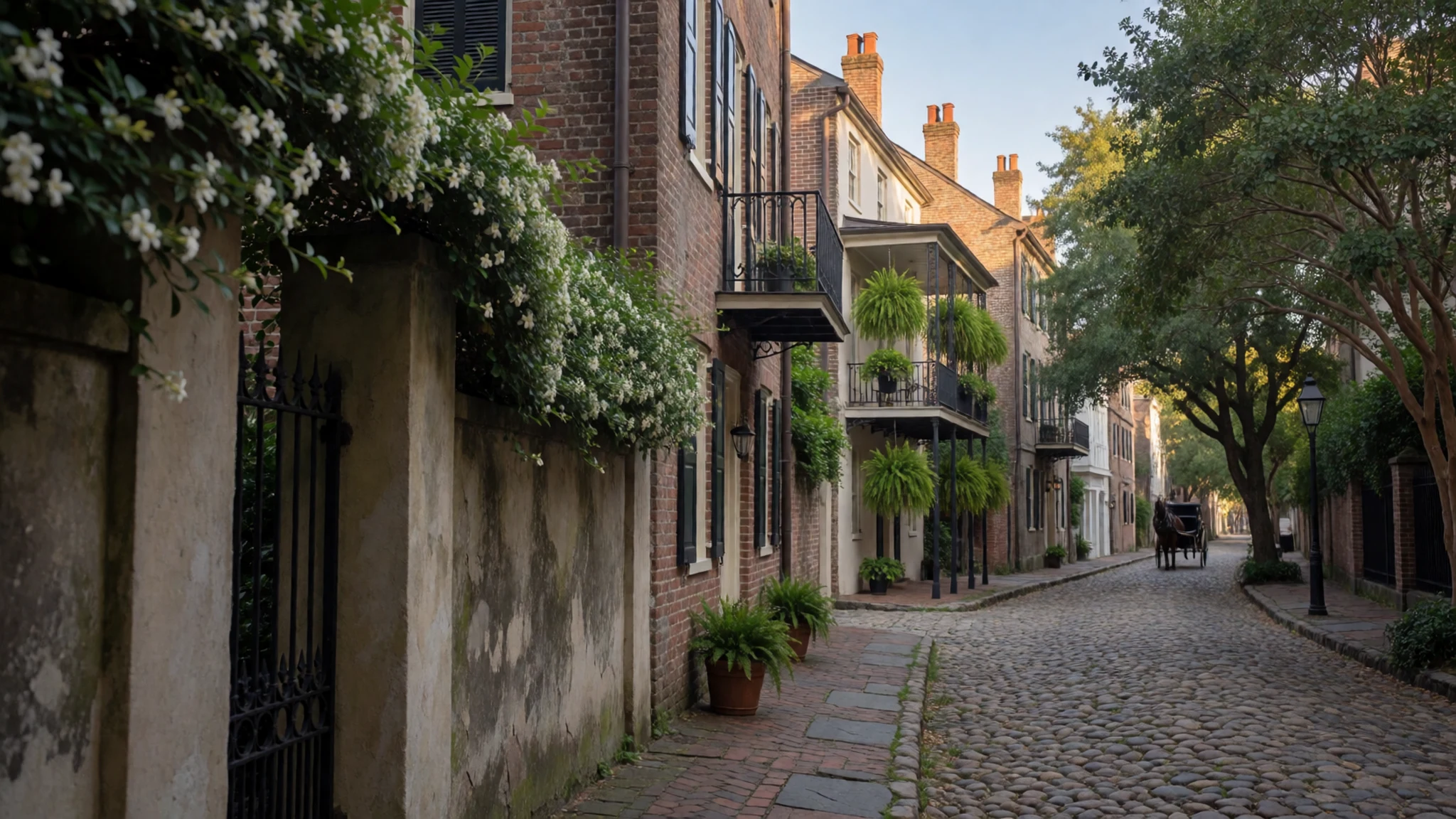
- The City Market — Market Street, downtown
A covered market complex at the foot of Market Street, where stallholders sell handmade goods, sweetgrass baskets and souvenirs. Despite a common story, this was not a slave exchange. Historic slave-market sites lie a few blocks away, and they are worth visiting alongside the market.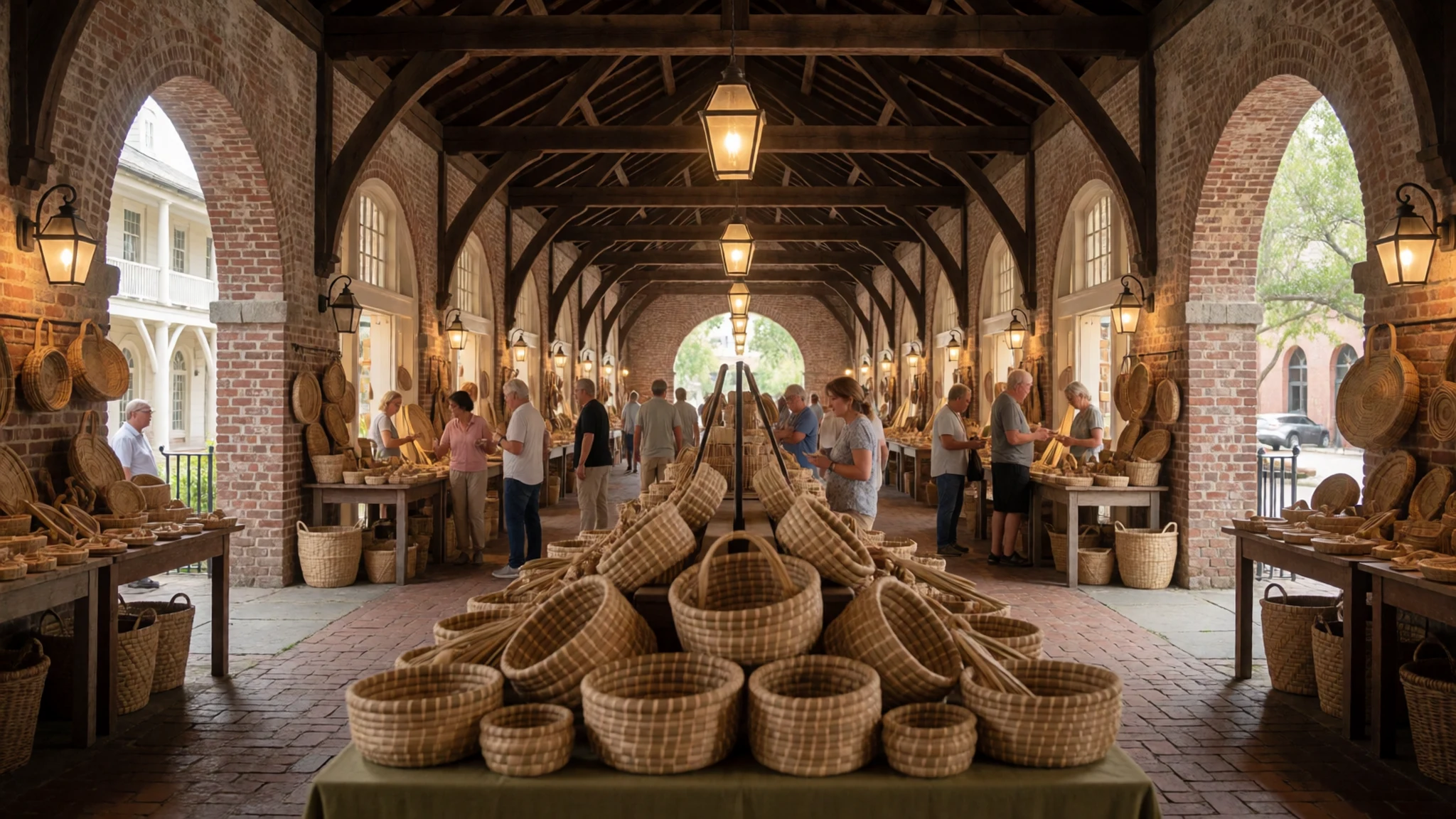
- Old Slave Mart — A few blocks from the City Market
Now a museum, this building is believed to be the last slave auction market still standing in South Carolina, and its exhibits confront that history directly. Guided visits give the story the weight it deserves. Allow a quiet hour and approach the visit seriously, as it is a memorial as much as a museum.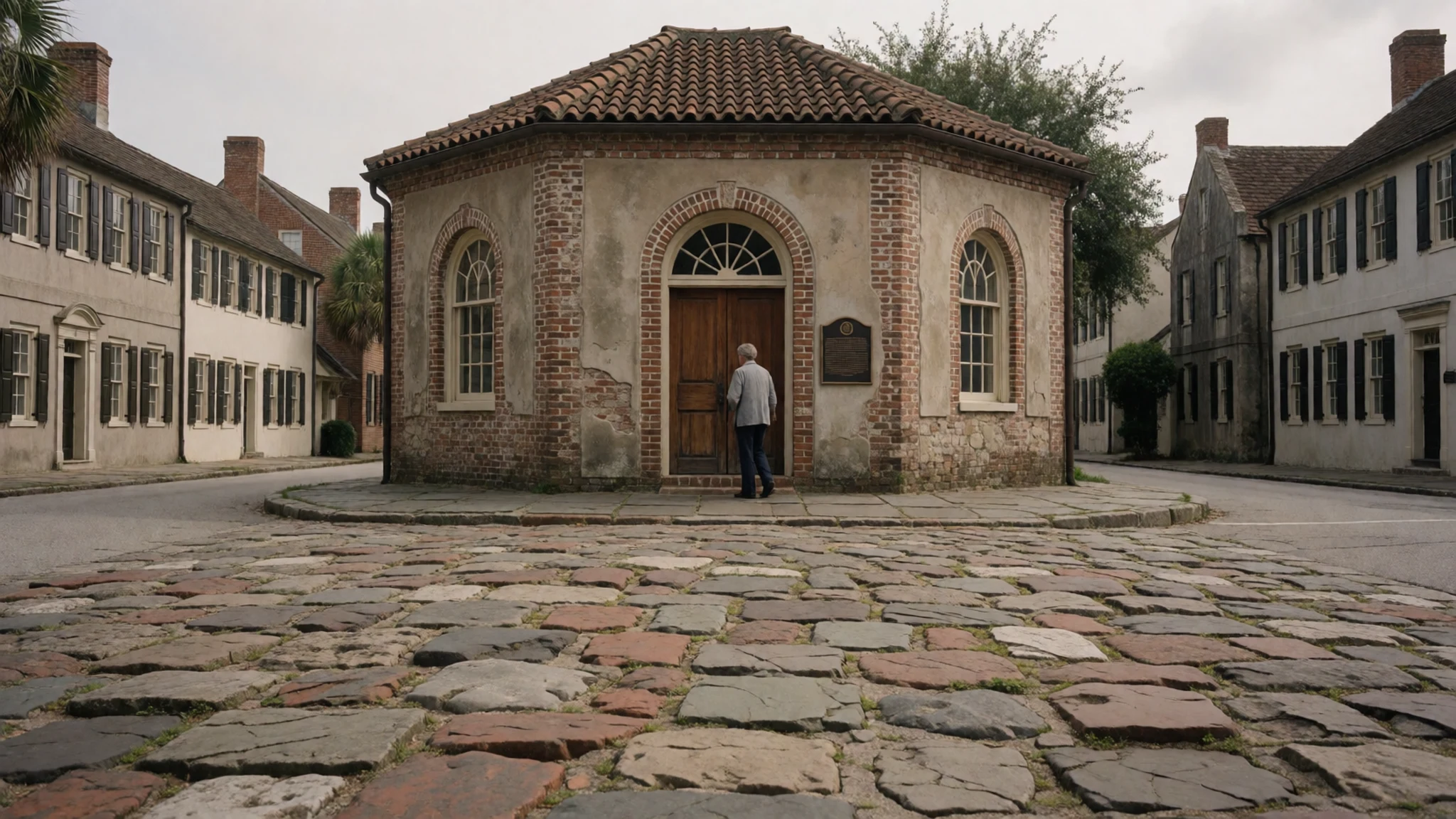
Culture
Charleston's culture draws on several strands at once: Southern U.S. traditions, English and French influences, and West African heritage, most visibly in the Gullah Geechee communities of the Lowcountry. The downtown peninsula is dense with arts venues, live music, restaurants and boutiques. The historic Dock Street Theatre hosts performances, and the community group Footlight Players has staged productions for decades. Spoleto Festival USA, held in late spring, was founded by the Pulitzer Prize-winning composer Gian Carlo Menotti as a counterpart to the Festival dei Due Mondi in Spoleto, Italy, and it brings opera, dance and concerts into theatres and churches across town. Charleston Fashion Week takes place each spring in Marion Square. Food is central to local identity, with cooking shaped by British, French and Gullah traditions. When visiting historic churches, keep your voice low and ask before photographing stallholders or worshippers up close.
What to wear
Charleston's traditional dress was less a single costume than a Southern coastal habit of clothing made for heat: cotton and linen in pale colours, loose cuts and wide-brimmed hats for the sun. The Lowcountry's most distinctive textile tradition is the sweetgrass basket, coiled by Gullah Geechee makers from sweetgrass, bulrush and palmetto. These baskets are a serious craft, and they are sold at stalls around the City Market.
What people wear now is relaxed but considered. Locals dress smart-casual for dinner, with linen shirts, sundresses and loafers, and seersucker jackets appear at weddings and festival events. Spring Fashion Week is the city's one moment of runway attention.
For a visit, pack breathable fabrics and expect to layer, since indoor air conditioning can be strong in summer. Flat, supportive shoes matter more than style, because the brick and cobbled streets are uneven. Dress more covered when you visit churches, and carry a light layer for your shoulders.
What to eat
- Shrimp and grits — Casual cafés and breakfast spots across the peninsula
A coastal staple served at breakfast and supper alike: shrimp cooked briefly in a savoury sauce, often with bacon or sausage, spooned over creamy stone-ground grits. Look for it at casual cafés and home-style breakfast spots across the peninsula.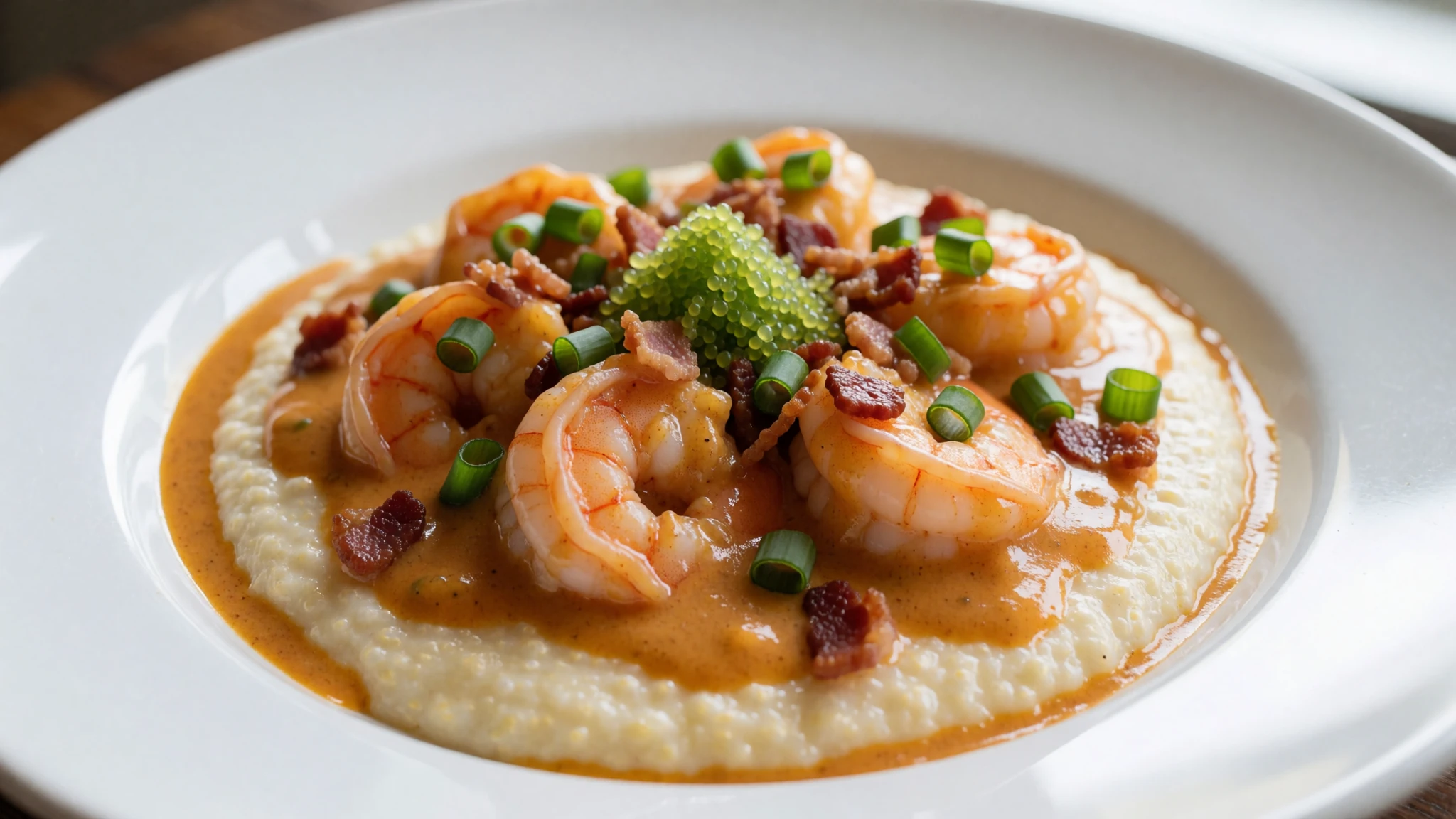
- She-crab soup — Dining-room restaurants in the historic district and Upper King
A rich, creamy soup of crab meat and crab roe, traditionally finished with a splash of sherry. It belongs to the old Lowcountry kitchens and still appears on menus across the city, most often in dining rooms in the historic district.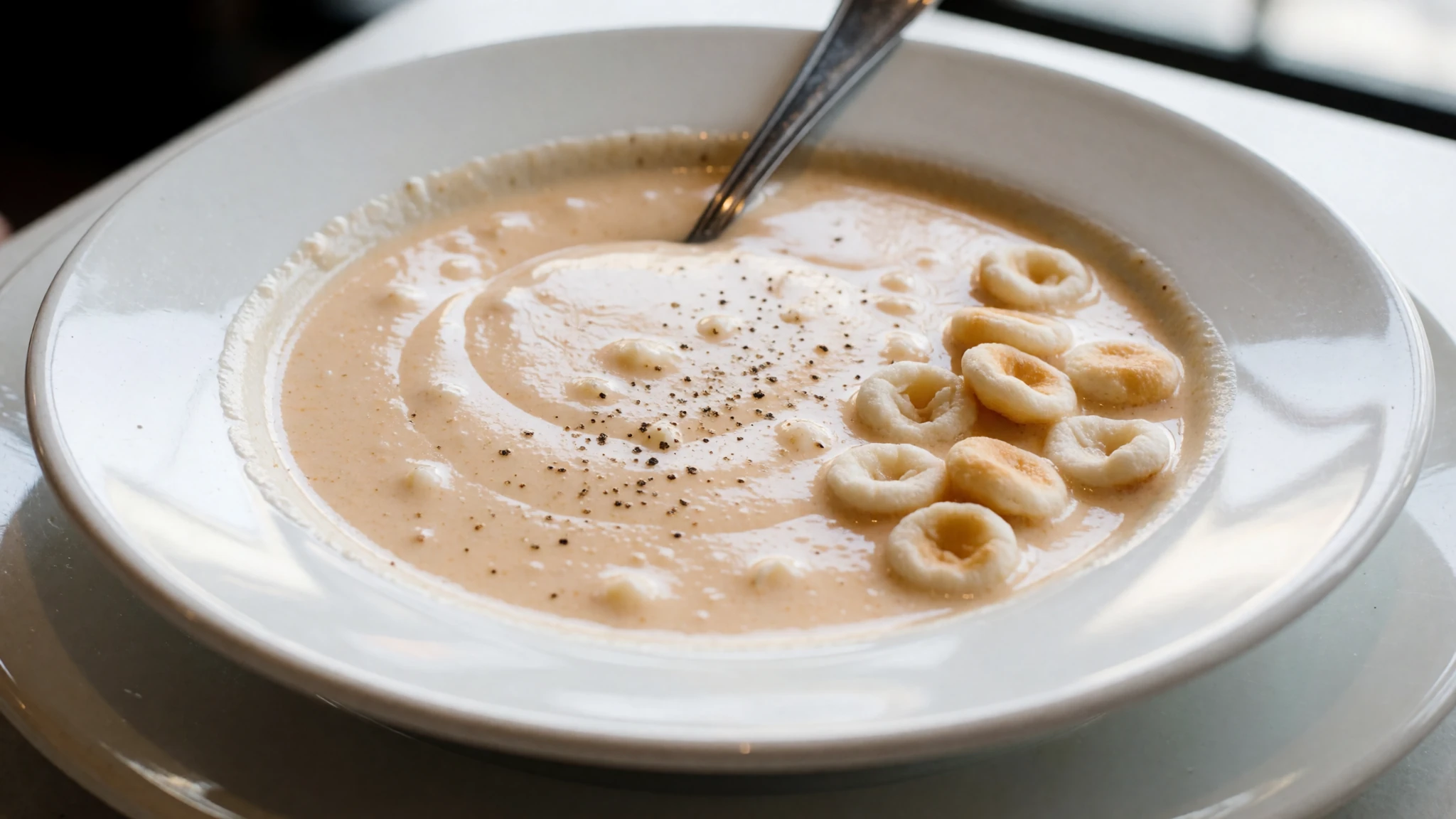
- Fried oysters — Casual seafood restaurants along the waterfront and in Upper King
Oysters dredged in seasoned flour or cornmeal and fried until crisp are a waterfront classic. The frying keeps them tender and makes a good first taste of the coast if raw oysters do not appeal. - Frogmore stew — Seafood restaurants and boil houses, often shared at long tables
Also known as a Lowcountry boil, this is shrimp, sausage, corn and potatoes cooked together with seasoning, then spread on a table to share. It is a messy, communal meal that suits a warm evening. - Red rice — Home-style lunch counters and Sunday dinner tables
Rice simmered with tomato, onion and bits of smoked sausage, which gives it a warm colour. It is the Lowcountry's everyday companion to fish and chicken, and you will find it at home-style lunch counters and Sunday dinner tables.
Plan it
Best time. Spring (March and April) and autumn (October and November) are the most comfortable for walking, though spring is busy with festival crowds. Summer is hot and humid with afternoon storms, so plan outdoor walking for the early morning.
How long. 2–3
Getting there. Fly into Charleston International Airport. The CARTA express bus runs to downtown in about 20 minutes, and taxis, shuttles and rental cars are available at the terminal. From the north or south, drive in along the coastal highway. Amtrak trains from New York and Savannah stop at a station a short drive north of the centre.
Budget. mid
Tips
- Check fares and timetables on the official site before you travel, since transport prices change
- Book the Fort Sumter ferry ahead on busy days
- Start the historic streets before 9 am, as the peninsula gets crowded from mid-morning
- Bring water and a hat; summer heat is heavy and waterfront shade is limited
- Book restaurants ahead for weekend dinners, especially during spring festival weeks
- Cards are widely accepted, but carry some cash for market stalls
Etiquette
- Ask before photographing people working at stalls or in workshops
- Dress more modestly and lower your voice when visiting churches
- Give horse-drawn carriages and cyclists room on the streets
- Keep photography discreet at the slave-history sites and treat them with quiet respect
Nearby
Sources
- Wikidata Q47716 (CC0)
- Wikipedia, Charleston, South Carolina (rev 1381865619) (CC BY-SA 4.0)
- Wikivoyage, Charleston (South Carolina) (rev 5397316) (CC BY-SA 4.0)
- Broad Street, Charleston SC (Khanrak) (CC BY 3.0)
- Rainbow Row panorama (Something Original) (CC BY 3.0)
- East Battery Street, Charleston (Chris Pruitt) (CC BY 3.0)
- Columbus Street port terminal (JonathanLamb) (Public domain)
- Waterfront Park (Bohao Zhao) (CC BY 3.0)
- The City Market (Richard Hedrick) (CC BY-SA 4.0)
- Arthur Ravenel Jr. Bridge from the water (bbatsell) (CC BY-SA 2.5)
- Charleston waterfront IMG_4553 (Billy Hathorn) (CC BY 3.0)


