Northern Velebit National Park
Northern Velebit National Park, Croatia
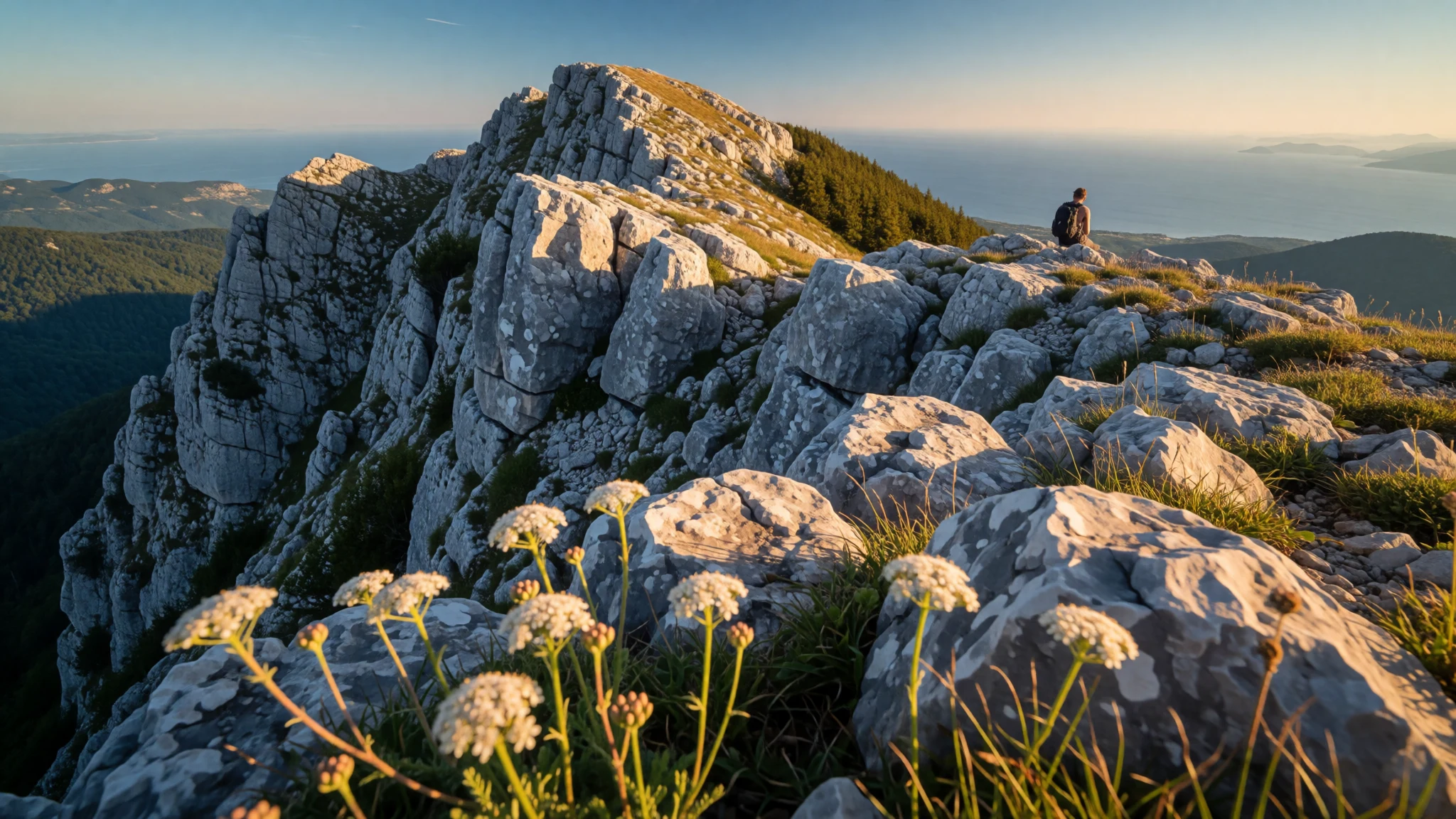
Northern Velebit is a wild, limestone-and-beech playground where mountain hikes feel remote even when you’re close to the coast.
The place
Northern Velebit National Park (Nacionalni park Sjeverni Velebit) sits in Croatia and stretches across the northern part of the Velebit mountains, covering about the kind of distance you’d usually reserve for a proper multi-day hiking trip. The character of the landscape is instantly recognisable: jagged ridgelines, exposed rock, and deep forests clinging to cooler slopes. It’s the sort of park where weather changes can be sudden, and the same trail can feel very different an hour apart.
The area is tied to a conservation story. The Velebit range is generally protected at a lower “nature park” category, but this northern section was upgraded and opened as a national park in the late 1990s. That upgrade matters if you want to understand the terrain: trails and viewpoints here are looked after with the expectation that people will spend time walking, not just driving past.
One big reason people make the effort is the forest. Beech woodland within the park was added to a UNESCO World Heritage listing focused on ancient and primeval beech forests across Europe, reflecting long ecological history. Even if you don’t read about it beforehand, you feel it when the trees close in: calmer air, softer light, and a different pace to the hike.
Practical reality check: summers in Croatia’s interior can get very hot, and the higher you go the more alpine-like it feels. That’s why spring and autumn tend to suit best—comfortable temperatures, longer daylight, and fewer conditions that turn a pleasant walk into a slog.
Its story
Northern Velebit’s appeal is that it doesn’t behave like a single “attraction”. It behaves like a mountain system. The limestone does what limestone does: it shapes the ground into grooves, ledges and broken textures, and it nudges routes into narrow corridors where you can’t fully relax your attention. On a clear day, ridges open out into big sky and long lines of perspective; on a cloudy day, the landscape compresses and the forest starts to feel like the main character.
A common mistake is treating this as a drive-and-views park. The reality is that most memorable moments are earned. The switchbacks into cooler slopes, the pauses at natural lookout points, and the gradual shift from harsher, rockier sections into beech woodland are what make the place feel cohesive. If there’s a “best” experience, it’s not one named viewpoint—it’s the feeling of moving between habitats.
The conservation timeline also adds a layer to the visit. This part of Velebit was upgraded from a nature reserve and then opened as a national park, and later the beech forests gained international recognition through the UNESCO listing. That means the park’s identity isn’t just scenery: it’s a living landscape with long rhythms.
For travellers, that translates into a straightforward rhythm: plan hikes for the right part of the day, carry water because inland heat can build fast, and expect the mountains to set the tempo. Northern Velebit rewards steady walking more than rapid sightseeing.
What to see
- Karst textures and limestone grooves — Northern Velebit trails and rocky ridges
Northern Velebit’s limestone is more than a backdrop: it forms patterned grooves and rugged surfaces along exposed sections. When the rock is dry, you notice sharp edges and broken layers; when it’s damp, traction becomes the main concern.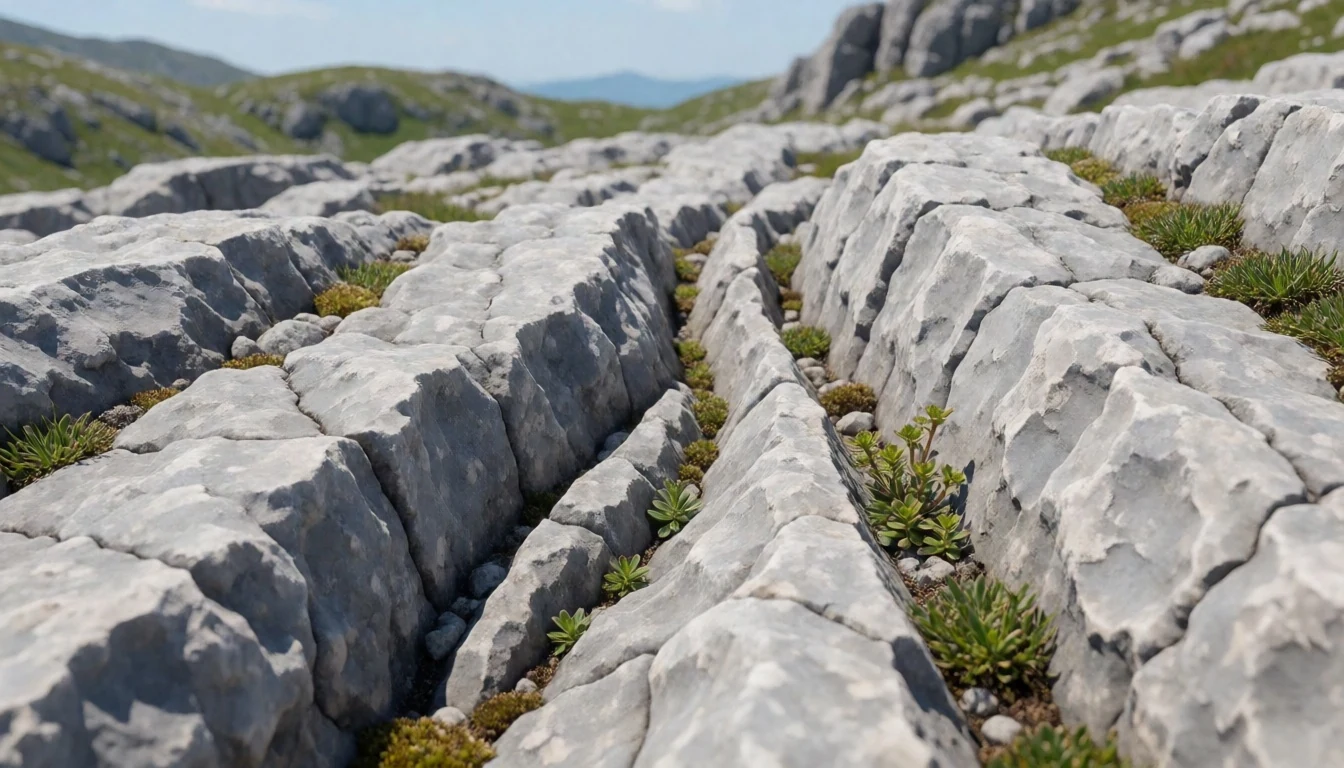
- Rossijeva Koliba landscape moments — Rossijeva Koliba area
Around Rossijeva Koliba, the landscape opens into classic Velebit views—rocky slopes, grass patches, and the sense of space that comes with higher ground. It’s a good area for slow photo stops when conditions are clear.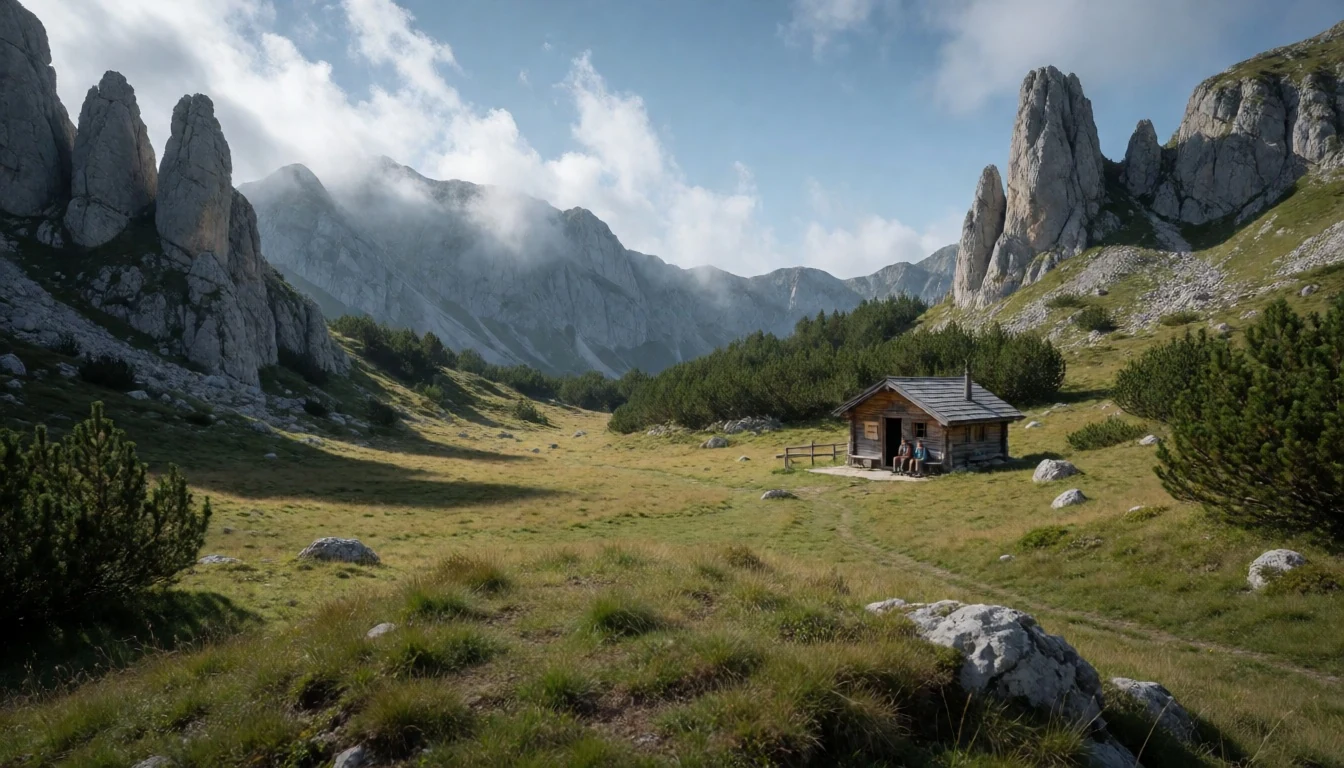
- Beech forest atmosphere — Beech woodland zones inside the park
In the beech forest sections, Northern Velebit shifts from open rock to shade and cooler air. Light filters through leaves, the ground feels softer, and the walk becomes quieter—exactly the kind of place where you notice your breathing easing.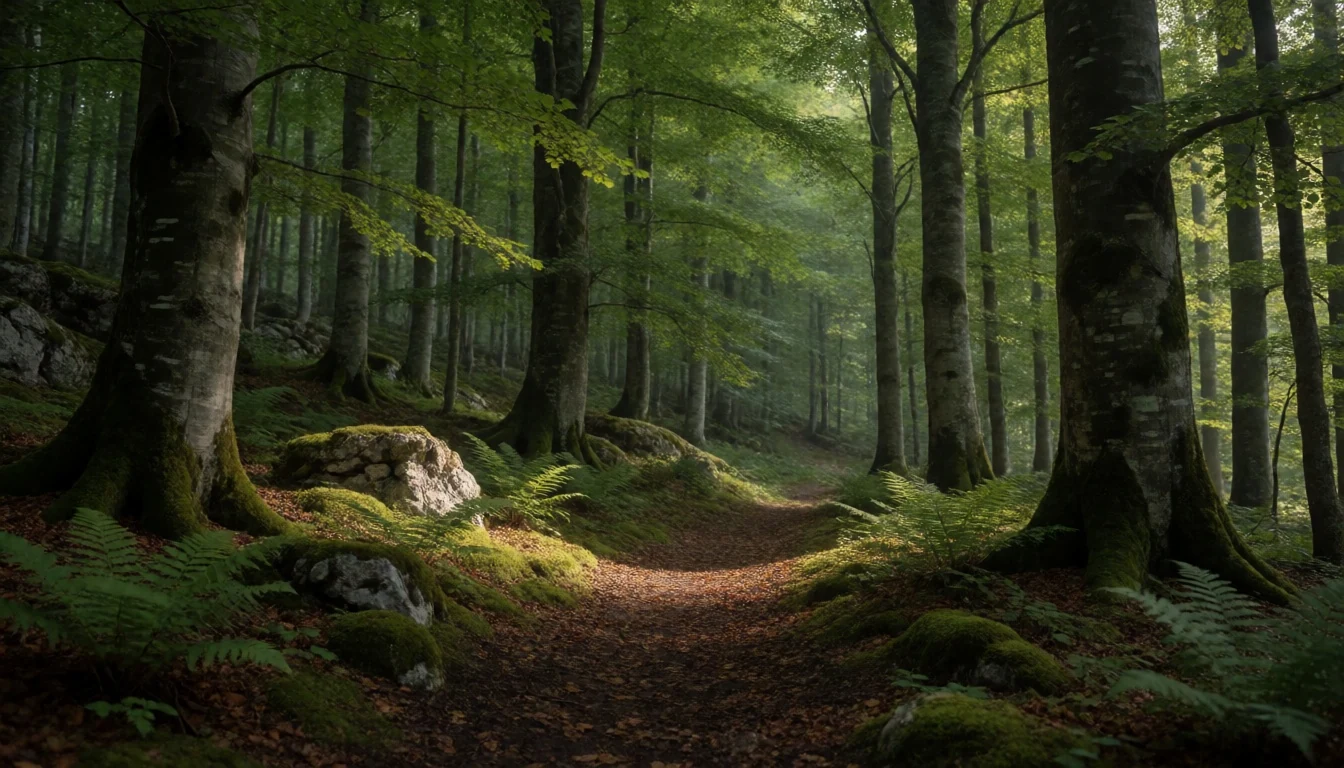
- Botanical garden / entrance-area planting — Botanical area near park entrance zones
Near the entry zones, a botanical area helps you get orientated before heading deeper into the mountains. It’s where you can spot plant variety in a calmer setting, then translate what you see to the wider forest and rocky habitats out on the trails.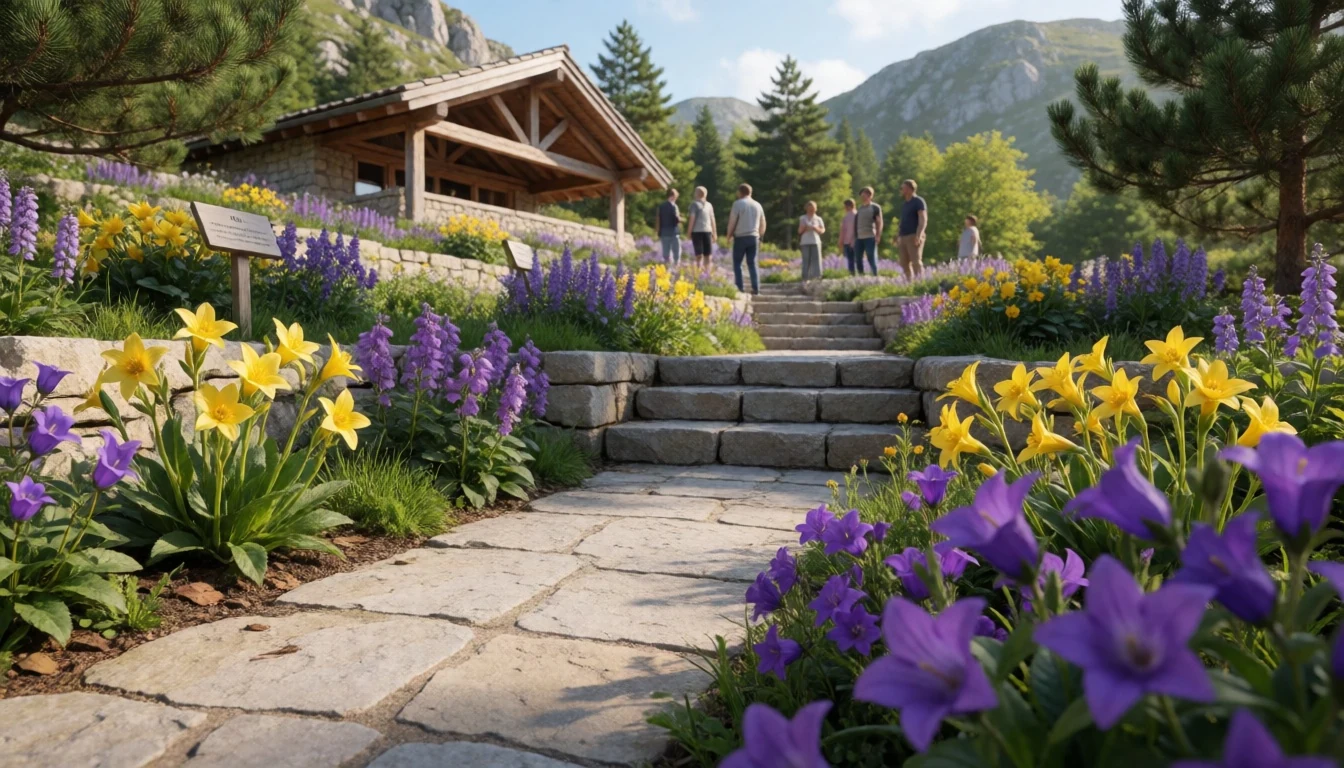
- Aerial-scale ridges and big-sky sections — Ridge viewpoints and outlook stretches
Northern Velebit’s shape reads especially well from the air: long ridges, patchwork forest, and dramatic turns where the terrain drops away. From ground level, look for viewpoints that frame the park like a panorama rather than a single peak.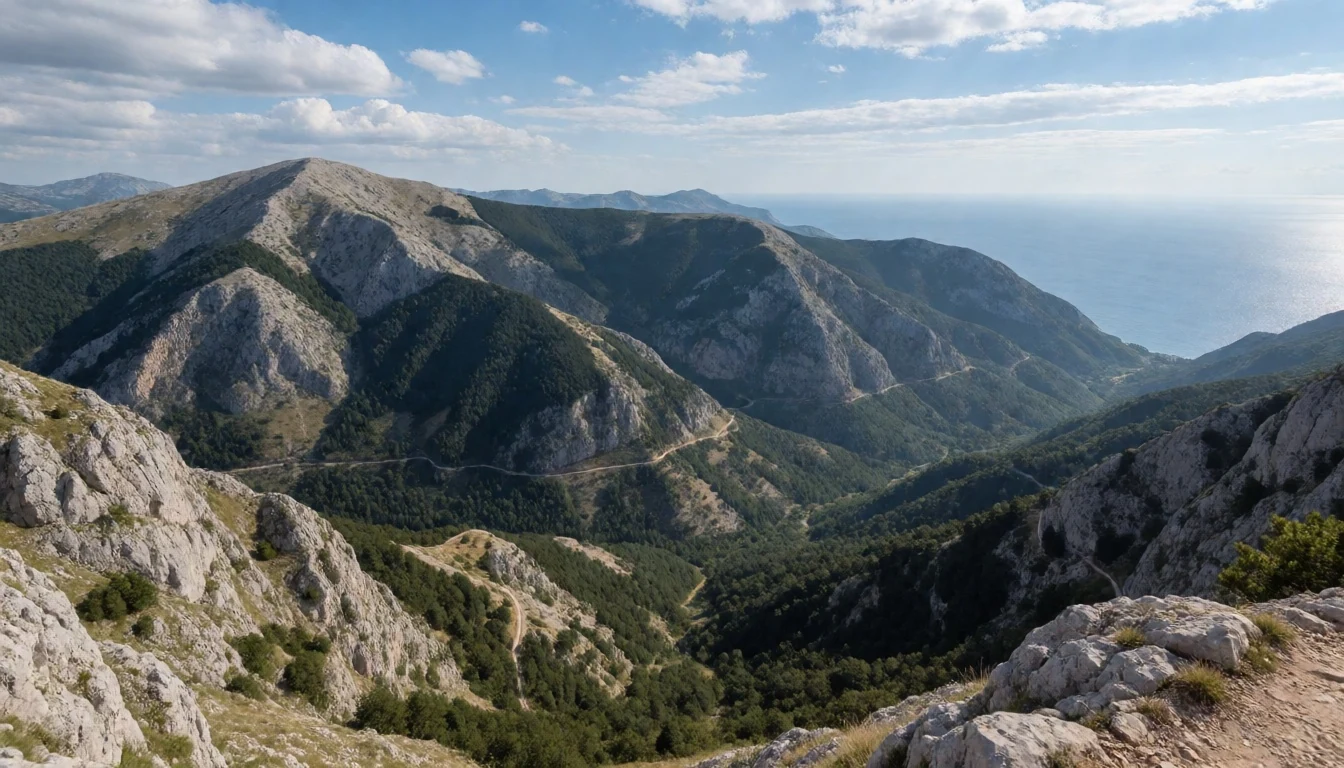
Culture
Croatia’s modern identity is layered, and conversation can quickly touch on sensitive history. Croatia gained independence from Yugoslavia in the early 1990s, and that decade still carries emotional weight for many people. In everyday travel, this usually isn’t a problem if the tone stays respectful and factual.
Language matters too. Calling Croatian Serbian or referring to the language as Serbo-Croatian can land badly. If someone seems cautious, don’t push—move the conversation on to practical travel topics like trails, food, or local weather.
There’s also some lingering mistrust in relation to Serbia and Russia. Individual visitors from those countries generally travel without issues, but being overly enthusiastic or making big political claims can draw negative reactions. Better approach: keep it normal. A polite “hello”, interest in local life, and curiosity without lectures goes a long way.
In the mountains of Northern Velebit, the etiquette is less about politics and more about how you move through shared spaces—staying on paths and respecting quiet in forest areas. Visitor-etiquette: keep your opinions neutral, and if a topic feels tense, change the subject and keep the conversation light.
What to wear
Traditional dress in northern Croatia is regional and not something you’ll see daily in the streets around Velebit, but the idea worth knowing is how clothing traditionally reflected seasons and status through textiles and careful tailoring. In the mountains, wool and warm layers make sense because weather can flip fast with altitude.
What visitors see now is mostly practical clothing: breathable tops for daytime walking, a warm layer for mornings or when the wind rises, and rain protection because conditions can turn even when the forecast seemed fine. Footwear is the big deal in a karst landscape—opt for sturdy hiking shoes with good grip rather than thin trainers.
For a trip to Northern Velebit, pack for temperature swings: light layers for warmer periods, a warmer mid-layer for shaded forest stretches, and a waterproof jacket. If you’re stopping near religious sites anywhere on your broader Croatia route, modest clothing helps—something that covers shoulders and knees—and you’ll usually want to bring a layer you can easily adjust. In the park itself, keep sun protection handy for exposed sections and gloves if weather feels chilly at higher elevations.
What to eat
- Štrukli (cheese-filled pasta) — Central Croatia eateries and Zagreb-area market culture
Štrukli is a cheese-filled pasta dish associated with Hrvatsko Zagorje and central Croatia. Look for it at regional eateries or seasonal menus in Zagreb-area markets and dining spots that highlight traditional cooking rather than tourist-focused staples.
- Kulen or kulenova seka (spicy sausage) — Slavonija and Baranja markets and deli counters
In Slavonija and Baranja, spicy sausages such as kulen and kulenova seka are a common must-try. You’ll usually find them through smoked-meat stalls and deli counters, often as part of a local platter with bread and pickles.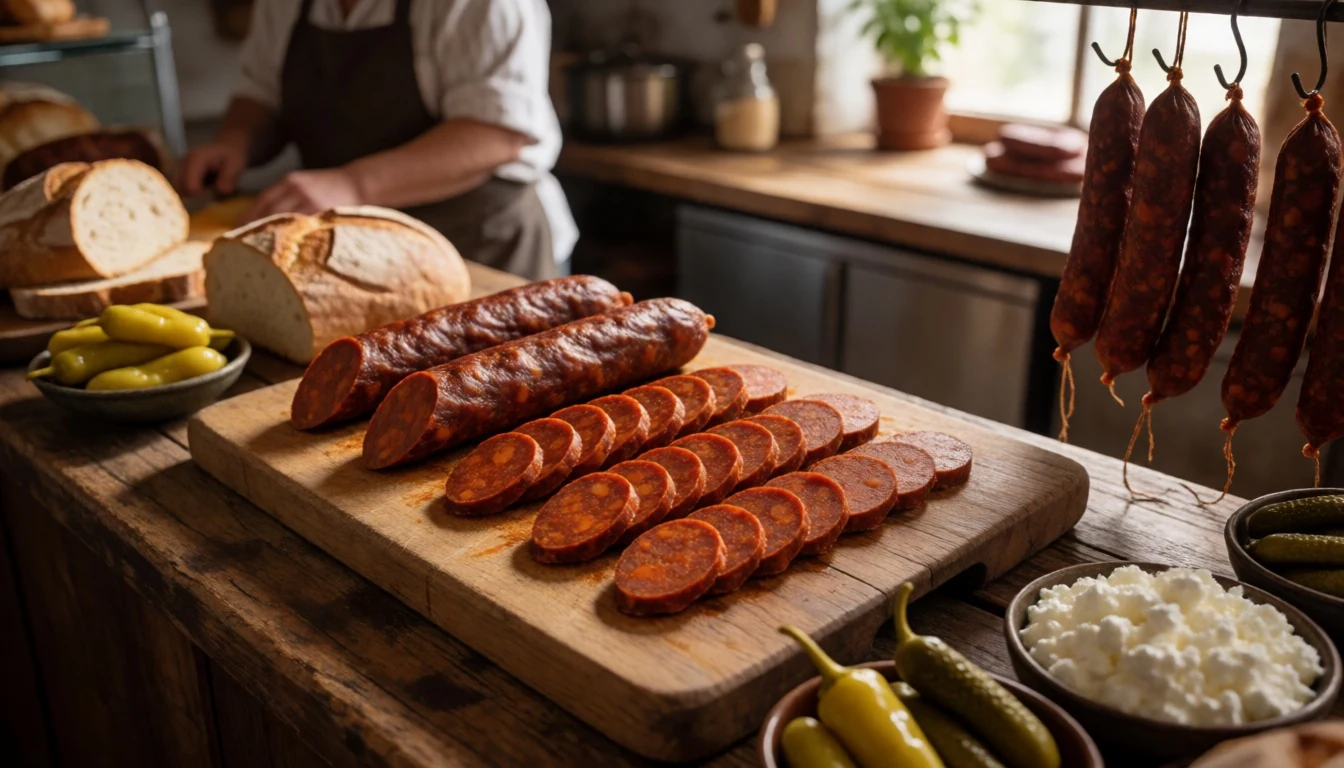
- Piroška (oil-rich pastries) — Local bakeries and street-food counters
Piroška are popular and typically rich, with a light but oil-influenced feel. For a practical taste of them, head to local bakeries or busy street-food spots where pastries are served fresh, rather than waiting for a sit-down restaurant menu. - Police (oven-baked potatoes with bacon) — Lika mountain taverns and regional eateries
In the mountain regions of Lika, police is an oven-baked potato dish topped with bacon. Try it in mountain-area taverns and regional eateries where the menu leans into hearty, cold-weather classics. - Smoked cheese and škripavac — Mountain-area markets and cheese counters
Mountain meals often feature cheese, especially smoked varieties and local styles like škripavac. You can spot them in regional food shops or as part of cheese plates in places that prioritise local ingredients over generic tourist appetisers. - Dalmatian pršut with paški sir — Coastal markets and cheese shops in Dalmatia
On the coast, Dalmatian pršut and paški sir form a classic pairing. Seek them at coastal markets and cheese counters, especially in the run-up to local evening meals when cured meats and cheeses are already set out.
Plan it
Best time. March–April for a comfortable hiking window, and late October–November when temperatures cool down again. Summer can be very hot inland, while the mountains stay colder and wetter higher up.
How long. 3–4
Getting there. Fly into Croatia and then make your way to the Velebit area; from there, use local road connections to reach park entry points. If you’re already travelling through the country, plan the last leg carefully because mountain access roads can slow the schedule.
Budget. mid
Tips
- Start hikes early to avoid heat building up on inland days
- Carry water and a warm layer even in warmer months for higher, cooler sections
- If conditions change, shorten the route rather than pushing into exposed areas
- Use the park’s official website for current access notes and safety guidance
- Bring some cash for small purchases in nearby towns where card use may vary
Etiquette
- Stay on marked trails in karst terrain to protect fragile ground
- Keep noise down in forest stretches—many paths feel better when you let the place be quiet
- If there are guidance signs about zones or facilities, follow them even if you’d rather detour
Nearby
Sources
- Wikidata Q591878 (CC0)
- Wikipedia (Northern Velebit National Park) (CC BY-SA 4.0)
- Wikivoyage (Croatia) (CC BY-SA 4.0)
- Photo photos/01-karstformationen-nationalpark-nord-velebit.jpg (CC BY 3.0)
- Photo photos/02-velebit-nature-park-cimg8815.jpg (Public domain)
- Photo photos/03-rossijeva-koliba-velebit.jpg (CC BY 3.0)
- Photo photos/04-aerial-image-of-northern-velebit-national-park-view-from-the.jpg (CC BY-SA 4.0)
- Photo photos/05-boje-jeseni-u-tirova-i.jpg (CC BY-SA 4.0)
- Photo photos/06-botani-ki-park-sjeverni-velebit.jpg (CC BY-SA 4.0)
- Photo photos/07-jelar-fault-breccia-velebit-dinarides-croatia.jpg (CC BY 3.0)
- Photo photos/08-konji-na-zavi-anu.jpg (CC BY-SA 4.0)


