Nohkalikai Falls
Nohkalikai Falls, India
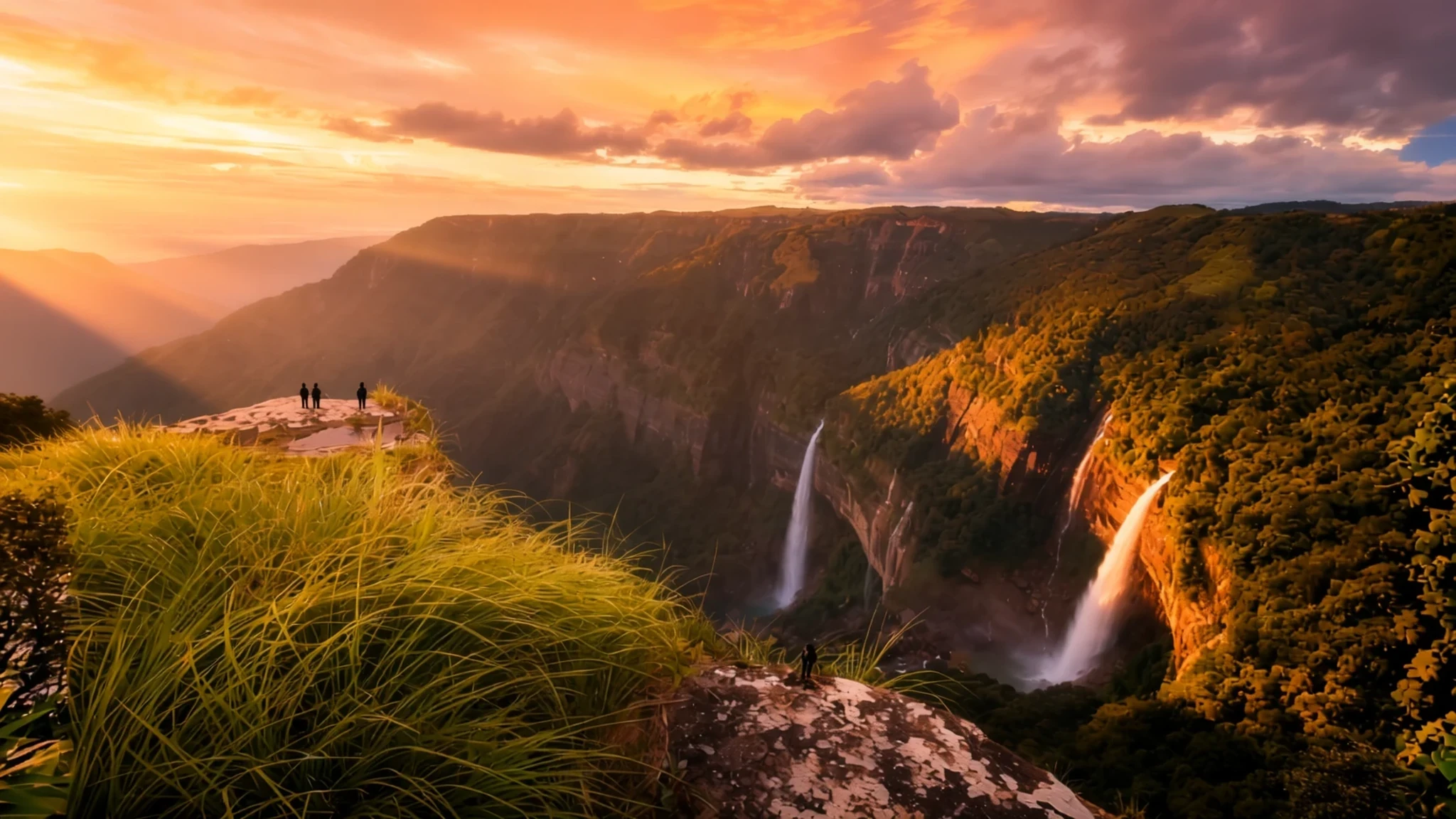
Witness the sheer drop of Nohkalikai Falls, plunging into a vivid green pool in one of the wettest places on Earth.
The place
Nohkalikai Falls stands as the tallest plunge waterfall in India, tumbling down a sheer cliff face in the state of Meghalaya. Located near the town of Sohra, historically known as Cherrapunji, this dramatic cascade is fed by rainwater collected on a modest tabletop plateau above. Because its supply depends entirely on the skies, the volume of water shifts dramatically through the year, roaring with immense power during the monsoon before tapering into narrower streams during the drier months from December to February. At the base of the cascade lies a striking plunge pool, famed for an unusual and intense shade of green that contrasts sharply with the dark, weathered rock of the surrounding canyon.
The landscape surrounding Nohkalikai Falls is shaped by ancient geological forces and defined by three major upland regions: the Garo, Jaintia, and Khasi Hills. These rugged elevations trap moisture rolling up from the plains, creating a hyper-humid environment where thick vegetation clings to every available surface. The local terrain is a labyrinth of steep limestone ridges, deep river valleys, and subterranean cavities formed over millennia. Visitors walking the paths near the canyon edge will notice how quickly the weather can shift, as clouds sweep across the plateau in minutes, obscuring the falls entirely before parting to reveal the deep gorge once more. It is a remote and arresting environment where water remains the primary sculptor of the earth, carving through stone and sustaining dense temperate forests across the uplands.
Its story
The human history of the hills surrounding Nohkalikai Falls is tied to ancient trade routes, shifting regional powers, and poignant local legends. Long before European surveyors mapped the region, the Khasi people traversed these steep valleys to trade local goods such as iron, wax, honey, and silk with merchants waiting on the borders of the Sylhet plains in present-day Bangladesh. These commerce networks brought the upland communities into early contact with outsiders, a dynamic that shifted dramatically in the nineteenth century as colonial interests expanded northward.
Following conflicts with external forces in the region, the British sought secure corridors through the hills to connect the Surma and Assam valleys. This push for infrastructure led to treaties and subsequent resistance from local leaders, most notably the uprising led by U Tirot Sing in the early decades of the eighteen-hundreds. After decades of administrative reorganization, the region gradually integrated into broader administrative structures while retaining its distinct tribal identity.
Yet the most enduring story of Nohkalikai Falls is local and tragic, preserved in oral tradition and giving the cascade its name. According to Khasi lore, the falls are named after a woman named Likai. After a series of personal tragedies and a devastating deception involving her young daughter, a grieving Likai is said to have leaped from the very cliff over which the waters now tumble. Today, visitors standing at the viewing platforms overlook not only a geological wonder but also a site charged with the deep emotional resonance of local folklore, remembered whenever the mist clears over the green pool below.
What to see
- Nohkalikai Viewing Platforms — Sohra plateau edge
Stands at the edge of the plateau offering panoramic vistas of the towering waterfall and the emerald pool below. Arrive early in the morning before mist and clouds roll in to obscure the dramatic drop against the canyon walls.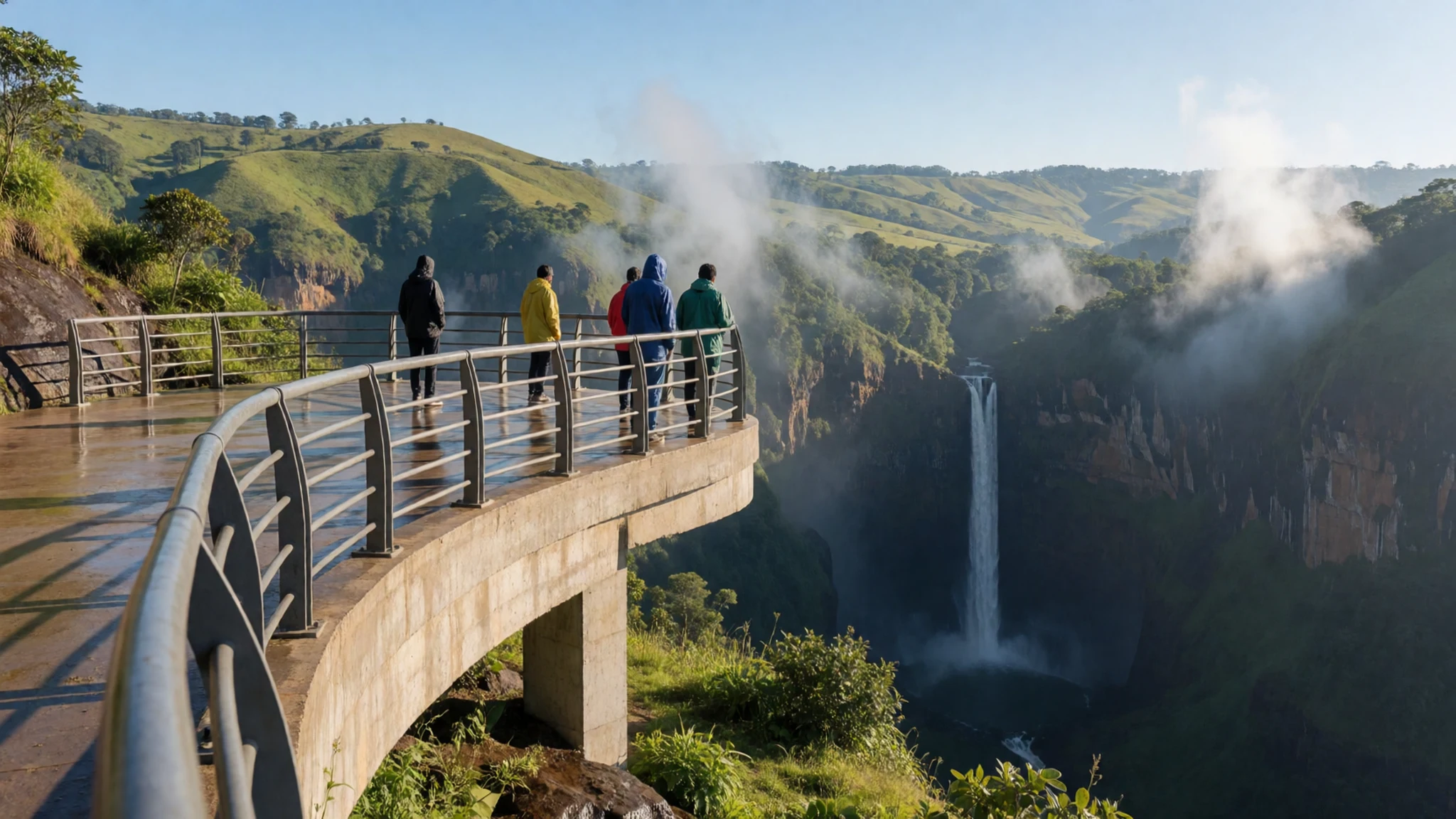
- Living Root Bridges — East Khasi Hills valleys
Formed by indigenous communities who carefully train and weave the flexible aerial roots of rubber trees across rushing streams over many decades. These natural suspension bridges grow stronger with time and span numerous ravines throughout the forested valleys.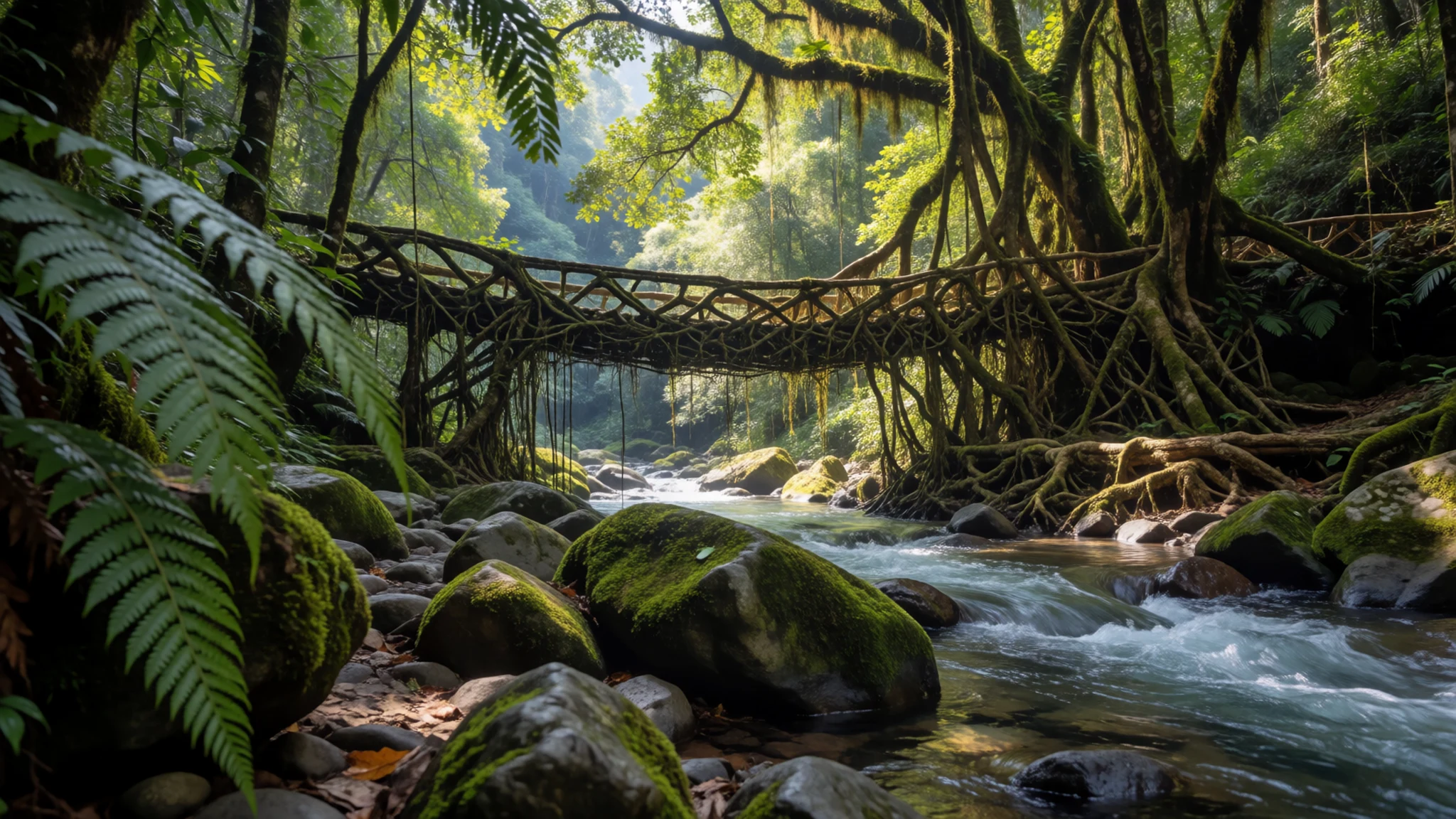
- Mawsmai Limestone Caves — Near Sohra
Lies near the town of Sohra and features illuminated subterranean chambers filled with intricate stalactites and stalagmites. The short walk through the illuminated caverns provides a close look at the ancient marine limestone formations underlying the plateau.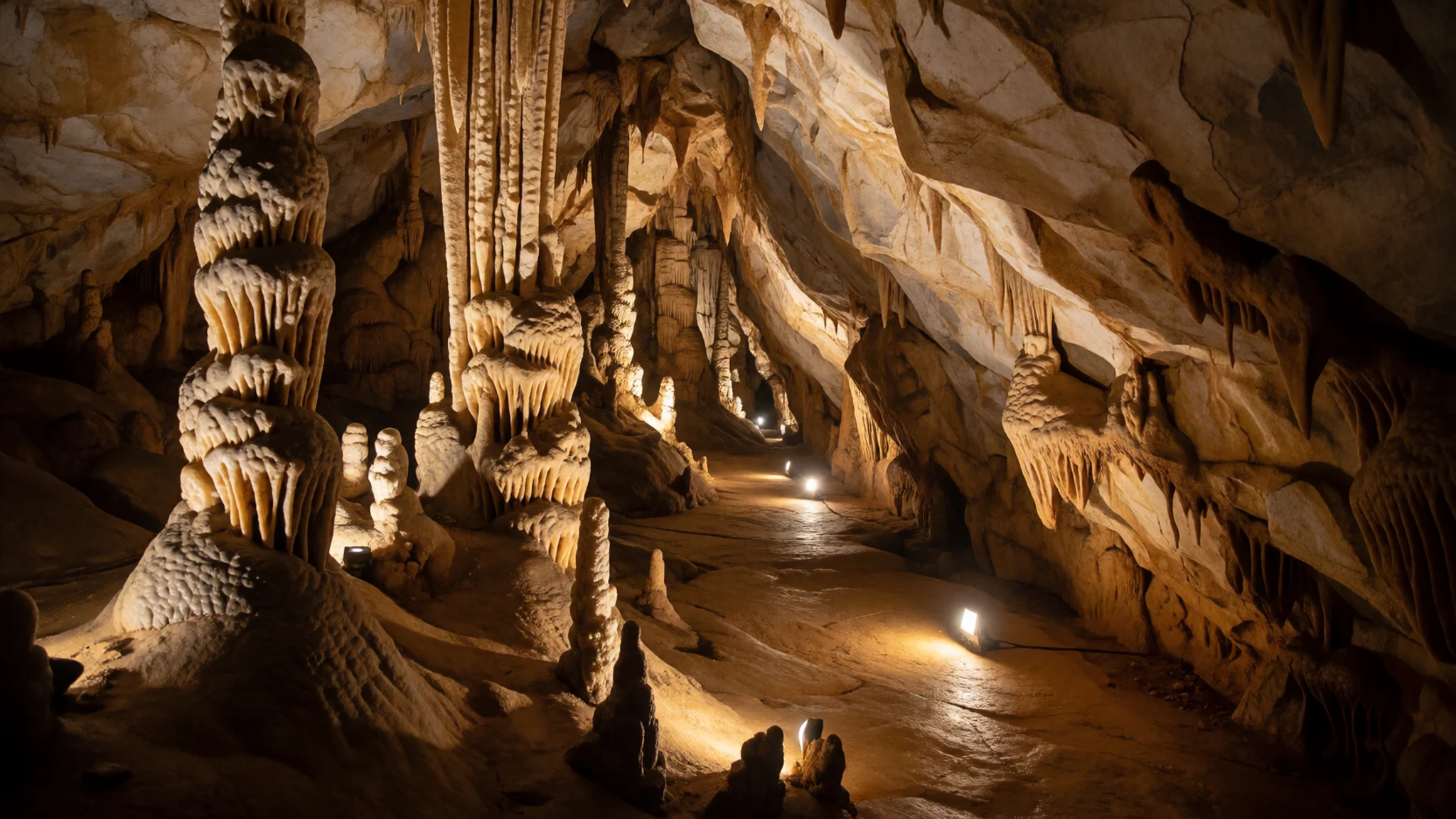
- Elephant Falls — Near Shillong
Consists of three distinct tiers of cascading water set amid thick woodland near the regional hub of Shillong. Stone pathways and steps allow visitors to descend close to the multi-layered streams flowing through the mossy rocks.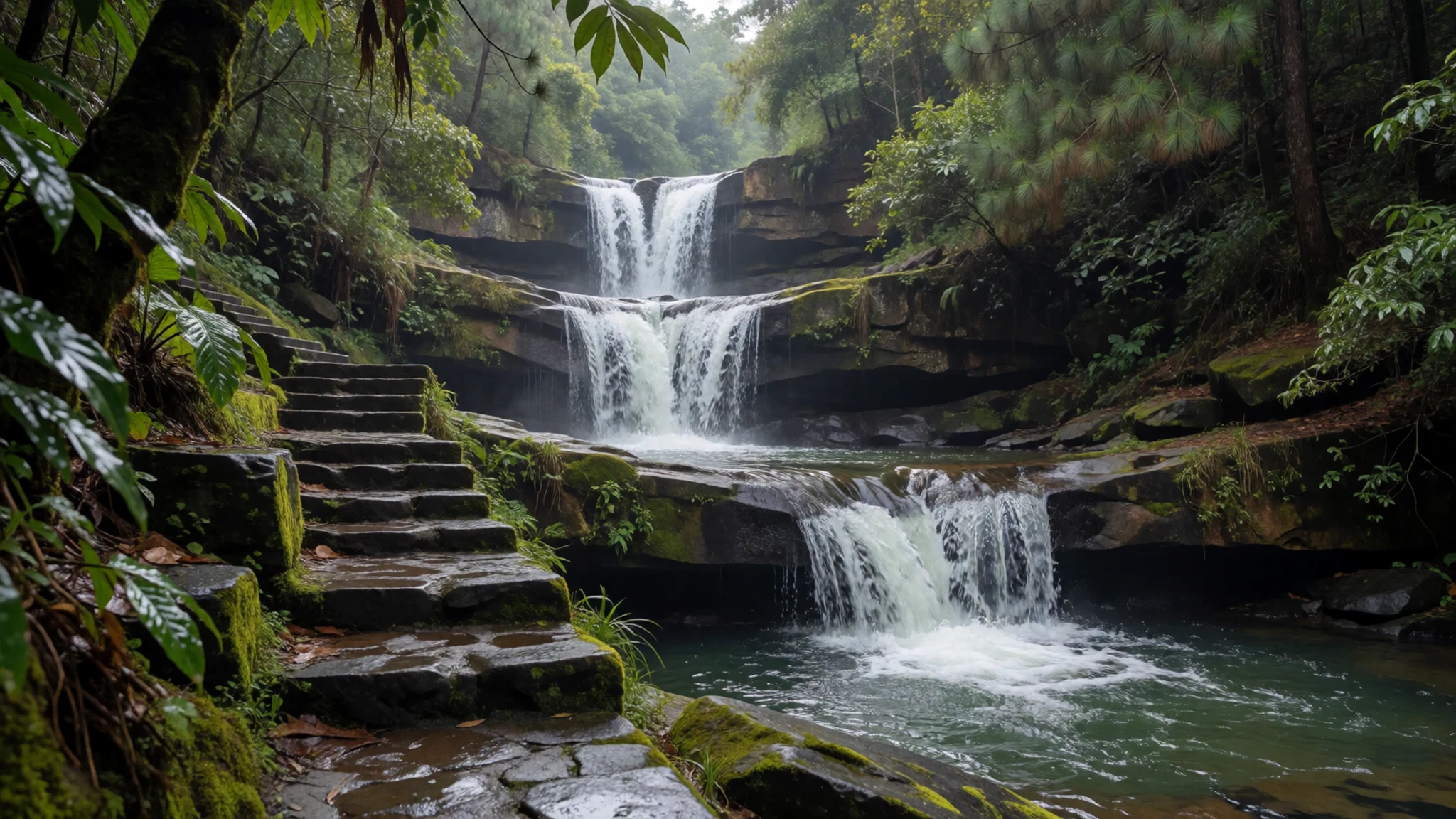
Culture
Nohkalikai Falls and the surrounding hills are the ancestral home of the Khasi people, an indigenous community with a matrilineal social structure where lineage and property are traced through the mother. Society here places a strong emphasis on community welfare, respect for elders, and a deep spiritual connection to the natural environment, viewing forests, rivers, and monoliths as sacred custodians of the land. Traditional music, dance, and seasonal festivals mark agricultural cycles and historical milestones, often accompanied by traditional instruments like drums and vertical flutes. Traditional attire remains common among older generations, while daily life blends indigenous customs with contemporary influences from across the northeast of India. Visitors should respect local customs, ask permission before photographing individuals, and dress modestly when visiting sacred groves or village shrines.
What to wear
Traditional dress in the hills around Nohkalikai Falls reflects the cool, damp mountain climate and indigenous textile heritage. Khasi women traditionally wear the 'jainsem', a multi-layered garment made of two pieces of fabric pinned at the shoulders, often paired with a crown-like silver or gold headpiece during ceremonies. Men traditionally wear a sleeveless jacket called a 'jymphong' along with a dhoti-like wrap. While these traditional garments are still worn during festivals, weddings, and cultural gatherings, everyday clothing in towns and villages now leans toward comfortable modern wear, including trousers, shirts, and warm jackets due to the chilly mountain air. Visitors exploring Nohkalikai Falls and the surrounding plateau should dress in sensible layers, as temperatures can drop quickly. Sturdy walking shoes or boots with good grip are essential for navigating damp stone steps, muddy forest trails, and slippery viewing platforms, and a reliable waterproof jacket should always be kept close at hand.
What to eat
- Jadoh — Local roadside stalls and eateries across Sohra and Shillong
A fragrant, savoury dish of rice cooked with pork stock, onions, and ginger, giving the grain a rich, comforting flavour.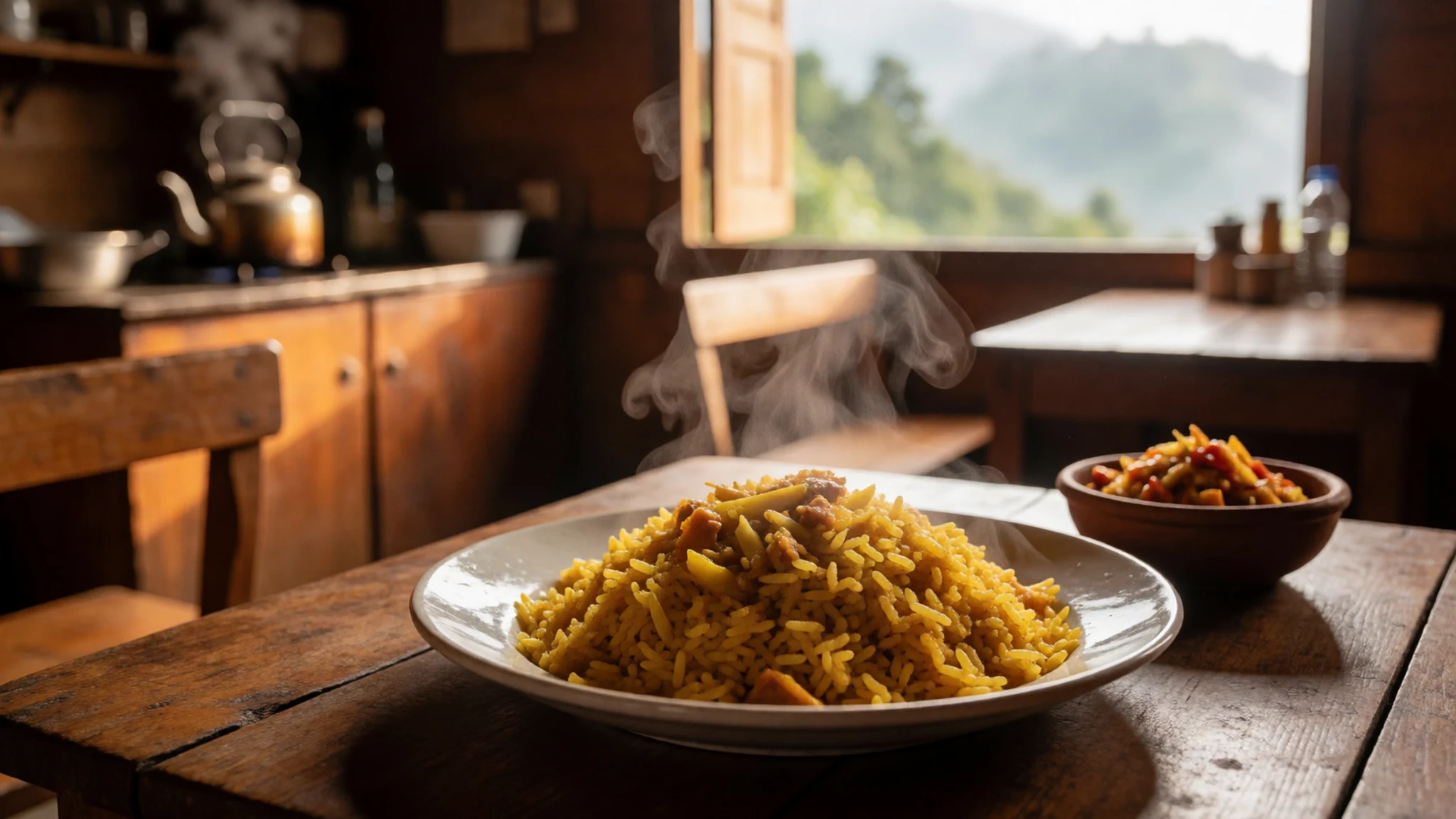
- Pork with Black Sesame — Traditional community lunch homes in the East Khasi Hills
A tender meat preparation where ground black sesame seeds create a thick, earthy gravy with a nutty aroma and a uniquely deep flavour profile.
- Jastem — Village markets and family-run diners
Plain rice infused with a blend of turmeric, ginger, and fried onions, creating a bright yellow staple dish served alongside various meat and vegetable accompaniments. - Putharo and Pumaloi — Morning tea stalls in local bazaars
Soft steamed rice flour cakes (putharo) and dry, flaky pan-cooked rice flour (pumaloi) often enjoyed warm as a comforting accompaniment to spiced tea.
Plan it
Best time. March offers mild weather and blooming flora before the rains build, while November brings the clearest skies after the monsoon; avoid the peak monsoon months of June and July unless you specifically want to see the waterfall at maximum, mist-obscured volume.
How long. 2–3
Getting there. Fly into Guwahati airport, then take a shared taxi, bus, or private cab for the scenic mountain drive up to Shillong and onward to Sohra.
Budget. mid
Tips
- Arrive at the waterfall viewpoint early in the morning before daytime clouds and mist roll in
- Carry cash for small shops, village markets, and entry fees
- Pack a sturdy umbrella or waterproof jacket regardless of the season
- Wear comfortable footwear with good grip for walking on wet stones and trails
Etiquette
- Ask permission before photographing local residents
- Dress modestly when visiting villages and sacred natural sites
Nearby
Sources
- Wikidata Q3631209 (CC0)
- Wikipedia (rev 1362224715) (CC-BY-SA 4.0)
- Wikivoyage (rev 5341086) (CC-BY-SA 4.0)