Nishapur
Nishapur, Iran
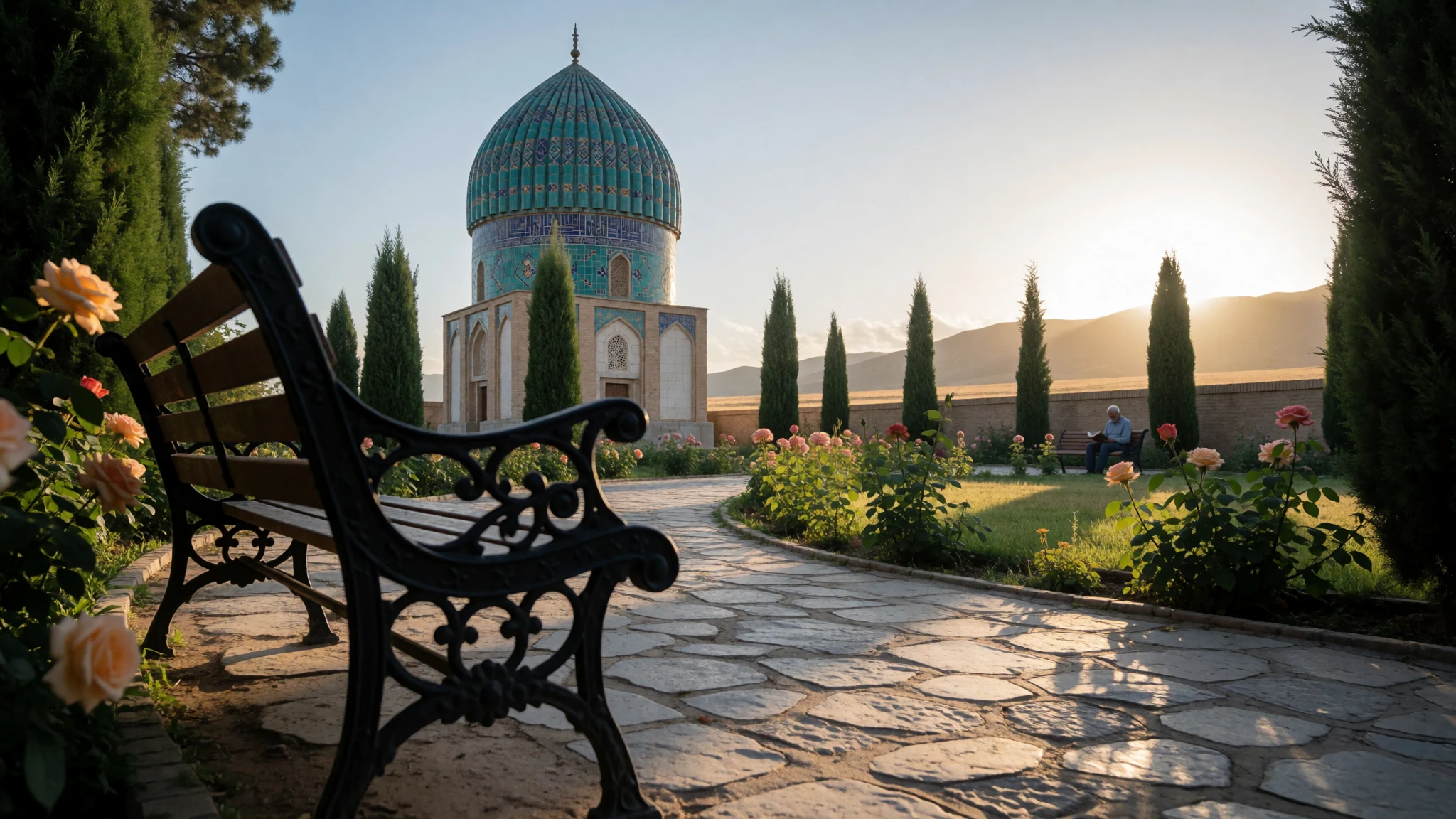
Nishapur is a calm Khorasan town where two great Persian poets lie in gardens, with the Binalud foothills and old Silk Road traces close by.
The place
Nishapur (Neyshabur, نیشابور) sits on a fertile plain in north-eastern Iran, at the foot of the Binalud mountain range in Razavi Khorasan province. It is a city of roughly a quarter of a million people, and at 1,199 metres above sea level the air is thinner and the nights cooler than in the lowland cities further south. The plain is properly farmed: saffron, wheat, cotton, plums, walnuts, apples, cherries and pistachios all leave the county. Snowmelt from the Binalud, carried by seasonal streams, dams, wells and old underground channels called qanats, keeps the fields green. Nearby mines have produced turquoise for at least two thousand years, and the blue stone still turns up in local jewellery shops. Today Nishapur is a working provincial centre, with industrial parks on its edges, a busy bus terminal sending travellers on to Mashhad, and a tidy grid of streets, parks and bazaar lanes. Its appeal is not one headline monument but a cluster of poets' tombs, shrines and gardens, plus the faint outlines of a city that once mattered along the Silk Road. Crowds are thin and mostly Iranian: families picnicking, school groups, pilgrims passing through. Summers are hot and dry, winters are cold, and spring and autumn are the comfortable seasons for walking.
Its story
Nishapur was founded in the 3rd century by the Sasanian king Shapur I, and the city's name still carries his. Under the Sasanians it was the capital of a province called Abarshahr, a seat of administration and a junction for routes linking Bactria, India and Sagistan, with Indian and Chinese trade passing through. Its governor held the title kanarang. When Muslim armies reached Khorasan, the city surrendered to Caliph Umar, and for a time Abarshahr stayed in official use alongside the newer form, Neyshabur. In 830 Abdullah Tahir rebuilt the city as capital of the Tahirid dynasty, and in 1037 Tughril made it the first capital of the Seljuks. Across these centuries scholars, merchants and craftsmen gathered here, and Nishapur counted among the leading intellectual and commercial centres of the Islamic world. Potters and plaster carvers worked in the city, and carved and painted tiles from the 11th and 12th centuries, with harpies among the motifs, now sit in museums abroad. That period ended with the Mongol invasion of Khwarezmia and eastern Iran. Nishapur recovered as a smaller provincial town rather than a capital. Its literary reputation survived the change: the 12th-century poet Attar and Omar Khayyam are still the names most people link with the place, and their tombs are its quiet centre of gravity.
What to see
- Mausoleum of Attar of Nishapur — Garden district on the edge of the city
Nishapur's tomb of the 12th-century Persian poet Attar stands in a garden beneath a coloured, onion-shaped dome. Locals sit on the benches, and some read verse aloud. It feels like a neighbourhood park as much as a shrine. A weekday morning is calmest, and the tilework is best in low light.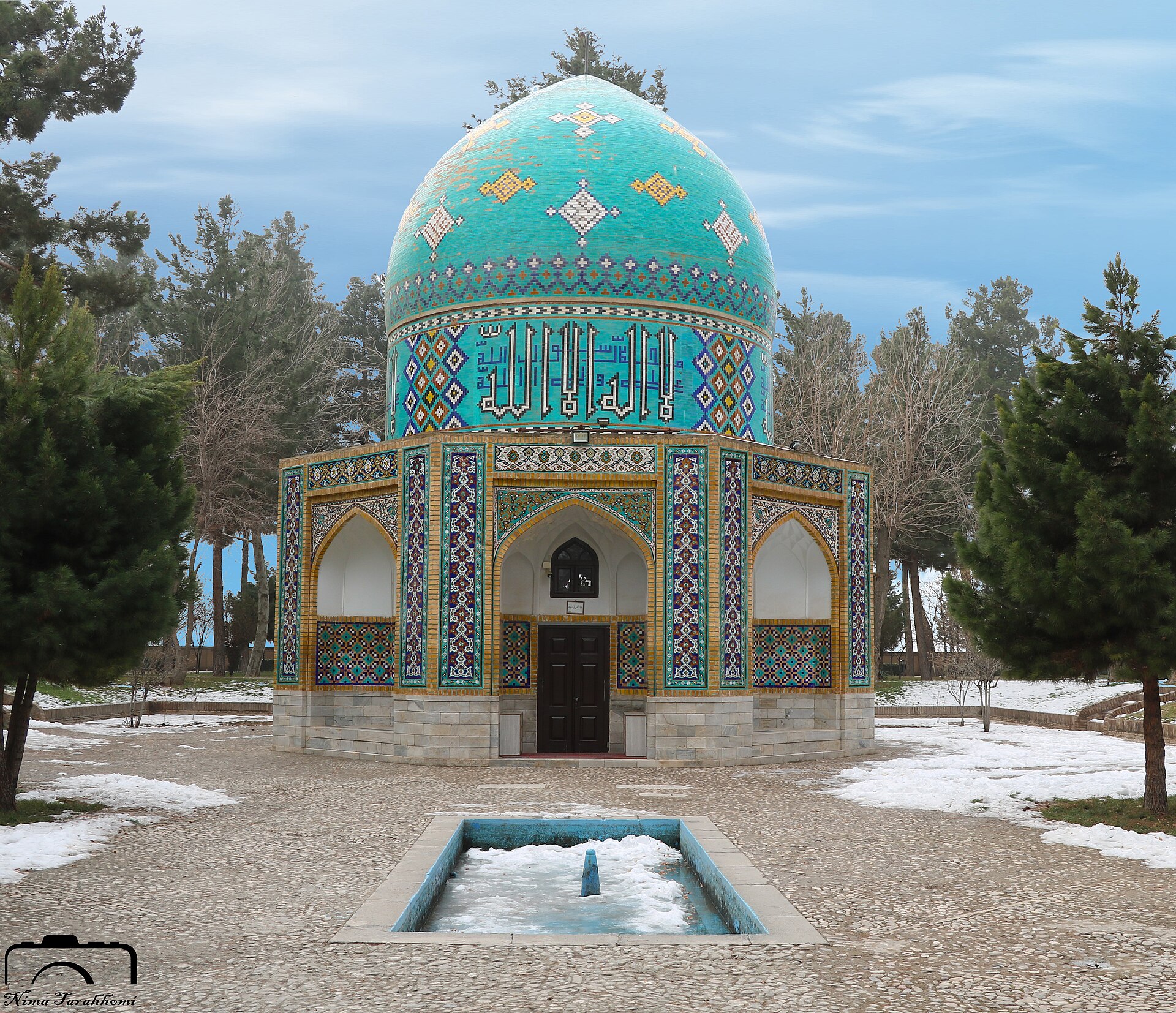
- Mausoleum of Omar Khayyám — South-east of the centre
The monument to Omar Khayyám combines a bust, a landscaped setting and a small museum. The museum is modest and includes items with little link to the poet, so treat the grounds and the monument as the point of the visit. It combines easily with the neighbouring shrine, a short stroll away.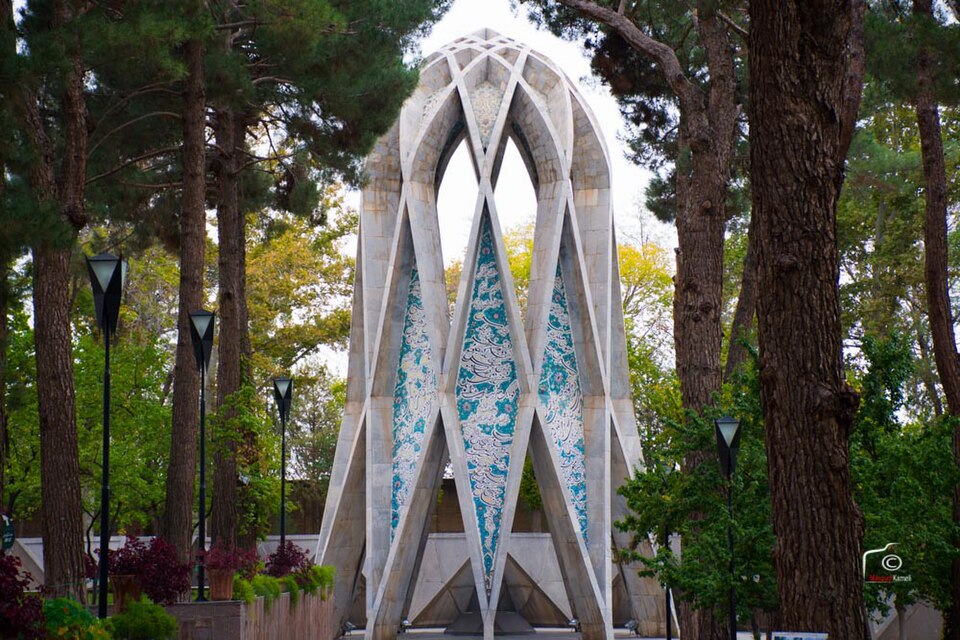
- Imamzade Mahruq — Beside the Khayyám monument
Next to Khayyám's tomb, this imamzade, a shrine to a descendant of an imam, holds two tombs, with Mahruq's deeper inside the complex. Local pilgrims come to pray, so it is a living place of worship rather than a museum. Visitors can go in respectfully, dressed modestly and speaking quietly.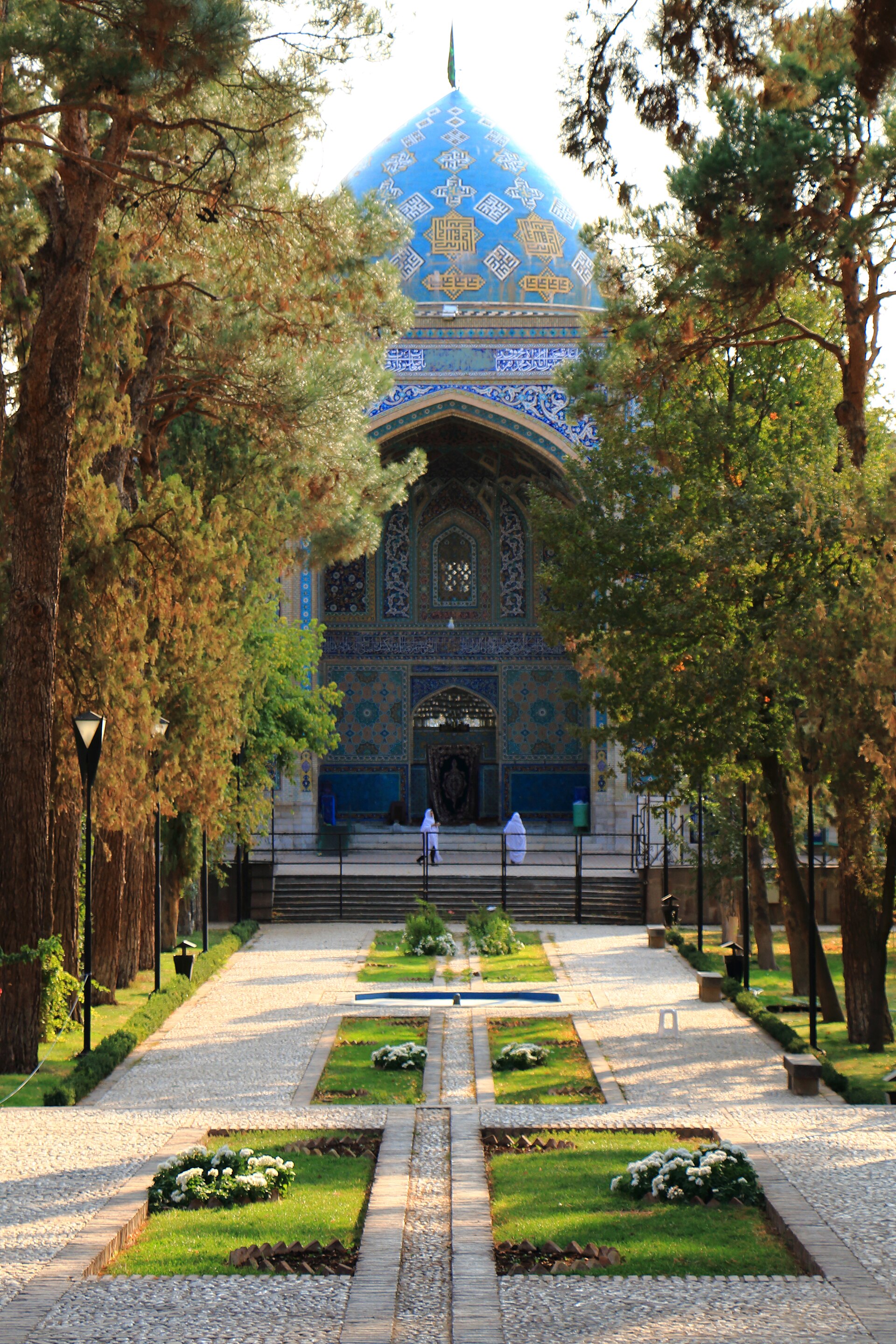
- Shah Abbasi Caravanserai — Near the old town
This brick caravanserai, a former inn for merchants and their animals, recalls the Silk Road trade that fed Nishapur. Its courtyard and arched cells show how caravans were housed overnight. Opening arrangements vary, and it is not always open to tourists, so ask locally or check the city website first.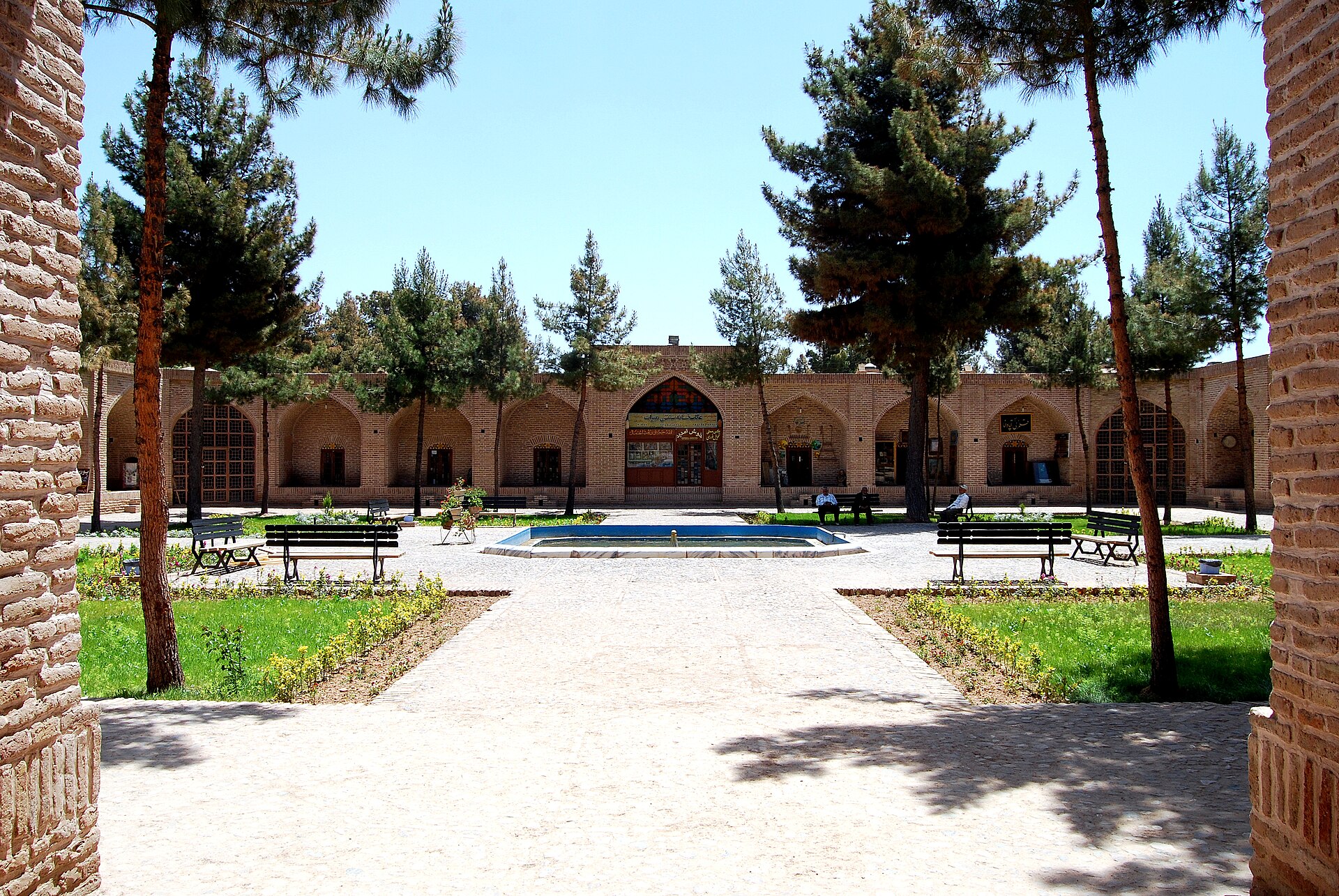
- Jameh Mosque of Nishapur — Central Nishapur
The Friday mosque was founded in 1493 under the Timurid ruler Husayn Bayqarah, and was rebuilt later under the Safavid ruler Abbas I. It is an active place of prayer, so visit outside prayer times, cover up properly, and expect a quieter, more devotional atmosphere than at the poets' gardens. - Amin Eslami Park — Urban centre
This city park gives a plain picture of everyday life: families on rugs, children cycling, and tall trees shading the paths. It is a good place to rest between tombs and to watch Nishapur relax, especially on a Friday afternoon or an early spring evening when blossom is out.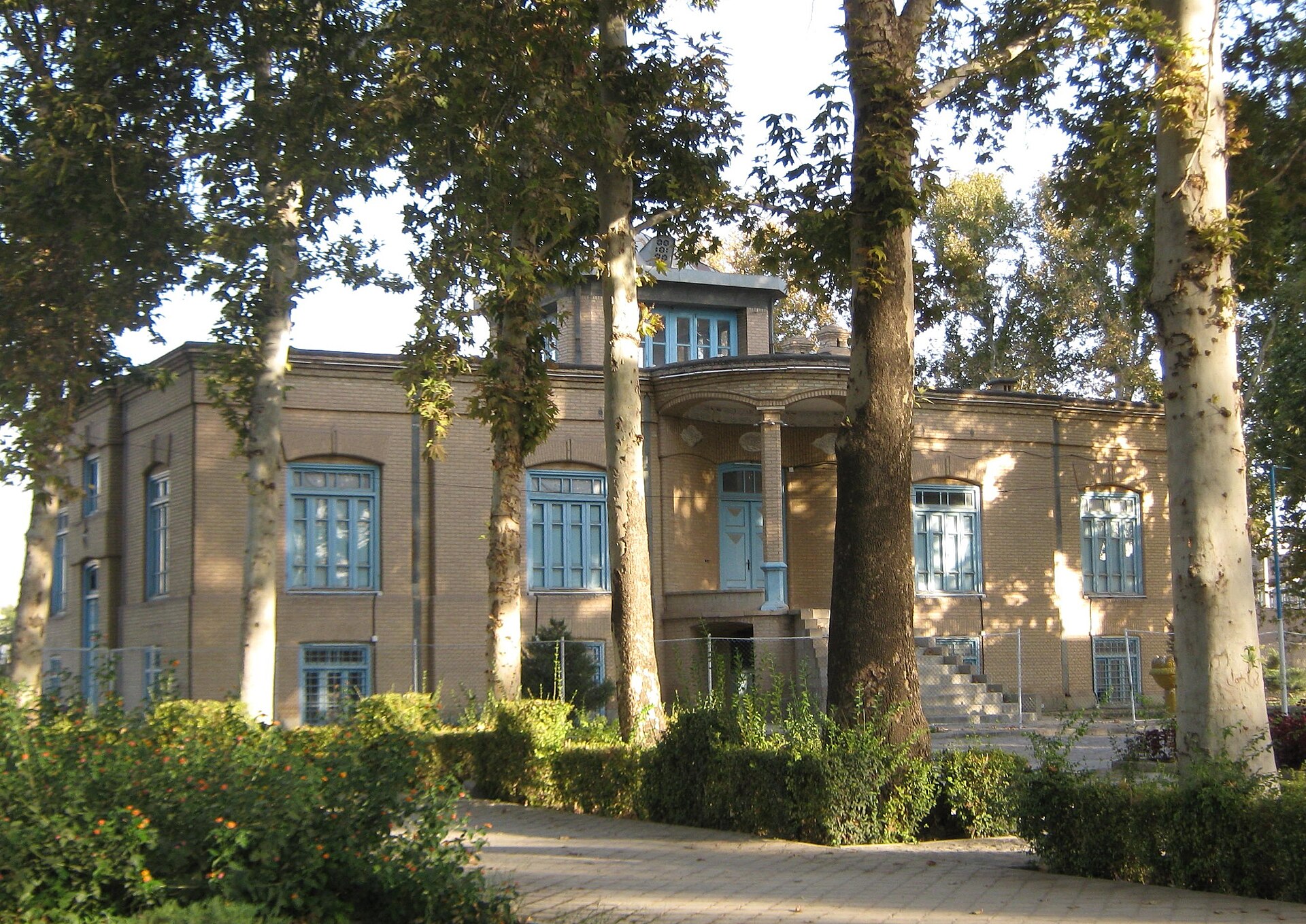
Culture
Nishapur's culture comes in layers. Before Islam arrived, Zoroastrianism was the main faith here. The old name Rivand appears in the Avesta and the Shahnameh, and priests tended a fire sanctuary of the senior rank in the Binalud hills. Traces of Christianity linger too, in a street still called Masih and in a former village south of the city called Masih Abad. After the Muslim conquest the population became Muslim, and today religious life centres on the Friday mosque and on imamzades, shrines to descendants of imams. Yet the city's real pride is literary. Attar and Omar Khayyám are spoken of almost as neighbours, and families picnic beside their tombs, recite verses and take photographs. Hospitality is genuine: visitors may be offered tea, sweets or even a room, and Persian courtesy, known as taarof, means an offer is often repeated several times. A polite first refusal is normal, and accepting on the second or third offer is fine. Friday is the quiet day of the week, when many families gather and eateries serve their weekly specials. Conversation about poetry, football or travel is an easy way to make friends. At tombs and imamzades, lower your voice, remove your shoes where others do, and ask before photographing anyone at prayer.
What to wear
Nishapur's traditional dress belongs to the wider Khorasan style, shaped by a farming economy that grows cotton and keeps sheep. Rural women wear long tunics and full skirts in cotton, with brightly patterned headscarves, and men wear wool coats and felt caps in the cold months. These outfits appear mostly at weddings, festivals and folk performances, and in older villagers' daily wear. In the city itself, everyday clothes are modern and conservative. Women typically wear a headscarf with a long loose coat or tunic over trousers, and many wear a black chador at shrines. Men wear shirts and long trousers, with jackets in winter. Colours are often muted in town but brighter at family gatherings. Visitors should dress for both climate and custom. Women need a headscarf that stays in place, a loose top covering the hips, and long trousers or skirt. Men should avoid shorts and sleeveless tops. Wear slip-on shoes, since shoes come off at shrines and mosques. Summer needs sun protection and a hat, while winter nights call for a warm coat and layers. Sturdy footwear helps if you plan to walk in the Binalud foothills.
What to eat
- Halim — Traditional restaurants, especially on Friday mornings
A thick, slow-cooked porridge of wheat and meat, halim is a local speciality that is made less often because of the cost. Restaurants commonly serve it on Fridays, usually with sugar, cinnamon or melted butter on top for breakfast. - Ash-e Komai — Traditional Iranian eateries in town
A local watery soup or ash, Ash-e Komai is a regional dish rather than a national one. Ask for it by name at traditional eateries and expect a warming, homely bowl that suits the cold months best. - Faloudeh — Dessert shops and cafés near the bazaar
Faloudeh is a chilled dessert of thin starch noodles in a lightly sweet, often lime-sharpened syrup. It is common across Iran and refreshing in the dry summer heat, and ice-cream and dessert shops serve it in small bowls. - Sharbat-e Rivas — Traditional cafés and local drink stalls
This local drink is made from rhubarb, which grows in the mountains above the city. It is sweet and slightly sour, and a good alternative to tea. Look for it in traditional cafés and at stalls selling regional drinks. - Saffron rice and kebab — Persian restaurants around the town centre
Saffron is one of the county's famous crops, so a plate of saffron-scented rice with grilled meat is a good way to taste the region. It is a standard order at Persian restaurants, usually with grilled tomato and yoghurt on the side.
Plan it
Best time. April–May and September–October, when days are mild and the plain is green or golden. Summers are hot and dry, and winters are cold, with snow likely on the Binalud range.
How long. 1–2
Getting there. The nearest large city is Mashhad. From there, buses and minibuses run to Nishapur Bus Terminal throughout the day, and trains run from both Tehran and Mashhad. Road 44, a major expressway, also reaches the city.
Budget. low
Tips
- Ask locally about opening times for the caravanserai and smaller sites, and check the city website, neyshabur.ir, for official information
- Visit the poets' gardens early in the morning for quiet, or in the evening when families arrive
- Carry some cash for small shops and bazaar stalls, and keep water with you in summer
- Allow a day for a walk or drive into the Binalud foothills if the weather suits
Etiquette
- Dress modestly: women cover hair and wear loose clothing, men wear long trousers
- Remove shoes where others do at shrines and mosques
- Accept tea and hospitality graciously, and ask before photographing people
Nearby
Sources
- Wikidata Q131350 (CC0)
- Wikipedia — Nishapur (rev 1384626056) (CC BY-SA 4.0)
- Wikivoyage — Nishapur (rev 5343073) (CC BY-SA 4.0)
- Photo: Nishapur Panorama at north view (CC0 1.0)
- Photo: Omar Khayyam tomb (CC BY-SA 4.0)
- Photo: Abbasi Karvansaray in Neyshabur (CC BY-SA 4.0)
- Photo: Attar tomb (CC BY-SA 4.0)
- Photo: Mahrough (CC BY-SA 4.0)
- Photo: Plaster tile Louvre MET 40-170-166 (Public domain)
- Photo: Amin al-Islami Park, Nishapur (CC0 1.0)
- Photo: Entrance of Baghmeli in Nishapur (CC0 1.0)


