Nikko
Nikko, Japan
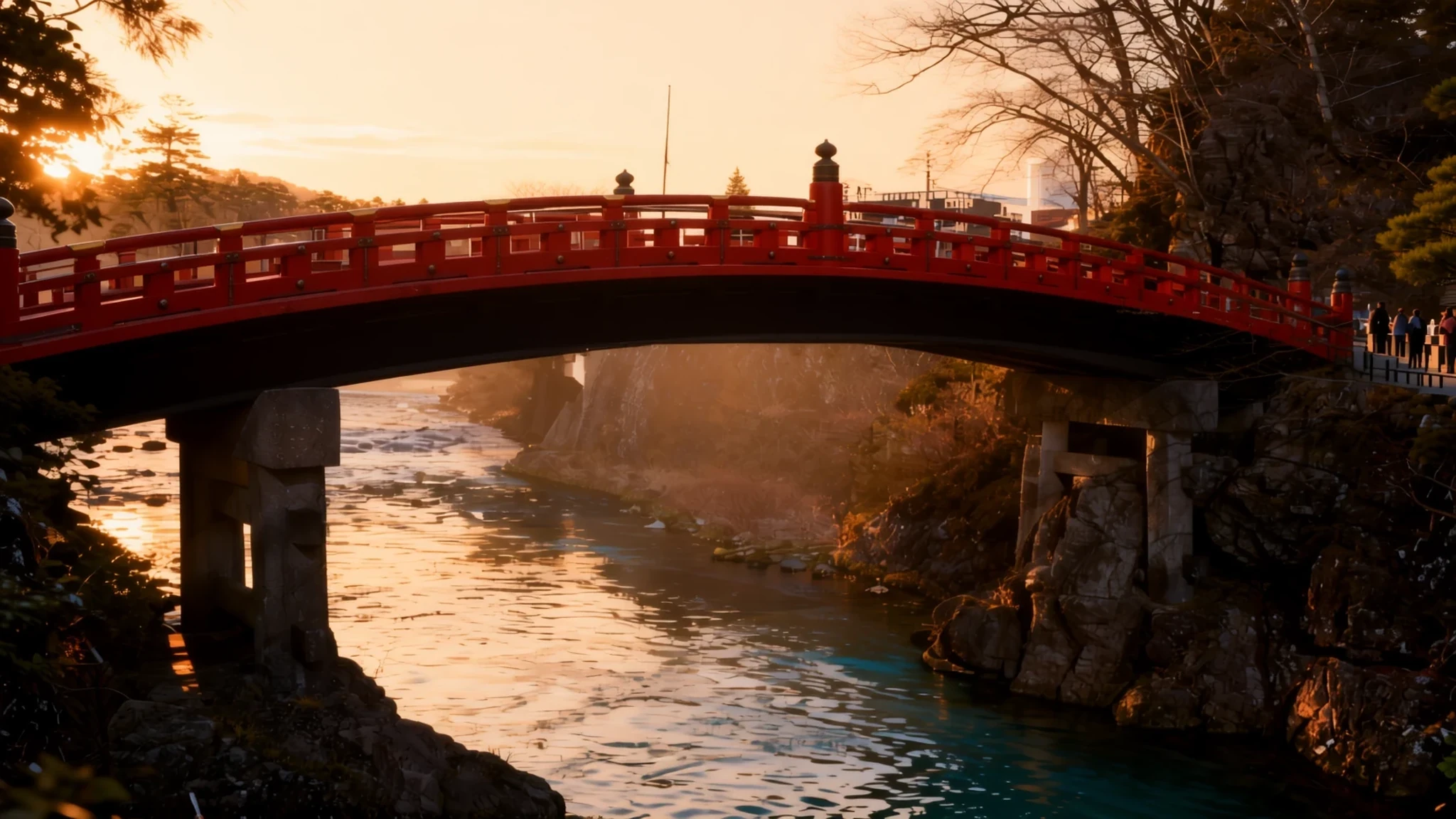
Nikkō pairs showy Tokugawa-era shrines with waterfalls and hot springs in the hills, a long day trip from Tokyo or a slower stay.
The place
Nikkō is a city in Tochigi Prefecture, roughly 140 km north of Tokyo, and it is among the largest cities in Japan by area. Most of that land is hills, forest and river valley, so the famous sites occupy a small part of a much bigger place. The Watarase and Kinugawa rivers both run through the municipality, and the high ground holds Lake Chūzenji and the Kegon Falls. Mountains and falling water have made the area useful for hydroelectric power, and mining for copper and aluminium has also shaped the valleys.
About 77,000 people live in the city, so it behaves more like a town than a metropolis. The shrines and temples cluster in the lower part of the town, while the two railway stations sit a few minutes' walk apart, about two kilometres from the main shrine precinct. Everything on a typical visit is reachable on foot or by bus, but the slopes are real and the paths are long.
Altitude matters here. Nikkō is much closer to Tokyo than Hokkaido, yet its climate resembles Hokkaido's, with warm summers and cold winters that bring heavy snow. It gets cooler as the land climbs, so a visit in July can feel very different from a morning by the lake.
Crowds arrive in waves. Day-trippers from Tokyo fill the main precinct from late morning, so the temples are calmest early. The wider area has many hot springs, and a ryokan in the hills offers a quieter evening than the town centre.
Its story
The story of Nikkō begins with religion. The monk Shōdō Shōnin founded the temple of Rinnō-ji, followed by Chūzen-ji, and a village grew up around them as pilgrims arrived. The mountain setting, with its waterfalls and sacred peaks, suited a religious centre, and the shrine and temple precincts became the core of the settlement.
The character of the place changed under the Tokugawa shōguns. Tōshōgū was completed as the mausoleum of Ieyasu, the shōgun who founded the Tokugawa government, and it drew visitors in large numbers through the Edo period. New roads were built to make the journey easier from surrounding regions, and those routes helped the town stay connected.
In the Meiji period Nikkō reinvented itself as a mountain resort. Foreign visitors in particular came to see the shrines and the lake, and the arrival of the railway made the trip far easier. The town gained modern municipal status when Japan's new local government system took shape, and it later became a city by merging with a neighbouring village.
Tōshōgū, Futarasan Shrine and Rinnō-ji together form a World Heritage Site, which has kept the town's religious sites at the centre of its identity. In more recent decades several neighbouring towns and villages joined the city, which is why its boundary is so large today. Locals and visitors often quote a saying: never say kekkō until you have seen Nikkō. Kekkō means splendid or satisfactory, so the saying means the place should be judged only after it has been seen.
What to see
- Tōshōgū — Tōshōgū precinct, upper town
Tōshōgū is the mausoleum of Tokugawa Ieyasu, founder of the Tokugawa dynasty, and the showiest complex in Nikkō. It was built on the order of his grandson Iemitsu, and it holds Ieyasu's actual resting place. The gilded decoration and carved halls are what most visitors remember, so allow time for the whole precinct.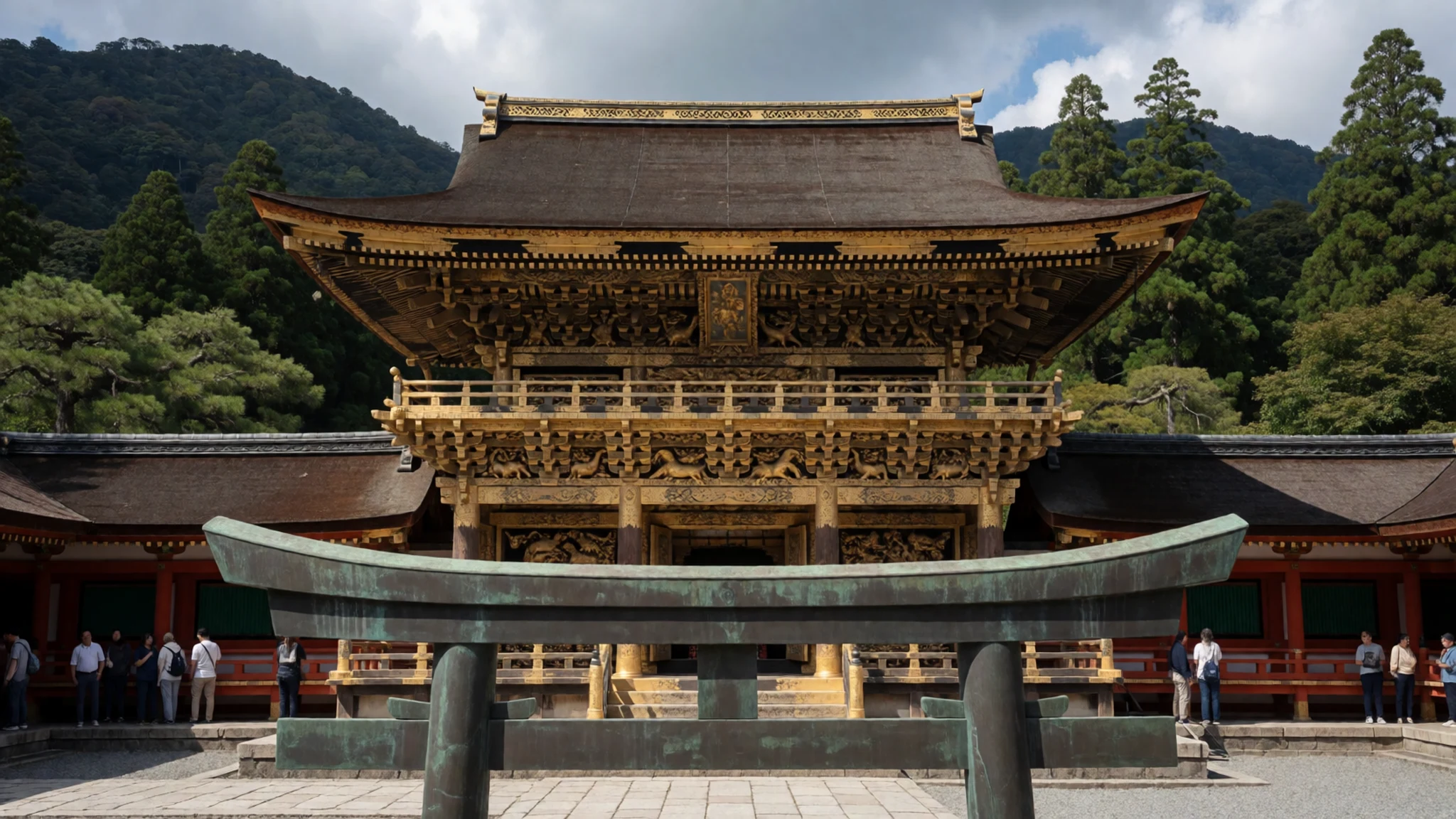
- Yōmei-mon Gate — Tōshōgū precinct
The Yōmei-mon Gate is densely carved with figures and patterns across its façade. Among the decoration is a small carving of a sleeping cat, which many visitors search for. The path to Ieyasu's tomb branches off to the right of the main hall, so the gate is a natural waypoint on the walk through the precinct.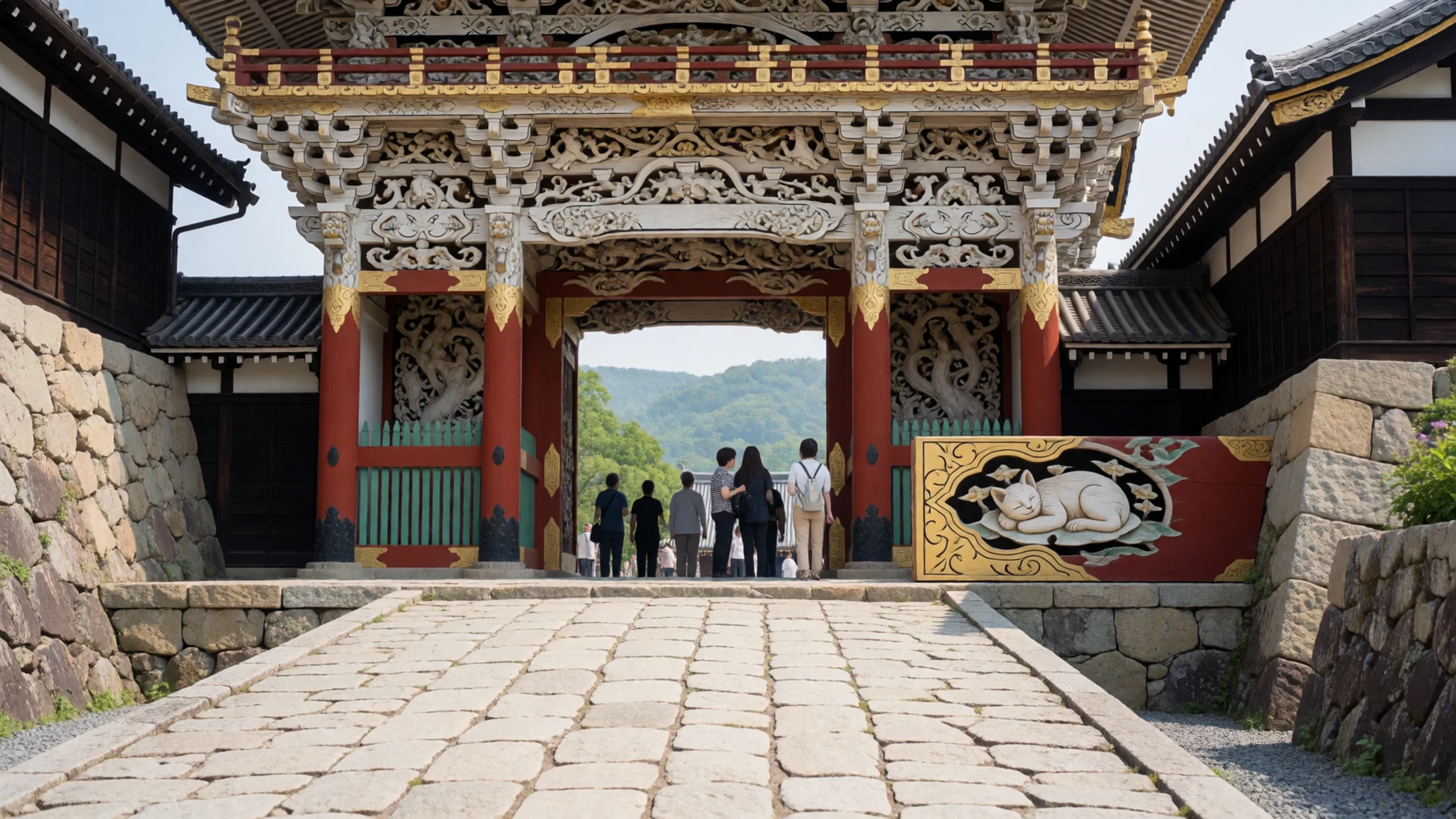
- Taiyūin-byō — Hidden-away side of the upper town
Taiyūin-byō holds the mausoleum of Tokugawa Iemitsu, the grandson of Ieyasu. It is smaller than Tōshōgū and often described as more refined. The main hall and mausoleum can be viewed only from outside, so take time with the carved details at the entrance and the quiet setting among the trees.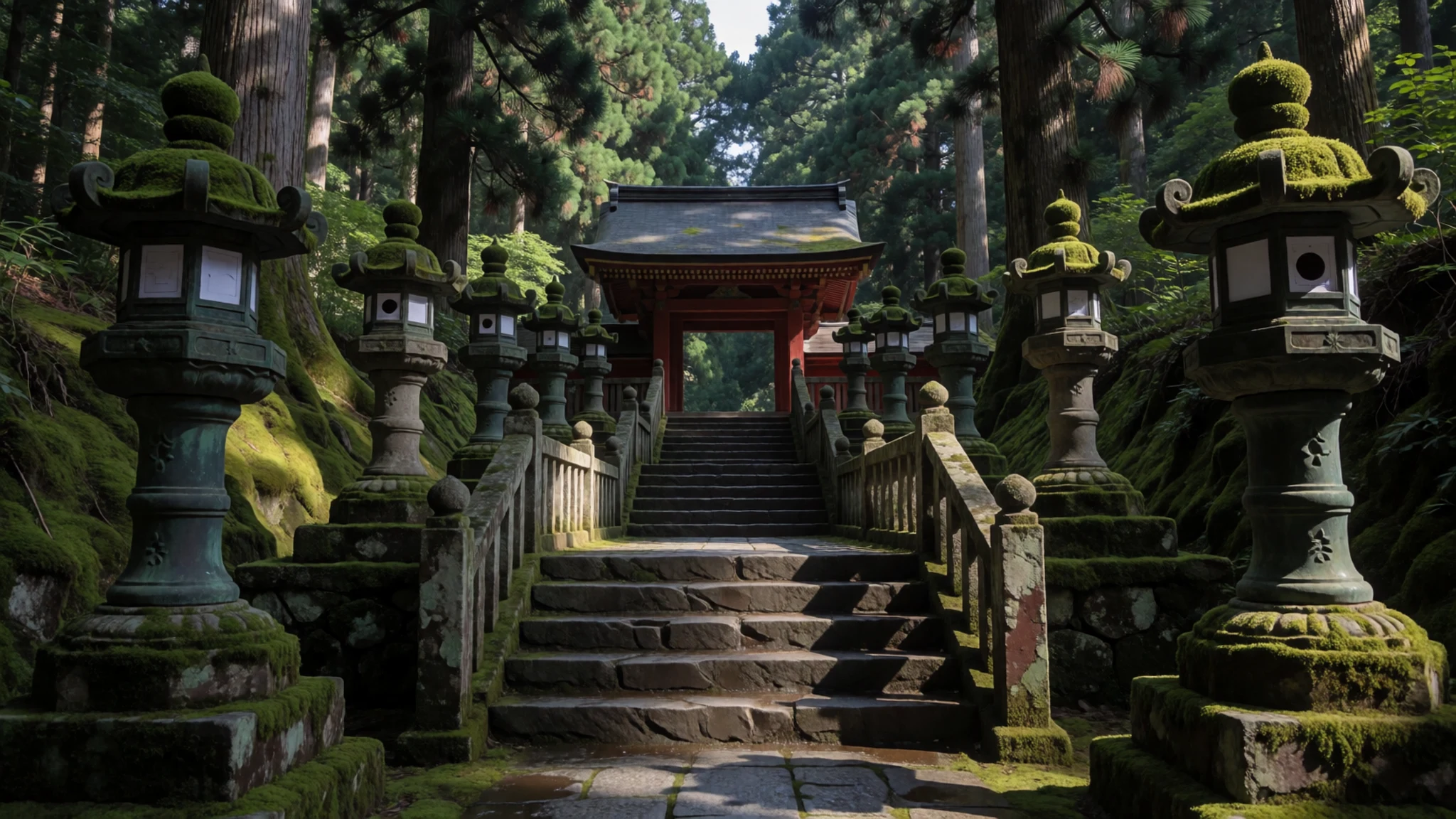
- Rinnō-ji Temple — Central Nikkō, near the shrine approach
Rinnō-ji is linked to the monk Shōdō Shōnin, who brought Buddhism to the area. Its best-known feature is the Sanbutsudō hall, which houses large Buddha figures. The grounds are calmer than the shrine precinct, and the temple is a good place to slow down between the bigger sites.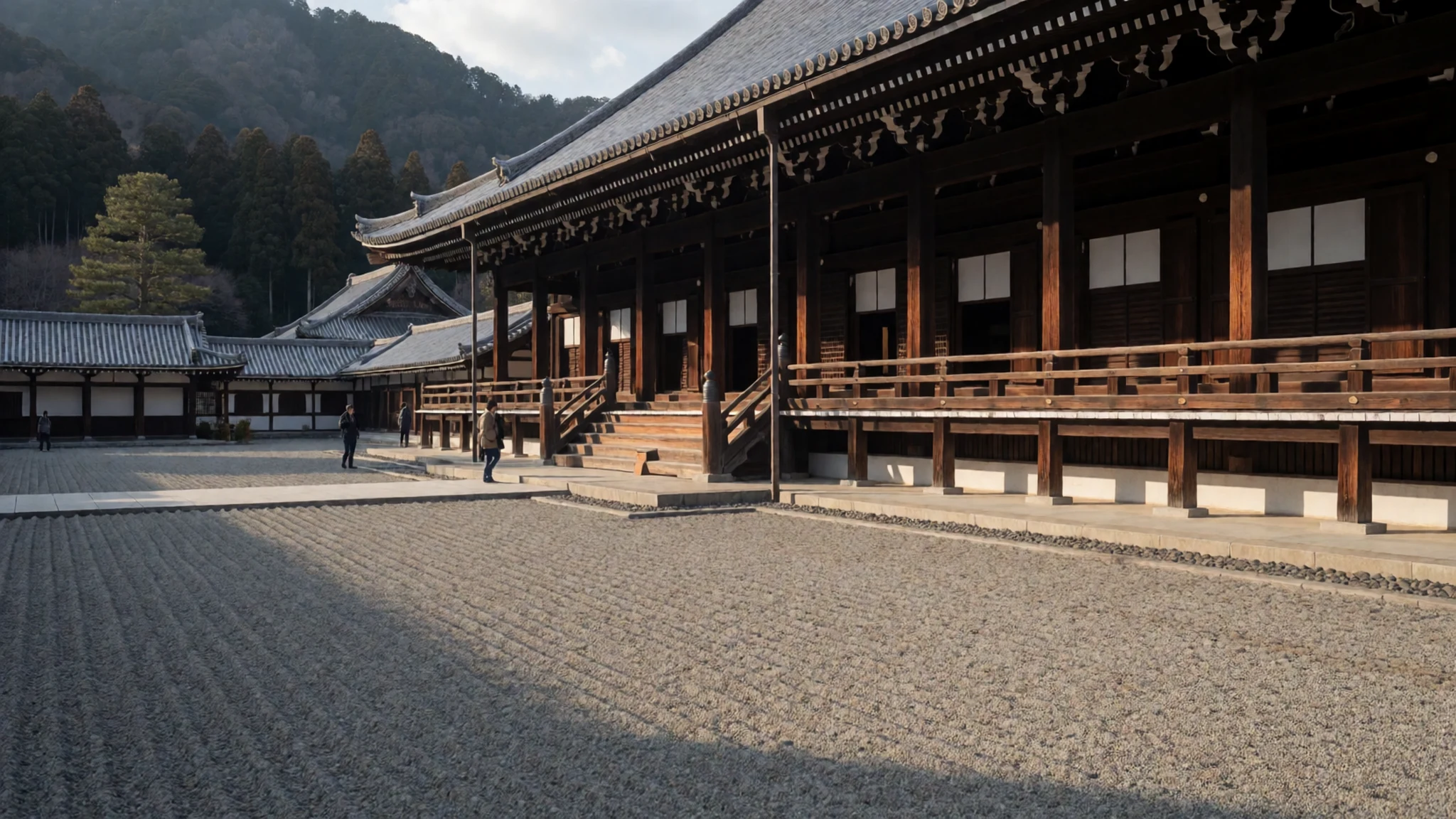
- Kegon Falls — Lake Chūzenji area
The Kegon Falls lie in the hills near Lake Chūzenji, the high lake above the main town. They are one of the area's signature natural sights, and they show the mountain landscape that shaped the shrines. Check the official site for current viewing and access details before setting out.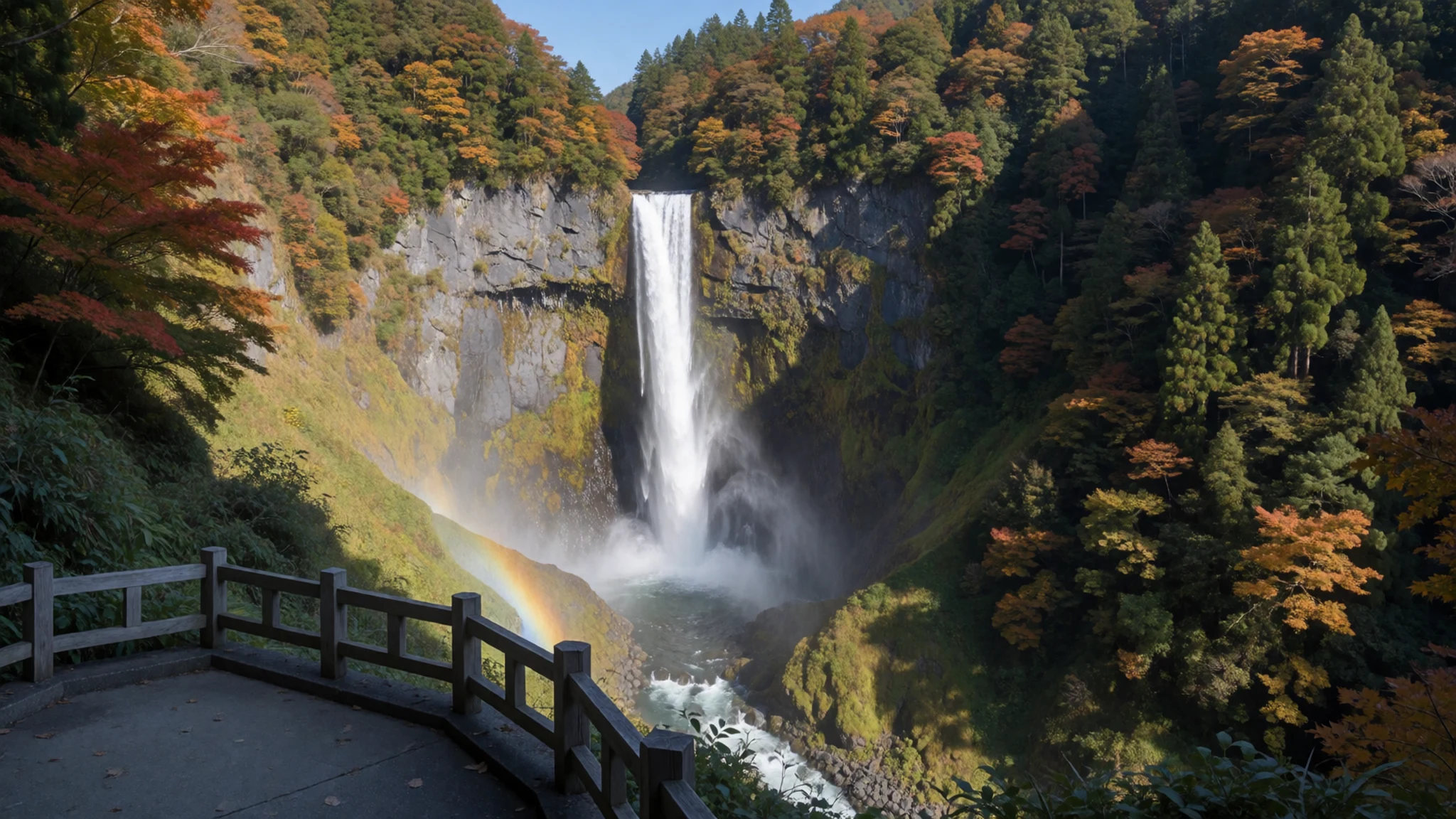
Culture
Nikkō's shrines and temples are working places of worship as well as heritage sites. Visitors walk through the torii gates and move through the precincts quietly, and the atmosphere shifts when a service is taking place inside a hall. At Yakushi-dō, a monk may strike a special block that makes a sharp sound, and it is worth standing still for that moment rather than rushing on.
Photography inside halls is often restricted, and some buildings forbid it altogether, so look for signs before raising a camera. Respect for people matters as well: ask before photographing anyone at a ceremony, and keep voices low in the grounds.
Onsen culture follows its own habits. Wash thoroughly at the shower stations before entering a communal bath, and follow each bath's rules on dress and tattoos, since some baths refuse visitors with visible tattoos. Lakeside paths and footpaths are shared with local walkers, so stay on the marked route. Take your shoes off wherever there is a raised step and slippers are waiting, and never wear them onto a tatami floor.
What to wear
Traditional dress in Nikkō is the kimono, as in the rest of Japan. Formal kimono are made from silk, with woven and dyed patterns that signal the season and the occasion, while everyday summer kimono are typically cotton or linen. The yukata, a light cotton robe with a simple pattern, is the version most associated with hot-spring towns and summer festivals, and guests wear them in ryokan.
People in Nikkō dress much as they do in Tokyo or any Japanese town, in plain jackets, knitwear, jeans and sensible shoes. Older residents may wear traditional dress for ceremonies or festivals, but that is the exception rather than the everyday norm. Visitors who rent a kimono for the day are a common sight around the shrines.
For a visit, dress for the climate and the terrain. The area is cold in winter with heavy snow, and it is cooler at altitude than the capital, so pack a warm layer even in spring and autumn. Footwear matters more than outfits: the shrine approaches are uneven and steep, and shoes come off often, so choose slip-on shoes with good grip. Cover shoulders and knees at religious sites out of respect, and skip sandals and running gear at the steakhouses that expect a smarter look. A waterproof is useful, since September is the wettest month.
What to eat
- Yakitori and noodles — the lanes between the shrine approach and the station
Grilled chicken skewers and noodles are the classic lunch in town, and a stop at a small yakitori counter is one of the most common plans among visitors. Order a few skewers with a bowl of noodles, and go early, because the counters fill up after the first wave of day-trippers.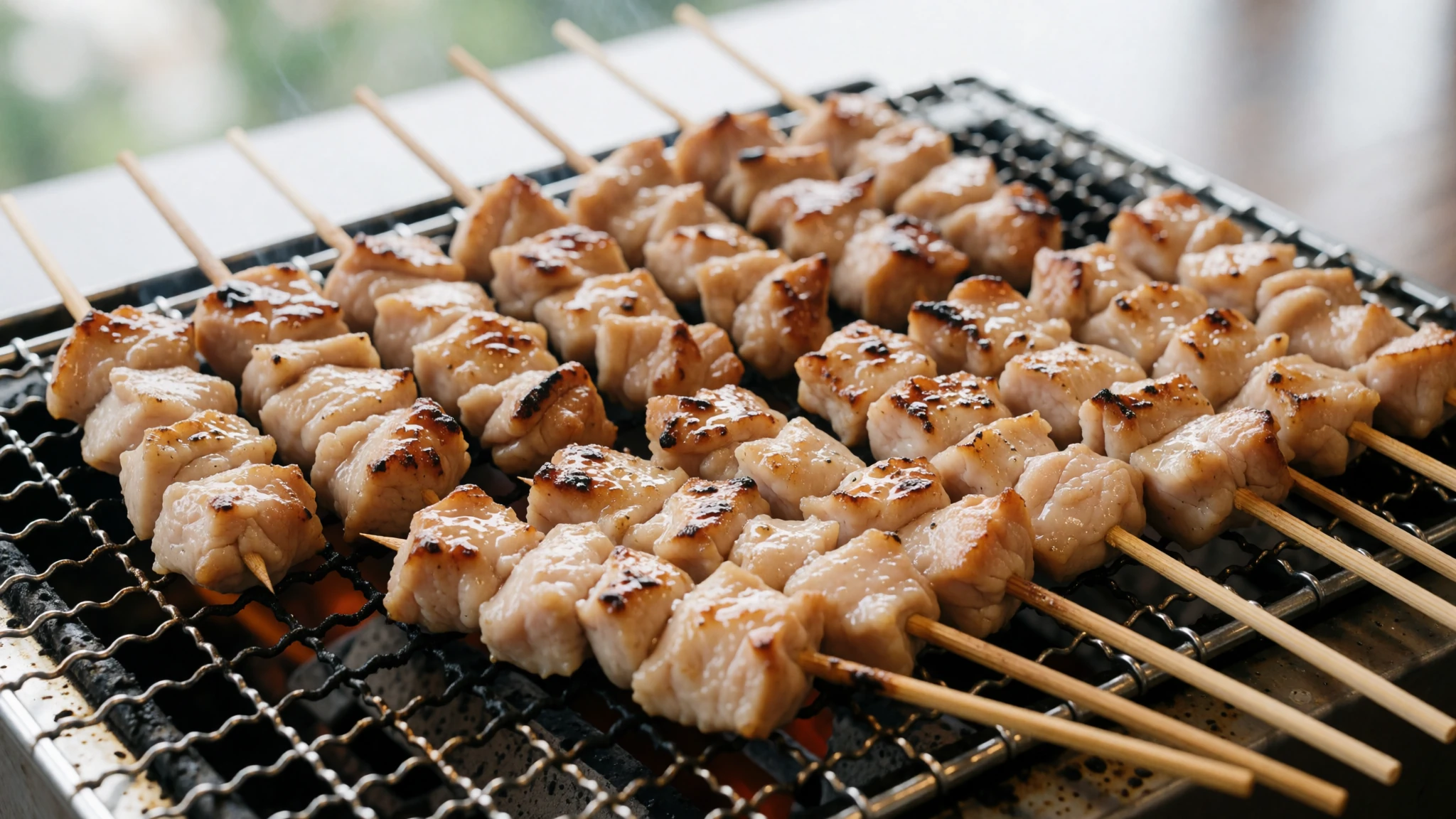
- Wagyu steak — a steakhouse near the shrine precinct
Japanese beef, cooked as a steak, is the treat meal here. Reservations are needed at this kind of steakhouse, and the dress code is relaxed but sandals and running gear are not welcome. It suits an evening after the shrines, when you want something slower than a counter lunch.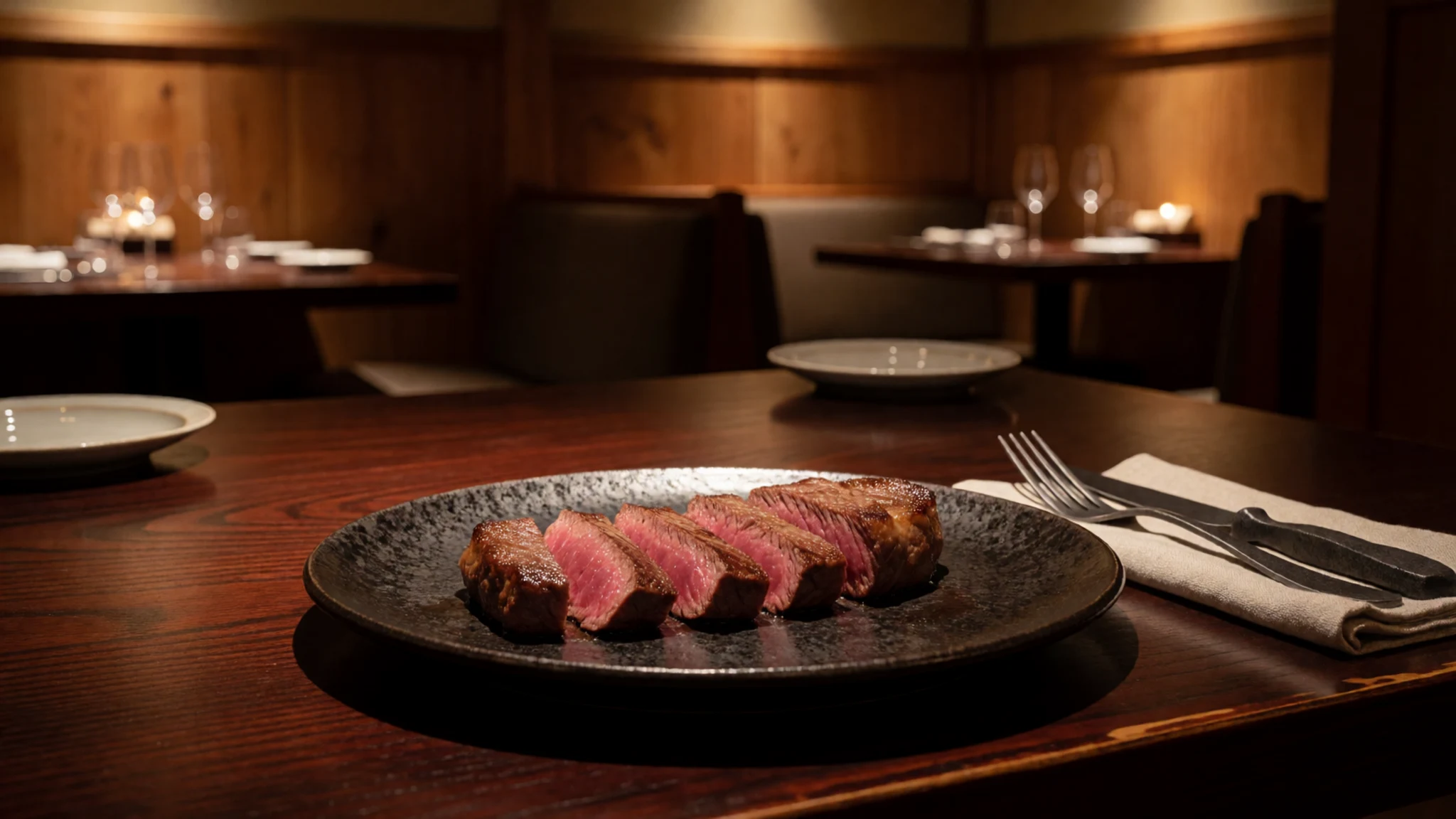
- Handmade soba — a soba house roughly halfway between the shrines and the stations
Handmade soba noodles, served hot in winter or chilled in summer, make a sensible lunch for walkers on the long route between the shrines and the stations. Pick the broth or dipping sauce to suit the weather. - Yuba — any café or teahouse near the shrines that lists a yuba set
Yuba is the thin skin that forms on heated soy milk, and it turns up on menus across town. Try it in a set meal at a café or teahouse, where it may come in several forms. It is a good way to taste local food without meat. - Ramen — a roomy ramen eatery in the town centre that stays open into the evening
Ramen is the easy choice for dinner. Several eateries stay open in the evening, and some of the larger, roomier places are a practical option when smaller spots have shut. Expect a simple bowl, quick service and a short queue at busy times.
Plan it
Best time. March and April for mild spring weather and blossom, and November for autumn colour and cooler, drier days. June brings rain, September is the wettest month, and August is the warmest and most humid.
How long. 2–3
Getting there. Take the Tōbu Railway from Asakusa Station in Tokyo to Tōbu-Nikkō Station. The slower trains take roughly two and a half to three hours with transfers. JR services use Nikkō Station, a few minutes' walk away, and the last leg to the shrines is a short walk or bus ride.
Budget. mid
Tips
- Start at the main precinct early in the morning, before the day-trip crowds arrive
- Check the official city website before you go, since opening times and any fees can change
- Carry some cash for small eateries and offerings, as smaller places may not take cards
- Pack a waterproof and warm layers, because September is the wettest month and the hills are cold
Etiquette
- Remove shoes at the raised step of temple halls and use the slippers provided
- Keep quiet in the precincts and during ceremonies, and ask before photographing people
- Wash thoroughly before entering a communal onsen bath and follow its rules on dress and tattoos
Nearby
Sources
- Wikidata Q235753 (CC0)
- Wikipedia: Nikkō (rev 1377111012) (CC BY-SA 4.0)
- Wikivoyage: Nikko (rev 5412628) (CC BY-SA 4.0)
- Photo 01 Kegon Falls (Jordy Meow) (CC BY 3.0)
- Photo 02 Yomeimon Gate (Jpatokal) (CC BY-SA 4.0)
- Photo 03 Kinugawa Onsen (Masashi Yanagiya) (CC BY-SA 2.0)
- Photo 04 Mount Nantai and Lake Chūzenji (Uraomote yamaneko) (CC BY-SA 1.0)
- Photo 05 Ashio Seirenjo (unknown author) (CC BY 1.0)
- Photo 06 Nikko, Tochigi (Bernard Gagnon) (CC BY-SA 1.0)
- Photo 07 c. 1901 Japanese view and map of Nikko (Geographicus) (Public domain)
- Photo 08 True Light Church, Nikkō (DXR) (CC BY 3.0)


