Nicomedia
Nicomedia, Bithynia
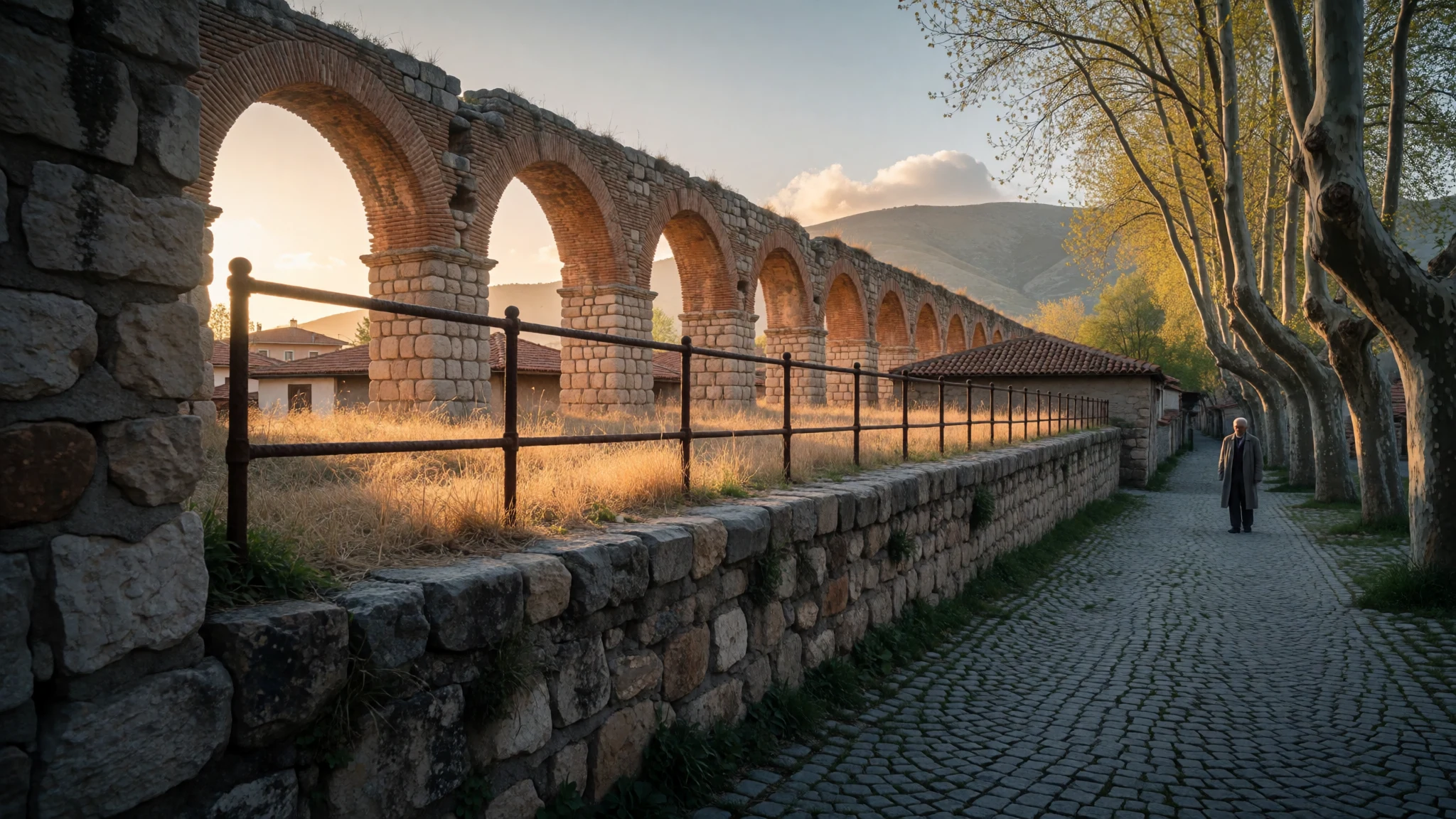
Nicomedia, today's İzmit, was once an emperor's capital; little stands, but it explains how Rome's power shifted east towards Constantinople.
The place
Nicomedia is the ancient name of İzmit, a port city at the head of a long gulf on the eastern side of the Sea of Marmara, in north-western Turkey. It lies on the Asian shore, east of Istanbul across the water, and has always sat on the road between the Bosphorus and the Anatolian interior. That position explains much of its history: whoever wanted to move armies, grain or officials between Europe and Asia Minor passed near here.
A visitor should know the truth early. This is a working modern city of factories, ports, motorways and apartment blocks, not a tidy archaeological park. The ancient capital lies mostly beneath the streets, and what remains above ground is fragmentary: stretches of masonry, an aqueduct, objects in a museum. The reward is imaginative rather than visual, and it suits people who enjoy reading a landscape for what has vanished from it.
The Greek name was Nikomedeia, and the city was founded, as Nicomedia, in 264 BCE. In 286 AD the emperor Diocletian made it the senior eastern capital of the Roman Empire, and it kept that role through the Tetrarchy, the system of four rulers that lasted until 324 AD. Later it passed through Byzantine, Latin, Nicaean and Ottoman hands before becoming part of the Turkish republic.
As a base it is easy: İzmit sits on a major rail and road corridor, so it works well as a day trip from Istanbul or as a stop on the way to Bursa, Iznik or the Black Sea coast.
Its story
Nicomedia began life far earlier than its famous name. Greek colonists from Megara settled the spot and called it Astacus, the Greek word for lobster. After that settlement was destroyed by Lysimachus, King Nicomedes I of Bithynia rebuilt it in 264 BCE and gave it his own name, and it stayed a leading city of north-western Asia Minor for centuries.
Several notable figures are tied to it. The historian Arrian was born here. Hannibal, the Carthaginian general, spent his last years in the region and died at nearby Libyssa, close to modern Gebze. Under Rome the city became the capital of the province of Bithynia, and Pliny the Younger, while governor, wrote to the emperor Trajan about its public works and about a great fire that had damaged it. A third-century tomb inscription, carved with a menorah and other Jewish symbols, shows that a Jewish community lived here too.
The city's peak came in 286 AD, when Diocletian chose it as his eastern seat. On 23 February 303 AD he ordered the new Christian church in the city demolished and its books burnt, and issued the first edict against Christians the next day. Fires then broke out in his palace; blame fell on Christians, and executions followed.
The Tetrarchy ended in 324 AD with Constantine's victory at Chrysopolis. In 330 AD he made nearby Byzantium, renamed Constantinople, his capital, and Nicomedia's imperial moment passed. The Ottomans took it, lost it, and held it for good from 1419 AD.
What to see
- The Nicomedia aqueduct remains — Central İzmit
Surviving arches of the Roman water channel stand within the modern city, wedged between newer buildings. They are the clearest above-ground reminder of the Roman town that Pliny wrote about. Visit with a map open, since the setting is ordinary urban streets, and check locally whether the site is fenced or accessible.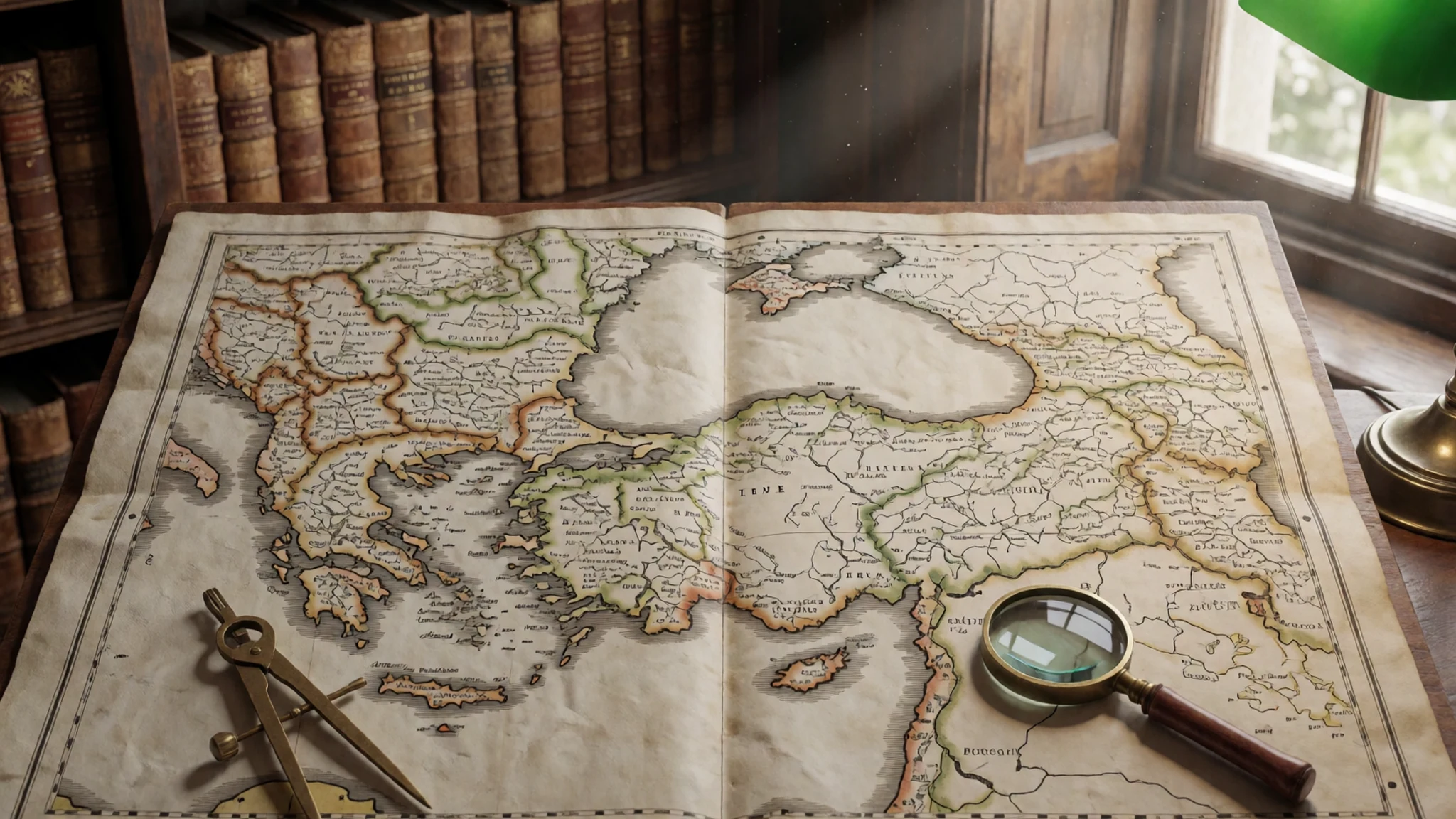
- İzmit Archaeological Museum — İzmit town centre
The museum is the best place to see finds from the ancient city and the wider Kocaeli region: sculpture, inscriptions, tomb goods and small everyday objects. It makes the buried capital feel real. Opening hours and entry rules change, so check the official Turkish museums website before going.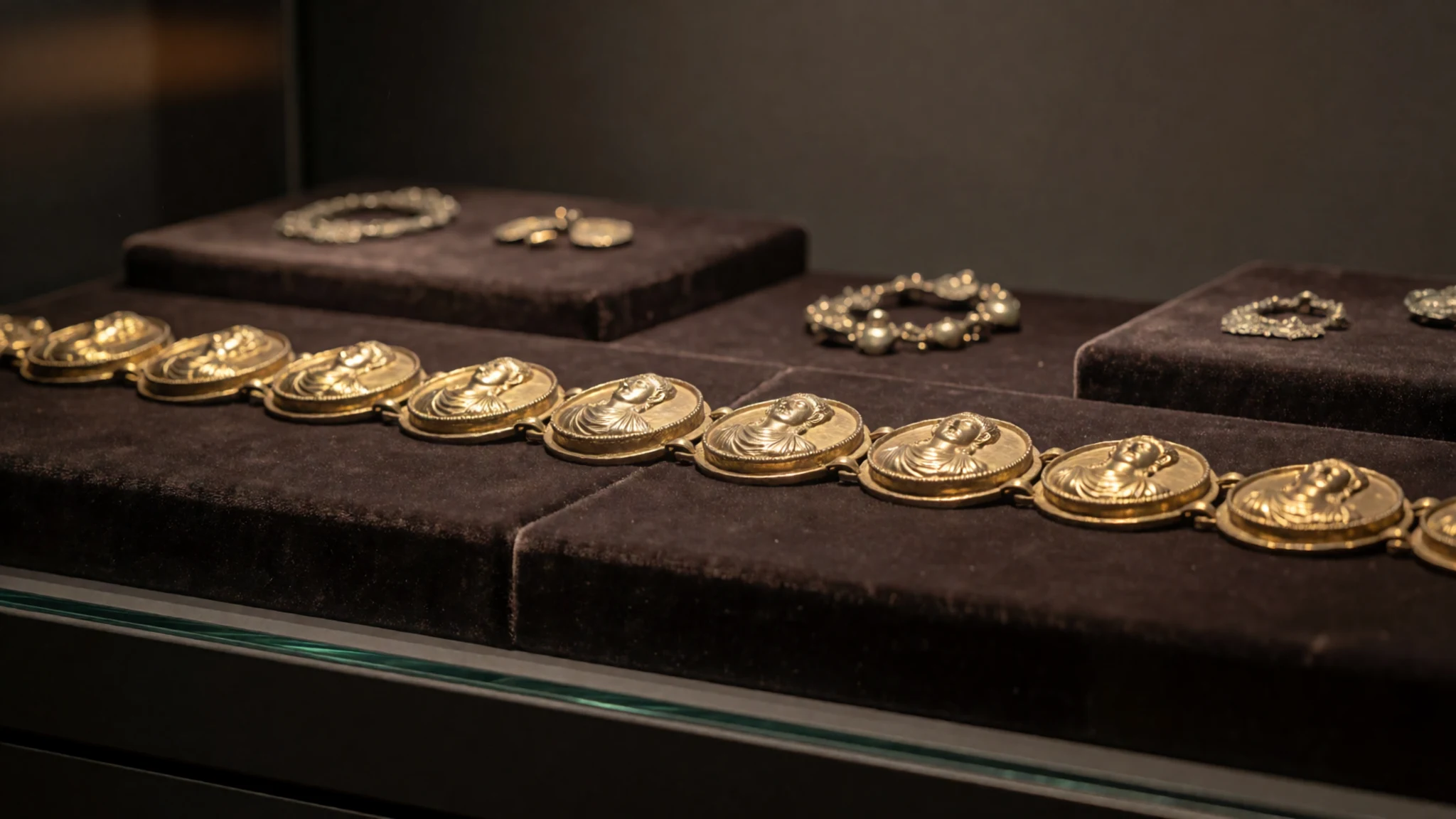
- The gulf waterfront and old harbour edge — İzmit seafront
The shore of the Gulf of İzmit is where the city began and where its logic is easiest to read: a sheltered port at the end of a long inlet. Walk the promenade in the evening, watch the ferries and cargo ships, and picture the grain and soldiers that once came through.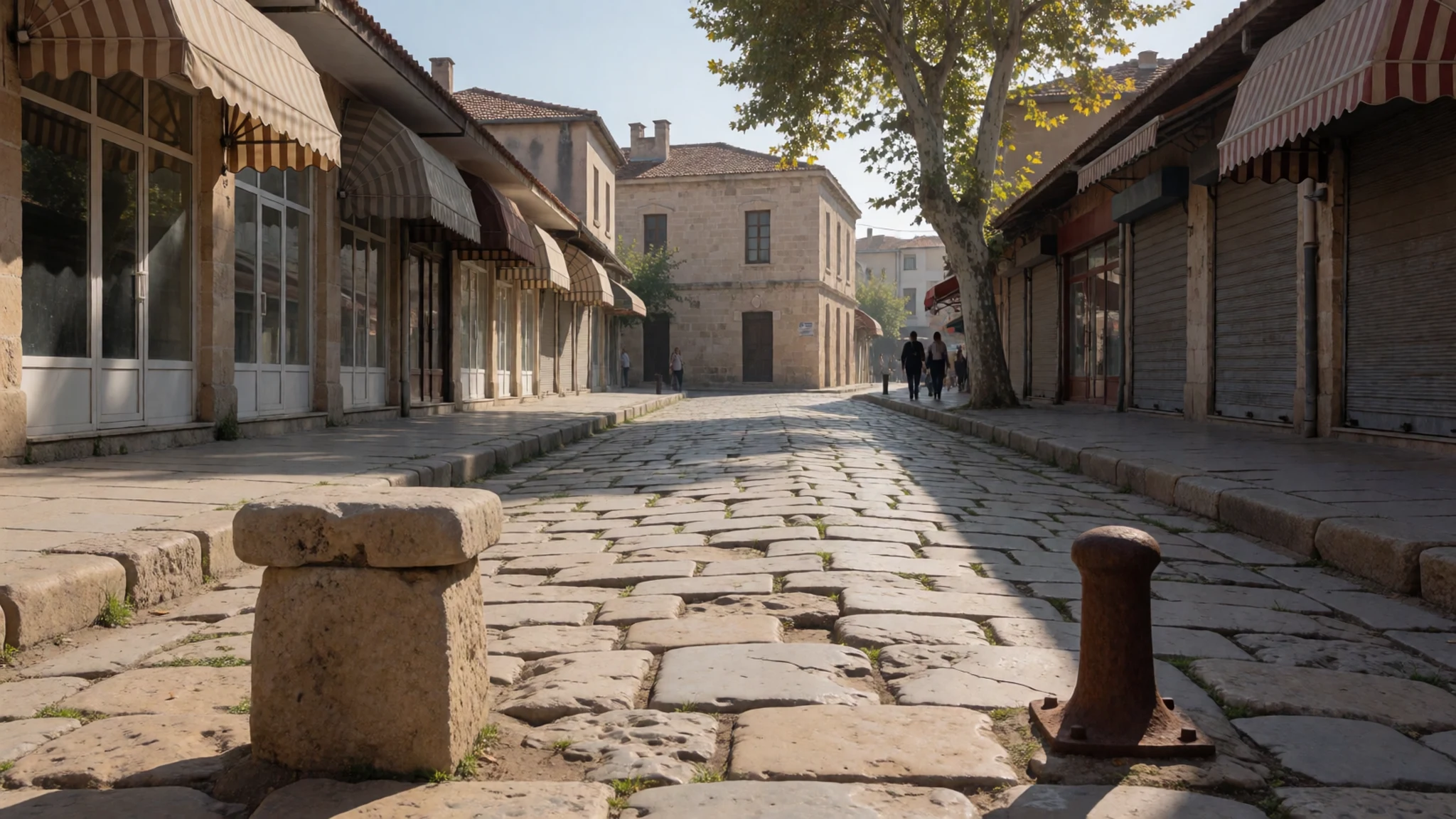
- Old town streets and the Texier view — Old centre of İzmit
In the nineteenth century the French traveller Charles Texier drew a main street of the town, a reminder of how much has been rebuilt. Wandering the older lanes and market streets above the harbour, with that drawing in mind, shows how the present town sits on top of the ancient one.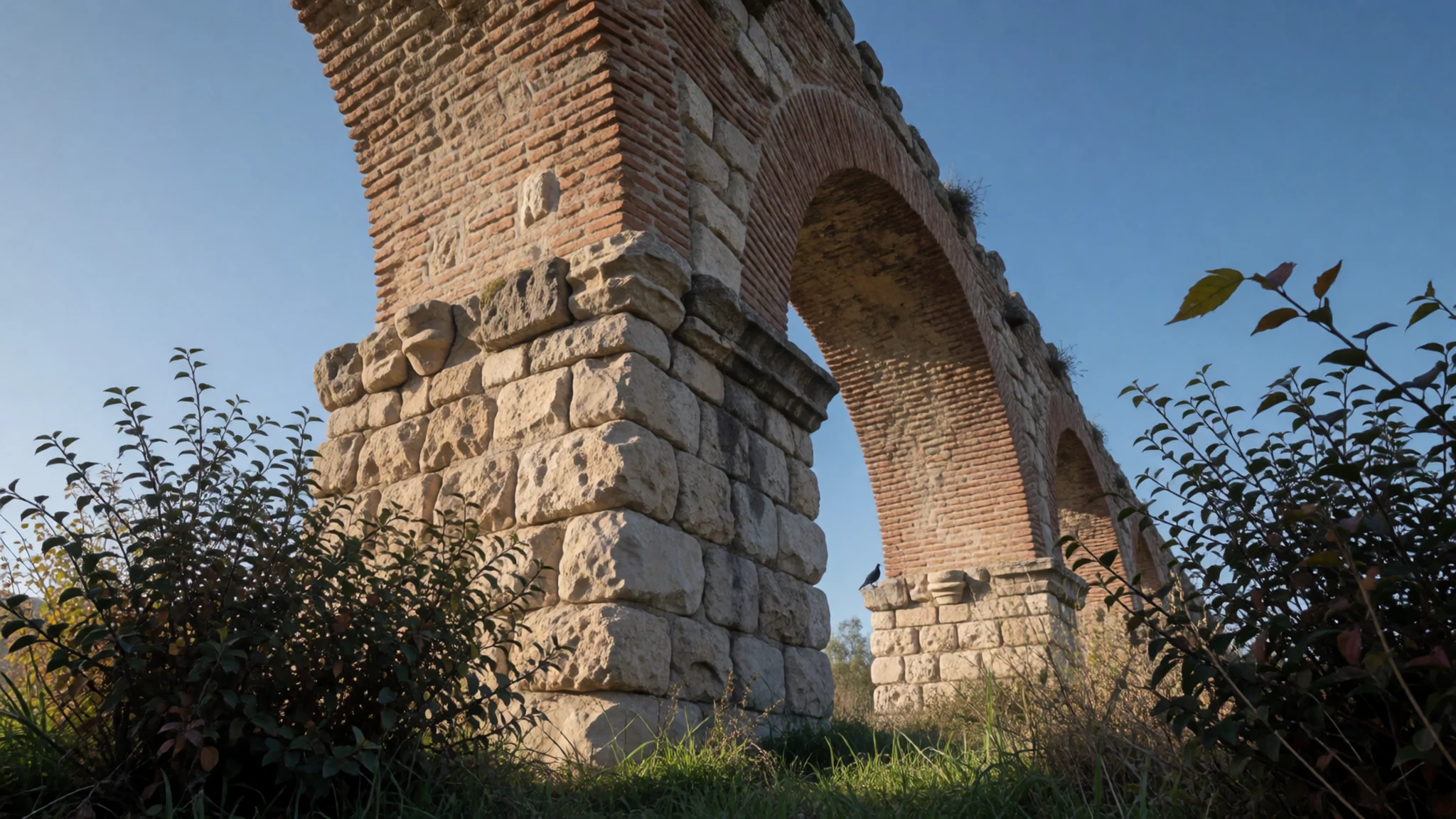
- Libyssa and Gebze, Hannibal's last stop — Gebze, west of İzmit
A short trip west along the gulf reaches Gebze, where ancient Libyssa is traditionally linked with Hannibal's death. There is little to see beyond local memorials and the sense of place, but it pairs sensibly with İzmit for a half-day of Roman and Carthaginian history.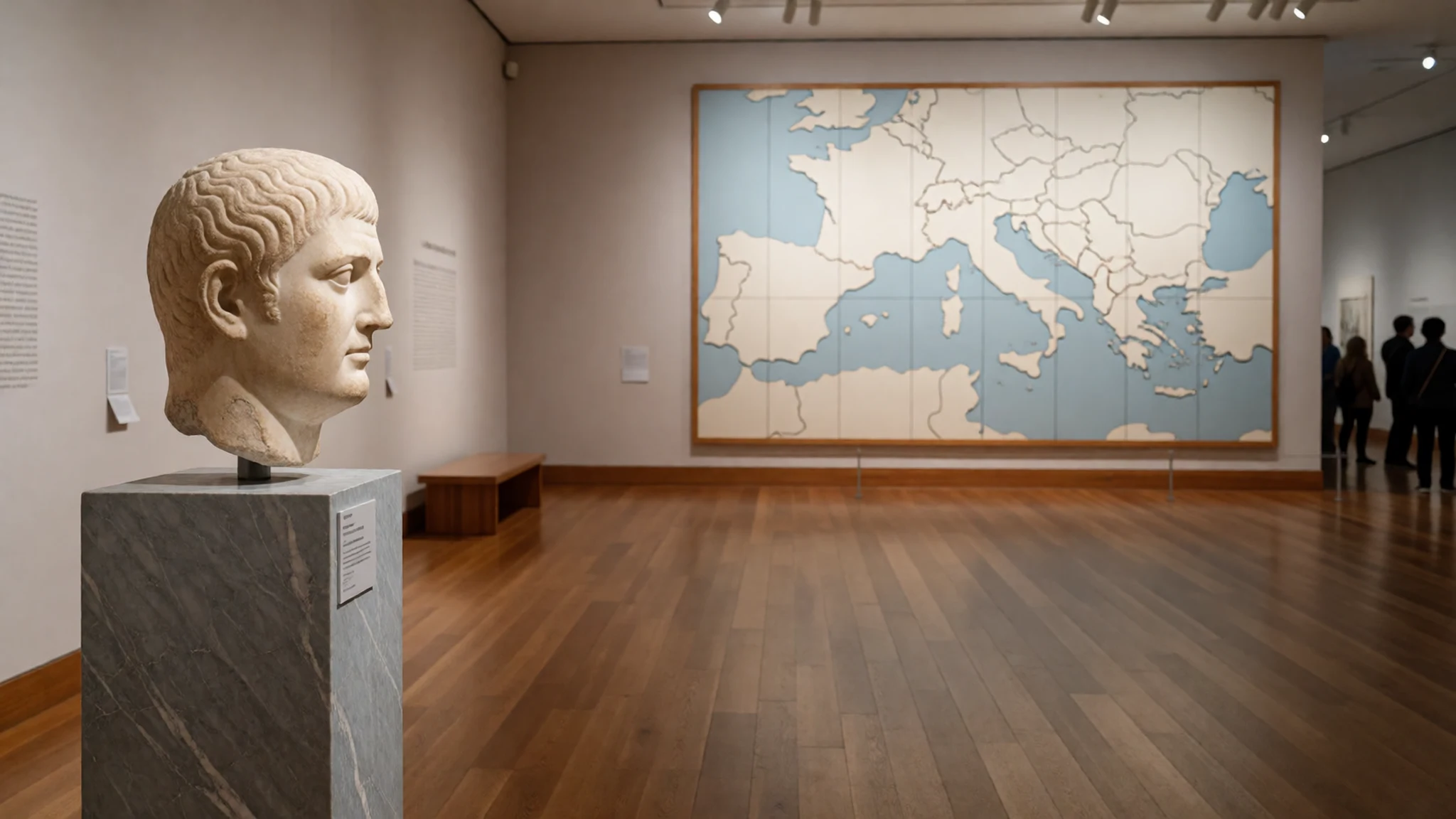
Culture
Nicomedia's culture is layered rather than singular. Greek colonists, Bithynian kings, Roman administrators, Byzantine churchmen, and Ottoman and Turkish townspeople have each left something, and today the city is a modern Turkish provincial capital with an industrial economy and a strong sense of being close to Istanbul without being part of it.
The early Christian story matters here. The church demolished in 303 AD and the executions that followed made Nicomedia a place of martyrdom in Christian memory, and saints linked to the city, such as Pantaleon, appear in Orthodox icons far away. The Jewish tomb inscription shows another strand: a community with its own scriptures and festivals living in an imperial capital.
Day to day, İzmit life is Turkish and mostly secular in manner, with mosques, tea gardens, football loyalties and a busy weekday commuter rhythm. People are generally used to Istanbul visitors passing through, and a few words of Turkish are welcomed. Conversation is easy over tea, and hospitality is real but unshowy.
Because the ancient sites are thin, local museum staff and small-town historians are often the best guides; asking sincere questions tends to get long, generous answers.
When entering any mosque in İzmit, remove your shoes at the door, cover your shoulders and knees, and for women carry a light scarf for the head.
What to wear
Traditional dress in this part of Anatolia was practical and layered. Men wore baggy trousers (şalvar), a shirt and a waistcoat, with a sash at the waist; women wore a long entari or tunic over şalvar, with a headscarf or embroidered cap. Cotton and wool were the everyday cloths, with silk for weddings and festivals, and embroidery and block-printed scarves marked occasions. Today these garments appear mainly at folk-dance events, weddings and museum displays rather than in the street.
What people actually wear now is ordinary modern clothing. İzmit is a commuter and industrial city close to Istanbul, so most people dress in jeans, shirts, trousers and jackets, with a mix of headscarf-wearing and uncovered women, and neat, smart-casual clothes for work and evenings out. Football shirts are common at weekends.
Visitors should dress for the weather and for mosques. Summers are warm and humid, so light cotton or linen suits well; winters are damp and cool, and a waterproof layer is useful, as are warmer layers in January and February. Comfortable closed shoes matter more than smart ones: the aqueduct and old streets involve uneven pavement and a lot of walking. Carry a scarf and keep shoulders and knees covered for mosque visits. Beyond that, modest, relaxed clothing is fine anywhere in town.
What to eat
- İzmit köfte — Köfte restaurants around the town centre
The city's signature grilled meatballs, usually served with a tomato-pepper side and bread or a plain pilaf. They are seasoned simply and cooked over charcoal or on a grill, and are the dish locals recommend first.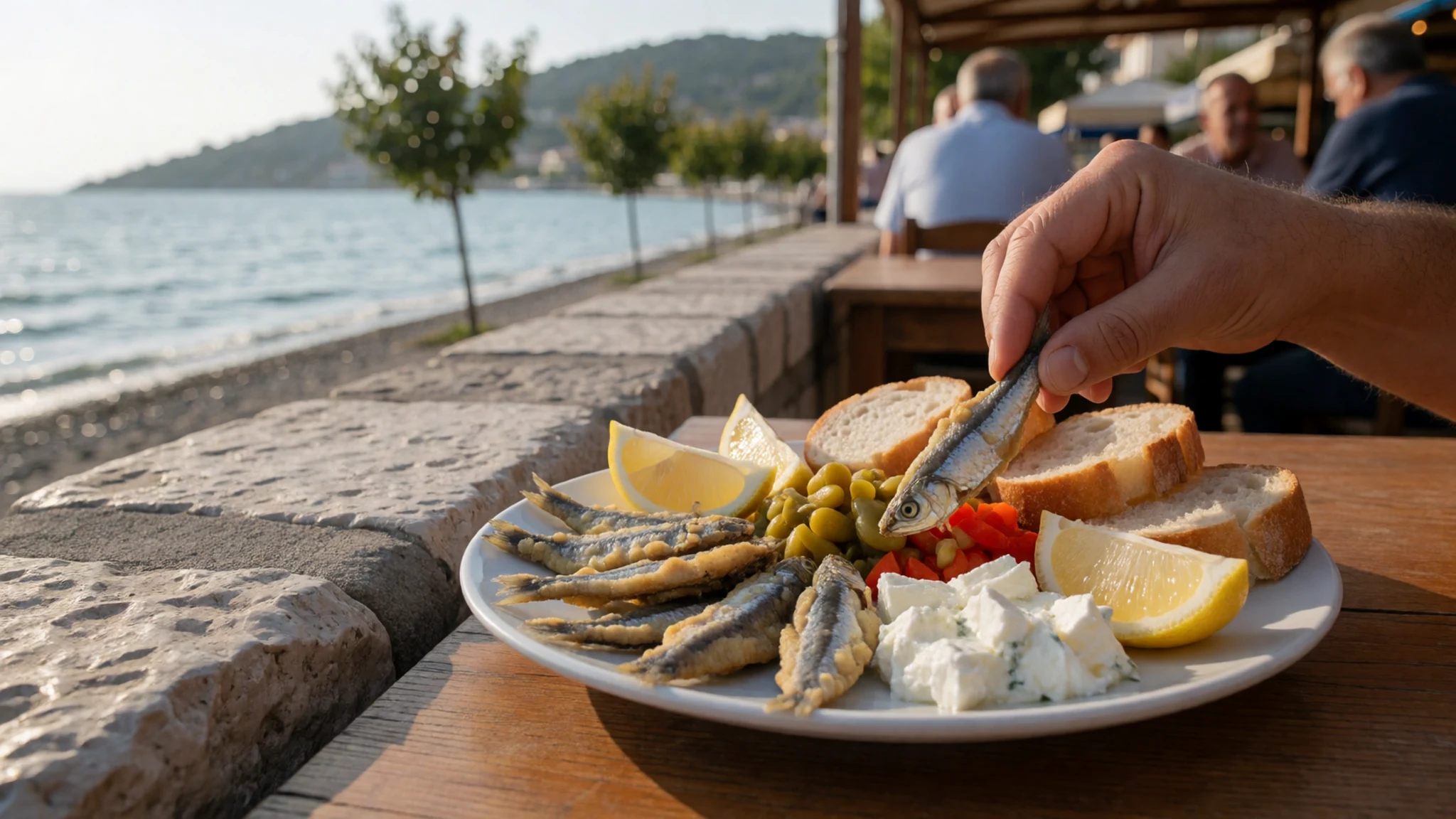
- Pişmaniye — Sweet shops and bakeries in the centre
A fine, threadlike sweet made from flour, sugar and butter, pulled into airy floss and often sold in tins. It is closely associated with the İzmit area and works well as a gift to take home.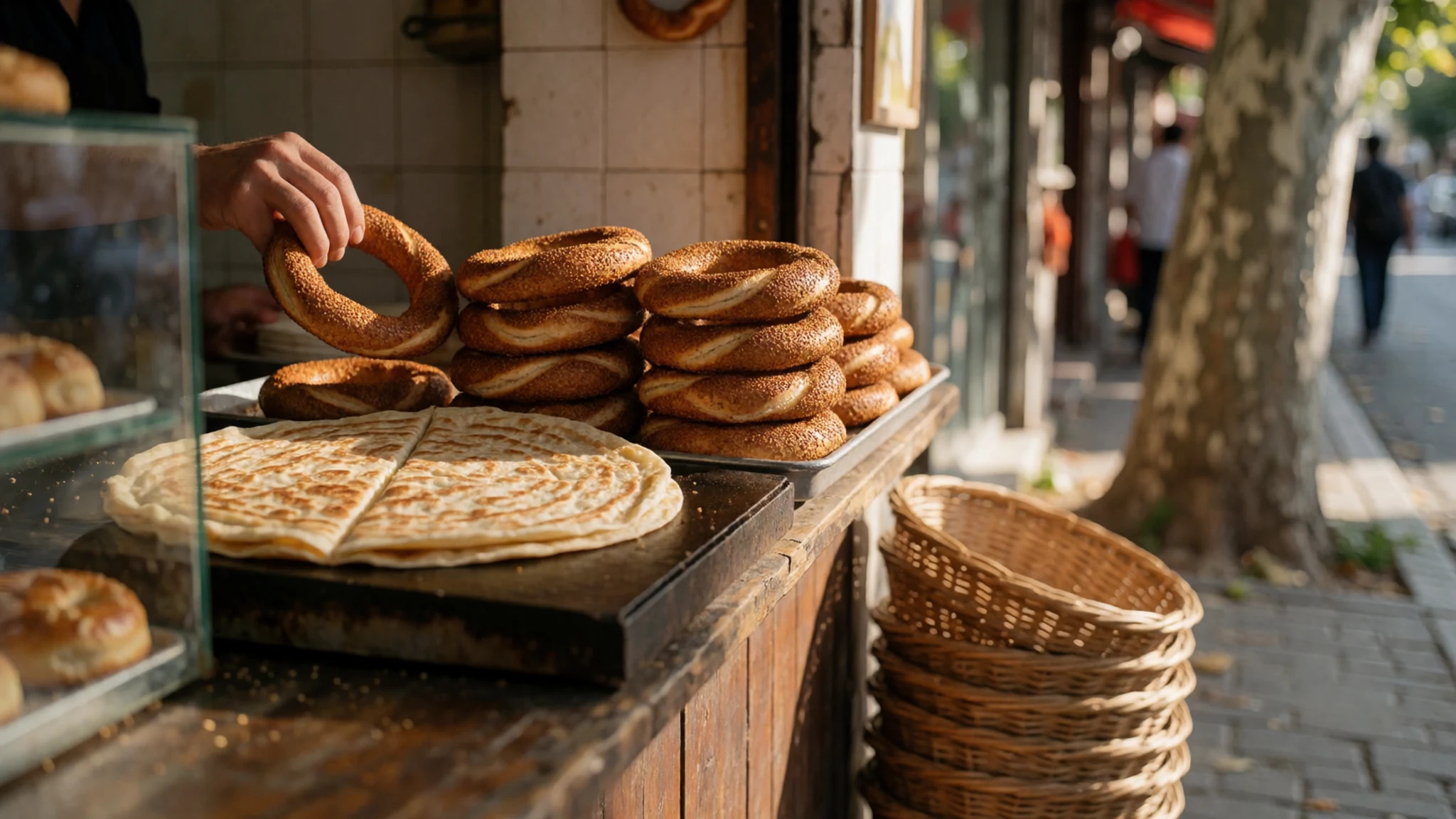
- Fish by the gulf — Eateries along the seafront
As a port city, İzmit serves grilled and fried fish when the catch is good, usually with salad and bread. Ask what is in season rather than picking from a fixed list.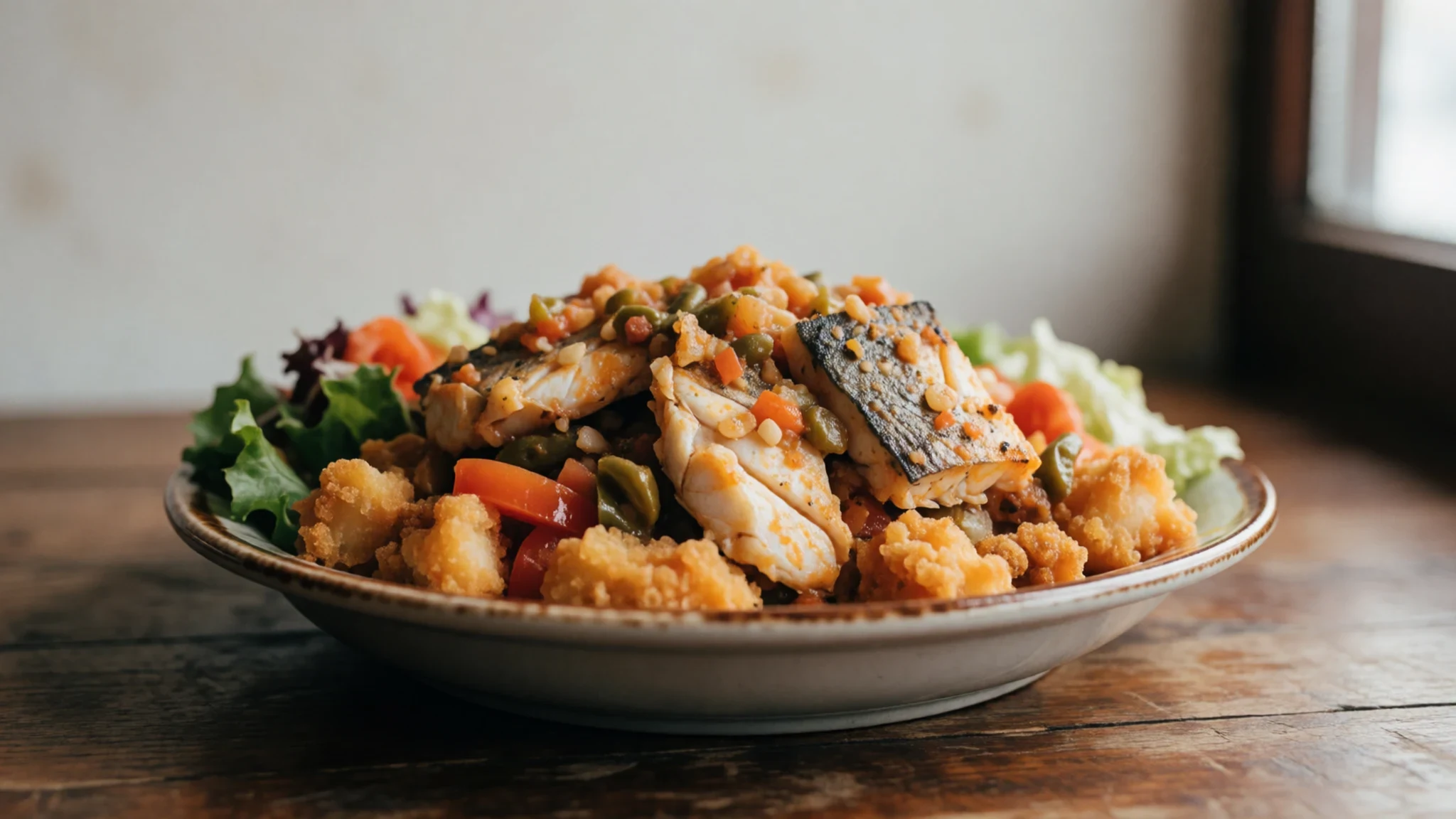
- Simit and tea — Street carts and bakeries across town
The ring of sesame-crusted bread is the standard breakfast or snack here, eaten with strong black tea in small glasses. It is cheap, quick and sold everywhere from street carts to bakeries.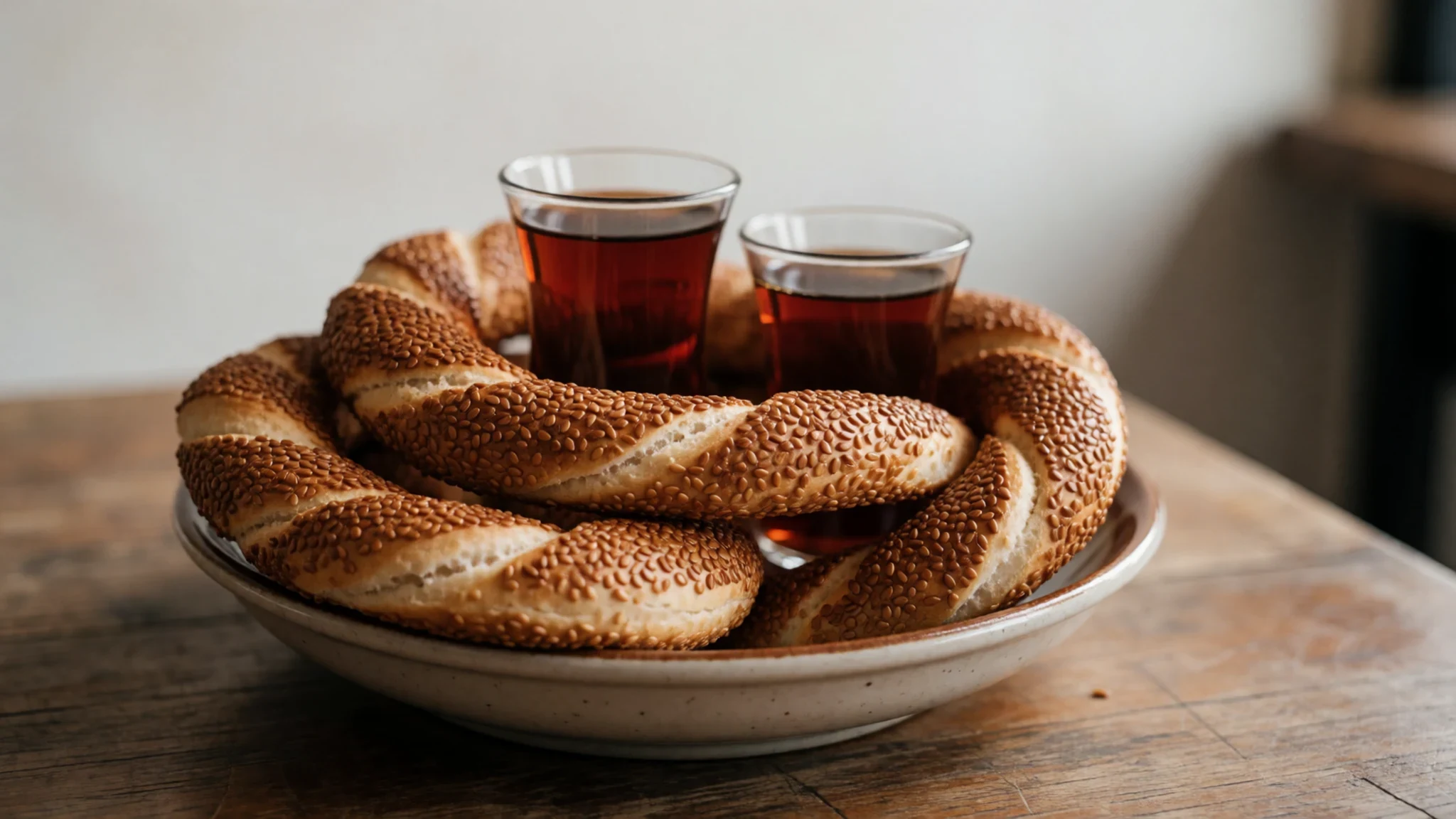
- Pide and lahmacun — Pide salons in the main shopping streets
Oven-baked flatbreads, boat-shaped pide with cheese or minced meat, and thin lahmacun with spiced mince, are reliable lunch choices. Locals eat them hot, with lemon and fresh herbs.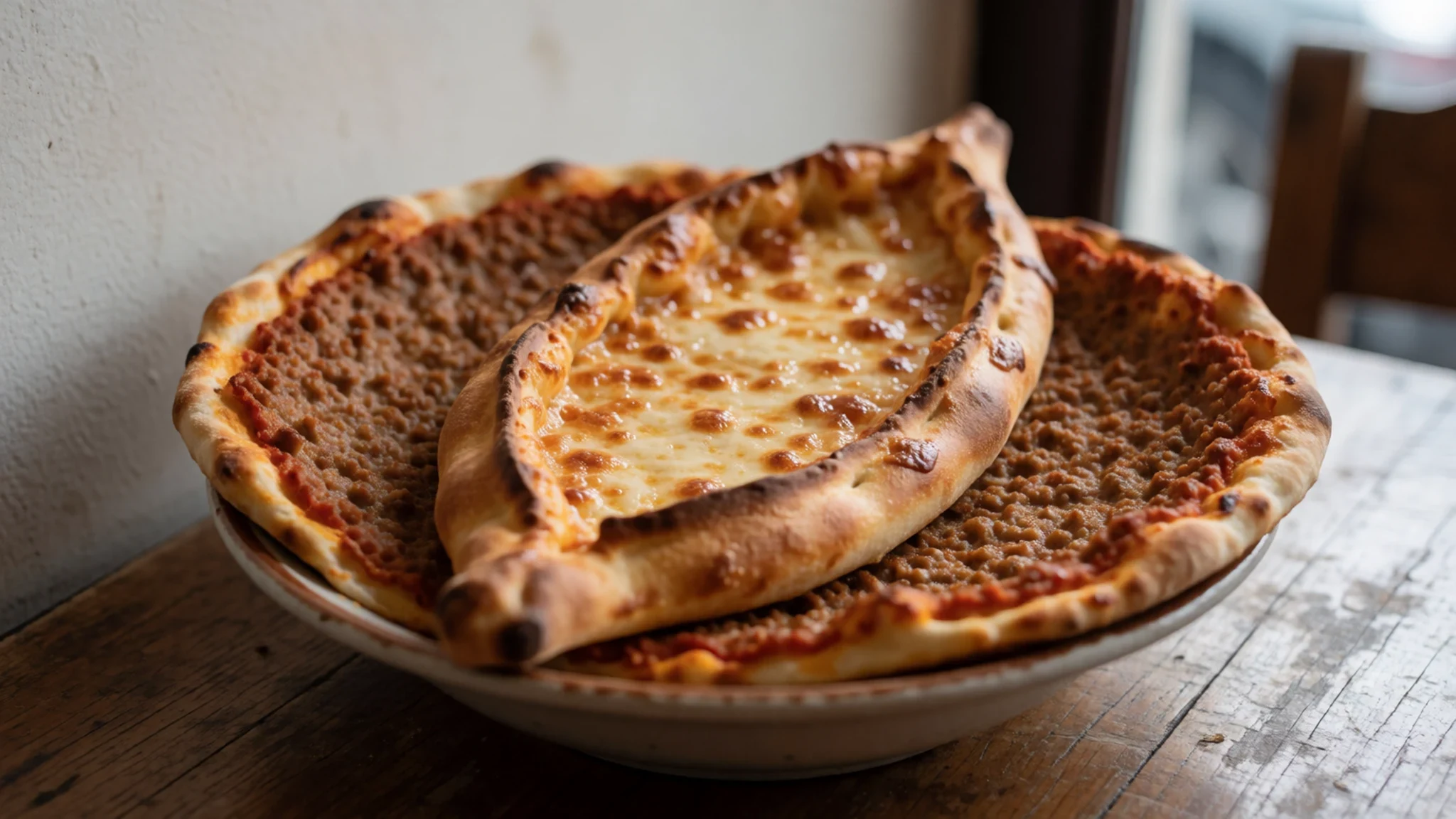
Plan it
Best time. April–May and September–October, when the weather is mild and comfortable for walking. Summers are warm and humid, and winters are damp and cool, so the shoulder seasons suit the open-air sites best.
How long. 1–2
Getting there. Fly to Istanbul (either airport), then take a high-speed train, a bus or a car east along the gulf to İzmit; the last leg is a short walk or taxi from the station or bus terminal. Expect it to take a few hours door to door from Istanbul, depending on traffic.
Budget. mid
Tips
- Check museum opening days on the official Turkish museums website before travelling
- Go in the morning to see the aqueduct and museum before the afternoon heat
- Carry some cash for small eateries and tea gardens, though cards are widely accepted
- Combine with Gebze or Iznik for a fuller day, since the ancient remains here are modest
- Keep water with you in summer, because the walking is mostly on exposed streets
Etiquette
- Remove shoes at mosque doors and cover shoulders and knees
- Ask before photographing people, especially women and children
- Accept tea if it is offered; it is part of the local welcome
Nearby
Sources
- Wikidata Q209349 (CC0)
- Wikipedia: Nicomedia (rev 1364717280) (CC BY-SA 4.0)
- Wikivoyage: İzmit (CC BY-SA 4.0)
- Karte Nikomedia.png (CC BY 3.0)
- Grande rue de Nicomédie, Texier, 1882 (Public domain)
- Byzantine belt section with medallions of Constantius II (CC BY 3.0)
- Tetrarchy map (CC BY 3.0)
- Roman bronze cart parts, National Archaeological Museum of Athens (CC BY-SA 4.0)
- St Panteleimon ceramic icon from Nicomedia (CC BY 3.0)
- Saint Barbara, copy of 1453 church fresco (Public domain)
- Nicomedia Aqueduct, Izmit (CC BY-SA 2.0)


