Newcastle
Newcastle, Australia
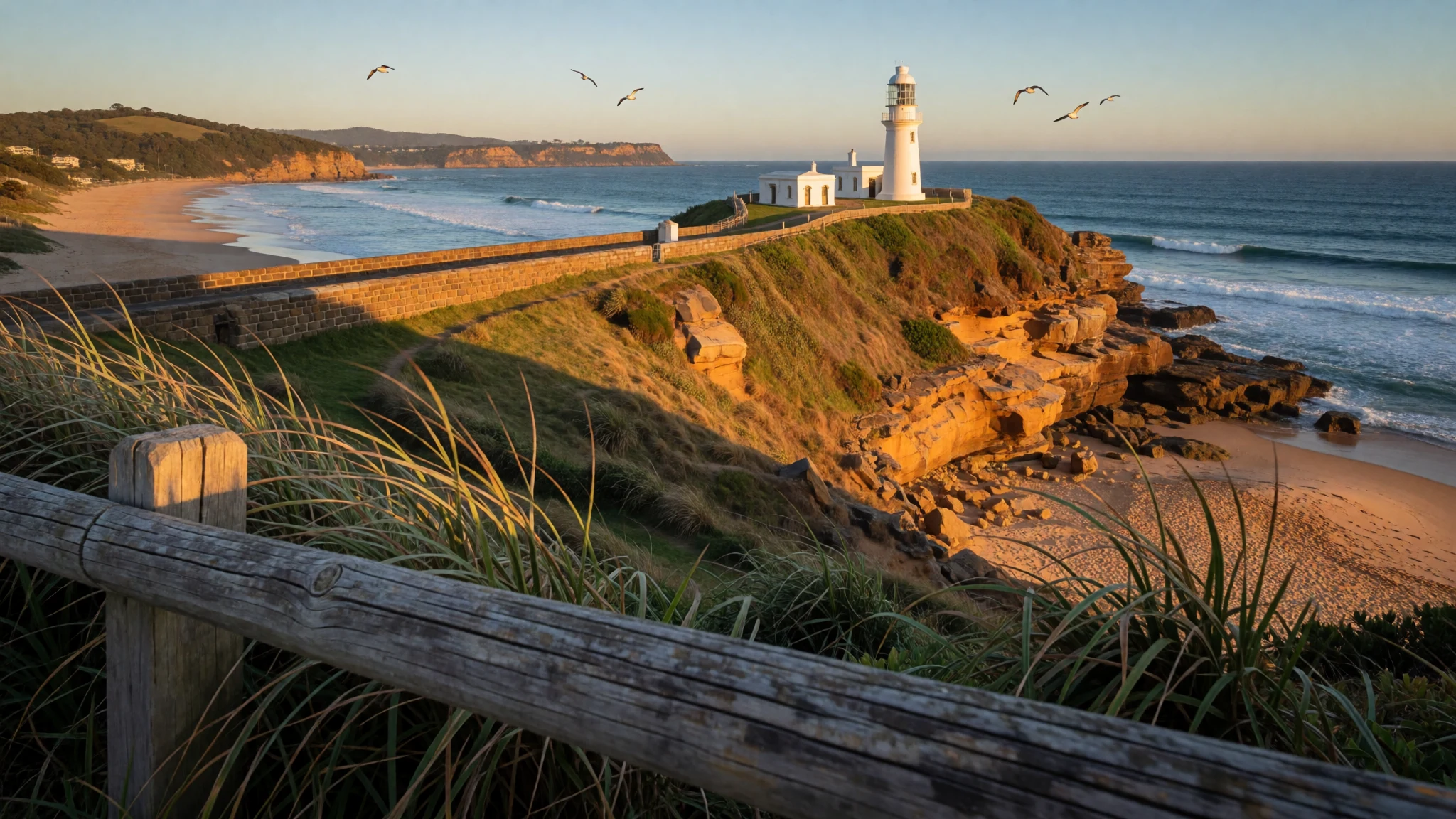
Newcastle balances maritime heritage, coastal surf culture and vibrant urban strips at the mouth of the Hunter River.
The place
Newcastle sits on the southern bank of the Hunter River mouth in New South Wales, functioning as the primary hub of the Lower Hunter region. Known locally as Newy, the settlement serves as a major metropolitan area anchored by maritime activity and extensive regional coal exports. Geologically positioned within the central-eastern part of the Sydney Basin, the urban landscape is defined by the contrast between its hilly southern riverbanks, the northern swamplands and coastal dunes of Stockton across the water, and a protective green belt sweeping from the western mountains toward the coast. Urban development hugs the ridges and valleys rising above the harbour, creating a distinct coastal geography where industrial heritage meets long stretches of sandy shoreline. Residents, known as Novocastrians, experience a coastal climate shaped by Pacific breezes and seasonal rainfall patterns. The city integrates its working-port identity with regenerated public spaces, historic streetscapes, and thriving suburban corridors lined with cafes, eateries, and cultural venues that draw visitors away from nearby metropolitan centres to explore a more relaxed coastal pace.
Its story
Newcastle and the surrounding lower Hunter Region carry a deep indigenous history, having been traditionally occupied by the Awabakal and Worimi Aboriginal peoples who originally named the area Malubimba. The landscape preserves this heritage through official dual-naming of major geographic landmarks by the geographic names board, reflecting traditional terms for headlands, islands, and river channels. European presence began when British fishermen from the Sydney convict outpost were driven north by bad weather into the harbour, discovering large quantities of surface coal near the beach. That initial landing involved friction with local inhabitants, leading to injuries and a retreat back south. Lieutenant John Shortland subsequently explored the area and named the Hunter River. Over the following decades, the settlement evolved from a penal outpost into a powerhouse of mineral extraction and heavy industry, eventually transforming its historic waterfront and industrial workshops into contemporary cultural and community spaces while retaining the architectural markers of its colonial past.
What to see
- Christ Church Cathedral
Perched high above the city streets, this prominent sandstone cathedral offers sweeping views across the harbour and Pacific coastline. Visitors can tour the interior to admire stained glass and intricate stonework, and join guided walks that ascend the tower for an unmatched perspective of the entire metropolitan area and river mouth.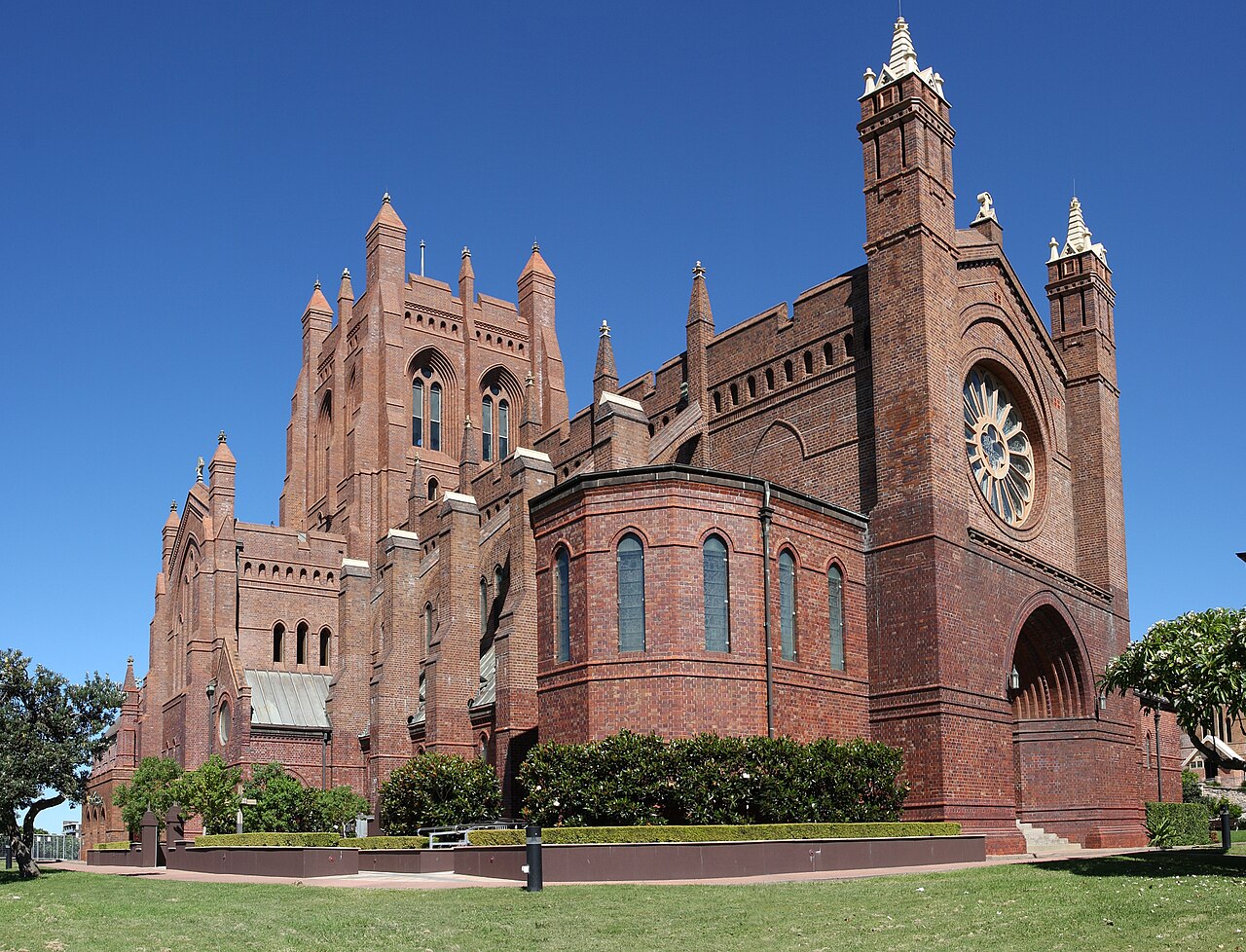
- Nobbys Head
Connected to the mainland by a historic stone pier constructed through convict labour, this iconic headland guards the harbour entrance. Walkers can follow the pier out to the lighthouse and lightkeeper quarters, flanked by expansive sandy beaches that attract surfers and coastal walkers throughout the year.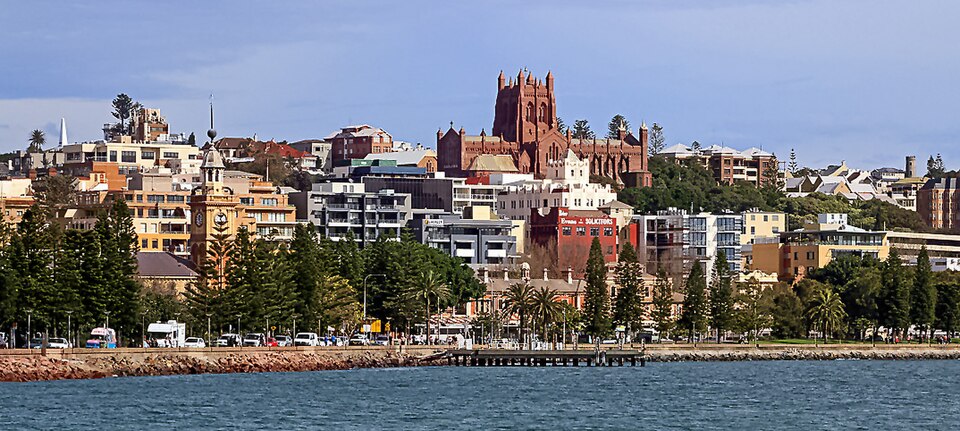
- Newcastle Museum
Housed within three restored railway workshop buildings, this cultural facility preserves the region's industrial narrative. Permanent galleries detail local Aboriginal heritage, early colonial struggles, and the heavy manufacturing legacy of the former steelworks, alongside hands-on science displays suitable for all ages. - Fort Scratchley
Perched on a coastal headland, this historic military site was built to defend the harbour against potential naval threats. It famously returned fire when a submarine shelled the coastline during wartime, and today operates as a museum showcasing restored ordnance, tunnels, and panoramic coastal vistas. - Heritage Architecture Walk
The central business district preserves a wealth of nineteenth-century civic buildings constructed by colonial architects. A walking tour past the sandstone Custom House, the grand Town Hall, the former railway station, and various ornate post offices reveals the prosperous maritime trading era of New South Wales.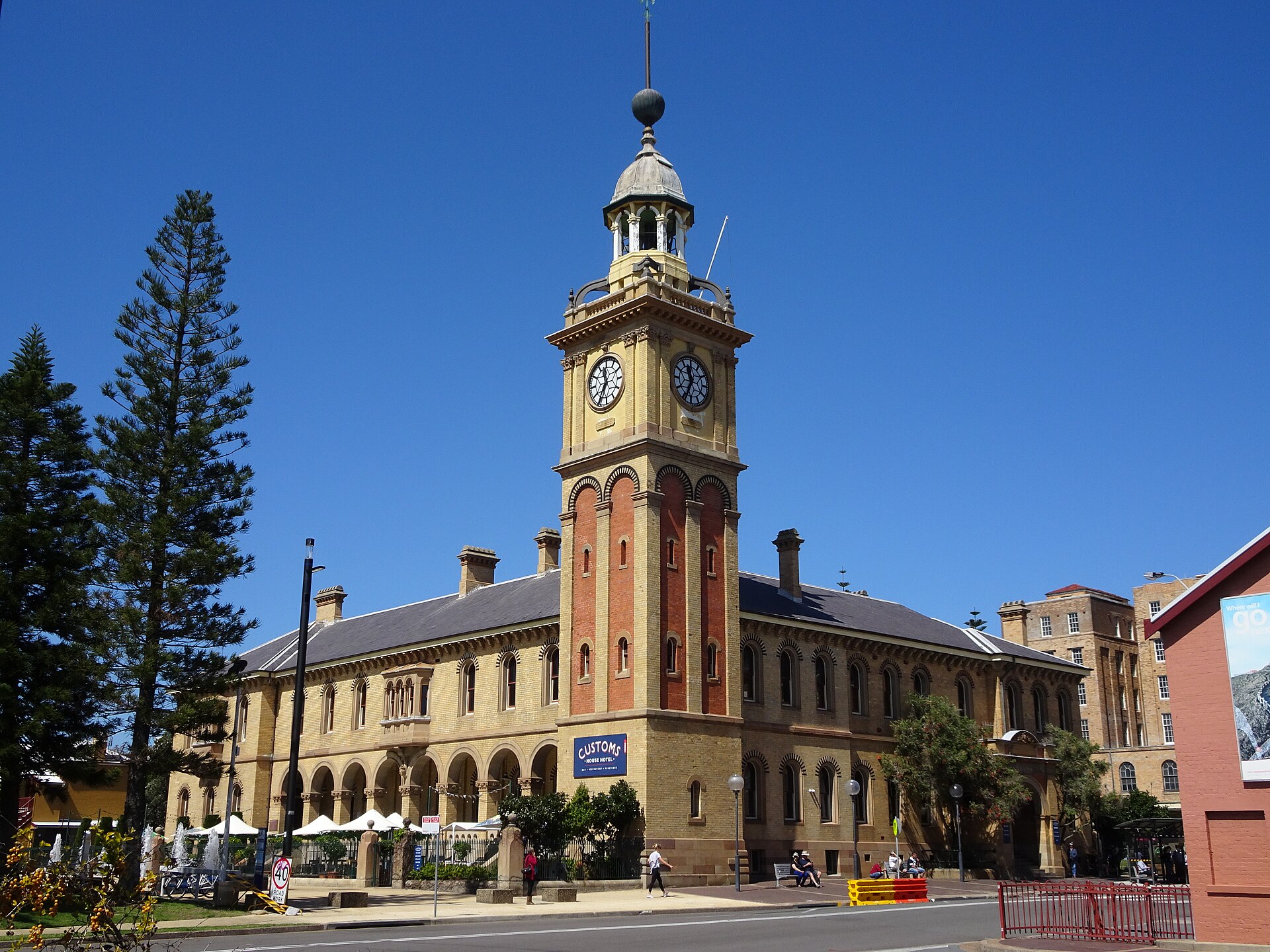
Culture
Newcastle maintains a lively calendar of community festivals and cultural gatherings that celebrate both its regional roots and creative identity. The annual agricultural show brings livestock displays and woodchopping competitions to the exhibition grounds, while the long-running Mattara festival draws crowds with parades and family entertainment, taking its name from the local Awabakal term for a hand of friendship. Literary culture flourishes through events such as the writers' festival, which brings authors and readers together for panels and workshops in civic venues. Traditional attire in the region follows contemporary Australian casual standards, though historical events occasionally feature period-appropriate Victorian dress or traditional Aboriginal body paint and woven garments during cultural ceremonies. Visitors will find locals friendly and informal, with a strong emphasis on outdoor recreation, surf culture, and community respect for coastal environments. Always slip off footwear when entering designated indigenous cultural spaces or traditional keeping areas where requested by local custodians.
What to wear
Fashion in Newcastle reflects its coastal geography and relaxed outdoor lifestyle, blending practical surfwear with contemporary urban casual styles. Traditional dress among the original Awabakal and Worimi peoples historically involved minimal clothing made from animal skins and plant fibres, complemented by ochre body decoration and intricate shell or seed ornaments for ceremonial occasions. Today, locals favour comfortable, weather-appropriate clothing such as cotton tees, denim, shorts, and light linen layers suitable for warm summer days and breezy coastal evenings. Practical footwear is essential, ranging from supportive walking shoes for exploring heritage trails and headlands to casual sandals or bare feet near the beaches. Visitors should pack casual daytime attire, swimwear, a hat, and sunglasses for sun protection, alongside a windproof jacket or fleece for cooler evenings by the harbour. While casual dress is widely accepted across cafes and shopping strips, smart-casual wear is recommended when dining in upscale restaurants or attending evening theatre performances.
What to eat
- Classic Fish and Chips — Larrie's or beachside kiosks
Enjoy freshly caught seafood and golden chips at casual seaside cafes along the beachfront, where outdoor seating offers direct views of surfers riding the coastal breaks. - Artisan Pastries and Cakes — Euro Patisserie
Sample award-winning baked goods, flaky croissants, and decadent European-style cakes prepared daily by skilled pastry chefs in neighbourhood patisseries. - Darby Street Brunch — Goldbergs Coffee House on Darby Street
Join locals for generous daytime meals, specialty coffee, and excellent people-watching along one of the city's most vibrant and popular cafe strips. - Hamilton Global Dining — Beaumont Street in Hamilton
Explore diverse culinary offerings ranging from authentic Thai dishes to Mediterranean small plates along a bustling multicultural dining strip. - Honeysuckle Waterfront Dining — Honeysuckle Drive
Savour North African spiced dishes or modern Spanish tapas while looking out over docked yachts and working harbour activity from restored industrial wharves.
Plan it
Best time. September to November and March to May offer mild temperatures and comfortable conditions for coastal walks and outdoor exploration.
How long. 2–3
Getting there. Drive north from Sydney on the Pacific Motorway, or take regular regional train services from Sydney Central station directly to Newcastle Interchange.
Budget. mid
Tips
- Book accommodation well in advance if visiting during major festival weekends or school holidays.
- Use the local light rail and bus networks to navigate between the civic centre, beaches, and historic wharves.
- Carry sun protection, as coastal UV levels remain high even on partly cloudy days.
- Check operating hours for historic house museums and fort tours before setting out.
Etiquette
- Observe all coastal safety signs and swim only between patrolled red and yellow flags.
- Respect local wildlife habitats along coastal headlands and wetland reserves.
Nearby
Sources
- Wikidata Q57278 (CC0)
- Wikipedia (rev 1384472795) (CC BY-SA 4.0)
- Wikivoyage (rev 5412571) (CC BY-SA 4.0)