Nelson, New Zealand
Nelson, New Zealand, New Zealand
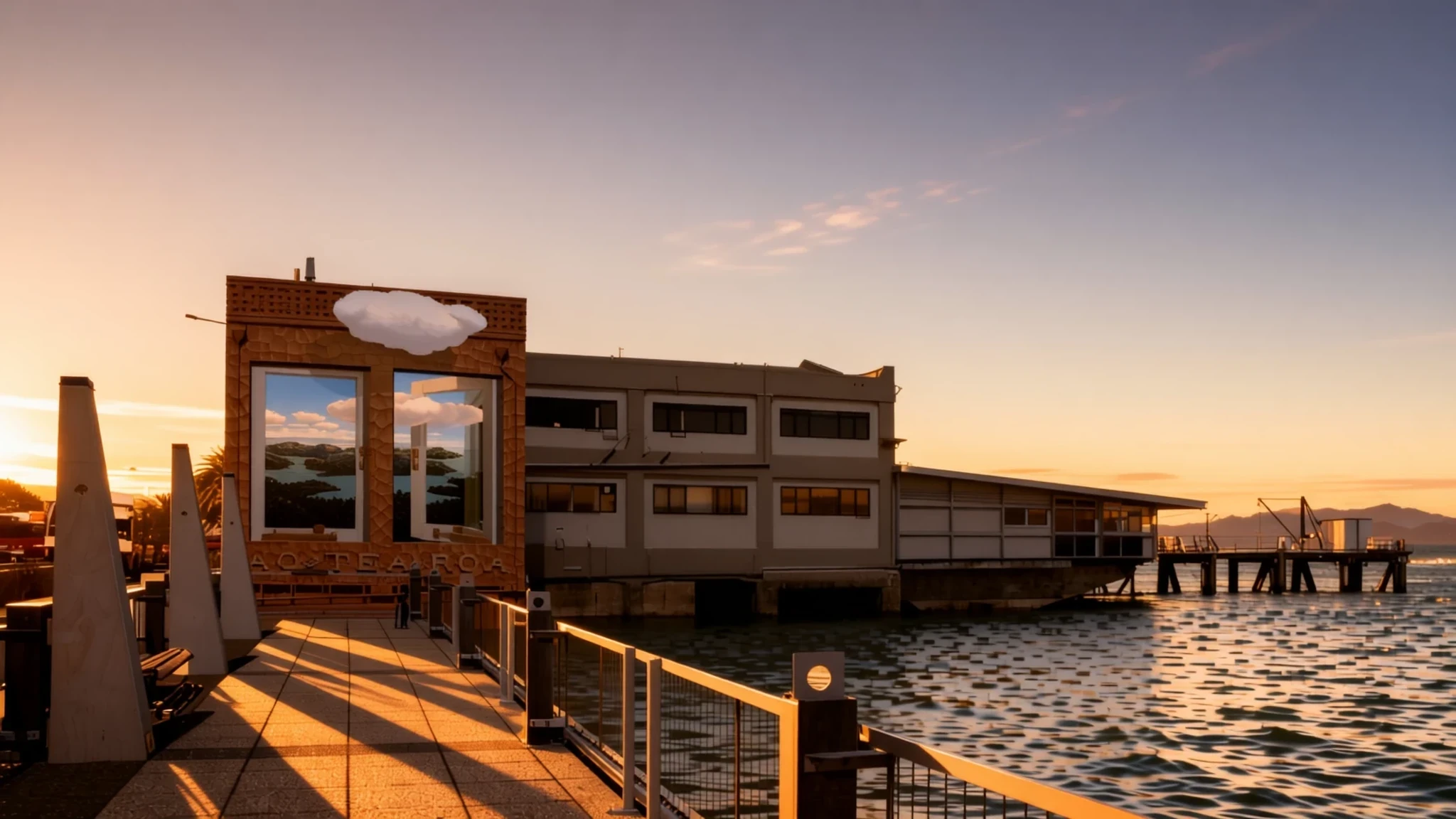
Nelson is an arts-minded city on Tasman Bay, close to the top of the South Island and to its national parks.
The place
Nelson sits on the eastern shore of Tasman Bay at the top of the South Island. Its Māori name is Whakatū. The urban area holds about 51,000 people, so it is a compact city rather than a sprawl of towers. Most of what a visitor wants, from cafés and galleries to the beaches, lies within a short walk or drive of the centre. Nelson is one of two councils in the wider region. The Tasman District, governed from Richmond, borders it to the west and south-west, and Marlborough lies to the east.
The city has a reputation for making things. Potters, glassblowers and a large number of wood carvers work here, often with native southern beech or the introduced macrocarpa cypress. Many sell directly from their studios and from the Saturday market. The arts calendar is steady, and the Nelson Arts Festival draws both residents and people who have travelled further to attend.
Nelson suits a slow pace. It works well as a base for the Abel Tasman coast and the bays around it, and the city itself rewards a day of wandering: a museum, a cathedral with granite steps, old wooden houses and a few good places to eat by the water. Visitors arrive all year, so book accommodation ahead for busy periods.
Its story
Evidence suggests that early Māori settlement in New Zealand was centred on the Nelson and Marlborough region, and iwi have lived around Nelson for a long time. The Waimea Plains hold a large complex of gardens shaped by Waitaha people, who are also linked with quarrying argillite locally. Later, Ngāti Tūmatakōkiri became the leading power in the district for a period. In the early nineteenth century, northern raiders led by Te Rauparaha and his Ngāti Toa swept through, scattering much of the local population and pushing many people out. Today eight iwi are recognised as mutually connected across the north-west of the island, among them Ngāti Kuia, Rangitāne and Te Atiawa o Te Waka-a-Māui.
European interest followed. The New Zealand Company, based in London, planned a colony here. Its scheme was to acquire a large block of land from Māori, divide it into many lots and sell them to settlers who would arrive by ship. The settlement was founded in 1841. The plan imagined an orderly grid of town sections and farms, but the reality on the ground was messier than the paperwork.
The town's character grew out of those early decades. Settlers brought the institutions of a British town with them: churches, schools, a theatre and a street grid. The cathedral's granite steps, the old wooden buildings and the heritage housing on Elliott Street all reflect that period. The Theatre Royal, a wooden playhouse, still stands as a working theatre, a reminder of how the town chose to build its public life.
What to see
- Christ Church Cathedral — Central Nelson, at the head of Trafalgar Street
Christ Church Cathedral is the landmark most visitors photograph first, its granite steps climbing from Trafalgar Street to the front of the building. Stand at the foot of the steps and look back down the street, then go up and look around the interior. Sunday services include the Eucharist and Evensong, often sung with the choir, so check the timing before you plan a visit around them.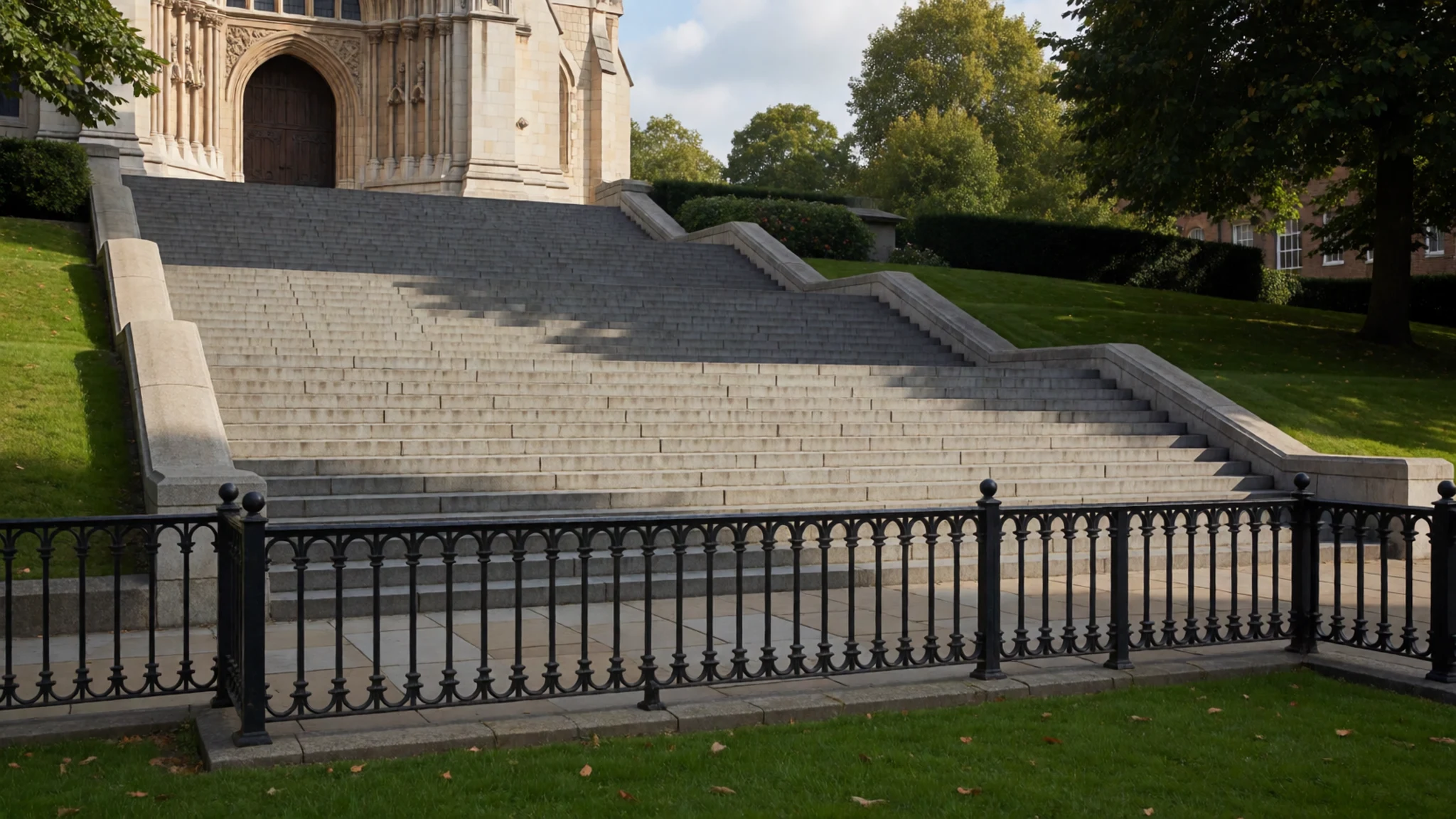
- Suter Art Gallery — Central Nelson
The Suter Art Gallery is a well-known gallery and a central part of the city's arts scene. It works well on a wet afternoon, and it connects to the Nelson Arts Festival that the city hosts each year. Check the official site for current exhibitions and opening times before you go.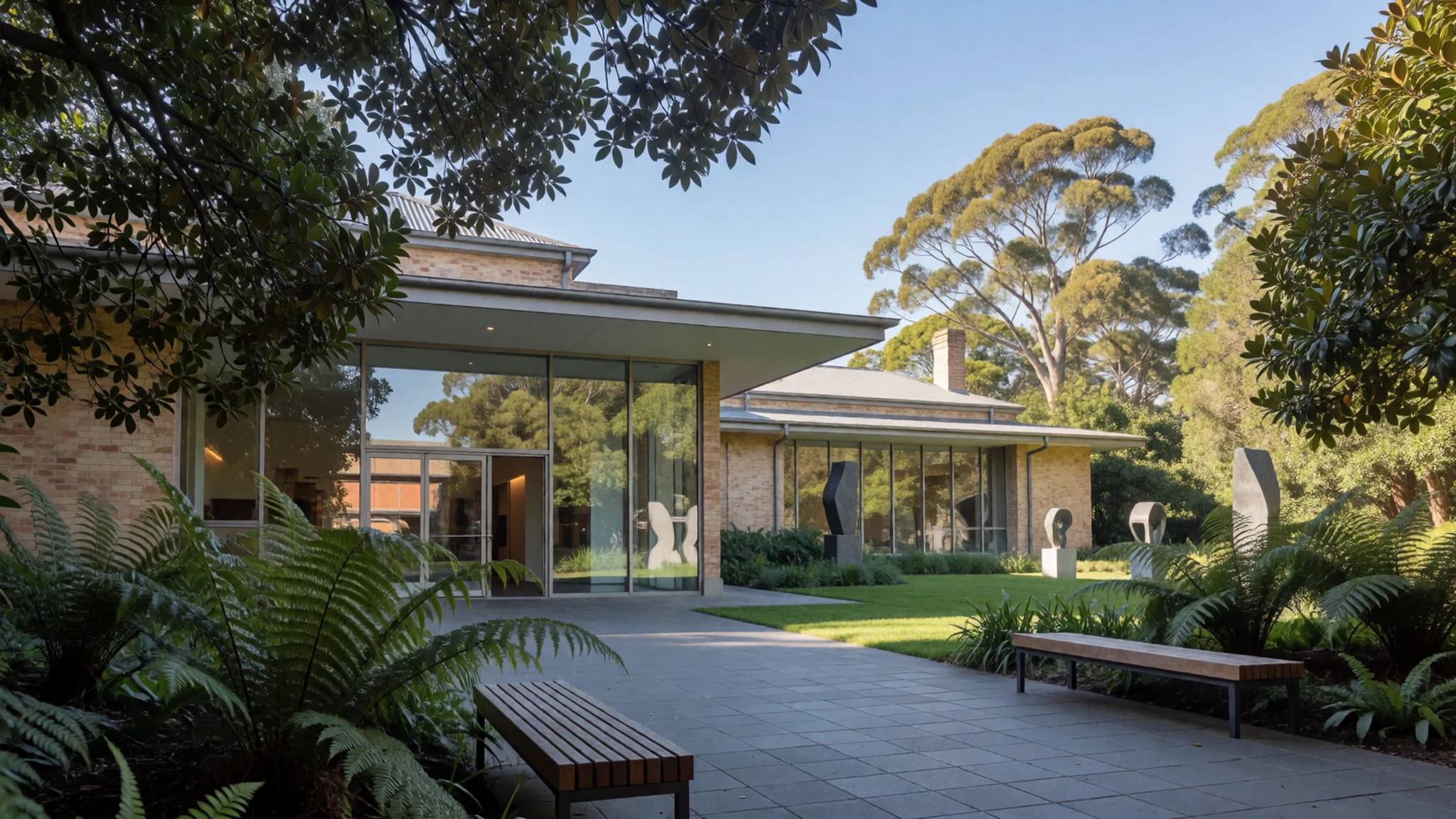
- Founders Park — Founders Park precinct, close to the waterfront
Founders Park gathers historic buildings moved here from sites around Nelson, so a single walk takes you through much of the town's past. Several buildings hold small museum displays inside, so read the panels as you go. The park sits close to the Founders Brewery, which makes a natural break in the afternoon.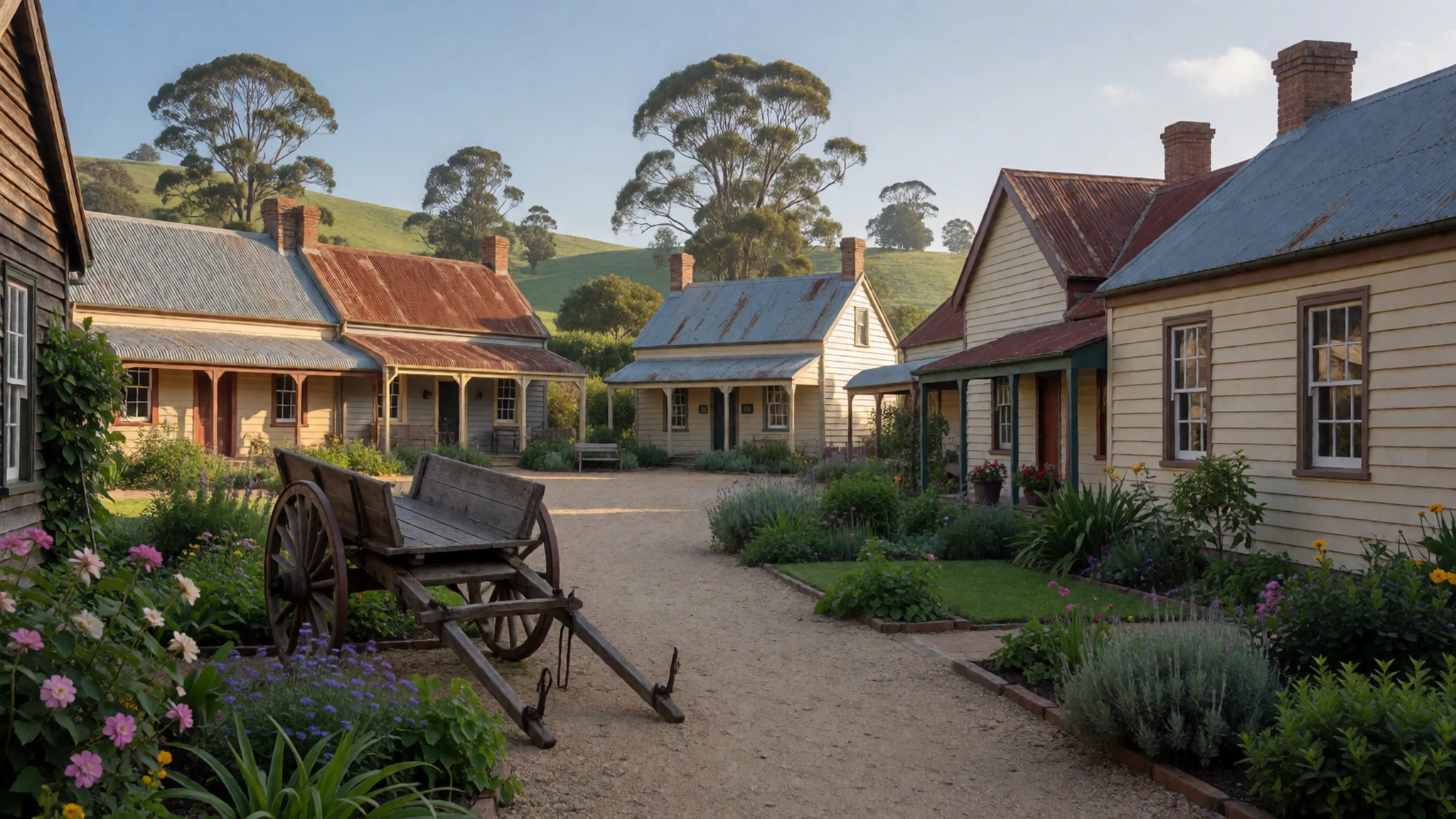
- Melrose House — Central Nelson
Melrose House is a Victorian villa with native rimu floors, high ceilings and crystal chandeliers. Nelson City Council owns it, and it holds a café, so you can look at the woodwork and plasterwork and then sit down for a drink. It is a good example of the domestic style the early town aspired to.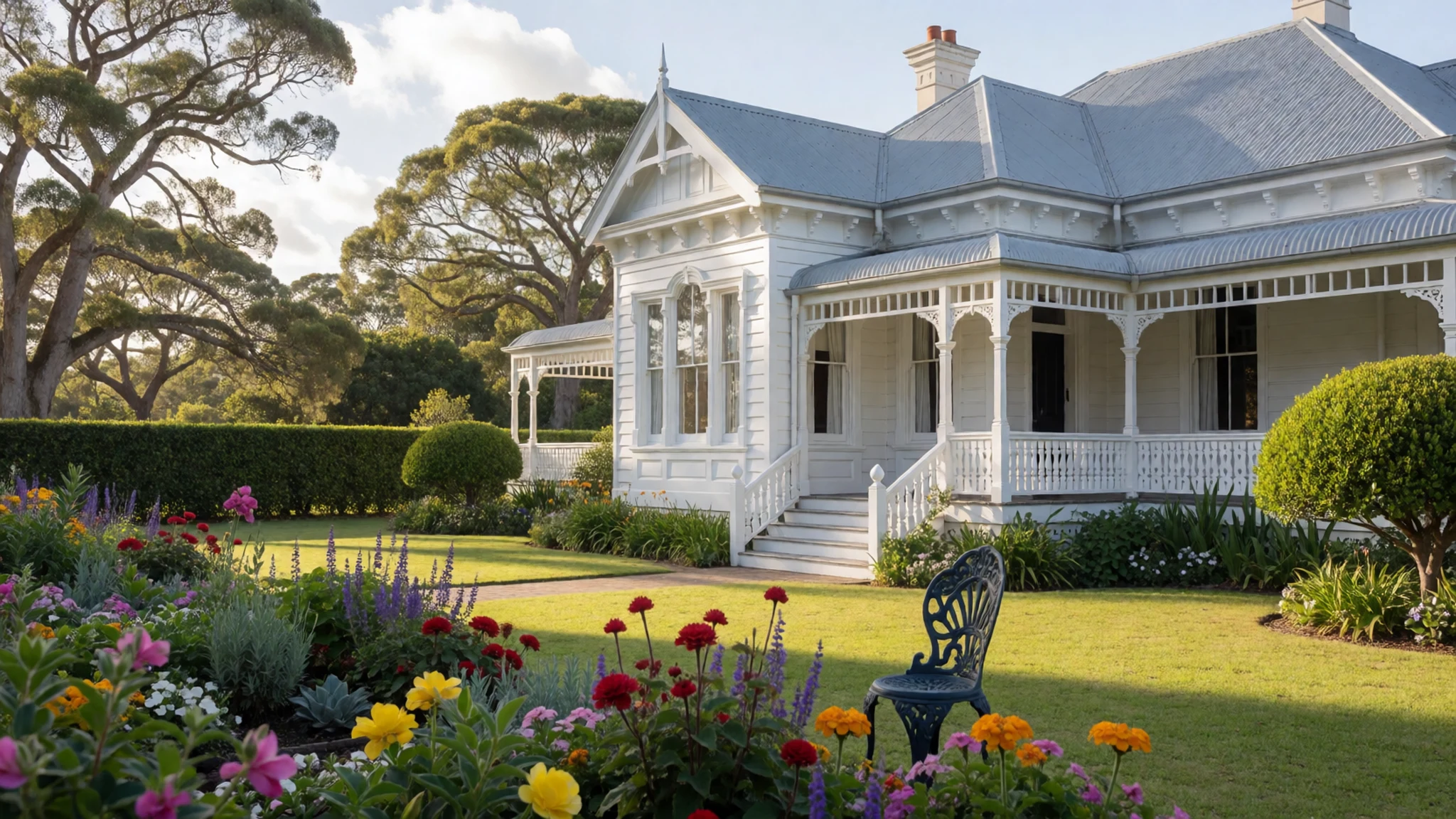
- Nelson Classic Car Museum — Western edge of the city
The Nelson Classic Car Museum displays more than 150 cars, the oldest dating from 1903, which makes it a useful stop for anyone interested in motoring history. An on-site café, Little Engine Eatery, is popular with visitors. It is a short drive from the centre, so allow time for a leisurely look at the collection.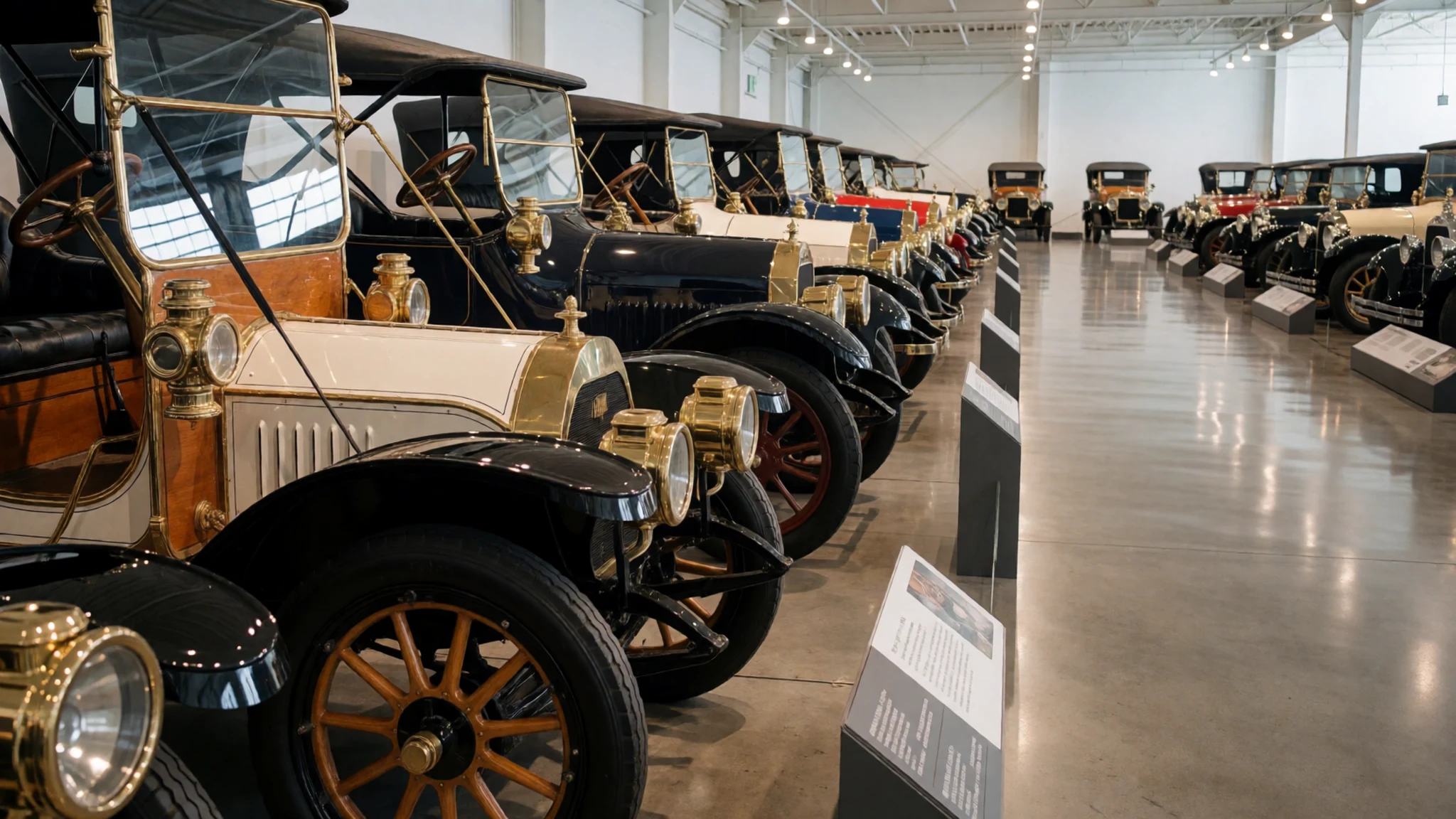
Culture
Nelson has a strong local arts culture, and visitors often notice how many of its makers are happy to talk about their work. Potters, glassblowers and wood carvers fill small galleries and studios across the city, and their craft is the main reason many people come back. The Jens Hansen Goldsmiths is a well-known shop, and it is where the ring prop for the Lord of the Rings films was designed, which gives the jewellery counter a particular story.
Music and theatre run through the year as well. The Theatre Royal, a historic wooden playhouse, hosts performances, while the Suter Art Gallery anchors the visual arts. The Nelson Saturday Market is the easiest place to meet makers, since many stallholders sell the pieces they have made themselves.
Nelson is a popular year-round destination for New Zealanders and international visitors. Shops and eateries are used to questions and browsing, and a relaxed approach suits the town. Ask before photographing a maker at work in a studio or at a market stall, and keep your voice low inside the cathedral during services.
What to wear
Nelson's traditional dress belongs to the Māori people of the region, and its most important garment is the kākahu, a cloak woven from harakeke (New Zealand flax) fibre. Weavers in the district worked with harakeke using techniques passed down through families, and cloaks were worn for ceremony and warmth and to mark rank. Settlers arrived with wool and tailored clothing suited to a British climate. Today the weaving tradition survives through craft practice and through the local use of merino and wool in knitwear and outdoor clothing.
What people wear now is practical and relaxed. Fleece, merino layers, waterproof jackets and sturdy footwear are common on the streets, and most people dress casually for the cafés and markets. Craftspeople in their workshops usually wear aprons and work boots.
A visitor should pack layers, since coastal weather can change within a day. A waterproof jacket and sturdy walking shoes suit the Abel Tasman tracks and sea kayaking trips, and a hat and sunscreen help on exposed walks. For the cathedral, especially during Sunday services, neat clothing that covers the shoulders is the sensible choice. Swimwear and a light towel are enough for a day at Tahunanui Beach.
What to eat
- Turkish-style kebab wraps — Takeaway kebab shops in central Nelson
Kebab wraps are one of the most popular quick meals in town. Veggie and meat kebabs come wrapped in a flat, tortilla-like bread, which makes them easy to eat while walking. They are a practical lunch between museum visits or before a long afternoon on the coast.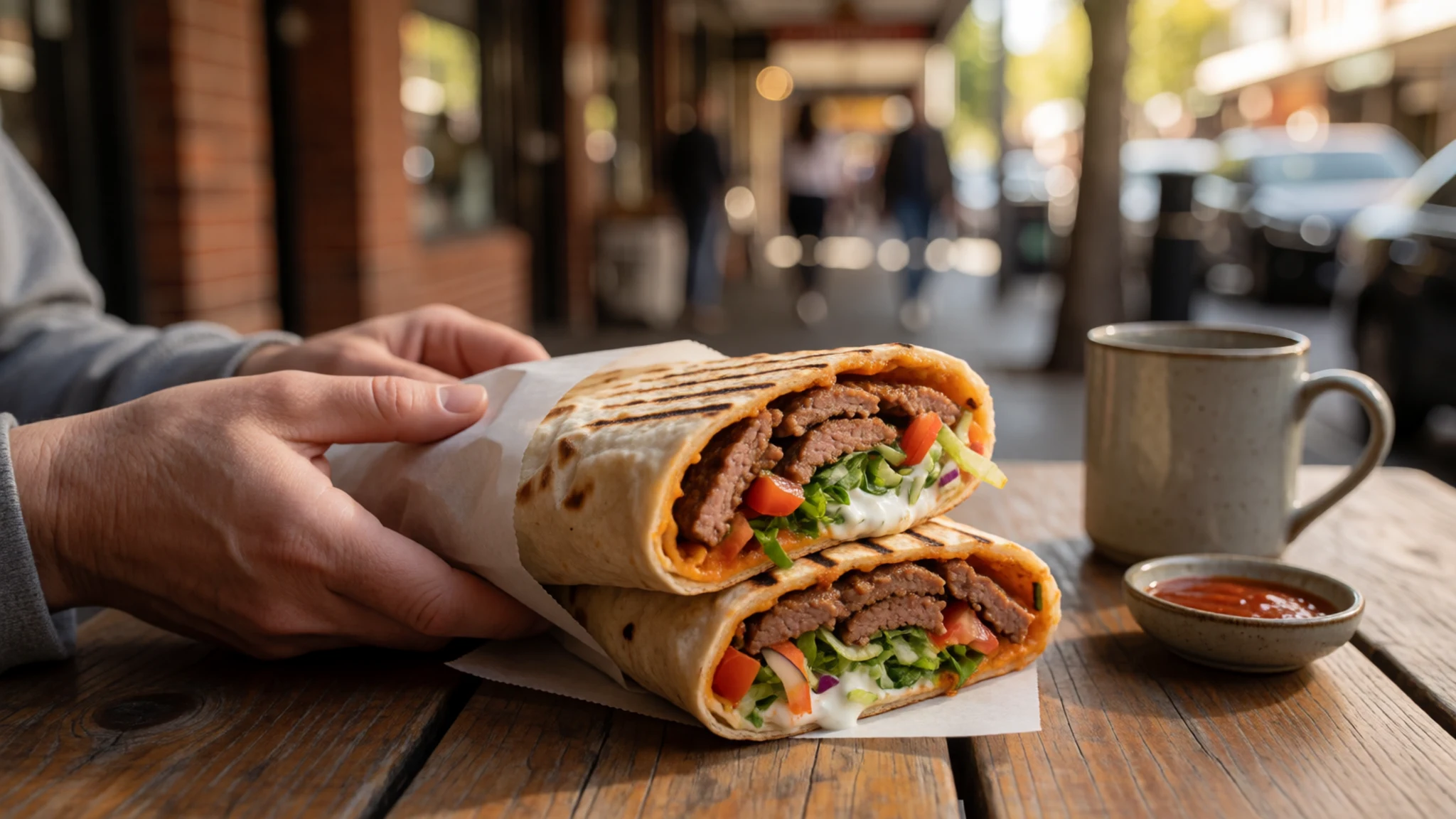
- Wood-fired gourmet pizza — Pizza bars on the seafront and at the beaches
Wood-fired pizza is a regional speciality, served alongside pasta and salads. Eat it on a sunny day with the bay in view, which suits the relaxed beachside pace of Nelson. Expect a casual crowd, and book ahead on busy evenings.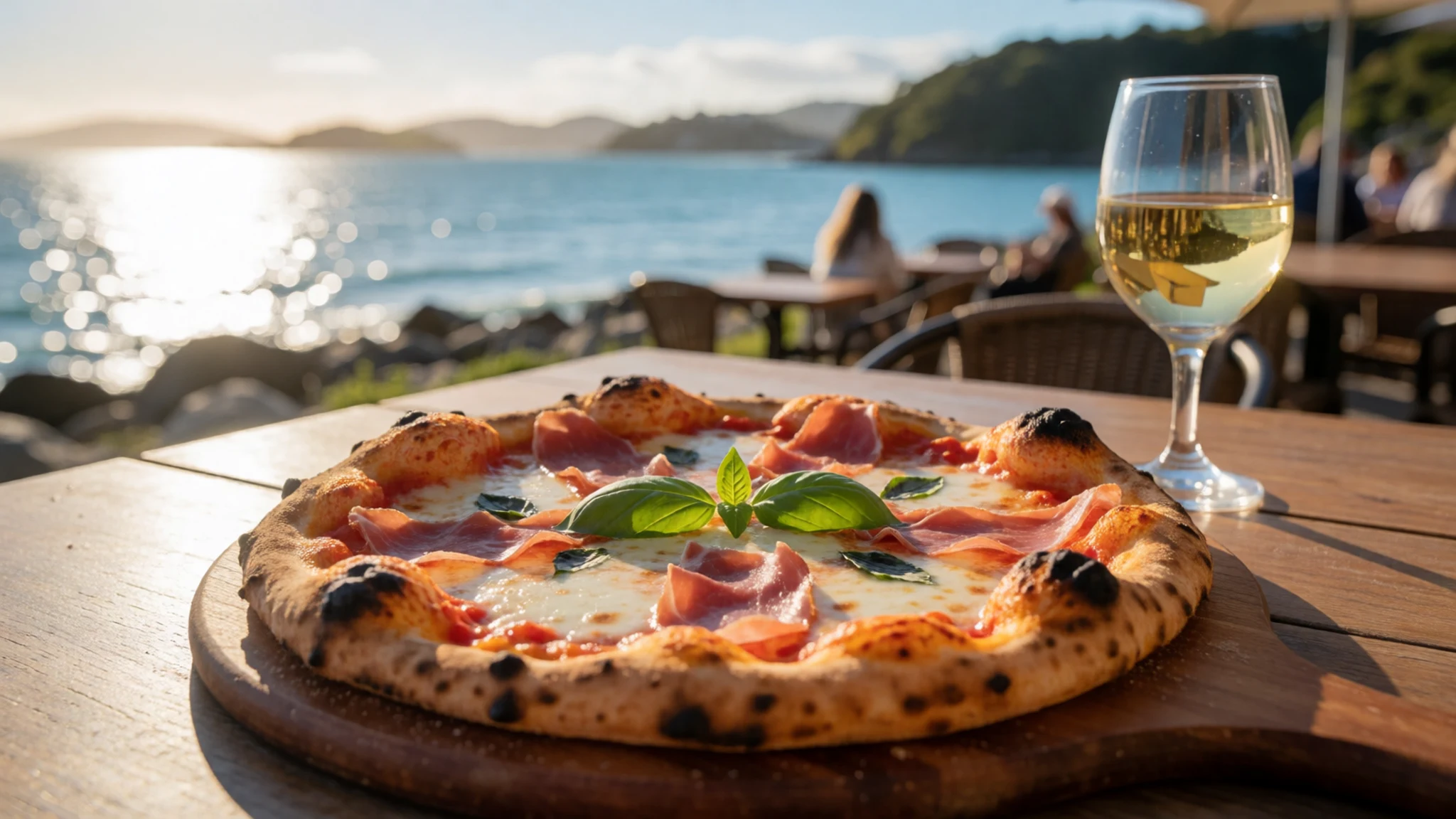
- Mussels — Beachside bars and pasta restaurants by the sea
Mussels appear on many menus in the city, usually cooked simply with garlic, wine or cream and served with bread. They are a good match for a glass of local beer. Order them at a seafront restaurant or a relaxed bar where the kitchen works with fresh shellfish. - Local craft beer — A town-centre pub or the Founders Brewery bar
Local craft beer is a big part of the city's drinking culture. Pubs in town pour brews from several small Nelson-region breweries, and one brewery has a bar where you can watch the brewing through a glass wall. Try a sampler and ask staff which beers are brewed locally.
Plan it
Best time. February to April and October to November suit most visitors, with milder weather and fewer crowds than the busiest holiday weeks. Tourism runs all year, so the shoulder months give the easiest bookings.
How long. 2–3
Getting there. Nelson Airport, with Air New Zealand flights from Auckland, Wellington and Christchurch, and the EBus Route 4 bus into central Nelson running half-hourly during the day. Overland, InterCity coaches reach Nelson from Picton, where the Cook Strait ferries from Wellington dock; the drive from Picton takes about two hours.
Budget. mid
Tips
- Check Nelson Arts Festival dates before you book, as the event draws crowds
- Hire a car if you want to reach Abel Tasman National Park, which is a short drive away
- Go to the Saturday market for work bought directly from makers, and carry some cash for small purchases
- Pack a waterproof and layers, since the weather on the coast can shift quickly
- Book accommodation ahead for holiday weekends and events
Etiquette
- Ask before photographing craftspeople at their benches or in studios
- Keep voices low in the cathedral, especially during Sunday services
- Use the Māori name Whakatū alongside Nelson when you talk about the city
Nearby
Sources
- Wikidata Q206687 (CC0)
- Wikipedia (rev 1380161073) (CC BY-SA 4.0)
- Wikivoyage (rev 5412436) (CC BY-SA 4.0)
- Photo 01 Nelson, New Zealand, as seen from the Centre of New Zealand (CC BY-SA 2.5)
- Photo 02 The Suter Art Gallery, Nelson (CC0 1.0)
- Photo 03 Tahunanui Beach, Nelson (CC BY-SA 2.0)
- Photo 04 Turm Christ Church Cathedral, Nelson (CC BY 3.0)
- Photo 05 Trafalgar Street, Nelson as seen from the Cathedral Steps (CC BY-SA 2.0)
- Photo 06 Nelson cathedral, Central Nelson (CC BY-SA 2.5)
- Photo 07 Nelson from Church Hill looking east, attributed to Charles Heaphy (Public domain)
- Photo 08 St. Paul's Lutheran Church, Upper Moutere (CC BY 3.0)


