Nazareth
Nazareth, Israel
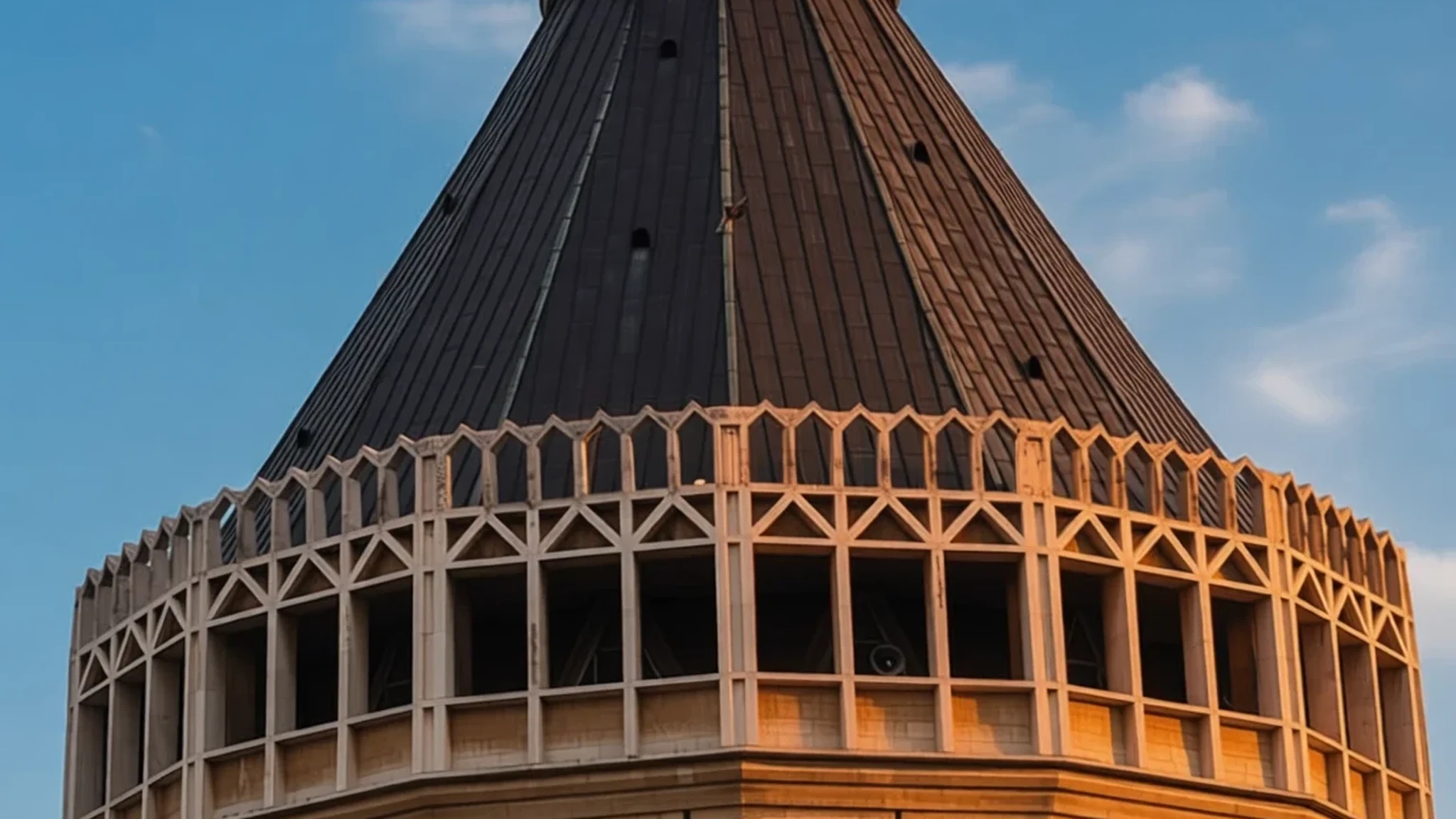
Nazareth is a working Arab city of about 83,000 people, and it is also the place Christians have come to for almost two thousand years to stand where the Annunciation is said to have happened.
The place
Nazareth sits in the hills of Lower Galilee in northern Israel, and it is the largest city in the Northern District. Most of its residents are Arab citizens of Israel, and many people here describe it as the Arab capital of the country. It runs its own shops, schools, clinics and markets, so a visit feels like a stop in a lived-in town rather than a museum set. Christian pilgrims come for the sites linked to Mary and Joseph, but the streets belong to everyday life: schoolchildren in uniform, men drinking coffee outside cafés, and vendors calling out prices in the lanes below the churches.
The city's religious weight comes from its link to Jesus, who is central to Christianity and is honoured as a prophet in Islam and the Baháʼí Faith. That mix shapes the place more than any single landmark. Church bells, the call to prayer and the sound of traffic on the main street often arrive in the same few minutes. Walking from the old centre to the basilica takes only a short while, but the hills are steep, so expect some climbing in the heat. Nazareth is a good base for exploring Galilee, and it works equally well as a day trip from Haifa or Tiberias for anyone who wants a slower, more local look at the region.
Its story
People have lived in the Nazareth area for a very long time. Archaeologists working nearby have found remains of earlier settlement, and in the Hellenistic, Roman and Byzantine periods the town was occupied continuously. In the Gospel of Luke, the village is the home of Mary and the place where the angel Gabriel is said to have told her she would bear a child. The Gospel of Matthew has Joseph and Mary settling here after a journey from Bethlehem to Egypt, and the New Testament describes Jesus growing up in the village. Those texts gave Nazareth its lasting status among Christians, and pilgrims were visiting by late antiquity.
The town's fortunes rose and fell with the powers that ruled the region. During the Crusades it became significant when Tancred made it the capital of the Principality of Galilee. Under Mamluk rule it declined, and after the Ottoman conquest its Christian residents were expelled before being allowed back. In the eighteenth century Daher al-Umar encouraged settlers to come, turning a small place into a substantial town. From the late nineteenth century European powers funded churches, monasteries, schools and clinics, and much of the Christian architecture you see today dates from that period.
The ground beneath the modern city holds older layers still. A funerary and cult centre at Kfar HaHoresh, a few kilometres away, shows that people in the region were gathering for ritual long before any of these stories were written down.
What to see
- Basilica of the Annunciation — Old town, on the main street
The largest church in the Middle East is the Basilica of the Annunciation, a Roman Catholic church built over a sunken grotto that is held to be the home of Mary. Its modern form is large and pale, and the lower level lets you look down at older remains and the cave itself. Visit early in the day, when queues for the grotto are shorter and the light is softer on the facade. Modest dress and quiet voices are expected inside.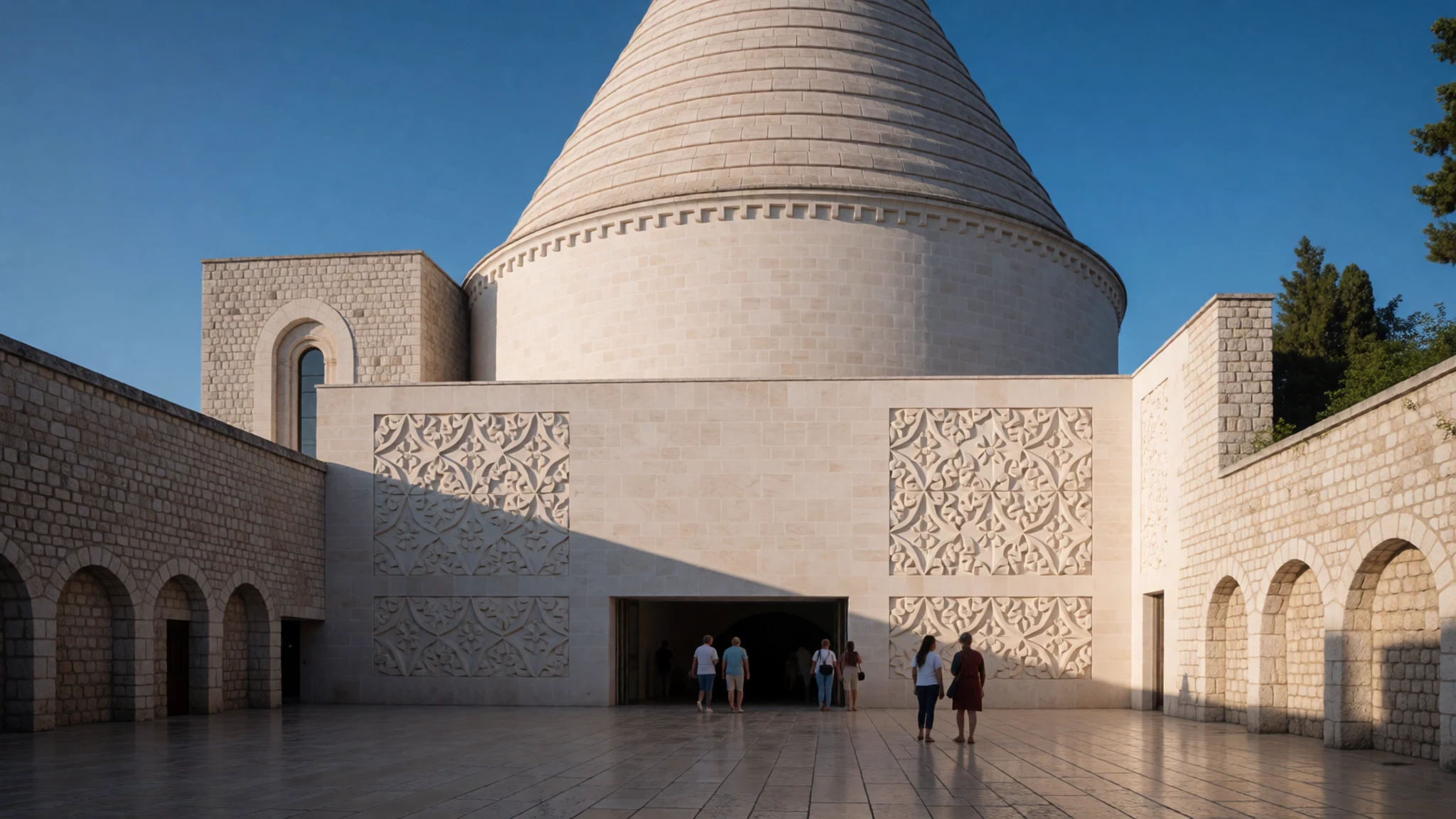
- Greek Orthodox Church of the Annunciation — Old town, near Mary's Well
This church stands over a spring that tradition links to the well where Mary drew water each day. Greek Orthodox believers place the moment of the Annunciation here rather than at the basilica, so the two churches make a useful comparison. The interior is dense with icons and lamps, and the atmosphere is more intimate than the big basilica. Worshippers may be kneeling or lighting candles, so keep your distance during services.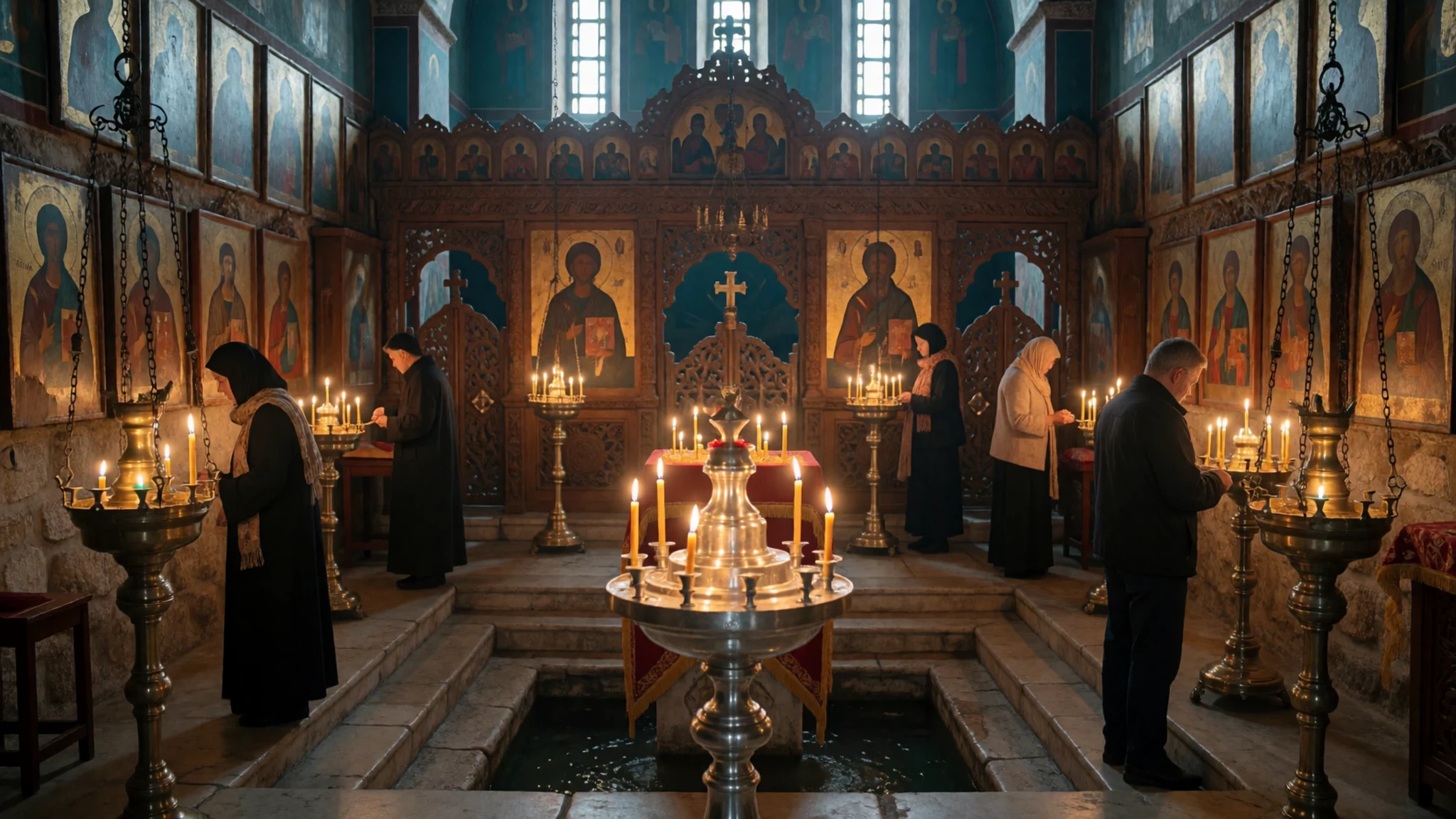
- St. Joseph's Church — Beside the Basilica of the Annunciation
Next to the basilica, St. Joseph's is built around a cavern that tradition identifies as Joseph's carpentry workshop, which is why it is also called the Church of the Nutrition. The place is small and easy to take in within half an hour. It is a good stop between the larger churches, and the basement is where most visitors linger.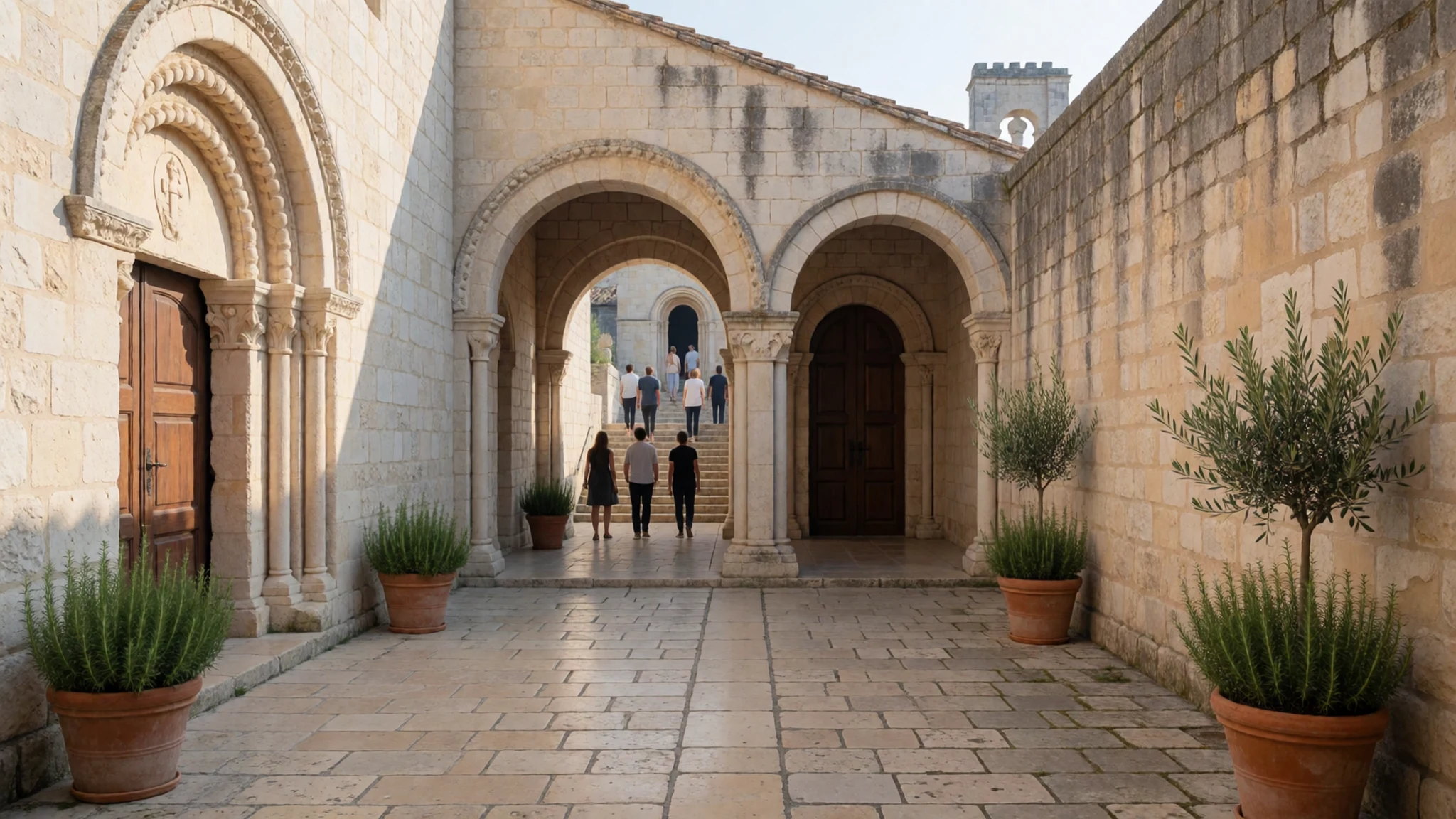
- Mary's Well — Old town square
The stone structure around Mary's Well, known in Arabic as el-Sabil, has been restored to its original form, and it remains the city's symbol. The fountain is still a gathering point, with people filling bottles and sitting in the shade of the arches. Come mid-morning or late afternoon when the square is less crowded, and expect locals to be using it as much as tourists.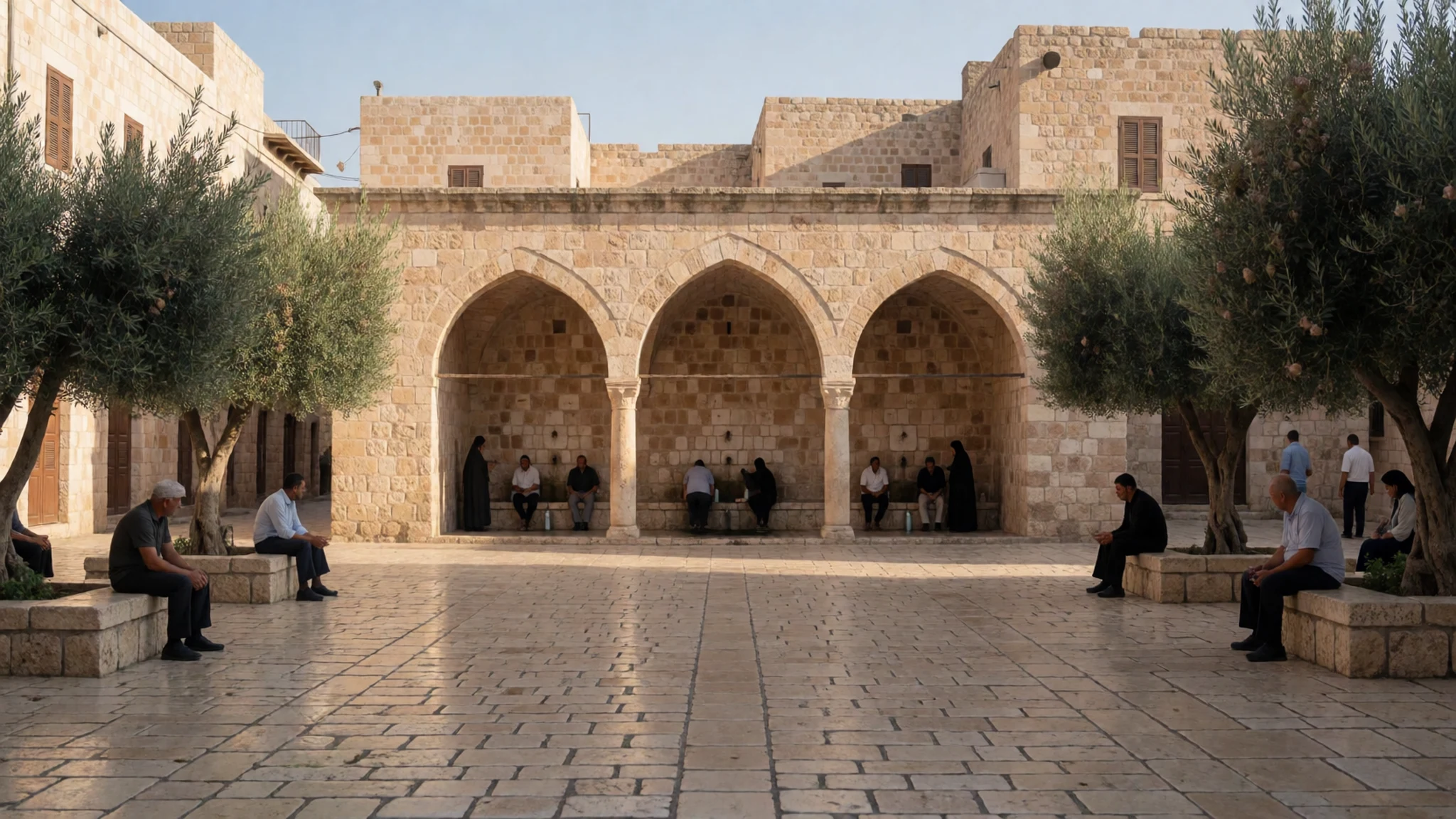
- The White Mosque (El Mas-jad El Abiad) — Old town, a short walk from the basilica
The White Mosque is the oldest mosque in the city and a useful counterpoint to the churches around it. Its white walls and quiet courtyard make a calm place to see how Nazareth's Muslim community worships. Remove your shoes at the entrance, dress modestly, and check whether you may enter at the time of your visit, since prayer times bring crowds.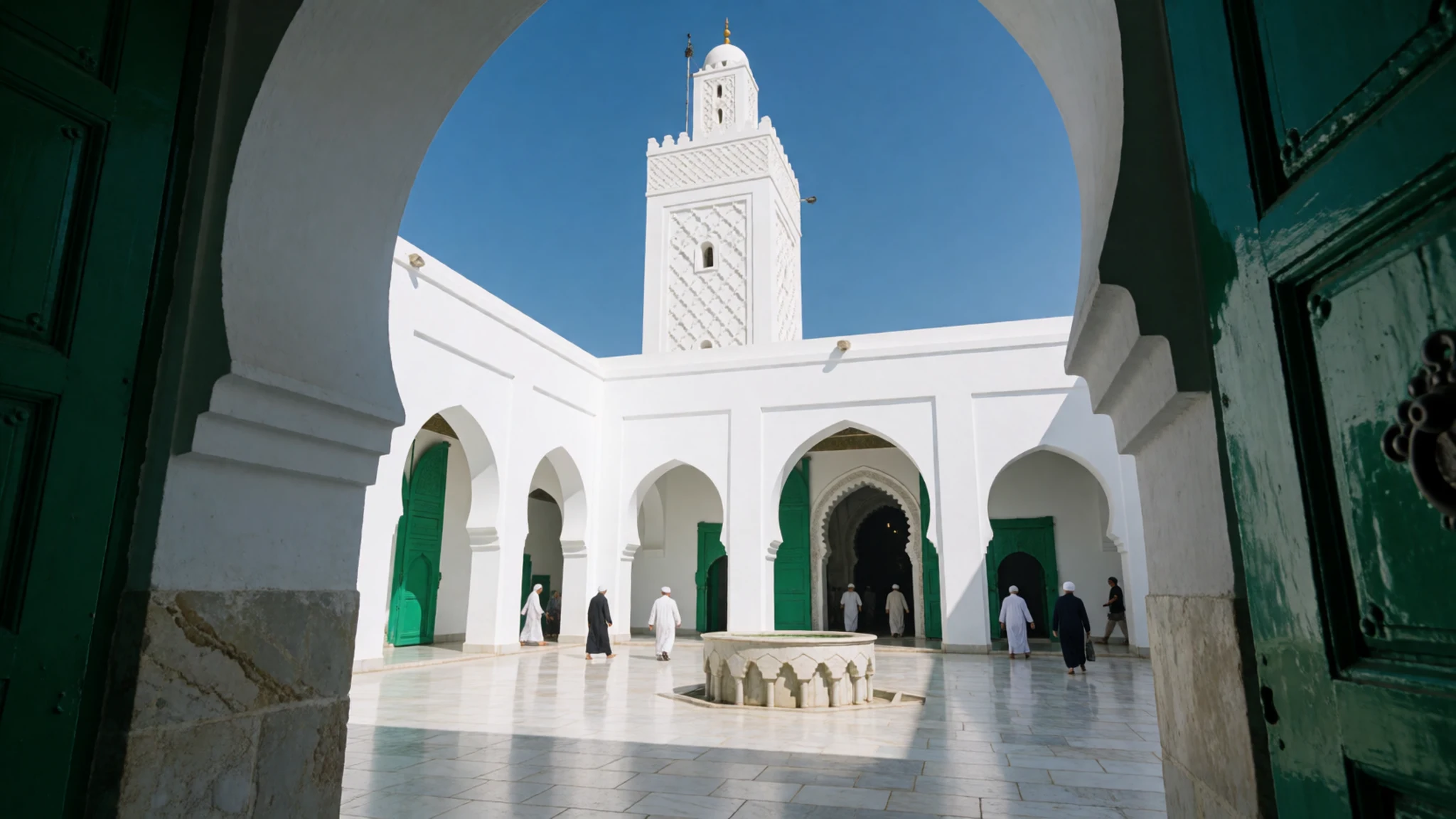
Culture
Nazareth is a city where Christian and Muslim traditions sit side by side, and most of its residents are Arab citizens of Israel. Churches, mosques and family life all carry weight here, so it helps to approach the city as a guest. Christian sites are busy with worshippers as well as visitors, and Muslim sites are active places of prayer, especially on Fridays. Greek Orthodox and Catholic services often include processions, incense and long hymns, and visitors are welcome to stand quietly at the back.
Hospitality is central to local life. Shopkeepers and café owners are often keen to talk, and an invitation to coffee or a sweet is a sign of friendliness rather than a sales tactic. Accept it if you have the time. Conversations about politics can be sensitive, so follow the lead of your host. Photography is generally fine in the streets, but ask before photographing people up close, particularly women and children, and avoid pointing a camera into a prayer hall or a service.
In Nazareth, the simplest courtesy goes a long way. Keep your voice low inside churches and mosques, and do not touch the icons, paintings or candles. Cover your shoulders and knees before you go through any church or mosque door.
What to wear
Traditional dress in Nazareth and the wider Galilee has long been tied to Palestinian village life. Women's embroidered dresses, known as thobe, were worked in cotton and wool with cross-stitch patterns in red, black and blue, and each village had its own motifs. Those dresses are now mostly worn at weddings, festivals and family celebrations, and you may see older women in them at church feasts. Embroidery and the handwoven textiles that once went with it are kept alive by a small number of artisans and by local cultural groups.
Today people in Nazareth dress much as they would in any modern city. Young people wear jeans, trainers and fitted tops, while many older women wear modest, long-sleeved clothing and headscarves, and some men wear traditional white head coverings on religious occasions. Church and mosque congregations tend to dress carefully, so the effect in the old town is smart and conservative rather than casual.
For your own clothes, think in three layers. Summer days in Galilee are hot and dry, so pack light cotton or linen in loose cuts. Carry a scarf or light shawl that covers shoulders and can cover your head, because you will need it for church and mosque visits. Wear shoes with good grip, since the streets are steep and the stone can be slippery, and pick closed toes if you will be visiting Christian sites.
What to eat
- Katayef — Pastry shops in the old town, near the main street
Katayef is the dish most people in Nazareth will tell you is their own. It is a thin, folded pancake, cooked on one side only, and filled with nuts, sweetened and scented, or with goat cheese for a savoury version. It is usually served with a sugar syrup poured over the top. Look for it at sweet shops and bakeries in the old town around the main street.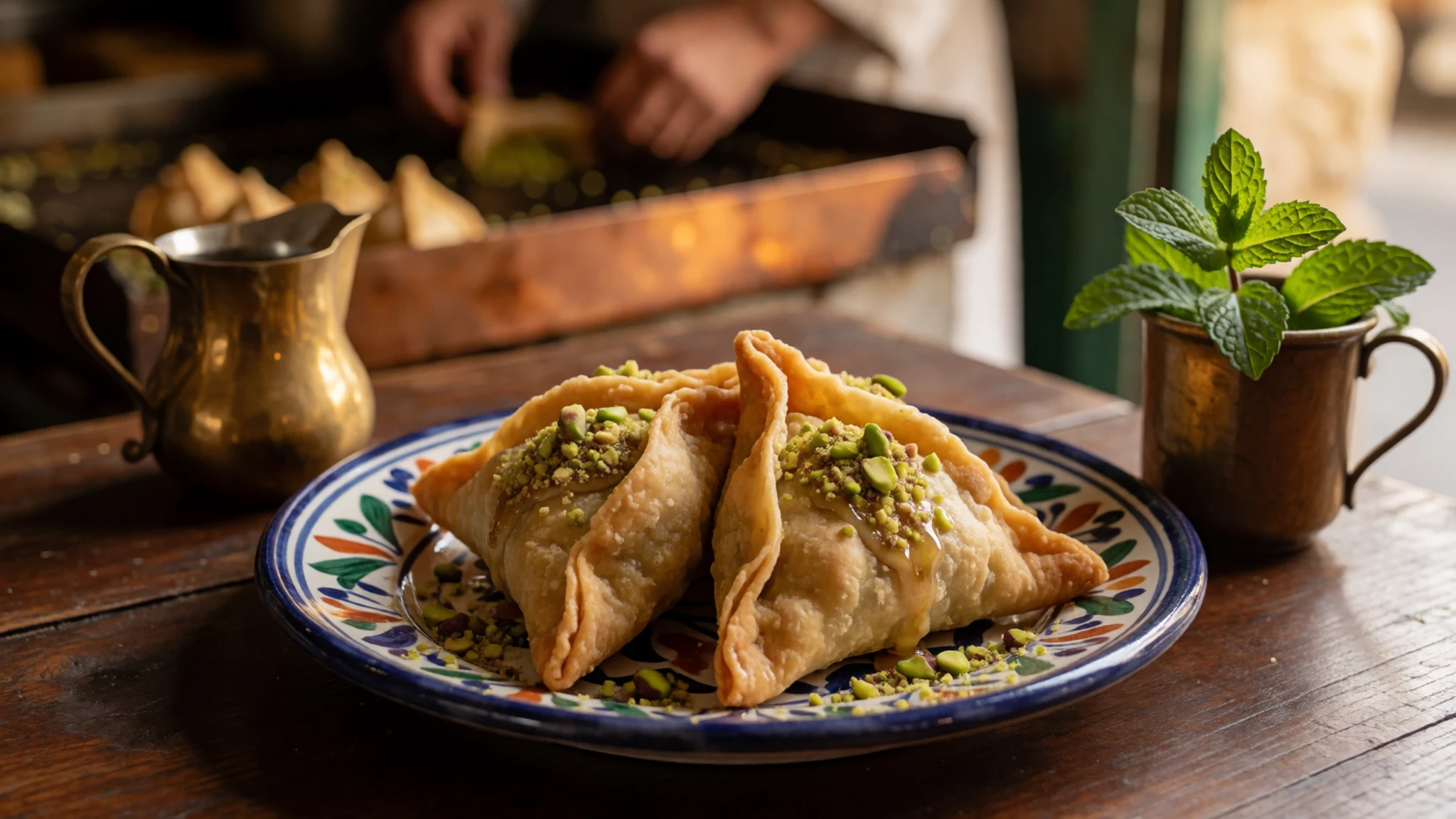
- Falafel — Small takeaway shops in the old town
Falafel is cheap, filling and made fresh in many small shops. The best place to try it is one of the long-established stalls in the old town, where the batter is fried to order and served in pita with salad and tahini. A half pita is enough for a light lunch. Expect a short queue at lunchtime.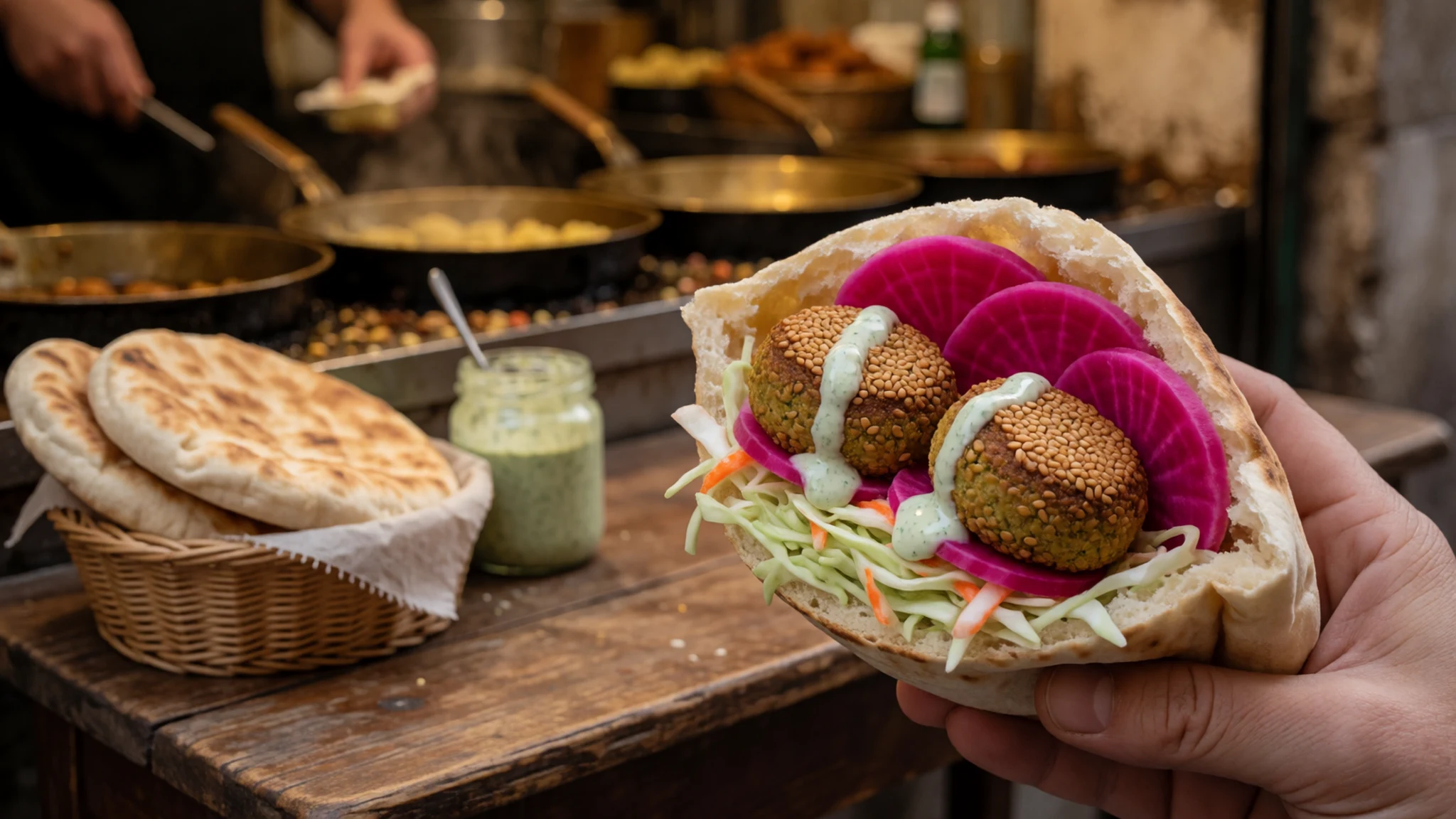
- Kenafeh — Sweet shops and bakeries in the centre
Kenafeh is a sweet cheese pastry soaked in syrup and topped with pistachio or crushed nuts, and it is served warm. Locals will tell you the version in Nablus is better, and they are honest about it. Nazareth's kenafeh is still worth a try, especially as an afternoon treat with mint tea. - Mezze — Family restaurants on the main street and in the old town
The city's restaurants serve the full range of Arab cuisine, and a shared spread of mezze is the easiest way to sample it. Expect hummus, labneh, grilled meats, salads and bread, served slowly over a long meal. Eating out here is a social event, so allow time and do not rush the order. - Taybeh beer on a bar patio — A bar and restaurant behind Mary's Well
Taybeh is a Palestinian beer that locals drink at the outdoor patio of a bar and restaurant right behind Mary's Well. Evenings there can include live music on some nights, and the menu leans to international fusion dishes alongside the beer. It is a relaxed place to end the day after the churches close.
Plan it
Best time. Spring and autumn suit a visit best. Plan for warm, dry summer days and mild evenings in those seasons, and keep water with you whenever you walk the hills.
How long. 1–2
Getting there. Bus 331 from Haifa is the simplest route. It runs along the main street and stops close to the Basilica of the Annunciation, and it runs on Saturdays too, which many Israeli cities do not. From Jerusalem, bus 955 runs a few times a day to the centre. Buses from Tel Aviv, Tiberias and Acre stop at a large traffic circle about 800 metres from the basilica.
Budget. low
Tips
- Check bus times before you leave Haifa, since the 331 runs about every 15 minutes but the Jerusalem service is much less frequent
- Visit the basilica and the Greek Orthodox church before 10 am to avoid the tour groups
- Carry some cash for small shops, cafés and taxis, and check whether a card is accepted before you order
- Bring a refillable bottle and a hat, since the old town is hot and there is a lot of walking uphill
- Plan your visit around Friday prayers and Christian feast days, when some sites and shops change their hours
Etiquette
- Cover your shoulders and knees for every church and mosque, and carry a scarf for head coverings
- Ask before photographing people, especially women and children
- Remove your shoes at the entrance to the White Mosque and follow any signs inside
Nearby
Sources
- Wikidata Q430776 (CC0)
- Wikipedia: Nazareth (rev 1382939054) (CC BY-SA 4.0)
- Wikivoyage: Nazareth (rev 5412372) (CC BY-SA 4.0)
- Habsora from Selezian (photo 01) (Public domain)
- Nazareth panorama, Dafna Tal (photo 02) (CC BY-SA 2.0)
- Meister der Kahriye-Cami-Kirche in Istanbul 001 (photo 03) (Public domain)
- PikiWiki Israel 79972 Nazareth (photo 04) (CC BY 2.5)
- Nabi Saeen Mosque, Nazareth (photo 05) (CC0 1.0)
- Titus Tobler's 1868 map of Nazareth (photo 06) (Public domain)
- Nazareth, by Jansson (photo 07) (Public domain)
- Well of St. Mary, Nazareth, by Felix Bonfils (photo 08) (Public domain)


