Nassau
Nassau, The Bahamas
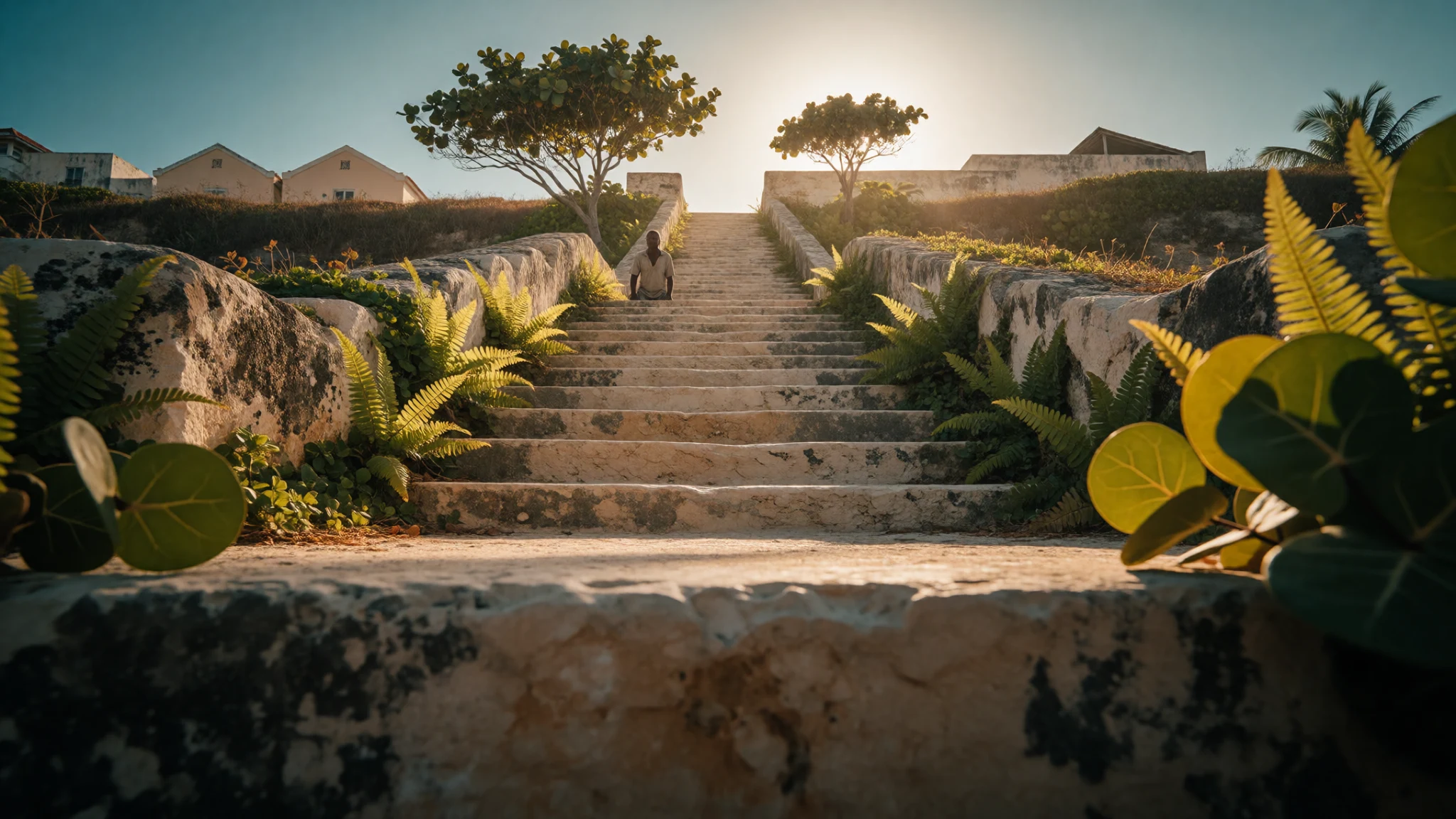
Nassau pairs a historic pirate-era harbour town with warm shallow sea, so a few days can cover forts, food, music and beaches.
The place
Nassau is the capital of The Bahamas and its commercial and political centre, laid along the northern shore of New Providence, a low island where the city centre sits only 34 metres above sea level. Most Bahamians live on this one island, which is why Nassau dwarfs every other town in the country: government, courts, the main university campus, newspapers and broadcasters are all based here. The harbour is the heart of it. Cruise ships tie up beside the shops of Bay Street, and just across the water lies Paradise Island, joined to the mainland by bridge and dominated by its large resort complex. Behind the waterfront the town climbs gently to a ridge with old forts, then spreads into suburbs that mostly grew after the Second World War. The mood changes block by block. The streets nearest the cruise berths are polished and busy with souvenir shops; a few minutes inland, Old Town mixes pastel colonial houses with shuttered, crumbling ones, and everyday local life takes over. Lynden Pindling International Airport lies west of the centre, a short drive away, with direct flights from Canada, the Caribbean, the United Kingdom and the United States. Heat is the main thing to plan around: summers are humid, and the middle of the day is for shade or the sea. Cable Beach, west of the centre, offers a proper stretch of sand without leaving the island. Nassau works best as a base for a few days of history, food and swimming rather than a place to rush through between ship and shore.
Its story
Nassau's story begins with an English settlement on New Providence called Charles Town, named for the reigning king, Charles II. It was a rough outpost, useful mainly as a base for privateers raiding Spanish shipping, and the Spanish answered by burning it down. The settlement was laid out again and in 1695 took the name Nassau, honouring William III, the Dutch prince who had become king of England, Scotland and Ireland. His title came from the House of Orange-Nassau, whose name goes back to a town in Germany. The new name did not bring stability. During the wars over the Spanish throne, Spanish and French forces raided and briefly held the town, and for many years afterwards no properly appointed governor ruled it. That gap in authority is why Nassau became famous as a pirate haven, a reputation the city still trades on in its museums and souvenir shops. The next big change came in the late eighteenth century, when Loyalists fleeing the American War of Independence arrived with the people they held in slavery. In time these newcomers outnumbered the earlier inhabitants and reshaped the town's society, buildings and economy. The painful legacy of that period is as much a part of Bahamian history as the pirate tales. Beyond the old centre, the sprawl of suburbs is recent, mostly a product of the decades after the Second World War.
What to see
- Old Town on foot — Old Town, behind Bay Street
A slow walk through the lanes behind the cruise-ship district shows Nassau at its most honest: bright Caribbean houses beside abandoned ones, small churches, and neighbours chatting on steps. It only takes a few minutes to leave the scrubbed tourist core. Go in the morning, before the heat builds.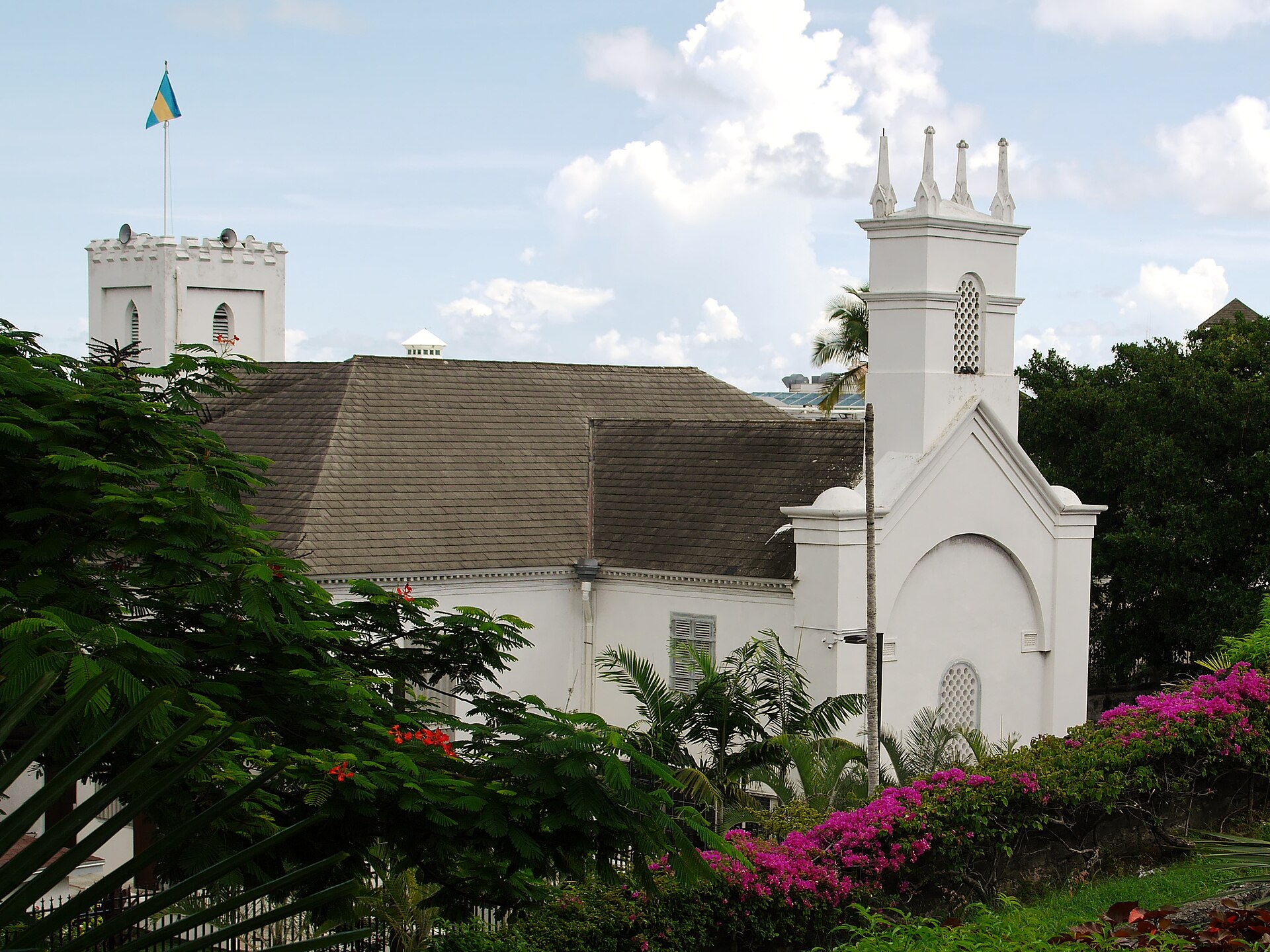
- Fort Fincastle and the Queen's Staircase — The ridge south of downtown
Fort Fincastle is a small late-eighteenth-century fort on a hill above the town, with cannons on display and wide views over rooftops and harbour. Close by, the Queen's Staircase is a stone stair named for Queen Victoria. Both fit into one short, shaded-and-sunny walk. - Pirates of Nassau Museum — Near the harbour, downtown
This museum recreates a pirate town, a ship and a battle, with a handful of real artefacts among the models. It is unashamedly theatrical, but it gives children and adults an easy way into the town's privateering past. A guided tour, if one is running, adds useful context. - National Art Gallery of the Bahamas — Central Nassau, near the government buildings
The gallery shows Bahamian art from before colonial times to the present day. Quality varies from room to room, but the renovated building, once home to the Chief Justice, is worth a visit in its own right, and it is a calm, air-conditioned break from the street heat. - Ardastra Gardens, Zoo and Conservation Center — West of downtown
The country's only zoo is best known for its marching flamingo show. Visitors can also feed parakeets that land on outstretched hands. It suits families well, and it is a gentler half-day than the forts if the weather is very hot. - Cable Beach — West of the city centre
Cable Beach is the easy answer when the town feels crowded: a long curve of pale sand with calm, shallow water and resorts along its edge. Weekday mornings are quieter. Shade is limited, so bring a hat, and expect beach vendors to approach.
Culture
Nassau's culture blends African, British and wider Caribbean threads, and its loudest expression is Junkanoo, the city's chief festival. Dancers in elaborate costumes move through the streets in the small hours of Boxing Day and New Year's Day to cowbells, drums and whistles, finishing in the morning when judges award prizes for music, costume and overall presentation. Groups spend the whole year making their costumes by hand from coloured crepe paper and cardboard, and the workshops where this happens are as much a part of the tradition as the parade. The name is usually linked to a figure called John Canoe. Nassau also belongs to the UNESCO Creative Cities Network for crafts and folk art, which shows in the straw work, woodcarving and painting sold around town and in the national gallery. Church matters here: Sunday mornings are quiet, with many people dressed smartly for services, and Bahamian manners are courteous and a little formal. Greetings count for more than speed in everyday dealings. Humour is dry, music is everywhere, and pride in the country's independence runs strong. Visitors who step off the cruise-ship strip tend to find a city that is relaxed but firmly attached to its own ways. Greet people with a 'good morning' or 'good afternoon' before asking for anything, and ask before photographing anyone, especially costumed Junkanoo performers and market stallholders.
What to wear
Nassau's most distinctive traditional dress is the Junkanoo costume, worn only at the festival parades. It is built from cardboard frameworks covered in coloured crepe paper, with feathers, fringes and tall headpieces, and it is made by hand over many months. Everyday heritage shows more quietly in plaited straw hats, bags and baskets, a craft sold in the town's markets, and in brightly printed cotton. Day to day, people in Nassau dress for heat and humidity: light cotton and linen shirts, sundresses, shorts and sandals. Office workers wear lightweight, neat clothes, often with a jacket for air-conditioned rooms, and Sunday brings smart outfits and hats for church. Visitors should pack breathable fabrics, a wide-brimmed hat, sunglasses and plenty of sun protection. Swimwear belongs on the beach and by the pool; away from the sand, put on a shirt or cover-up, as bare torsos and bikinis in shops, restaurants and the street are frowned on. Cover shoulders and knees when stepping into a church. Comfortable flat sandals suit the beach, but closed shoes with grip are better for the stone steps and uneven ground at the forts and around Old Town. A light rain jacket is worth carrying in the wetter months, when showers can pass quickly.
What to eat
- Conch salad — Stalls on the dock at Potter's Cay, under the bridge to Paradise Island
Raw conch is chopped to order with onion, peppers, tomato and a squeeze of citrus. It is bright, crunchy and sharp, and it is made in front of you. It is the most local snack on the island and best eaten straight away. - Cracked conch — The fish-fry eateries along Arawak Cay
Conch meat is pounded thin, battered and fried until crisp, usually served with fries, peas and rice or coleslaw. Arawak Cay's row of small eateries is where many Nassau residents go for it, particularly at weekends. - Fried or steamed fish with peas 'n' rice — Small local eateries and holes-in-the-wall in downtown Nassau
A whole snapper or grouper, fried crisp or steamed with peppers and onion, comes with a mound of rice cooked with pigeon peas. Portions are generous and prices modest compared with the tourist waterfront. - Johnnycake — Bakeries and home-style eateries across the island
This dense, slightly sweet bread is a Bahamian staple, served at breakfast or alongside fish and stews. It is baked or pan-fried, and it is good for mopping up broth. Ask for it fresh and still warm. - Guava duff — Home-style restaurants and bakeries, usually as the dessert
A rolled, boiled or steamed pudding filled with guava, usually served warm with a sweet, buttery rum or custard sauce. It is a Bahamian dessert, rich and filling, and it is worth sharing after a heavy fish meal.
Plan it
Best time. December to April is the most comfortable stretch, with drier, less humid weather and warm sea. Summers are hot and humid, and the Atlantic hurricane season runs through the late summer and autumn, so check forecasts before booking.
How long. 2–4
Getting there. Fly to Lynden Pindling International Airport, west of the centre, which has direct services from Canada, the Caribbean, the United Kingdom and the United States. Taxis run to central Nassau at posted fares, and the 12B bus can be flagged down on the main road outside the airport. Cruise ships dock right in the downtown harbour.
Budget. high
Tips
- Do the forts, Old Town and the Queen's Staircase early in the morning, before the sun is high and the cruise crowds arrive
- Check opening times and tour schedules on the official tourism site, http://www.nassauparadiseisland.com/, before heading out
- Eat at the local fish-fry spots and small downtown eateries rather than the cruise-dock restaurants for better value
- Carry some cash for markets and small stalls, and keep water with you in the heat
- Take a taxi or go in a group after dark rather than walking alone in quieter areas
Etiquette
- Greet people before asking for anything
- Cover up when away from the beach, and in churches
- Ask before photographing people, especially at markets and Junkanoo events
Nearby
Sources
- Wikidata Q2467 (CC0)
- Wikipedia: Nassau, Bahamas (rev 1380021837) (CC BY-SA 4.0)
- Wikivoyage: Nassau (rev 5412318) (CC BY-SA 4.0)
- Photo: South living area of Paradise Island, Bahamas (Der-wuppertaler) (CC BY 3.0)
- Photo: Aerial view of downtown Nassau (Quintin Soloviev) (CC BY 4.0)
- Photo: Nassau Terminal Royal Place (Bohao Zhao) (CC BY 3.0)
- Photo: Fort Charlotte, Nassau (BrokenSphere) (CC BY 3.0)
- Photo: Parliament Park Nassau (Ivan Curra) (CC BY 3.0)
- Photo: Downtown Nassau (qwesy qwesy) (CC BY 3.0)
- Photo: The Coat of Arms of Nassau (Government of The Bahamas) (CC BY-SA 4.0)
- Photo: Wesleyan Chapel and Mission Premises (The Wesleyan Juvenile Offering, 1849) (Public domain)


