Nashville, Tennessee
Nashville, Tennessee, United States
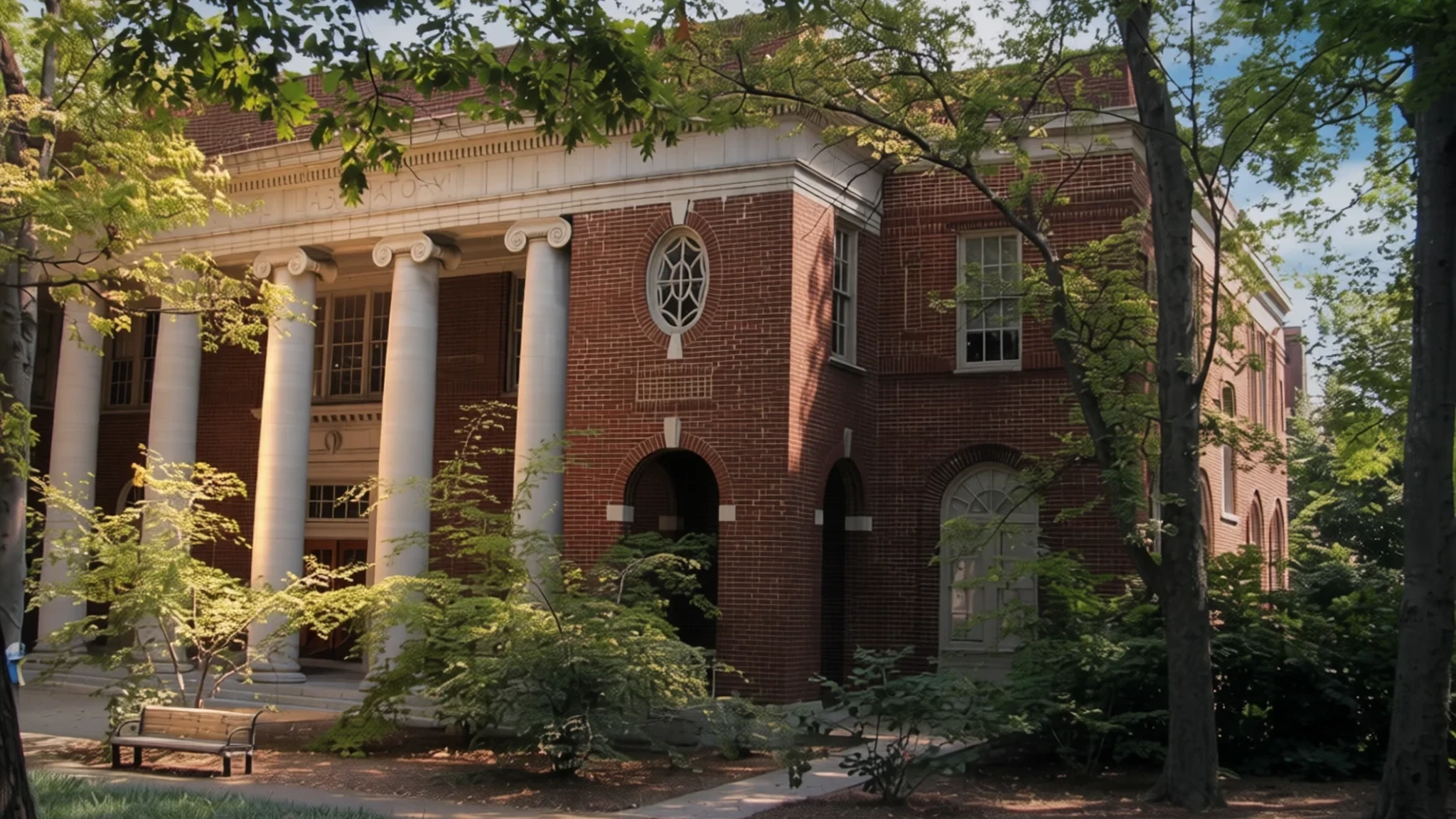
Nashville is Tennessee's capital, with a country music heart, a full-scale Greek temple in a park and a downtown compact enough to walk.
The place
Nashville is the state capital of Tennessee and its largest city, sitting on the Cumberland River in the middle of the state. The city proper has a population of 689,447, which makes it feel substantial without being overwhelming. Its downtown is compact: glass towers, the riverfront and a run of bars and eateries along Broadway and Second Avenue, all within walking distance of one another. Since 1963 the city and Davidson County have been run as a single government, so the urban core and its surrounding areas share one identity.
Music is the obvious draw. The Country Music Hall of Fame and Museum changes its exhibits regularly and hosts live performances, and the Grand Ole Opry keeps its long tradition going a short way from the centre. But Nashville is also a university town, with Vanderbilt and several other colleges shaping its literary and intellectual life. Food has become a serious attraction too, from long-established Southern kitchens to a good range of Mexican and Indian eateries.
Practically, the city is easy to reach by car and works well on foot downtown. Summers are hot and humid, and the riverside can feel airless in July. Give one morning to the Parthenon and a walk along the river, and an evening to live music. Keep your wits about you after dark away from the main entertainment strip, and do not leave valuables in a parked car.
Its story
Long before the city had a name, the bend of the Cumberland River was a place of trade. French-Canadian traders set up a post here in the late seventeenth century, and a later group of French settlers built a trading settlement on the spot where downtown now stands, known as French Lick. Their fur trade reached deep into the networks of the local Native American peoples, but by the middle of the eighteenth century the settlement had largely been abandoned.
The modern city began in 1779, when a party organised by Judge Richard Henderson arrived and built a fort on the riverbank. The fort was named Fort Nashborough, and the town took its name from Francis Nash, a general in the American Revolutionary War. North Carolina granted the settlement its charter a few years later, when the territory was still part of that state. Its position on the river made it a port, and later the arrival of railways turned it into a major rail hub.
The Civil War brought a sharp turn. Tennessee seceded, and Nashville became the first Confederate state capital to be captured by Union forces. It stayed under occupation until the war ended. Afterwards the city recovered slowly, rebuilding its trade and developing a manufacturing base. The consolidation of city and county government in 1963 later reshaped how the place was run, and much of the Nashville you see today grew from that period of change.
Much of this history is easy to read on the ground. Fort Nashborough is a reconstruction of the original settlement, and Fort Negley preserves part of a Civil War battle fort. Walking between them gives a quick sense of how the city moved from river outpost to state capital.
What to see
- AT&T Building — Downtown, on Commerce Street
The AT&T Building on Commerce Street is the tallest building in Tennessee and the skyline view most visitors remember. Its distinctive top makes a useful point for getting your bearings downtown. Walk along Commerce Street after dark, when the lit windows change the mood of the blocks around it, and you will see why it is so often photographed. It reads best from a little distance, from the river side.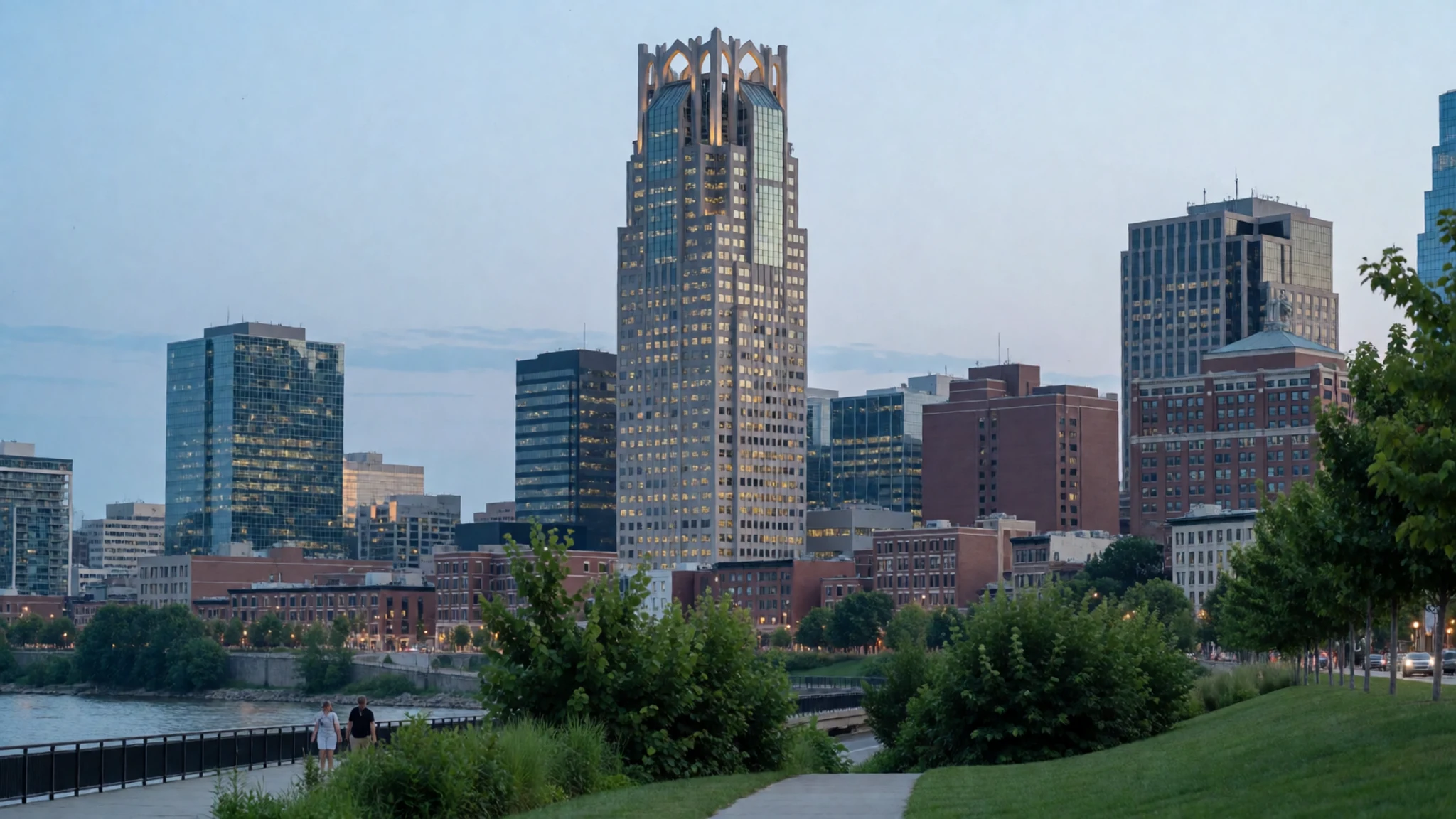
- Second Avenue — Downtown, between Broadway and the river
Second Avenue is the busiest stretch of the downtown entertainment district, with bars and dining spots such as the Old Spaghetti Factory and the Melting Pot clustered along a short, walkable block. The Wildhorse Saloon is one of the names people know here. It is loud and crowded in the evening, especially at weekends. Go early for dinner if you want a quieter table, and stay alert on the avenues south of Broadway after dark.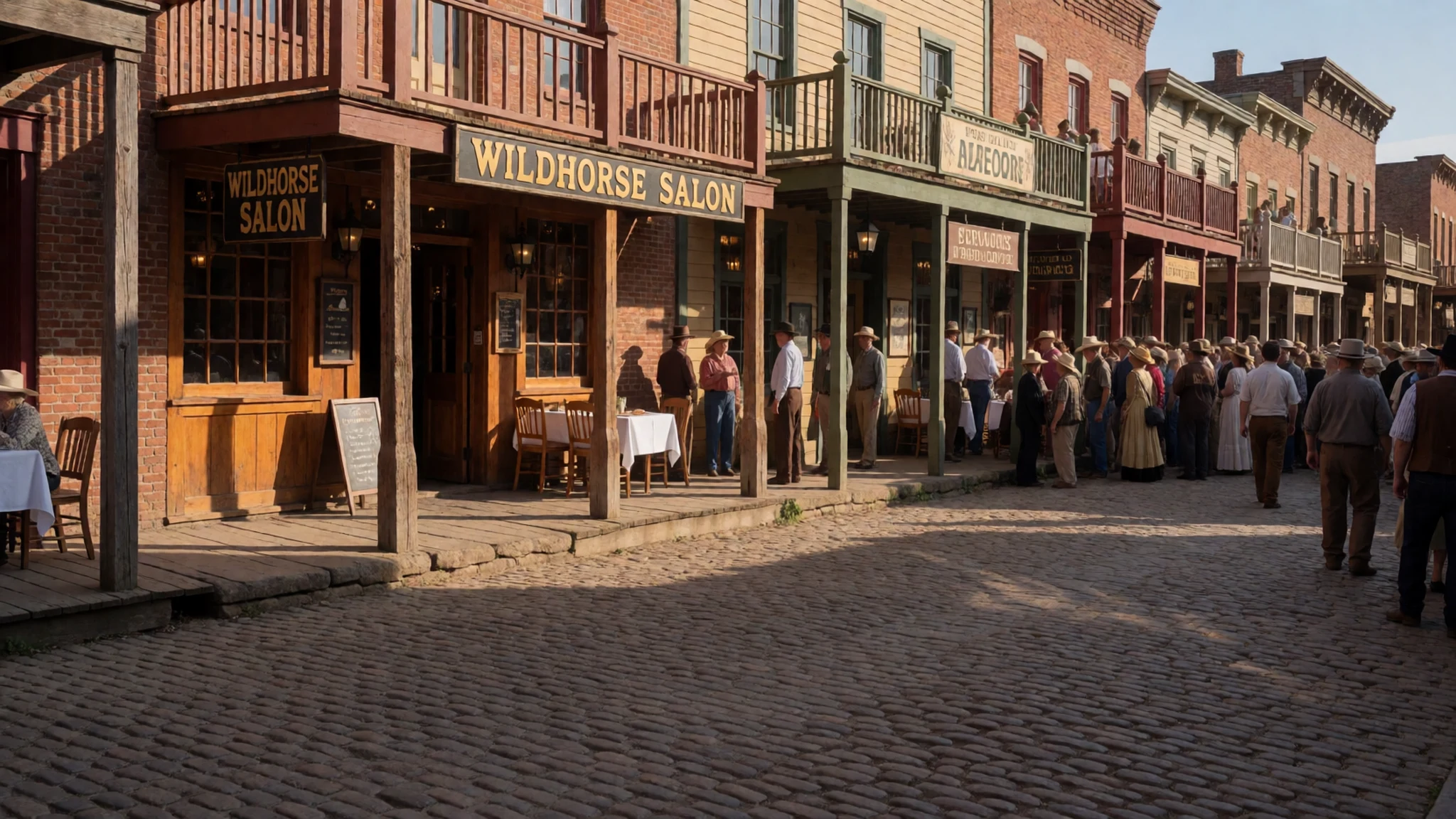
- Country Music Hall of Fame and Museum — Downtown
The Country Music Hall of Fame and Museum is the city's central music attraction, and its exhibits change regularly, so a return visit can feel new. Live performances are part of the programme, which makes it more than a static collection. Give yourself a couple of hours and read the displays rather than rushing through. Check the official site for current exhibits and performance times before you plan your day.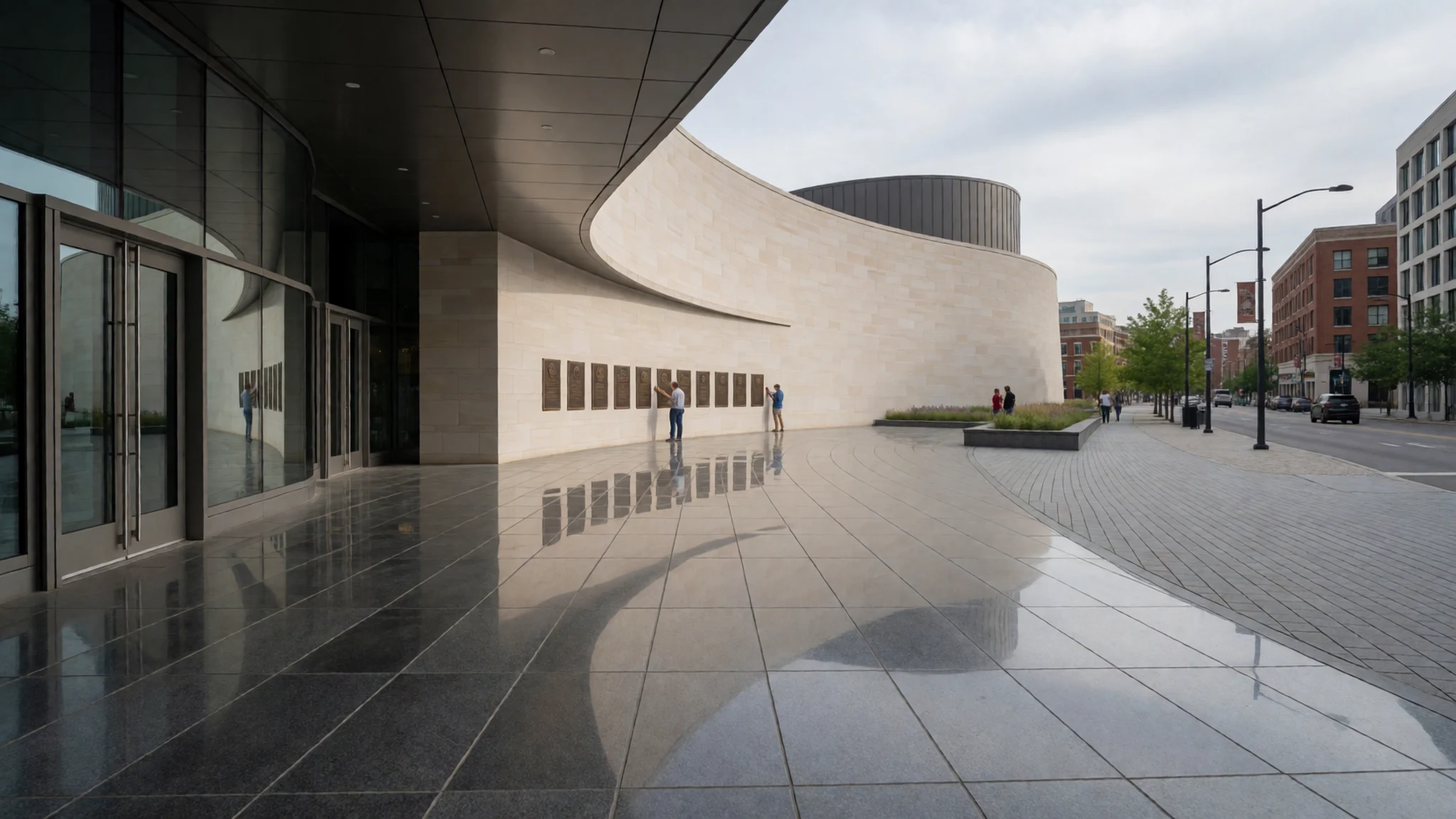
- John Seigenthaler Pedestrian Bridge — Over the Cumberland, linking downtown and East Nashville
This bridge was built to carry cars between East Nashville and downtown, and it has since been converted for walkers and cyclists. It offers a good view of the riverfront and the city skyline, particularly in the late afternoon. Cross slowly, since the walkway is shared and busy with people stopping to take photographs. It is a pleasant way to see how the river shapes the city.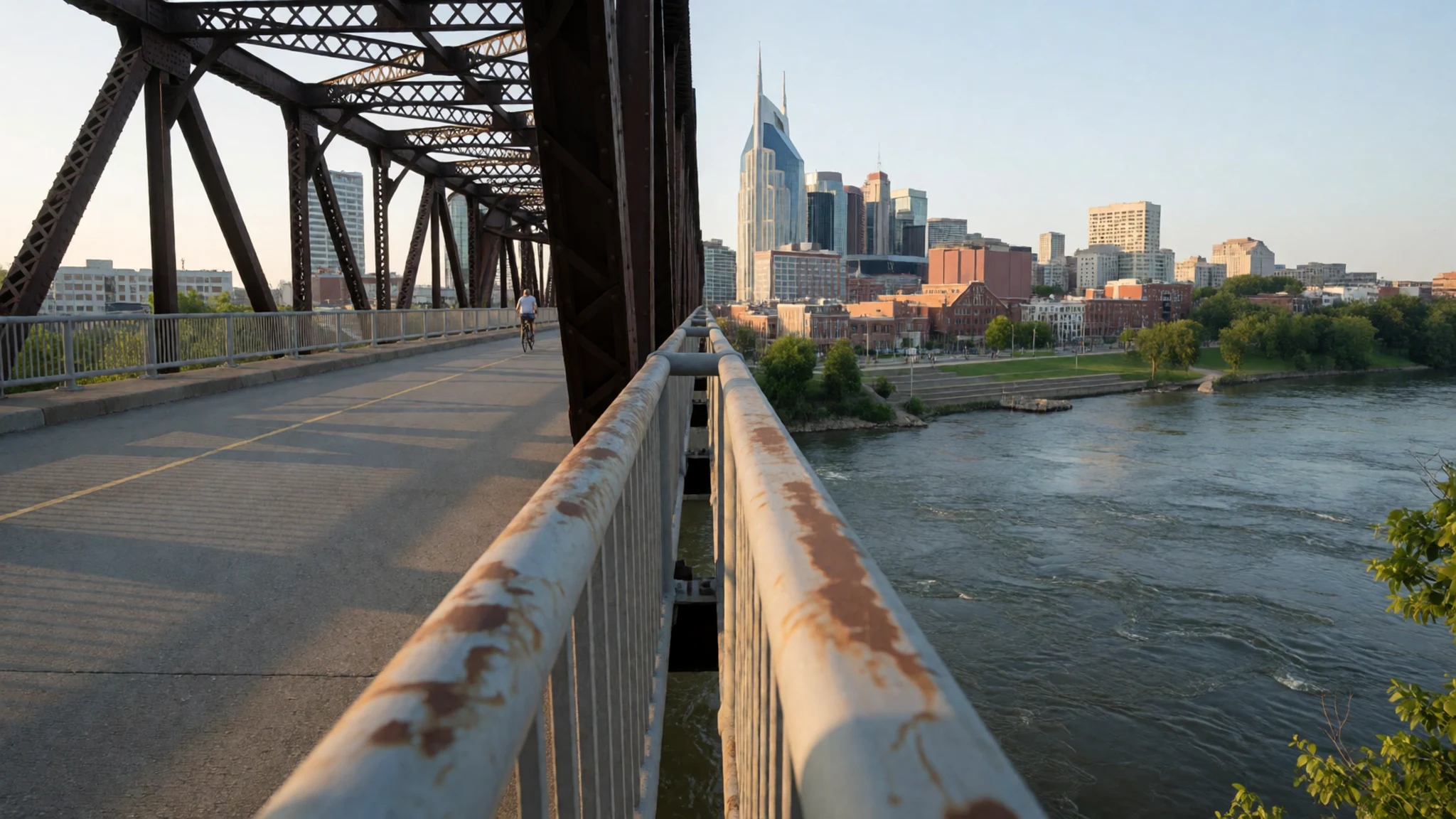
- The Parthenon — Centennial Park, west of downtown
The Parthenon is a life-size reconstruction of the Athenian original, located within a park and serving as an art museum. The setting works well in the morning, before the heat builds across the lawns. Allow time to walk the grounds and look at the interior displays. Check the official site for opening times and any admission charges before you go.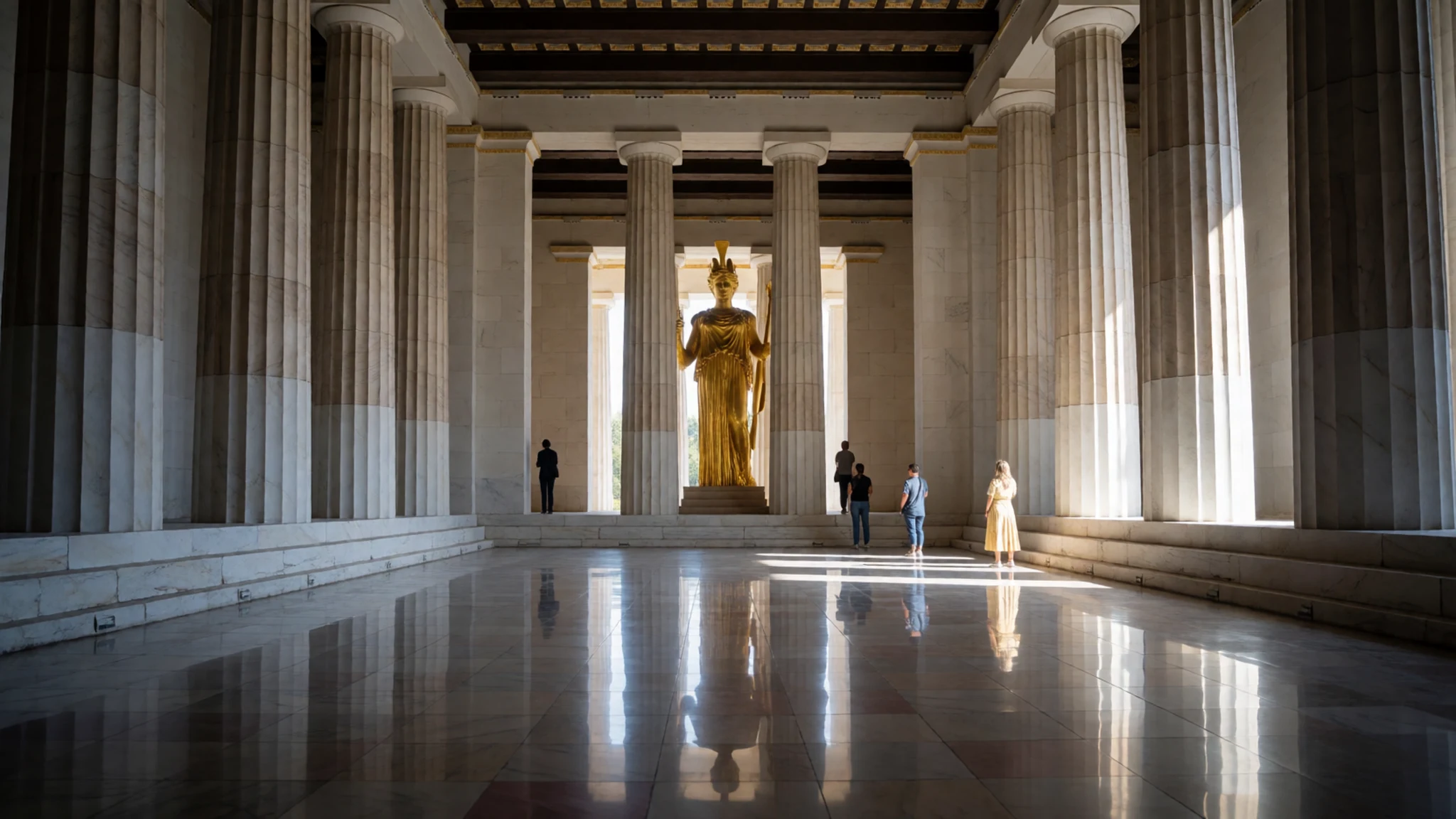
Culture
Nashville's cultural life has long been shaped by its universities. In the early twentieth century, two groups of critics and writers linked to Vanderbilt University, the Fugitives and the Agrarians, made the city a centre for Southern literary argument, and that intellectual streak still runs through its arts scene. Music is the other pillar. Live performance is everywhere, from the Grand Ole Opry to small bars where a player may take the stage without warning.
Visitors will notice an easy, unhurried manner in shops and restaurants. Locals take pride in their history, and the early settlement and the Civil War are discussed openly, especially at the reconstructed Fort Nashborough and the semi-restored Fort Negley. The Tennessee State Museum and the Parthenon draw families and school groups, so expect company at popular times.
The Tennessee State Capitol is still a working government building, so security staff may ask you to follow the rules at its entrances and on its grounds. Tipping is customary in bars and restaurants, and music venues often ask for a little more when a band is playing. Keep noise down on residential streets late at night. When a band is playing in a crowded bar, stay seated or move back quietly so the people behind you can see the stage.
What to wear
Nashville has no single traditional dress, but its Southern and country heritage has left a clear look. The best-known textiles are the quilts and embroidered work of Southern domestic craft, and the stage wear of country music, with pearl-snap shirts, fitted jackets, and boots decorated with stitching or rhinestones. Denim, cotton and leather are the everyday materials, and the stage style is still worn at the Grand Ole Opry and in the bars on Lower Broad.
What people wear now is relaxed. Locals pair jeans or chinos with a shirt or T-shirt, and many wear cowboy boots or sneakers. Downtown offices and restaurants lean towards smart casual, but nobody will look twice at a visitor in comfortable clothes. Western touches appear more often than formal dress.
For a visit, dress for heat and humidity: loose, breathable cotton or linen in summer, and a light layer for air-conditioned venues, which can feel cold. Choose comfortable walking shoes with good grip, since downtown sidewalks are long and you will be on your feet for much of the day. Dress a little more neatly for a church service or a formal evening at the Opry, and remove sunglasses and hats inside religious buildings.
What to eat
- Southern home cooking — Family-style kitchens in historic Germantown, where the menu changes daily
Southern home cooking is the city's most traditional table. Family-style kitchens in historic Germantown serve different meals each day, with plates of hearty vegetables, slow-cooked meats and cornbread. It is generous and unhurried. Go at lunchtime for the fullest choice, and expect to share tables with locals on a weekday.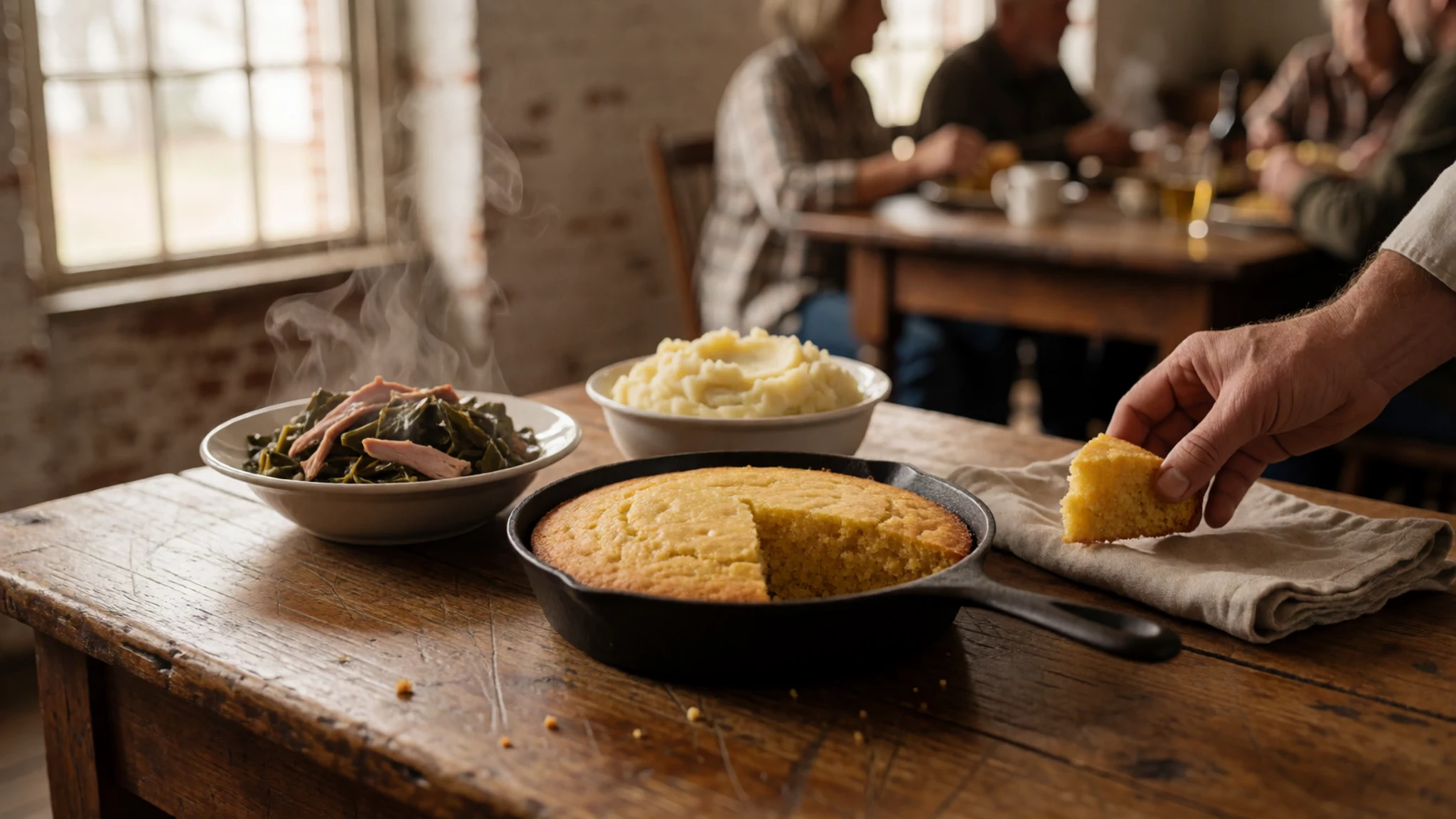
- Mexican plates — Neighbourhood Mexican eateries, including the Franklin Pike area
Nashville has a well-regarded local chain of Mexican restaurants, and their plates are filling and good value. Expect enchiladas, tacos, and rice and beans, served in a relaxed setting. They make a reliable choice for a midday or early evening meal after a long day of walking.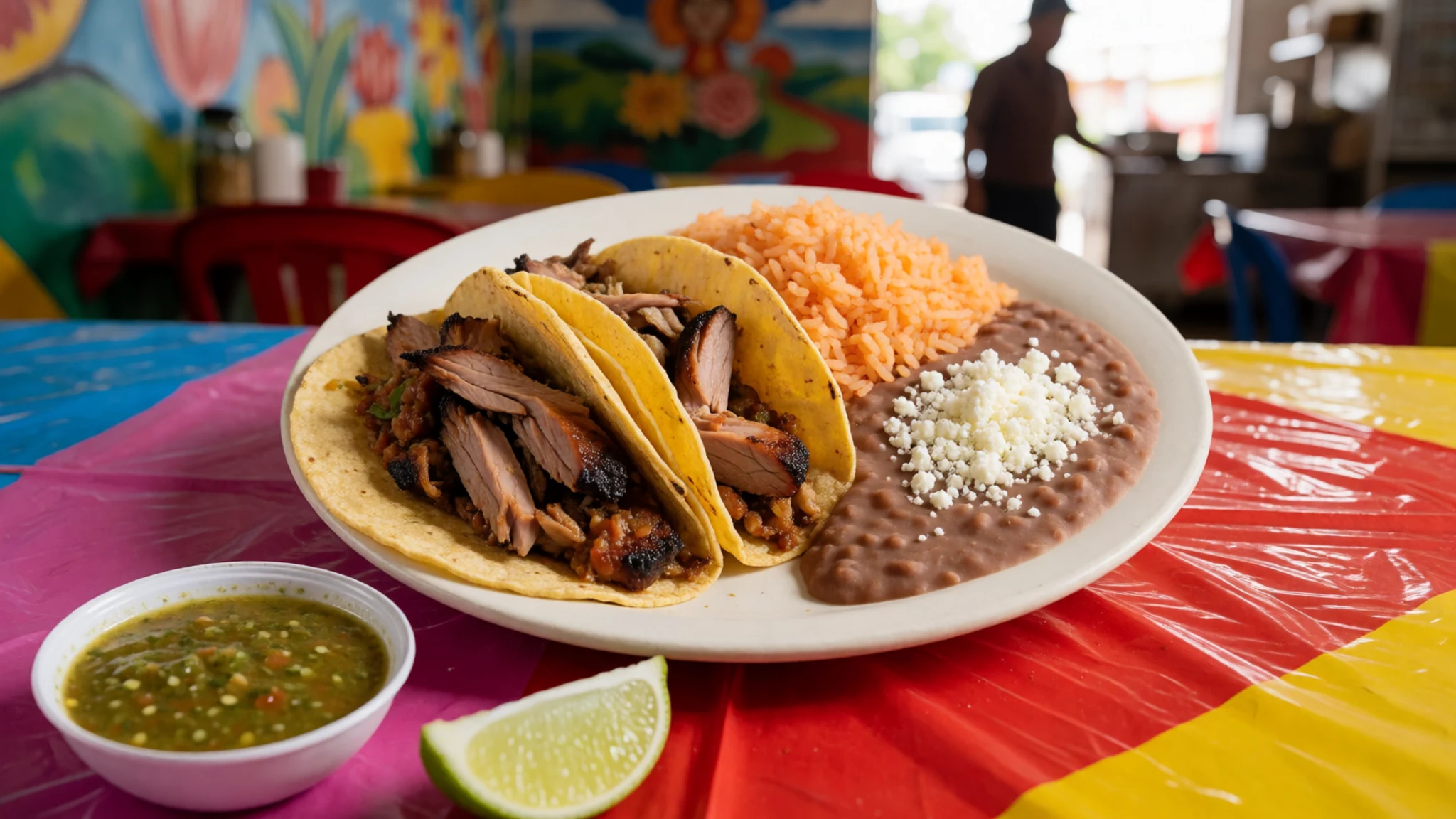
- Indian vegetarian plates — Simple Indian eateries near Germantown
A basic Indian eatery near Germantown covers most cravings for dal, vegetable curries and rice. Portions are generous and prices are modest for the area. It is a good stop if you want something light and warming after a long day in the heat. - Neighbourhood pizza — A pizzeria on the south-west side of the city, away from the main strip
A neighbourhood pizzeria is an easy way to end a day of music and walking. Look for one on the south-west side of town, where locals eat. Order a classic pie to share. It is casual, unfussy and popular with groups.
Plan it
Best time. April and May for mild weather and spring colour, and October for cooler days and clear skies. Summers are hot and humid, and winters are mild but grey.
How long. 2–3
Getting there. Fly into Nashville International Airport, then take a short taxi or rideshare into downtown. The city sits where the main interstate highways meet, so driving in is straightforward. Downtown's main streets and the riverfront are walkable once you arrive.
Budget. mid
Tips
- Check the official site for Country Music Hall of Fame exhibits and performance times before you go
- Walk the riverfront early, before the afternoon heat builds
- Carry water and sunscreen in summer, since the humidity is high
- Keep valuables out of parked cars and use designated parking
- Avoid walking alone after dark in North Nashville, and stay on busy streets downtown
Etiquette
- Stay quiet and attentive during live performances, and do not talk over the band
- Tip bar and restaurant staff in line with local practice
- Ask before photographing people up close, especially at religious services
Nearby
Sources
- Wikidata Q23197 (CC0)
- Wikipedia, Nashville, Tennessee (rev 1382866167) (CC BY-SA 4.0)
- Wikivoyage, Nashville (rev 5412315) (CC BY-SA 4.0)
- Quintin Soloviev, Aerial view of Nashville (CC BY 4.0)
- King of Hearts, Nashville from Cumberland River (CC BY-SA 4.0)
- White.alister.t, The Parthenon in Nashville (CC BY-SA 4.0)
- Antony-22, Grand Ole Opry House 2022 (CC BY-SA 4.0)
- Warren LeMay, Nashville Visitor Center and Bridgestone Arena (CC BY-SA 2.0)
- Dansan4444, Vanderbilt Kirkland Tower (CC BY 3.0)
- Jschnake, AT&T Building June 2022 (CC BY-SA 4.0)
- Antony-22, Tennessee State Capitol 2022 (CC BY-SA 4.0)


