Naples
Naples, Italy
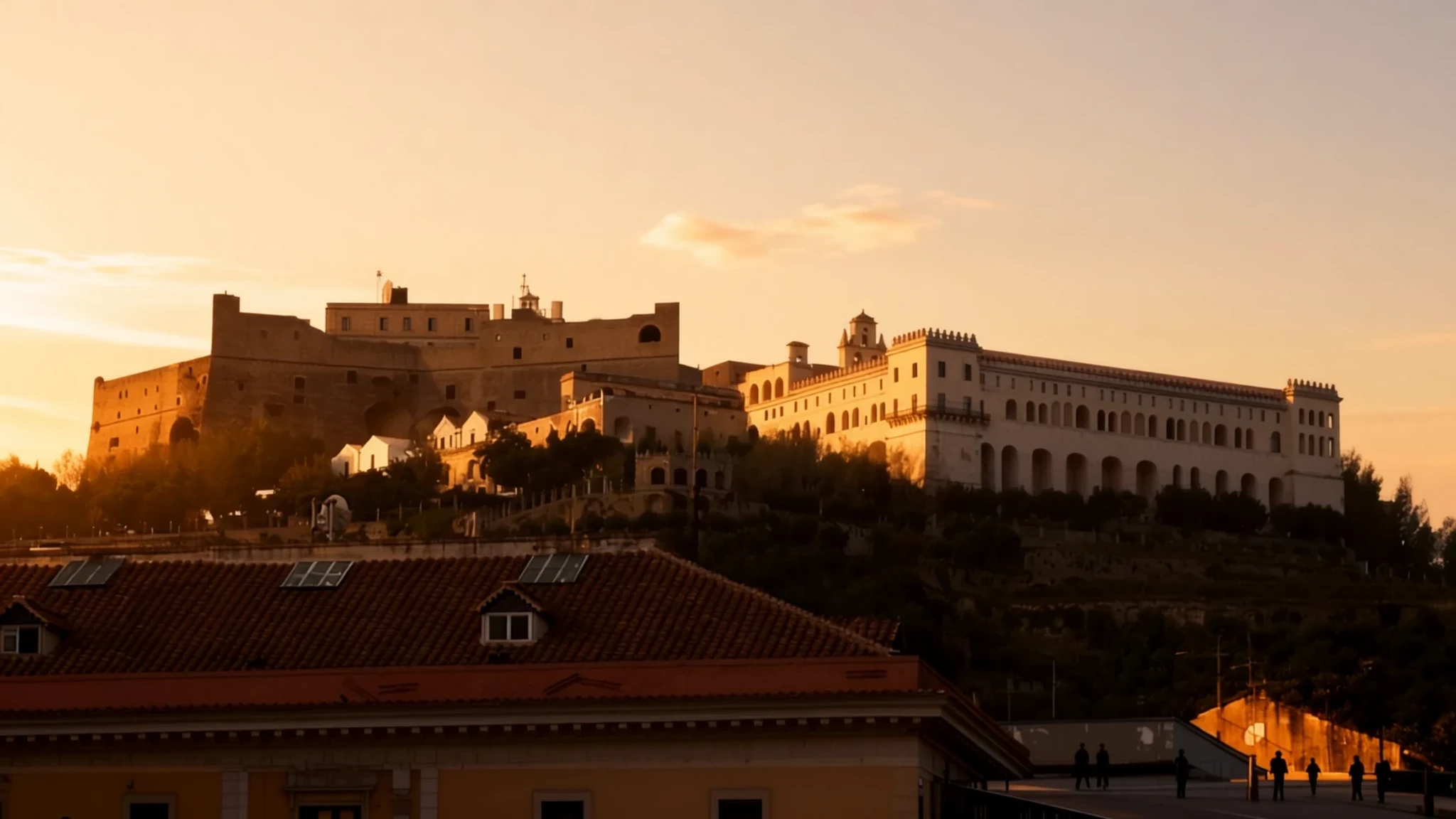
Naples is a loud, layered, sea-facing city where Greek, Roman and Bourbon history share the streets with some of Italy's finest pizza.
The place
Naples is the regional capital of Campania, on the curve of the Gulf of Naples in southern Italy. The city proper has a population of about 900,000, but the built-up area spreads well beyond its boundaries, and the wider metropolitan area holds around 4.4 million people. Density is the first thing most visitors notice: scooters thread between parked cars, washing hangs across the alleys of the old centre, and the streets stay busy late into the evening.
The city sits at about 17 metres above sea level, and the land rises quickly into hills that give the city its views. Vesuvius lies to the east, and the bay opens to the south-west. To the west, Posillipo and the Phlegraean Fields have their own volcanic character. The historic centre is a dense grid laid down in antiquity and overlaid with medieval and Baroque streets, so a single block can hold a church, a market and a stretch of old wall.
Naples is also a working city rather than a museum town. It hosts NATO's Allied Joint Force Command, and its university and port keep daily life moving. Traffic is heavy, pavements are uneven and shopkeepers can be blunt. In return, the city feels unperformed, and its food, music and street life belong to ordinary routine rather than to a visitor programme.
Its story
Naples began as a Greek trading settlement. Sailors from Rhodes are thought to have founded a small port called Parthenope on the island of Megaride, a name linked to a siren of Greek myth. Settlers from Cumae later extended it to the hill of Monte Echia. In the sixth century BC the town was refounded under the name Neápolis, meaning new city, and it grew into one of the leading cities of Magna Graecia.
Its walls gave it a reputation for strength. Naples allied itself with the Roman Republic, was briefly taken by the Samnites, and was then recaptured by Rome, which made it a Roman colony. During the Punic Wars its fortifications held off the army of Hannibal. Romans admired the city as a centre of Hellenistic learning, and Greek customs lingered in its streets for centuries after Rome took control.
Later rulers built their own castles, churches and palaces on top of that foundation, so the Greek and Roman street plan remains visible beneath medieval and Baroque façades. Caravaggio's arrival in 1606 changed painting in the city, and a strong Neapolitan school grew from his dramatic light. In the eighteenth century, the excavations at Herculaneum and Pompeii fed a taste for classical design, and the Bourbon court commissioned the palaces and collections that still shape the city's museums.
What to see
- Cappella Sansevero
The Sansevero Chapel, in the Spaccanapoli district, was built in 1590 and is packed with eighteenth-century sculpture and painting. Its centrepiece is the marble Veiled Christ by Giuseppe Sanmartino, carved so finely that the veil appears to be cloth. The chapel is small, so check the official site for current entry arrangements before you go, and expect a line in the afternoon.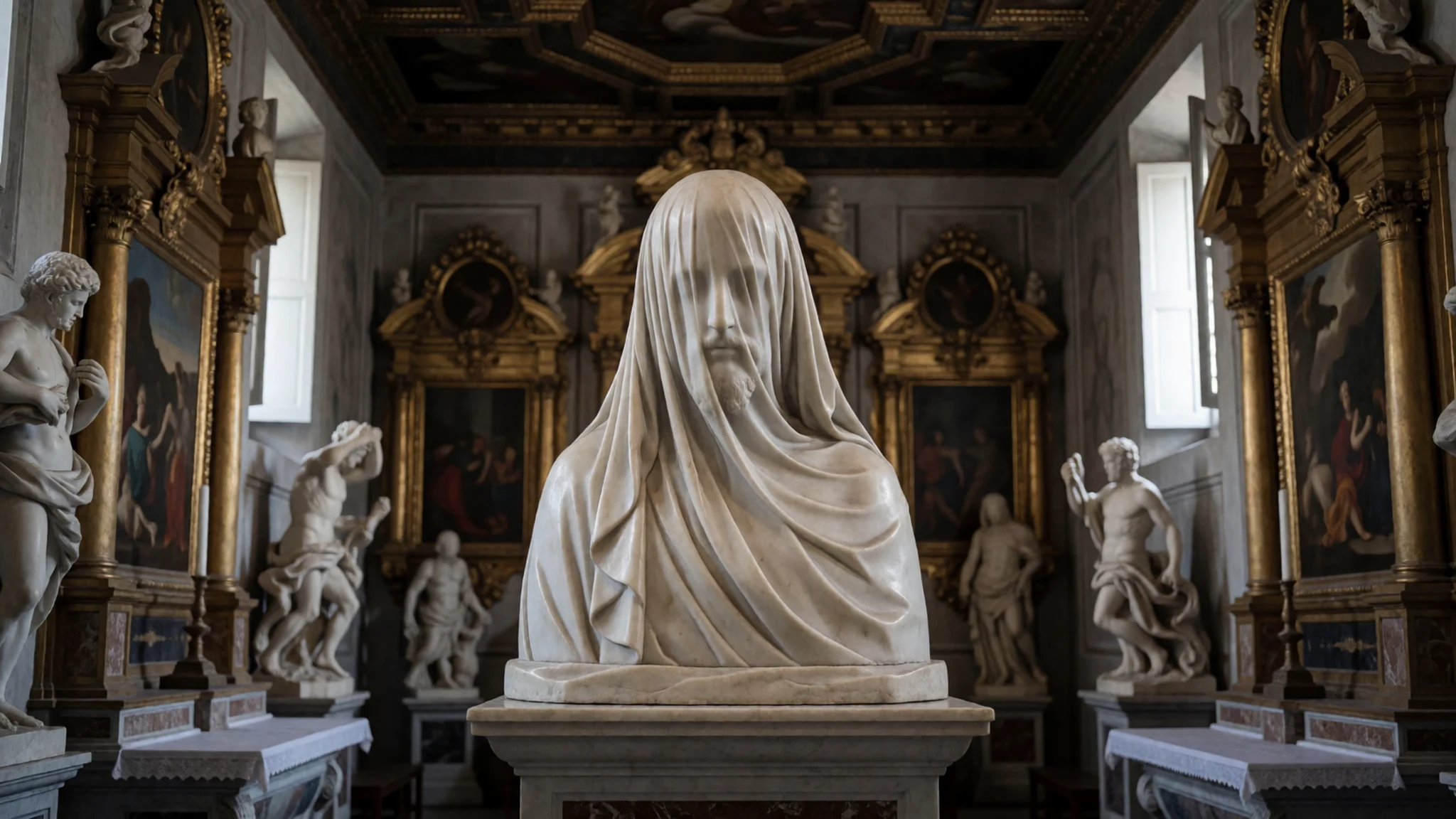
- Gesù Nuovo
The Church of Gesù Nuovo occupies a palace built in 1470 for Roberto Sanseverino, Prince of Salerno. Its façade of rusticated stone blocks, carved into diamond-shaped points, is one of the most distinctive in the old centre. The Jesuits later took over the building, and the interior is a Baroque set piece. Look up at the ceiling, then walk on to the Gesù Vecchio, the Jesuits' earlier church.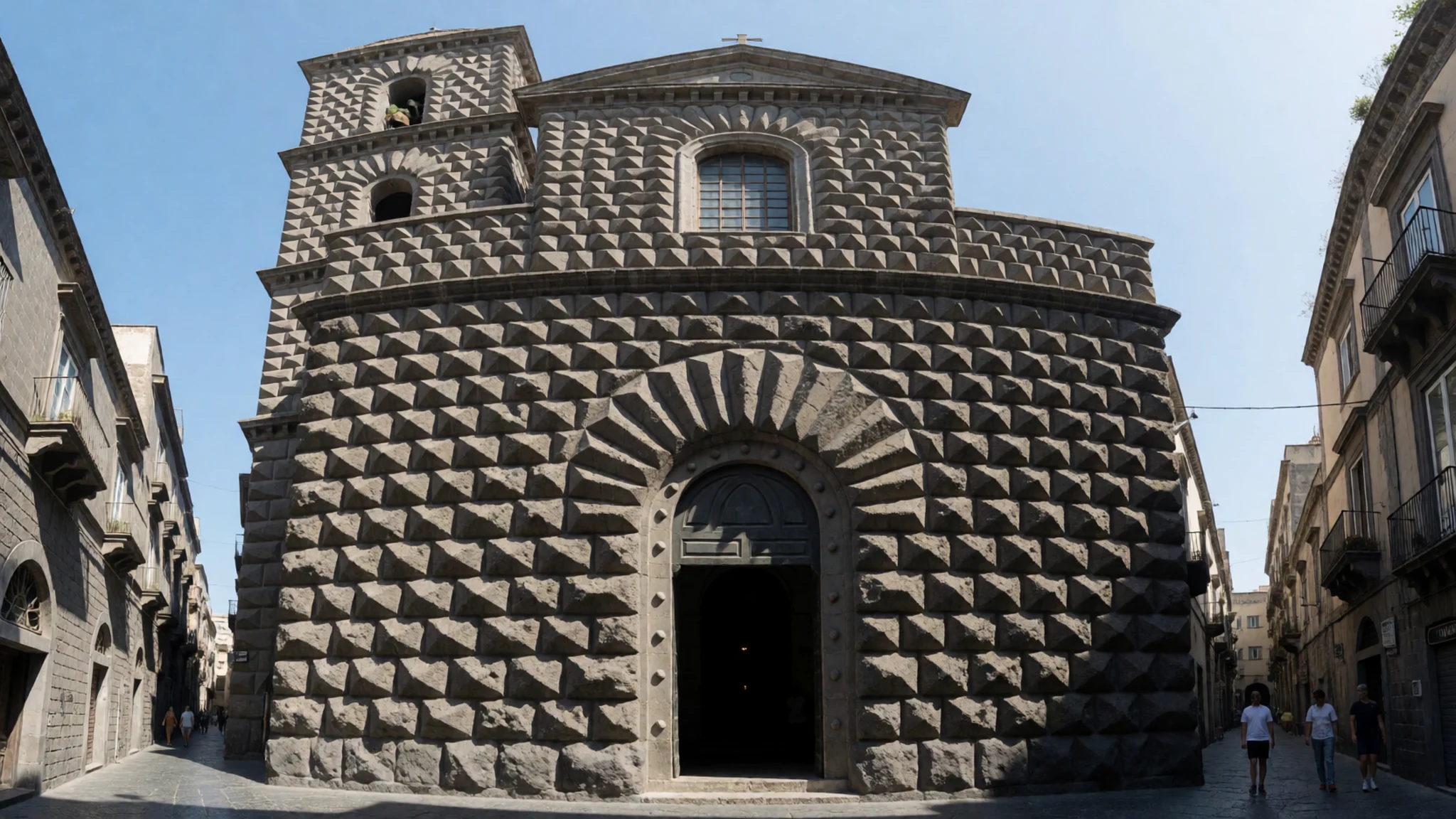
- San Domenico Maggiore
San Domenico Maggiore is a Gothic church on the square of the same name, one of the most prominent churches in the old centre. Its interior holds chapels and tombs of medieval and Renaissance nobility. The square is a good place to sit with a coffee and watch the neighbourhood go by. Visit in the mid-morning, when light falls through the windows and the square has settled after the early rush.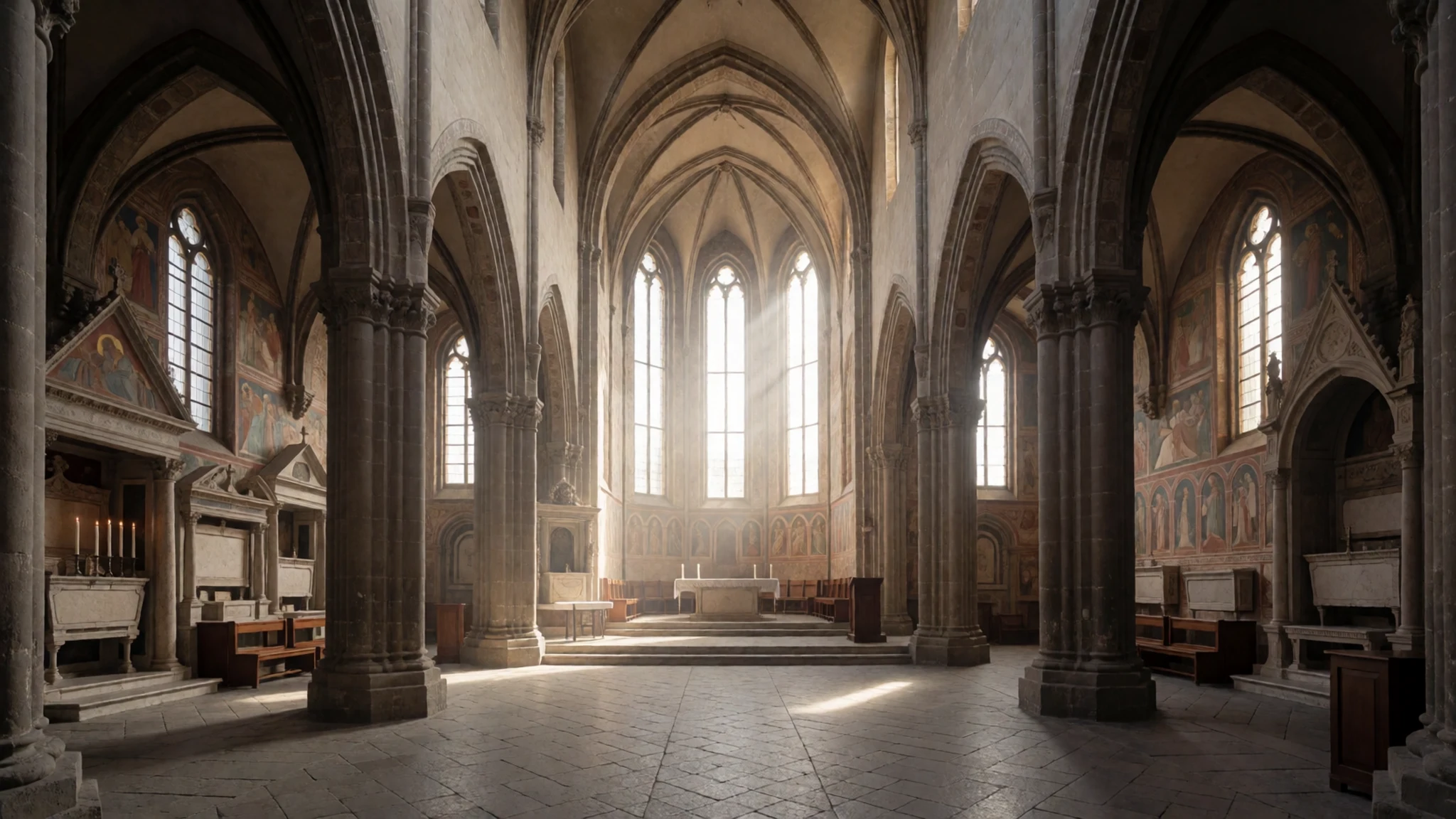
- Piazza del Plebiscito and San Francesco di Paola
Piazza del Plebiscito is the city's main square, facing the Palazzo Reale. Its western side is closed by the church of San Francesco di Paola, whose design was planned under Joachim Murat as a tribute to Napoleon. The square is an easy place to get your bearings and a pleasant spot for an evening stroll, though it is open to sun and wind at midday.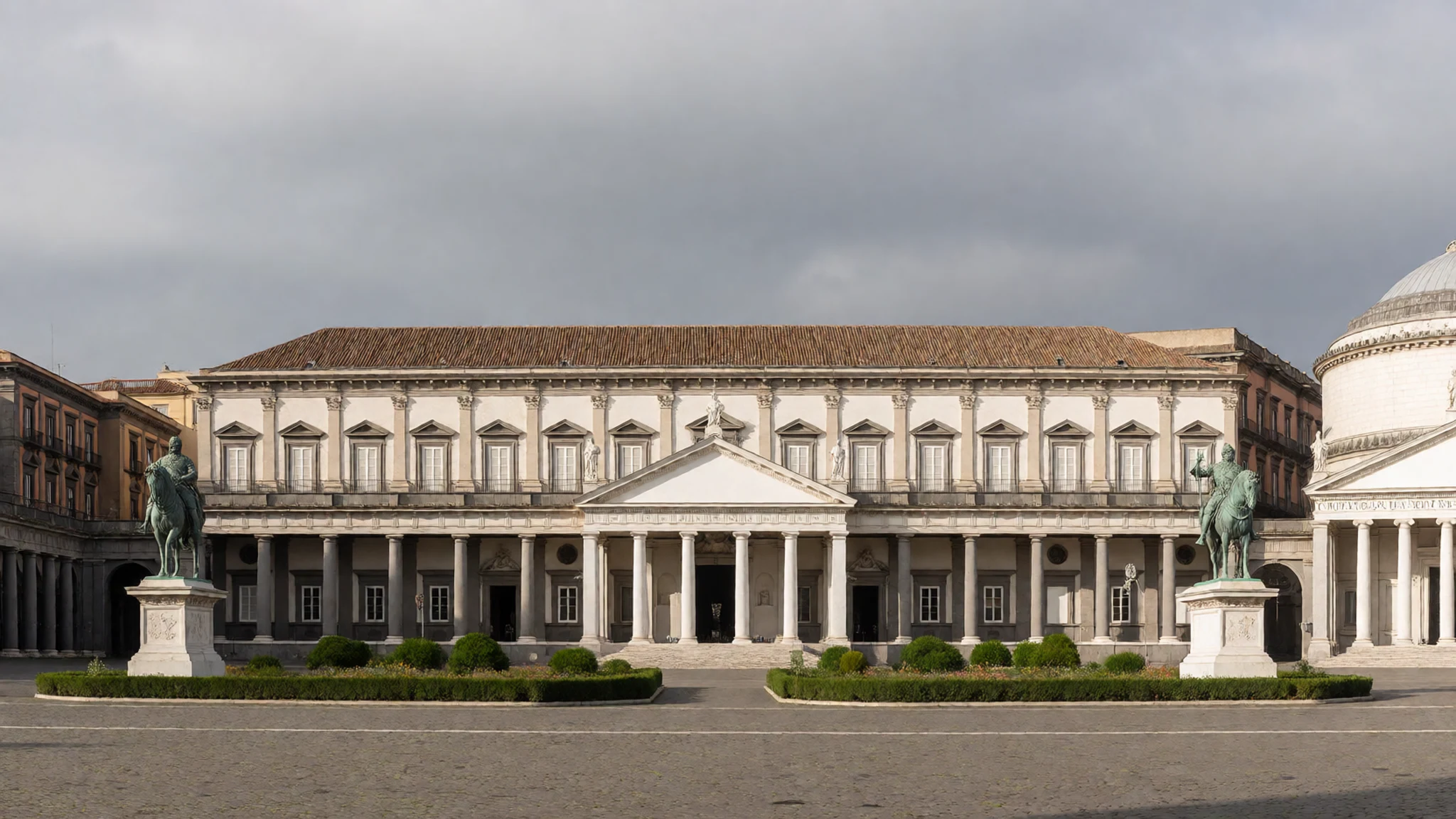
- Museo di Capodimonte
The Capodimonte museum sits in a former royal palace on a hill north of the centre. Its galleries hold painting from Italian and Neapolitan schools, and the park behind it gives wide views over the city, quieter than the streets below. Allow half a day. Check the official site for opening days and current entry arrangements, which change.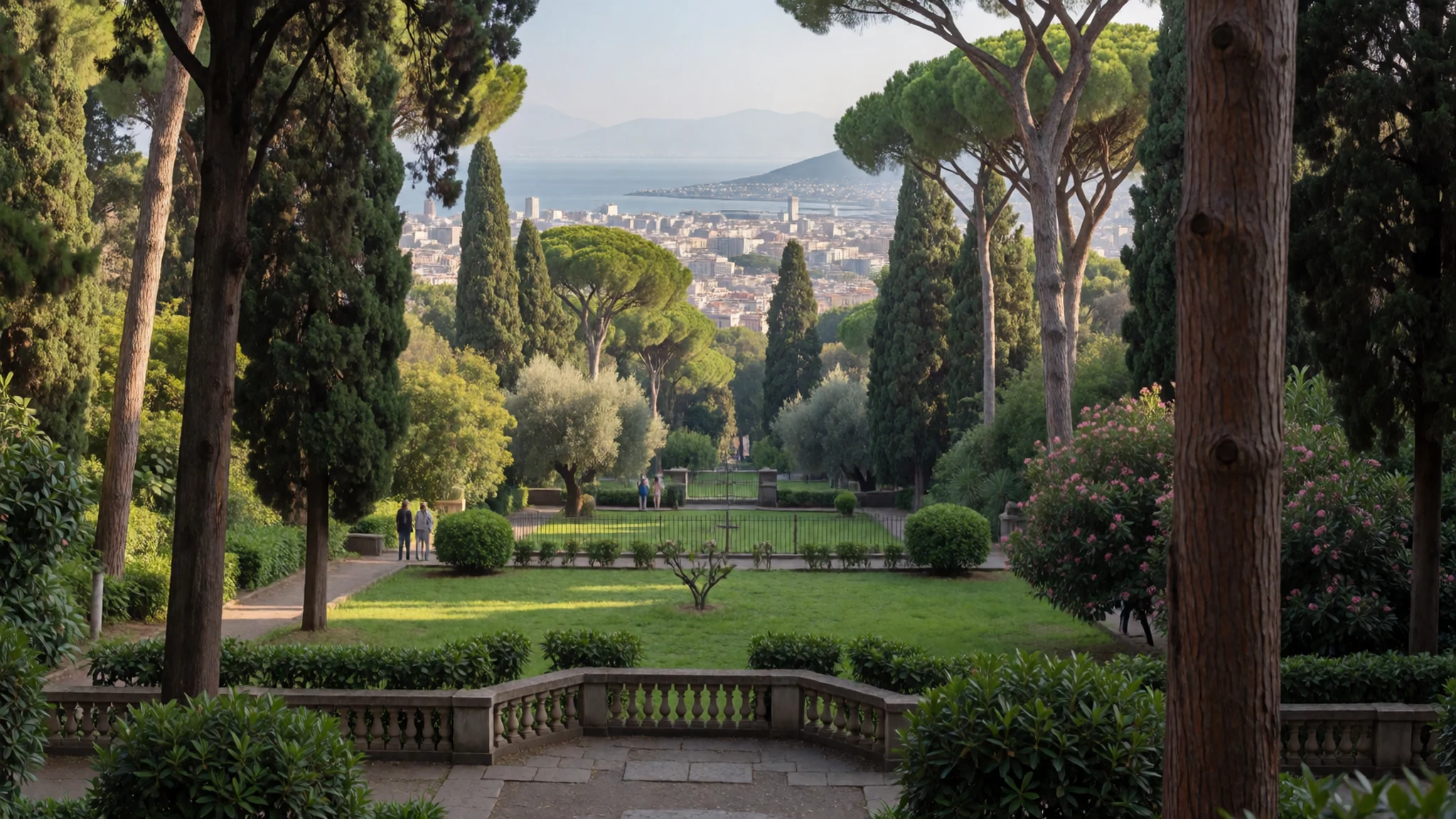
Culture
Naples has been a centre of art for centuries, and its churches, palaces and castles carry Medieval, Renaissance and Baroque work side by side. Caravaggio's arrival in 1606 was a turning point for painting here, and local artists built a strong school around his dramatic light and tension. In the eighteenth century, the excavations at Herculaneum and Pompeii fed a taste for Neoclassical design, and later academies and collections kept that artistic tradition alive.
Daily life runs on family, neighbourhood and a loud, affectionate sociability. Coffee is often drunk standing at the bar, shopkeepers are greeted by name, and religious imagery is everywhere, from shrines on street corners to processions on feast days. Conversation is animated and volume is part of it, so raised voices are rarely aggression.
Traffic, pedestrians and scooters share the same narrow lanes, and the city is relaxed about rules while being quick to help when asked politely. Crowded trains, buses and markets are where bags are most at risk, so keep yours closed and in front of you. Cover shoulders and knees when entering churches, and keep your voice low inside, since many churches are still used for daily prayer.
What to wear
Naples has no single traditional costume that survives in everyday life, so its dress history is best read through festival, craft and object. Historically, working clothes in the region were made from wool, linen and cotton, and silk was reserved for church and court occasions. The most recognisable traditional object is the cornicello, a small horn-shaped charm, often in red coral or horn, worn against the evil eye. The textile skill people still value is Neapolitan tailoring, with soft shoulders and light construction.
Today Neapolitans dress with polish. Men often wear well-cut jackets and clean leather shoes, and women favour dark tones, knitwear and sturdy boots for the cobbles. Football shirts appear on match days, and younger people follow international street fashion. Dress is smart in the evening and relaxed by day.
For a visit, pack for steep, uneven pavements, since stone streets are slippery when wet and the hills of Vomero and Posillipo mean a lot of climbing. Light layers suit spring and autumn, while summer calls for linen and a hat. Carry a light scarf or wrap for churches, and avoid very short shorts inside sacred buildings.
What to eat
- Neapolitan pizza — traditional pizzerias in the old town, around the Decumani streets
Thin, soft-centred pizza baked quickly in a very hot oven, usually topped with tomato, mozzarella and basil. Choose a pizzeria that makes each pie to order and eat it at the counter or table while it is hot. A short menu is a good sign, because the simple versions are the point.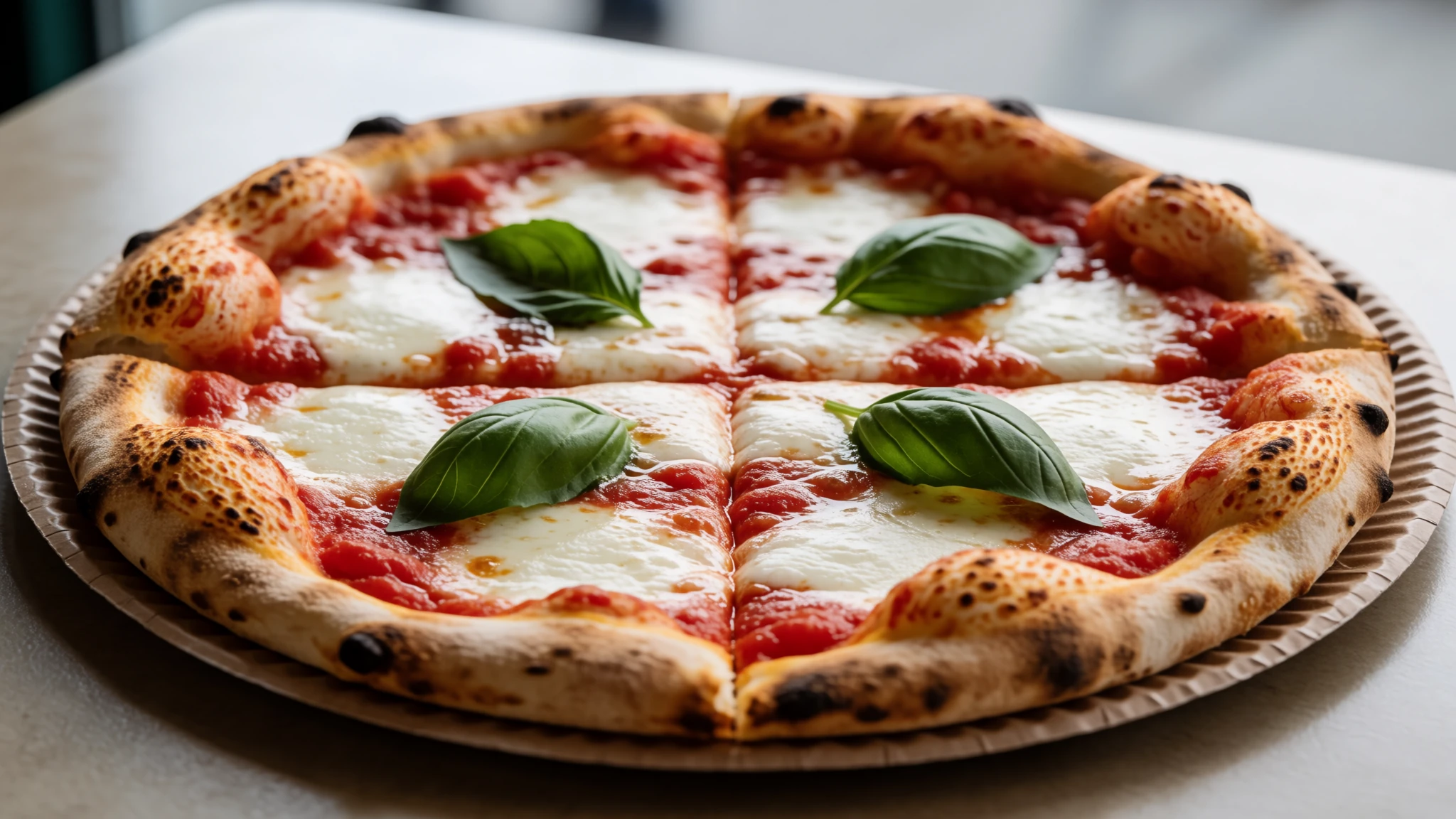
- Frittatine and frittini — street food counters in the old centre, along the Decumano streets
Small fried pastries of pasta or rice, often with béchamel or meat sauce, cheap and very filling. They are sold hot from street counters and are eaten standing, usually wrapped in paper. They are a good first test of Naples' street food.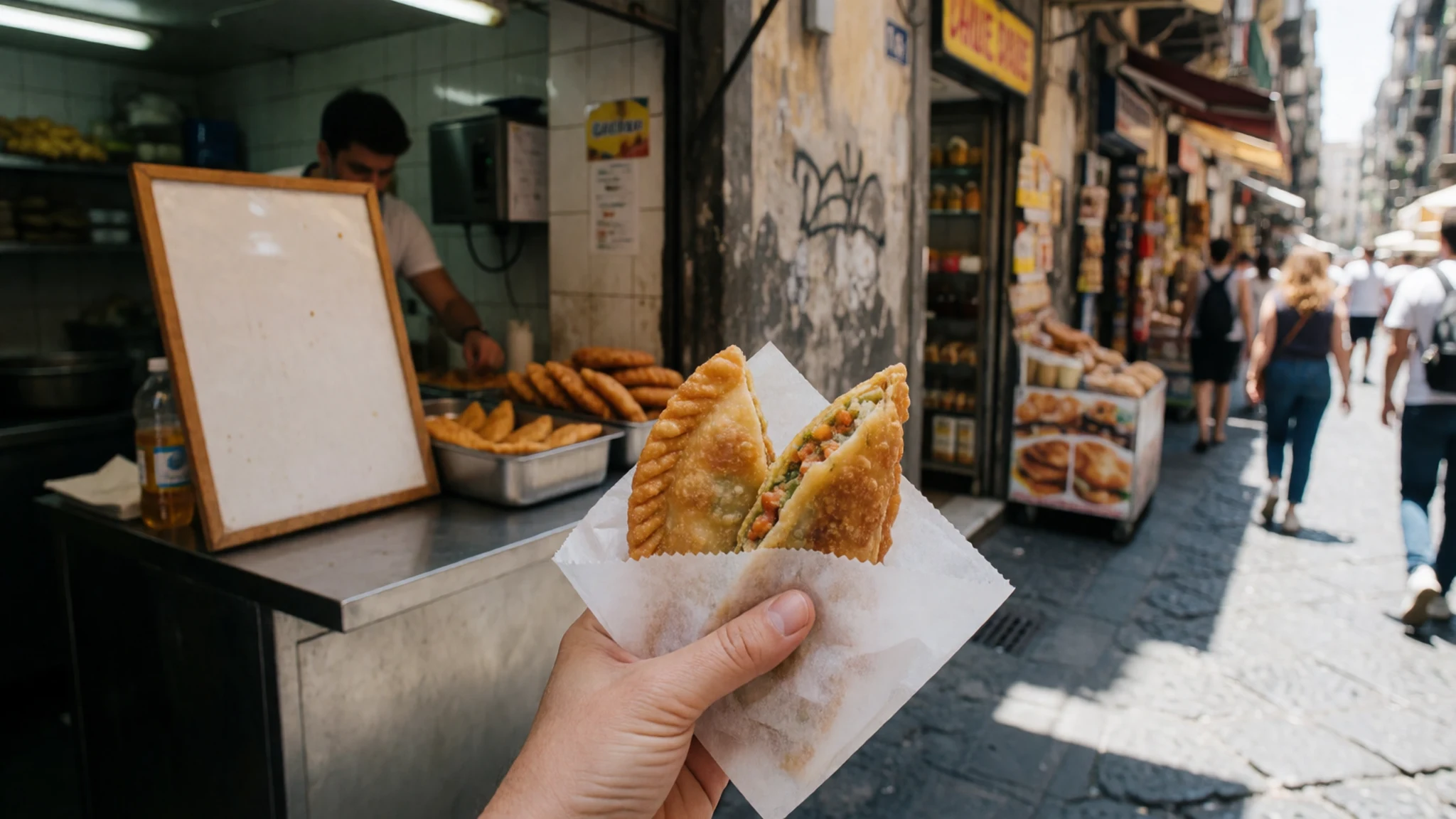
- Cuoppo — hatch-style fry stalls in the Quartieri Spagnoli and the old town
A paper cone filled with mixed fried snacks, which can include seafood, vegetables and rice balls. It is eaten quickly, while the batter is still crisp, and is often sprinkled with salt and lemon. Order a small cone first if you are unsure how much you want. - Spaghetti takeaway — takeaway pasta counters in the historic centre, around Via dei Tribunali
Spaghetti served in a paper box to eat on the move, tossed with tomato, garlic, seafood or chilli. It is a quick, inexpensive lunch and gives a taste of Neapolitan pasta without the sit-down cost. Eat it near the counter or take it to a bench nearby. - Sfogliatella — pastry shops across the centre, and bakeries near the port
A shell-shaped pastry with many crisp layers, filled with ricotta and candied citrus peel. The ricotta version is the classic, and it is best eaten fresh and warm. It pairs well with an espresso taken standing at the bar.
Plan it
Best time. April, May and October suit a city of steep streets and long walks, with warm days and lighter rain. November is the wettest month of the year, so pack for showers if you travel then. June to August is hot and humid, and the sea breeze is the only relief on exposed streets. Winter is mild but wetter.
How long. 2–3
Getting there. Fly into Naples International Airport at Capodichino, then take the shuttle bus to Stazione Centrale or the port. Authorised taxis have fixed fares to set destinations, shown in the cab. High-speed trains reach Napoli Centrale from Rome.
Budget. mid
Tips
- Check the official site before you go, since opening hours and entry rules change
- Start the centre early, before the shops fill and the heat builds
- Carry cash for small bakeries and street stalls, and keep a card for larger places
- Wear shoes with grip for wet stone pavements, and carry water in summer
- Use authorised taxis only, and keep bags close in crowded spaces
Etiquette
- Cover shoulders and knees when entering churches
- Ask before photographing people at stalls or during services
- Order at the counter in pizzerias and bakeries, as locals do
Nearby
Sources
- Wikidata Q2634 (CC0)
- Wikipedia: Naples (rev 1382077225) (CC BY-SA 4.0)
- Wikivoyage: Naples (rev 5385544) (CC BY-SA 4.0)
- Photo: View of the gulf of Naples from Castel Sant'Elmo, Wolfgang Moroder (CC BY-SA 1.0)
- Photo: Castel Nuovo from Castel Sant'Elmo, Richard Nevell (CC BY-SA 4.0)
- Photo: Castel dell'Ovo frontale, PaestumPaestum (CC BY-SA 4.0)
- Photo: Piazza Plebiscito, pietro scerrato (CC BY 3.0)
- Photo: Museo di Capodimonte south-west facade, Wolfgang Moroder (CC BY-SA 1.0)
- Photo: Palazzo Reale, Napoli, pietro scerrato (CC BY 3.0)
- Photo: Centro Direzionale di Napoli, Luca Terracciano (CC BY-SA 4.0)
- Photo: Monte Echia, Napoli, Baku (CC0 1.0)


