Nairobi
Nairobi, Kenya
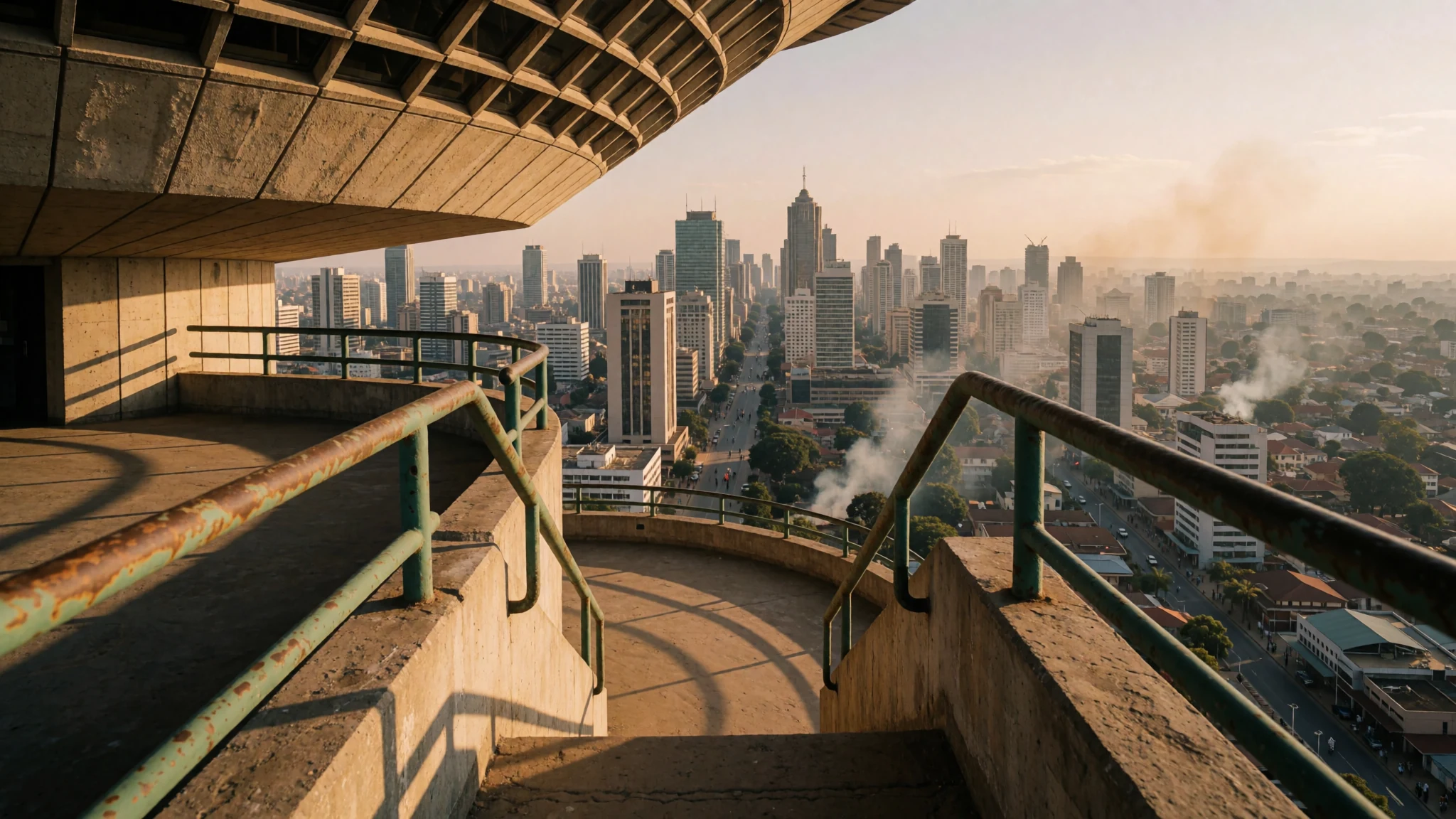
A busy, leafy capital where a national park sits inside the city limits, and where many safaris begin.
The place
Nairobi is Kenya's capital and its largest city, sitting in the south-central part of the country at about 1,660 metres above sea level. The city has roughly 5.5 million residents, and its wider metropolitan area spreads well beyond the city boundary into neighbouring counties, which makes it one of Africa's largest metropolitan areas. Most visitors arrive by air and spend their first days in the central business district before heading out to the suburbs or the parks.
The mood changes quickly from one neighbourhood to the next. Downtown is dense with matatus, street vendors, banks and office blocks, and the traffic noise rarely stops. Westlands, a short drive west, is the newer nightlife and restaurant district, with bars along its main roads and a more relaxed, international feel. Karen, further out, has quieter, greener streets and a museum in the former home of the writer Karen Blixen.
What sets the city apart is its green edge. It is the only capital in the world with a national park inside its boundaries, so you can see grassland and wildlife with office towers on the horizon. Nairobi is also the financial engine of East Africa. Parliament, the State House and the Supreme Court are here, alongside regional offices of the United Nations and a stock exchange that ranks among Africa's largest.
Altitude keeps the days warm but rarely oppressive, and evenings can turn cool enough for a jumper. Traffic is the real constraint, so keep journeys short where you can and allow more time than the map suggests.
Its story
The ground where Nairobi now stands was marshy land used by Maasai herders, by Akamba traders and by Kikuyu farmers. The Maasai phrase Enkare Nyirobi is usually rendered as 'place of cool waters', after a cold stream that ran through the area. The modern city began with the railway. As the Uganda Railway pushed inland, its chief engineer, Sir George Whitehouse, chose the spot for a depot, a shunting yard and a camp for the Indian labourers building the line. His reasons were practical: the land sat high, the climate was mild, there was water, and the site lay just before the steep climb up the Limuru escarpment.
Not everyone agreed. Officials in the Protectorate government thought the ground too flat, poorly drained and infertile for farming. Their objections did not stop the depot from becoming a town, and the facts put the founding at 1899. Surveyors laid out the first town plan for the railway settlement, and the town grew in step with the railway's needs.
Before any of this, the peoples of what is now Kenya lived in villages, each with its own leaders and customs rather than under one central government. Nairobi grew as a meeting point for these communities, and that mix still shapes the city.
Through the twentieth century Nairobi became the capital of a British colony and then of independent Kenya. Its publishing houses helped launch Kwani?, the country's first literary journal, and produced work by writers such as Ngũgĩ wa Thiong'o and Meja Mwangi. Film-makers now work from the city as well, so its creative life runs alongside its role as a government and business centre.
What to see
- Kenyatta International Conference Centre — Central business district
The best place to get a wide view over the city. The round viewing tower at the top of the conference centre looks out over the sprawl of Nairobi, but what you see depends on the weather. On hazy or foggy days the towers fade into grey, so pick a clear morning if you can. Check opening times before you climb, and allow time to find the lift.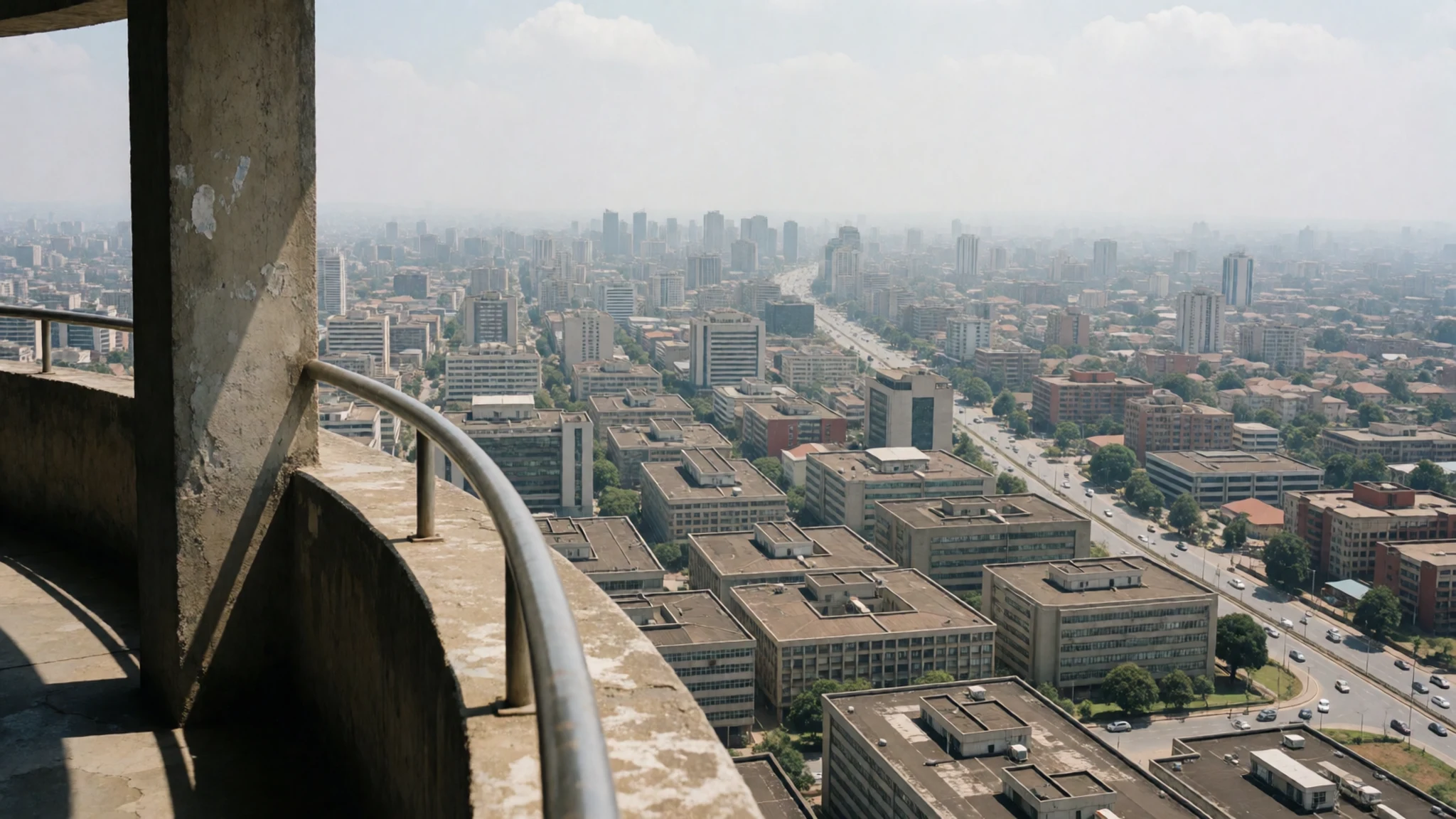
- Westlands nightlife — Westlands
Westlands is the city's newer nightlife district, with restaurants and bars strung along Woodvale Grove and Mpaka Road. In the evening the streets are busy and the mood is relaxed and international, a good contrast to the centre. Traffic can be slow after dark, so arrange a ride-hailing car for the journey back rather than walking long distances.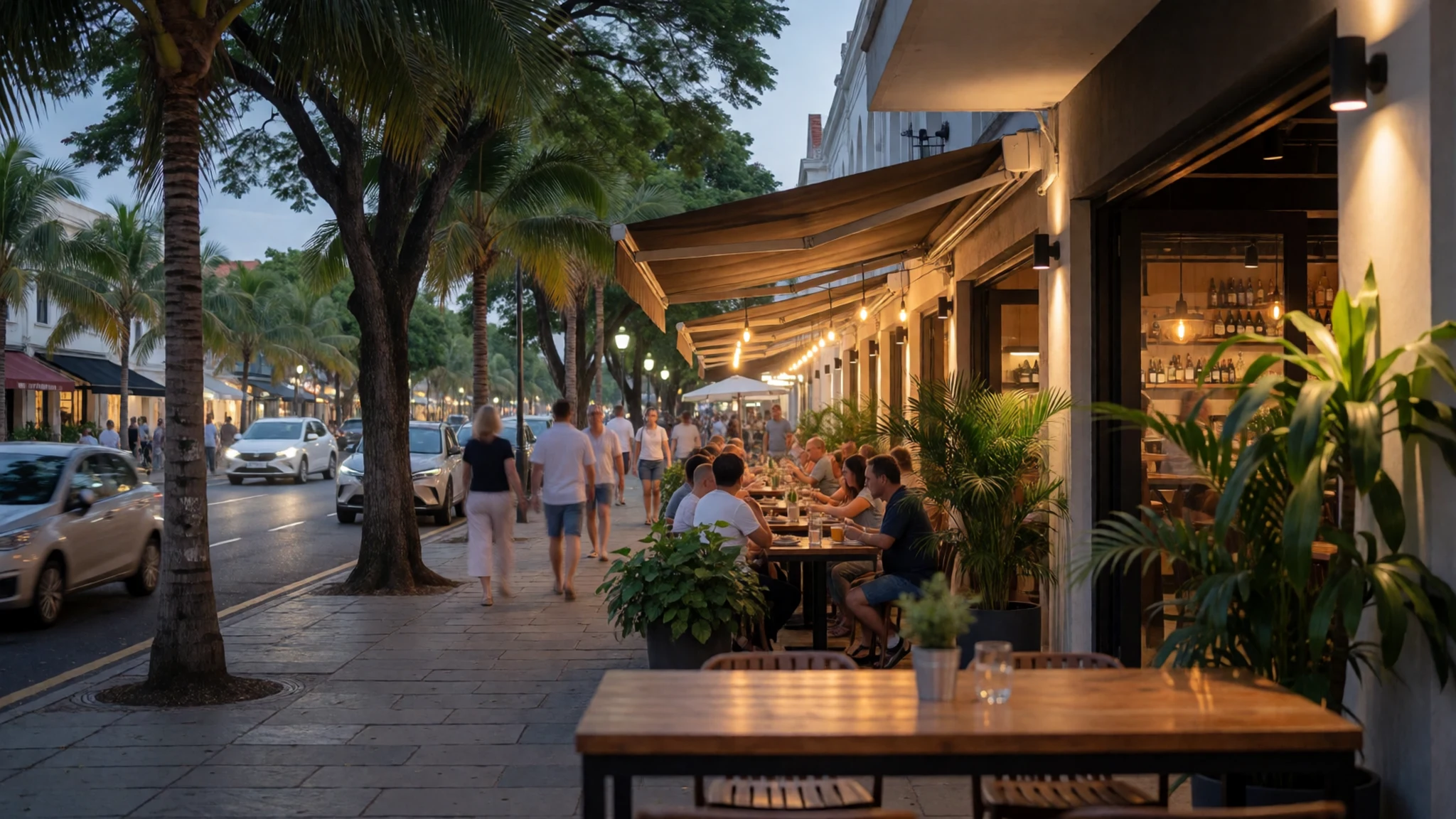
- UN Office at Nairobi — Gigiri, near Karura Forest
Tucked beside Karura Forest and close to the US Embassy, this complex houses international bodies including the UN Environment Programme and UN-HABITAT. It is the base for UN operations across Africa. Access is controlled, so check ahead before you plan a visit. The forest next door is the better draw, with shaded paths and birdlife for a morning walk.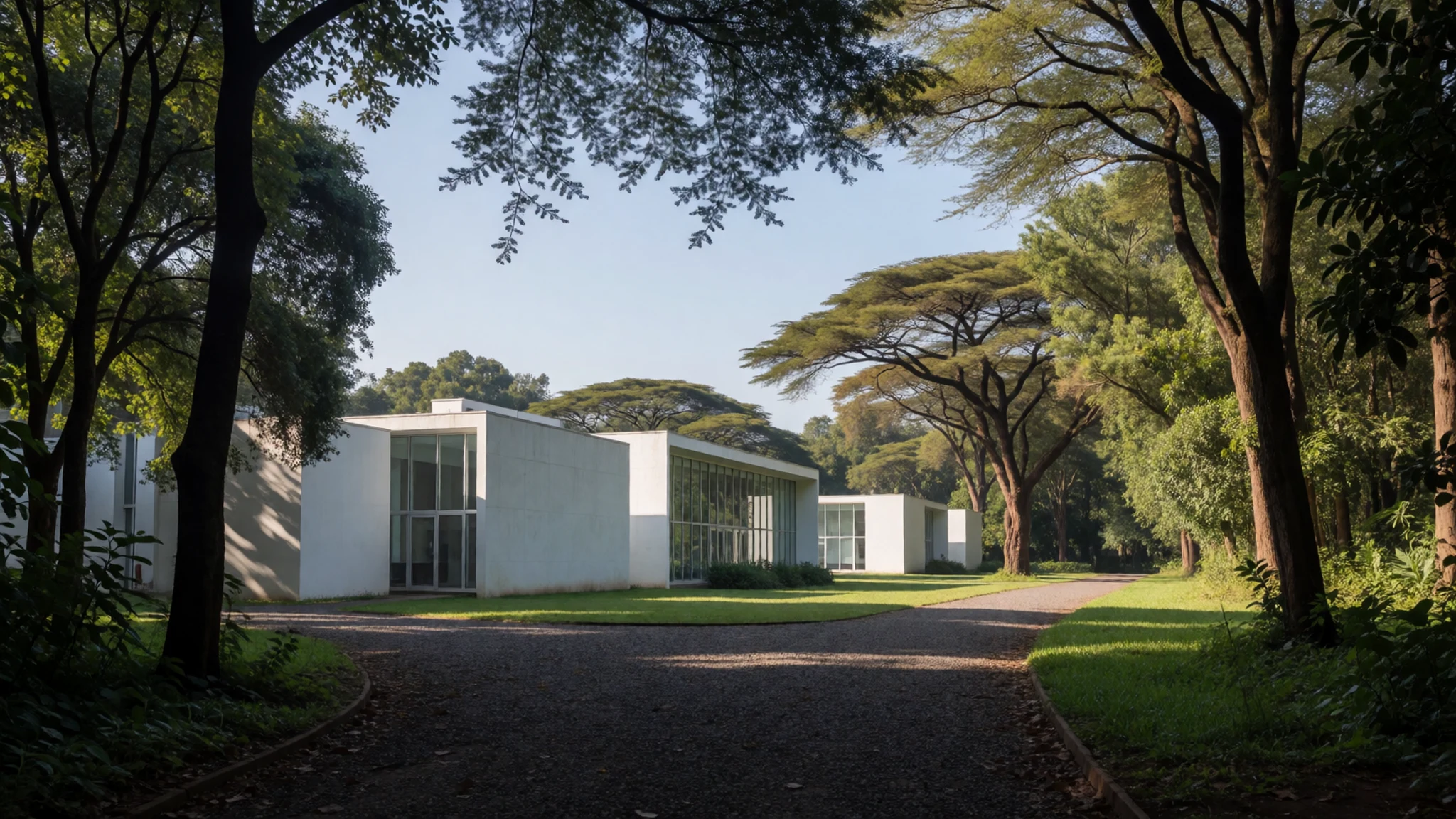
- Nairobi Mamba Village — Western side of the city
An adventure park on the western side of the city, with Nile crocodile feeding, tortoise holding, ostrich viewing, horse and dromedary rides and boat trips. It suits families or anyone who wants a short animal encounter without travelling to a national park. The animals are kept in enclosures, so decide for yourself how comfortable you are with the handling and feeding shows.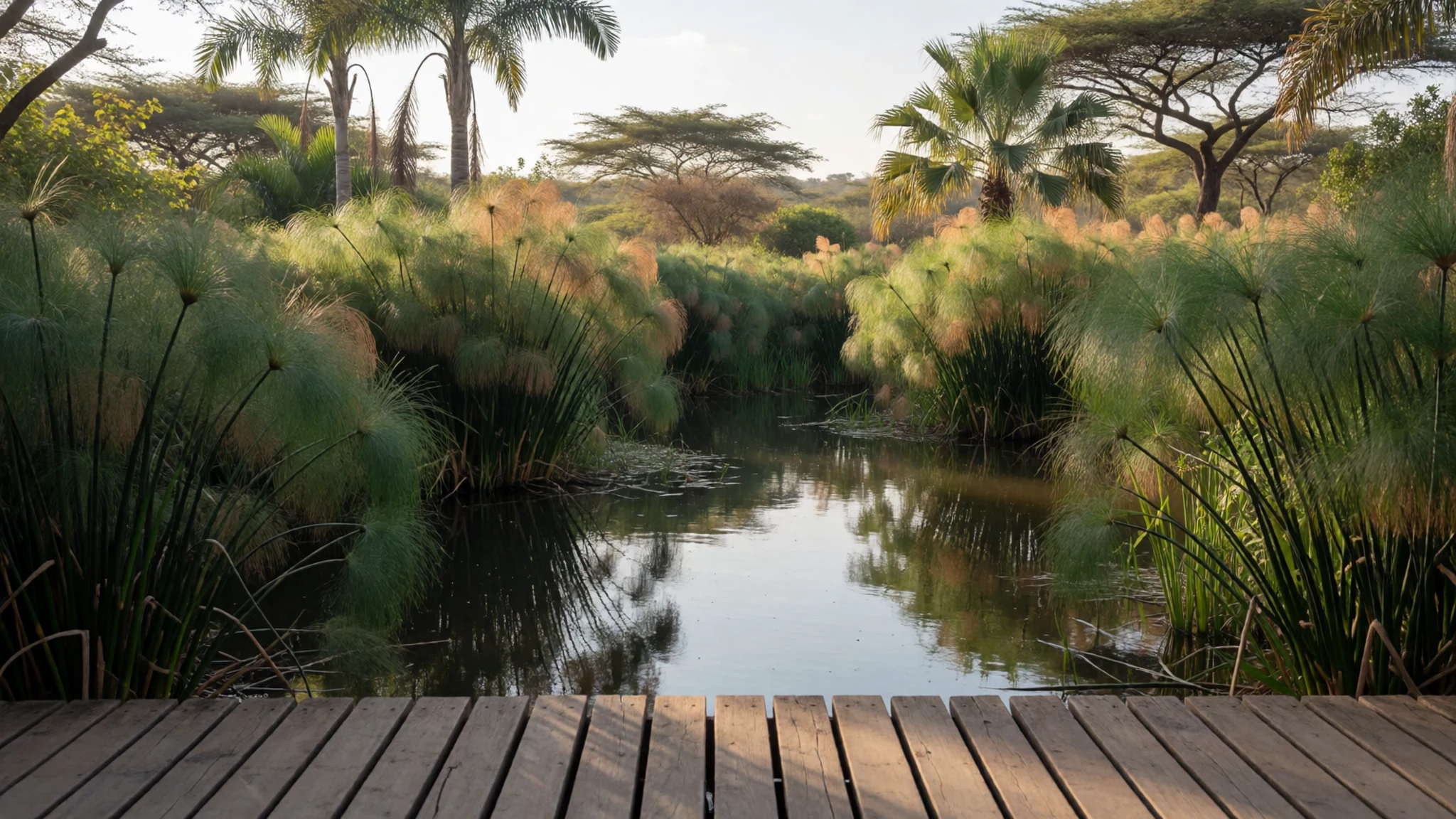
Culture
Nairobi reflects the peoples who make up Kenya, and its streets carry many languages. The city also draws a large population of people from other African countries, so you may hear Swahili, English and several local tongues within a single bus queue. Both Swahili and English are widely used, and most people switch between them easily.
The city has two popular nicknames. The Green City in the Sun refers to its trees and warm climate, while Safari Capital of the World reflects its role as a base for wildlife trips. Its literary and film scene gives the city a creative, outspoken side that shows up in bookshops, galleries and small theatres.
Daily life mixes formal and informal habits. Smart dress is common in the centre, while the western suburbs feel more relaxed. Greetings matter: a handshake and a simple 'jambo' go a long way. Conversations often open with questions about family and health before getting to business, and rushing past that can seem abrupt.
Ask before you photograph anyone at markets, in matatus or in informal settlements, and accept a refusal without argument.
What to wear
Nairobi's traditional dress comes from the many communities that meet here. The Maasai shuka, a red or checked wrap, is the most recognised garment of the pastoral communities, often worn with beadwork in bright colours. Kitenge, a printed cotton cloth, is worn across East Africa and is tailored into dresses, shirts and suits for weddings and church. Kanga, a printed cotton sold in pairs, is used for wraps and headscarves and is common in markets.
What people wear now is largely Western. Office workers in the central business district dress in suits, blouses and tailored trousers. In Westlands and the leafy suburbs, jeans, sneakers and smart casual are the norm. Many people mix in a kitenge piece on Fridays or for events, and it is a good way to see local tailoring at work.
For a visitor, dress for sun and altitude. Pack layers, because mornings and evenings can be cool, and a light waterproof for the rainy months. Closed shoes help on uneven pavements and in parks. Long trousers or a skirt below the knee suit churches, mosques and rural villages. Shorts and vests are fine in the city centre and at the lodges, though many Kenyans dress more formally for offices and government buildings.
What to eat
- Nyama choma — Roadside grill houses in Westlands and along the main roads out of the centre
Grilled meat, usually goat or beef, cut into chunks and served with a hot pepper sauce, kachumbari salad and often ugali. It is a social food, eaten slowly with friends. The best grills are simple roadside places where you choose your piece from the grill and watch it cooked over charcoal.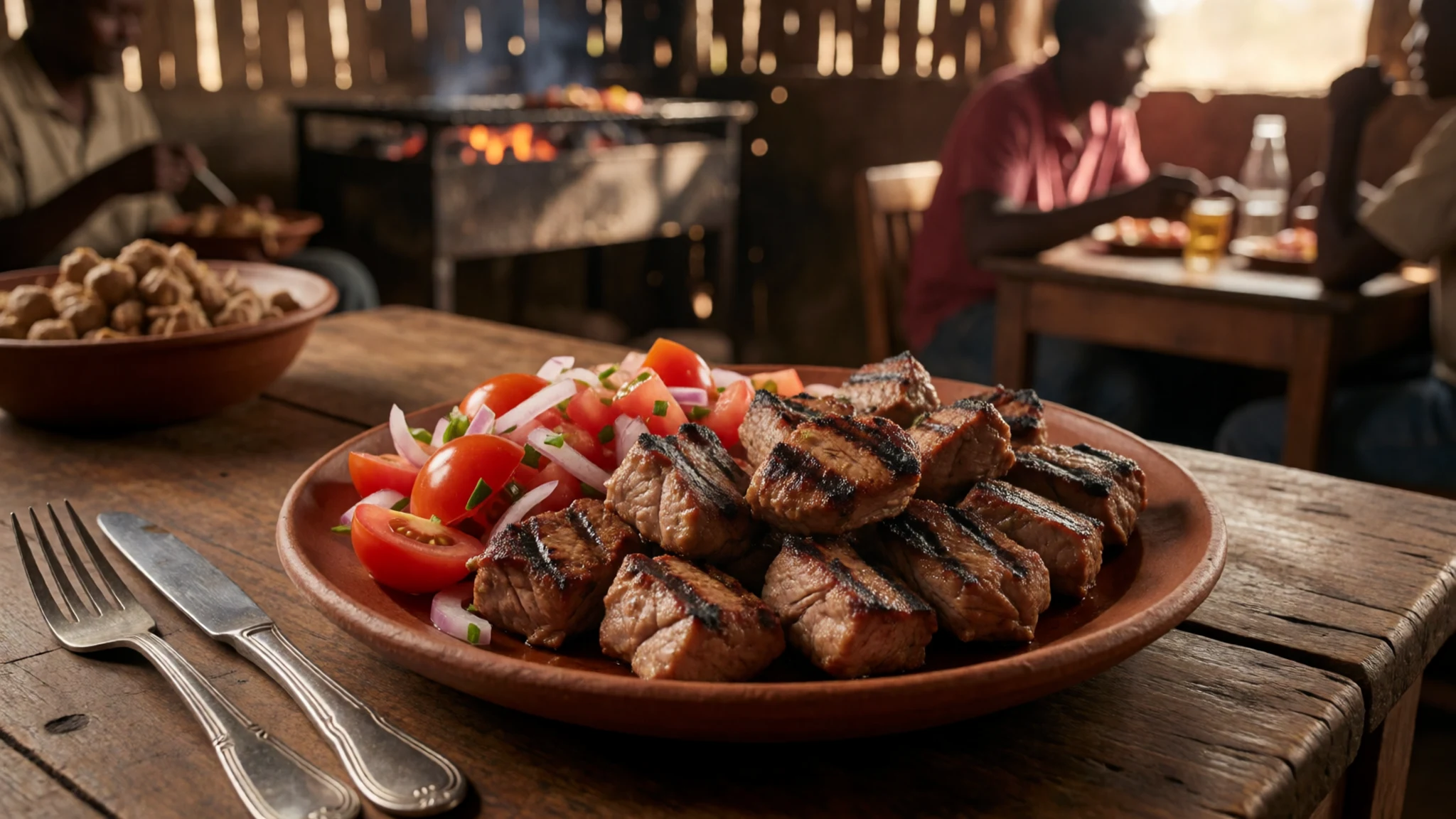
- Ugali with sukuma wiki — Downtown local eateries and workers' canteens near the bus stations
Ugali is a stiff porridge made from maize flour, eaten with the fingers. Sukuma wiki, a dark leafy green cooked with onion and tomato, is its usual partner. It is cheap, filling and typical of everyday Kenyan meals, and you will find it on most local menus.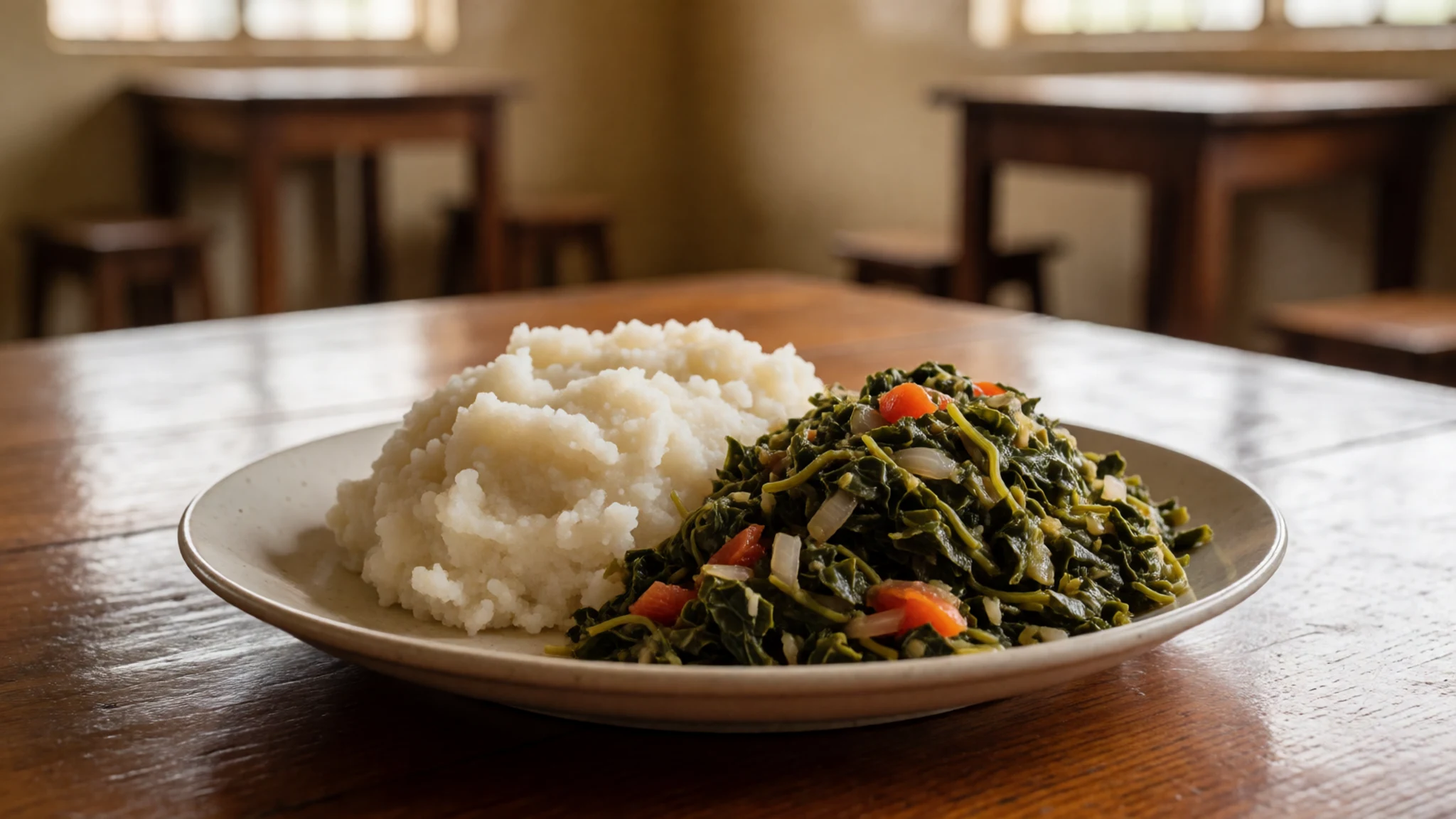
- Githeri — Small local eateries in the older residential neighbourhoods
A dish of maize and beans cooked together with onions, sometimes with potato or vegetables added. It is a Kikuyu staple that reached the city with migrants from the countryside. Ask for it at a homestead-style eatery, where it is usually served hot and inexpensive. - Mutura — Grill stalls near matatu stops in the centre
A spiced sausage made from blood and offal, grilled over charcoal and often eaten with a chilli sauce. It is a favourite snack for those who want something quick and savoury. It is not for everyone, so try a small portion first if you are unsure. - Samosas and chapati — Indian-Kenyan snack shops in the central business district and Eastleigh
Triangular pastries filled with spiced meat or lentils, and soft flatbread that is often served with stews. The city's Indian-Kenyan community has shaped its snack culture, and these make a good light lunch. They are sold hot from small shops and are best eaten fresh. - Beef stew with managu — Downtown eateries that specialise in economical African fare
A stew of beef slow-cooked with managu, a bitter leafy vegetable, and served with ugali or rice. The dish shows the flavours of the Kikuyu and Luhya kitchens that feed the city. Downtown eateries that specialise in economical African food are the best place to find it.
Plan it
Best time. The drier spell, roughly June to September, is the most comfortable time for walking and visiting parks, while January and February run hotter, with highs near 35°C. The rainy seasons bring heavy downpours that can flood low roads and slow traffic, so check the forecast before planning a park day.
How long. 3–4
Getting there. Jomo Kenyatta International Airport (JKIA) is the main gateway, with long-haul flights from Europe, the Middle East and Asia. From the airport, use an official taxi desk for a fixed-price voucher, book a ride-hailing app, or take the airport bus into town. Avoid taxi drivers who offer to recommend accommodation on the way.
Budget. mid
Tips
- Book your airport transfer in advance or buy the fixed-price voucher at the official desk
- Avoid travelling by road during morning and evening rush hours
- Keep valuables out of sight on the street and in matatus
- Drink bottled or filtered water and carry some with you on day trips
- Take the first day gently, as the altitude can make you tire quickly
- Carry small notes for markets, grill houses and tips
Etiquette
- Ask before photographing people, particularly at markets and in informal settlements
- Dress modestly in rural villages, churches and mosques
- Do not photograph government buildings, police posts or the airport
- Greet people before asking for directions or help
Nearby
Sources
- Wikidata Q3870 (CC0)
- Wikipedia (rev 1382981400) (CC BY-SA 4.0)
- Wikivoyage (rev 5412144) (CC BY-SA 4.0)
- Photo: Nairobi, view from KICC (Daryona) (CC BY-SA 1.0)
- Photo: Nairobi skyline from Gem Hotel (Daniel Case) (CC BY-SA 4.0)
- Photo: Kenyatta International Convention Centre 02 (Francis Akuka) (CC0 1.0)
- Photo: The Nairobi Expressway in Chiromo (Allan Kamaliki) (CC BY-SA 4.0)
- Photo: External views of the Nairobi National Museum 05 (Aliceinthealice) (CC0 1.0)
- Photo: Lascar Statue of Dedan Kimathi Waciuri (Jorge Láscar) (CC BY 2.5)
- Photo: UAP Towers seen from Uhuru Park (Dchiedo) (CC BY-SA 4.0)
- Photo: Karen Blixen House and Museum (Daniel Case) (CC BY-SA 4.0)


