Nahuel Huapi Lake
Nahuel Huapi Lake, Argentina
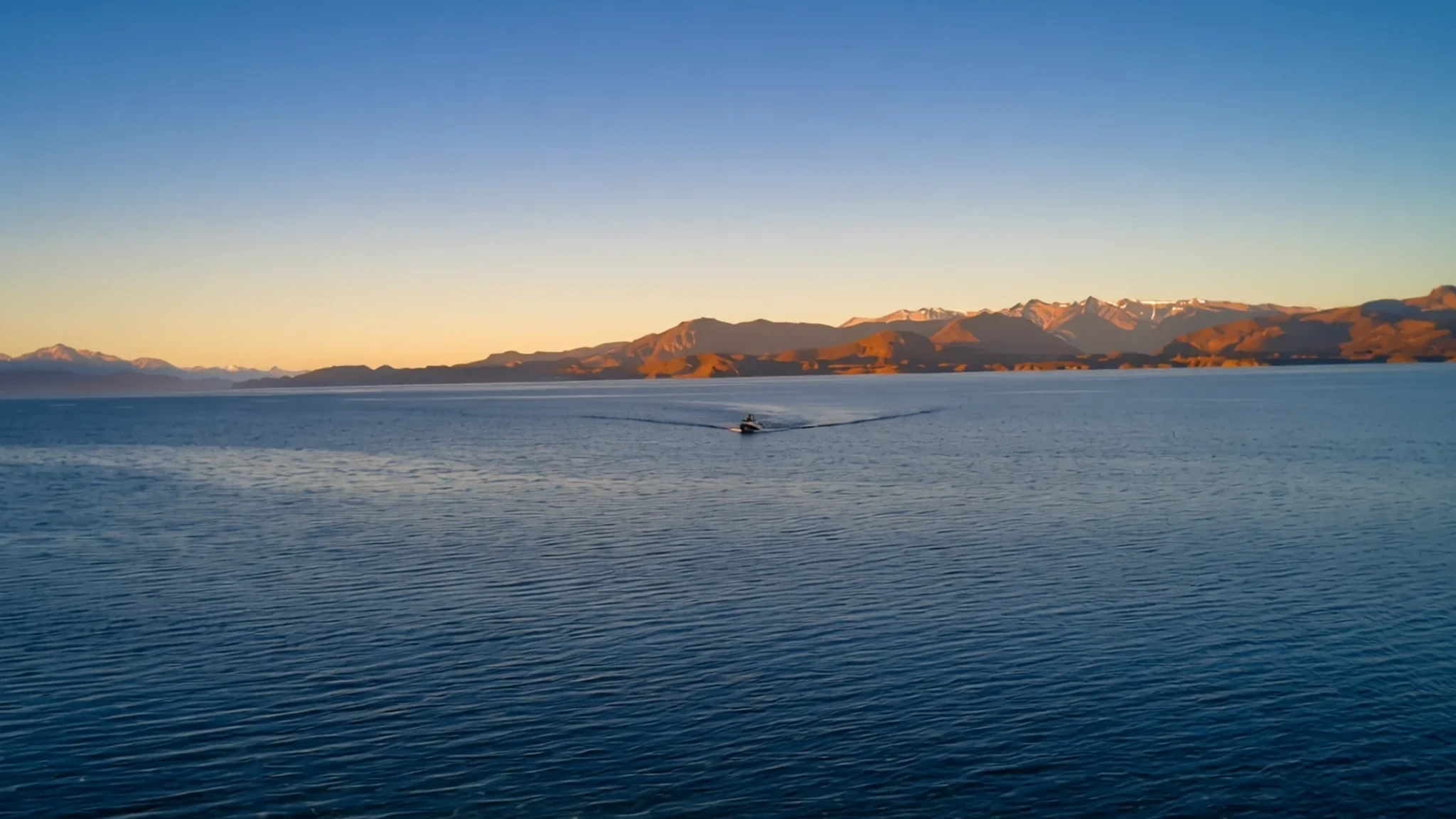
A glacial lake in the Andean lake district of northern Patagonia, with cold clear water, forested shores and easy access from Bariloche.
The place
Nahuel Huapi Lake sits in the lake district of northern Patagonia, spanning the provinces of Río Negro and Neuquén in Argentina. At 768 metres above sea level it is a high, cold lake, with a surface of about 530 square kilometres and a deepest measured point of 464 metres. Its shape runs northwest to southeast and is broken up by seven arms, named Blest, Huemul, de la Tristeza, Campanario, Machete, del Rincón and Última Esperanza, along with peninsulas and islands. The best-known island, Isla Victoria, covers about 31 square kilometres. The whole lake lies inside Nahuel Huapi National Park, and it is one of the larger lakes in northern Patagonia. Bariloche, the region's main town, stands on the southern shore, while Villa La Angostura occupies the northwestern shores. Water leaves the lake through the Limay River, which starts here and feeds the wider Negro River system that reaches the South Atlantic. The average surface temperature is about 7 °C, so the water is exceptionally clear but very cold. Swimming is brief at most, and hypothermia is a real risk. Kayaks and small sailing boats are common on calmer days, and the forested mountains around the shores change colour and shadow through the day.
Its story
Nahuel Huapi Lake has a folklore that has travelled further than its modern reputation as a holiday lake. Older local stories tell of a large creature living in its deep water, and at the start of the twentieth century a rumour grew around a giant animal called Nahuelito. Sightings were reported well before the Loch Ness monster became famous and before Arthur Conan Doyle's The Lost World appeared in 1912. Local Mapuche tradition also describes a creature called el Cuero, named for its smooth skin, and the neighbouring Lago Lácar has its own accounts of a beast closer to a plesiosaur. In 1922, members of the Buenos Aires Zoo came to the lake to check these reports and found no evidence to support them. The lake's second story is a postwar rumour. A few publications, including an American tabloid-style magazine from around 1950 to 1970, a 2004 book and a 2011 book, have argued that Adolf Hitler and Eva Braun escaped to Argentina and lived near Bariloche for years. These claims centre on Casa Inalco at the northwest end of the lake, which the architect Alejandro Bustillo designed in early 1943. Its unusual plan, with bedrooms linked through bathrooms, is compared with Hitler's Berghof in Bavaria, though that comparison is a matter of interpretation rather than proof. The evidence for the escape account is thin, and the house is better known for its rumours than for any documented occupancy.
What to see
- Bariloche lakeshore — Bariloche, southern shore
Bariloche sits on the southern shore and is the lake's main base, with restaurants, bakeries and chocolate shops along the streets that run down toward the water. The lakefront is the easiest place to start a walk, and in summer it fills with families, kayakers and sunbathers. Early mornings are quieter and the light on the water is better, before the boats and crowds arrive.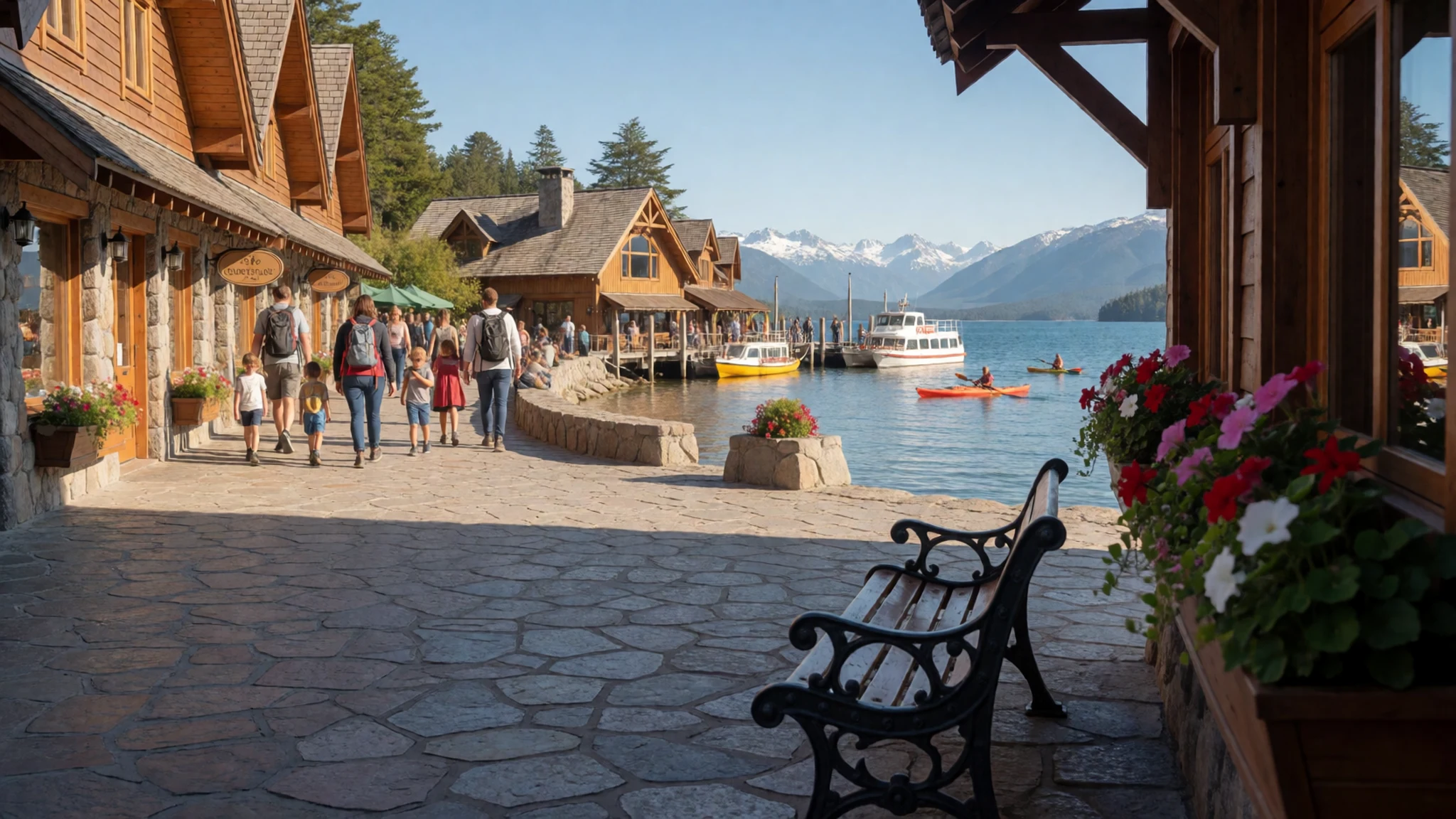
- Isla Victoria — Central lake, by boat from the southern shore
Isla Victoria is the best-known island in the lake, covering about 31 square kilometres. Lake crossings and tours can reach its shores, and walking tracks lead through its forest. Pick a day with light wind, because the open water between the island and the mainland can get choppy. Bring warm layers, since the lake stays cold even in summer.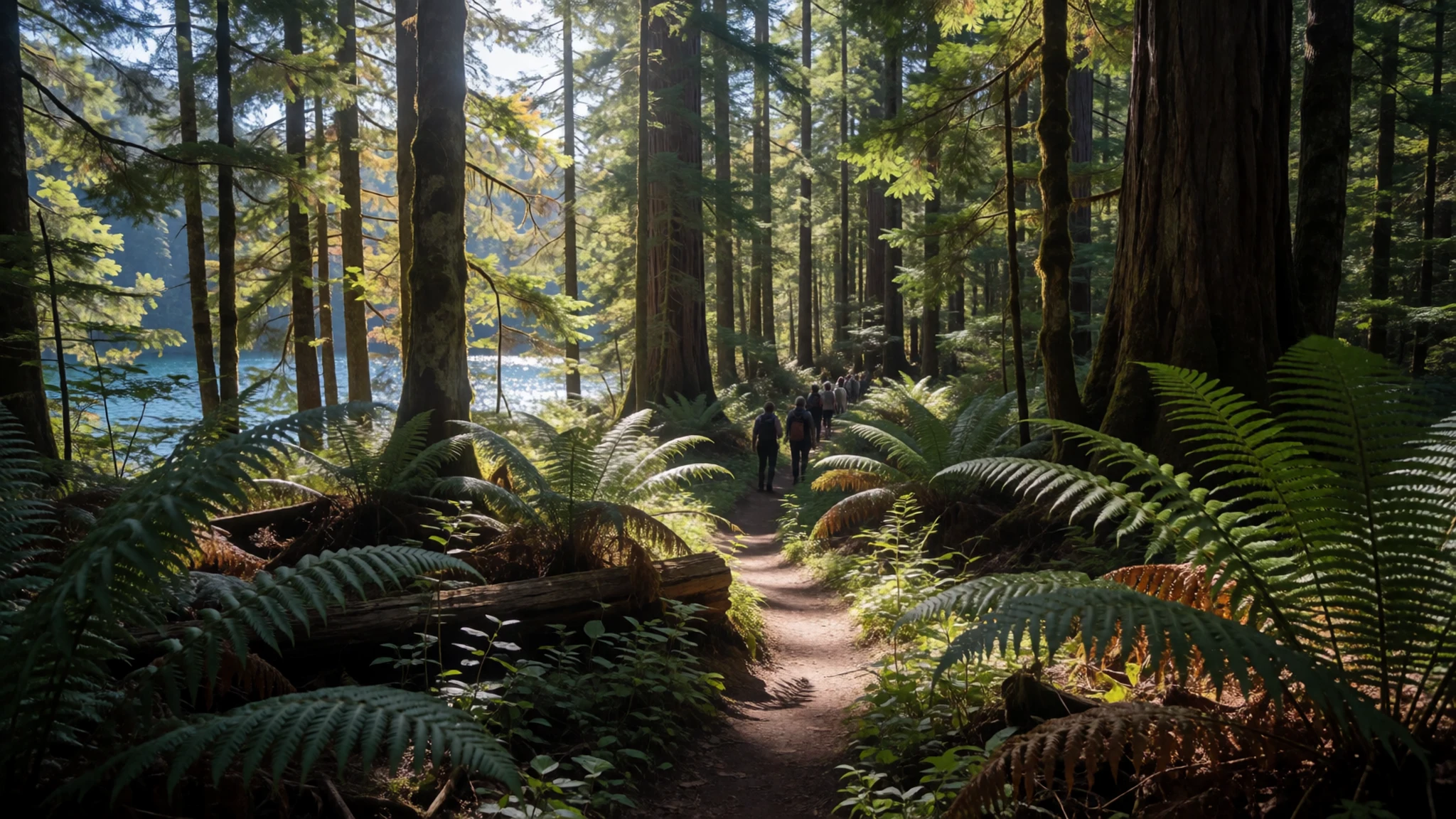
- Villa La Angostura and the northwest shore — Northwest shore, Neuquén side
Villa La Angostura lies on the northwestern shores, a smaller town than Bariloche and reached by a road that follows the lake for part of the way. Its waterfront and forest walks are quieter, and the town is a base for exploring the northwest end of the lake and the surrounding national park. Accommodation can be limited in peak season, so book early.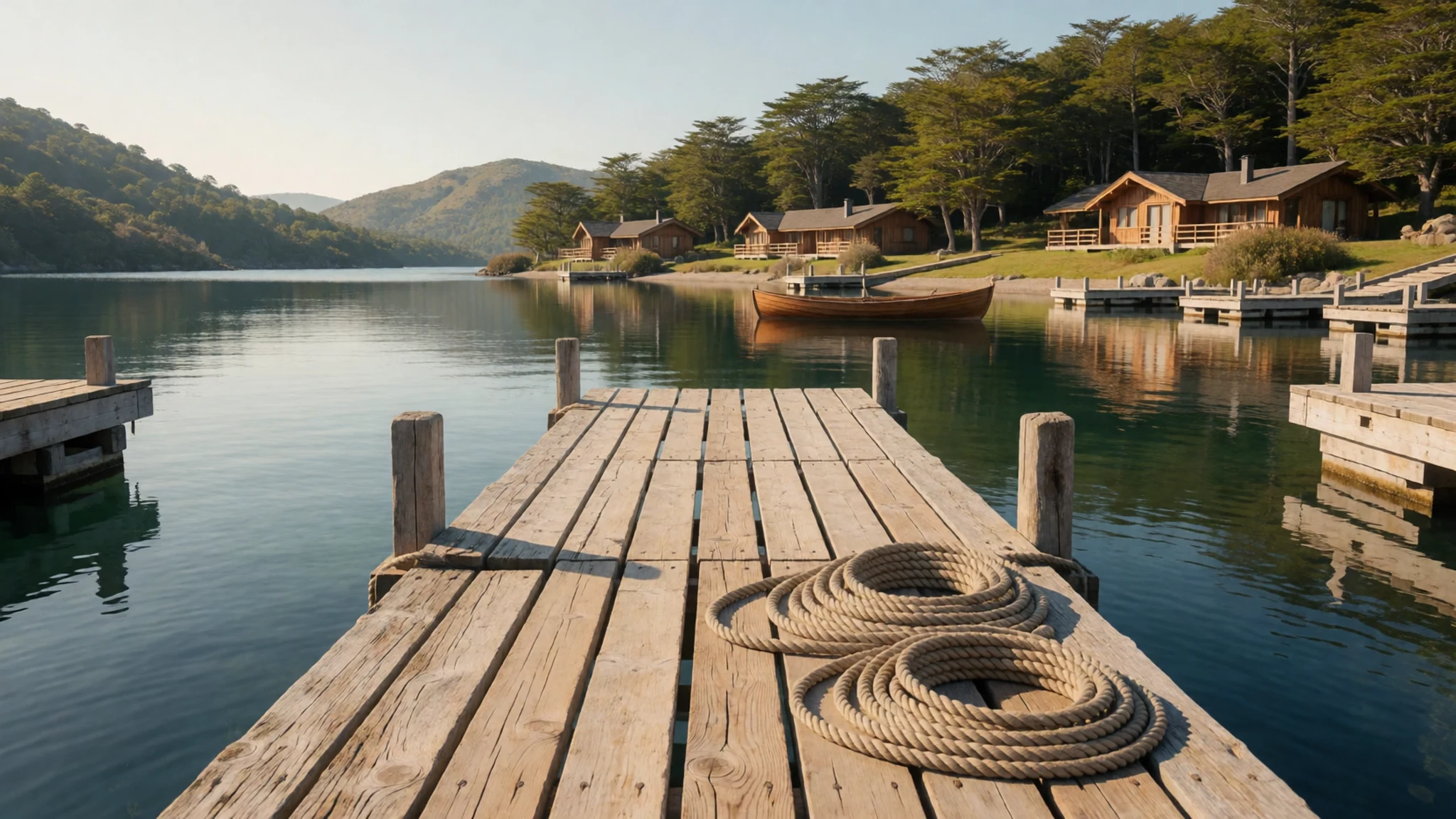
- Casa Inalco — Northwest end of the lake, near Villa La Angostura
Casa Inalco stands at the northwest end of the lake, near Villa La Angostura. Architect Alejandro Bustillo designed the house in early 1943, and its plan has unusual features, including bedrooms linked through bathrooms. The house is most often discussed for the rumours attached to it, so treat claims you read online with caution. Check locally whether the house is open to visitors before you plan a trip around it.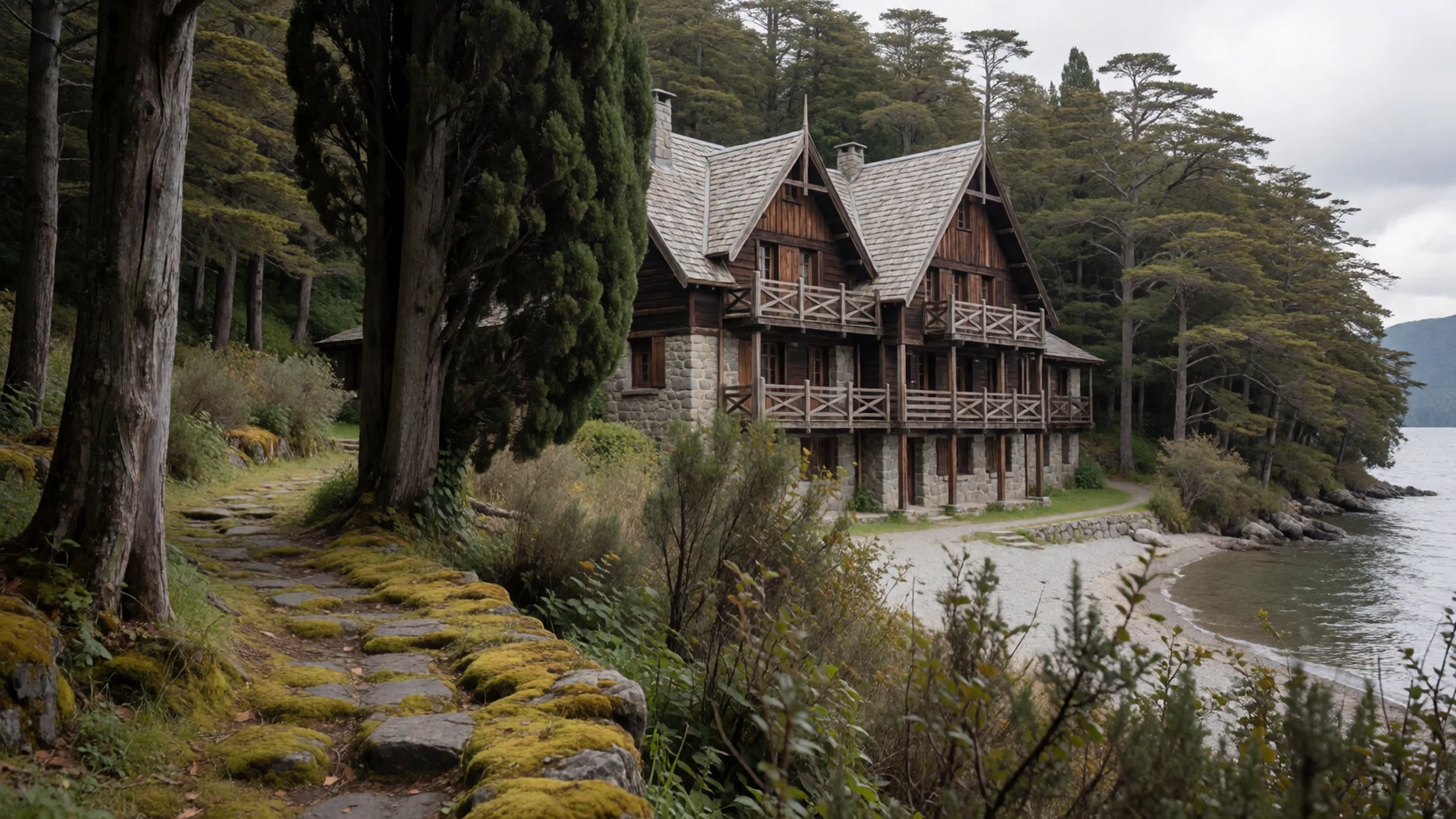
- Llao Llao and the western shore — Western shore, a short drive from Bariloche
The Llao Llao area on the western shore is a frequently photographed spot, with a view across the water toward the mountains from the hotel grounds and golf course. Walking around the grounds offers a quieter alternative to the town. Dress for wind even on warm days, because conditions on open water can change quickly.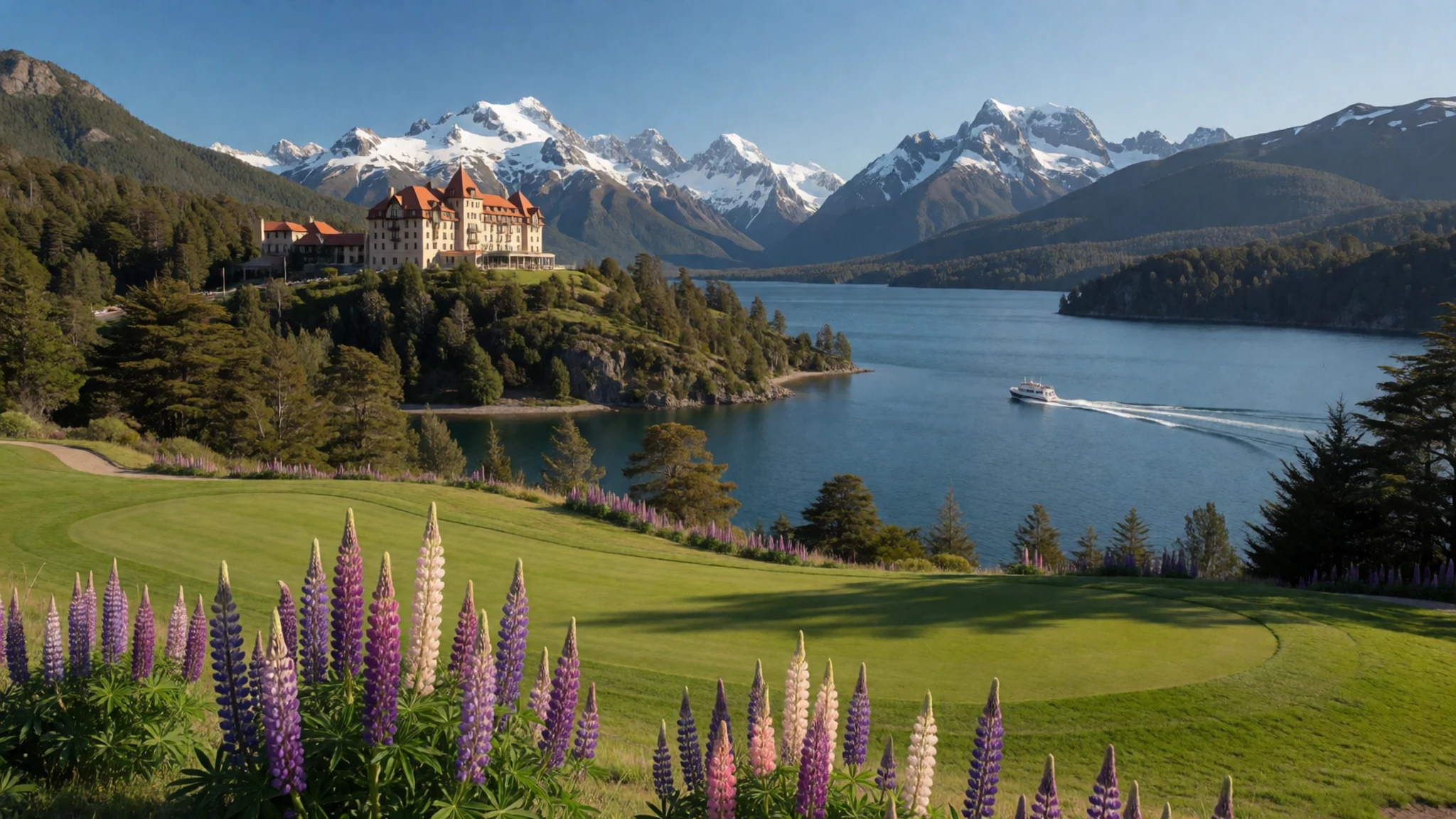
Culture
Nahuel Huapi Lake lies in a region where Mapuche heritage is part of local life, and the lake carries its own folklore, from the creature stories told along the shore to the everyday rhythms of Bariloche. Visitors meet mate most often: a bitter tea drunk from a shared gourd, passed around a group and topped up with hot water, sometimes sweetened or taken with a little sugar. Accepting a turn from a friend is a gesture of hospitality, and sharing it with strangers on a park bench is normal. Lunch in town is usually late, and a parrilla meal can run for hours, so do not expect quick service. Around the lake, the national park asks visitors to stay on marked paths and carry their rubbish out. Do not feed the wildlife, and ask before photographing people, especially families and craftspeople at markets.
What to wear
Nahuel Huapi Lake sits in a landscape where clothing has always been practical. Traditional dress in northern Patagonia centres on wool: Mapuche weavers have made ponchos and blankets from sheep's wool on upright looms, using geometric patterns in dark and natural tones. Rural Patagonian horsemen have traditionally worn the chiripá, a wrapped trouser, with leather boots and a wide-brimmed hat against sun and wind. Today, people in Bariloche dress for the weather more than for style. Fleece, down jackets, waterproof shells and sturdy walking boots are common in town and on the trails, and cafés fill with people in outdoor gear. Visitors should pack in layers, with a windproof and waterproof outer shell, a warm mid-layer and a sun hat, because sun and wind are strong at this altitude and the air off the water cools quickly. Walking shoes with good grip suit the rocky shoreline and forest paths far better than fashion footwear. Swimwear is worth packing only for a brief dip, since the water is very cold.
What to eat
- Cordero patagónico — Parrillas in Bariloche's town centre
Patagonian lamb, grilled slowly over wood in a parrilla, is the signature dish here. Locals say the flavour comes from the wild herbs the animals graze, and the meat is usually served simply, with little more than salt. Order it by the portion and expect generous servings.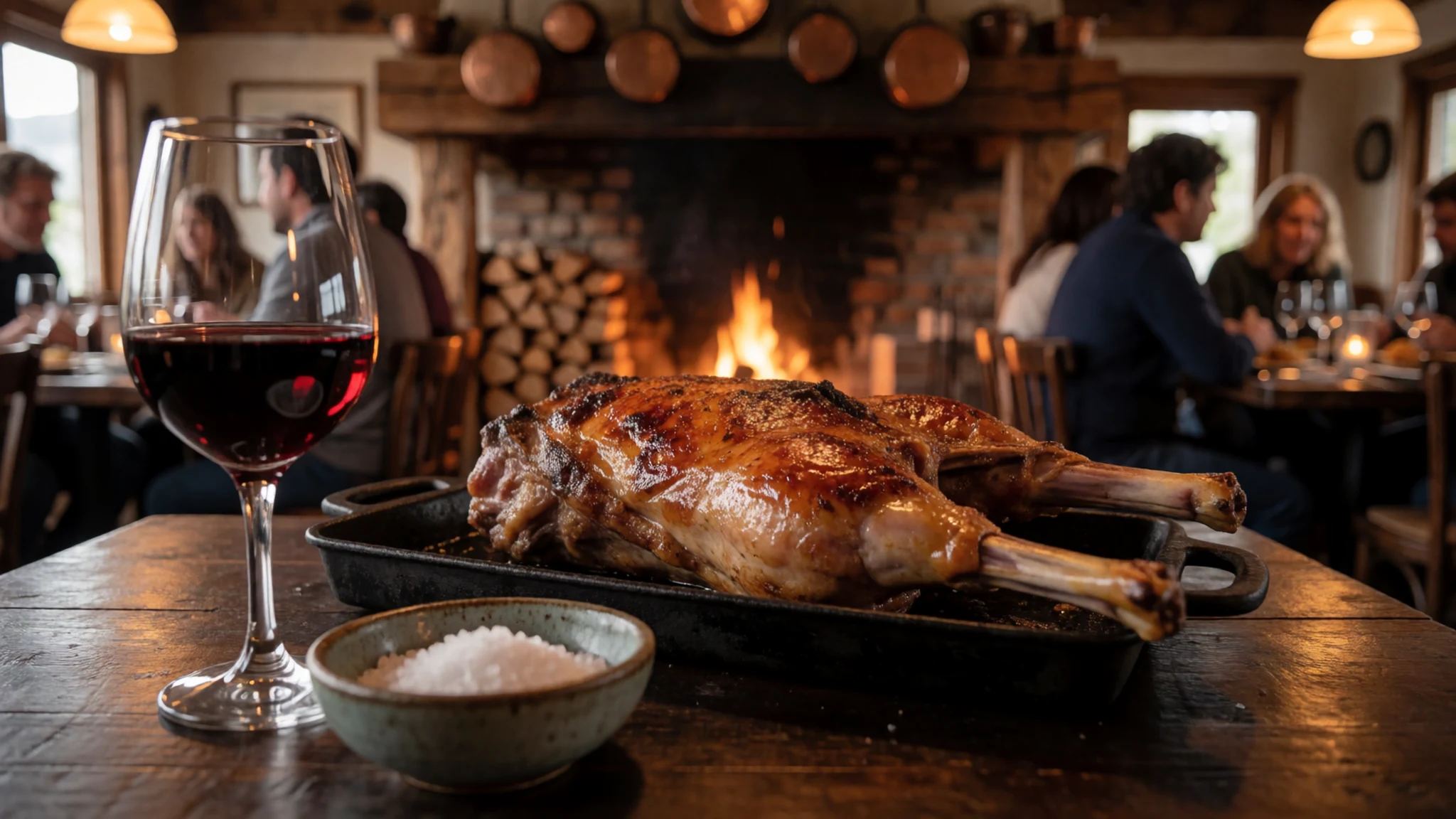
- Dulce de leche — Chocolate shops and confectioners on the town's main streets
Made by cooking sugar with milk until it turns thick and caramel-coloured, dulce de leche fills alfajores, pastries and ice cream. In Bariloche it appears in chocolate shops and confectioners, often paired with dark chocolate. A plain alfajor is a good way to taste it on its own.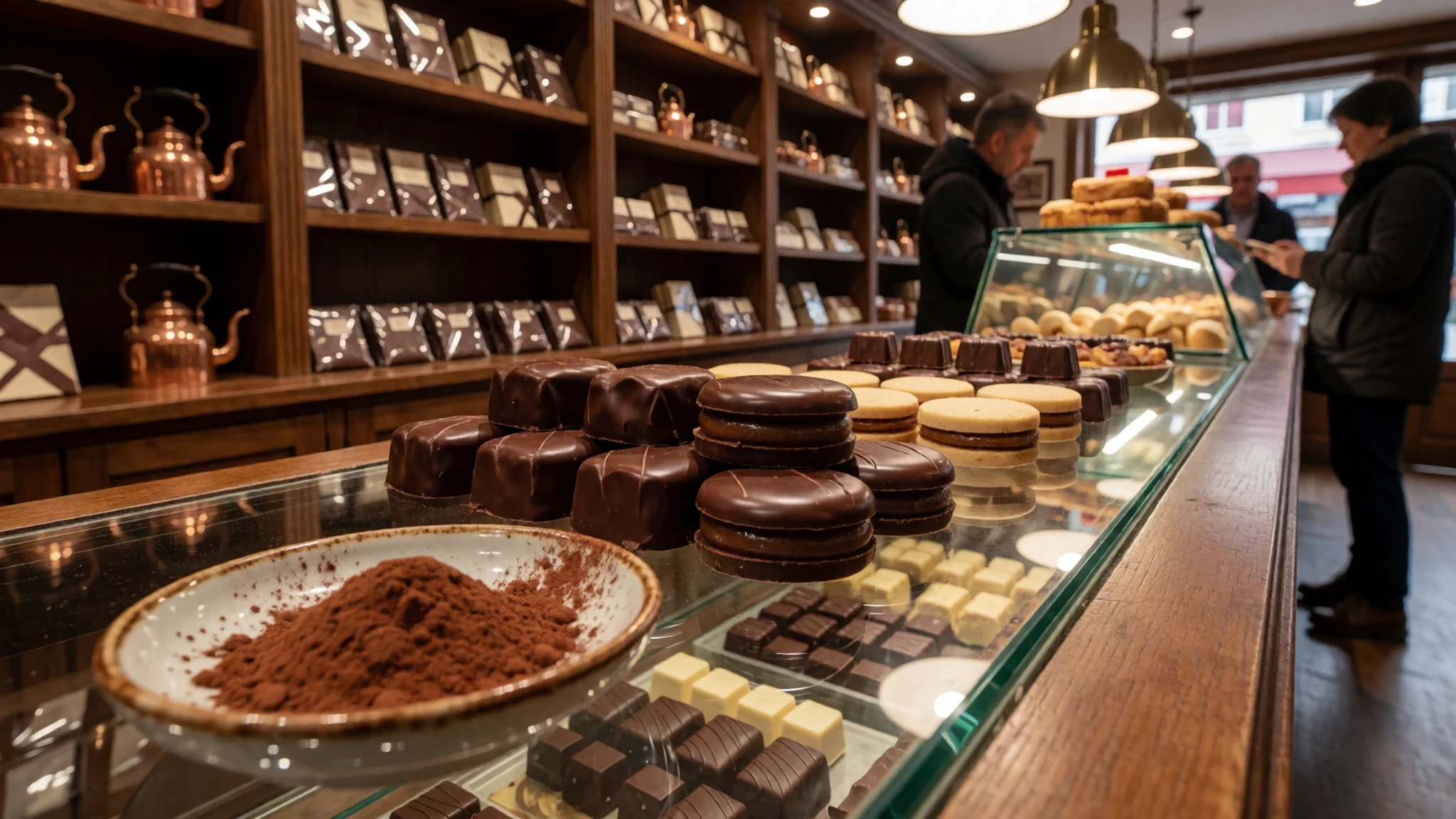
- Facturas with mate — Morning bakery cafés in Bariloche's town centre
Facturas are sweet pastries eaten at breakfast or with an afternoon tea, often filled with dulce de leche or custard. Order a couple with a coffee or a mate. Bakery cafés open early and fill up around mid-morning, so arrive before the rush. - Mate — Lakeshore parks and benches, and any café that serves it
Mate is a bitter tea made from yerba leaves, drunk through a metal straw from a gourd and shared around a group. It is sipped repeatedly, with hot water added each time, and some people sweeten it. Locals often carry their own thermos and gourd to the lakeshore, where sharing a round is a common sight.
Plan it
Best time. December to March brings the warmest and longest days, although the lake itself stays cold at about 7 °C on average. October, November and April are quieter, with cooler air and fewer people on the water, but expect changeable weather.
How long. 2–3
Getting there. Bariloche airport (BRC) is the nearest airport to the lake's main town and has flights to several Argentine cities. From the airport, a taxi or transfer takes you into town and down to the lakeshore.
Budget. mid
Tips
- Book accommodation early for summer, when Bariloche and Villa La Angostura fill up
- Carry layers even on warm days, since the air over the water cools quickly
- Check the official park website for trail conditions and any swimming warnings
- Carry some cash for small cafés and markets, because not every place accepts cards
- Start long walks in the morning, before the afternoon wind builds
Etiquette
- Stay on marked trails inside Nahuel Huapi National Park
- Take all your rubbish out, including fruit peel and tissues
- Do not feed wildlife or approach animals for a photograph
Nearby
Sources
- Wikidata Q498371 (CC0)
- Wikipedia: Nahuel Huapi Lake (rev 1380480157) (CC BY-SA 4.0)
- Wikivoyage: Rio Negro (Argentina) (rev 5339979) (CC BY-SA 4.0)
- Photo: View from the Golf course at Llao Llao, David (CC BY 2.5)
- Photo: Nahuel Huapi Lake, Llao Llao, David (CC BY 2.5)
- Photo: Casa Inalco, Janitoalevic (CC BY-SA 4.0)
- Photo: Nahuel Huapi lake 51, Msadp06 (CC BY-SA 4.0)
- Photo: Nahuel Huapi lake 52, Msadp06 (CC BY-SA 4.0)
- Photo: Nahuel Huapi lake 53, Msadp06 (CC BY-SA 4.0)
- Photo: Nahuel Huapi Lake captured from Camping Petunia, DaiMH21 (CC BY-SA 4.0)
- Photo: "El lago susurrante", Germán Hevia (CC BY-SA 4.0)


