Nagpur
Nagpur, India
Visit Nagpur to explore central India's bustling orange capital, historic monuments, and its deeply significant Buddhist and wildlife heritage.
The place
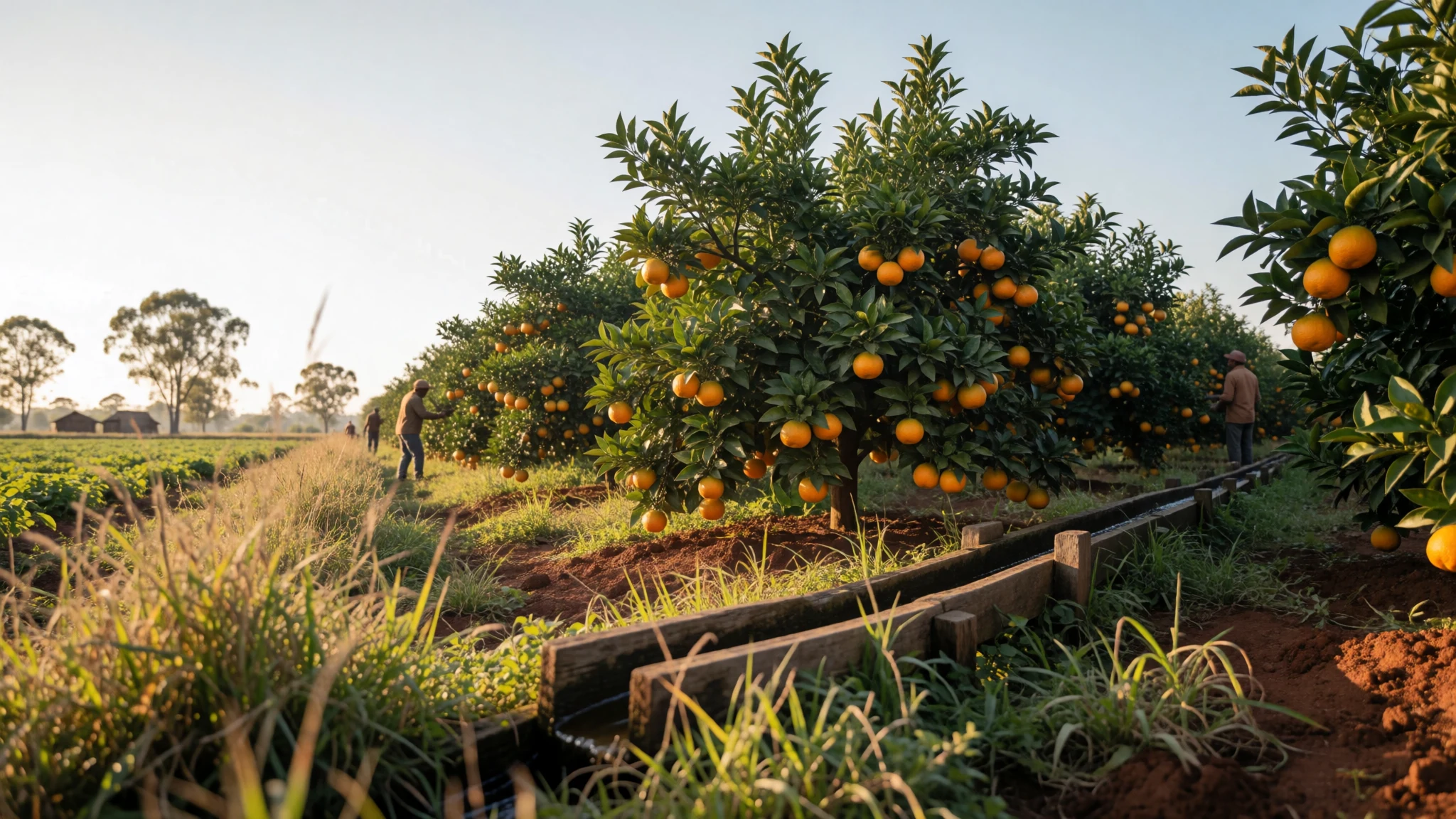
Nagpur is central India's biggest and most crowded city, functioning as Maharashtra's co-capital and the main business center for the Vidarbha area. Home to over two million residents, the city sits atop the Deccan plateau at an elevation of 310 metres. Known universally as the Orange City, it anchors a major agricultural trade in citrus fruits cultivated across the surrounding districts. Beyond commerce, Nagpur functions as a political focal point, hosting the winter session of the state legislative assembly at the Vidhan Bhavan and housing regional judicial branches. It is also recognised as a vital gateway for wildlife enthusiasts, connecting travellers to nearby tiger reserves and conservation areas. The urban landscape blends colonial-era institutions, such as the General Post Office and heritage schools, with bustling modern commercial districts like Sitabuldi. Despite its rapid economic growth and metropolitan scale, Nagpur maintains a relatively calm rhythm compared to coastal mega-cities, offering visitors an accessible entry point into the cultural fabric of inland India.
Its story
Human existence in the Nagpur area stretches back millennia, with megalithic burial sites indicating ancient communities inhabiting the region long before recorded kingdoms emerged. Historical records indicate that the territory was ruled by the Vakataka Dynasty during the fourth century, maintaining diplomatic ties with the Gupta Empire. The modern city traces its formal establishment to 1702 under the Gond king Bakht Buland Shah of Deogarh. Leadership later shifted to the Maratha Empire through the Bhonsle dynasty, before the British East India Company assumed control in the nineteenth century, designating the settlement as the administrative centre of the Central Provinces and Berar. Linguistic and political reorganisation later established Nagpur as the second capital of Maharashtra following an informal regional pact. Etymologists and historians have linked the city's name to ancient linguistic roots, connecting it to old references such as Fanindrapura, derived from the Marathi word for a cobra hood. Political leader B. R. Ambedkar highlighted the area's ancient associations with the Nags, cementing the city's enduring historical identity as a crucible for social movements and political transformation in modern India.
What to see
- Zero Mile Stone — Central Nagpur
A monument established during the colonial era to mark the geographical centre of British India, featuring a sandstone pillar erected by surveyors. - Nagpur Central Museum — Civil Lines
Founded in the nineteenth century, this institution preserves extensive collections of local antiquities, sculptures, natural history exhibits, and ancient coins. - Vidhan Bhavan — Administrative District
The imposing legislative building constructed in the early twentieth century to house governance for the former Central Provinces, now hosting state winter sessions. - Dragon Palace Temple — Kamptee
A striking modern Buddhist temple complex located in nearby Kamptee, known for its serene white architecture and landscaped gardens. - Sitabuldi Fort and Market — City Centre
A bustling commercial artery rising past historic fortifications, representing the frantic retail heart of the city where street vendors meet modern shops.
Culture
Nagpur brings together diverse communities from across India, encompassing multiple linguistic groups and major world faiths while maintaining a peaceful social climate during civic events. The city fosters a rich literary tradition, supporting active societies dedicated to Marathi and Hindi development through regular conferences and annual literary festivals that attract regional and international writers. Cultural life is further enriched by seasonal celebrations, traditional music performances, and community gatherings centred around historical landmarks and neighbourhood chowks. Visitors will find locals welcoming and eager to discuss regional literature, politics, or local culinary specialities over a cup of tea. When visiting religious sites, places of worship, or memorial complexes, always remove your footwear at the designated entrance areas and dress modestly with shoulders and knees covered.
What to wear
Traditional attire across Nagpur reflects standard urban and semi-urban Indian dress codes. Older generations and residents attending formal or religious gatherings frequently wear traditional garments such as cotton sarees for women and kurtas or dhotis for men, crafted from breathable fabrics suited to the local climate. In daily urban life, younger residents and professionals predominantly wear western-casual clothing, including trousers, shirts, and denim, while office workers opt for standard formal business attire. Visitors should pack lightweight, breathable cotton garments to cope with regional warmth, alongside a light layer for cooler winter evenings. When exploring local markets or religious shrines, dressing modestly by covering shoulders and legs is appreciated by the local community. Sturdy, slip-on footwear that is easy to remove is recommended, as visitors will frequently need to take off their shoes before entering temples, memorial halls, and traditional homes.
What to eat
- Nagpur Oranges — Central Market
The region's famous citrus fruit, celebrated for its unique sweet-tart balance, available fresh from street carts and municipal markets across the city. - Mominpura Biryani — Mominpura neighbourhood
Richly spiced rice and meat preparations served in traditional neighbourhood eateries, particularly lively during festive seasons like Ramzan. - Sadar Street Snacks — Sadar market area
Local street-side snacks and savoury treats available near the historic Sadar bazaar and old VCA ground. - South-Indian Tiffin — Civil Lines
Classic vegetarian dosas, idlis, and filter coffee served at established neighbourhood canteens and family restaurants across Civil Lines.
Plan it
Best time. October to February offers the most pleasant weather for exploring outdoor monuments and visiting nearby wildlife reserves, while summer months become intensely hot.
How long. 2–3
Getting there. Fly into Dr. Babasaheb Ambedkar International Airport or arrive by train at Nagpur Junction railway station, then take auto-rickshaws or ride-hailing cabs for local transport.
Budget. mid
Tips
- Carry cash for small shops, auto-rickshaws, and temple donations
- Start outdoor sightseeing early in the morning to avoid afternoon heat
- Drink bottled or filtered water and avoid ice from unknown street vendors
- Book tiger safari permits well in advance if visiting nearby national parks
Etiquette
- Remove shoes before entering temples, memorials, and carpeted indoor spaces
- Ask permission before photographing local residents in traditional settings
Nearby
Sources
- Wikidata Q1513 (CC0)
- Wikipedia (Nagpur) (CC BY-SA 4.0)
- Wikivoyage (Nagpur) (CC BY-SA 4.0)