Nagarhole National Park
Nagarhole National Park, India
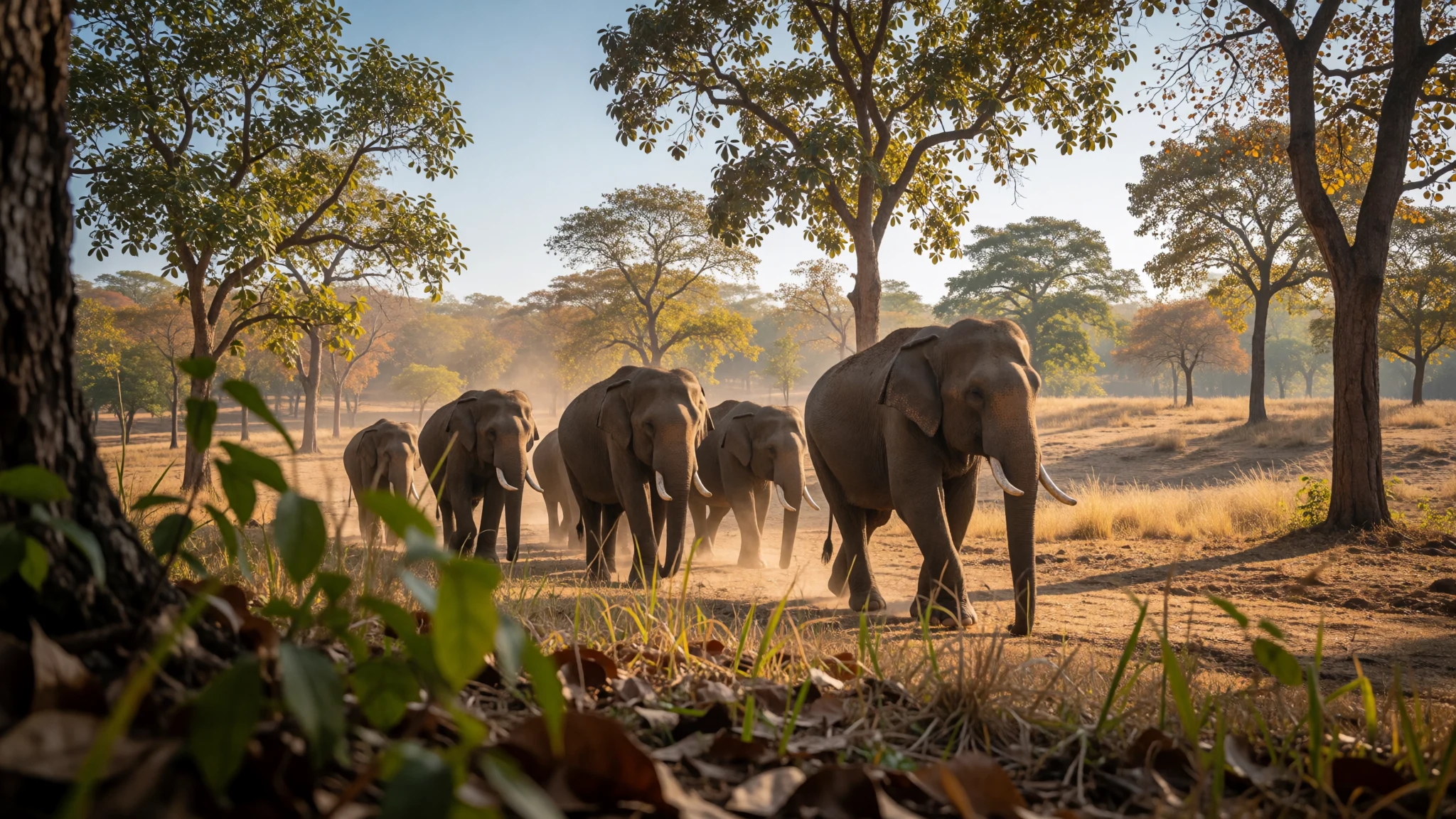
Nagarhole mixes dense forest and water with easy game-viewing by safari, plus elephant encounters that feel close without being cramped.
The place
Nagarhole National Park sits in Karnataka, spilling across Kodagu district and Mysore district. It’s one of those parks where the landscape does the talking: forest cover, small streams, hills, valleys, and waterfalls all create constantly changing routes for animals and birds. In the park’s river-and-stream country, prey animals move through the greenery and predators follow, so a drive can feel like watching the habitat work.
What makes Nagarhole special is how it sits within a broader ecological patch linked to the Western Ghats. The park’s name comes from nagara (snake) and hole (streams), which is a neat hint at why water is so central here. The Kabini side often features the kind of edges where wildlife gathers, while the rest of the park stays deep and green, with teak and mixed forest character shaping what you see from the vehicle.
Wildlife reputation is part of the draw, and the park is known for the Bengal tiger, the gaur, the Indian elephant, the Indian leopard, chital, and sambar deer. Even when sightings are quiet, the atmosphere stays rewarding: birds wading in wet margins, deer stepping out to drink, and the occasional flash of movement that turns a slow drive into focus.
Practical note: it’s not a lightweight, “walk everywhere” destination. Expect heat, humidity pockets, and long stretches in a vehicle or at structured trails, so planning your timing matters for comfort and for wildlife odds.
Its story
Nagarhole’s story starts with people hunting the land long before it became a national park. The area was once an exclusive hunting reserve for the Wodeyar dynasty, the rulers of the Kingdom of Mysore, which is why today’s wildlife experience feels built on a history of access and control rather than purely open wilderness.
Later, the status changed in stages. First it moved into wildlife protection as a sanctuary, then it was upgraded into a national park, and it was further designated as a tiger reserve. There’s a sense of layered governance here: conservation goals, shifting boundaries, and management plans that try to balance core habitat with the reality that visitors come for animal sightings.
The name itself carries local meaning. Nagarhole pairs nagara, a word for a snake, with hole, a word for streams. That etymology matches what you experience on the ground: many animals gravitate to water lines, and the park’s small streams and humid pockets bring life to otherwise still forest. Even the trails and trekking options read like extensions of that pattern—walks that aim to reach birdy water sources, forest valleys, or waterfall-and-stream country.
For travellers, this history matters because it shapes how the park is visited. Safaris, set entry points, and rules around where vehicles can move are part of the conservation framework, and the best days tend to be those that respect that rhythm: quiet starts, patience during drives, and using your time where water and forest overlap.
What to see
- Safari drives through forest zones (Kabini/Nagarhole region) — Nagarhole & Kabini area
A guided safari-style drive is where Nagarhole’s forest comes alive—teak shade, open patches, and the movement corridors that animals use. Go slowly, keep expectations flexible, and watch for water-edge activity.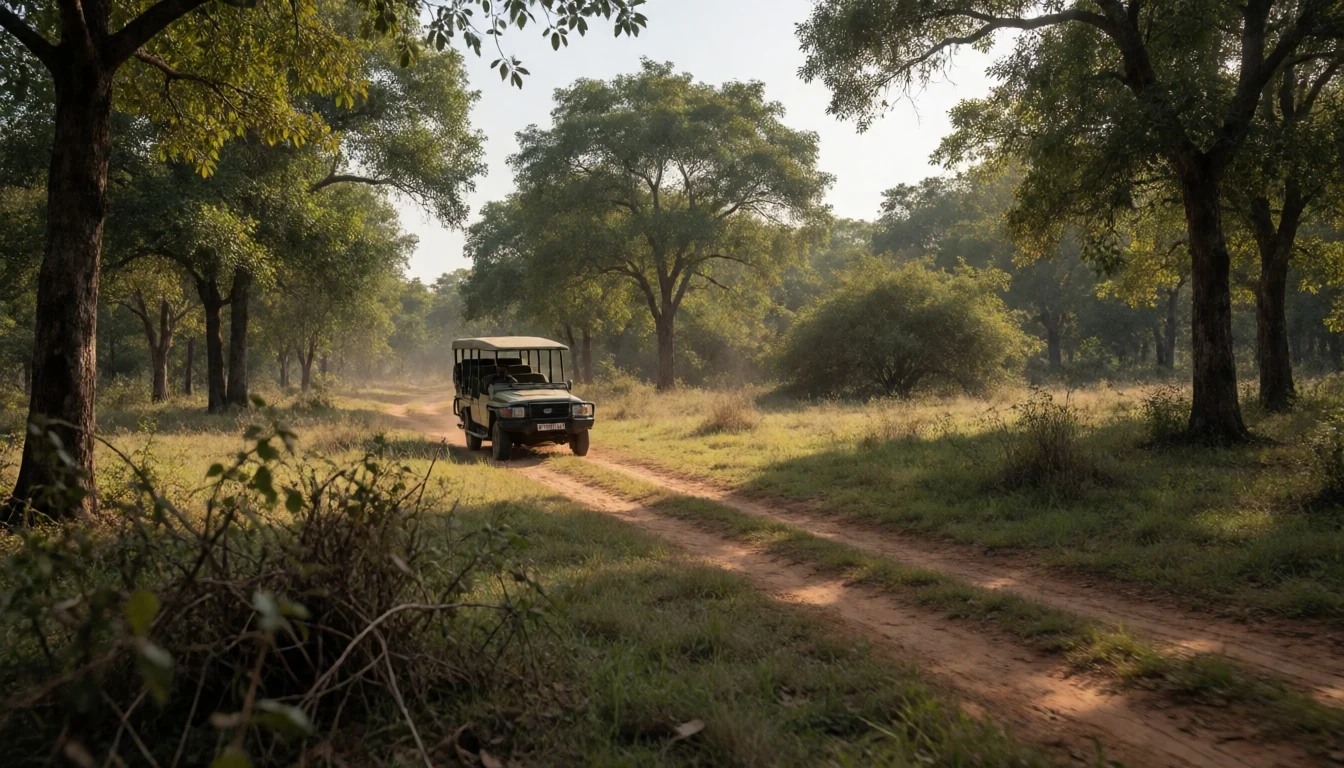
- Kabini reservoir waterside feel — Kabini side of Nagarhole
Near Kabini, the water-and-vegetation edges can concentrate birds and animals, especially when the light softens. Even without a big cat moment, you often get clearer sightlines for drinking and wading behaviour.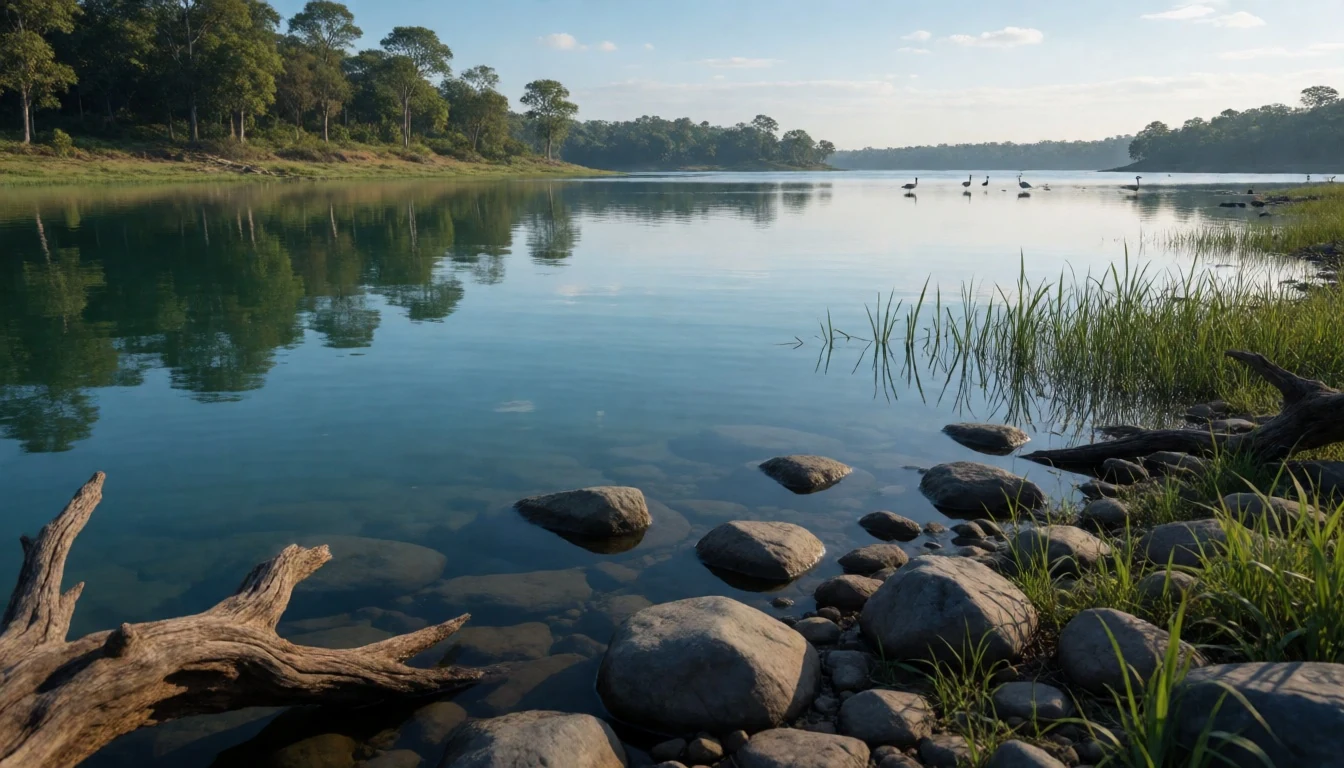
- Central Nagarhole Walking Trail — Nagarhole interior
The Central Nagarhole Walking Trail is designed as a shorter walk that doesn’t require a guide. It’s a chance to slow down—listen for birds, scan for deer and gaur movement, and appreciate forest texture at walking pace.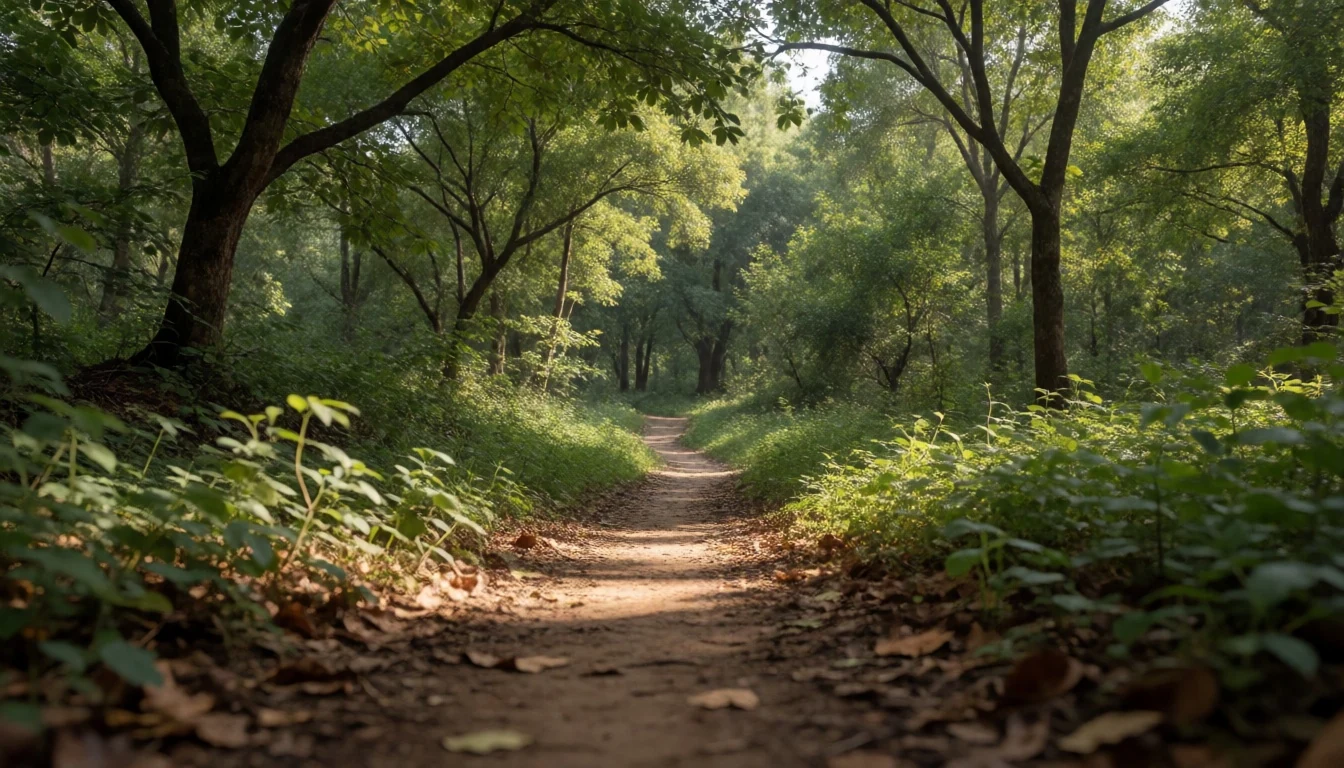
- North Nagarhole Walking Trail (with a trained guide) — Kabini River banks
For the North Nagarhole Walking Trail, a trained guide supports a walk along the Kabini River banks, where birds and animals gather at this water source. It’s more about steady observation than long-distance hiking.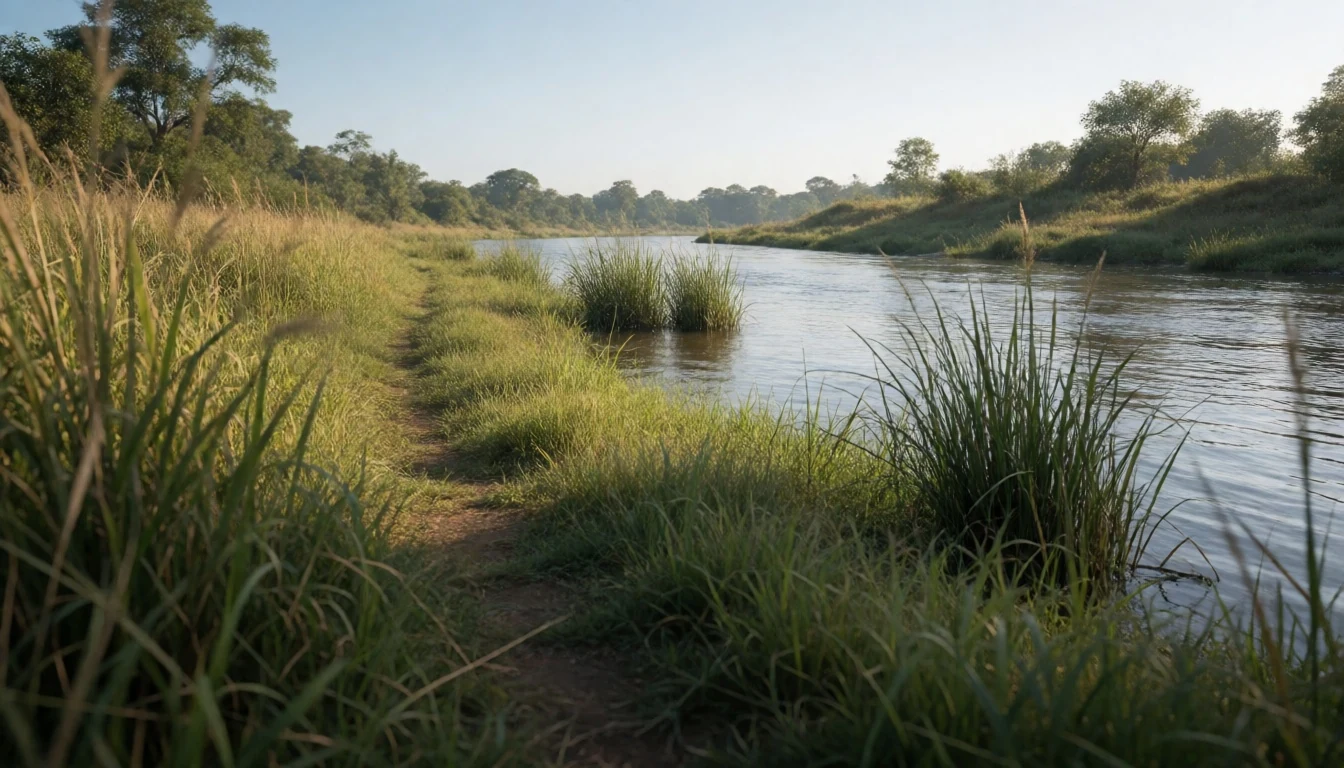
- West Nagarhole Walking Trail to streams and waterfalls — West Nagarhole valleys
The West Nagarhole Walking Trail takes you through forested valleys towards waterfalls and streams. Wildlife can be tree-inclined, and the route can feel damp—so expect uneven ground and focus on footing as much as spotting.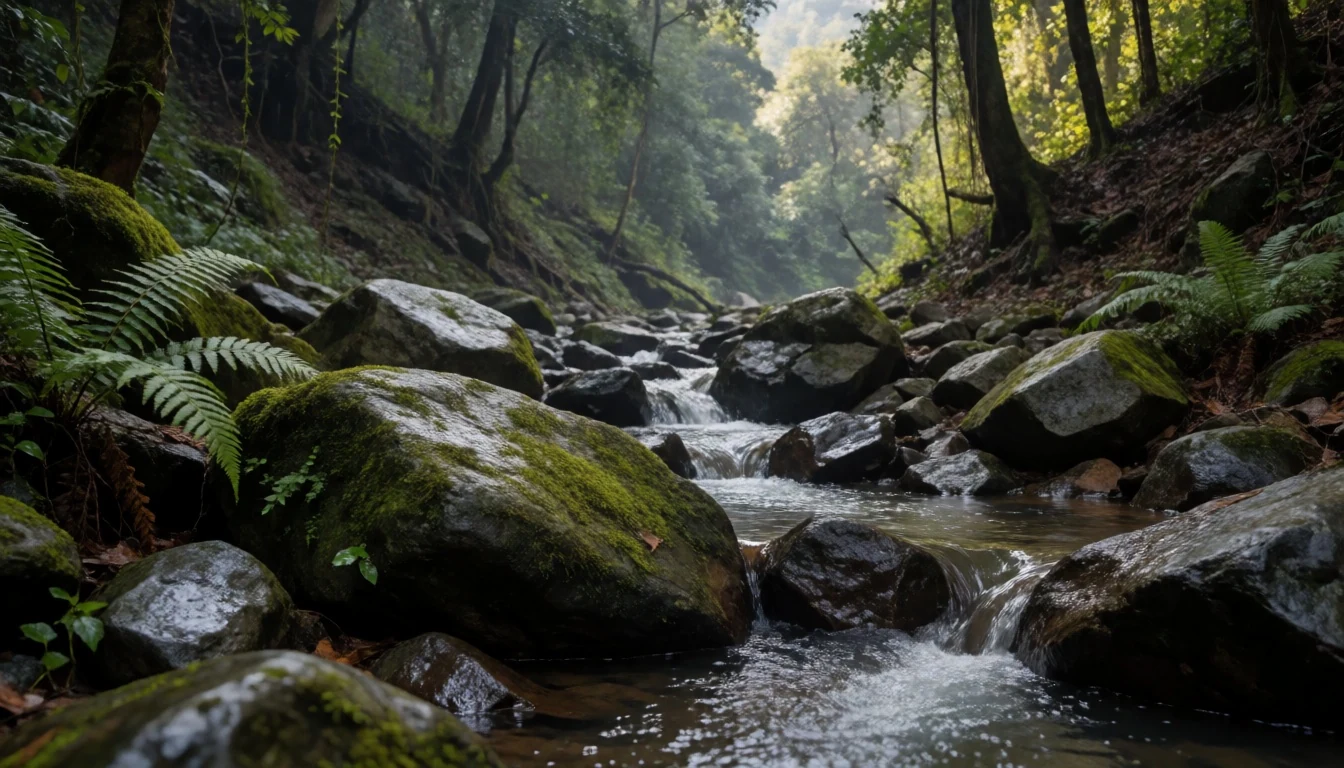
- Dubare and Balle elephant camps — Dubare & Balle area
Dubare and Balle are elephant camp areas linked to river and road access. They’re a good contrast to the deeper park: expect calmer, human-arranged elephant viewing, and use it as a softer day before more focused forest safaris.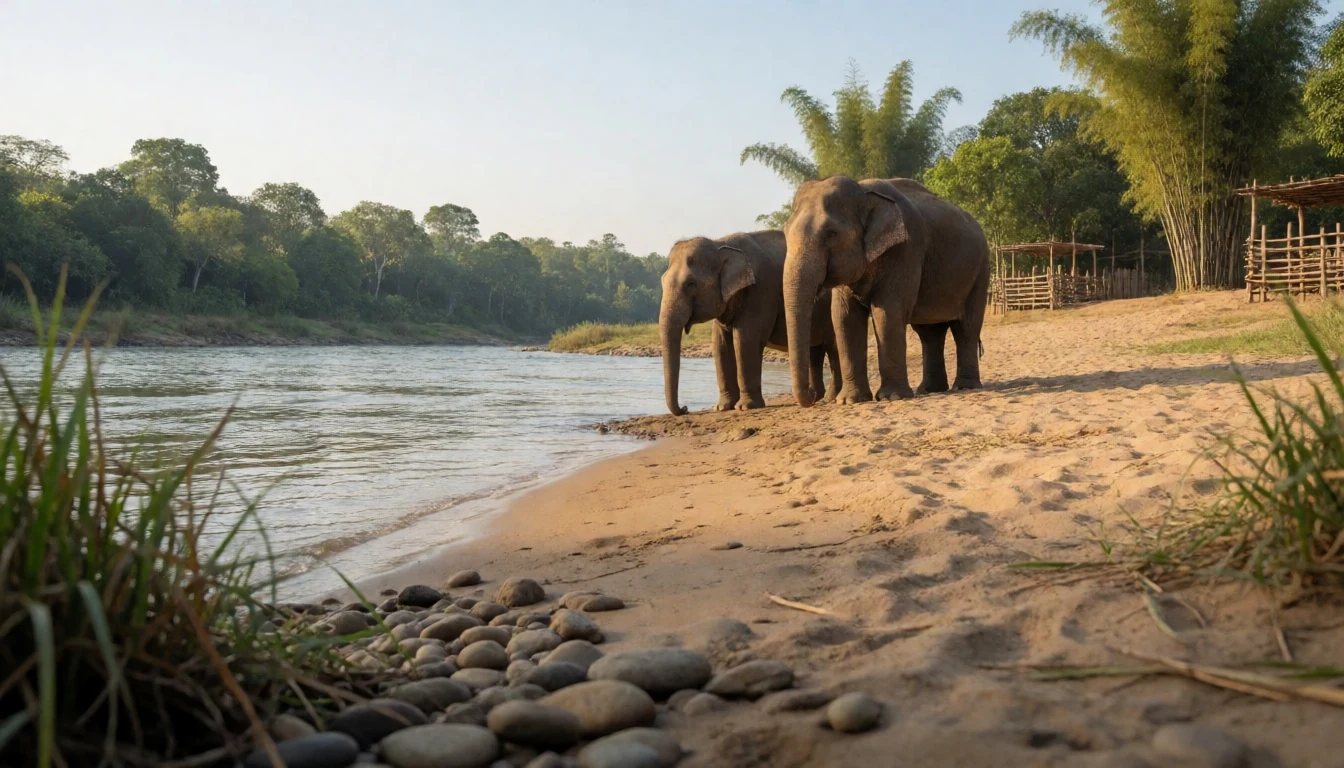
Culture
Nagarhole’s culture is less about markets and more about how conservation shapes daily behaviour. In and around the park, wildlife isn’t “something to watch from a distance”; it’s the organiser of movement, and rules are there because elephants, tigers, and other animals are part of the same space. That shows up in how safaris are run and in how walkers are routed.
Local communities also connect to the park through elephant camp areas and the travel corridors that bring visitors in. Even when the park feels remote, you’ll notice the practical side of Karnataka—routes that funnel people towards entry points, and services that handle transport to the last leg near the reserve.
The biggest mindset shift is patience: animals don’t arrive on cue, and the forest can go quiet for long stretches. Instead of chasing excitement, treat the day like a slow read—look for tracks, listen for birds, and accept that “no tiger” still means you’ve been in a functioning habitat.
Visitor etiquette: stay inside the vehicle where required, keep noise low, and never litter—plastic and non-biodegradable waste doesn’t belong in the forest.
What to wear
In Nagarhole, clothing is about comfort in humidity and the practicalities of forest movement. Traditional dress in Karnataka often features saris for women and dhotis or mundu-style lower garments with shirts for men, with everyday fabrics that breathe in warm weather; you’ll see this more in towns than on safari routes.
What people wear now around the reserve is mostly lightweight cotton and breathable layers, because daytime heat can be noticeable and mornings can still feel warm. For visits, you want quick-drying clothes, long sleeves if the insect pressure is high, and clothing that won’t mind dust from rural roads.
Visitor packing list: wear closed-toe shoes with grip for uneven, sometimes damp paths, and carry a light rain layer for wet spells—especially for the walking options that can get slippery. Stick to modest coverage on areas connected to camps and village access, and avoid flashy colours if you’re hoping for calm viewing. A cap and sunscreen help too, because long stares into the trees don’t come with shade every step of the way.
What to eat
- Local snacks and simple meals — Mysore-area approach and nearby towns
For food around Nagarhole, look for straightforward local meals and snack stops along the approach roads and towns near entry points. It’s the kind of eating that keeps you light for safari days rather than a long, heavy sit-down.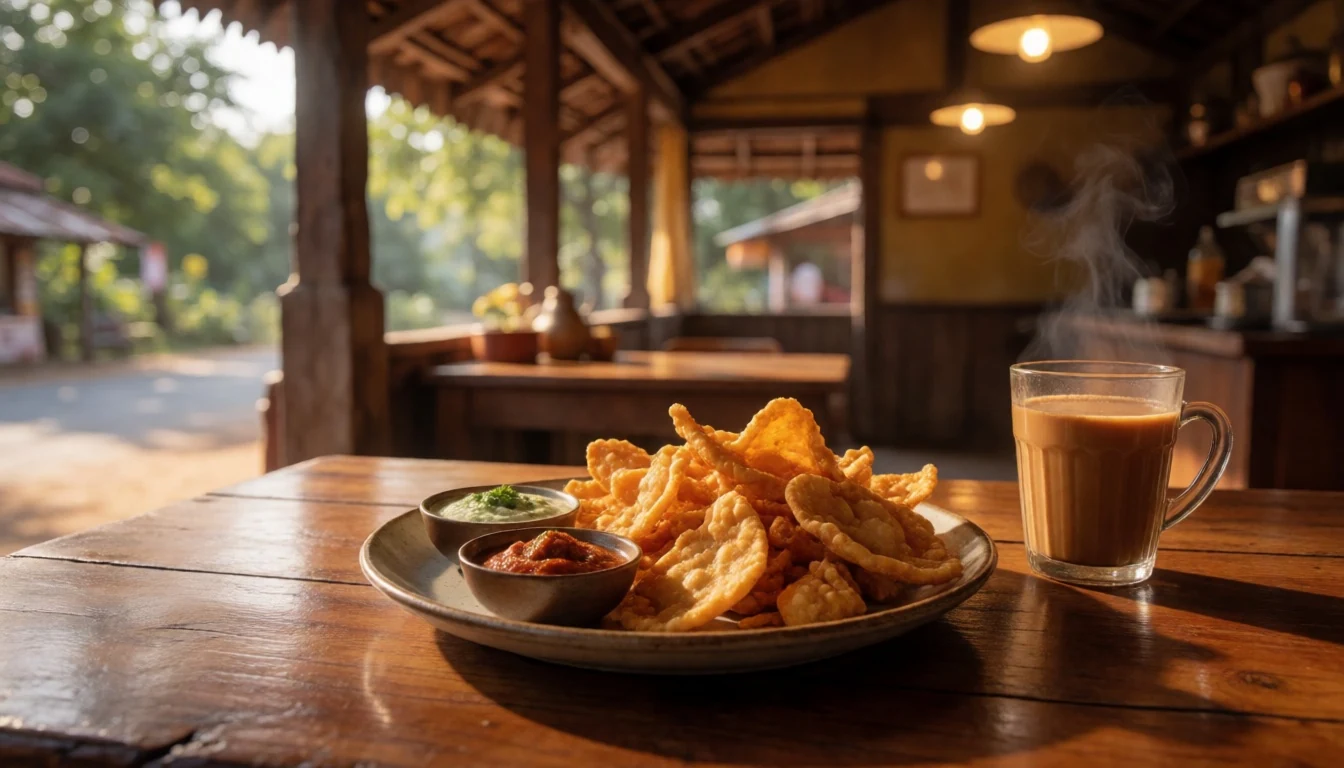
- Buttermilk — Local eateries and snack stalls in nearby towns
Buttermilk is an easy, cooling choice when the weather feels sticky. It’s commonly sold as a simple drink with many local meals, and it works well as a break between drives and short walks.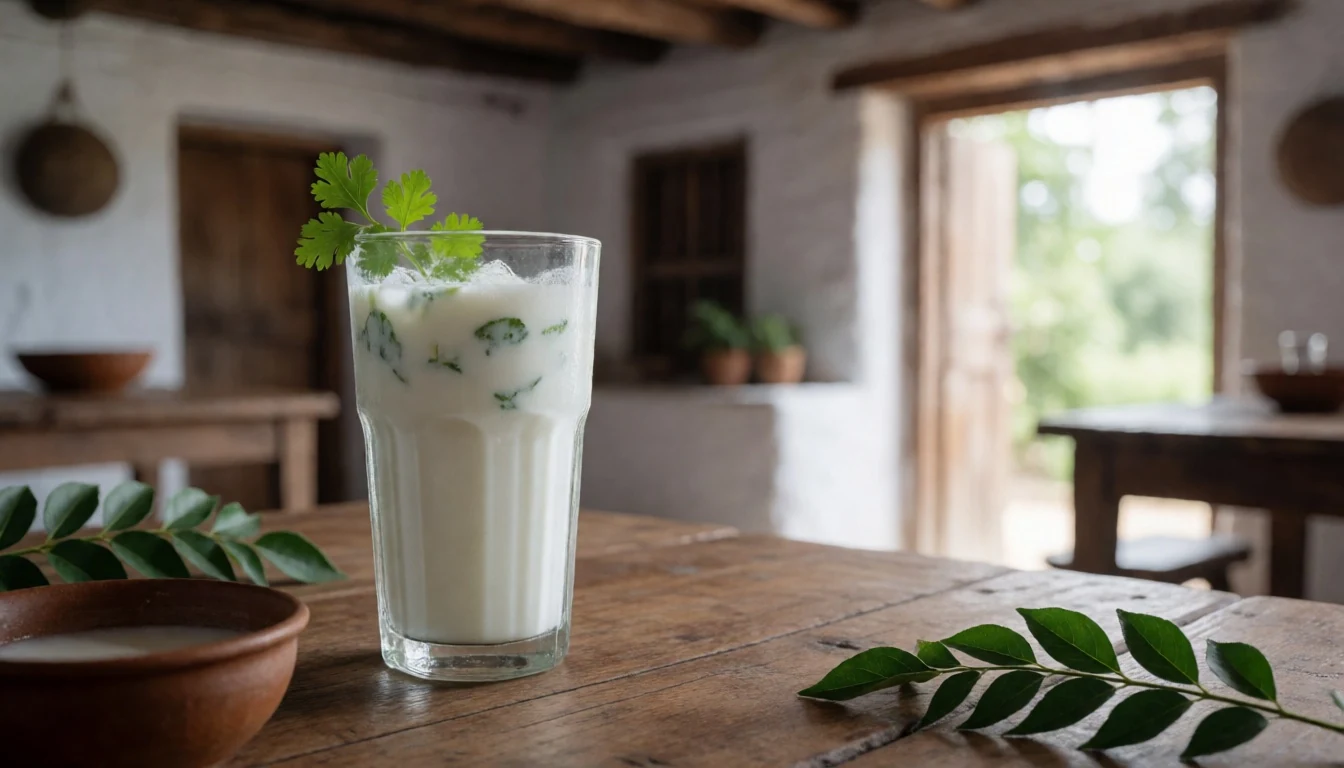
- Rice-and-curry style plates — Restaurants in Mysore district and Kodagu towns
Expect rice-based plates with familiar Indian curry combinations in local restaurants. These are filling enough for an animal-heavy day, and you can keep it mild if heat and spice levels feel intense after long travel. - Tea and bakery-style bites — Roadside tea stops and small cafés
On travel days, tea paired with quick bites is common—think biscuits, buns, and simple bakery snacks. It’s practical when you’re moving between towns and entry points and don’t want to wait for a full meal. - Fresh fruit and light refreshments — Markets and roadside stalls
When the day’s schedule is tight, fresh fruit and light refreshments are a sensible add-on. It helps with hydration and gives you an option that won’t feel heavy before a safari drive.
Plan it
Best time. November to February brings drier, more comfortable weather and clear viewing; March to May is the hottest stretch, and the June–October monsoon brings the heaviest rain.
How long. 3–4
Getting there. Fly into Mysore, then reach the reserve by road using the approach via H.D. Kote as a common drop point; the last leg is usually by taxi from there.
Budget. mid
Tips
- Plan an early start for walking options to keep the day comfortable.
- Bring water and keep snacks light; safari days can run long with limited breaks.
- If a route mentions being wet or slippery, prioritise footwear with grip.
- Before any trek, ask your guide or camp operator what wildlife rules apply for that specific section.
Etiquette
- Do not get down from the vehicle while travelling through the reserve.
- Don’t litter—keep plastics and non-biodegradable items out of the forest.
- Avoid lighting fires or throwing inflammable things on roads or in forest areas.
Nearby
Sources
- Wikidata Q1520200 (CC0)
- Wikipedia (Nagarhole National Park) (CC BY-SA 4.0)
- Wikivoyage (Nagarhole National Park) (CC BY-SA 4.0)
- Photo: Teak forest safari trail (CC BY-SA 4.0)
